Estimated reading time: 9 minutes
Trustworthy Information Begins With Proper Commissioning
Most commercial buildings already contain energy meters.
Many are connected to the Building Management System.
Some display values on attractive graphics.
Some generate trend logs and reports.
However, the presence of data does not guarantee that the information is correct.
One of the most common misconceptions surrounding Building Management Systems is that once an energy meter communicates successfully, the commissioning process is complete.
In reality, communication is only the beginning.
Successful commissioning verifies that every value displayed by the Building Management System accurately represents what is happening within the physical building.
Only then can building owners, Facility Managers and Property Managers make operational decisions with confidence.
Graphics Must Represent Reality
A Building Management System is ultimately a decision-support tool.
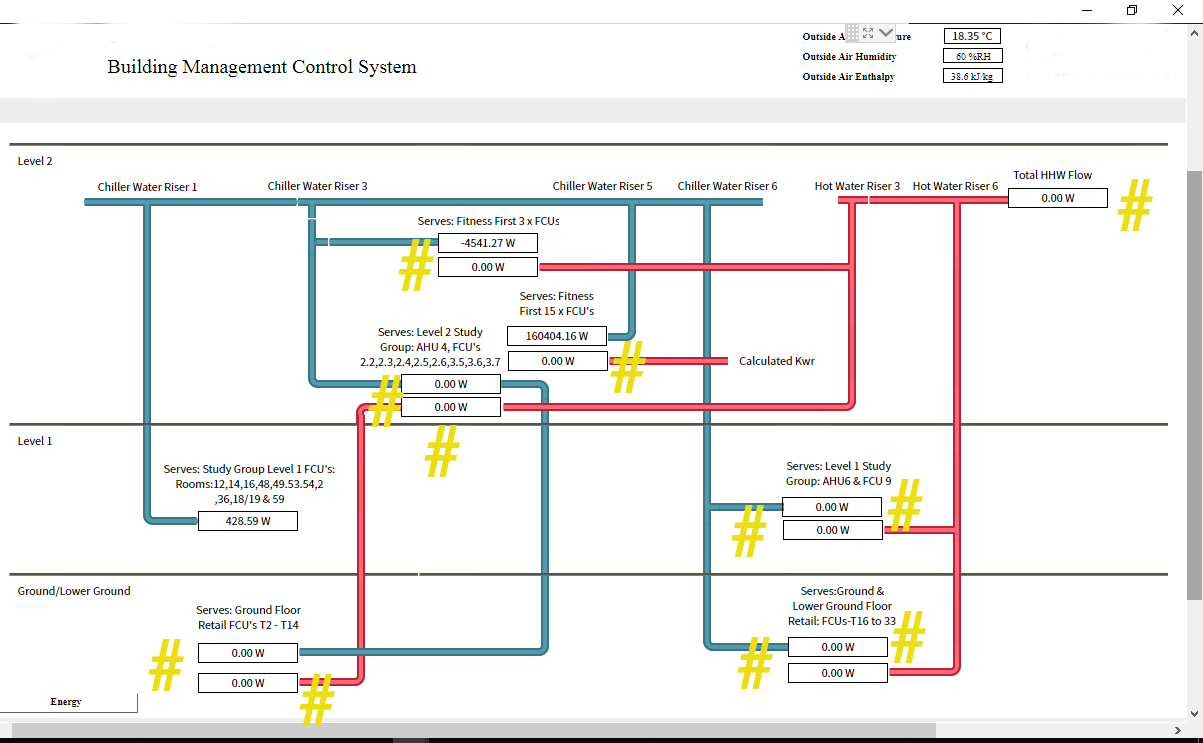
Every value, graphic, trend log and report presented to an operator should accurately represent the physical building. If engineers lose confidence in the graphics, they stop relying on the Building Management System.
When this happens, alternative systems inevitably begin to appear. Portable power analysers are installed. Independent temperature loggers are purchased. Excel spreadsheets replace trend logs. Manual readings are recorded.
Third-party dashboards are introduced to verify what the Building Management System should already know.
None of these systems solve the underlying problem. They simply compensate for information that is no longer trusted.
Proper commissioning ensures the Building Management System remains the single source of engineering truth.
Truth Before Trending
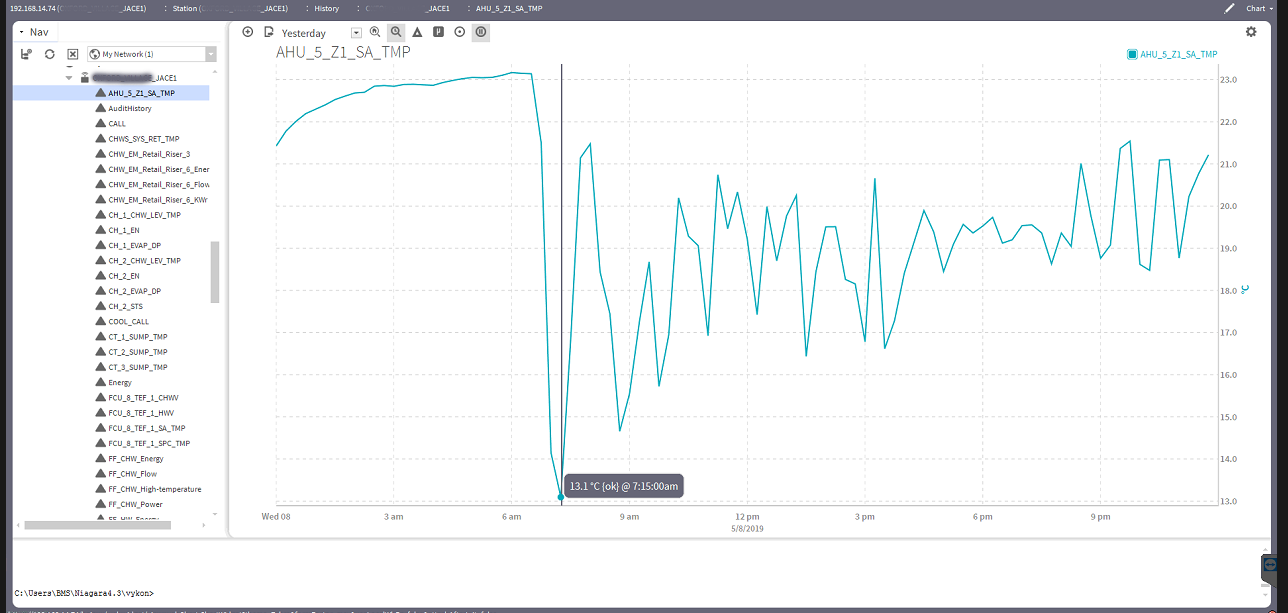
Trend logs are among the most valuable tools available within a modern Building Management System.
They allow Facility Managers to identify plant inefficiencies, understand seasonal behaviour, investigate faults and verify operational changes. However, trend logs are only as valuable as the information they record.
Recording incorrect information simply creates a detailed historical record of incorrect information.
Before any value is trended, alarmed, reported or used for engineering analysis, it should first be verified as accurately representing the physical installation.
At WR8Tech we believe one simple principle applies to every Building Management System:
Truth Before Trending.
Commissioning Begins With Purpose
Every energy metering project should begin with one simple question.
Why is this information being collected?
Different objectives require different engineering approaches.
Energy metering may support:
- NABERS performance
- Tenant billing
- Embedded energy networks
- Plant optimisation
- Fault detection
- Carbon reporting
- Operational monitoring
- Capital planning
- Building tuning
Understanding the purpose determines how the commissioning process should proceed.
For example, an electrical meter providing general plant monitoring has different operational requirements from a thermal energy meter supporting tenant billing or a utility meter used for cost recovery.
Many modern electrical and thermal energy meters are factory calibrated before leaving the manufacturer. Fluid energy meters, in particular, are commonly supplied with certified calibration appropriate to the intended market.
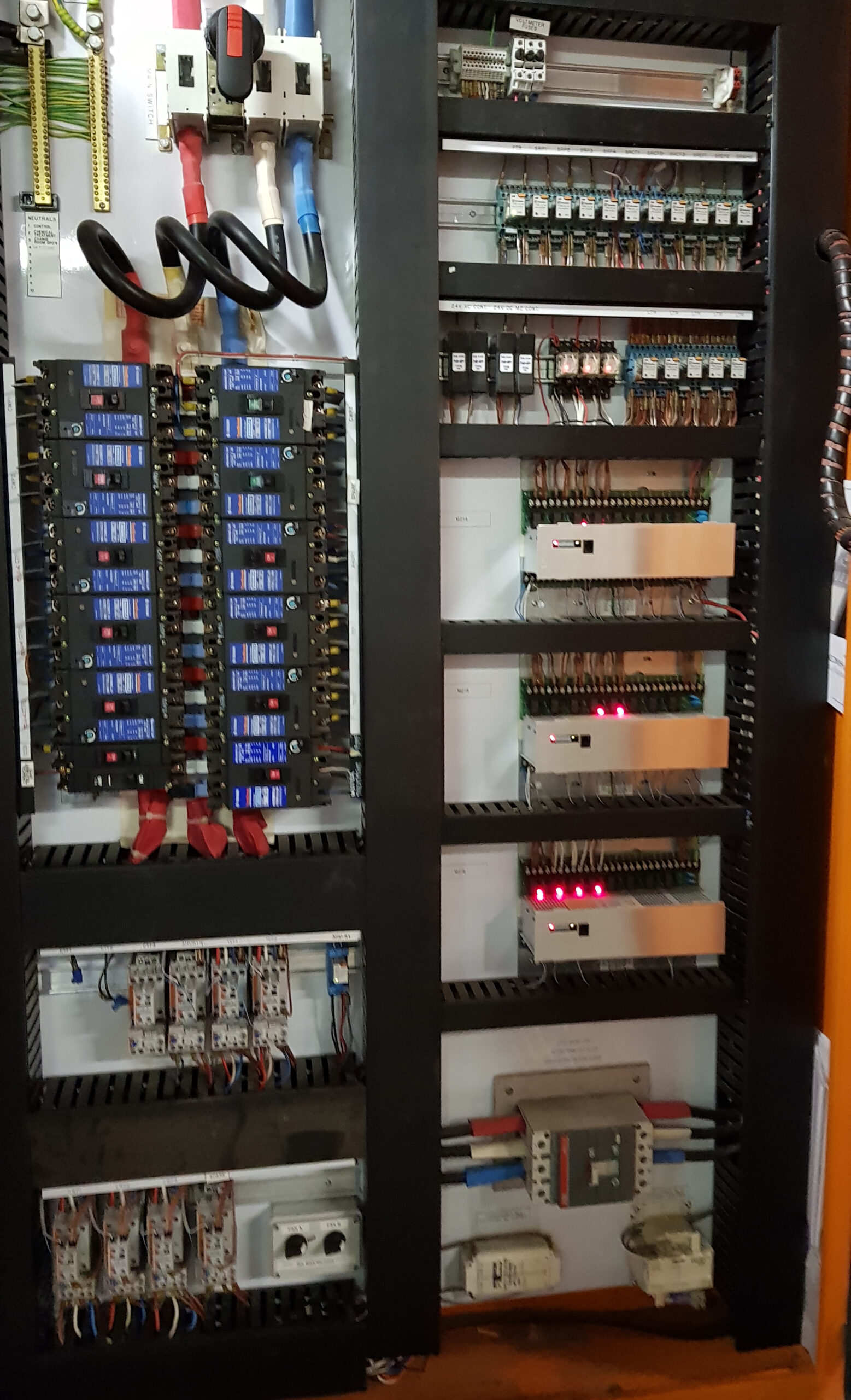
Commissioning therefore becomes less about adjusting the instrument and more about verifying the complete measurement chain.
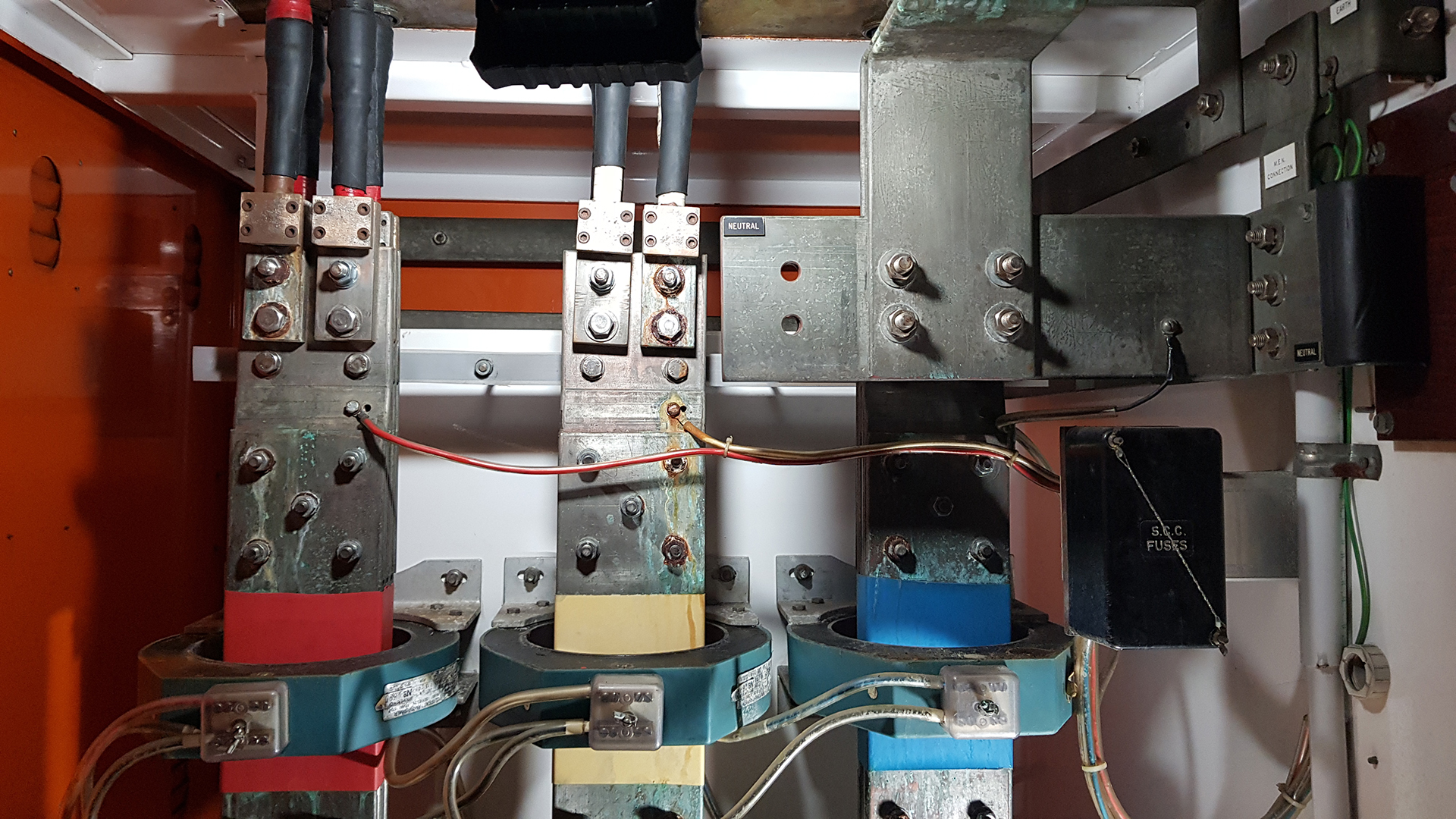
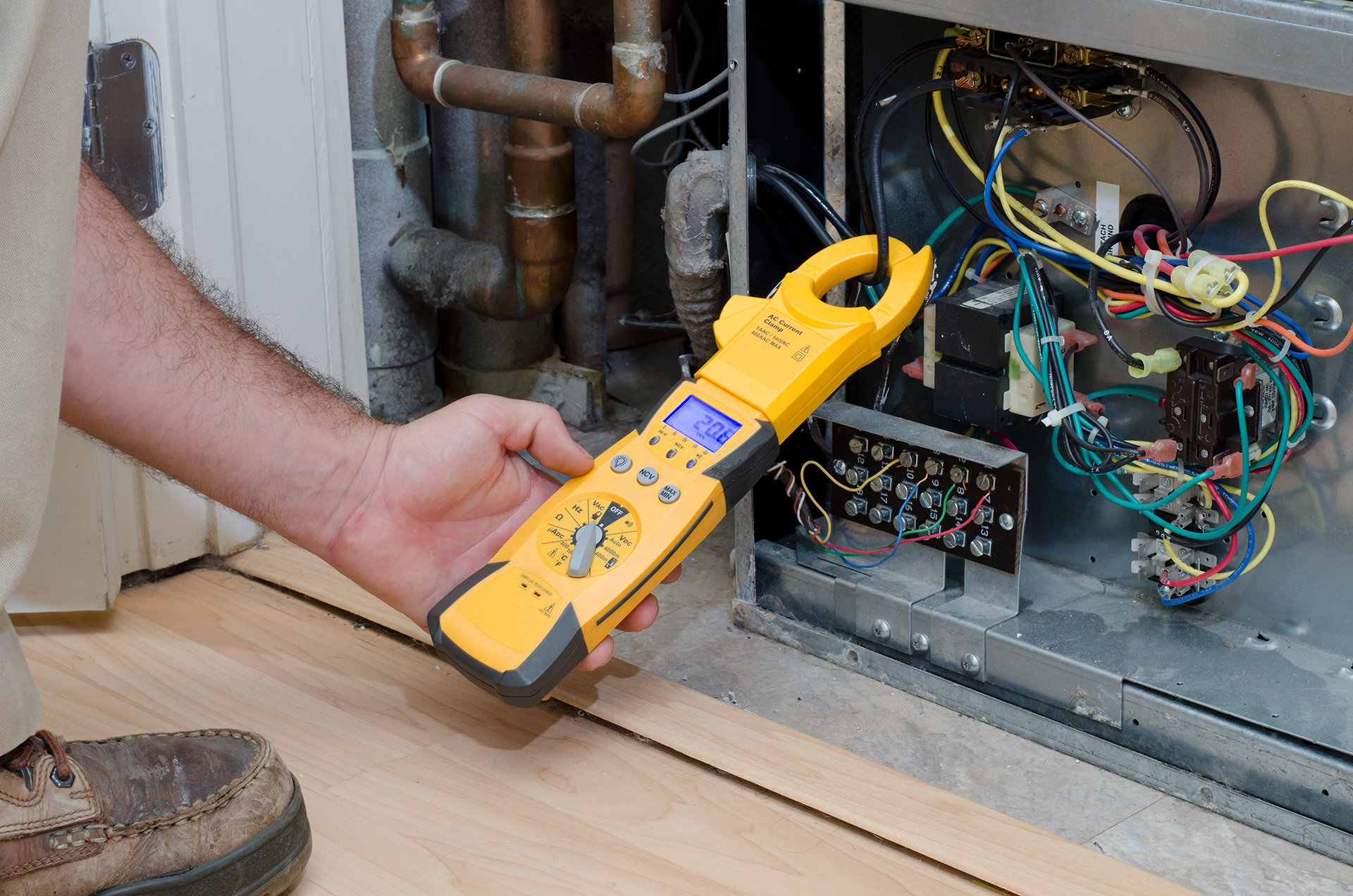
Correct current transformer ratios.
Correct flow sensor installation.
Correct engineering units.
Correct scaling.
Correct BACnet objects.
Correct Modbus registers.
Correct calculations.
Correct graphics.
Correct interpretation.
A perfectly calibrated instrument can still provide misleading information if any part of the system has been configured incorrectly.

Engineering Data Must Be Defensible
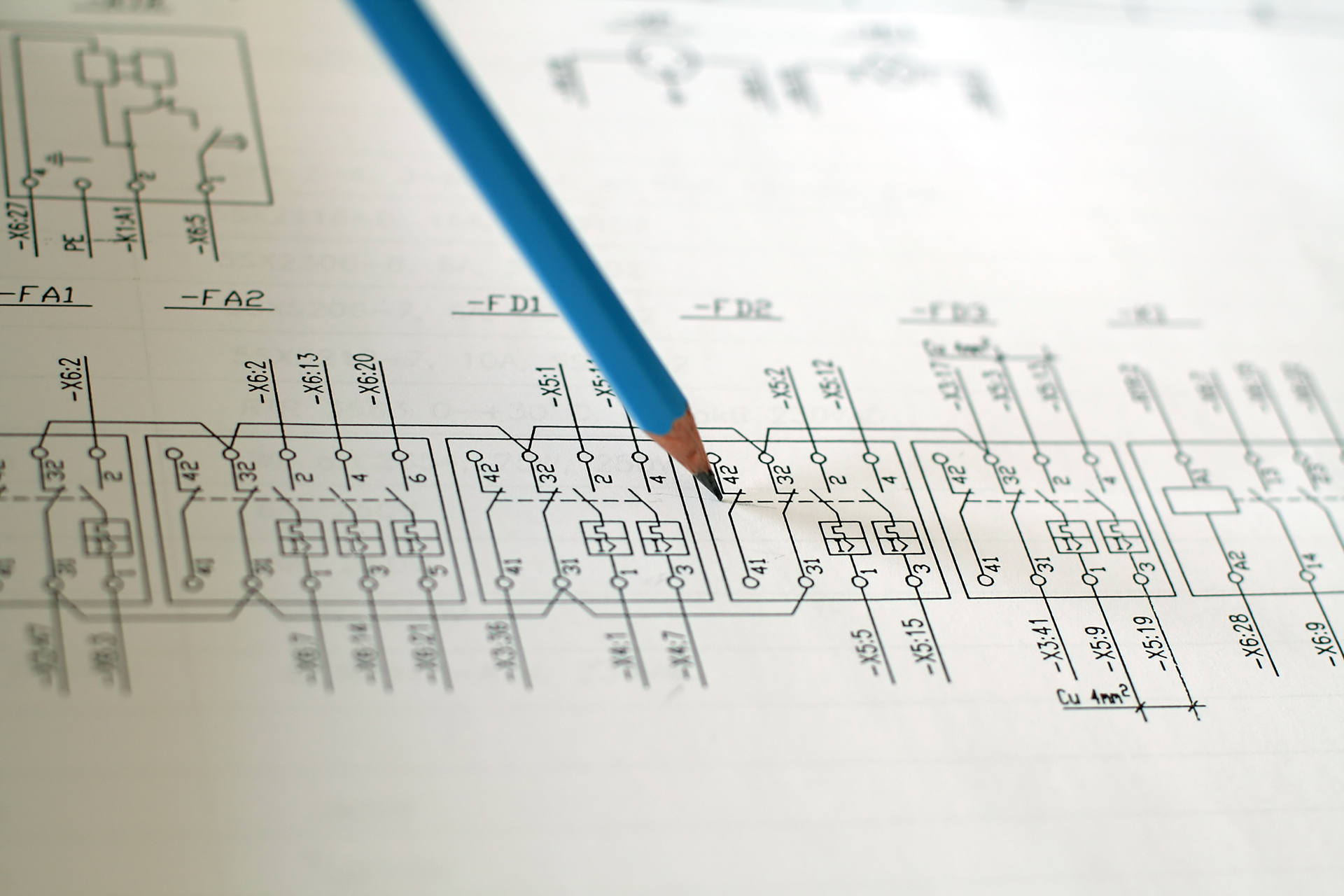
Commercial buildings increasingly rely on energy information to support financial and operational decisions.
Historically, many buildings allocated energy costs according to floor area or percentage ownership. While convenient, these methods estimate consumption rather than measure it.
A tenant occupying twenty percent of a building does not necessarily consume twenty percent of the building’s energy.
They may operate twenty-four hours a day while neighbouring tenants work standard business hours.
They may have specialist equipment, server rooms or process loads that significantly alter consumption. Conversely, portions of a tenancy may remain unoccupied for extended periods.
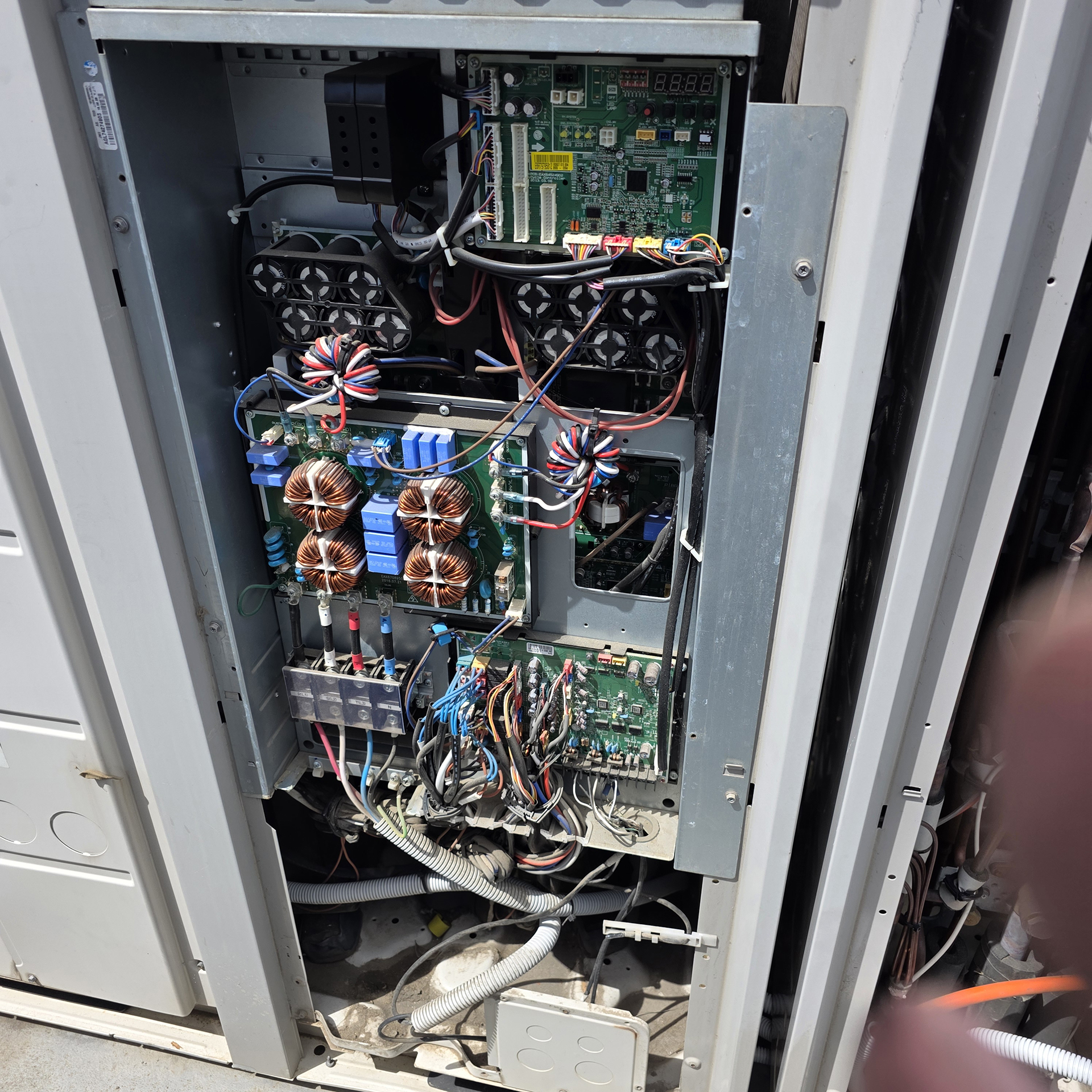
Modern Building Management Systems allow owners to move beyond estimates by integrating electrical meters, thermal energy meters and utility meters that record actual consumption.
Reliable commissioning provides confidence that the information used for reporting, operational decisions and cost recovery reflects genuine building performance rather than assumptions.

Beyond Electrical Energy
Energy within commercial buildings extends well beyond electricity.
Modern Building Management Systems increasingly integrate multiple utility systems to provide a complete understanding of building performance.
These may include:
- Electrical energy metering (Modbus RTU, Modbus TCP/IP)
- Thermal (BTU) energy meters via BACnet or High-Level Interfaces
- Chilled water energy
- Heating hot water energy
- Condenser water systems
- Domestic water consumption
- Recycled water
- Gas consumption
- Cooling tower water treatment systems
- Biocide dosing systems
- Town water pumping
- Geothermal systems
- Solar generation
- Battery storage
- Embedded energy networks
Commissioning these systems requires more than confirming communications. It requires understanding what is being measured, why it is being measured and how that information supports the ongoing operation of the building.

Turning Information Into Engineering Decisions
Energy meters do not reduce energy consumption.People do.Meters simply provide visibility.
When properly commissioned, Building Management Systems allow engineers to compare multiple sources of information simultaneously.
Electrical demand can be compared against outside air temperature.
Chilled water consumption can be reviewed alongside plant sequencing.
Shopping centre energy usage can be assessed against occupancy levels.
Car park ventilation energy can be compared with vehicle counts.
Heating demand can be reviewed against seasonal conditions.
Trend logs transform individual data points into engineering evidence, allowing Facility Managers to understand not simply what happened, but why it happened.

What We Regularly Find
Many metering systems communicate successfully while still providing misleading information.
Examples include:
- Incorrect CT ratios.
- Factory-default configuration remaining unchanged.
- Unconfigured specialist sensors.
- Incorrect engineering units.
- BACnet objects mapped incorrectly.
- Modbus registers interpreted incorrectly.
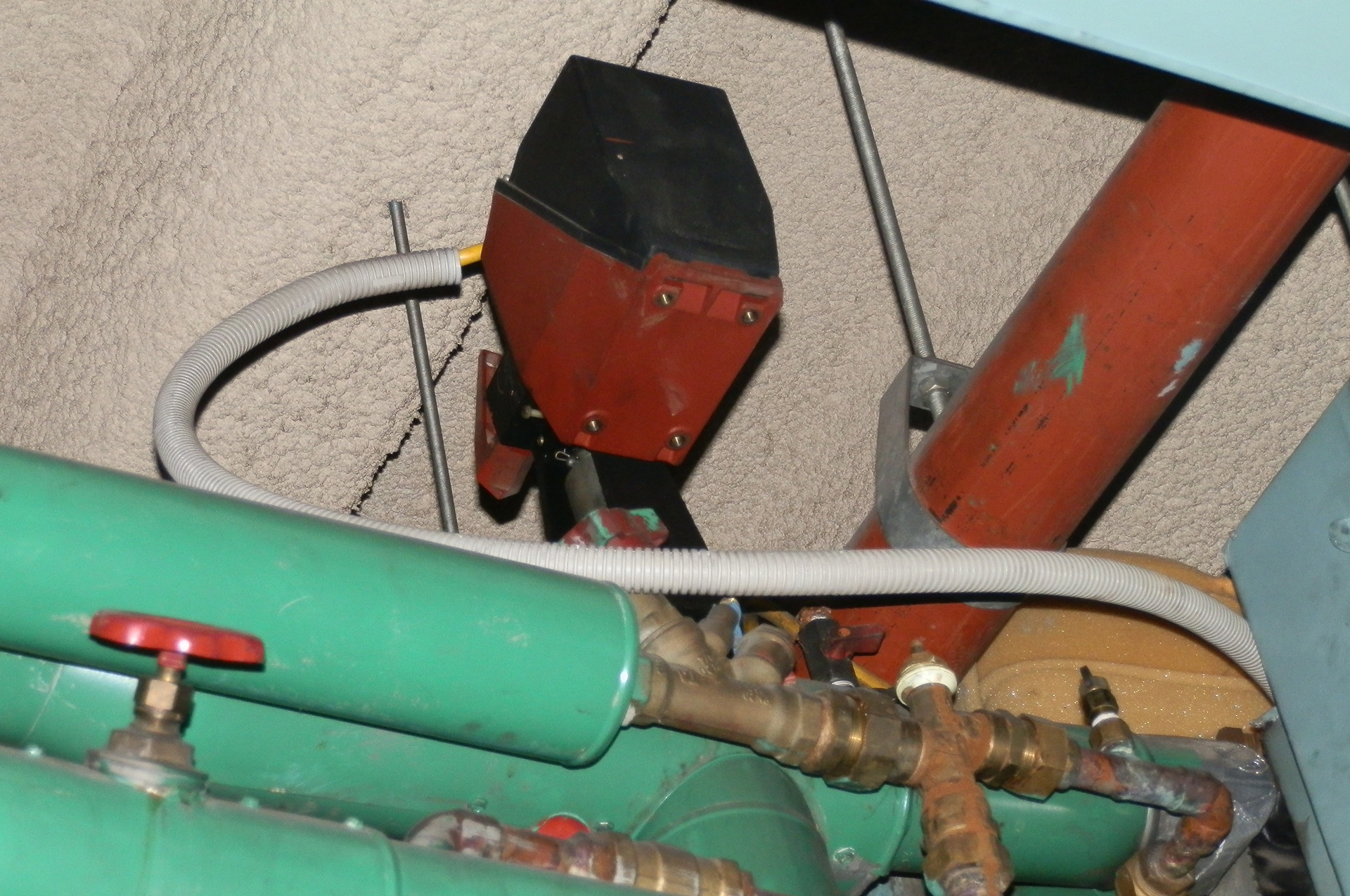
- Flow sensors installed in the wrong direction.
- Thermal energy calculations using incorrect pipe sizes.
- Graphics displaying incorrect values despite healthy communications.
- Trend logs recording information that has never been independently verified.
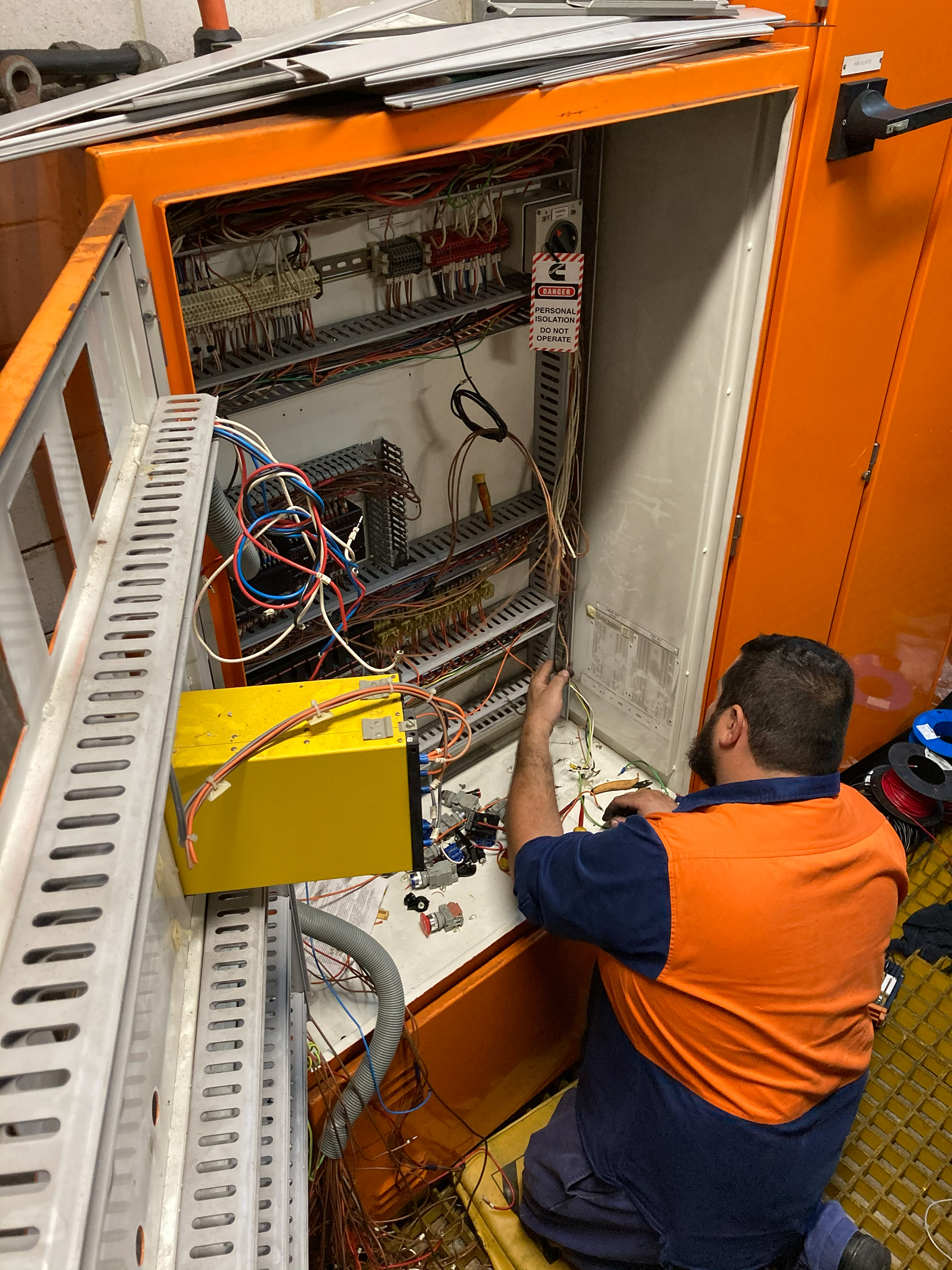
In many cases, specialist manufacturer software must be used to complete configuration, verify calibration settings and confirm that the Building Management System is presenting truthful information.
Communication alone is never proof of accuracy.

Commissioning Information You Can Trust
The purpose of commissioning is not simply to make information available.
It is to make information trustworthy.
When energy data reflects the physical building accurately, Facility Managers can make informed operational decisions, Property Managers gain confidence in reporting, Building Owners better understand asset performance and engineering teams have reliable information on which to base future improvements.
At WR8Tech, we commission energy metering systems so that every trend log, every graphic and every report begins from the same foundation:
Information you can trust.