Estimated reading time: 13 minutes
HVAC Mechanical Services Audits
Independent technical audits of commercial HVAC plant, controls and mechanical electrical systems—providing clear evidence of condition, performance, risk and improvement priorities.
Commercial HVAC problems are rarely confined to a single item of equipment. Recurring temperature complaints may be caused by a failed sensor, an incorrectly mapped BMS point, a passing control valve, poor airflow, an overridden controller or a plant sequence that no longer suits the way the building is occupied. The equipment may continue to run, but that does not necessarily mean the system is operating correctly, efficiently or reliably.
WR8Tech conducts technical HVAC mechanical services audits for facility managers, property managers, building managers, owners and asset stakeholders who need a clearer understanding of how their building’s mechanical systems are actually performing.
We examine the relationship between the mechanical plant, Building Management System, field controls, mechanical electrical infrastructure, maintenance practices and operational requirements of the property. The result is not simply a list of equipment or minor observations. It is a practical technical assessment of what is working, what is deteriorating, what presents a risk and what should be addressed first.
An HVAC Audit Should Explain More Than Equipment Condition
Traditional condition inspections often concentrate on the visible state and approximate age of individual assets. That information is useful, but it does not necessarily explain why a building has persistent comfort problems, excessive energy consumption or repeated mechanical failures.
An air-handling unit may be physically serviceable while operating continuously because of an incorrect schedule. A recently replaced pump may still provide poor performance because the control sequence is wrong. A chiller can be maintained in accordance with its service schedule while the wider chilled-water system remains inefficient.
A WR8Tech HVAC audit considers both the condition of the assets and the way the complete system operates.
We look beyond the question:
Is the equipment running?
We investigate:
Is the equipment operating when required, responding correctly, interacting properly with other systems and delivering the intended building outcome?
That distinction is where many persistent HVAC problems begin to make sense.

Why HVAC Problems Can Remain Hidden
Commercial HVAC systems can continue operating for years with gradual changes that are difficult to identify through routine maintenance alone.
Control points are overridden to resolve immediate complaints. Operating hours are extended for one tenant and never restored. Valves and dampers stop closing fully. Sensors drift out of calibration. Failed equipment is bypassed, and temporary control arrangements become permanent.
Individually, these issues may not stop the building from operating. Together, they can create:
- Increasing energy consumption
- Poor temperature control
- Simultaneous heating and cooling
- Excessive equipment operating hours
- Unnecessary wear and premature failure
- Persistent tenant complaints
- Greater dependence on reactive maintenance
- Increasing difficulty diagnosing faults
- Unplanned capital expenditure
An HVAC mechanical services audit provides an opportunity to step back from individual service calls and examine the broader operating pattern.

What WR8Tech Investigates
The scope of each HVAC audit is developed around the building and the reason the assessment is required.
Depending on the installation, the investigation may include central mechanical plant, packaged equipment, ventilation systems, terminal units, field controls, switchboards, automation systems and the available technical documentation.
Typical systems include:
- Air-handling units and ventilation plant
- Chillers and chilled-water systems
- Boilers and heating hot-water systems
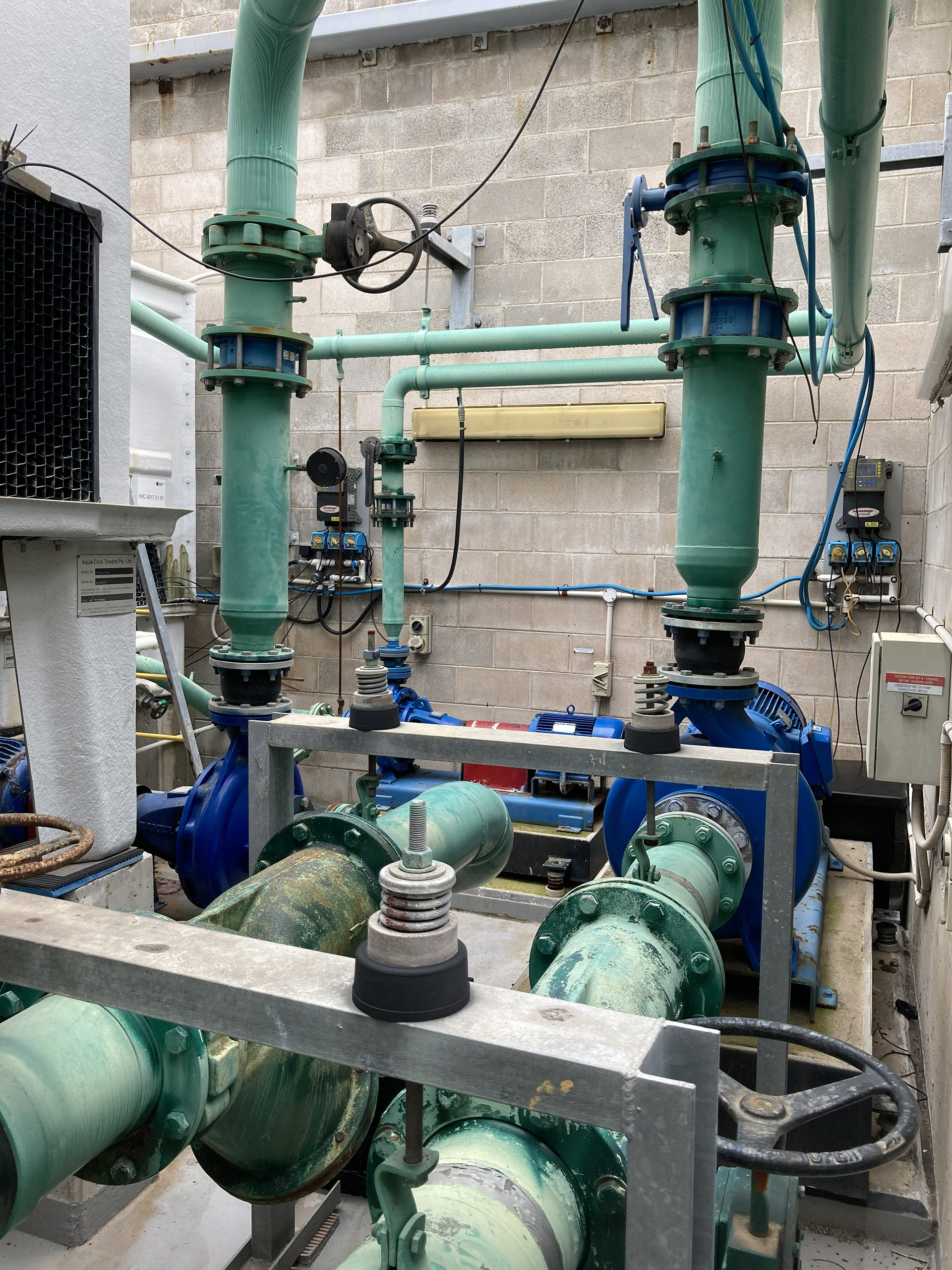
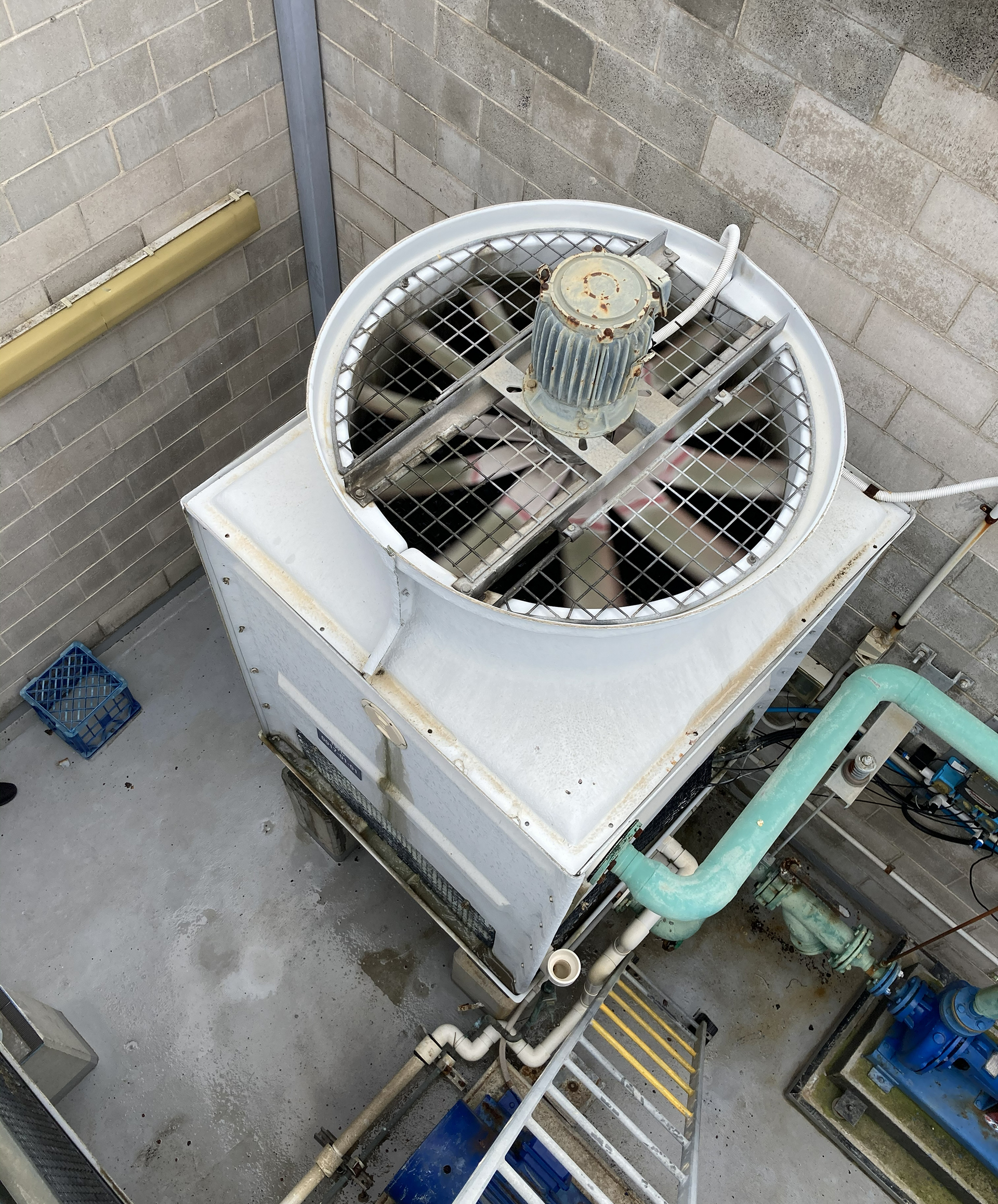
- Cooling towers and condenser-water systems
- Pumps, fans and variable speed drives
- Fan-coil and variable-air-volume systems
- Packaged and split air-conditioning equipment
- Variable refrigerant volume systems
- Car park ventilation and carbon monoxide controls
- Outside-air and relief-air systems
- Stair pressurisation and smoke-control plant
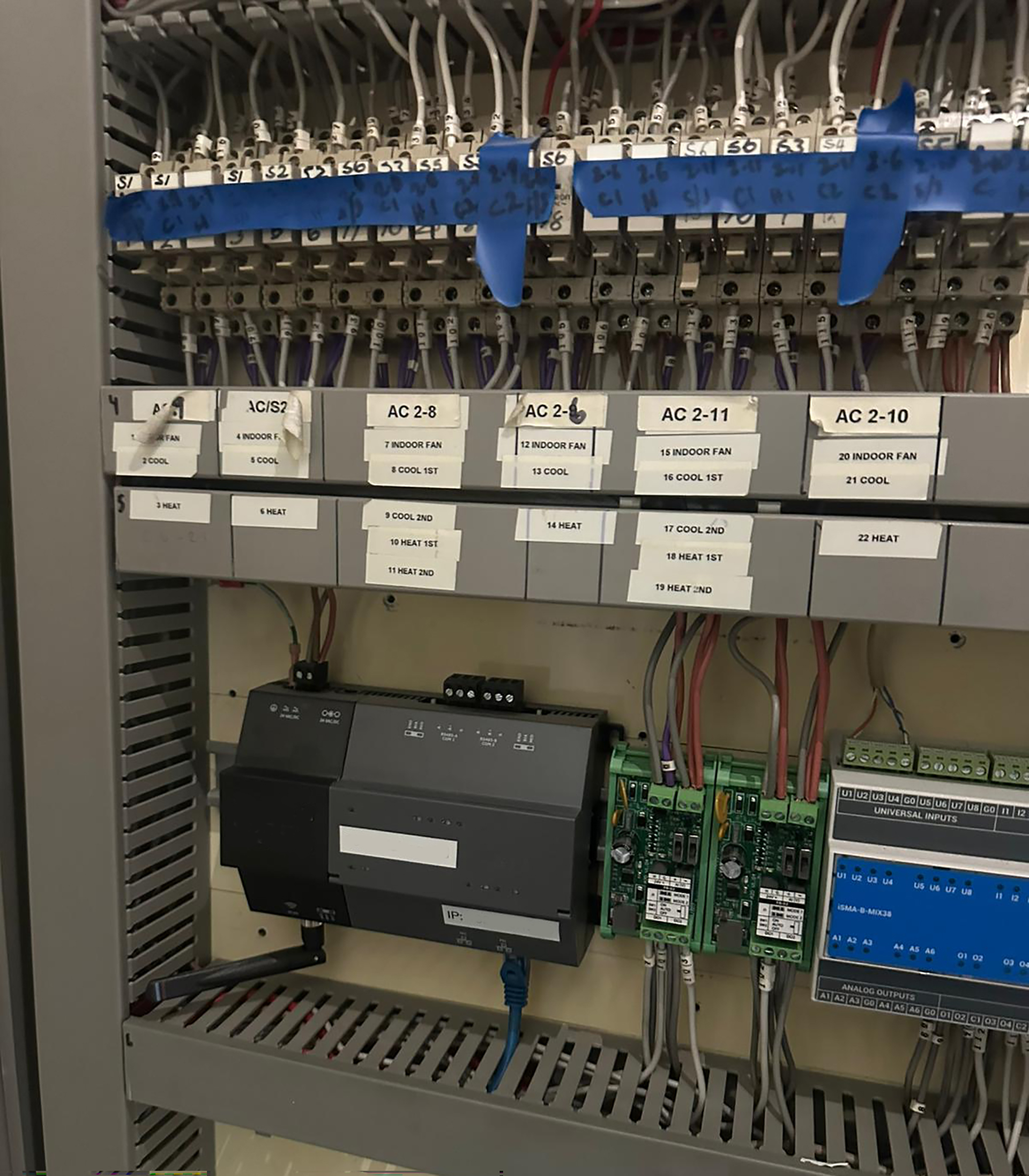
- Mechanical services switchboards
- BMS controllers, sensors and field devices
Not every audit requires every item to be examined at the same level. The scope should remain proportionate to the property, the available information and the decisions management needs to make.
HVAC Plant and System Performance
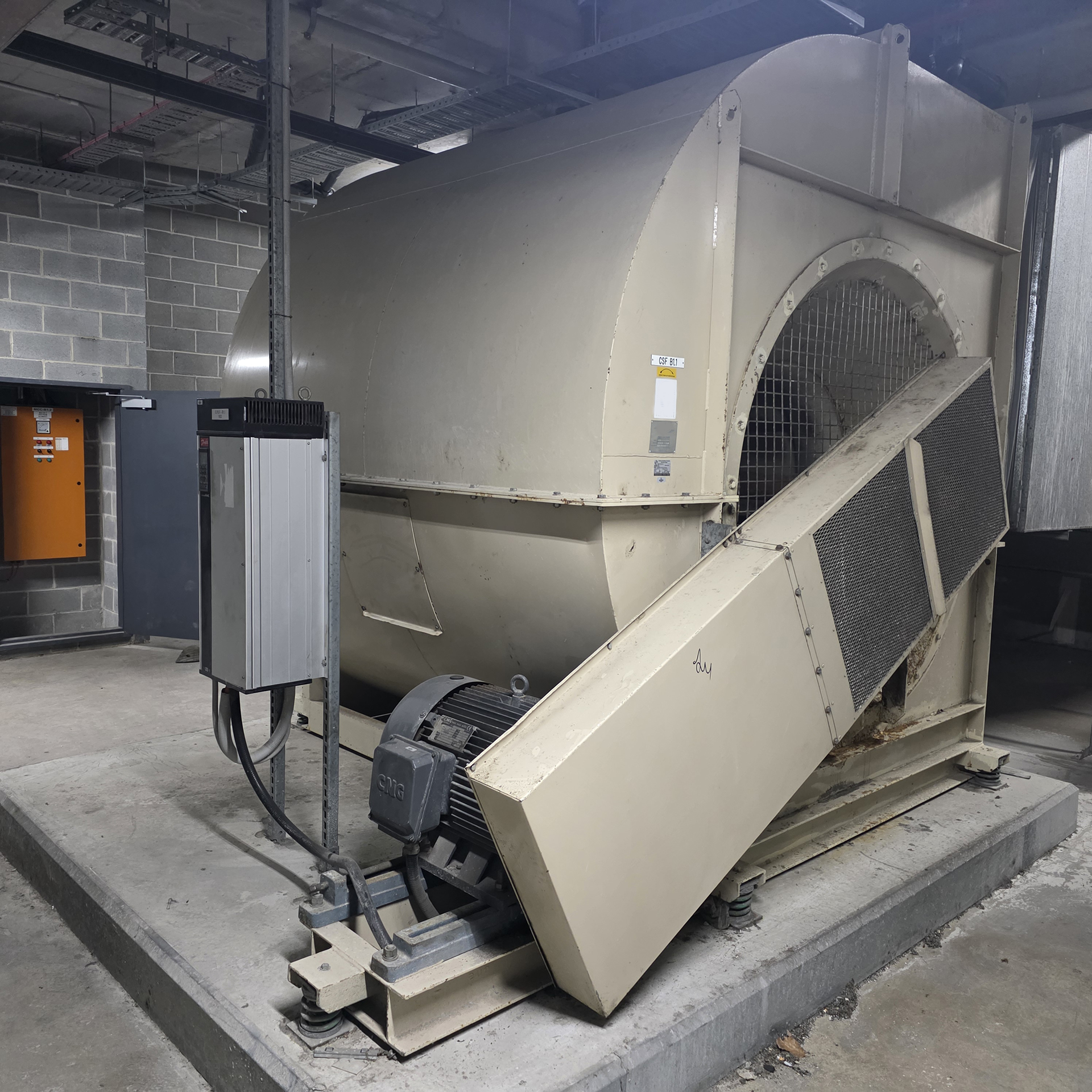
Mechanical equipment cannot be properly assessed without considering how it operates within the wider system.
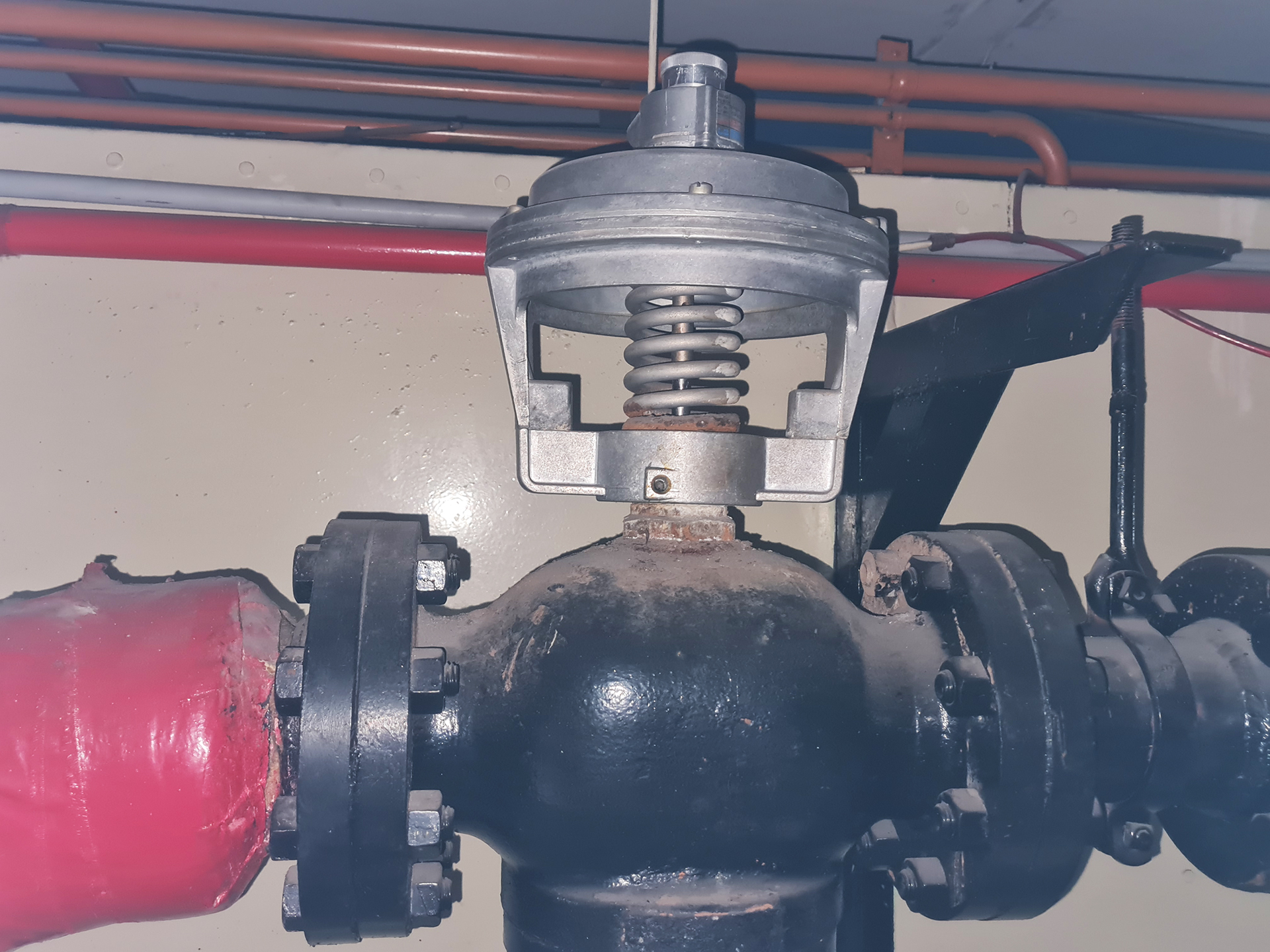
A pump, fan, boiler or chiller may perform correctly in isolation but be enabled at the wrong time, operate against unsuitable setpoints or fail to coordinate with associated plant.
Where appropriate, WR8Tech examines:
- Plant availability and general condition
- Operating sequences and staging
- Heating and cooling demand
- Equipment run hours
- Flow, pressure and temperature relationships
- Evidence of short cycling
- Plant redundancy and operational resilience
- Accessibility and maintainability
- Recurring defects and temporary repairs
- Known obsolescence and support limitations
This helps identify whether the observed problem belongs to the asset itself, its controls or the way the system has been configured.
BMS and HVAC Controls
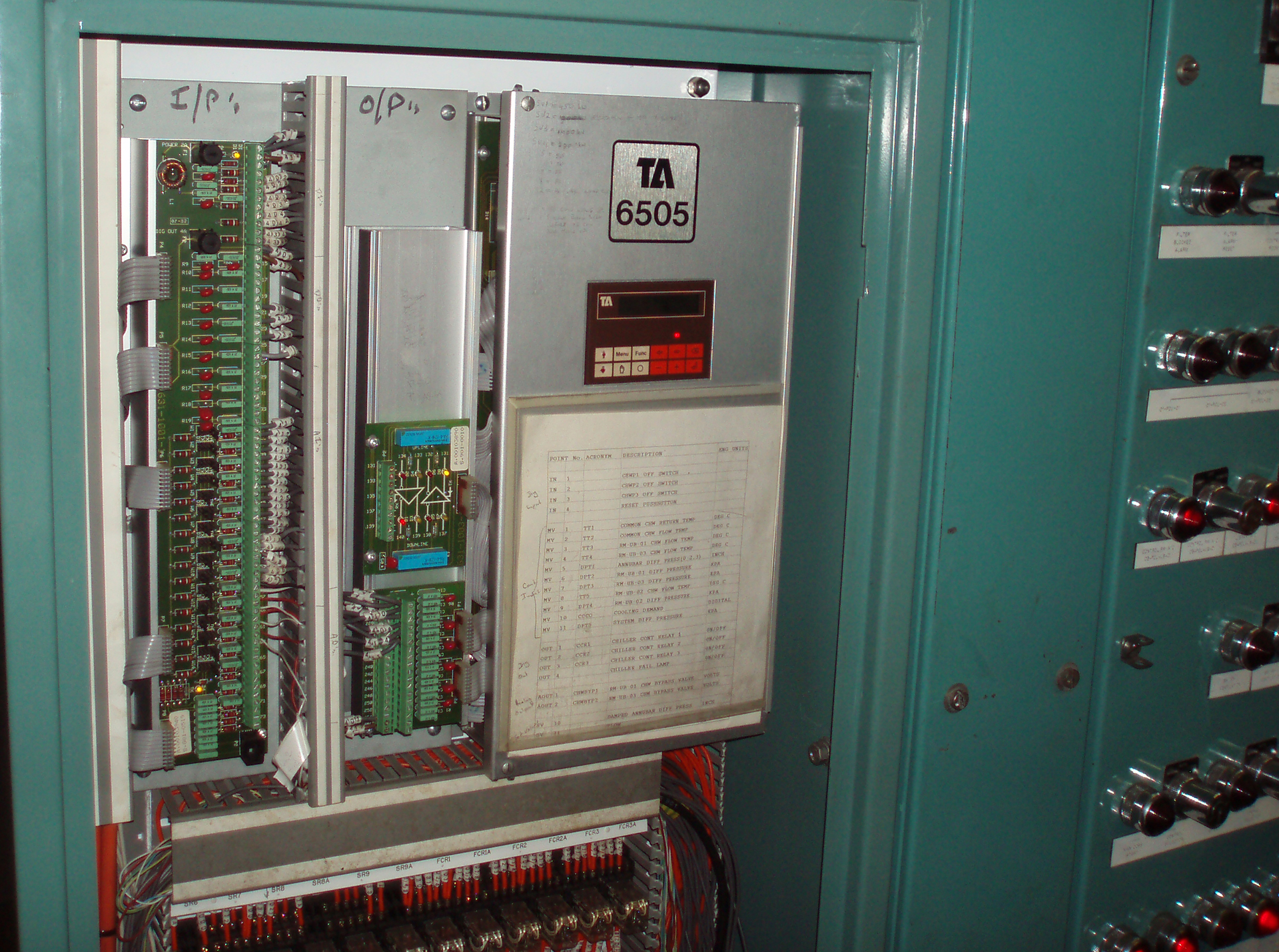
The BMS can provide valuable insight into HVAC performance—but only when its information is reliable.
Incorrect sensors, failed communications, disabled alarms, missing trends and inaccurate graphics can create a convincing but incomplete picture of the building.
Our audit may examine BMS schedules, commands, setpoints, alarms, trend logs and control sequences. Where required, we compare the information displayed at the workstation with conditions at the field equipment.
Common issues include:
- Plant commands that do not reach the intended equipment
- Sensors displaying inaccurate or implausible values
- Outputs left in manual override
- Alarms that have been disabled or poorly configured
- Trend logs that are missing or unsuitable for diagnosis
- Incorrect point mapping and outdated graphics
- Unstable control loops
- Failed BACnet, Modbus or legacy-network communications
- Poor plant staging
- Controls left at factory or commissioning defaults
This investigation can show whether the BMS is actively managing the building or simply providing limited visibility of equipment that is operating independently.
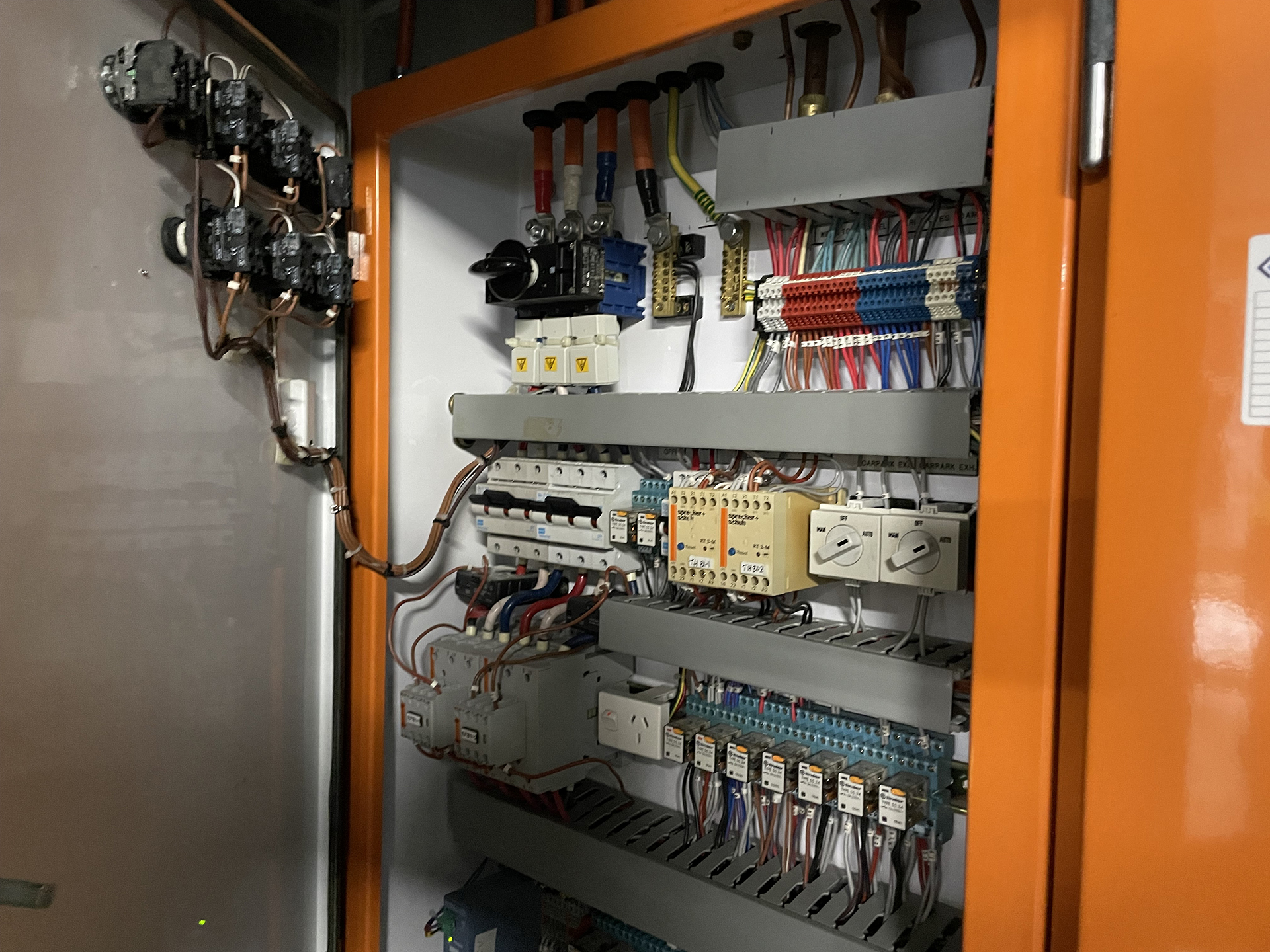
Mechanical Electrical Systems
The performance and reliability of HVAC equipment are closely connected to the condition of the mechanical electrical installation.Mechanical services switchboards often contain motor starters, variable speed drives, contactors, relays, control transformers, safety circuits and interfaces between the plant and BMS.
Over time, these panels can accumulate undocumented modifications, obsolete components, temporary wiring and control arrangements that are difficult to maintain.
Where included in the agreed scope, WR8Tech can inspect mechanical services switchboards and motor-control equipment for general condition, serviceability and apparent technical risk.
We consider matters such as:
- Age and condition of control equipment
- Availability of replacement components
- Circuit and equipment identification
- Condition of relays, contactors and protective devices
- Variable speed drive operation and integration
- Panel accessibility and maintainability
- Control wiring and undocumented alterations
- Condition and availability of schematics
- Interfaces with the BMS and mechanical equipment
Where formal electrical testing, engineering certification or another specialist assessment is required, this is identified separately in the report.
Testing Real Operation
Some HVAC problems cannot be identified from a visual inspection.
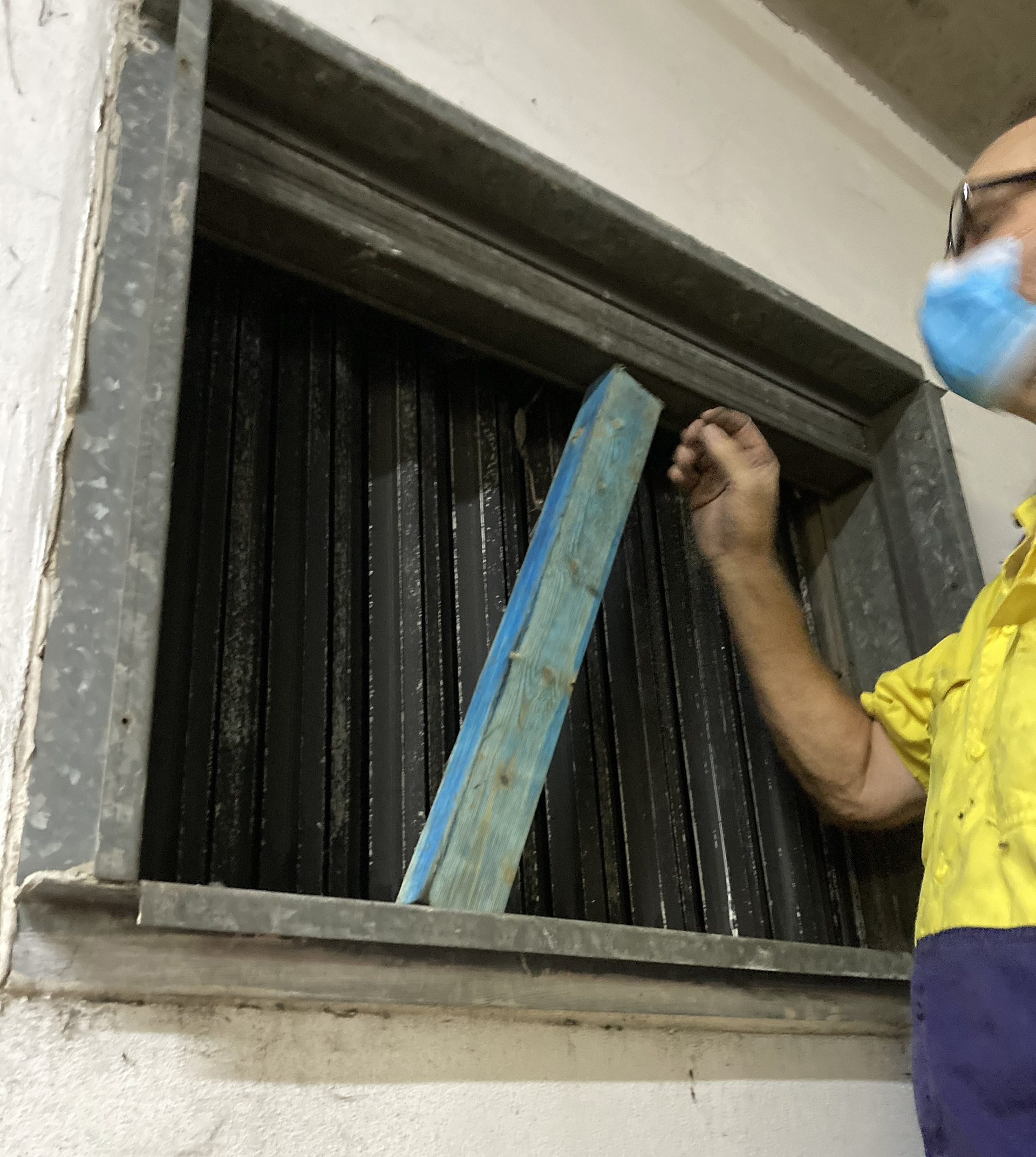
Where the scope permits and it is safe and practical to do so, the audit may include functional checks of plant commands, operating modes, sensors, actuators, dampers, valves, interlocks and control responses.
This can involve reviewing the system under normal operation, introducing controlled commands through the BMS or examining historical trend data across different operating conditions.
The level of testing depends on the property, available access, operational constraints and the purpose of the audit. Testing involving fire modes, essential-service functions or potentially disruptive plant operations must be planned and coordinated separately.
The purpose is to gather sufficient evidence to understand the system—not to interfere unnecessarily with building operations.
Maintenance Performance and Recurring Faults
Routine maintenance records do not always reveal whether the underlying purpose of the maintenance program is being achieved.
A task may be marked complete even though the same fault returns repeatedly. Filters may be changed and belts inspected, while unstable control, leaking valves or unsuitable operating schedules remain unresolved.
WR8Tech can review relevant service records, defect reports and recurring callouts alongside the physical and operational findings. This may identify:
- Repeat failures without root-cause investigation
- Plant left in manual operation
- Defects repeatedly carried forward
- Maintenance tasks that do not reflect the installed equipment
- Poorly documented repairs or modifications
- Gaps between the maintenance scope and actual building needs
- Recommendations that have not been prioritised or completed
- Contractor reports that do not explain deteriorating performance
The purpose is not to criticise contractors for minor administrative issues. It is to determine whether the current maintenance approach is controlling material operational risk and supporting the building effectively.
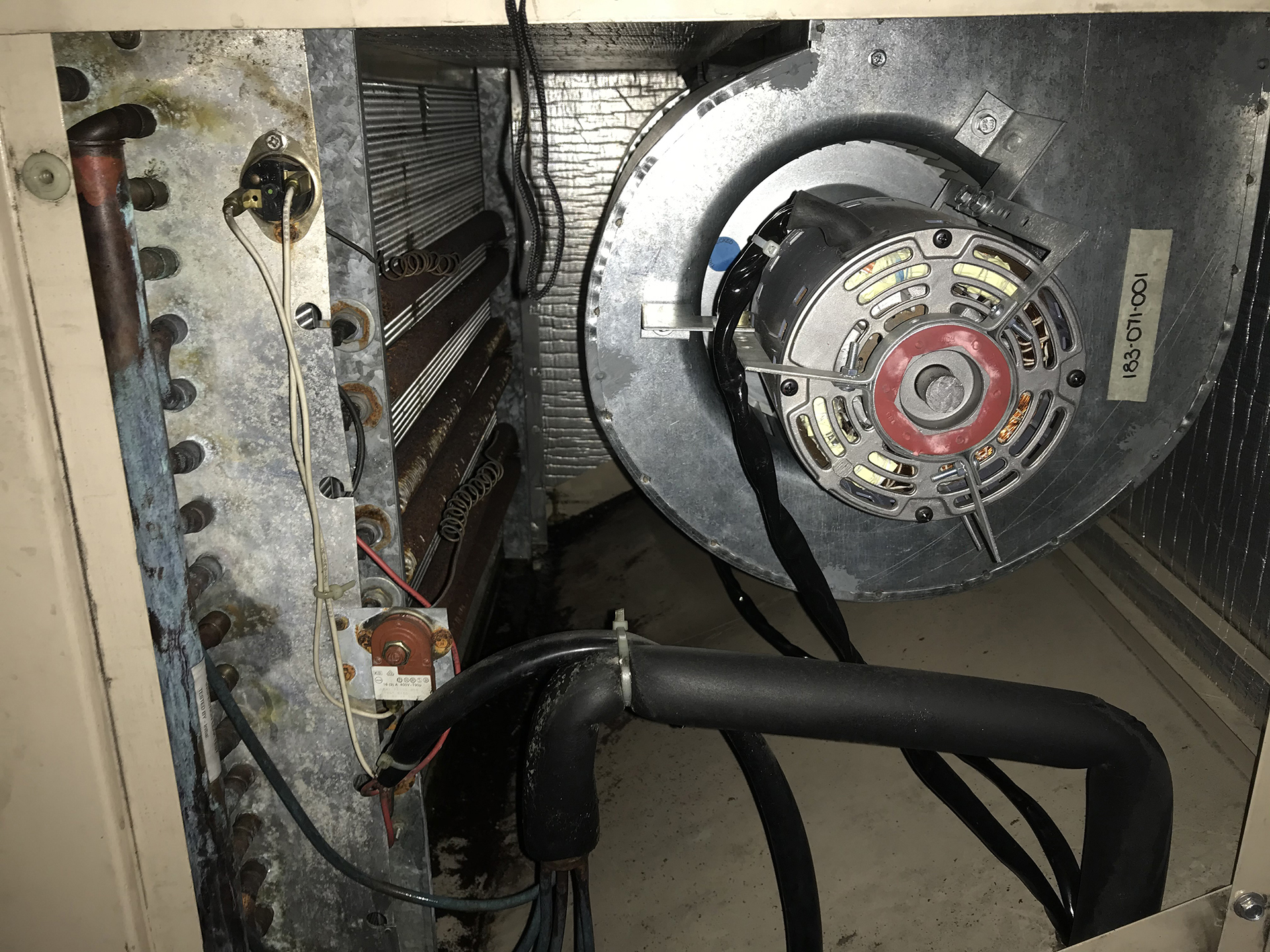
Energy Performance Is Connected to HVAC Operation
HVAC is one of the largest energy users in many commercial buildings, but energy waste is not always solved by replacing equipment.
Substantial losses can arise from everyday operational conditions, including excessive schedules, poor plant staging, fixed-speed operation, inaccurate sensors, simultaneous heating and cooling, passing valves and dampers, or equipment operating when the building is unoccupied.
Where data is available, WR8Tech can compare HVAC operation with BMS trends, equipment run times, energy-metering information and occupancy requirements. This can help separate potential improvements into:
- Operational corrections
- Maintenance and repair items
- BMS programming and recommissioning
- Low-cost control improvements
- Metering and monitoring requirements
- Equipment upgrades
- Longer-term capital works
This distinction is important. Not every energy opportunity requires major expenditure, and not every equipment replacement will produce the expected saving unless the associated control problems are also addressed.
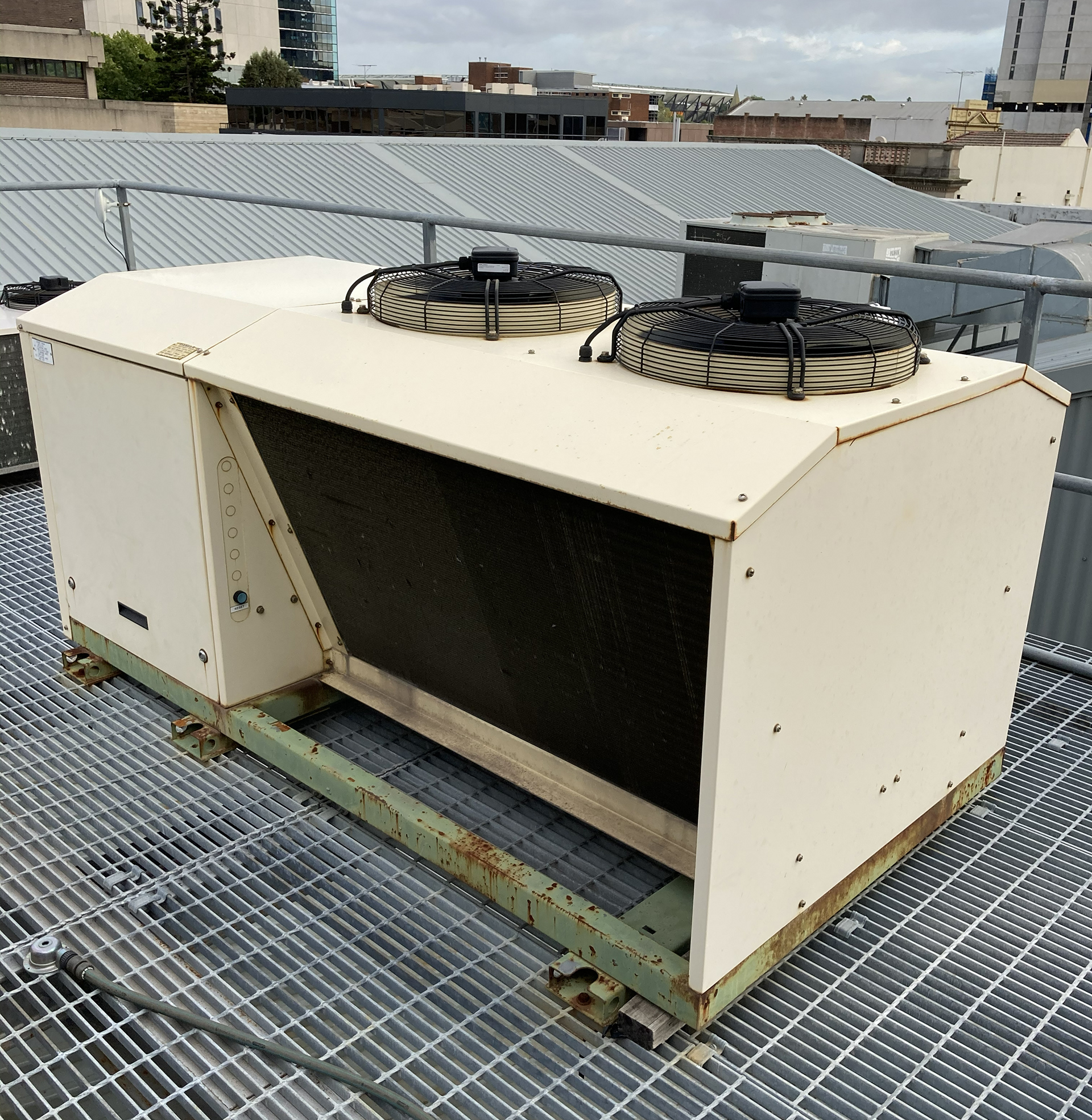
Asset Condition, Obsolescence and Lifecycle Risk
Age alone is not a sufficient reason to replace mechanical plant.
Some older equipment remains robust, serviceable and suitable for continued operation. Other assets may appear functional while presenting a growing risk because components are obsolete, vendor support has ended or a failure would cause serious disruption.
WR8Tech considers condition alongside serviceability, duty, redundancy, control compatibility and the practical availability of repairs. The audit can help management understand:
- Which assets can reasonably remain in service
- Which require repair or closer monitoring
- Where maintenance is becoming uneconomical
- Which components are obsolete or difficult to support
- Where a single failure could materially affect the building
- Which upgrades can be staged
- What should be considered in future capital budgets
This provides a more useful basis for lifecycle planning than replacing equipment solely according to its nominal age.

From Technical Findings to Management Decisions
Facility, property and building managers do not need a report that merely restates what they already know. They need reliable information that helps them decide what requires immediate attention, what should enter the maintenance program and what can be planned as future capital expenditure. Depending on the agreed scope, the WR8Tech report may include:
- An executive summary
- Description of the systems assessed
- Photographic evidence
- Equipment and system-condition observations
- Control and operational findings
- Identified defects and performance concerns
- Risk or priority classifications
- Obsolescence and lifecycle considerations
- Energy and optimisation opportunities
- Recommended further investigation or testing
- Practical corrective actions
- Options for staged repairs or upgrades
Recommendations are prioritised so that urgent operational risks are not lost among general maintenance observations. Where an issue cannot be confirmed without additional testing, monitoring or specialist input, we say so. Assumptions and limitations are identified rather than presented as confirmed findings.

When to Consider an HVAC Mechanical Services Audit
An independent audit can be particularly valuable when:
- HVAC complaints continue despite repeated service visits
- Maintenance costs are increasing without improved reliability
- Different contractors provide conflicting explanations
- The BMS cannot provide trustworthy operational information
- Plant is ageing and capital priorities are unclear
- Energy consumption has increased unexpectedly
- Major repairs or replacement works are being proposed
- A building is being purchased, sold or refurbished
- The maintenance provider or facility manager is changing
- Asset records and technical documentation are incomplete
- Management needs independent evidence before approving expenditure
The audit creates a technical baseline from which maintenance, repairs, recommissioning and future projects can be planned.
Audits for Existing Commercial Buildings
WR8Tech has particular experience with existing and ageing buildings where systems have been modified over many years.
These properties often contain equipment and controls from different manufacturers, incomplete documentation and a mixture of original infrastructure and later upgrades. The challenge is rarely solved by looking at one system in isolation.
We work across commercial offices, residential and mixed-use developments, retail properties, education facilities, healthcare buildings, hotels, industrial sites and other technically complex facilities.
Our experience across HVAC, BMS, mechanical electrical systems, energy management and building operations allows us to follow problems across the boundaries between trades and systems.
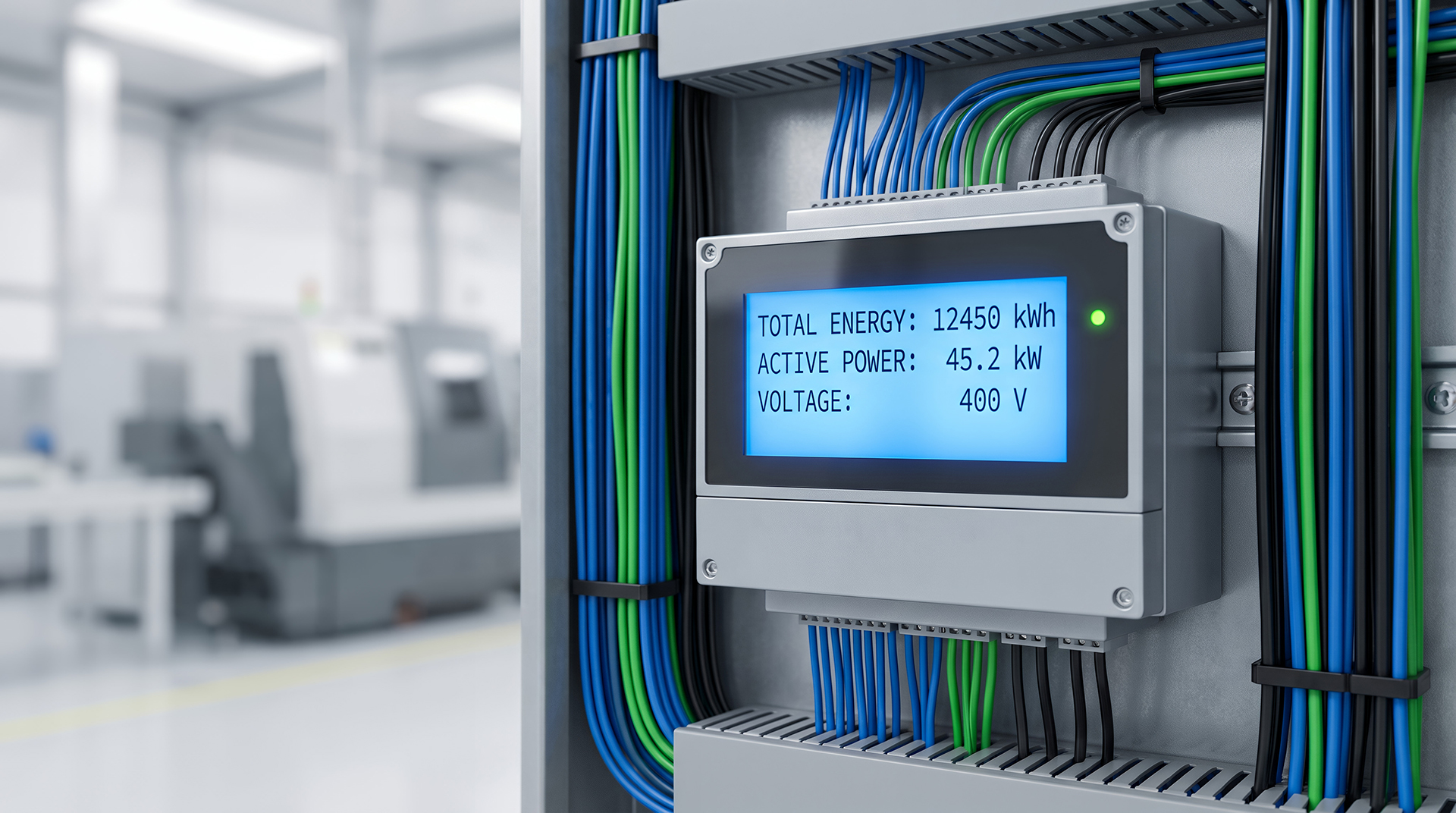

HVAC Mechanical Services Audits Across Melbourne, Sydney and Canberra
WR8Tech provides HVAC mechanical services audits and targeted technical investigations across Melbourne, Sydney and Canberra.
Audits can be developed for an entire building, a particular mechanical system or a defined operational problem. The scope, available documentation, required testing and reporting expectations are agreed before the site assessment begins.