Estimated reading time: 14 minutes
BMS and Controls Audits
Independent technical audits of BMS and control systems—identifying unreliable data, control faults, integration problems, operational risk and opportunities for recommissioning or staged improvement.
A Building Management System can appear operational without properly controlling the building. The workstation may be online, graphics may be visible and equipment may show a running status. Behind that presentation, however, sensors may be inaccurate, outputs may be overridden, alarms may be disabled and control strategies may no longer reflect how the building is occupied.
Some systems gradually lose their effectiveness as equipment is replaced, tenancy requirements change and undocumented modifications accumulate. Other systems were never fully commissioned in the first place.
WR8Tech conducts independent BMS and controls audits for facility managers, property managers, building managers, owners and asset stakeholders who need reliable evidence about what their control system is—and is not—doing.
We investigate beyond the BMS screen, following the control path through communications networks, controllers, mechanical switchboards and field devices to the equipment being controlled. The objective is to establish whether the system can be trusted, identify the material problems and provide a practical basis for repair, recommissioning or staged improvement.
A BMS Audit Should Not Stop at the Computer Screen
A software review can show schedules, setpoints, alarms and graphics, but it cannot confirm that the physical building is responding as displayed.
A supply fan may show as running because the BMS output has been enabled, even though the motor has tripped. A valve graphic may appear closed while the actuator is disconnected or the valve continues to pass. A room temperature may look reasonable while the sensor is located in an unsuitable position or has drifted out of calibration.
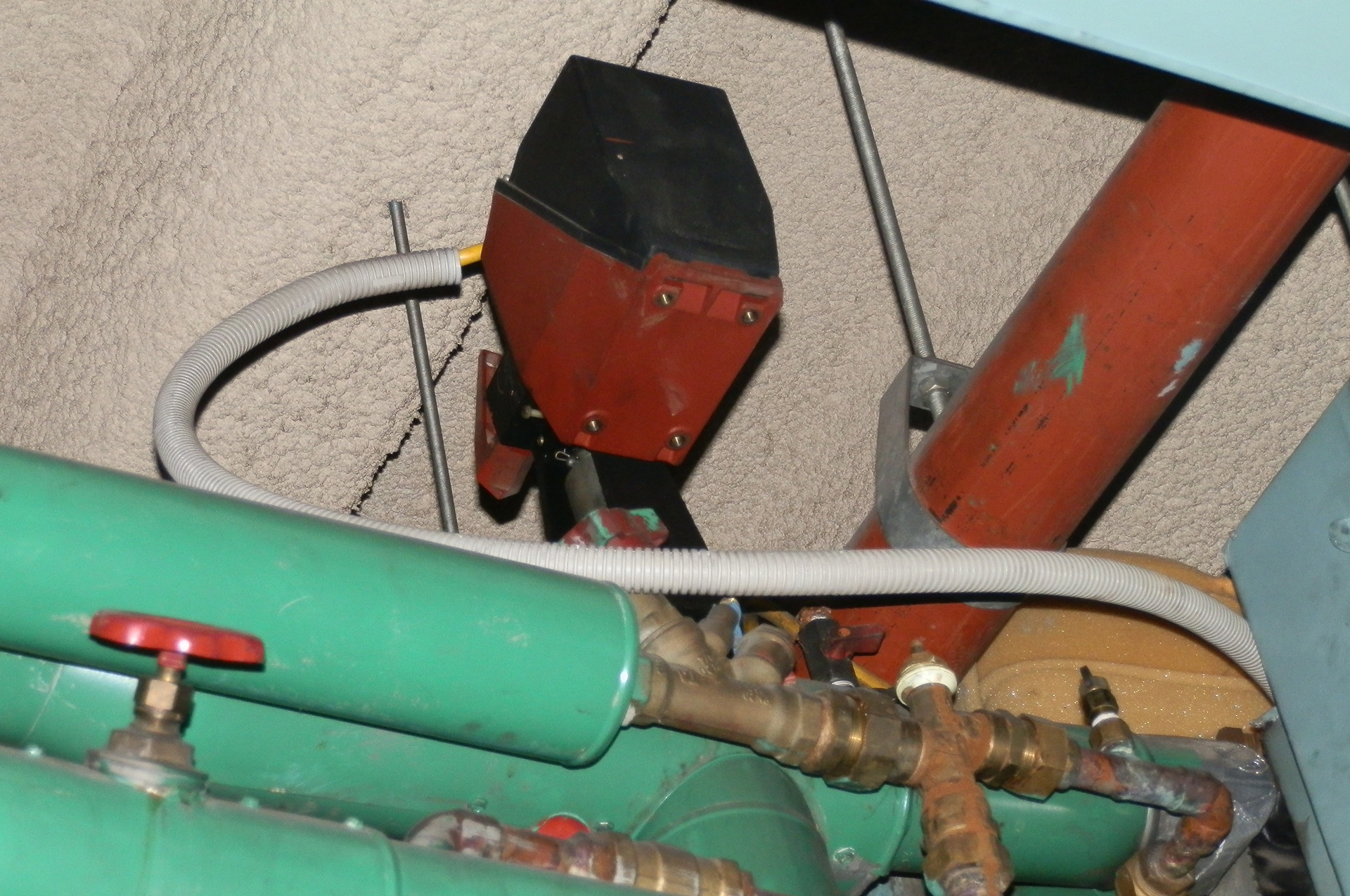
A credible BMS audit needs to connect the digital system with the physical installation. WR8Tech examines the relationship between:
- BMS workstations, servers and supervisory controllers
- Automation controllers and input/output modules
- BACnet, Modbus, LonWorks and other control networks
- Sensors, switches and field devices
- Valves, dampers and actuators
- Variable speed drives
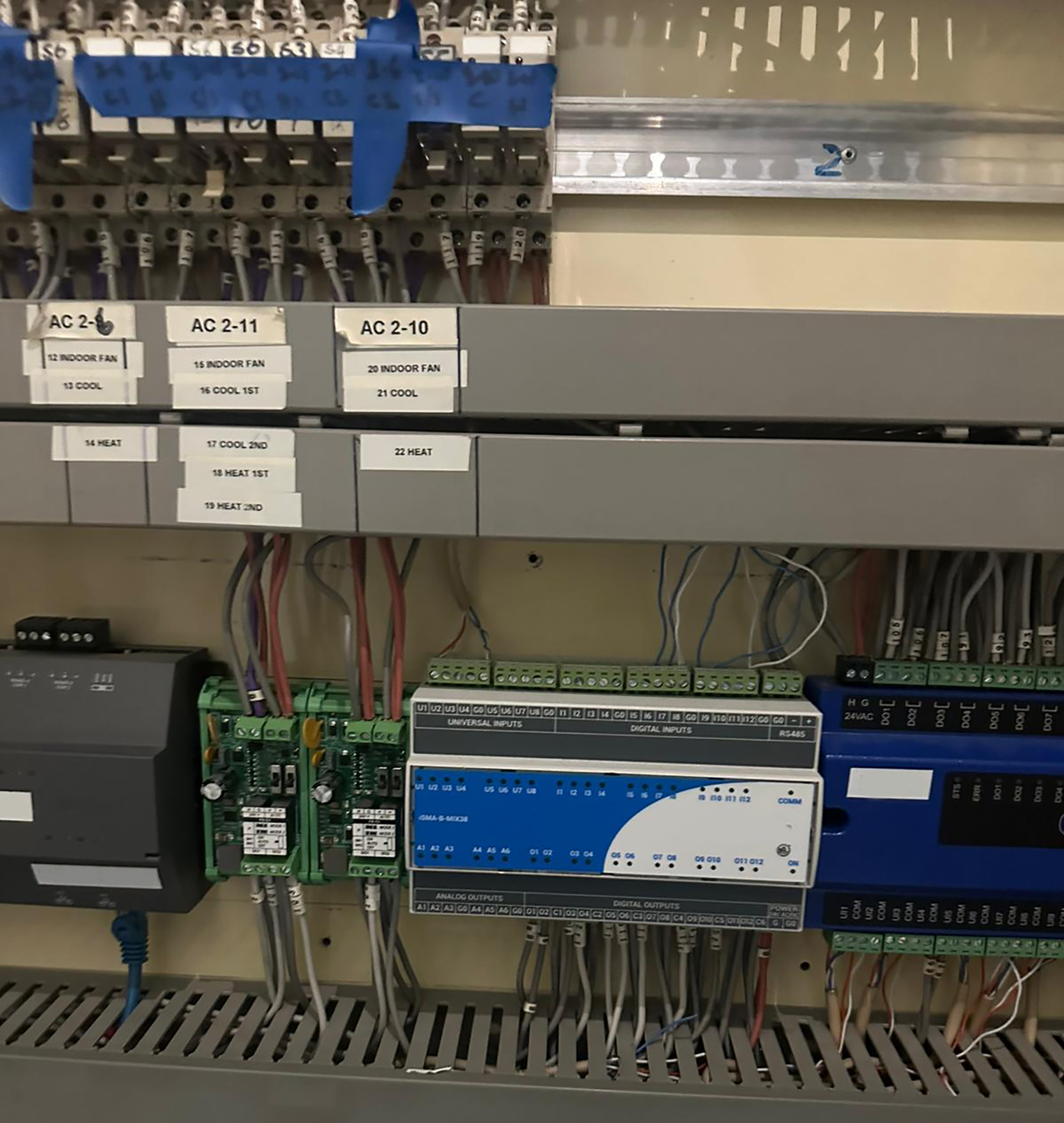
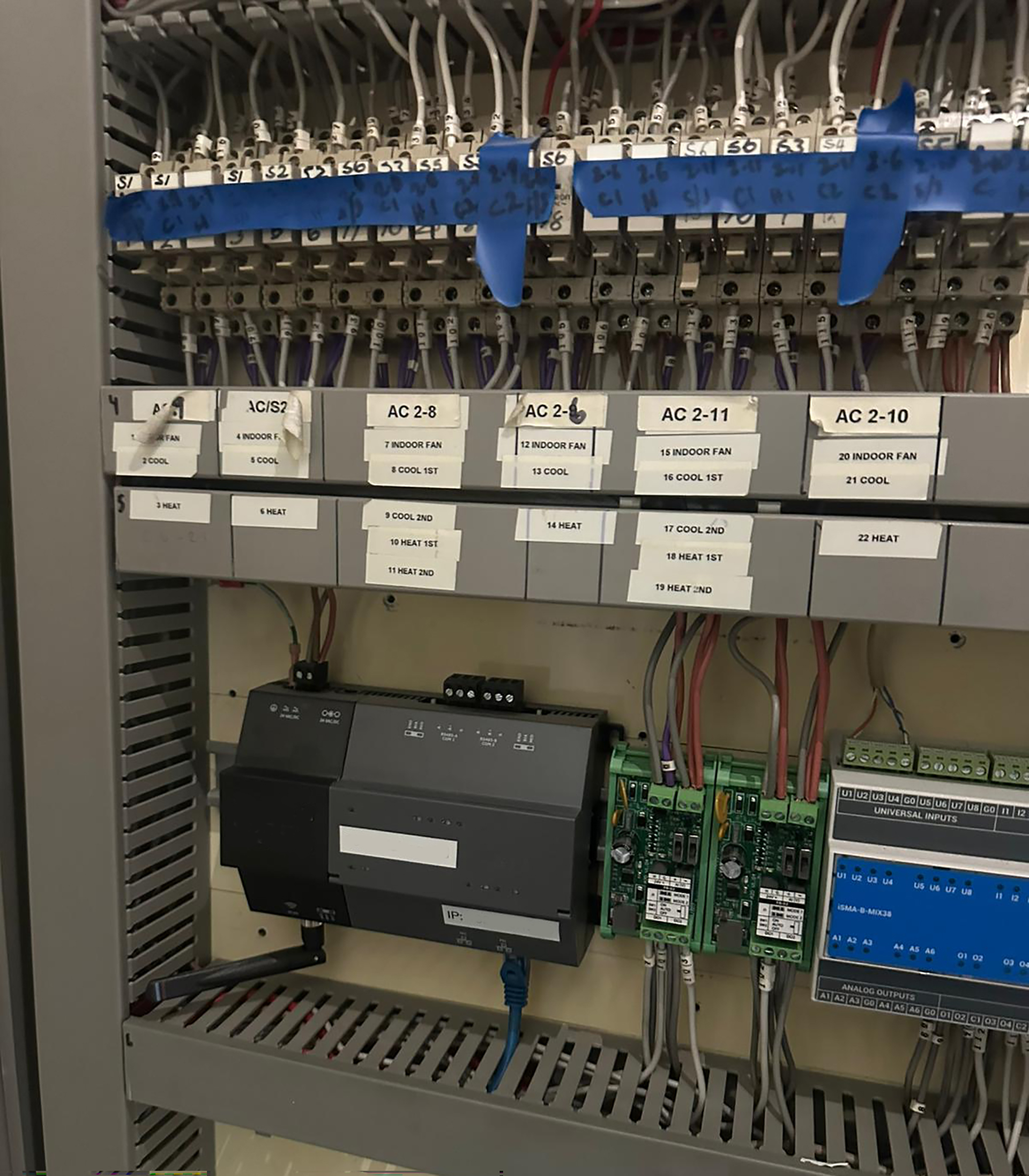
- Mechanical services switchboards
- HVAC and ventilation equipment
- Energy meters and integrated building systems
- Operating requirements and actual building use
This approach helps determine whether a problem originates in the software, communications network, controller, electrical interface, field device, mechanical equipment or the underlying control strategy.
Why BMS Performance Deteriorates
Building control systems rarely remain unchanged throughout the life of a property.
Tenancies are altered, mechanical equipment is replaced, additional systems are integrated and operating hours are extended. Different technicians attend over many years, often making local changes to resolve immediate problems.
These changes may be reasonable at the time, but their combined effect can gradually move the system away from its original design intent.
Common examples include:
- Outputs left in manual override
- Alarms disabled because they generated excessive notifications
- Schedules extended and never restored
- Replacement equipment only partially integrated
- Temporary control arrangements becoming permanent
- Sensors abandoned without removing their software points
- New controllers added without updating system documentation
- Control sequences modified without revising functional descriptions
- Failed communications masked by default or last-known values
- Graphics copied from other areas without complete point validation
The building may continue operating, but management gradually loses confidence in the information displayed and becomes increasingly dependent on particular contractors or individuals who understand parts of the system.
A BMS and controls audit helps rebuild that understanding.
Establishing Whether the BMS Can Be Trusted
Before using BMS data to make operational, maintenance or capital decisions, it is important to establish whether the information is credible.
WR8Tech can review the relationship between displayed values, commands, equipment status and actual field conditions. The extent of validation is agreed as part of the audit scope and may use a representative sample or concentrate on critical plant.
We may examine:
- Whether displayed temperatures, pressures, flow rates and other values are credible
- Whether equipment status reflects actual operation
- Whether BMS commands reach the intended controller or field device
- Whether graphics correspond with the installed equipment
- Whether inputs and outputs have been correctly mapped
- Whether overrides are visible and appropriately managed
- Whether failed points are clearly identified
- Whether default values are masking communications or sensor failures
- Whether units, scales and engineering ranges are correct
- Whether control points remain relevant to the current installation
Where appropriate and practicable, readings can be compared with independent measurements, controller data or conditions observed at the equipment.
The purpose is not necessarily to test every point. It is to establish the reliability of the system and identify where more detailed validation or recommissioning is required.
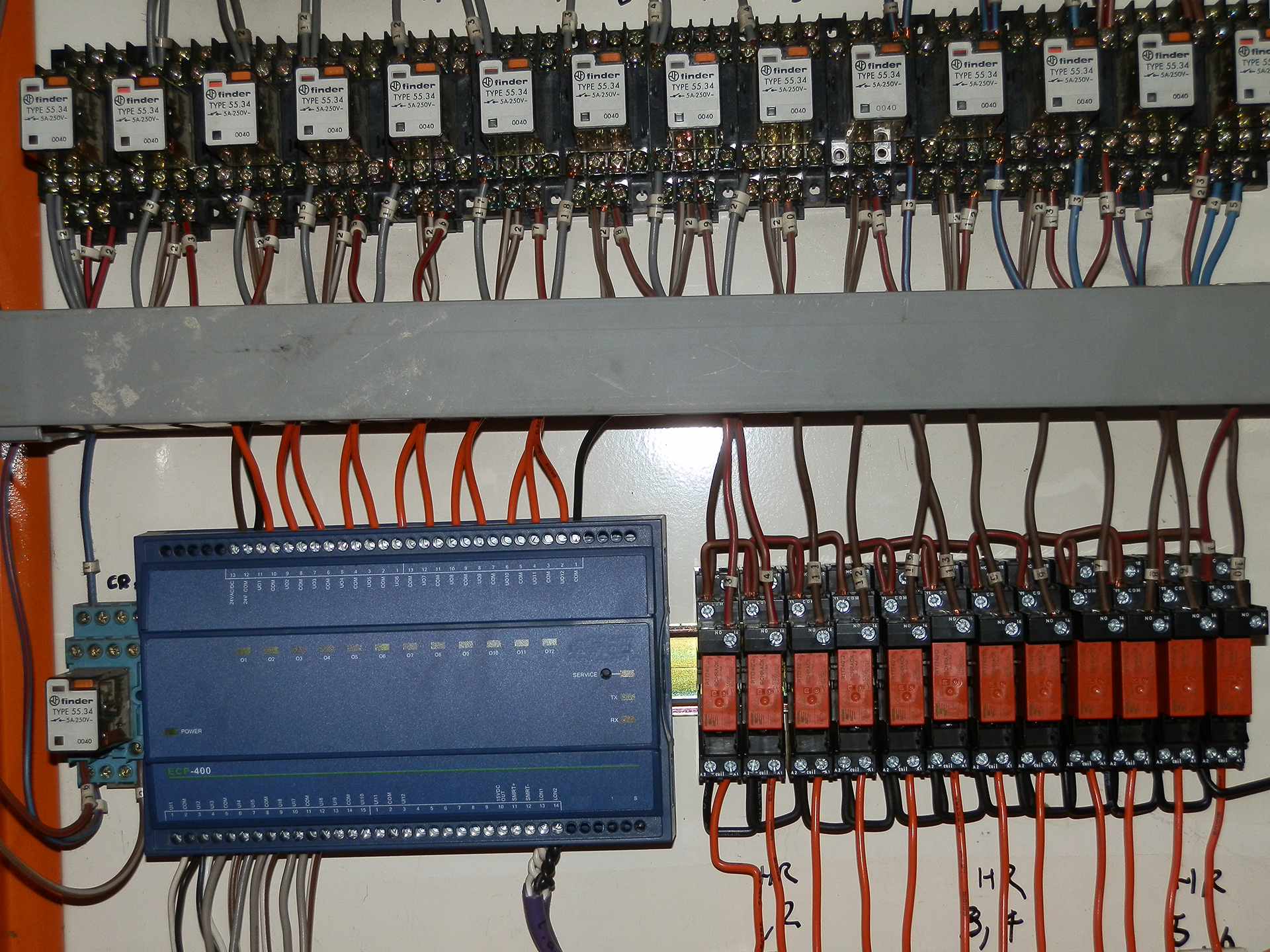
Control Strategies and Sequences
A BMS can contain fully operational components and still produce poor building performance because the control strategy is incomplete, unsuitable or incorrectly implemented. WR8Tech reviews how the system makes decisions.
This may include operating schedules, setpoints, deadbands, resets, plant staging, lead-and-lag rotation, interlocks, lockouts, optimum start, demand control and the response to changing conditions.
We consider questions such as:
- Is plant enabled only when required?
- Do operating schedules match occupancy?
- Are heating and cooling systems correctly coordinated?
- Does central plant stage in response to genuine load?
- Are outside-air conditions used appropriately?
- Do pumps and fans respond to system demand?
- Are minimum and maximum limits sensible?
- Do control loops remain stable?
- Are standby assets exercised and available?
- Does the system recover correctly following a power or communications failure?
Control strategies should be assessed against the needs of the current building—not merely against what may have been intended when the original system was installed.
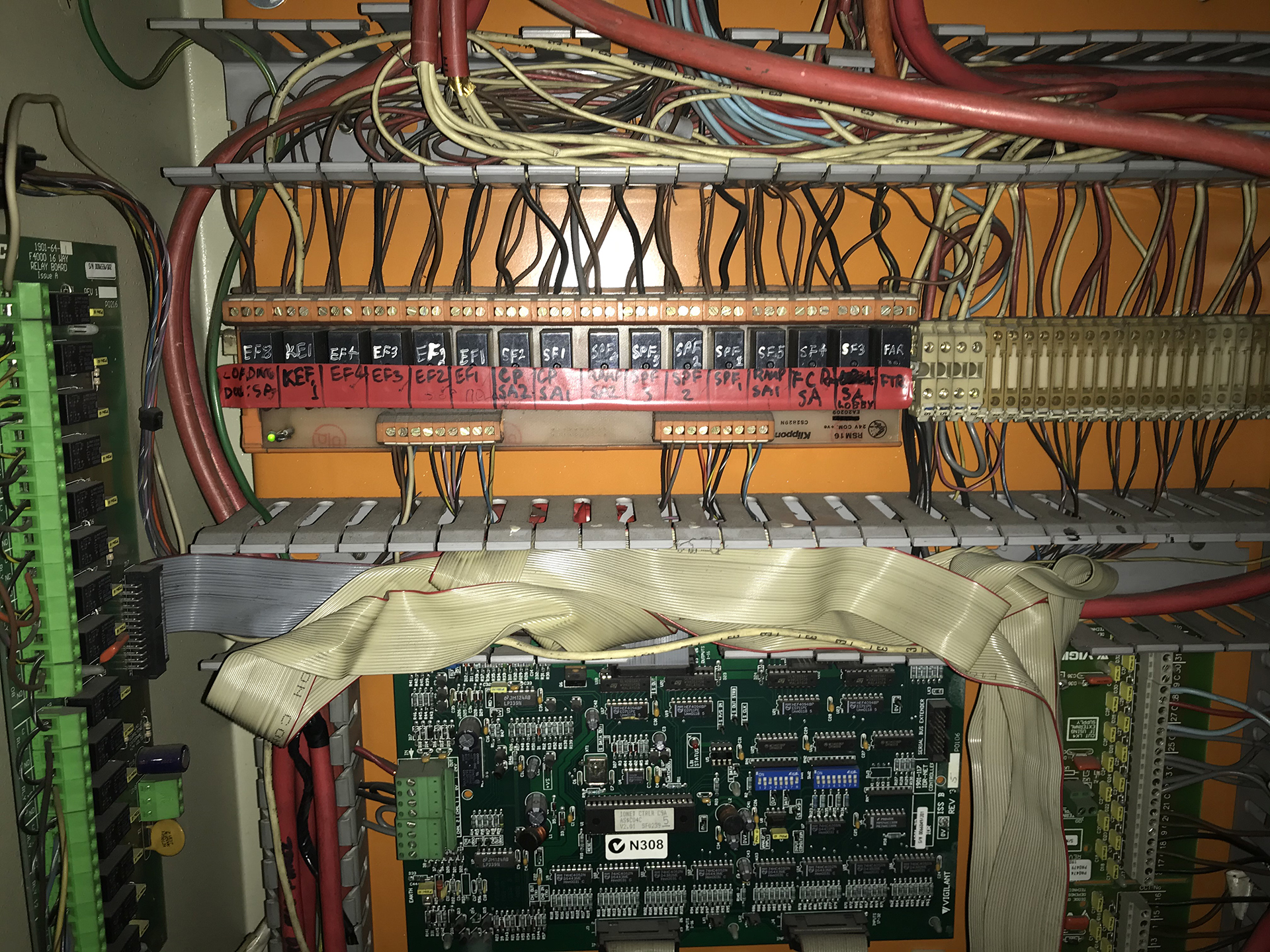
From Controllers to Field Devices
Many apparent BMS problems originate outside the central software.
A controller may issue the correct output while an interposing relay fails to operate. A variable speed drive may be left in local control. A damper actuator may travel without moving the damper. A sensor may provide a stable but inaccurate value.
These faults can remain hidden if the investigation ends at the workstation. Depending on the scope, WR8Tech can examine the relationship between the controllers and:
- Temperature, pressure, humidity, air-quality and other sensors
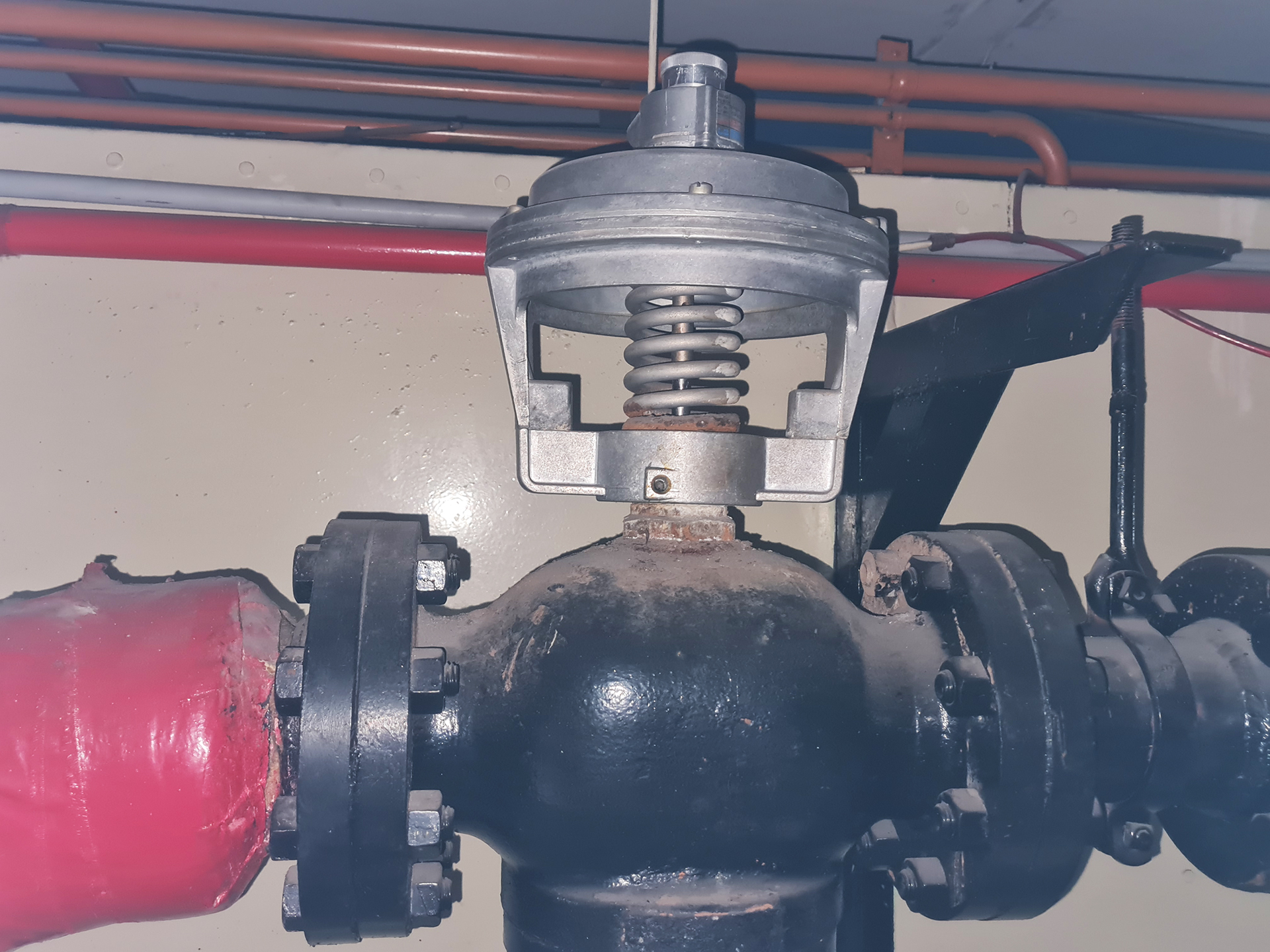
- Control valves and valve actuators
- Dampers and damper actuators
- Relays, contactors and control circuits
- Variable speed drives
- Fan and pump status signals
- Safety circuits and plant interlocks
- Mechanical switchboard control equipment
- Packaged-equipment interfaces
- Standalone control panels
This field-level investigation is especially important where the BMS appears to issue correct commands but the building does not achieve the expected result.
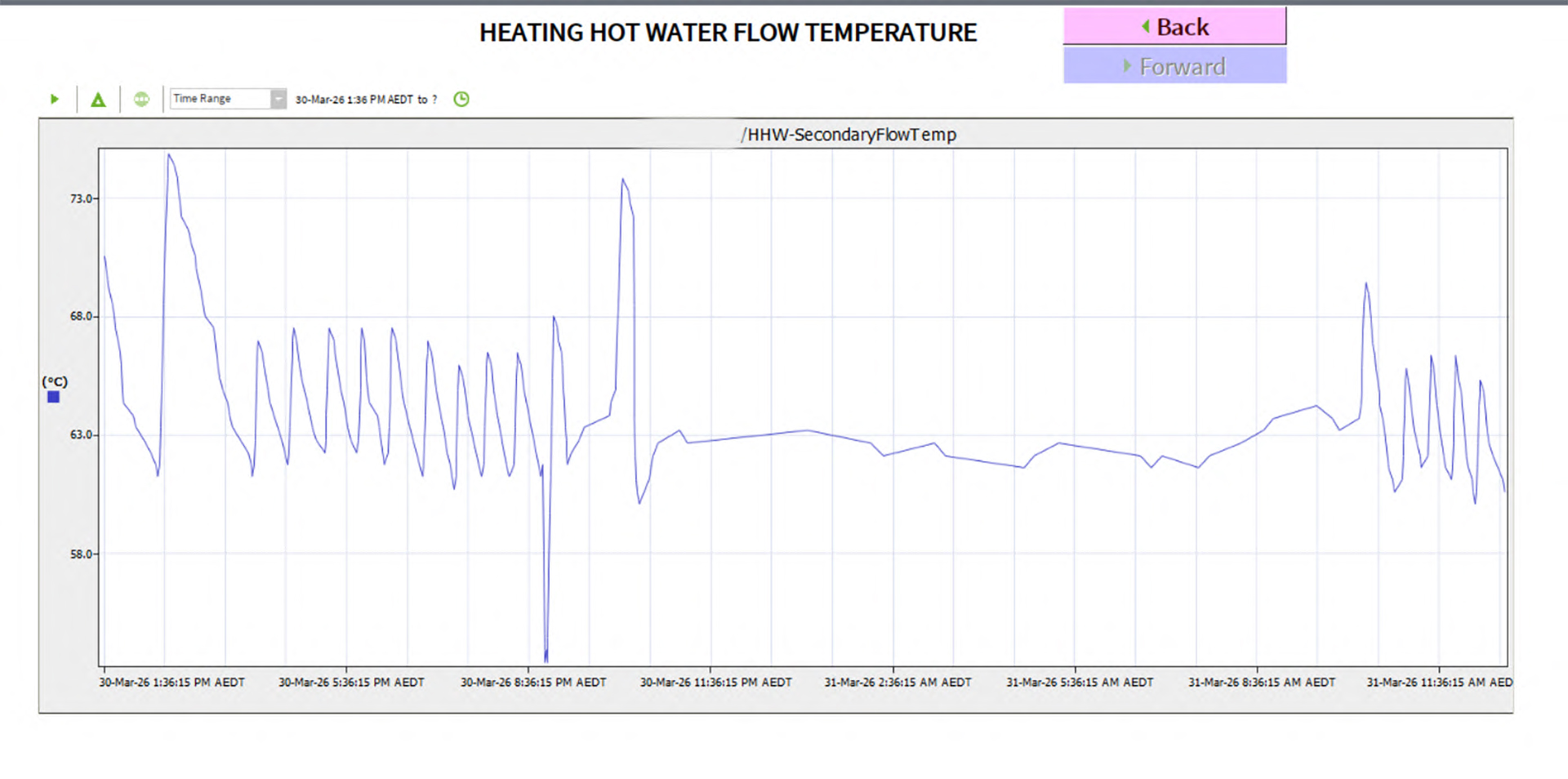
Alarms, Overrides and Trend Logs
A BMS should help building management identify problems before they become complaints or failures.
In practice, some alarm systems generate so much unnecessary activity that important events disappear in the noise. At other sites, alarms have been progressively disabled until the system provides little meaningful warning.
WR8Tech can review whether alarms are configured around useful operational priorities. This includes examining alarm limits, time delays, routing, acknowledgement history and repeated alarm activity.
Overrides also require attention. A manual override can be useful during fault-finding or temporary operation, but it becomes a risk when its purpose is not recorded or it remains active indefinitely.
Trend logs provide another valuable source of evidence. Properly configured trends can reveal unstable temperatures, excessive equipment run hours, simultaneous heating and cooling, short cycling and plant that fails to respond to changing demand.
The audit may assess whether:
- Critical conditions generate appropriate alarms
- Alarm limits and delays are reasonable
- Important alarms have been disabled
- Overrides are visible and traceable
- Trend logs exist for important points
- Sampling intervals suit the system being investigated
- Historical data is retained for a useful period
- Trend data supports operational diagnosis
- Operators can readily find and interpret the information
A BMS should provide usable intelligence—not simply more data.
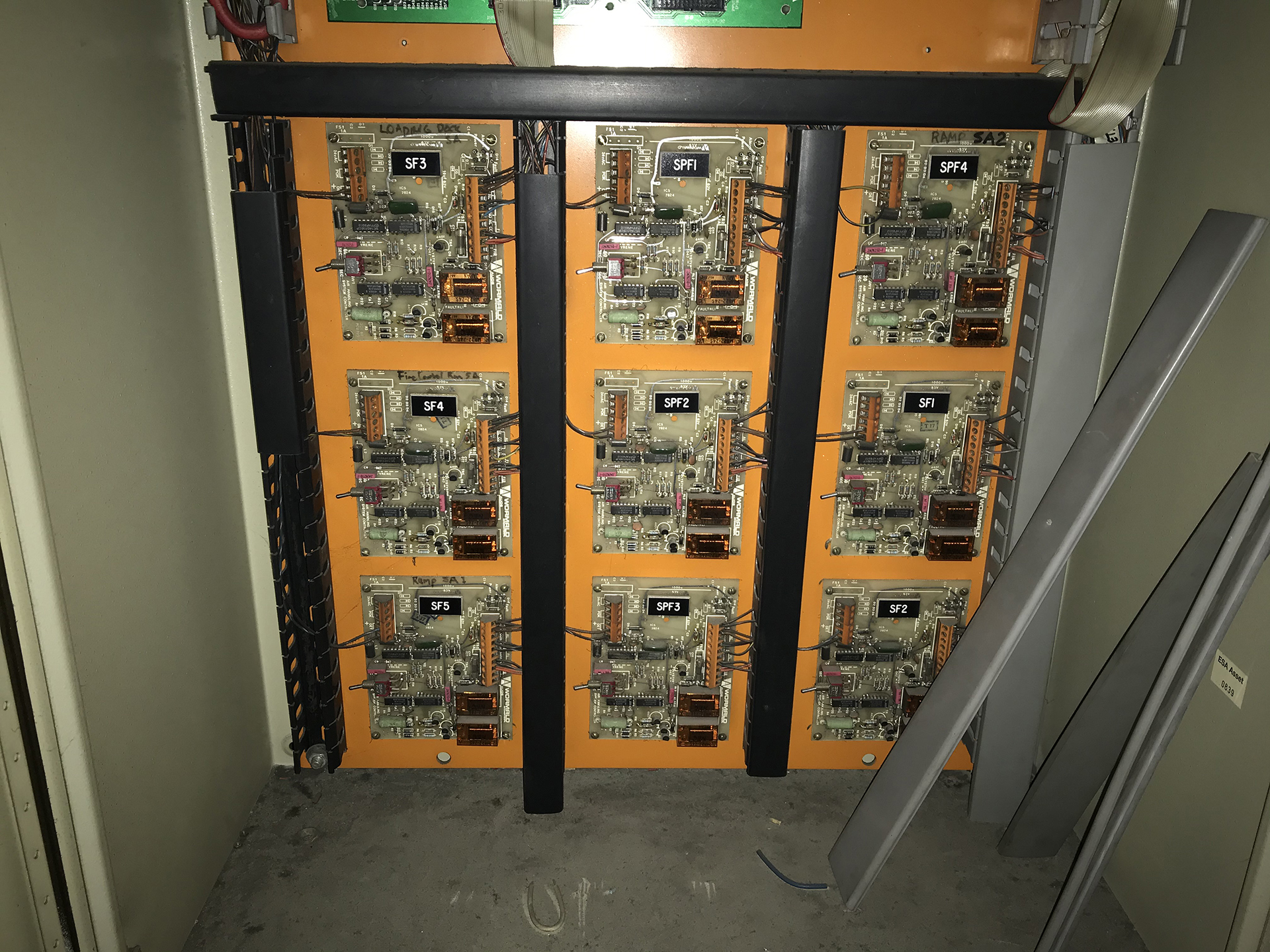
Communications and System Integration
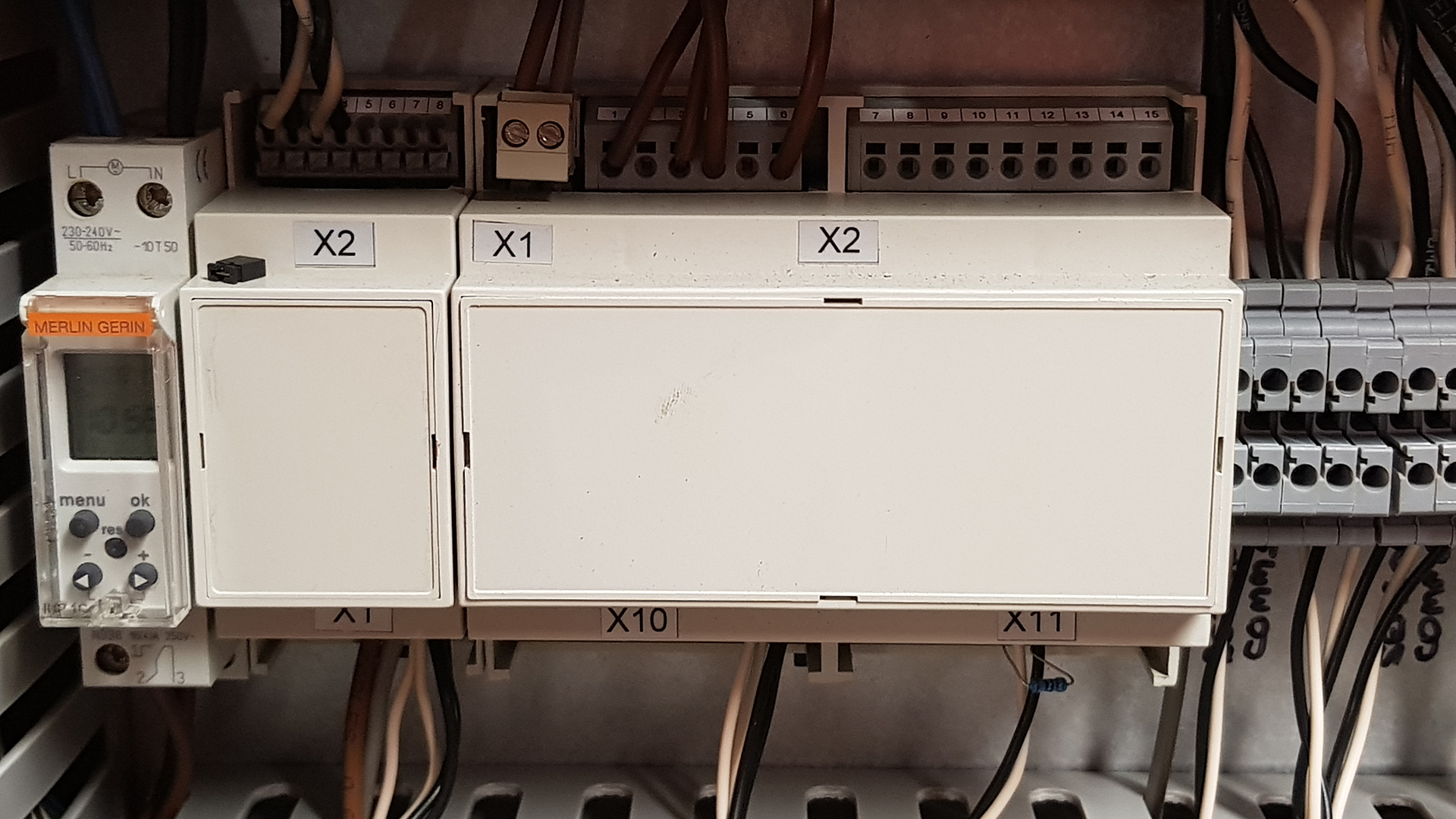
Modern buildings often contain control systems from several manufacturers connected through BACnet, Modbus, LonWorks, proprietary interfaces or high-level integrations.
These arrangements can operate reliably, but they can also conceal incomplete or fragile connections.
An integration may display selected values without allowing control. A communications failure may leave equipment operating on its last command. Duplicate network addresses, unsuitable settings or poor-quality cabling can create intermittent faults that are difficult to diagnose.
WR8Tech can assess:
- BMS network architecture
- Controller and device communications
- BACnet and Modbus integrations
- Legacy control networks
- IP and serial-network arrangements
- High-level interfaces
- Device availability and recurring communications faults
- Read-only and writable point limitations
- Data mapping and scaling
- Integration of replacement plant
- Dependence on gateways or unsupported hardware
The audit considers not only whether devices communicate, but whether the exchanged information supports the control and monitoring outcome management expects.
Mixed-Manufacturer and Legacy Systems
Many existing buildings contain more than one generation of controls.
An original proprietary BMS may operate alongside newer BACnet controllers, packaged plant, energy meters, standalone controls and equipment supplied with its own manufacturer interface.
This does not automatically mean the entire system must be replaced.
A BMS and controls audit can identify:
- Which components remain serviceable
- Which networks and devices can be retained
- Where spare parts or technical support are becoming limited
- Which parts of the system create vendor dependence
- Whether existing controllers can be integrated
- Where gateways or partial integrations create operational risk
- Which upgrades can be completed in stages
- What must be documented before experienced knowledge is lost
The recommendation may involve repair, recommissioning, selective controller replacement, improved integration or a planned platform upgrade.
Age is relevant, but it is not the only consideration. Continued serviceability, system ownership, failure consequences and the ability to support future building requirements are equally important.
HVAC Operation and Energy Performance
The BMS has a direct influence on HVAC performance and energy use.
Energy can be wasted while every major item of plant remains technically operational. Typical causes include excessive schedules, poor plant staging, inaccurate sensors, fixed setpoints, passing valves, failed dampers and equipment operating when there is little or no demand.
Where suitable data is available, WR8Tech can use BMS trends, schedules, meter information and field observations to investigate how the building operates over time.
This may reveal:
- Heating and cooling operating simultaneously
- Plant starting too early or stopping too late
- Fans and pumps running at unnecessary speeds
- Chillers or boilers staging inefficiently
- Outside-air systems operating incorrectly
- Unoccupied areas receiving full HVAC service
- Standby equipment operating unnecessarily
- Control loops hunting or failing to reach setpoint
- Equipment running continuously because status or interlocks are unreliable
These findings can help separate low-cost operational corrections from maintenance work, recommissioning and longer-term capital improvements.
Fire, Smoke and Essential-Service Interfaces
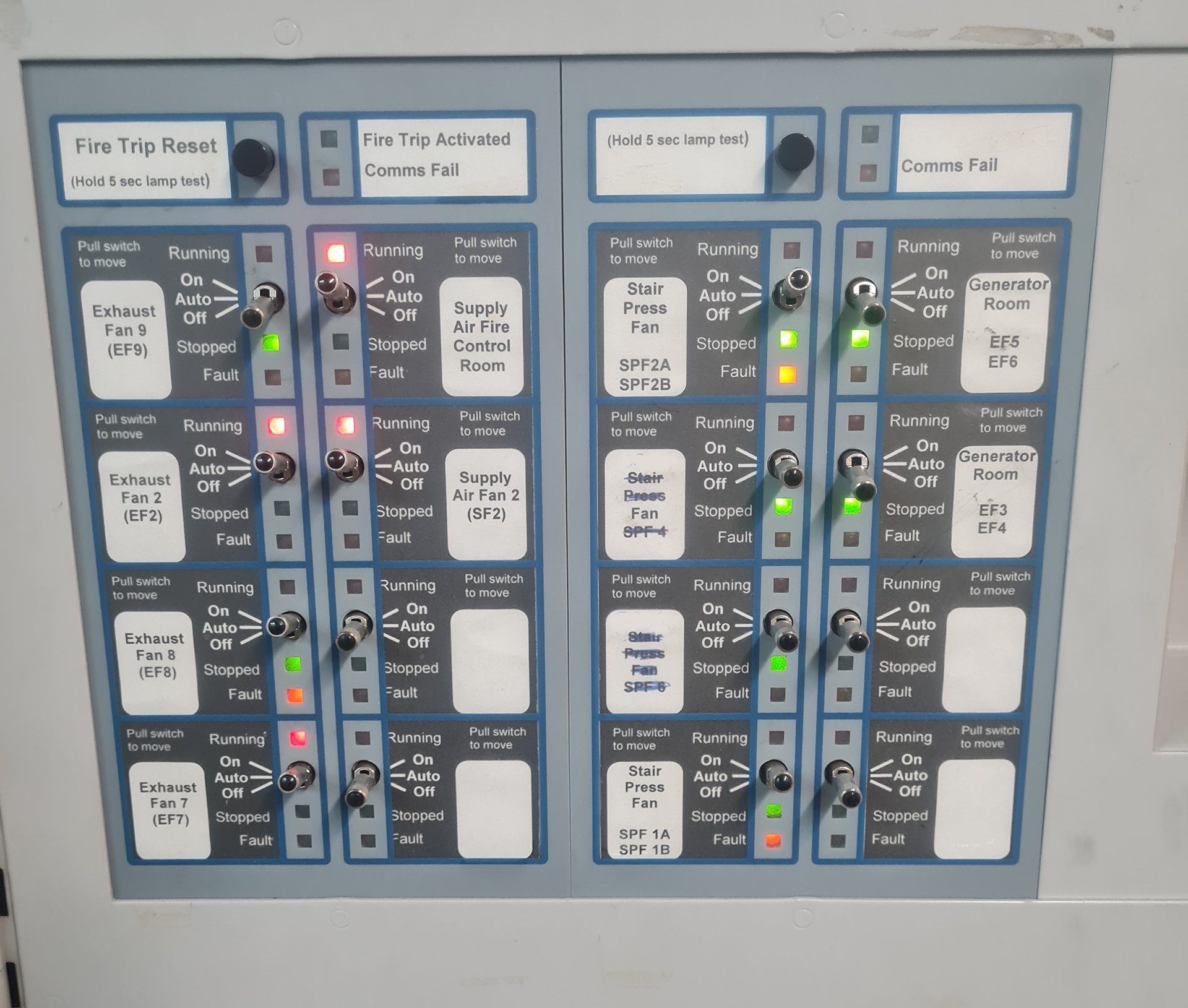
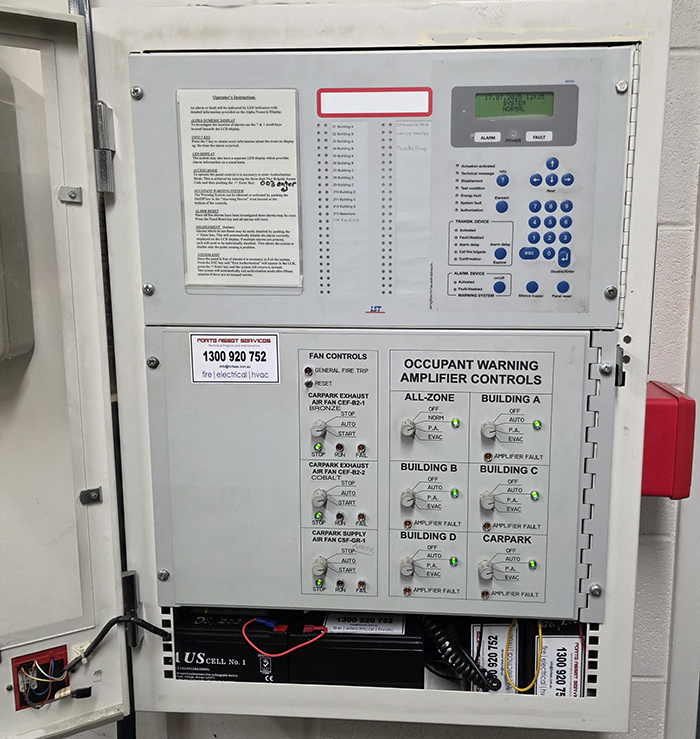
BMS and HVAC controls frequently interface with fire detection, smoke control, stair pressurisation, smoke exhaust and other essential-service functions.
These interfaces require particular care.
A general BMS audit may review the apparent arrangement, available documentation, displayed status and visible interface condition. It does not replace statutory testing, fire engineering review, certification or coordinated essential-services testing.
Where a potential problem is identified, WR8Tech will distinguish between an observation and a verified functional defect.
Any testing that could affect occupied areas, fire-system operation or life-safety functions must be separately planned with the relevant building representatives and specialist contractors.

Documentation, Access and System Ownership
A building can become operationally dependent on its BMS contractor when management does not hold the information needed to understand or support the system.
WR8Tech may review the availability and condition of:
- Functional descriptions
- Controls drawings and schematics
- Points lists
- Network architecture
- Equipment and controller schedules
- Software and database backups
- Operator and administrative access
- Licences and support agreements
- Commissioning records
- Change records
- Operation and maintenance manuals
Missing documentation does not necessarily prevent the system from operating today, but it can significantly increase future fault-finding, modification and upgrade costs.
The audit can identify what information should be recovered, verified or recreated before further knowledge is lost.

Reporting for Facility, Property and Building Managers
A technically detailed audit still needs to support practical building decisions.
WR8Tech reports explain what was observed, why it matters and what should happen next. We distinguish confirmed defects from suspected issues and clearly identify where further testing or specialist input is required. Depending on the agreed scope, the report may include:
- Executive summary
- Overview of the BMS architecture
- Photographic and system evidence
- Control and operational findings
- Point and field-device observations
- Communications and integration issues
- Alarm, trend and override findings
- Documentation deficiencies
- Obsolescence and support risks
- Energy and optimisation opportunities
- Recommended corrective actions
- Risk and priority classifications
- Opportunities for staged improvement
Recommendations can be grouped into immediate risks, repairs and maintenance, recommissioning opportunities and longer-term capital considerations.
This gives management a clearer basis for discussing problems with incumbent contractors, preparing budgets and deciding which work should proceed first.
Repair, Recommission or Replace?
A BMS audit should not begin with the assumption that the existing system must be replaced.
Some buildings require relatively small corrections: faulty sensors, improved schedules, reinstated alarms, repaired field devices or clearer graphics. Others benefit from structured recommissioning to restore control strategies and validate system operation.
Where parts of the installation are obsolete, a staged upgrade may allow critical controllers or networks to be replaced while retaining serviceable equipment.
Complete replacement may be appropriate where support has ended, system access is restricted, failure risks are unacceptable or the existing architecture cannot meet the building’s future requirements.
WR8Tech assesses the evidence and explains the available pathways. The recommendation is based on condition, performance, serviceability and operational risk—not simply the age or brand of the system.
When to Consider a BMS and Controls Audit
A BMS audit can be valuable when:
- Management no longer trusts the BMS information
- HVAC complaints continue despite repeated service visits
- Plant operates outside expected hours
- Energy use has increased without a clear explanation
- Alarms, trends or graphics are incomplete
- Controllers or networks fail intermittently
- Equipment has been replaced without full integration
- The incumbent BMS provider has changed or disappeared
- An expensive upgrade or replacement has been proposed
- The system relies on obsolete or unsupported components
- Documentation, passwords or backups are missing
- A building is being acquired, refurbished or recommissioned
- Different contractors provide conflicting explanations
The audit can address the complete system or concentrate on a particular operational problem, area of the building or group of critical assets.