
Generator Monitoring & Control for Unsupervised Buildings
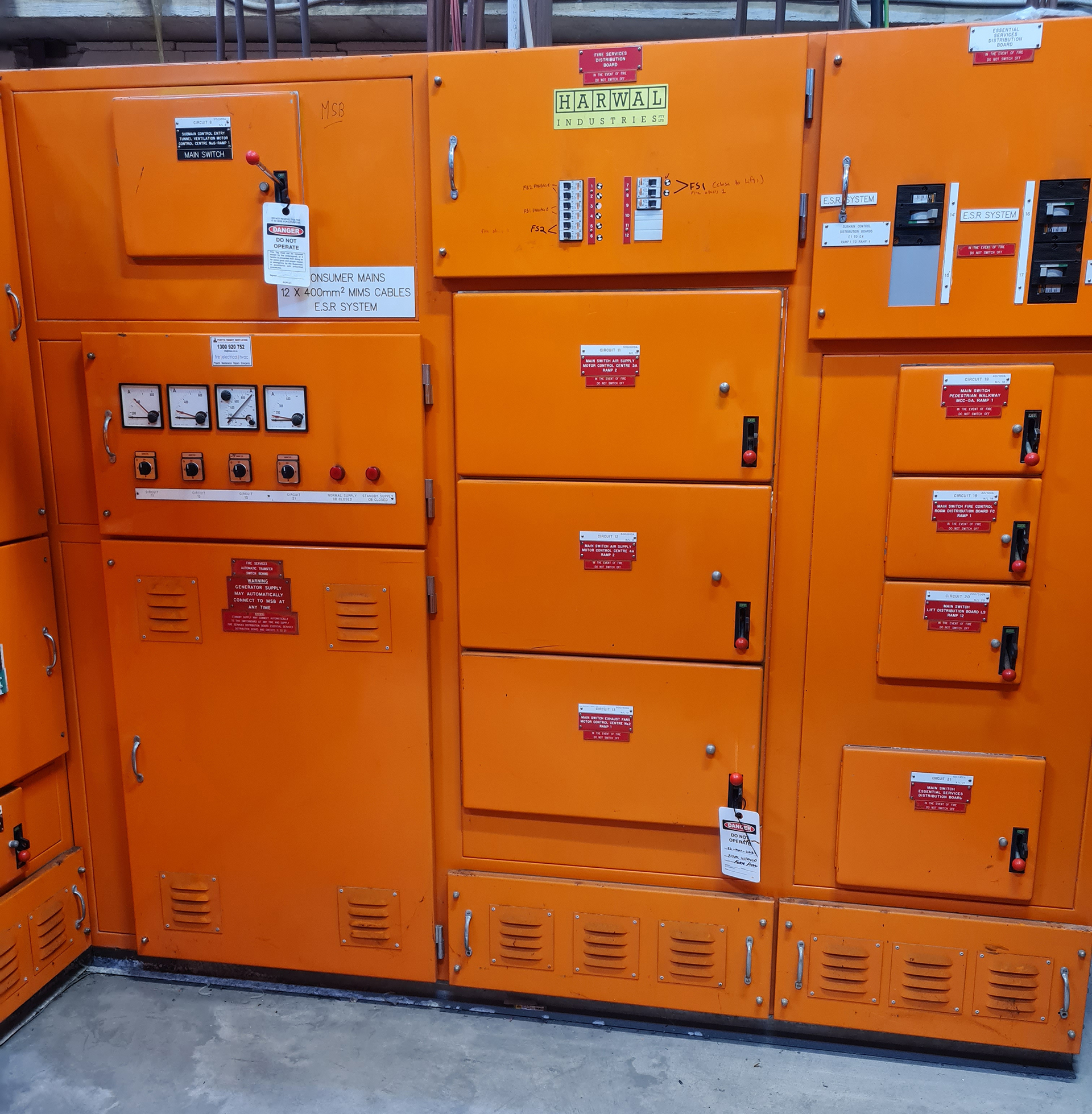
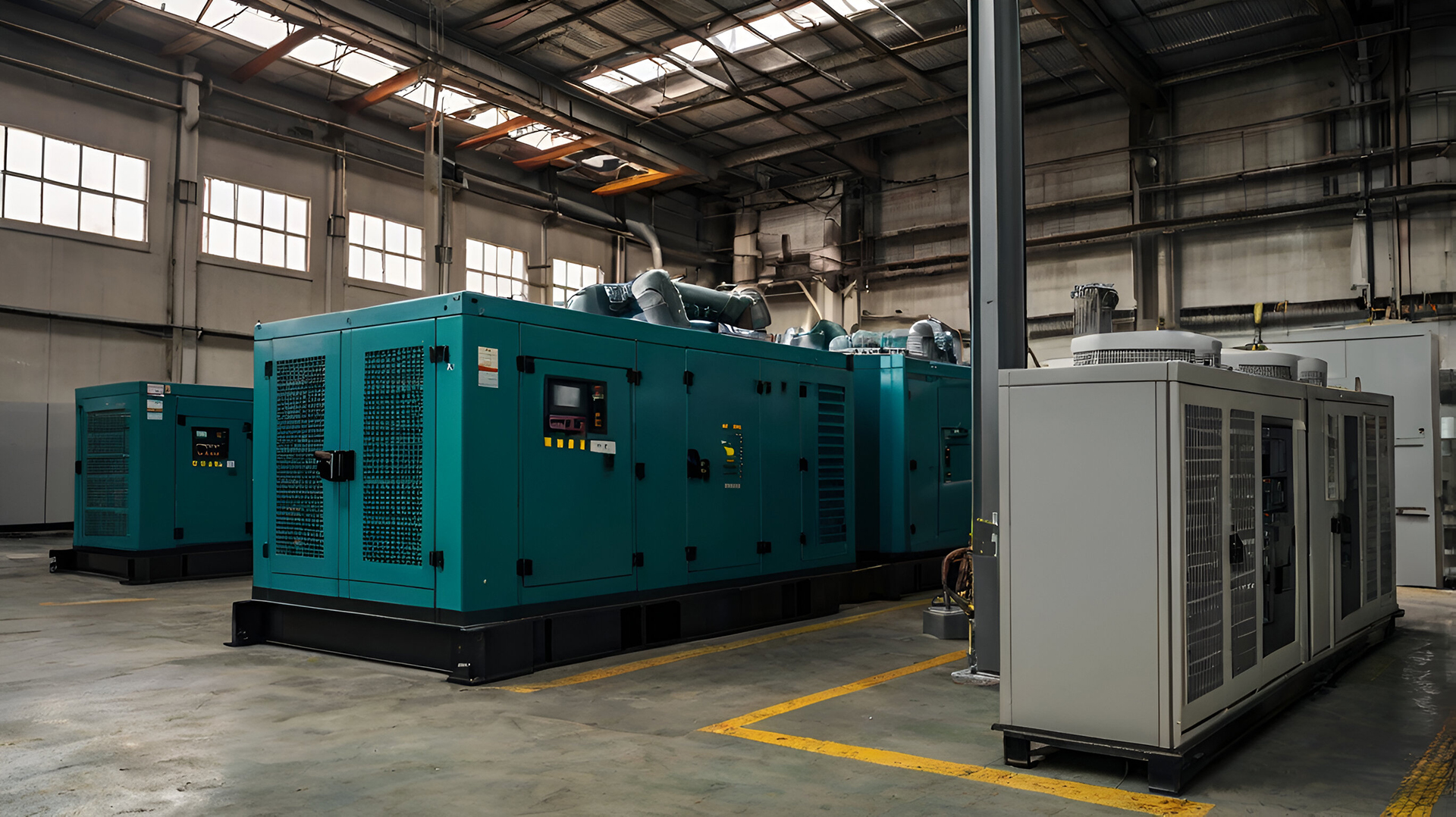
In unsupervised buildings, standby generators play a critical role in maintaining building operation, safety and continuity during power outages. Whether supporting life safety systems, essential services, data infrastructure or tenant operations, generators must operate reliably — often without any on-site personnel available to respond.
Generators are frequently a fundamental part of essential services and fire protection systems, forming part of AS1851 compliance and statutory maintenance obligations. If a generator is unavailable or fails to operate correctly, this may impact not only operational continuity but also compliance requirements and building safety.
Generator Monitoring and Control through a Building Management System (BMS) provides visibility, early fault detection and operational confidence, ensuring that standby power systems remain ready when required.
At WR8Tech, we design and implement generator monitoring and control strategies specifically for unsupervised buildings, allowing facility managers and property owners to reduce risk and maintain operational reliability.
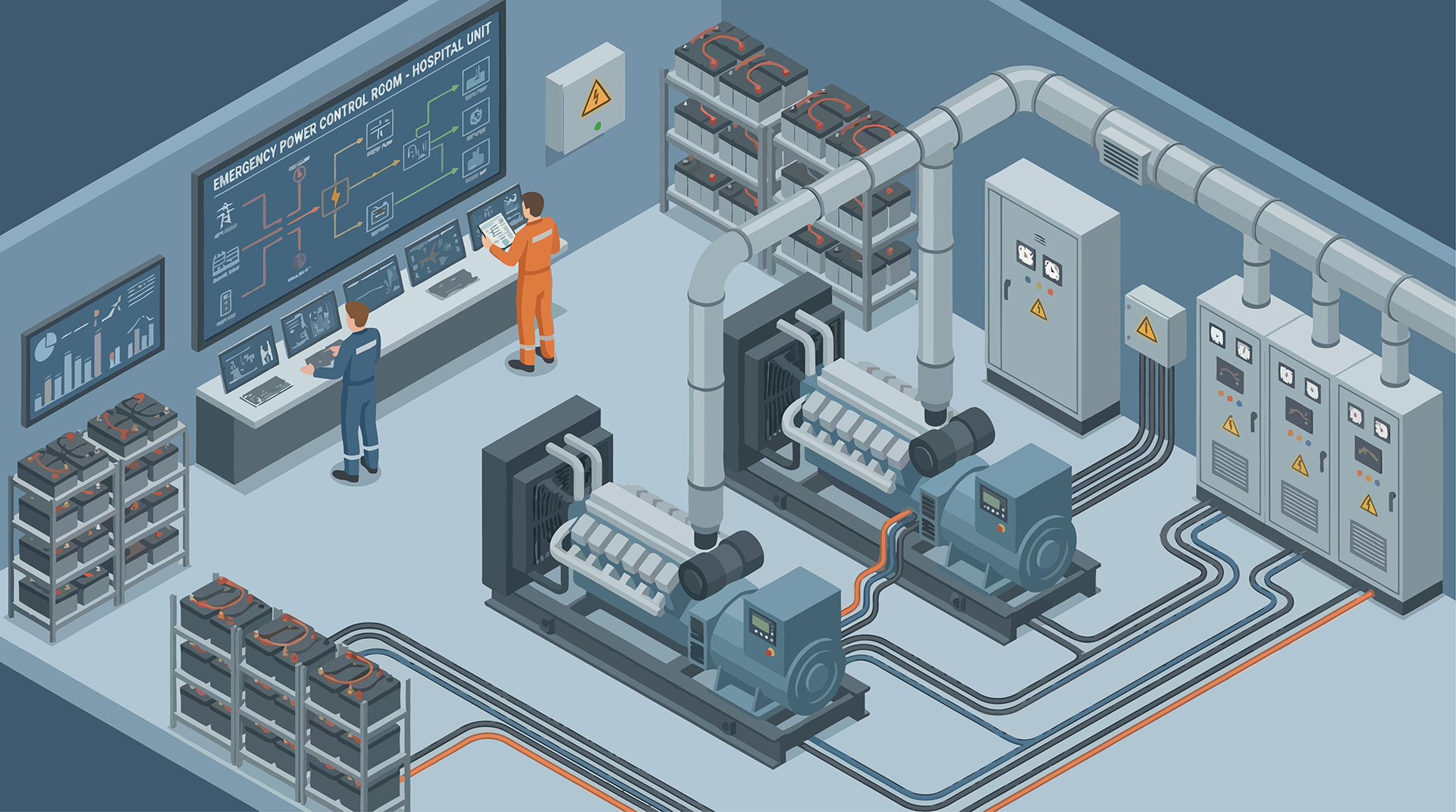
The Importance of Generator Monitoring in Unsupervised Buildings
Generators are typically idle for extended periods, only operating during scheduled testing or power failures. This makes them particularly vulnerable to unnoticed faults or degradation.
In supervised buildings, faults may be identified during routine inspections. In unsupervised buildings, however, generator issues may remain undetected until a power outage occurs — precisely when the generator is needed most.
Common risks include:
- Generator failing to start
- Battery charger faults
- Low fuel levels
- Engine faults
- Cooling system issues
- Communication failures
- Controller alarms
- Mains failure detection issues
- Changeover failure
- Return to mains failure
Without BMS monitoring, these faults may go unnoticed until a critical event occurs, increasing operational risk, compliance risk and potential downtime.
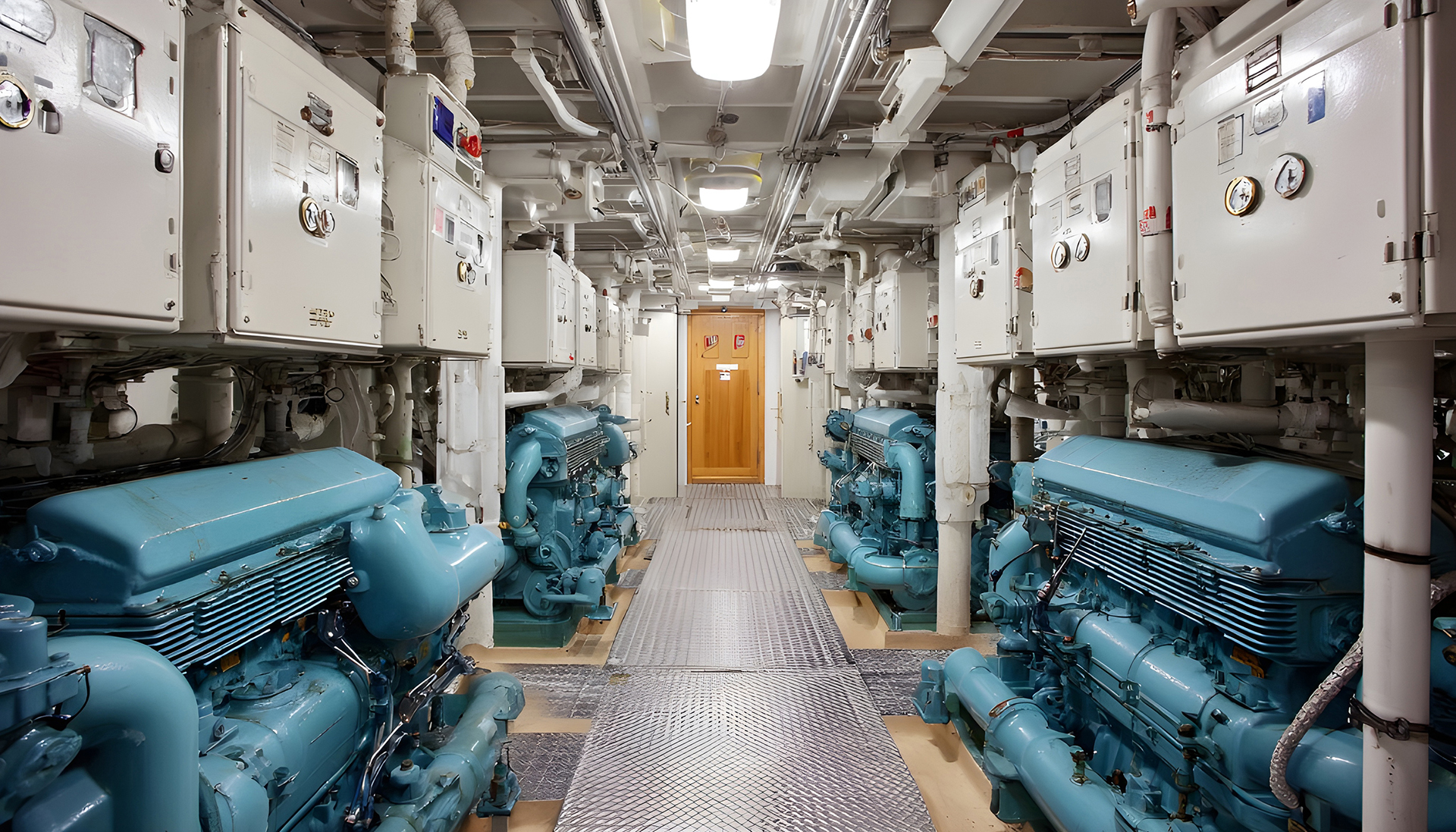
BMS Monitoring of Generator Systems
A Building Management System provides continuous monitoring of generator status and operational readiness. By integrating the generator controller and associated equipment into the BMS, facility managers and property managers gain real-time visibility into generator health and performance.
Typical generator monitoring points include:
- Generator available status
- Generator running status
- Common fault alarms
- Low fuel level alarms
- Battery charger faults
- Fail to start alarms
- Emergency stop status
- Power failure indication
- ATS (Auto Transfer Switch) monitoring
- Generator load status
- Changeover failure
- Return to mains failure
- Generator run hours
- Controller communications
This monitoring ensures that abnormal conditions are identified early, allowing proactive maintenance and reducing operational and compliance risk.
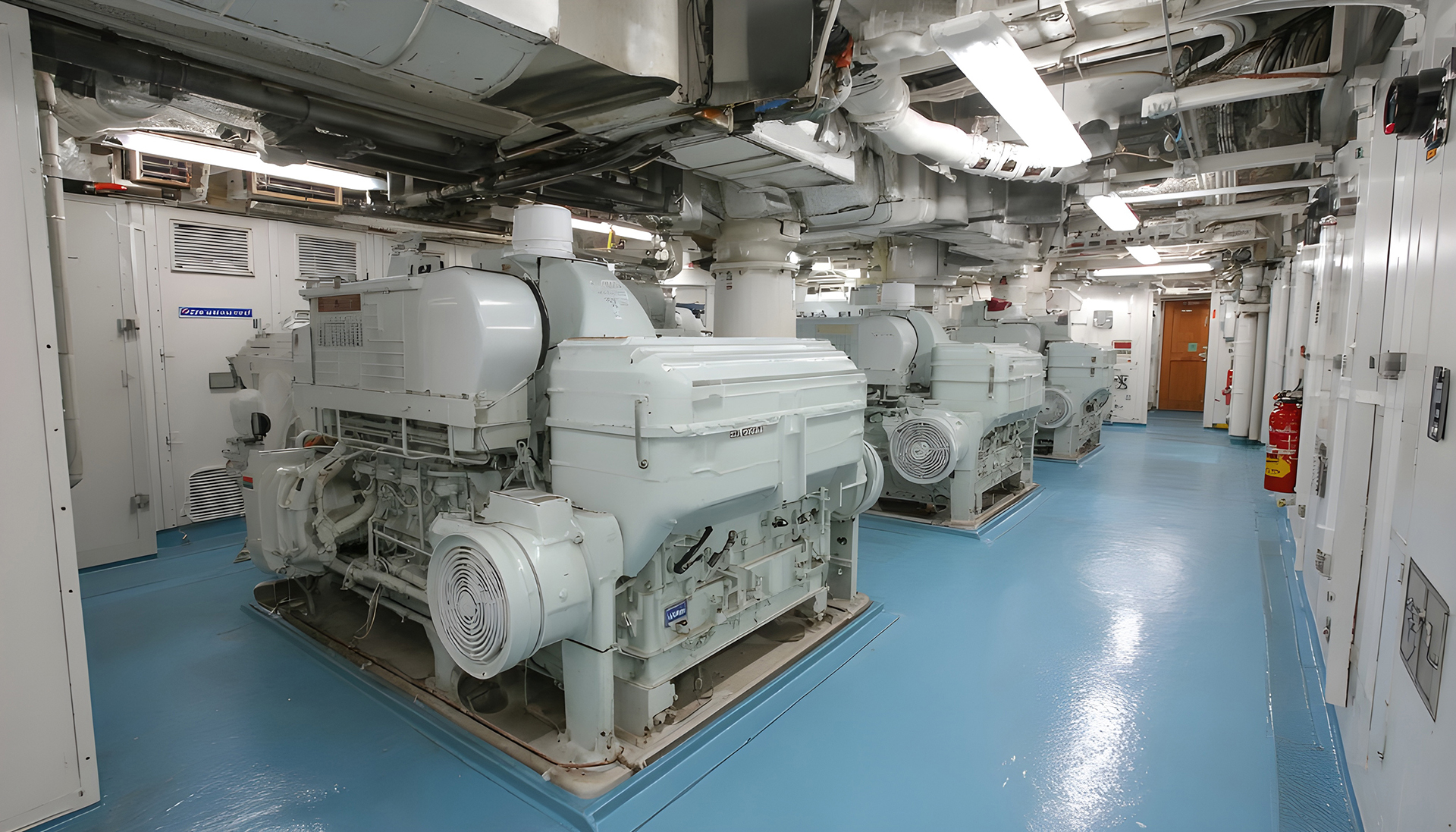
Generator Control via BMS
In addition to monitoring, BMS integration can provide limited operational control where appropriate. This control capability enhances operational flexibility and supports maintenance activities.
Control functions may include:
- Generator start and stop commands (where permitted)
- Test mode initiation
- Remote reset of alarms (subject to site requirements)
- Load transfer status monitoring
- Automatic sequence visibility
- Load shedding and monitoring, particularly for non-essential HVAC equipment
These functions must be carefully implemented in accordance with site operational procedures, system design and safety requirements. Control strategies must be fit for purpose for the property, operational requirements, and tenant business activities.
When implemented correctly, BMS control provides greater operational flexibility and improved resilience during power events.
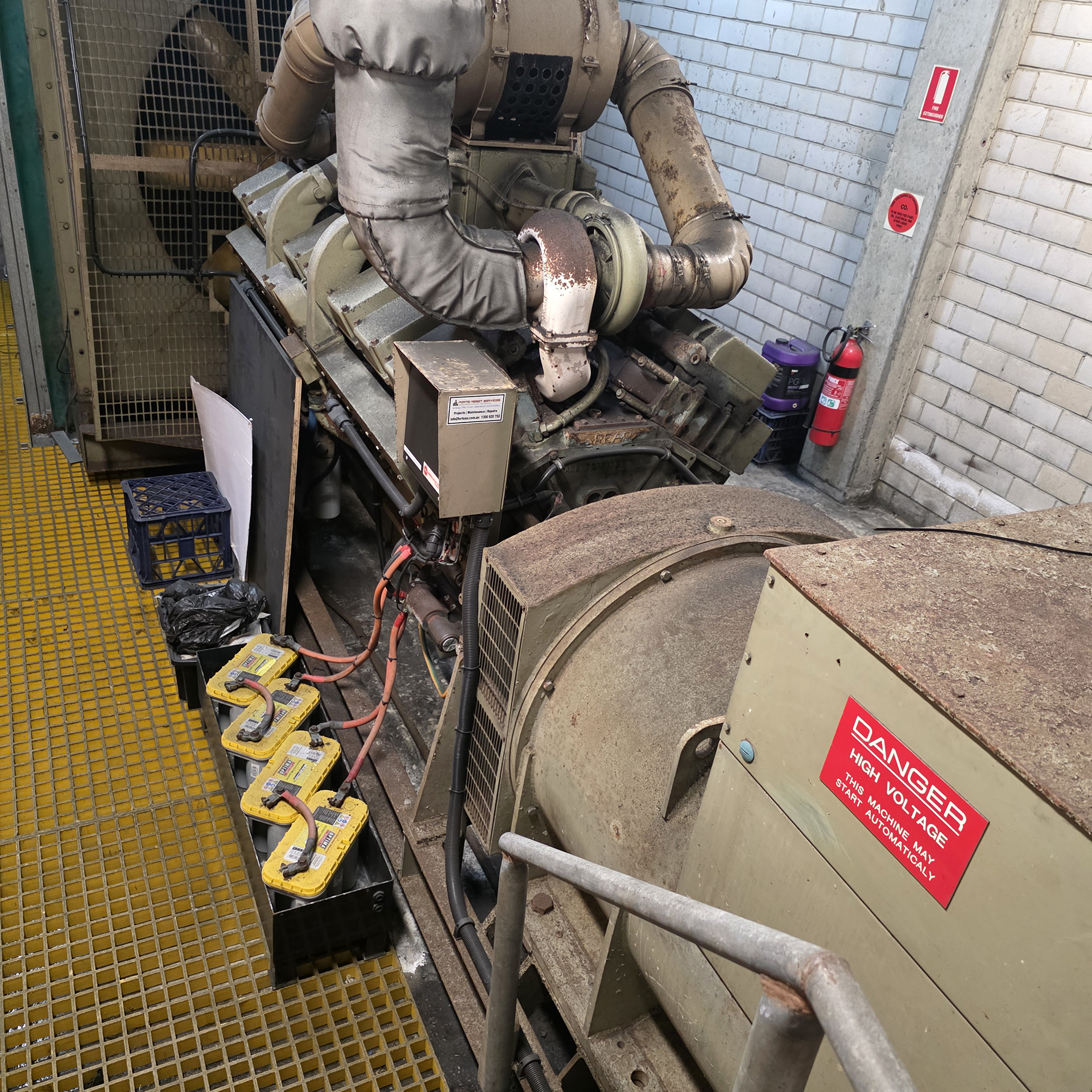
Uninterruptible Power Supply (UPS) Monitoring and Control
Many facilities include an Uninterruptible Power Supply (UPS) system that supports critical loads while the generator starts and synchronises.
In a typical arrangement, incoming mains power supports the UPS. Upon loss of mains, the generator starts while the load is temporarily supported by the UPS battery bank and inverter. Once the generator is available, load transfers from battery supply to generator supply.
If the generator fails to start, the UPS provides only limited runtime. During this period, additional load shedding may be required to preserve critical services.
Through BMS integration, additional monitoring and control can be implemented, including:
- UPS load status
- Battery capacity monitoring
- Remaining runtime estimation
- UPS fault alarms
- Load shedding control
- Critical vs non-critical load prioritisation
This coordinated approach improves building resilience and supports safe operation during power interruptions.
Alarm Management and Notifications
Effective alarm management is critical in unsupervised environments. Generator alarms must be communicated clearly and promptly to the appropriate personnel.
WR8Tech implements alarm strategies that may include:
- Email notifications
- SMS alerts
- Remote BMS dashboards
- UPS status alarms
- Escalation paths to contractors or facility managers
- Alarm prioritisation
- Auto dialler voice notifications
- “Round Robin” escalation strategies until acknowledgement
For example, a battery charger fault may trigger an early warning, allowing maintenance to be arranged before generator availability is compromised. Similarly, a low fuel level alarm may allow refuelling before a power outage occurs.
This proactive approach improves reliability, reduces operational risk, and supports building reputation.
Generator Testing and Operational Visibility
Routine generator testing is essential to ensure reliability and compliance. AS1851 maintenance requirements now form part of statutory obligations for many facilities.
Through BMS monitoring, generator test runs can be tracked and verified, providing additional operational confidence. Linking generator operation to an asset register or asset management system can further improve record keeping and compliance reporting.
BMS trending and reporting may include:
- Weekly test run verification
- Generator run hours
- Fault history
- Performance trends
- Operational status logging
- Compliance reporting support
Creating records via the BMS also supports baseline data requirements for AS1851 compliance and improves maintenance planning.
Example — Generator Failure in an Unsupervised Building
Consider a commercial office building operating overnight without on-site staff.
A mains power failure occurs at 2:00 AM. The generator receives the start command but fails due to a battery charger fault. Without BMS monitoring, this failure may go unnoticed until occupants arrive in the morning and discover loss of essential services.
With BMS monitoring in place:
- The mains failure is detected immediately
- Generator fail-to-start alarm is generated
- UPS runtime is monitored
- Load shedding is initiated for non-essential plant
- Alarm notifications are sent to WR8Tech and facility management
- Contractor dispatched overnight
By the time occupants arrive, the issue is resolved or contingency plans are already in place. The building remains operational, and tenant disruption is minimised.
This scenario demonstrates the value of proactive monitoring and control in unsupervised buildings.
Supporting Critical Building Systems
Generators in unsupervised buildings often support critical systems, including:
- Fire systems and life safety equipment
- Emergency lighting
- Lift emergency operation
- Data and communications equipment
- Security systems
- Essential HVAC systems
Failure of standby power can impact multiple building systems simultaneously. Monitoring generator status through the BMS provides confidence that these critical systems remain supported.
Reducing Risk in Unsupervised Buildings
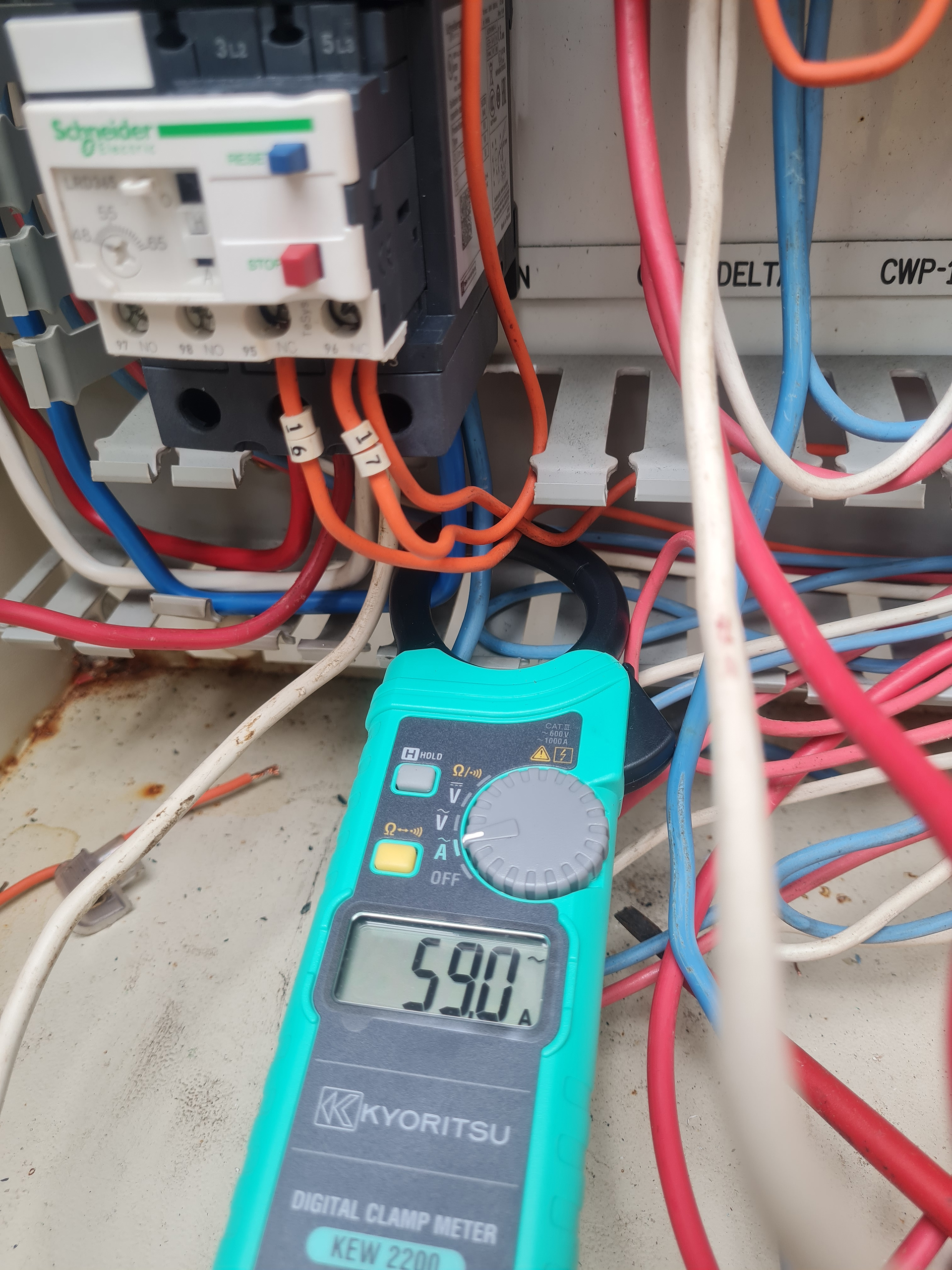
Generator Monitoring and Control via BMS helps reduce risk by:
- Identifying faults early
- Improving operational reliability
- Supporting maintenance planning
- Providing operational visibility
- Reducing downtime risk
- Supporting tenant confidence
- Supporting AS1851 compliance requirements
Rather than discovering generator issues during a power outage, facility managers gain early visibility and the ability to respond proactively.
Integration with Other Building Systems
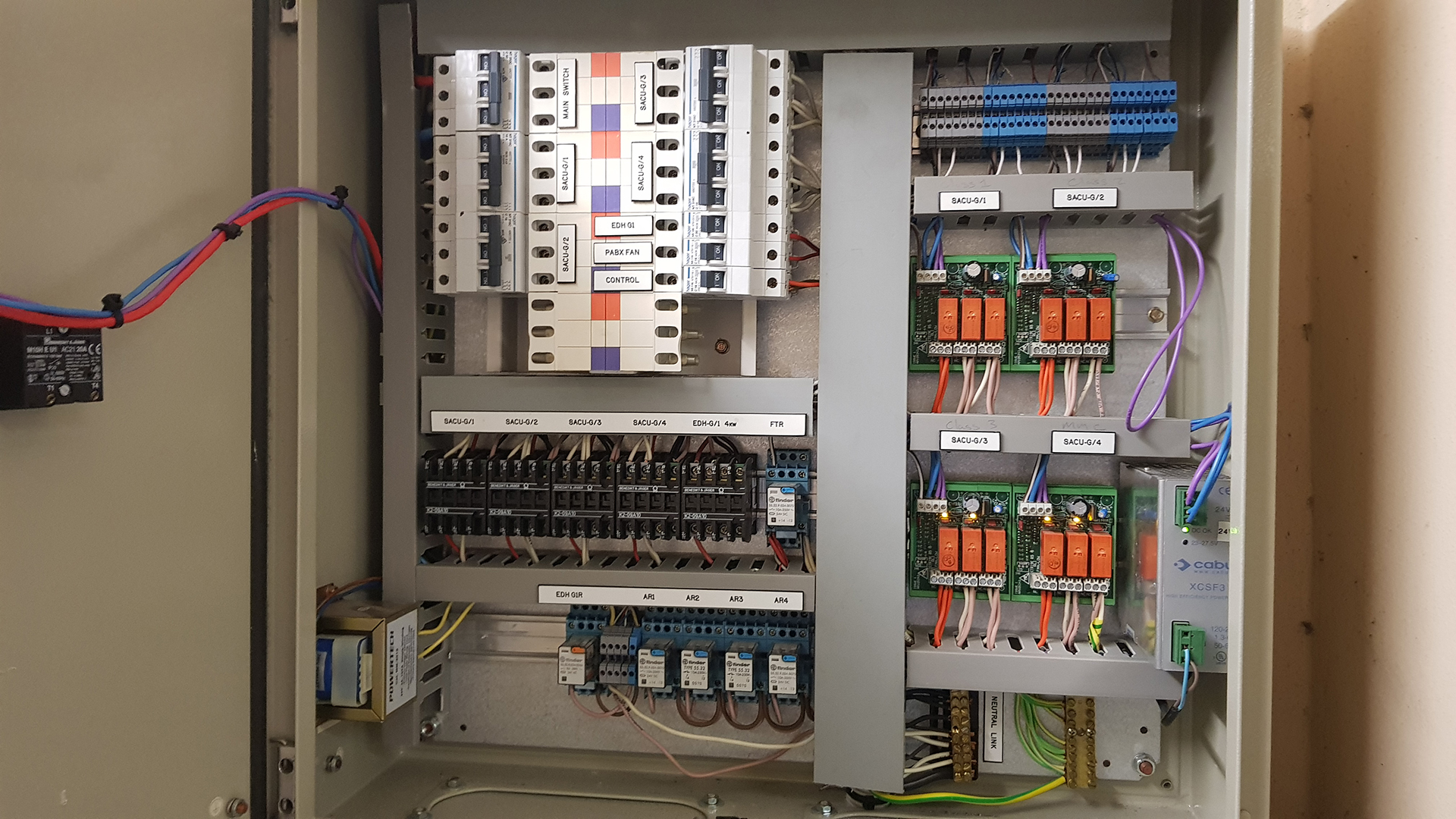
Generator monitoring is most effective when integrated with other building systems, including:
- Power failure detection from switchboards
- Automatic generator start confirmation
- Lift emergency operation monitoring
- Fire system standby power status
- Critical plant operation confirmation
- UPS integration and load management
This integrated approach provides a complete operational picture during power events.
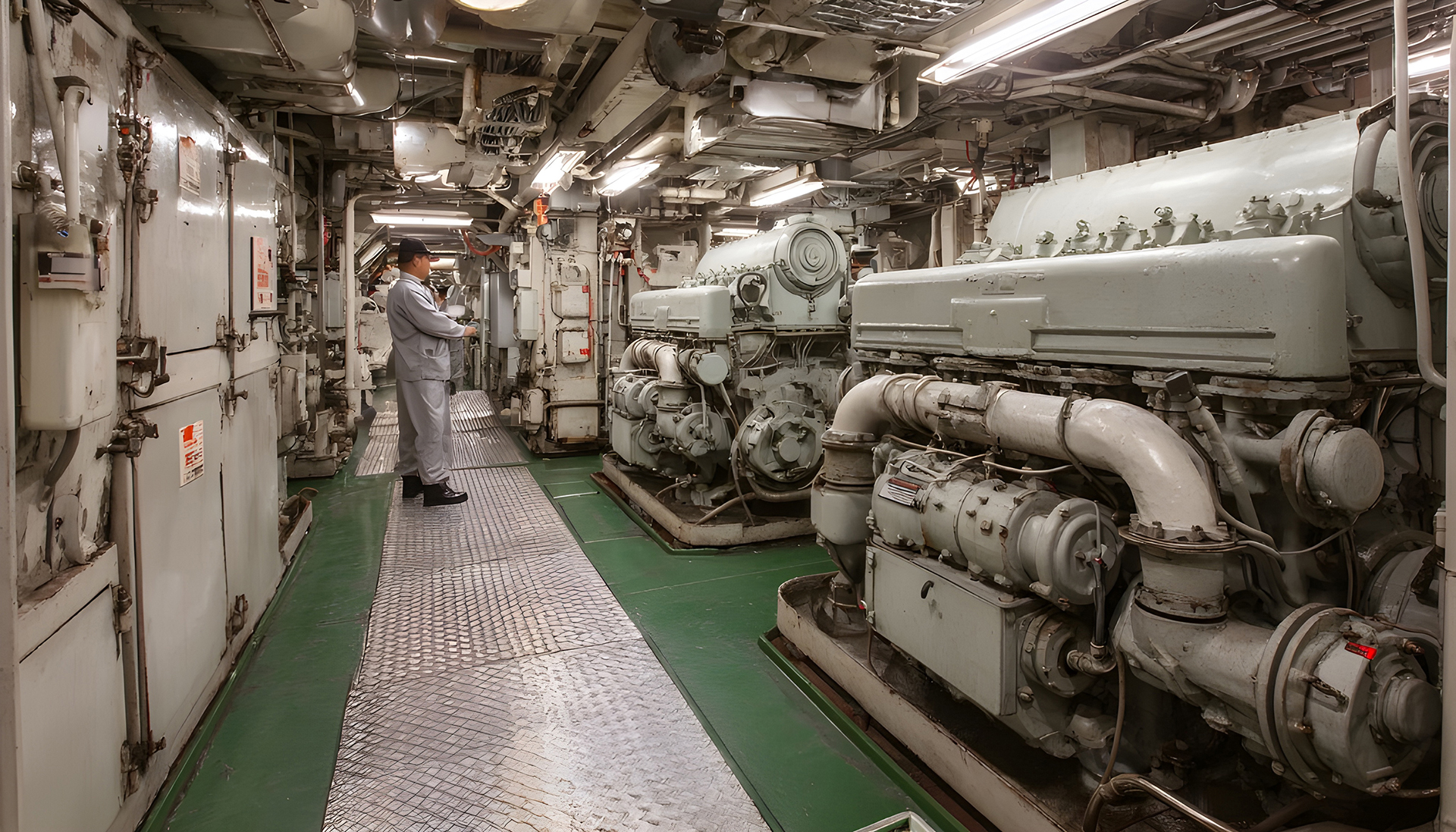
Supporting Unsupervised Building Operation
In unsupervised buildings, generator reliability is essential. With proper BMS monitoring and control, standby power systems can be managed proactively, reducing risk and improving operational confidence.
WR8Tech provides practical and intelligent generator monitoring solutions designed specifically for unsupervised buildings, ensuring that backup power systems remain reliable when needed most.
Part of the Unsupervised Buildings BMS Strategy
Generator Monitoring & Control is one component of a broader unsupervised building strategy, which may also include:
- Chiller Monitoring & Control
- HVAC Monitoring & Control
- Fire System Monitoring
- Lift & Escalator Monitoring
- Electrical Infrastructure Monitoring
- Water System Monitoring
- Alarm Management & Remote Response
Together, these systems support safe, reliable and efficient unsupervised building operation.