Knowledge Centre

Practical engineering knowledge, technical insights and real-world solutions for Building Management Systems, HVAC, electrical infrastructure, energy management and commercial building technology, developed through decades of hands-on industry experience.

Technical Knowledge Centre

Practical Technical Knowledge for Commercial Buildings

Every commercial building tells a story.

Some perform exceptionally well for decades with only routine maintenance. Others quietly develop hidden faults that increase operating costs, reduce equipment life and create ongoing frustration for building owners and property managers.

The difference is rarely luck.

It is usually the result of good engineering, informed decision-making and understanding how building systems work together.

Welcome to the WR8Tech Technical Knowledge Centre.

This is where we share practical insights gained from working on commercial buildings across Australia. From ageing Building Management Systems and HVAC optimisation to electrical infrastructure, energy management, essential services and building automation, our articles are written to help property professionals better understand the buildings they manage.

Whether you’re responsible for a single commercial building or an entire property portfolio, our goal is to provide practical, independent information that helps you make better technical decisions.

Built on Practical Experience

Our knowledge doesn’t come from a classroom.

It comes from decades spent working inside commercial buildings.

We’ve worked with office towers, shopping centres, hospitals, universities, industrial facilities, hotels, residential towers and mixed-use developments, diagnosing faults, modernising systems and helping clients improve building performance.

Many of the articles within this Knowledge Centre are inspired by situations we’ve encountered on site.

Sometimes they explain common technical issues.

Sometimes they challenge accepted industry practices.

Sometimes they simply share lessons learned after years of solving complex building problems.

Our objective is always the same:

To share practical engineering knowledge that helps others make better decisions.
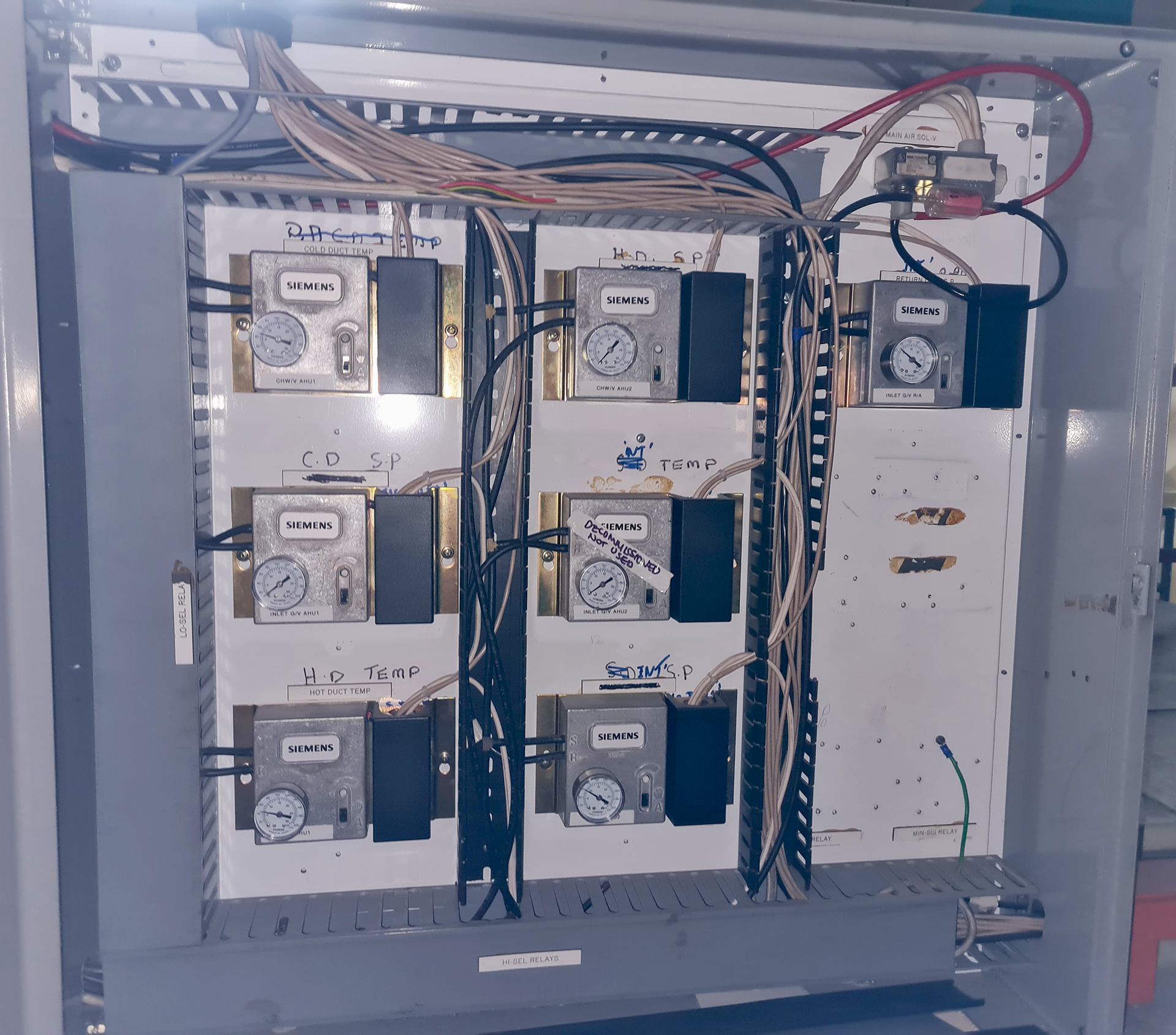
Pneumatic-to-Electric Switch Description A pneumatic-to-electric switch is a control device used in older HVAC and building automation systems to convert a pneumatic air pressure signal into an electrical switching action. The device contains a diaphragm that responds to changes in air pressure. As the pneumatic signal increases or decreases, the diaphragm moves and causes an electrical contact to either make or break. This allows pneumatic control signals to enable, disable, start, stop, prove, or interlock various HVAC field equipment. These switches were commonly used with pneumatic temperature sensors, such as outside air sensors, return air sensors, or supply air duct sensors. The sensor adjusts the pneumatic pressure signal according to its set point and calibration. That pressure signal is then piped pneumatically to the switch, which operates the electrical contacts when the pressure reaches the required switching point. This allowed older HVAC systems to control equipment such as fans, pumps, valves, dampers, boilers, chillers, and packaged plant using a combination of pneumatic sensing and electrical switching. While simple and effective for its time, these systems require careful calibration, clean compressed air, sound tubing, and regular maintenance to remain accurate and reliable.
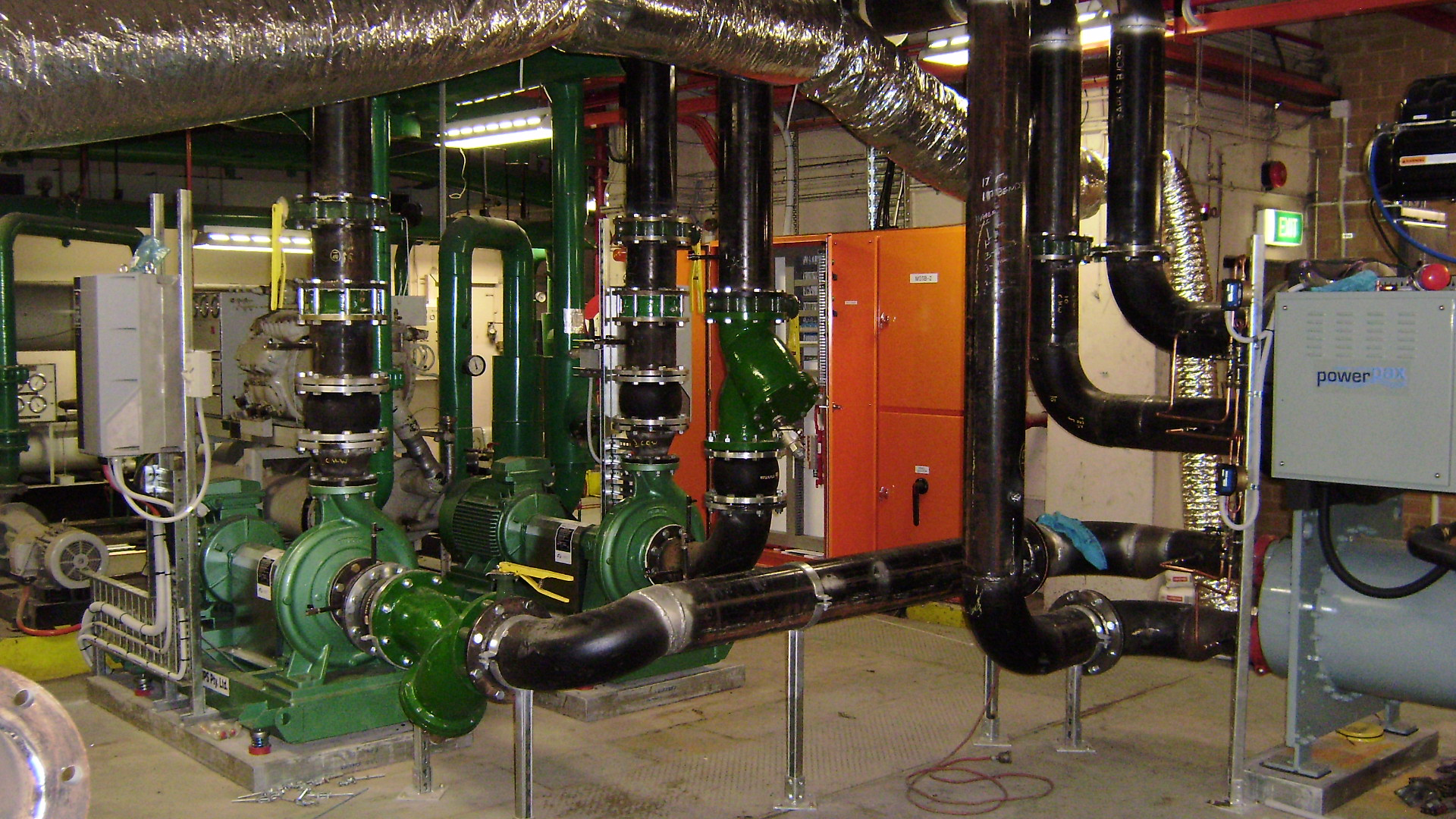
Modern commercial building plant room featuring new chilled water pumps, condenser water pumps, high-efficiency smart chiller, mechanical services switchboard, electrical infrastructure, BMS controls and automation systems in a recently upgraded facility in Melbourne and Sydney.
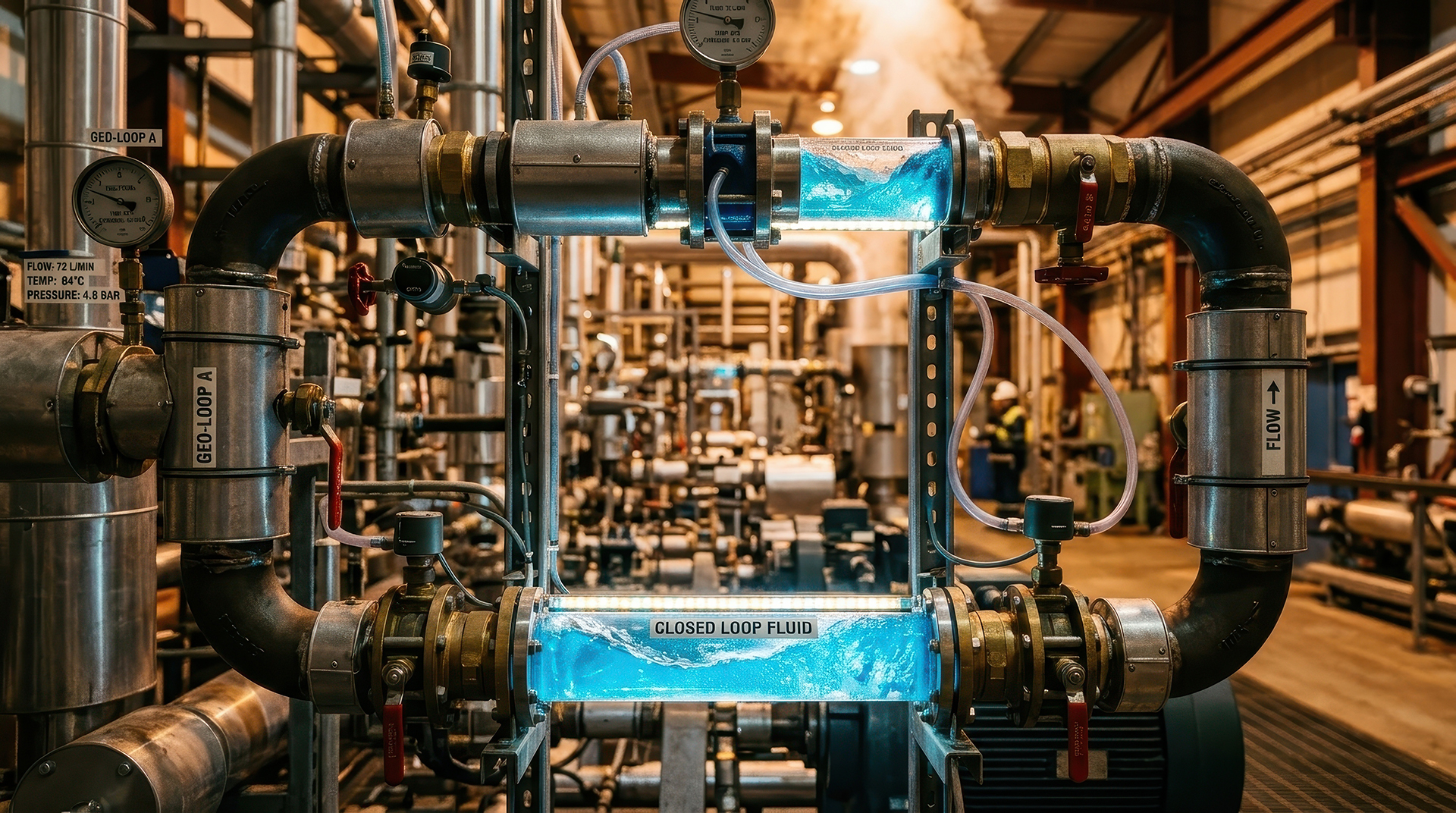
Transparent chilled water pipework within a commercial building plant room showing water flow and inline thermal energy meters connected to the building management system for energy monitoring and optimisation.

Independent Technical Advice

Technology should provide options—not create dependency.

One of WR8Tech’s core principles is providing independent technical advice.

We work across multiple manufacturers, communication protocols and building technologies, allowing us to assess systems objectively rather than recommending solutions based solely on a particular product or vendor.

Where possible, we encourage open standards, good documentation and engineering practices that give building owners greater flexibility throughout the life of their assets.

Our focus is long-term building performance rather than short-term product sales.

What You’ll Find Here

Our Technical Knowledge Centre covers a wide range of topics relating to commercial building services and building automation, including:

  • Building Management Systems (BMS)
  • Building Automation Systems (BAS)
  • HVAC Controls and Optimisation
  • Commercial Electrical Infrastructure
  • Energy Management
  • Building Systems Integration
  • Mechanical Services
  • Carbon Monoxide Ventilation Systems
  • Essential Services Interfaces
  • Asset Lifecycle Planning
  • Preventative Maintenance Strategies
  • Building Performance Reviews
  • Technical Audits
  • Remote Monitoring
  • Artificial Intelligence in Commercial Buildings
  • Smart Building Technologies

As our experience grows and technology continues to evolve, this library will continue to expand.
Unsupervised Buildings, BMS & Energy Management – A highly detailed image showcasing the complex network of pipes, cables, sensors, communication lines, and control connections found within a modern commercial building. The scene highlights the hidden technology infrastructure that enables Building Management Systems (BMS), energy management platforms, and building automation solutions to operate effectively in unsupervised buildings. The image features an intricate arrangement of mechanical services pipework, electrical infrastructure, network cabling, smart sensors, controllers, and high-level interface (HLI) connections linking critical building assets. Digital overlays display real-time operational data, energy consumption trends, alarms, temperatures, equipment status, and system performance metrics flowing between multiple building systems. Representing advanced commercial building technology used throughout Sydney, Melbourne, Canberra, Brisbane, Adelaide, and Perth, the image demonstrates how modern buildings can be remotely monitored, controlled, and optimised from a central operations platform. High-level interfaces connect HVAC systems, chillers, boilers, energy meters, lighting controls, generators, water systems, security platforms, and other essential assets into a single intelligent management environment. The visual conveys connectivity, automation, energy efficiency, operational resilience, and data-driven decision-making, illustrating how integrated building systems work together to reduce operating costs, improve occupant comfort, enhance sustainability outcomes, and support the successful operation of unsupervised commercial buildings.
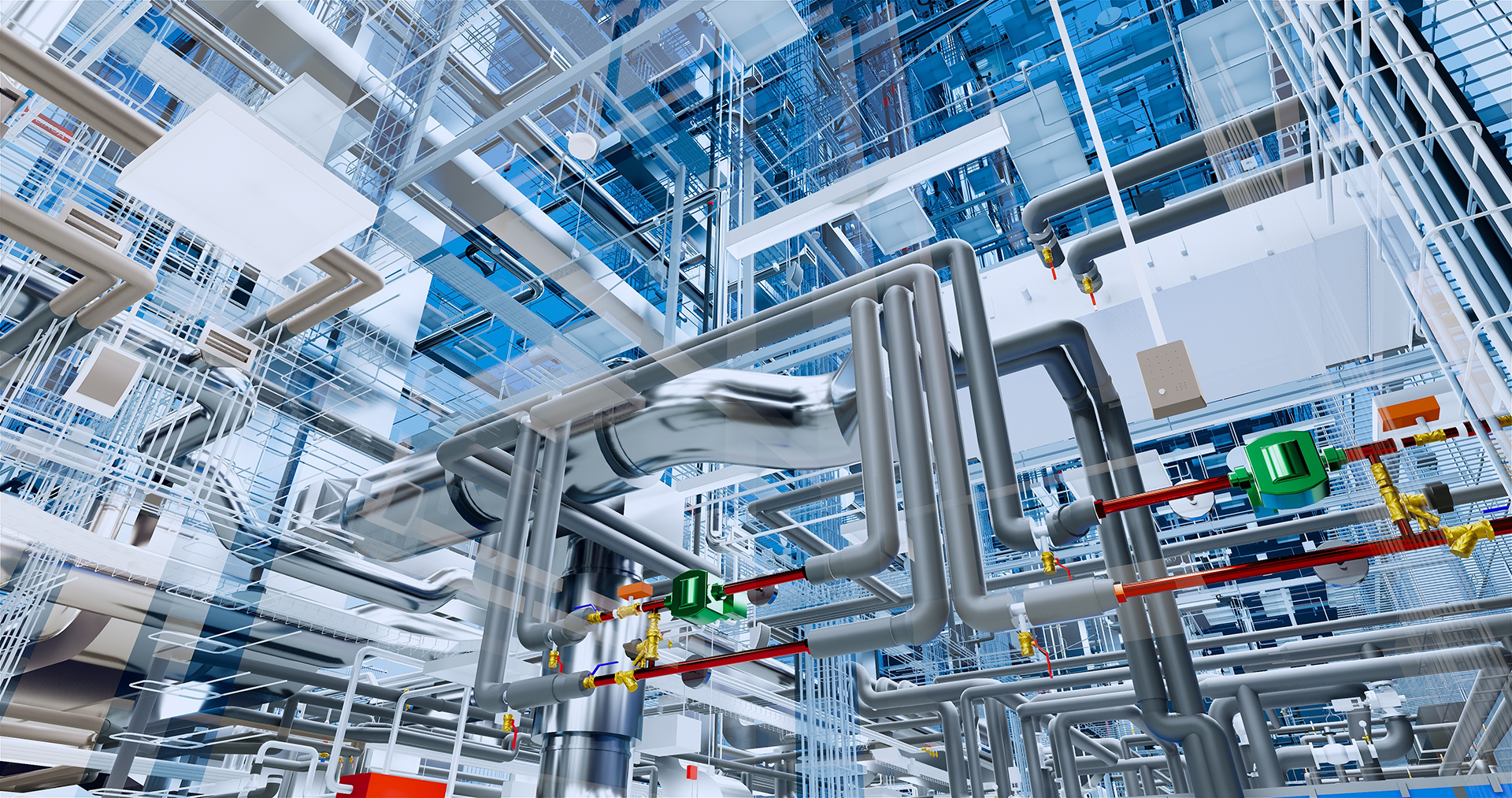
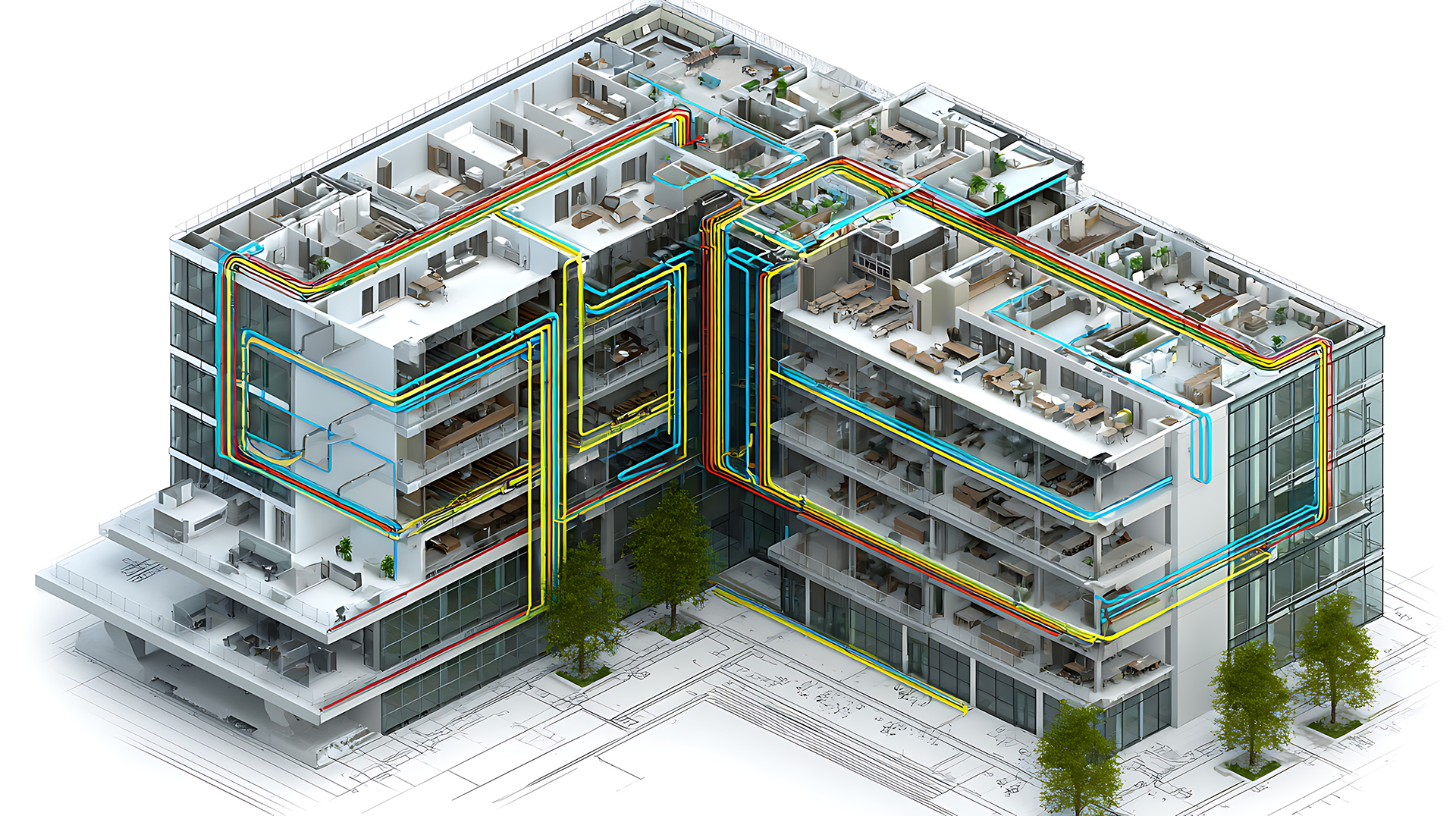
Unsupervised Buildings – Occupancy and Load Monitoring Strategy - A sophisticated architectural cutaway illustration of a modern commercial building, presented with transparent walls and floors that reveal the internal mechanical, electrical, and building services infrastructure. Red and blue pipework representing heating and cooling systems can be seen flowing throughout the structure, connecting air handling units, plant rooms, risers, tenancy spaces, and critical building assets across multiple levels. The image highlights an advanced occupancy and load monitoring strategy, where Building Management Systems (BMS), smart sensors, energy meters, people-counting technology, and building automation platforms continuously analyse how the building is being used. Digital overlays display real-time occupancy levels, HVAC loads, energy consumption, floor-by-floor utilisation, indoor environmental conditions, and equipment performance metrics. The transparent building design illustrates how occupancy data can be correlated with mechanical system demand, allowing chilled water, heating, ventilation, lighting, and other building services to automatically adjust in response to actual building usage. High-level interfaces (HLI), BACnet networks, IoT sensors, and cloud-based analytics platforms work together to optimise energy consumption, improve occupant comfort, and reduce unnecessary operating costs. Representative of smart commercial buildings throughout Sydney, Melbourne, Canberra, Brisbane, Adelaide, and Perth, the image demonstrates how intelligent building technology can support the successful operation of unsupervised buildings. By understanding occupancy patterns and equipment loads in real time, facility managers and building owners gain valuable operational insights that improve sustainability, asset performance, energy efficiency, and overall building resilience.

More Than Technical Articles

We believe understanding why something happens is just as important as understanding how to fix it.

That’s why many of our articles include practical examples, engineering observations and lessons learned from real commercial buildings.

Rather than simply explaining standards or manufacturers’ specifications, we aim to provide context that helps building owners and managers understand how technical decisions influence reliability, operating costs, sustainability and long-term asset performance.

Our Approach

Every article published within the WR8Tech Technical Knowledge Centre is guided by the same principles:

  • Practical engineering experience
  • Independent technical thinking
  • Clear, straightforward explanations
  • Long-term asset performance
  • Whole-of-life value
  • Continuous improvement
  • Professional integrity

Technology changes rapidly.

Good engineering principles endure.
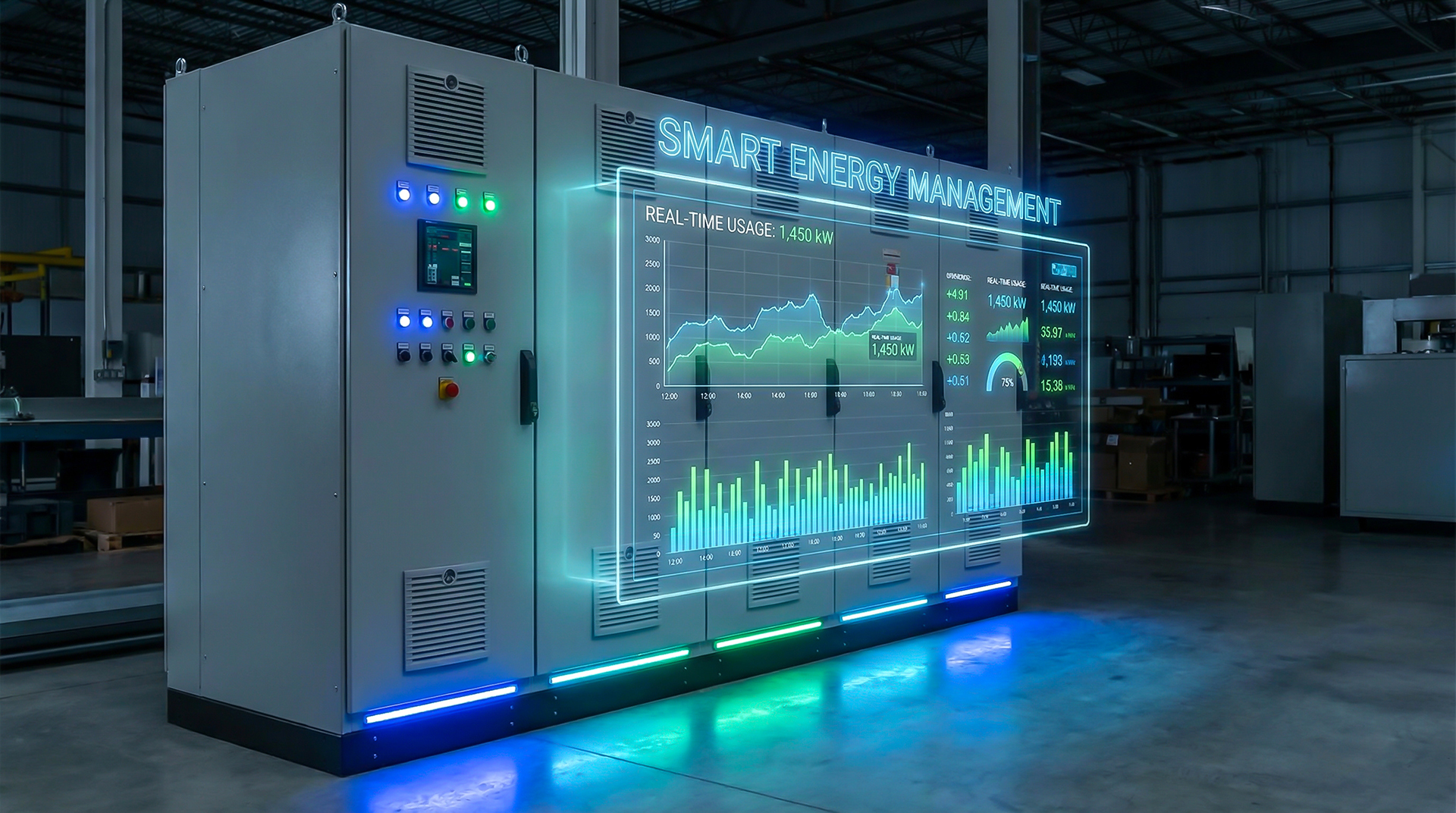
Main electrical switchboard in a commercial building with a transparent digital energy dashboard overlay displaying real-time power consumption, demand, energy trends, and electrical system performance data.
Sustainability through building automation with a digital tree connected to a smart city and intelligent energy management network.

Featured Topics

Some of our most popular technical resources include:

  • Is Your Building Management System Working Against You?
  • Your BMS Vendor Has Disappeared – Now What?
  • The Hidden Cost of Obsolete Building Management Systems
  • AI and Building Management Systems
  • Building Automation for Unsupervised Buildings
  • Energy Management for Commercial Buildings
  • HVAC Mechanical Services Audits
  • Building Systems Integration Explained

(These can become automatic links or cards as your library grows.)

Knowledge That Continues to Grow

Commercial building technology continues to evolve.

New communication protocols, AI-assisted analytics, cloud platforms, cybersecurity requirements and sustainability targets are changing the way buildings are designed and operated.

Our Technical Knowledge Centre will continue evolving alongside these changes, providing practical guidance that helps building owners and managers understand emerging technologies while maintaining and improving existing building assets.

Whether your building is five years old or fifty years old, good information remains one of the most valuable tools available.


Human figure standing beside a transparent AI technology figure with a shared thought bubble and glowing digital lights on a dark blue background, representing collaboration between people and artificial intelligence in commercial buildings and automation systems.
Modern commercial buildings surrounded by green vegetation representing sustainability through building automation and intelligent building management systems.
Sydney Harbour at night with illuminated buildings and landmarks connected by glowing network lines across the city skyline, representing smart building technology, building management systems, connectivity, and digital infrastructure.

Conclusion

Good buildings are rarely accidental.

They are the result of informed decisions, quality engineering and continuous attention to detail.

The WR8Tech Technical Knowledge Centre exists to share the knowledge, observations and practical experience we’ve gained over decades of working in commercial buildings throughout Australia.

We hope these resources help you better understand your building, ask better questions and make more confident technical decisions.

Because better information leads to better buildings.

Looking for practical advice about your building systems?

Whether you need independent technical guidance, assistance with an ageing Building Management System, building automation support, HVAC optimisation or a detailed technical audit, WR8Tech is here to help.

Contact WR8Tech to discuss your building, or explore our growing Technical Knowledge Centre for more practical engineering insights.

Customer Details

Name

G-Q8ZWYZD3WQ