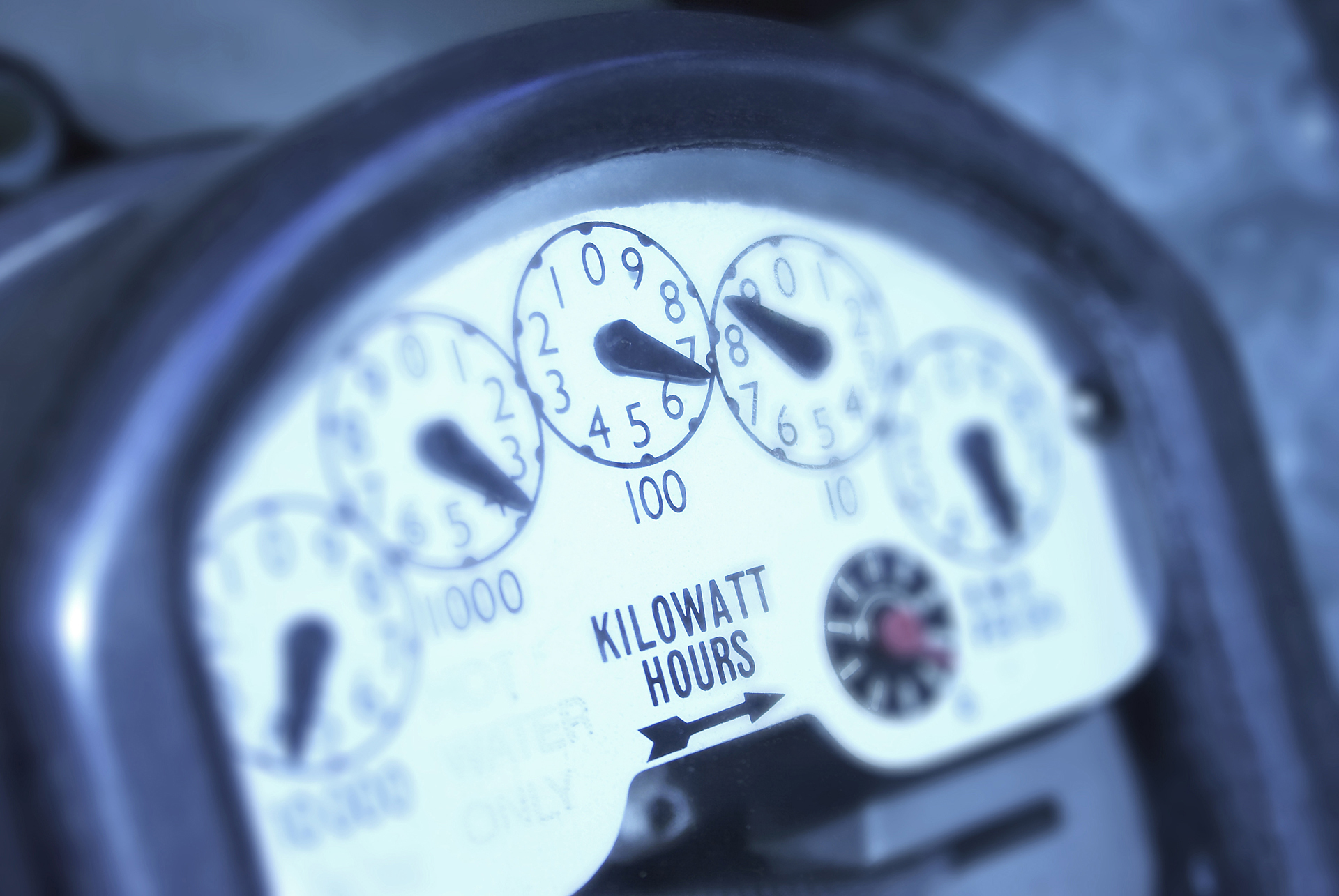
Seven Things We Look For During Every Energy Audit
Energy audits are often associated with expensive upgrades, new equipment, and capital expenditure. In reality, many of the largest energy savings opportunities come from identifying systems that are already installed but are operating incorrectly.
At WR8Tech, our audits focus on finding the causes of energy waste, quantifying the impact, and identifying practical opportunities to improve performance.
Over many years auditing commercial buildings, office towers, shopping centres, industrial facilities, schools, medical facilities, and mixed-use developments, the same issues appear repeatedly.
These are the seven areas we investigate during every energy audit.
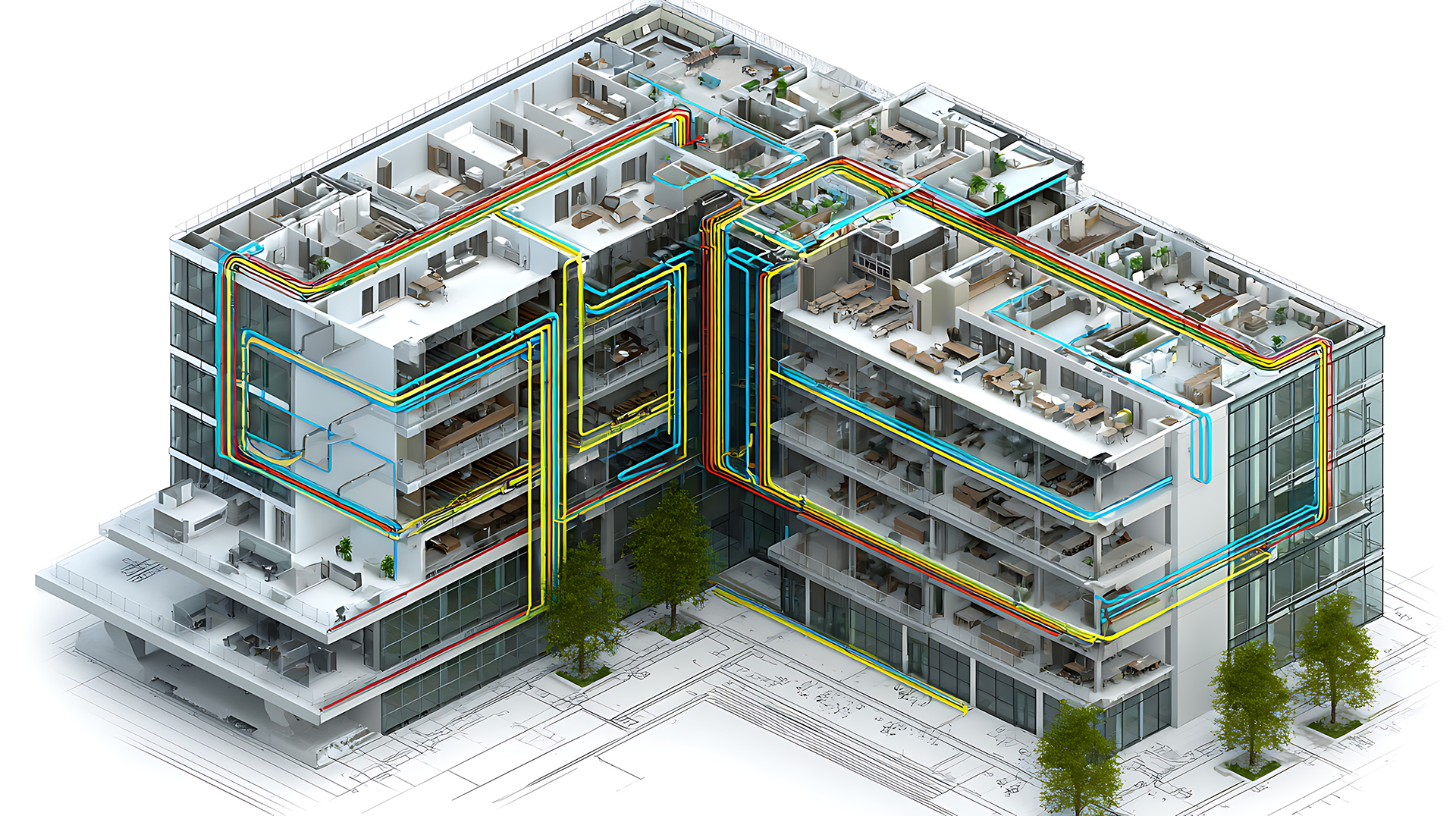
1.Heating and Cooling Fighting Each Other
This is one of the most common and expensive problems we encounter.
In many Australian commercial buildings, the primary air conditioning system supplies cold air throughout the building, while individual zones use reheat coils or perimeter heating to maintain comfort.
A typical example:
- Supply air temperature setpoint = 12°C
- Outdoor temperature = 18°C
- Chillers operating
- VAV boxes calling for heating
- Boilers operating
The building is simultaneously producing chilled water and hot water.
The cooling plant removes heat from the building while the heating plant immediately puts it back.
This condition can remain unnoticed for years because occupants remain comfortable.
An audit investigates:
- Supply air temperature setpoints
- Seasonal reset strategies
- Boiler enable logic
- Heating demand patterns
- Simultaneous heating and cooling
- VAV box operation
Correcting these issues can often deliver substantial energy savings with little or no capital expenditure.
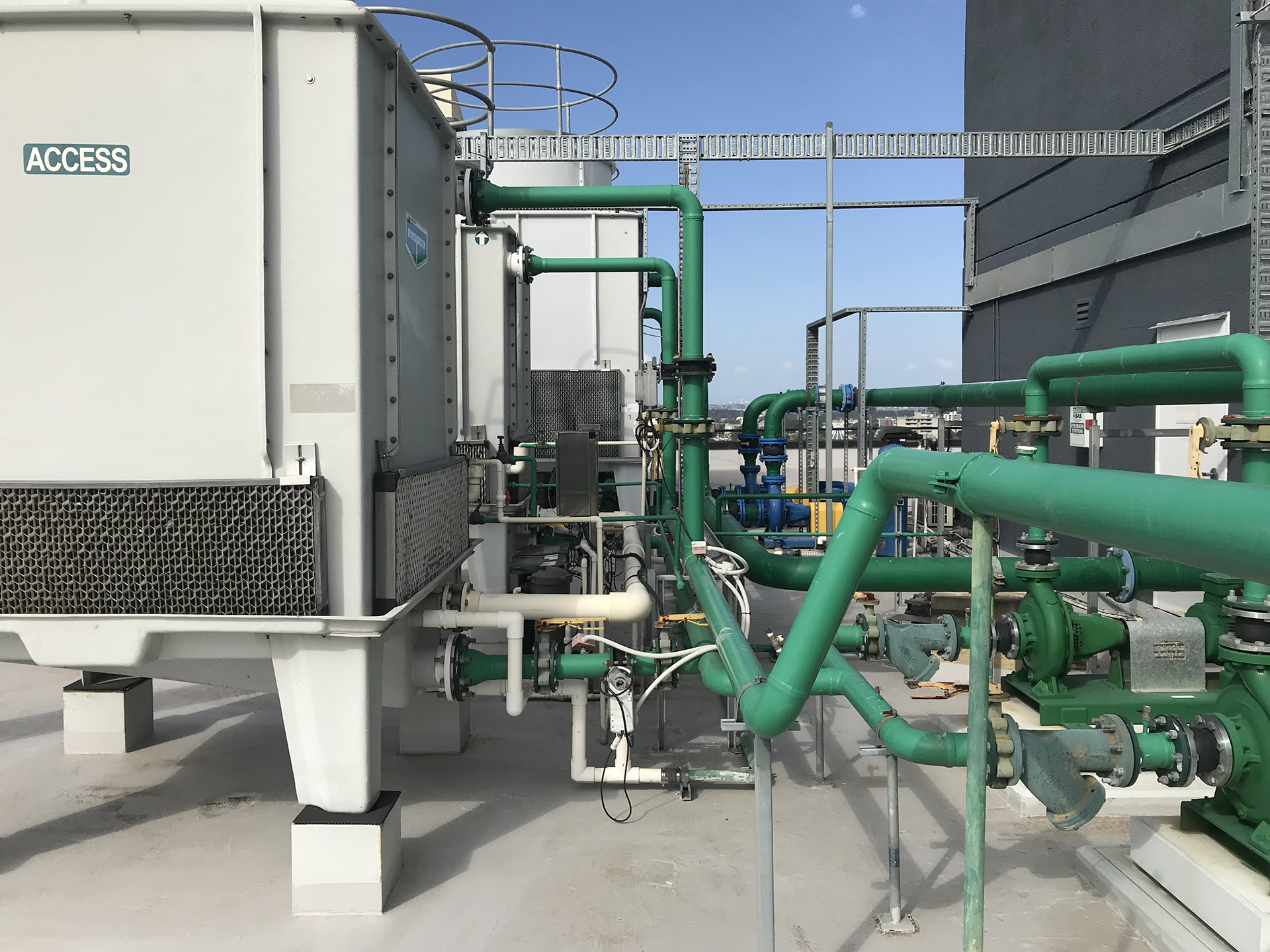
2. Equipment Running When Nobody Needs It
Many buildings continue operating long after occupants have gone home.
We frequently find:
- Air handling units running 24/7
- Car park ventilation operating continuously
- Pumps running overnight
- Lighting systems left enabled
- Tenant systems operating outside lease hours
Sometimes schedules have been overridden during a fault and never restored.
Other times, operating hours simply no longer reflect how the building is used.
We compare:
- Actual occupancy
- Building schedules
- Equipment runtime hours
- Energy consumption profiles
The goal is simple:
Only run equipment when it is genuinely required.
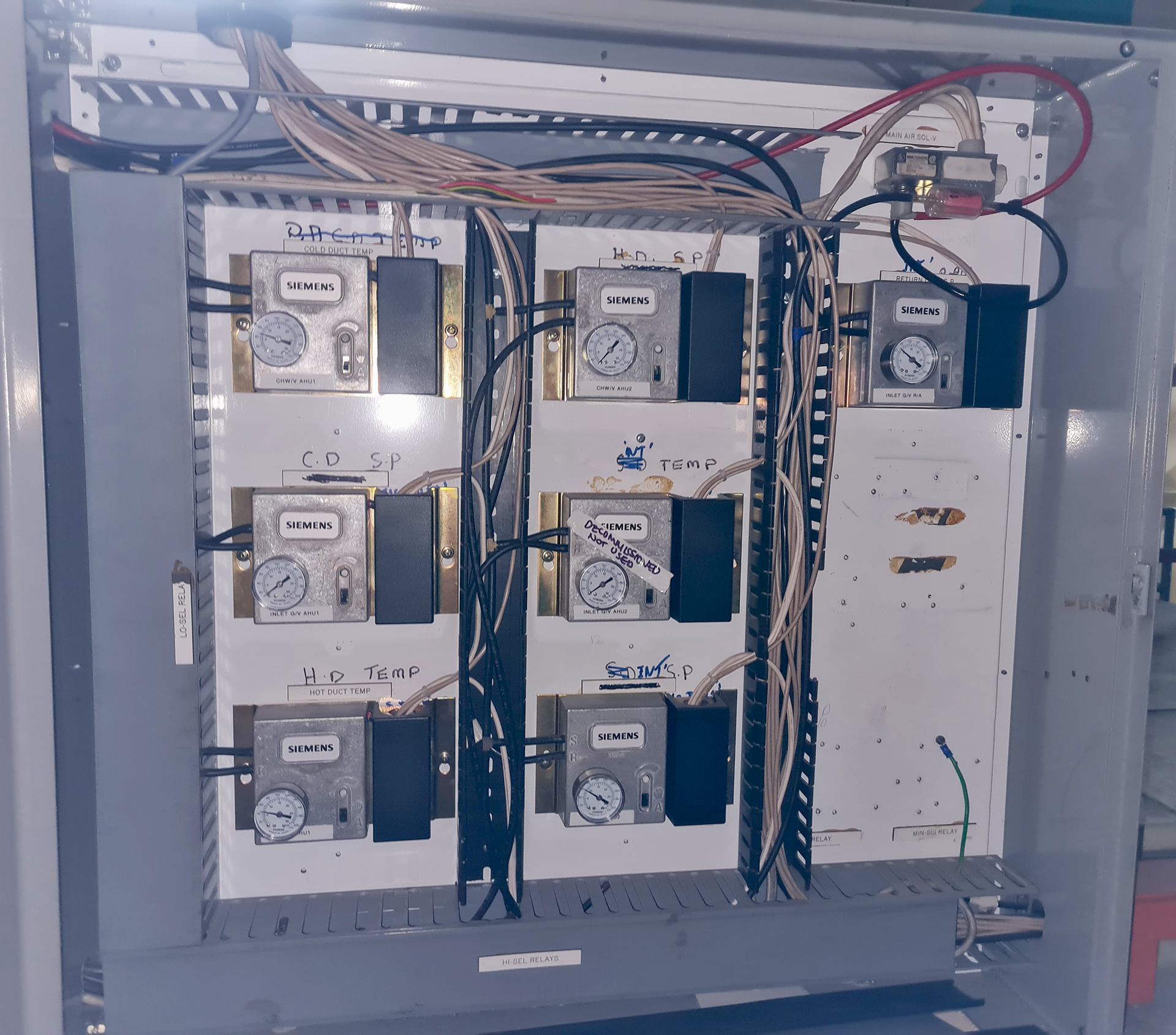
3. Poorly Tuned Building Management Systems
A Building Management System should be reducing energy consumption.
Unfortunately, many BMS installations have not been reviewed for years.
Common findings include:
- Obsolete control strategies
- Disabled optimisation routines
- Failed sensors
- Manual overrides
- Incorrect schedules
- Broken communication networks
- Unused control functionality
Many buildings only use a fraction of the capability already installed.
An audit examines:
- Control sequences
- Sensor accuracy
- Alarms
- Trend data
- Scheduling
- Network communications
- Equipment staging logic
Often the opportunity is not replacing the BMS but simply making better use of it.
4. Plant Operating Outside Its Design Intent
Commercial buildings evolve.
Tenants change.
Operating hours change.
Layouts change.
Equipment does not always adapt.
We commonly discover:
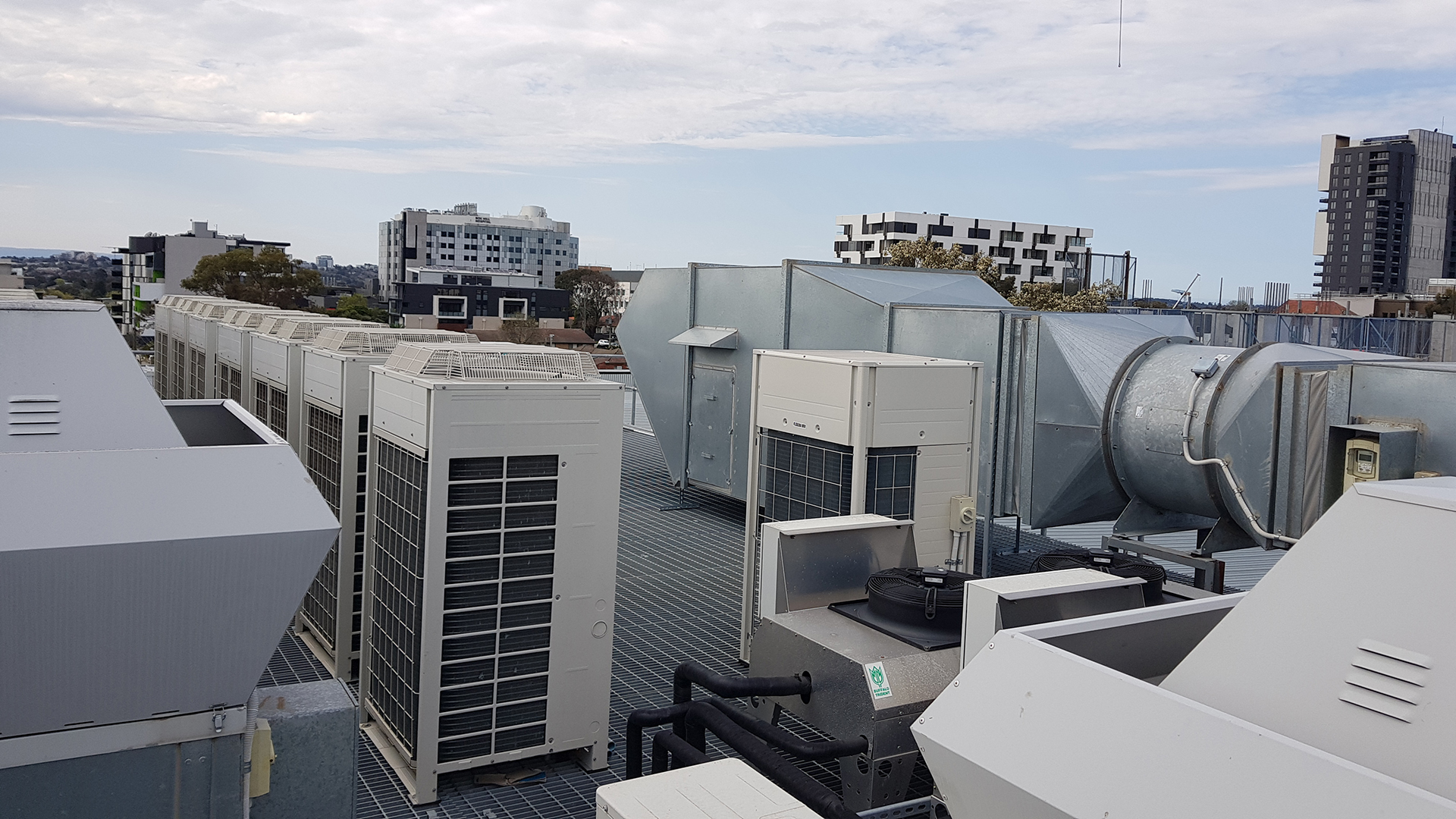
- Pumps operating at full speed unnecessarily
- Chillers cycling excessively
- Boilers oversized for actual demand
- Variable speed drives bypassed
- Control valves operating incorrectly
- Equipment serving areas no longer occupied
A system that worked perfectly ten years ago may now be significantly oversized.
Energy audits investigate whether plant is operating in a manner consistent with current building requirements.
5. Excessive Base Building Energy Consumption
Every building has a minimum energy demand.
The question is whether that minimum demand is reasonable.
By analysing energy profiles, we identify:
- Overnight consumption
- Weekend consumption
- Seasonal variations
- Unexpected loads
- Equipment operating continuously
If a building uses nearly the same amount of energy at midnight as it does during business hours, something is wrong.
Understanding base load consumption is often one of the fastest ways to uncover hidden energy waste.
6. Missing or Inadequate Energy Metering
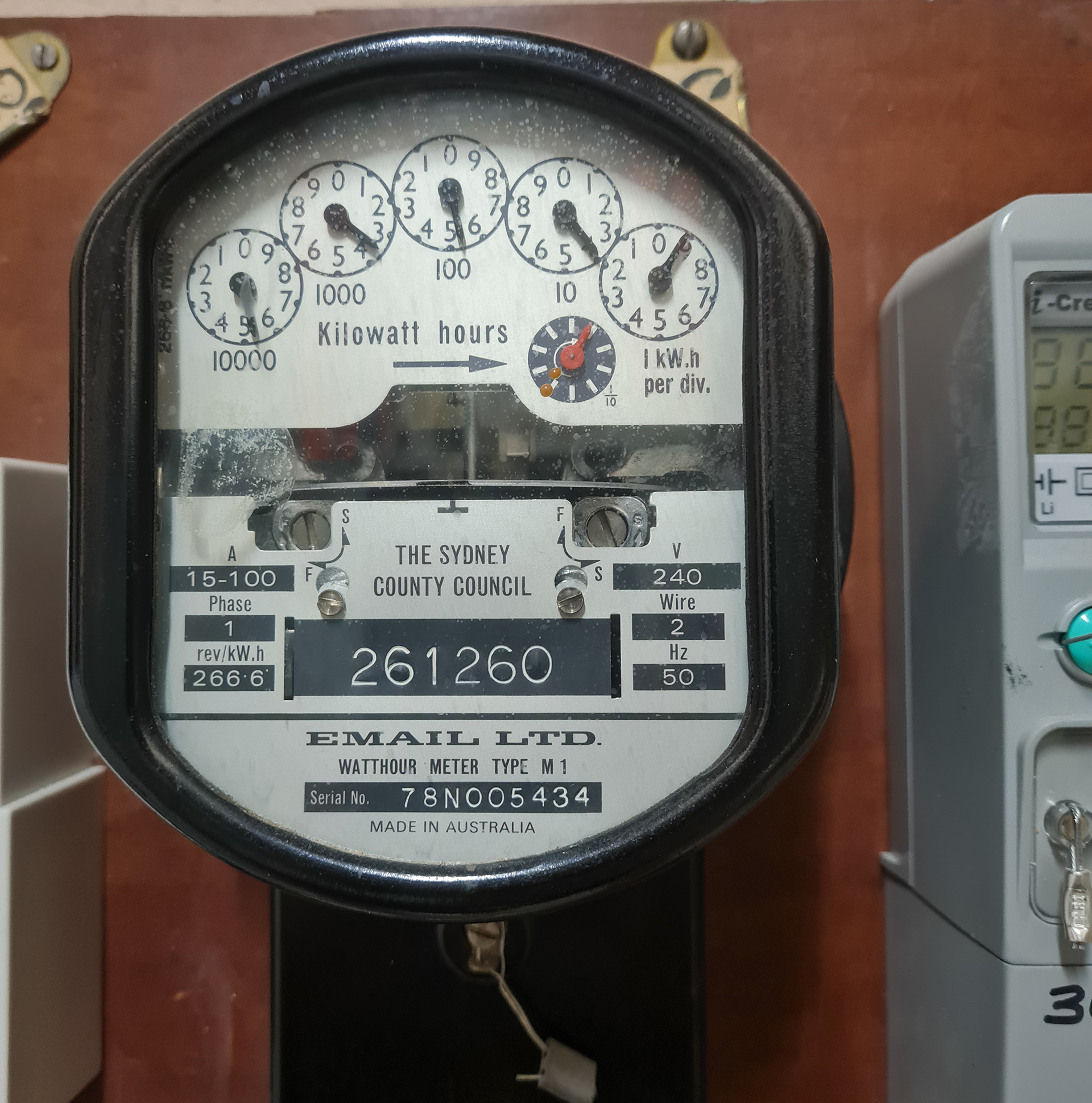
You cannot manage what you cannot measure.
Many commercial buildings only monitor utility bills.
The problem is that utility bills reveal how much energy was consumed, but not where it was consumed.
We assess opportunities for:
- Main switchboard metering
- Mechanical services metering
- Chiller energy monitoring
- Boiler energy monitoring
- Tenant metering
- Solar monitoring
- Water metering
- Gas metering
- Thermal energy metering
Effective metering transforms energy management from guesswork into informed decision-making.
It also provides the data needed for ongoing optimisation and future AI-driven analytics.

7. Opportunities for Structural Change
Not every energy-saving opportunity involves changing a setpoint.
Sometimes the greatest savings come from changing how the building operates.
Examples include:
Control Strategy Improvements
- Dynamic temperature resets
- Demand-based ventilation
- Optimum start and stop
- Occupancy-based control
- Weather compensation
Plant Optimisation
- Chiller sequencing
- Boiler sequencing
- Variable speed drive optimisation
- Condenser water optimisation
- Cooling tower optimisation
Technology Upgrades
- Smart metering
- Building analytics
- Fault detection
- AI-assisted optimisation
- BMS modernisation
Operational Improvements
- Contractor management
- Maintenance optimisation
- Improved fault response
- Better performance reporting
Structural improvements often deliver ongoing savings year after year rather than one-off gains.

No-Cost and Low-Cost Opportunities
One of the biggest misconceptions about energy audits is that they always result in expensive recommendations.
In reality, many opportunities involve:
- Adjusting schedules
- Correcting setpoints
- Repairing sensors
- Restoring control strategies
- Recommissioning equipment
- Retraining operators
- Improving maintenance practices
These opportunities often provide the fastest return on investment because the infrastructure already exists.
The challenge is knowing where to look.
Older Buildings Often Present the Greatest Opportunities
Many building owners assume that newer buildings are inherently more efficient.
While newer equipment may be more efficient, older buildings often provide the greatest opportunity for improvement.
Why?
Because years of modifications, tenant changes, maintenance issues, and control overrides gradually erode performance.
We regularly find buildings where:
- Energy consumption has increased over time
- Control strategies no longer function as designed
- Sensors have drifted out of calibration
- Schedules no longer reflect occupancy
- Equipment has been manually overridden
These buildings frequently contain significant energy-saving opportunities that can be unlocked without major capital expenditure.

Conclusion
An energy audit is not simply an exercise in reviewing utility bills.
It is a detailed investigation into how a building actually operates.
At WR8Tech, every audit focuses on identifying energy waste, operational inefficiencies, control system issues, and practical opportunities for improvement.
Whether the issue is heating and cooling fighting each other, equipment operating unnecessarily, poor control strategies, excessive base loads, or missing metering, the objective remains the same:
Reduce operating costs, improve building performance, and provide owners with the information required to make informed decisions.
A few more Links
- Commercial Building Energy Audits
- Energy Management for Commercial Buildings
- Energy Management Services
- Energy Management Systems (EMS) Integration
- Energy Metering
- ESG Performance and Reporting
- Seven Things We Look For During Every Energy Audit
- Variable Speed Drives: Where They Save Energy