
HVAC & Mechanical Services Monitoring for Unsupervised Buildings
Monitoring, Control and Operational Visibility of HVAC & Mechanical Services via BMS
In unsupervised buildings, HVAC and mechanical services are critical to maintaining tenant comfort, building performance, energy efficiency and operational stability. While central plant such as chillers and boilers generate heating and cooling, it is the mechanical services systems that distribute conditioned air and maintain building environments.
When buildings operate without on-site personnel, faults within HVAC and mechanical systems may go unnoticed for extended periods. This can lead to tenant complaints, equipment stress, energy inefficiencies and operational disruption.
HVAC & Mechanical Services Monitoring via a Building Management System (BMS) provides visibility, control and proactive fault detection, ensuring unsupervised buildings operate reliably and efficiently.
At WR8Tech, we specialise in monitoring and integrating HVAC and mechanical services into a central BMS platform, providing operational awareness, improved reliability and energy optimisation.
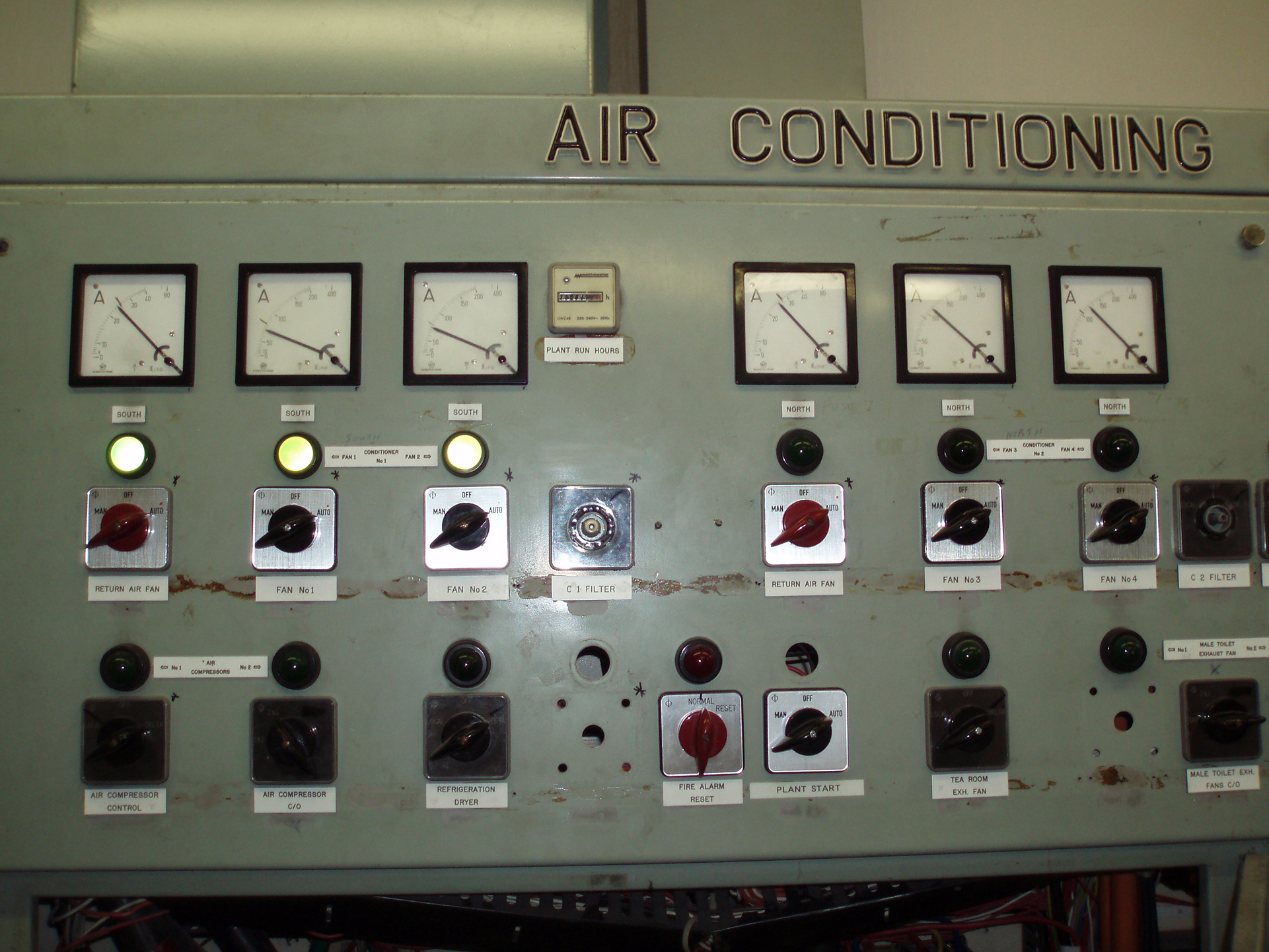
Why HVAC Monitoring Matters in Unsupervised Buildings
HVAC systems are typically the most visible systems to tenants. When HVAC systems fail, tenants immediately notice temperature issues, airflow problems, ventilation failures or humidity concerns.
In unsupervised buildings, common HVAC risks include:
- Fan coil unit failures
- Air Handling Unit (AHU) faults
- VAV box failures
- Temperature drift or control issues
- Damper actuator failures
- Control valve failures
- Filter blockages
- Fan failures
- Outside air control issues
- Condensate drain blockages
- Loss of communication with controllers
- High humidity levels
- High CO₂ levels impacting occupant comfort and productivity
Without BMS monitoring, these faults are often discovered only after tenant complaints are received.
This reactive approach creates operational risk and can negatively impact tenant relationships and building reputation.
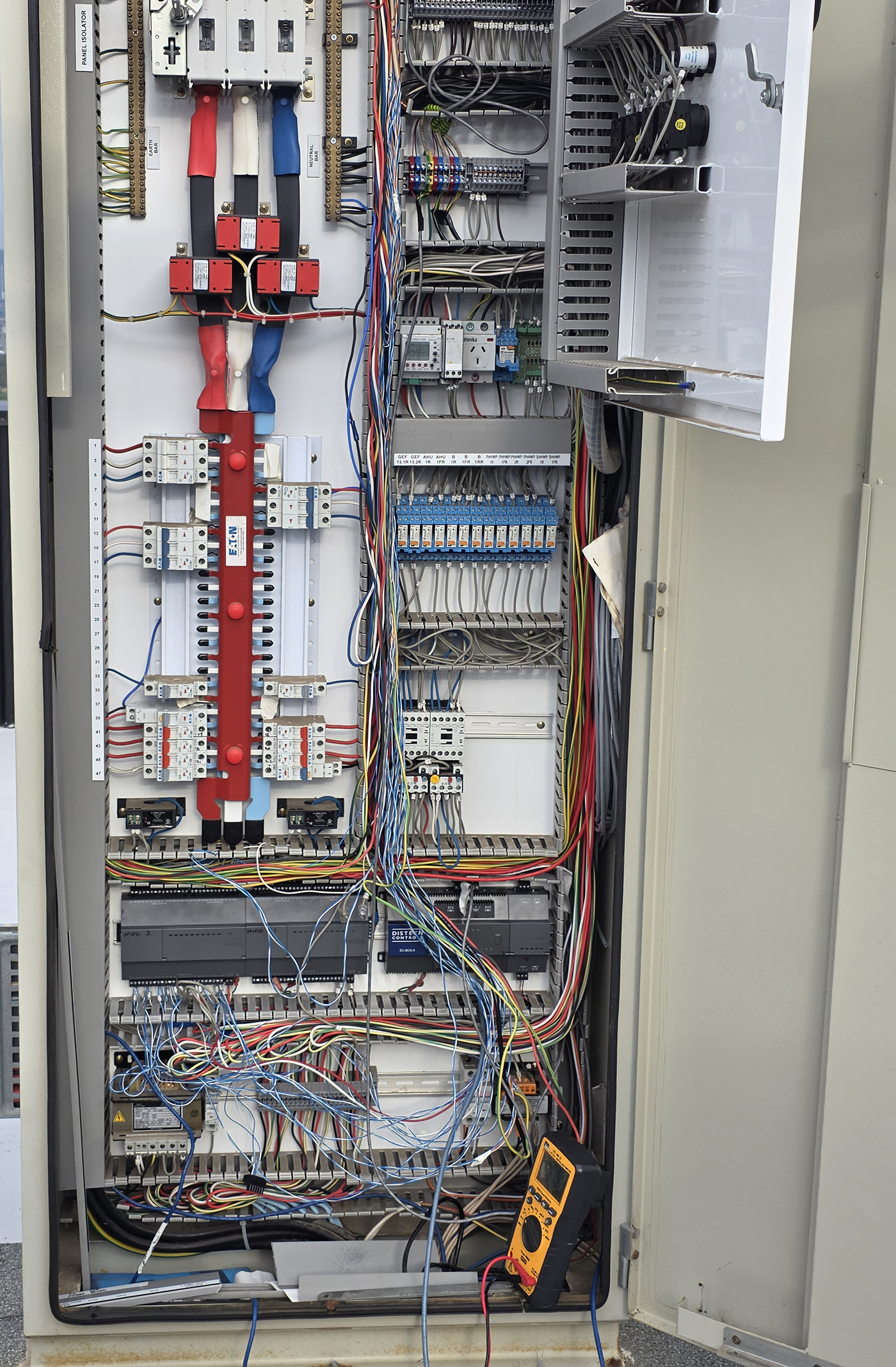
HVAC & Mechanical Systems Typically Monitored
WR8Tech typically integrates and monitors a wide range of HVAC and mechanical services equipment.
Air Distribution Systems
- Air Handling Units (AHUs)
- Fan Coil Units (FCUs)
- Variable Air Volume (VAV) boxes
- Packaged units
- Split systems (where applicable)
Ventilation Systems
- Car park ventilation
- Toilet exhaust systems
- General exhaust fans
- Supply air fans
- Fresh air systems
- Smoke exhaust fans
- Stair pressurisation fans
Mechanical Safety Systems
- Stair pressurisation systems
- Fire mode fans
- Smoke spill systems
- Pressurisation fans
Pumps & Hydronic Systems
- Chilled water pumps
- Heating hot water pumps
- Condenser water pumps
- Secondary circulation pumps (typically for tenant supplementary air conditioning)
These systems work together to maintain comfortable, safe and efficient building operation for tenants and visitors.
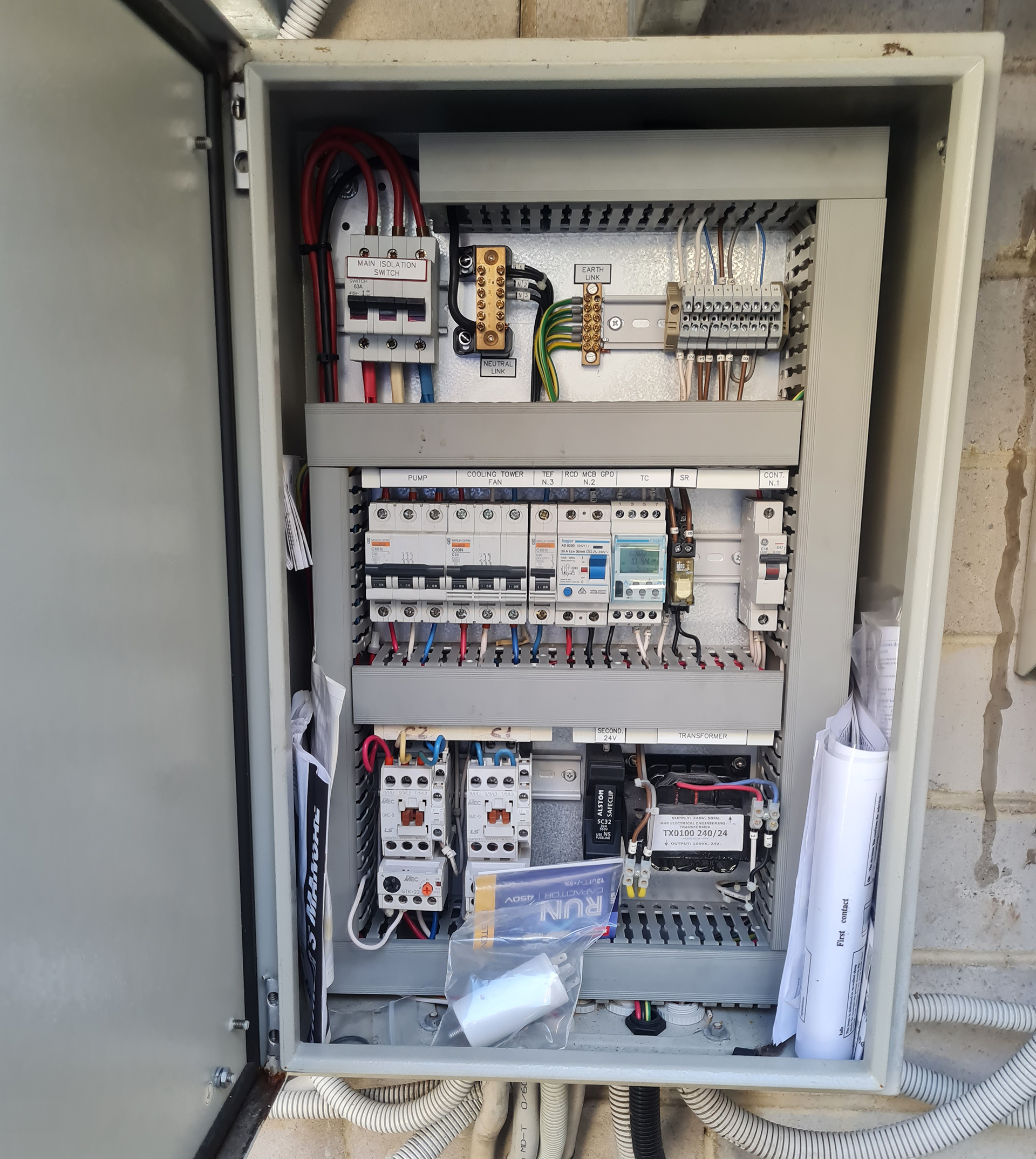
Monitoring via Building Management System
A Building Management System provides real-time monitoring and operational visibility of HVAC and mechanical services.
Typical monitoring points include:
- Fan run status
- Fault alarms
- Temperature monitoring
- Valve positions
- Damper positions
- Airflow monitoring (where available)
- Dirty filter status
- Setpoint monitoring
- Plant enable status
This allows facility managers and property managers to detect faults early and respond proactively.
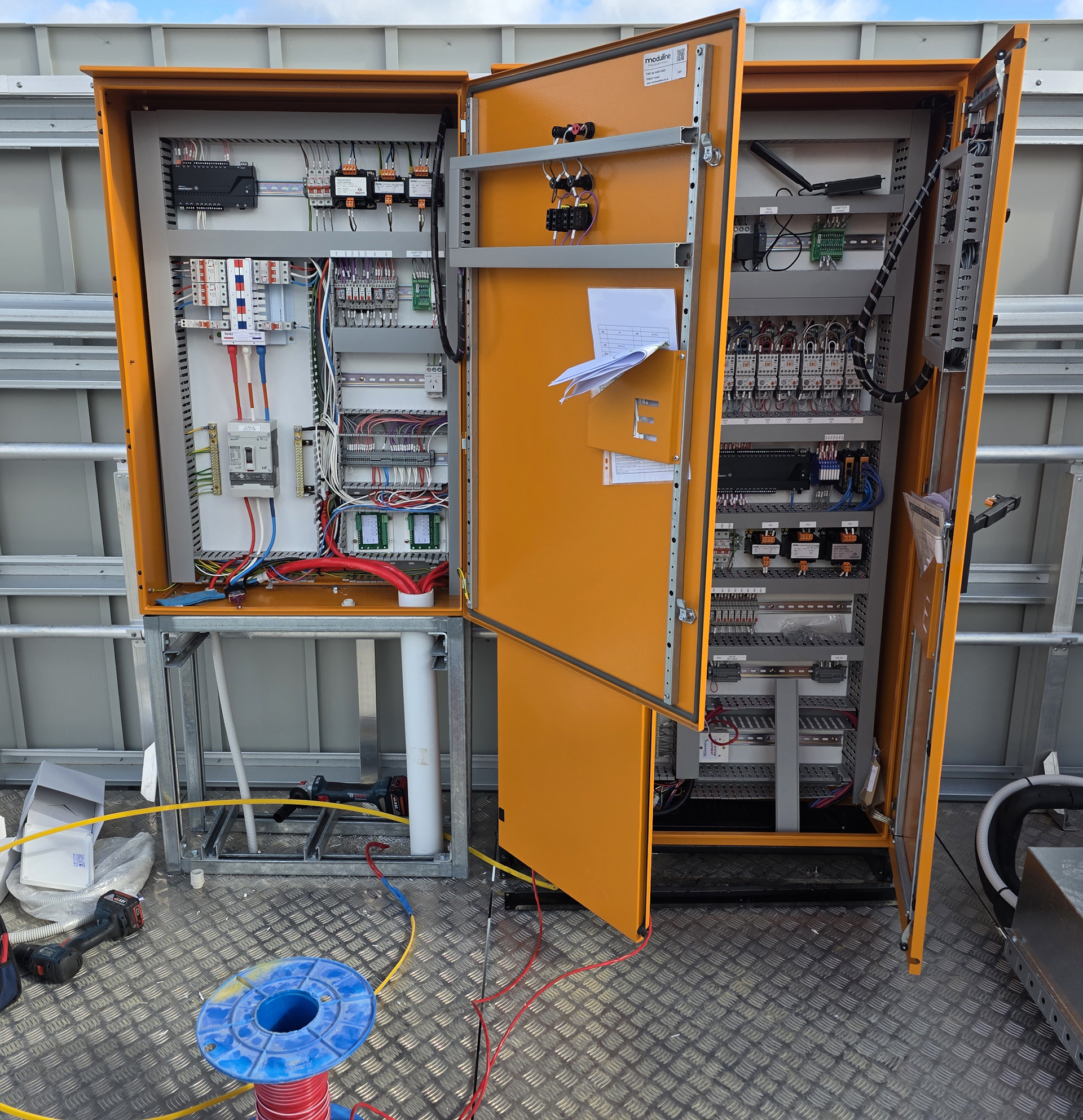
HVAC Control Strategies for Unsupervised Buildings
Beyond monitoring, the BMS provides intelligent control strategies designed specifically for unsupervised buildings.
Control strategies may include:
- Time scheduling
- Occupancy-based control
- Temperature reset strategies
- Demand-based ventilation
- After-hours control
- Load shedding strategies
- Energy optimisation
- Light harvesting integration
These control strategies improve reliability and reduce energy consumption, while also improving capital value and supporting NABERS ratings and energy performance targets.
High-Level Integration of HVAC Systems
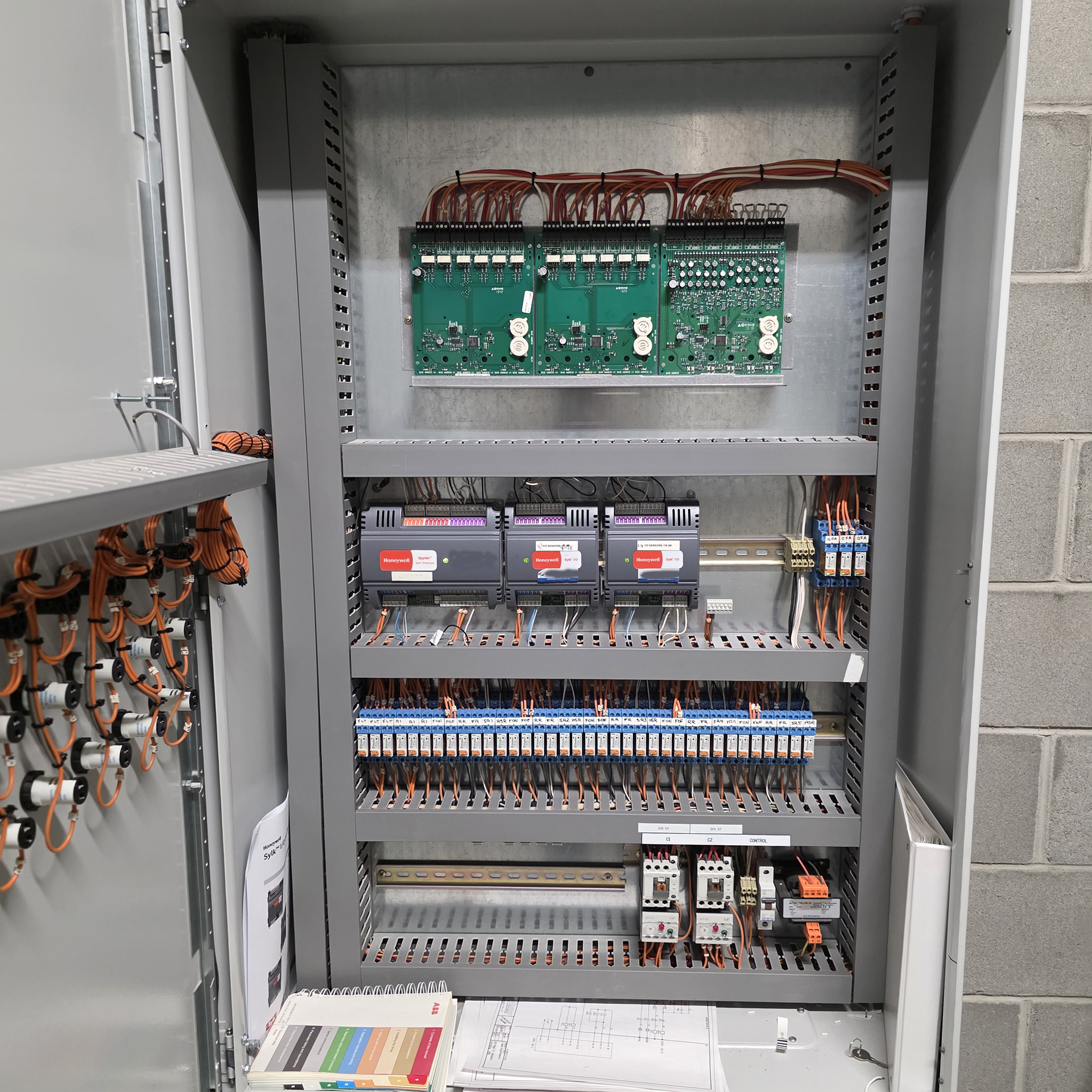
Modern HVAC systems can be integrated via high-level communication protocols, providing deeper operational insight and improved control.
Common integration protocols include:
- BACnet
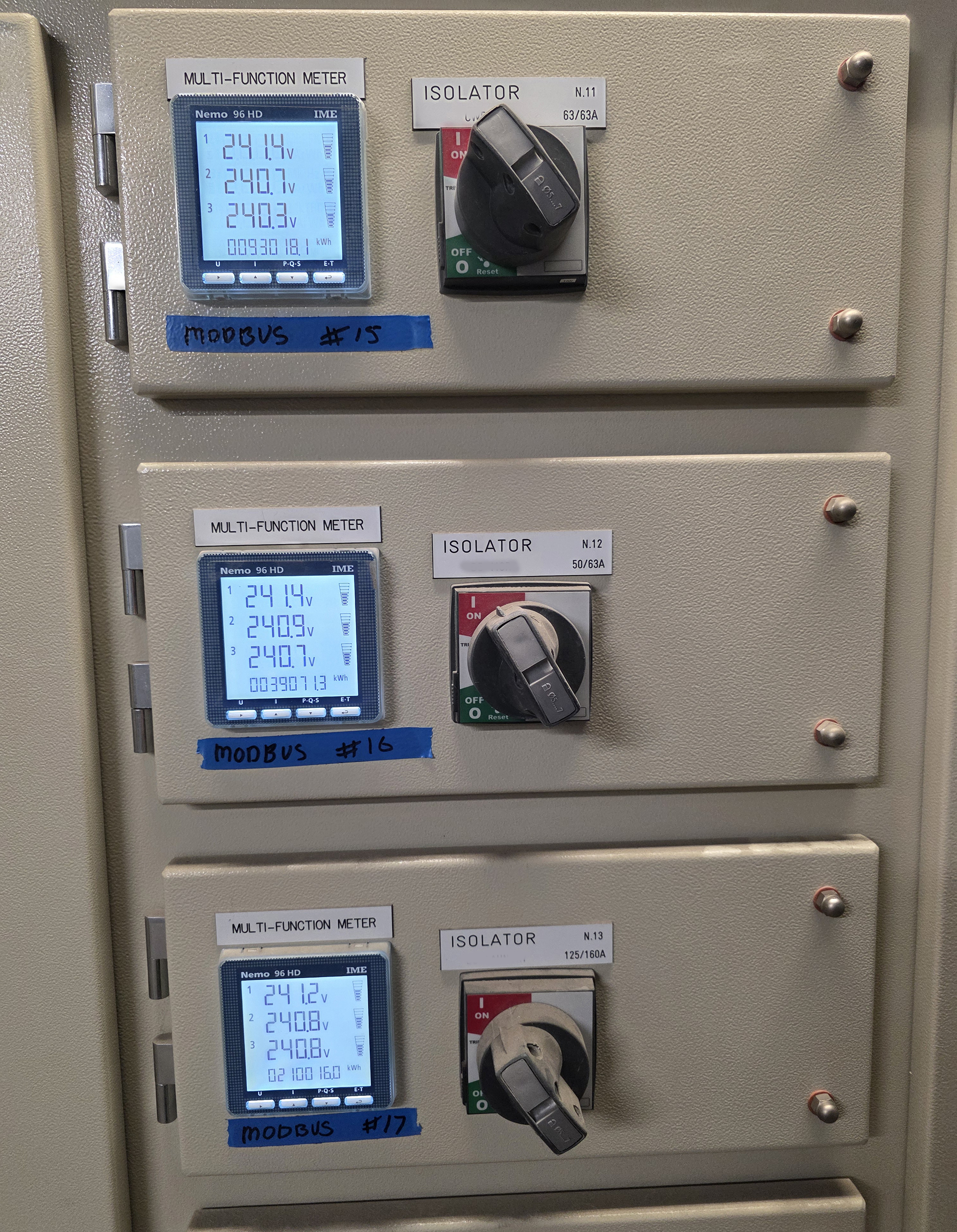
- Modbus
- LonWorks
- IP-based integration
Through high-level integration, the BMS can monitor:
- Detailed fault diagnostics
- Energy consumption
- Equipment performance
- Controller alarms
- Advanced operational data
WR8Tech commonly implements HVAC monitoring using Tridium Niagara platforms, allowing scalable and flexible monitoring for unsupervised buildings.
Supporting Property Managers
HVAC issues are one of the most common causes of tenant complaints. In unsupervised buildings, early notification of HVAC faults is critical.
HVAC monitoring supports property managers by:
- Reducing tenant complaints
- Improving tenant comfort
- Improving response times
- Providing operational visibility
- Supporting contractor coordination
- Reducing after-hours call-outs
This proactive approach improves building performance and tenant satisfaction.
Load Shedding and Energy Management
HVAC systems are typically one of the largest energy consumers in a building. Intelligent BMS strategies can significantly improve energy efficiency.
Load shedding strategies may include:
- Reducing after-hours operation
- Managing peak demand
- Turning off non-essential HVAC loads
- Temperature reset strategies
- Demand-based ventilation
These strategies reduce operating costs while maintaining building comfort.
Load shedding may also be used during generator operation to prioritise critical services.
Supporting Building Projects and Upgrades
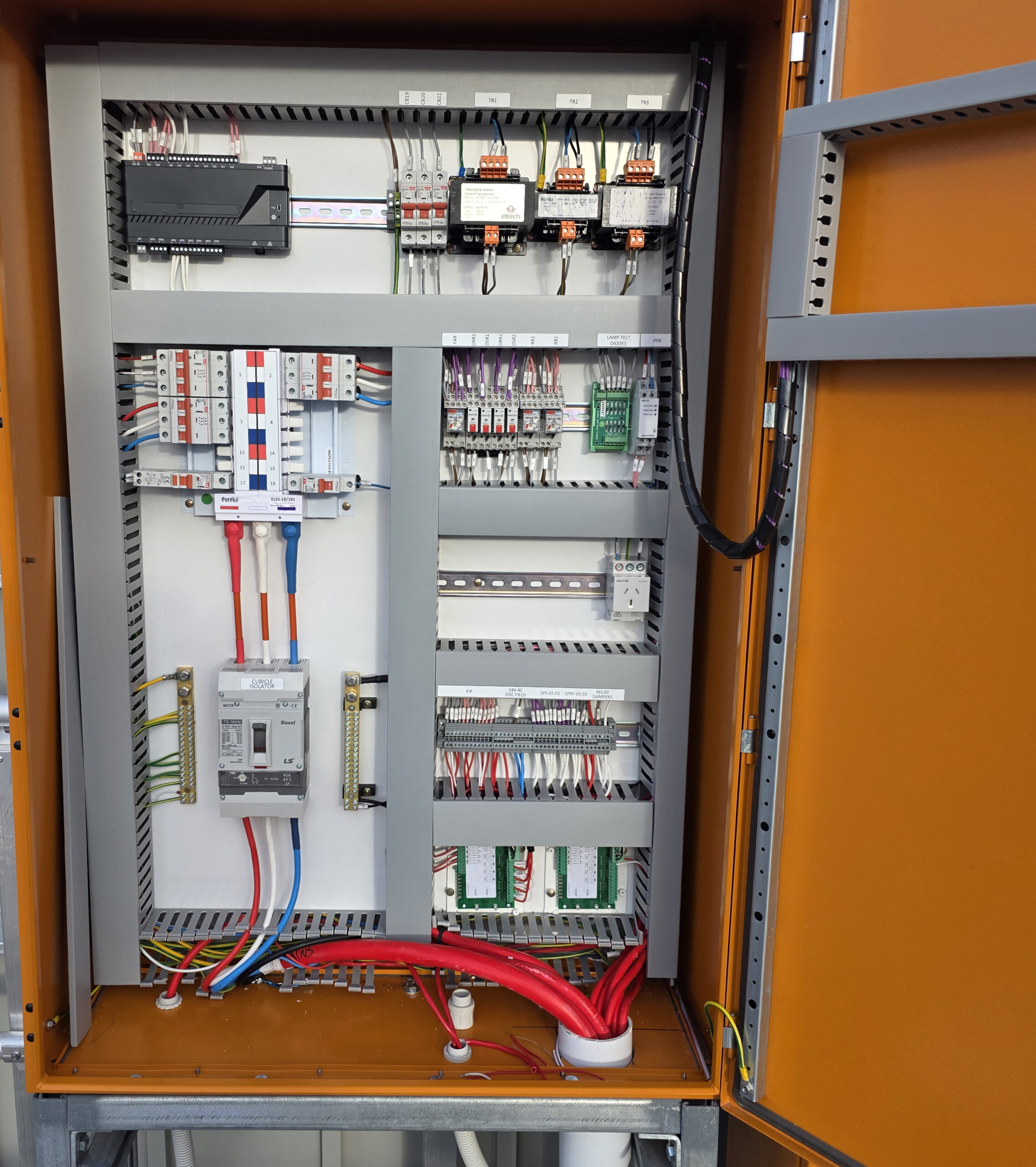
WR8Tech supports HVAC upgrades and projects including:
- Tenant refurbishments
- HVAC upgrades
- BMS upgrades
- Control strategy improvements
- Energy optimisation projects
- Equipment replacement projects
For project managers, WR8Tech provides integration strategies that minimise disruption and maintain building operation.
Existing Buildings and Retrofit Opportunities
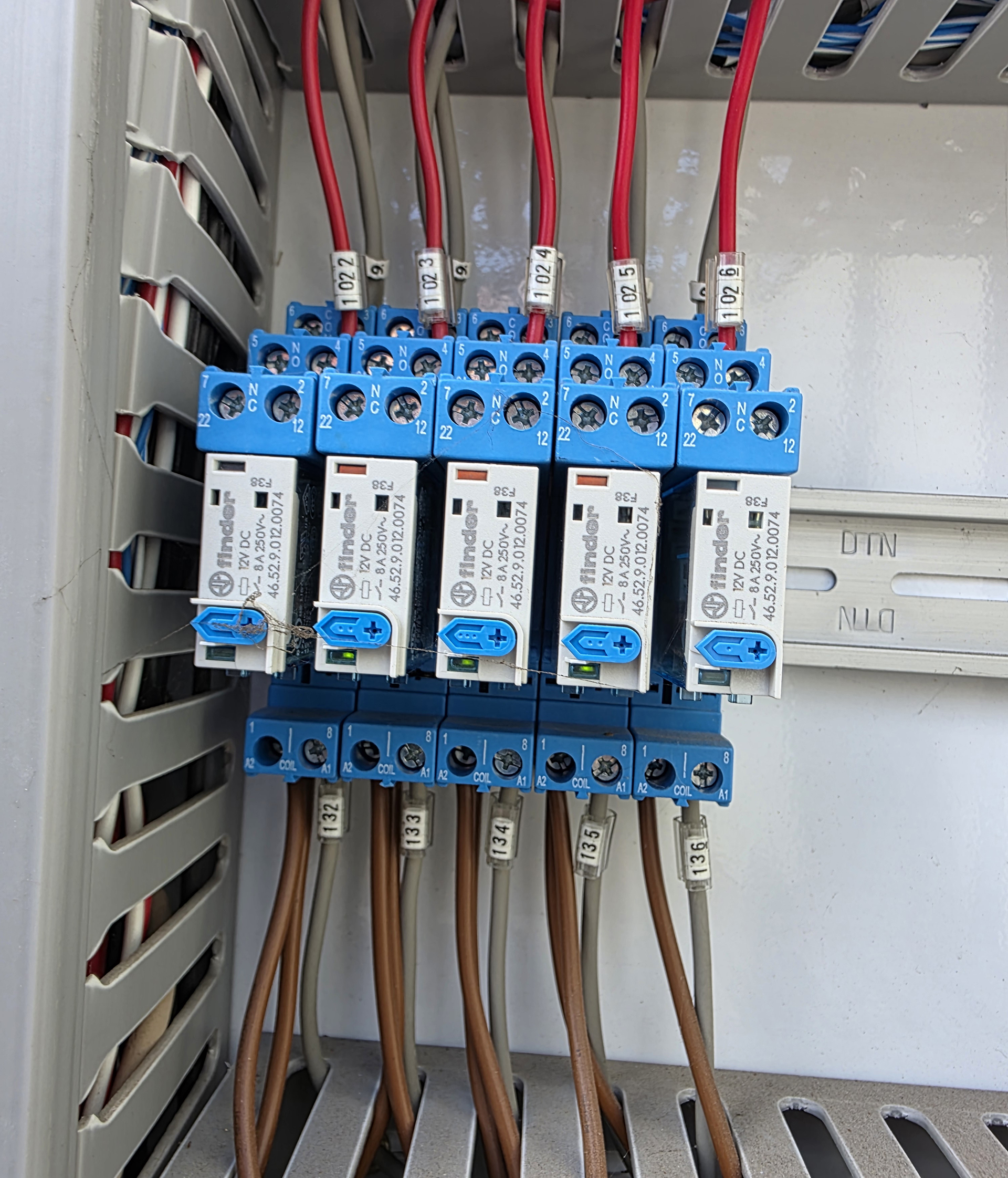
Many buildings operate with limited HVAC monitoring or outdated control systems. WR8Tech specialises in upgrading existing systems.
This may include:
- Upgrading legacy BMS systems
- Adding monitoring points
- Integrating standalone equipment
- Improving control strategies
- Adding energy management capability
- Including remote support capability
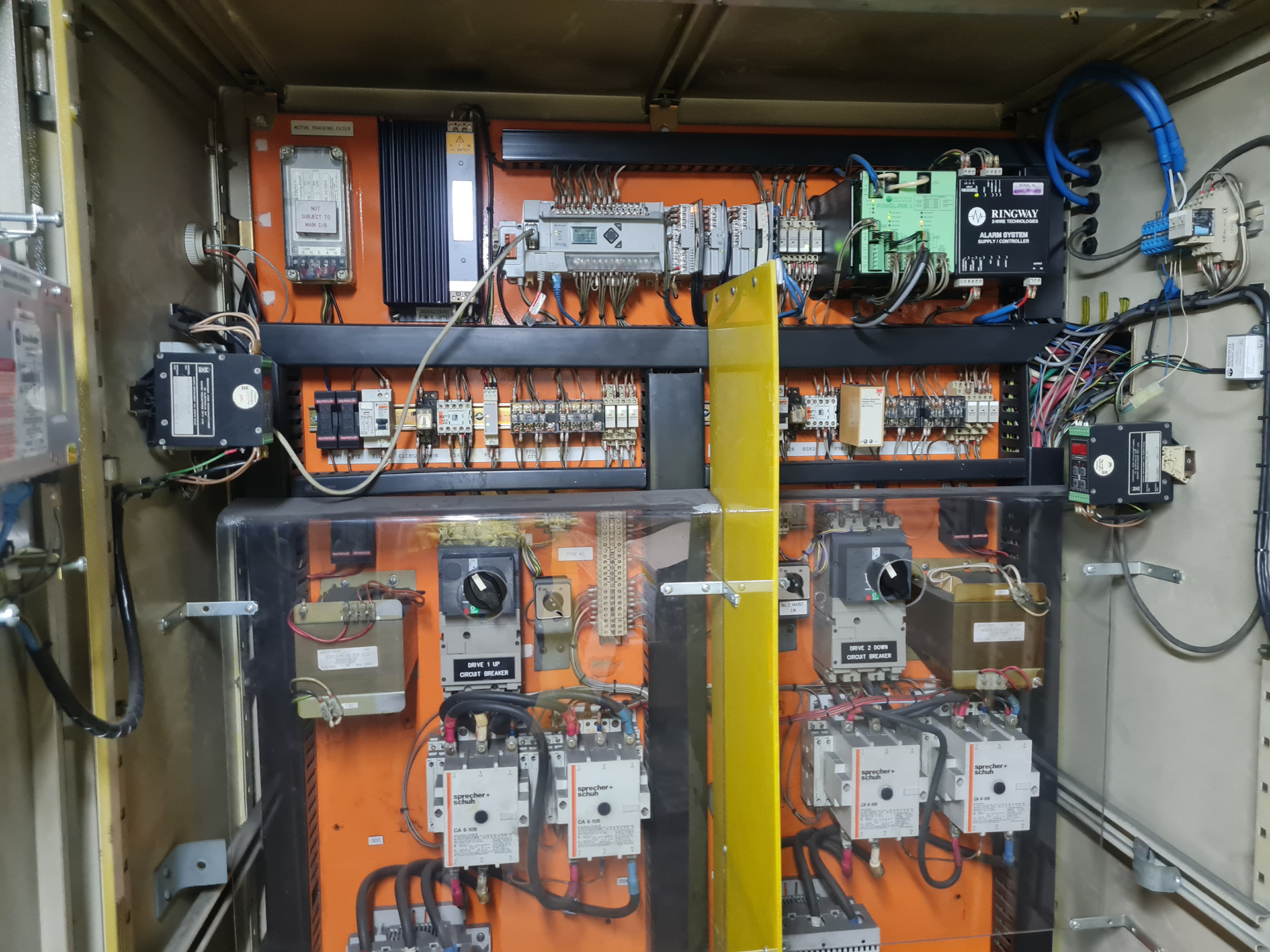
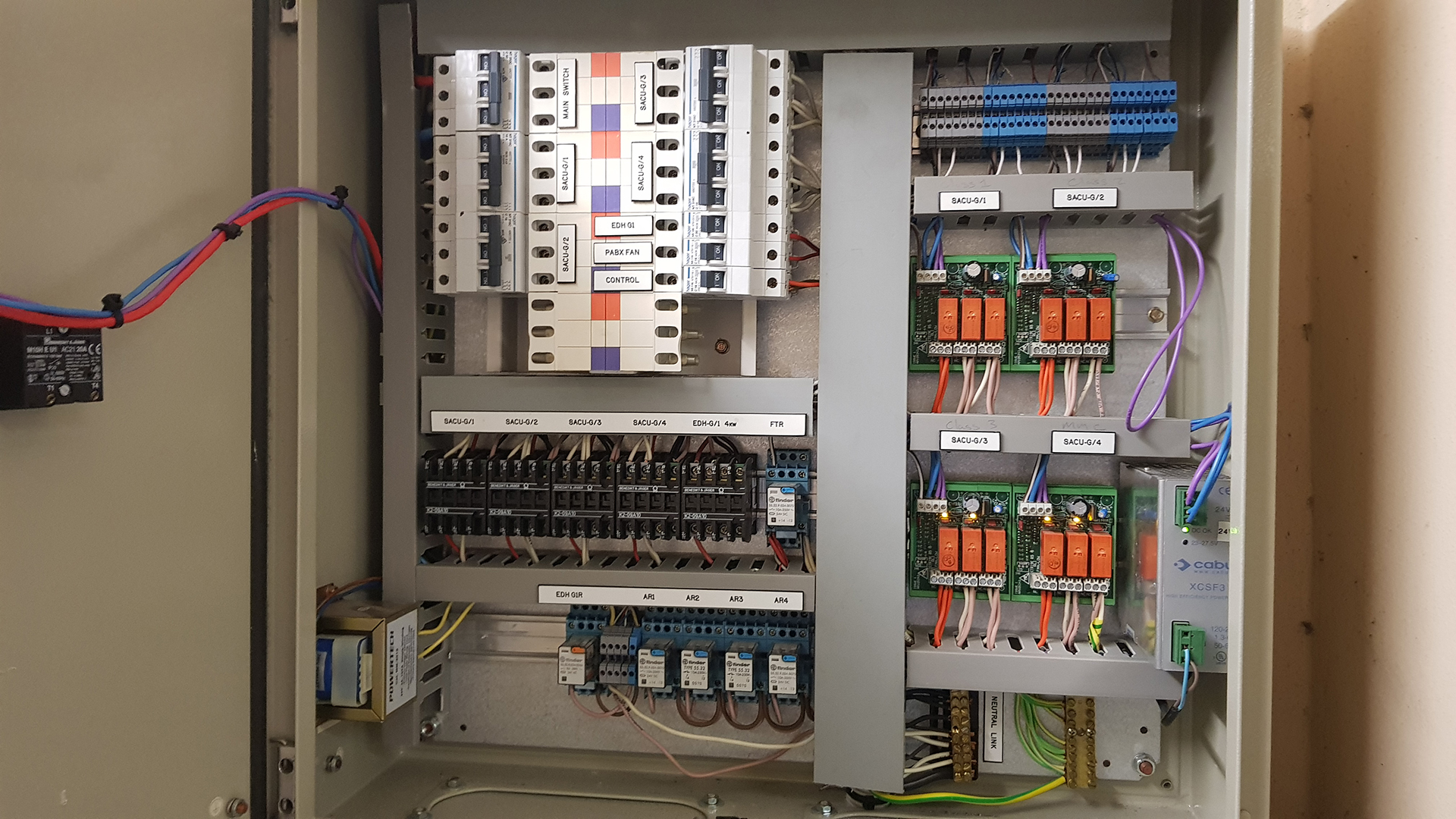
- Integrating mechanical and electrical infrastructure including MSSBs with BMS
These upgrades often deliver improved reliability and energy performance with minimal capital investment.
Alarm Management and Notifications
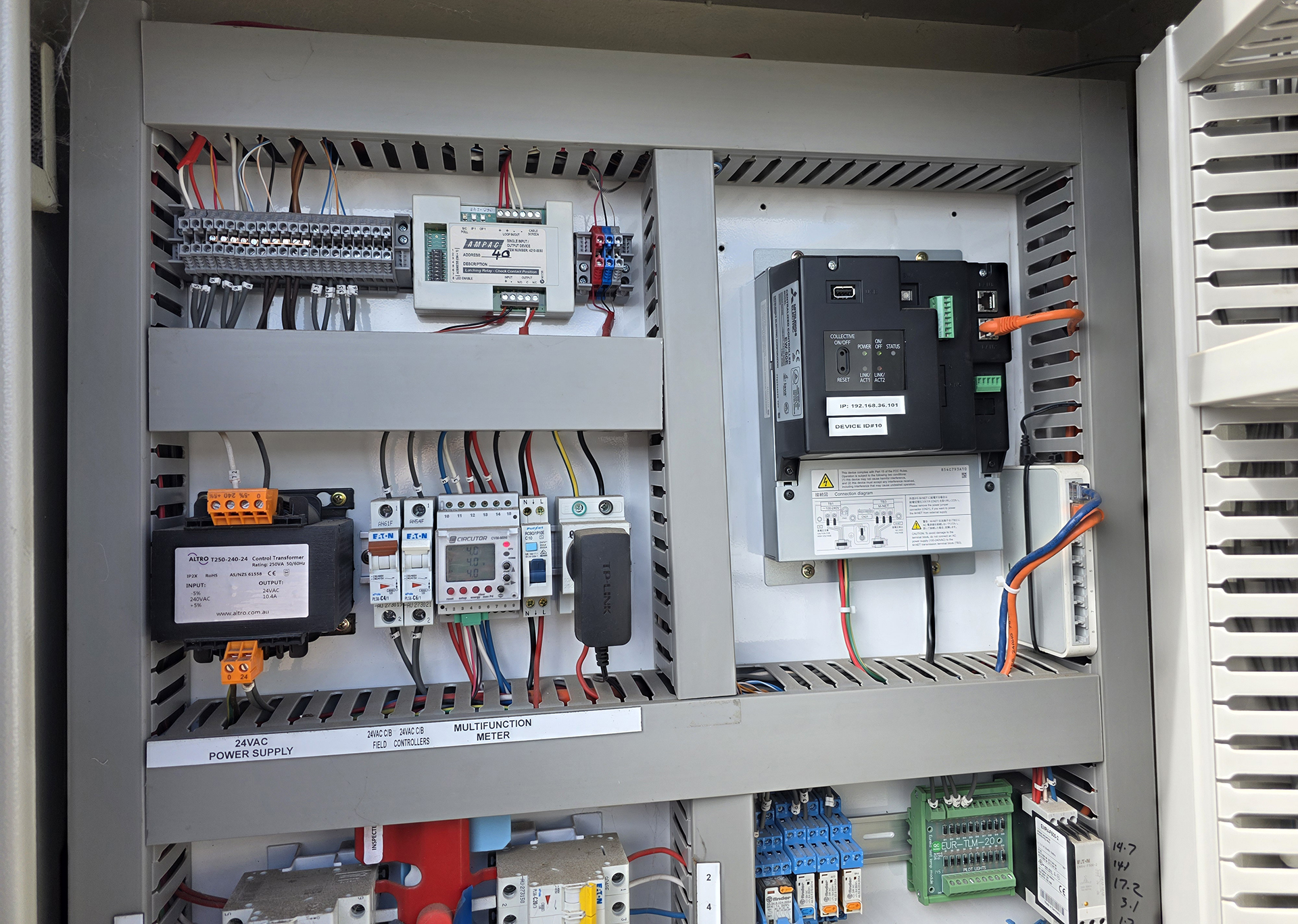
Effective alarm management is essential for unsupervised buildings.
Typical HVAC alarms include:
- Fan failure alarms
- Temperature alarms
- Filter alarms
- Communication faults
- Airflow alarms
- Equipment lockout alarms
Alarm notifications may include:
- Email alerts
- SMS notifications
- Remote dashboards
- Escalation procedures
- Voice dialler (Round Robin escalation)
This ensures faults are addressed quickly.
Example — HVAC Failure in an Unsupervised Building
Consider an office building operating overnight without on-site staff.
A supply air fan serving multiple tenancies fails overnight. Without monitoring, tenants arrive to uncomfortable conditions and complaints begin immediately.
With BMS monitoring:
- Fan failure detected immediately
- Alarm notification sent
- Contractor dispatched early
- Temporary control adjustments implemented
By the time tenants arrive, the issue is already being addressed, reducing operational disruption.
Supporting Unsupervised Building Operation
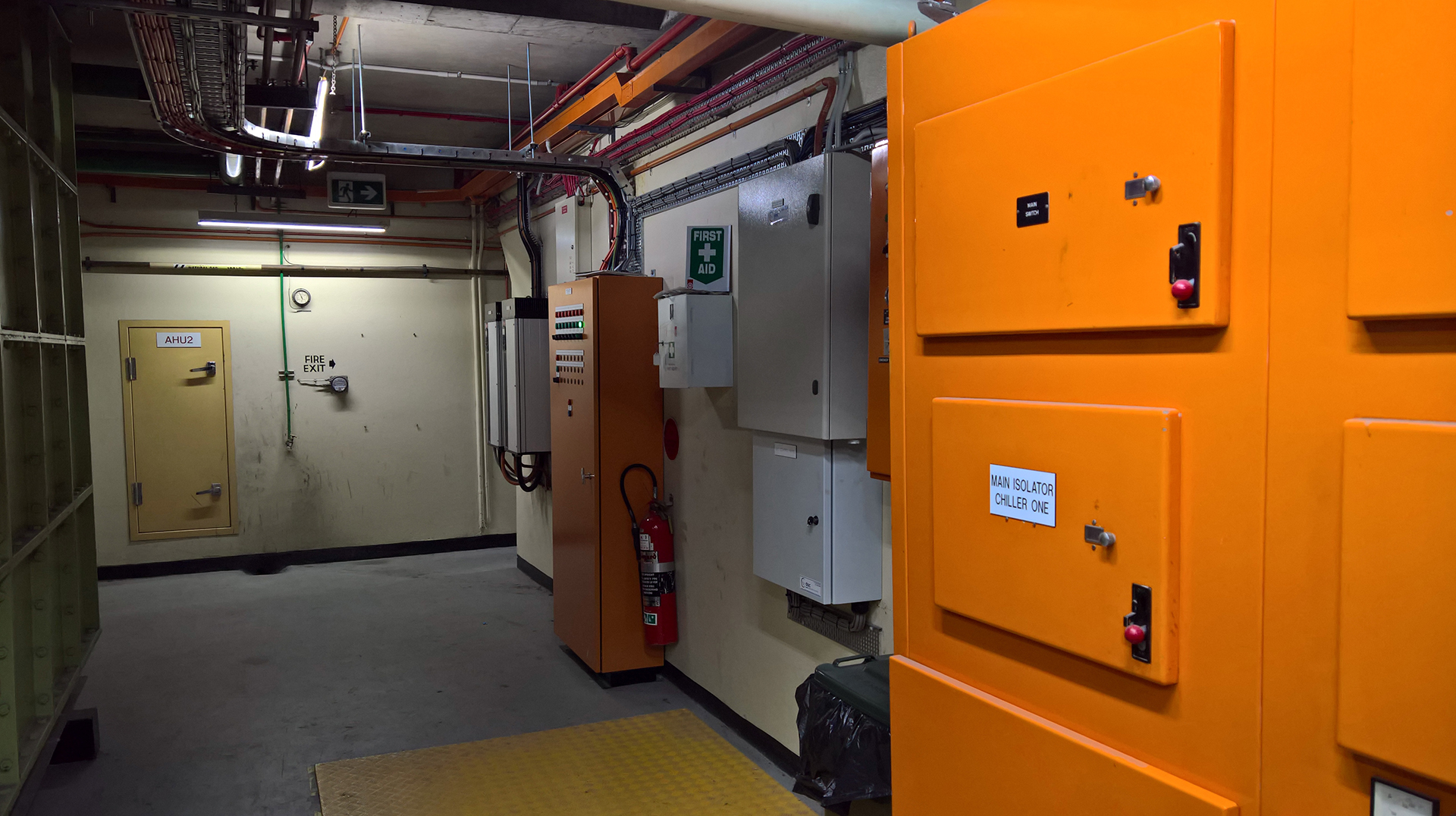
HVAC & Mechanical Services Monitoring supports:
- Reliable building operation
- Improved tenant comfort
- Reduced operational risk
- Improved energy efficiency
- Early fault detection
- Improved asset performance
These benefits are essential for unsupervised buildings.
Part of the Unsupervised Buildings BMS Strategy
HVAC & Mechanical Services Monitoring forms part of a broader unsupervised building strategy:
- Generator Monitoring & Control
- Chiller Monitoring & Control
- Fire Systems Monitoring
- Lift & Escalator Monitoring
- Electrical Infrastructure Monitoring
- Water Systems Monitoring
- Solar Monitoring
- Auto Doors & Gates Monitoring
- Unmanned Carpark Monitoring
Together, these systems support safe and reliable unsupervised building operation.