Electrical Energy Metering
Energy metering delivers a clear return on investment for commercial and strata buildings by turning energy consumption into actionable financial insight.
Through a secure, web-based interface, owners and managers can quickly identify waste, verify savings initiatives, and reduce operating costs—often achieving payback within a short period.
Ongoing trend data enables continuous optimisation, ensuring savings are sustained and improved year after year. The strongest ROI is achieved through strategically designed metering that targets high-energy plant, tenant loads, and critical services.
What Is Utility Metering?
Utility metering in commercial buildings extends well beyond electricity. Modern building metering systems may monitor electricity, water, natural gas, diesel fuel and thermal energy across base building services, tenants, HVAC plant and other major energy-consuming systems.
Utility Metering vs Sub-Metering
Utility metering generally refers to the primary measurement of electricity, water, gas or other utilities entering a building or site. Sub-metering provides more detailed measurement downstream, allowing consumption to be separated between tenants, plant, equipment, floors or individual building systems.
Together, utility meters and sub-meters provide the data needed to understand where energy and resources are being used, identify abnormal consumption, allocate costs and support more effective building management.
WR8Tech designs, installs, integrates and commissions commercial energy and utility metering systems, including connection to Building Management Systems (BMS), energy management platforms and remote monitoring systems.
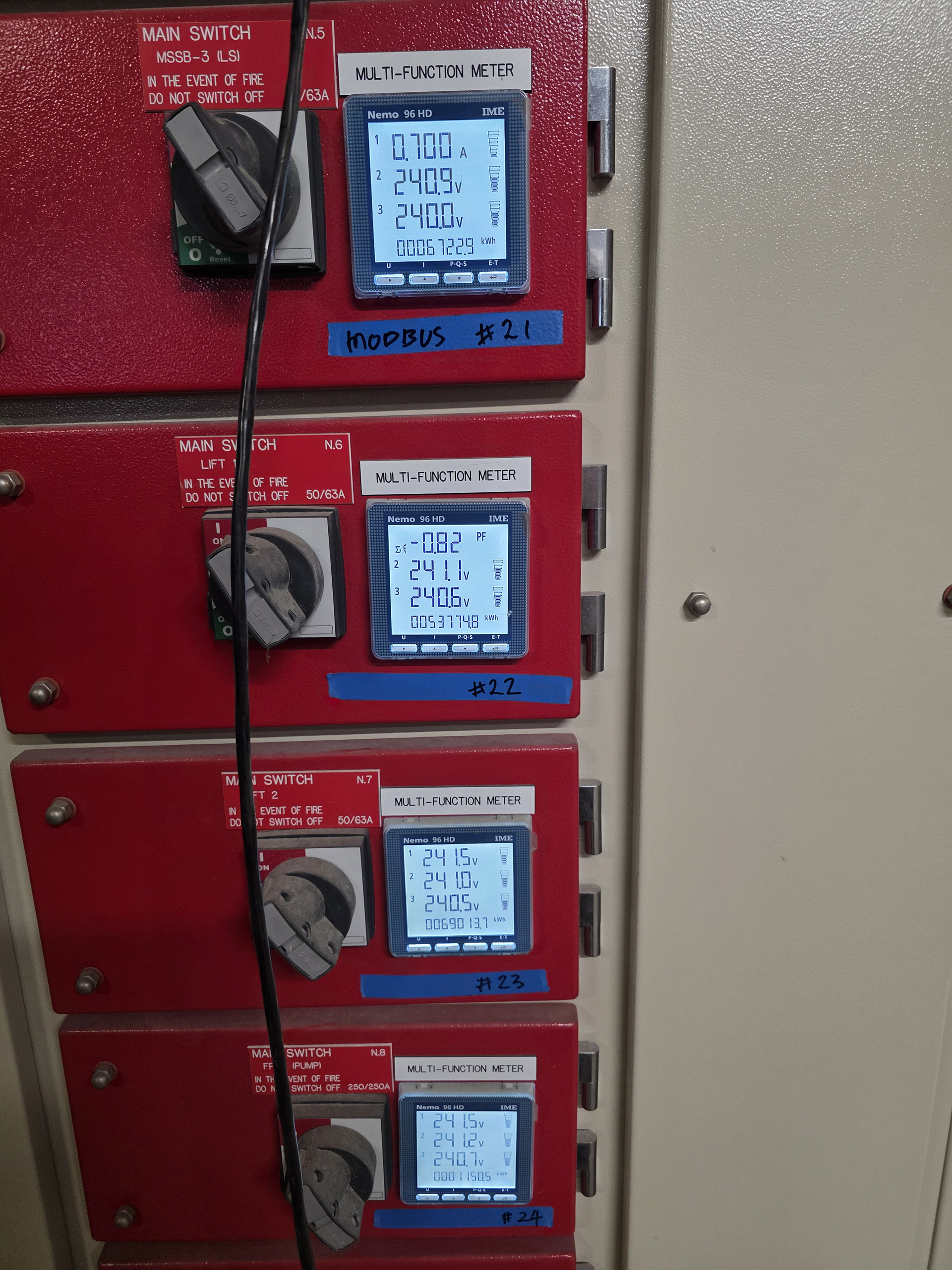
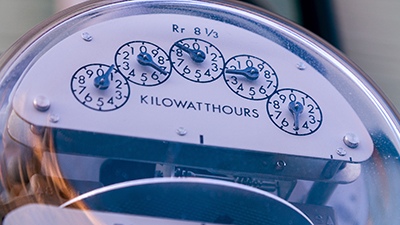
Electrical Energy Metering
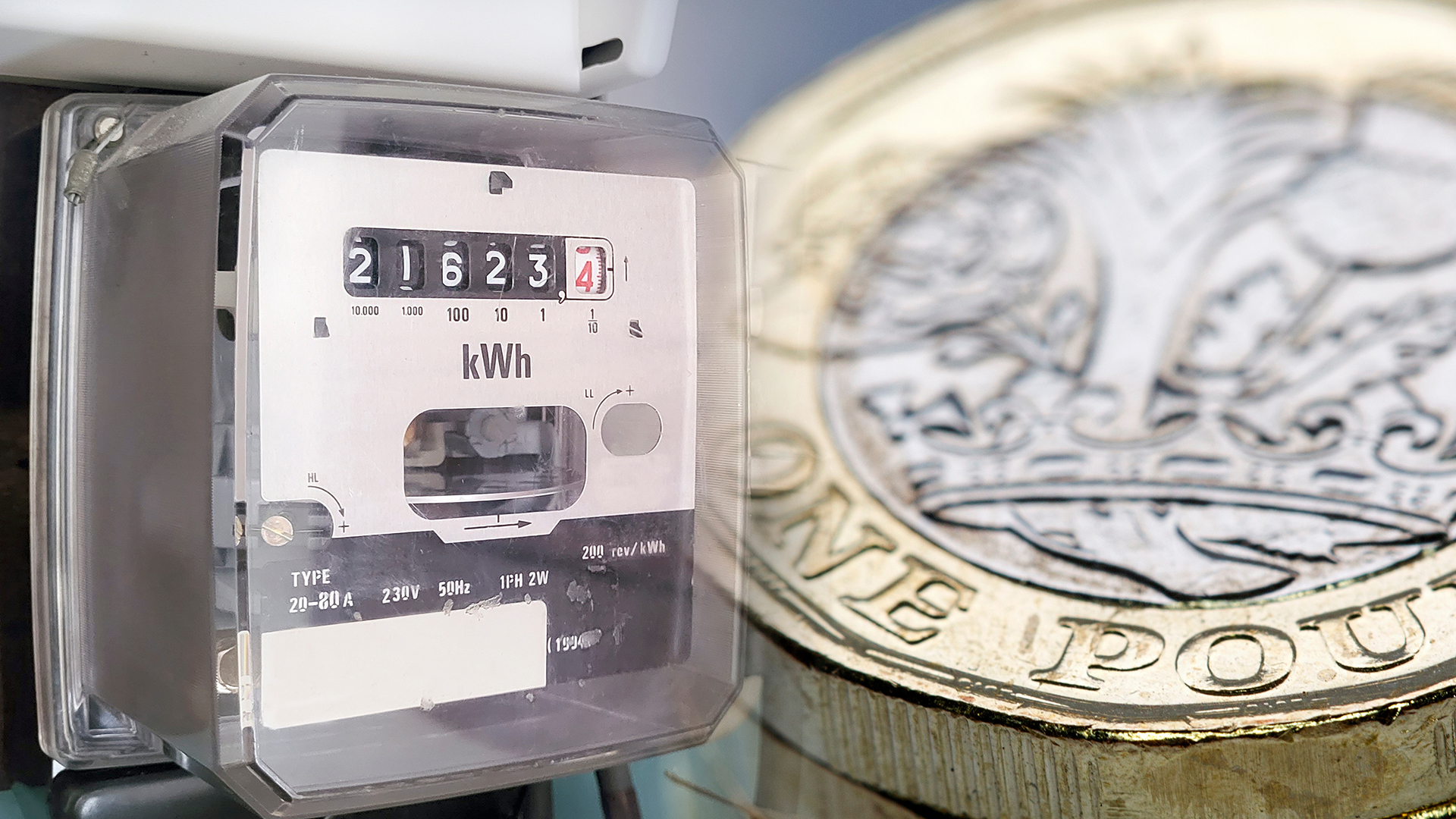
On-site power metering, when strategically implemented, provides comprehensive insight into energy use across a facility.
Monitoring individual switchboards for HVAC, lighting, general power, or other critical systems delivers visibility into how effectively energy conservation strategies are performing.
Meters can also target specific equipment or spaces, such as server rooms, security areas, or tenant-controlled spaces; helping managers allocate costs, optimise usage, and comply with NABERS requirements.
Understanding energy use in both tenant and base building areas is key to reducing costs and improving operational efficiency.
Commercial energy management extends beyond utility meters. On-site generation, co-generation, subtenant use, and non-utility meters are all considered under frameworks such as NABERS Energy & Water for Offices (v2.0). For example, Rule 6.2.8 addresses car parks and provides exclusions based on metering. Unmetered zones, however, cannot be accounted for, potentially impacting NABERS ratings and masking opportunities for energy savings.
Strategic metering ensures all energy flows are visible, optimising cost management, improving efficiency, and protecting your NABERS rating.
Fluid Energy Metering for Commercial Buildings
Fluid energy metering provides commercial building owners and facility managers with the ability to accurately measure the thermal energy consumption associated with chilled water, condenser water, and heating hot water systems. These systems are commonly installed on tenant supplementary air conditioning systems, central plant infrastructure, data centres, and major HVAC plant to improve visibility of energy usage and operational performance.
By integrating fluid energy meters into the Building Management System (BMS), building operators can trend real-time thermal energy consumption, identify inefficient plant operation, improve NABERS performance, support ESG reporting initiatives, and assist with tenant energy allocation where condenser water or central chilled water systems are provided by the base building.
WR8TECH can assist with the supply, installation, integration, commissioning, and BMS reporting of fluid energy metering systems across commercial properties in Sydney, Melbourne, and Canberra.
Typical applications include chilled water systems, condenser water loops, heating hot water systems, supplementary tenant air conditioning, and central plant energy optimisation projects.
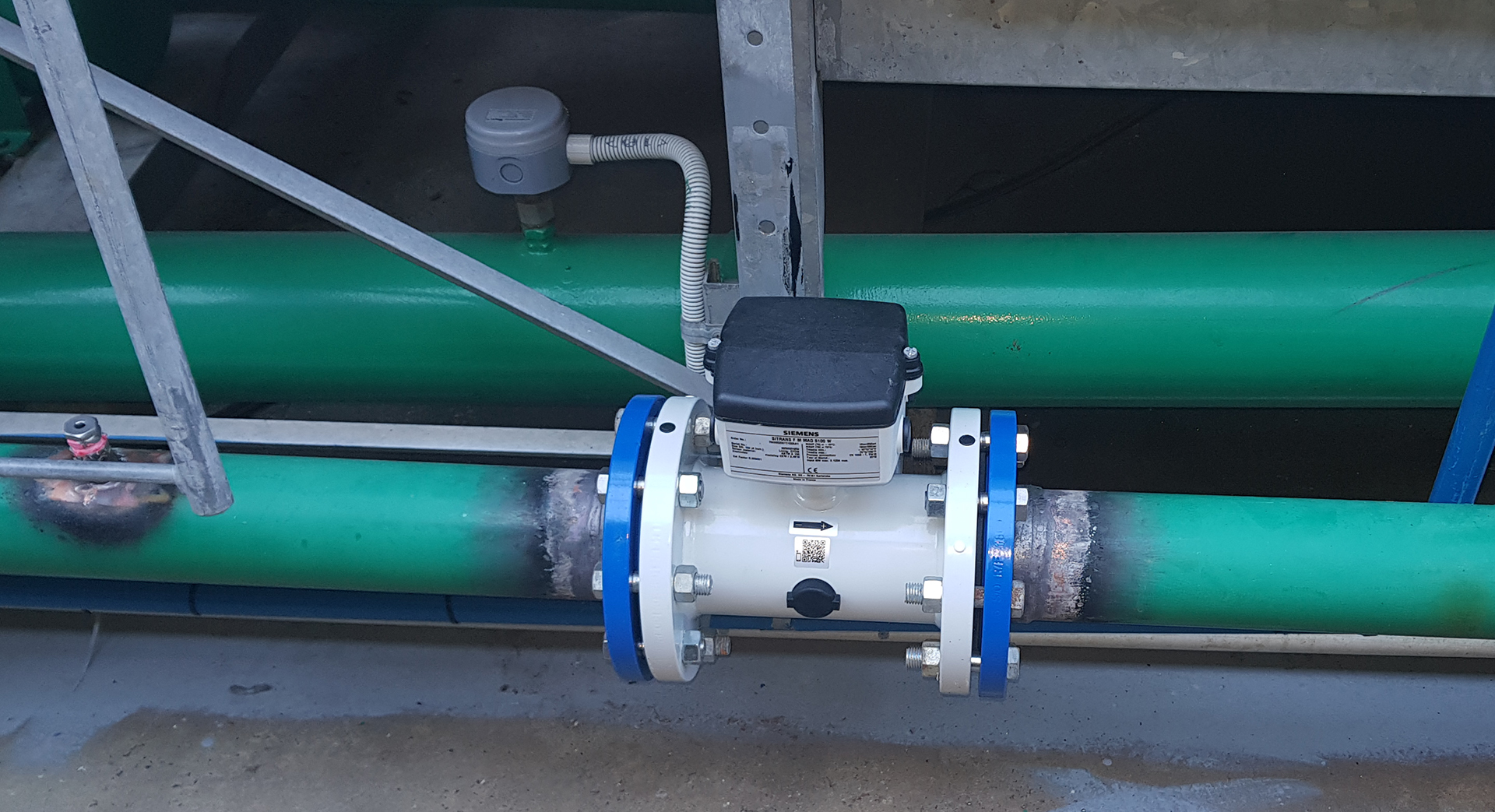
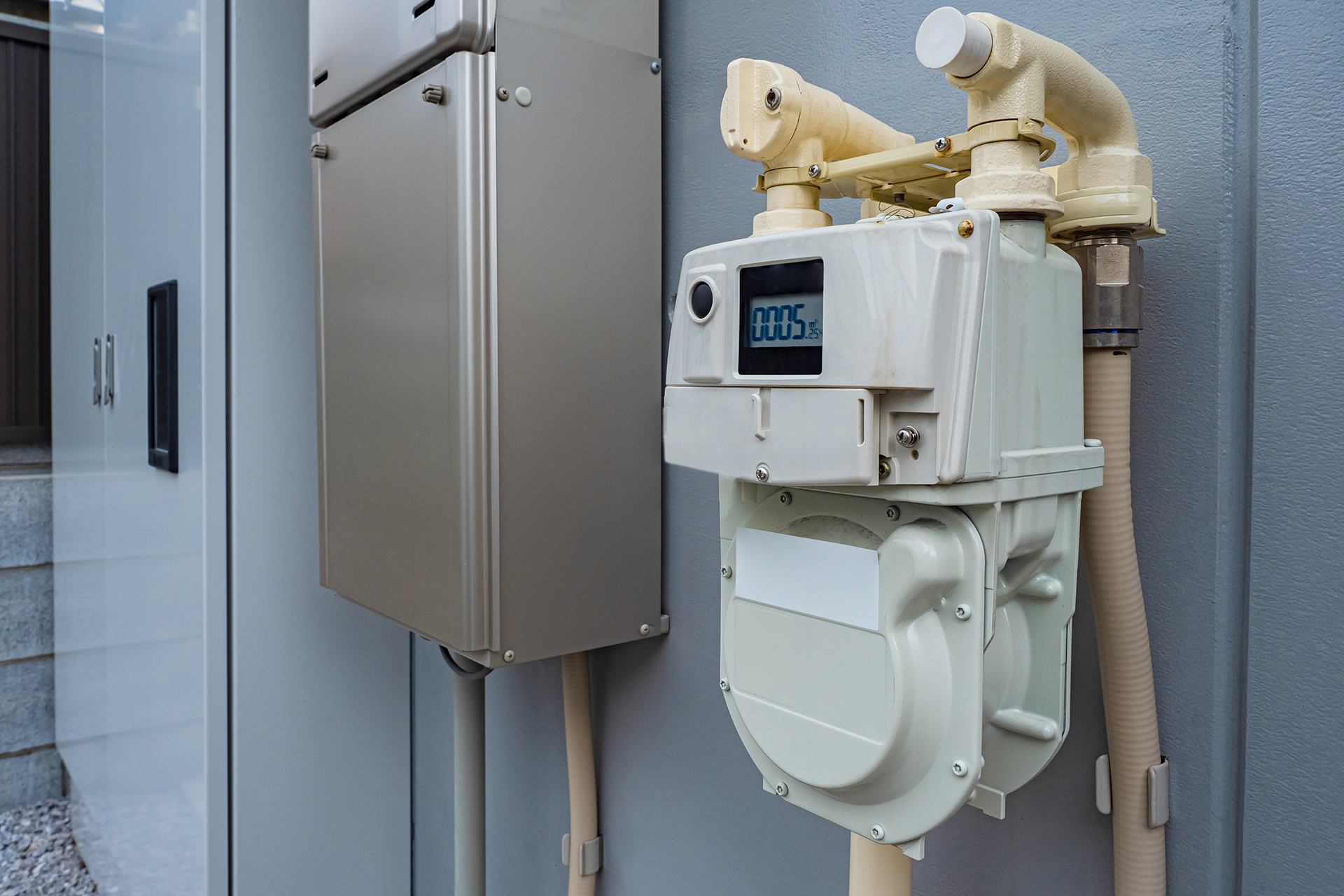
Utility & Fuel Metering for Commercial Buildings
Utility and fuel metering systems provide commercial property owners and facility managers with greater visibility of how critical building resources are consumed across their facility. This includes the monitoring of diesel fuel usage for generators, natural gas consumption for boilers and heating systems, as well as water metering for hydraulic services, cooling towers, irrigation systems, and tenant usage applications.
Integrating utility metering into a Building Management System (BMS) or energy monitoring platform allows building operators to trend consumption, identify abnormal usage patterns, monitor operational efficiency, support ESG and NABERS reporting, and assist with maintenance planning and cost allocation. Fuel and utility metering can also assist in identifying leaks, excessive consumption, equipment inefficiencies, or operational faults before they become major operational or financial issues.
WR8TECH can assist with the supply, installation, integration, and reporting of diesel, gas, and water metering systems for commercial buildings, central plant infrastructure, critical facilities, and unsupervised buildings across Sydney, Melbourne, and Canberra.
Typical Metering Applications
Modern commercial buildings contain multiple systems consuming electricity, water, gas, heating, and cooling energy across both base building infrastructure and tenant-operated equipment. Effective metering provides building owners, facility managers, and landlords with the operational visibility required to better understand building performance, improve efficiency, support NABERS and ESG initiatives, and identify abnormal consumption patterns before they become costly operational issues.
WR8TECH assists with the integration and monitoring of a wide range of metering applications, including electrical sub-metering, chilled water and condenser water energy metering, heating hot water systems, diesel fuel monitoring for generators, natural gas consumption, water usage monitoring, tenant supplementary air conditioning energy allocation, solar energy monitoring, and HVAC plant performance analytics.
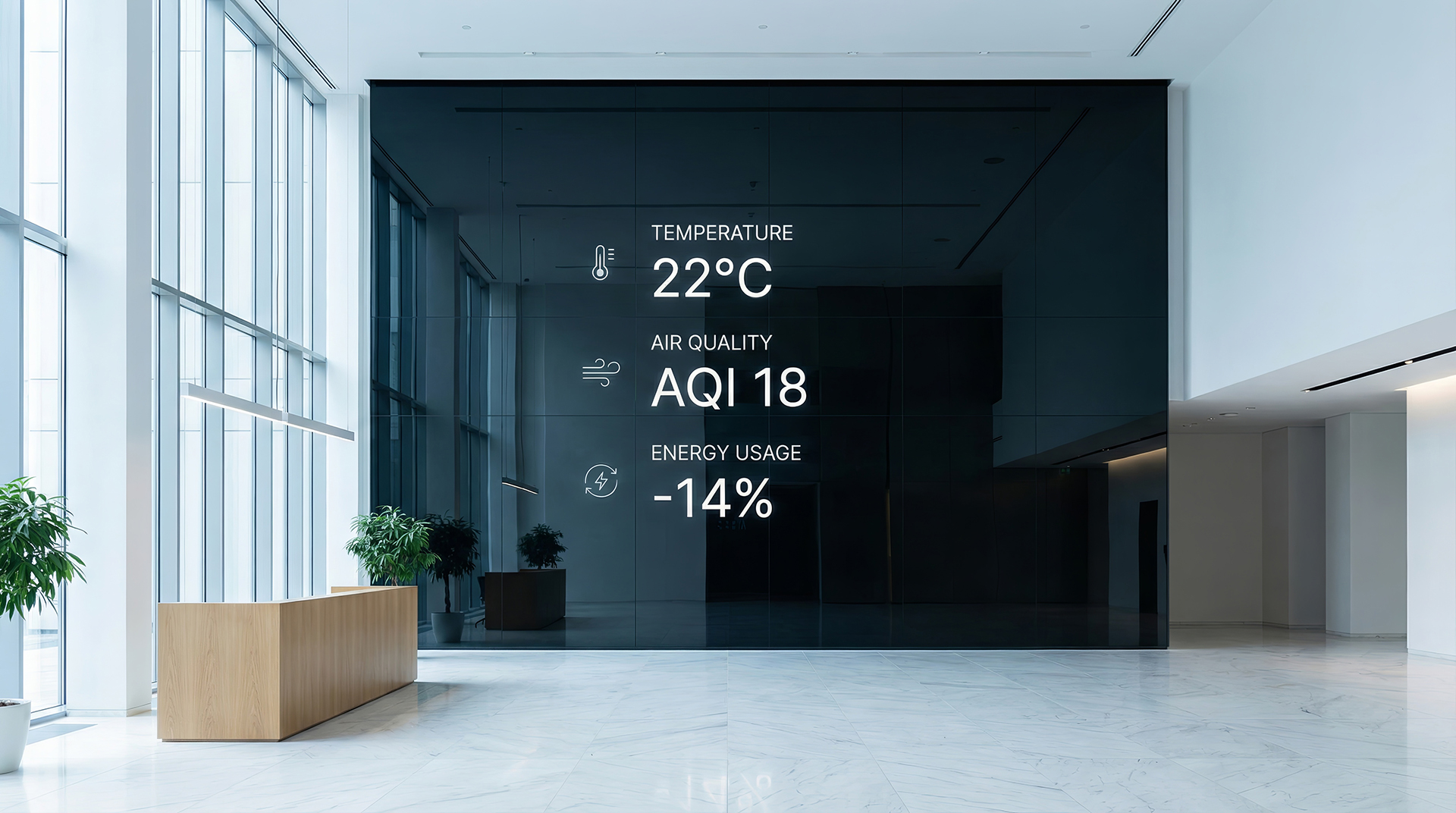
By integrating these systems into the Building Management System (BMS) or energy monitoring platform, building operators gain access to real-time operational data, trend analysis, alarm reporting, and long-term performance insights across their commercial property portfolio.
NABERS and Commercial Building Disclosure
Accurate energy and utility metering is an important part of understanding and verifying building performance. NABERS ratings and Commercial Building Disclosure requirements rely on reliable consumption data to assess how efficiently a commercial building is operating.
Well-planned metering and sub-metering can help separate base-building, tenant and major plant loads, improve the quality of energy data, support ongoing performance monitoring and make it easier to identify where energy is being used or wasted.
A few more Links
- Commercial Building Energy Audits
- Energy Management for Commercial Buildings
- Energy Management Services
- Energy Management Systems (EMS) Integration
- Energy Metering
- ESG Performance and Reporting
- Seven Things We Look For During Every Energy Audit
- Variable Speed Drives: Where They Save Energy