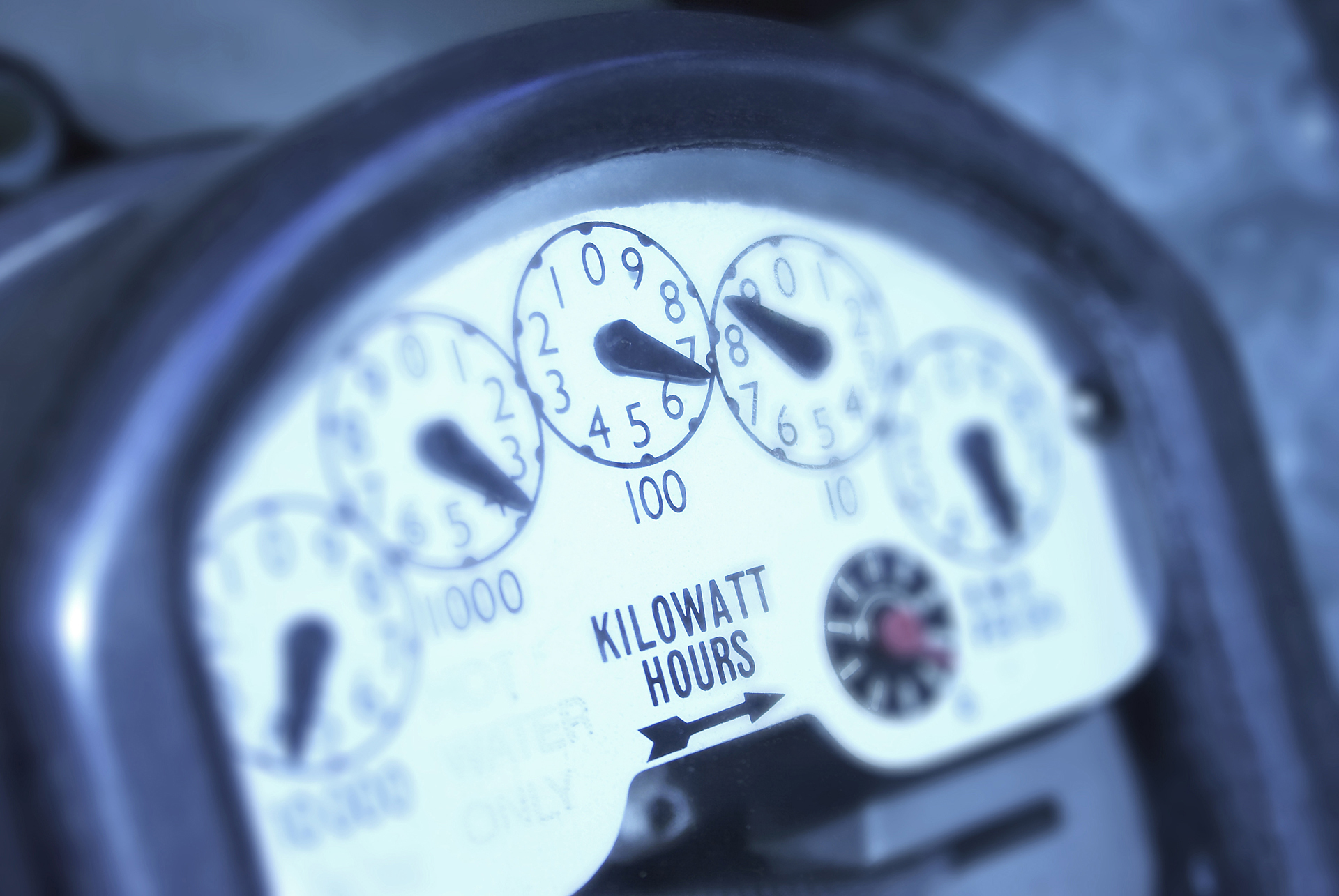
Commercial Building Energy Audits
Discover Where Your Energy Dollars Are Going
Most commercial buildings spend more on energy than necessary.
Whether the cause is poor control strategies, ageing equipment, excessive operating hours, simultaneous heating and cooling, failed sensors, or simply a lack of visibility, energy waste often remains hidden until someone takes a detailed look.
An Energy Audit provides building owners, facility managers, strata managers, and property managers with a practical understanding of where energy is being consumed, where money is being wasted, and what opportunities exist to improve building performance.
At WR8Tech, we specialise in older commercial buildings, mixed-use developments, retail centres, industrial facilities, strata assets, and office buildings where energy consumption has gradually increased over time without anyone fully understanding why.

Why Start With an Energy Audit?
Many building owners are encouraged to purchase expensive software platforms, dashboards, analytics packages, and consulting services before understanding the fundamental issues affecting their building.
Our approach is different.
Before investing in new technology, we identify:
- Existing energy consumption patterns
- Operational inefficiencies
- Building control issues
- Equipment operating outside design parameters
- Opportunities for optimisation
- Assets approaching end-of-life
- Metering and monitoring gaps
- Quick wins that can deliver immediate savings
In many cases, simple operational changes can reduce energy costs within weeks without requiring major capital expenditure.
The objective is not to produce another report that sits on a shelf.
The objective is to identify practical opportunities that improve building performance, reduce operating costs, and create measurable outcomes.
Older Buildings Often Present the Greatest Opportunities
Many owners assume older buildings are inherently inefficient.
In our experience, this is not always true.
What we commonly find is that older buildings have accumulated years of operational changes, tenant requests, contractor modifications, temporary workarounds, failed sensors, overridden controls, and forgotten strategies.
A contractor may have bypassed a control sequence ten years ago to solve a service call.
A tenant may have requested additional air conditioning for a boardroom that no longer exists.
A sensor may have failed and been ignored because the plant continued to run.
An operator may have manually overridden equipment during an emergency and forgotten to restore automatic control.
Over time these seemingly minor changes compound into significant energy waste.
Energy Audits frequently uncover systems that are still operating exactly as someone intended twenty years ago, but no longer reflect how the building is actually used today.
Buildings with ageing BMS platforms, legacy pneumatic controls, obsolete HVAC equipment, or limited energy visibility often present some of the largest opportunities for improvement.
This is particularly true where no major review of building performance has been undertaken for many years.
An Energy Audit helps uncover these hidden issues and provides a practical roadmap for improvement based upon operational reality rather than assumptions.
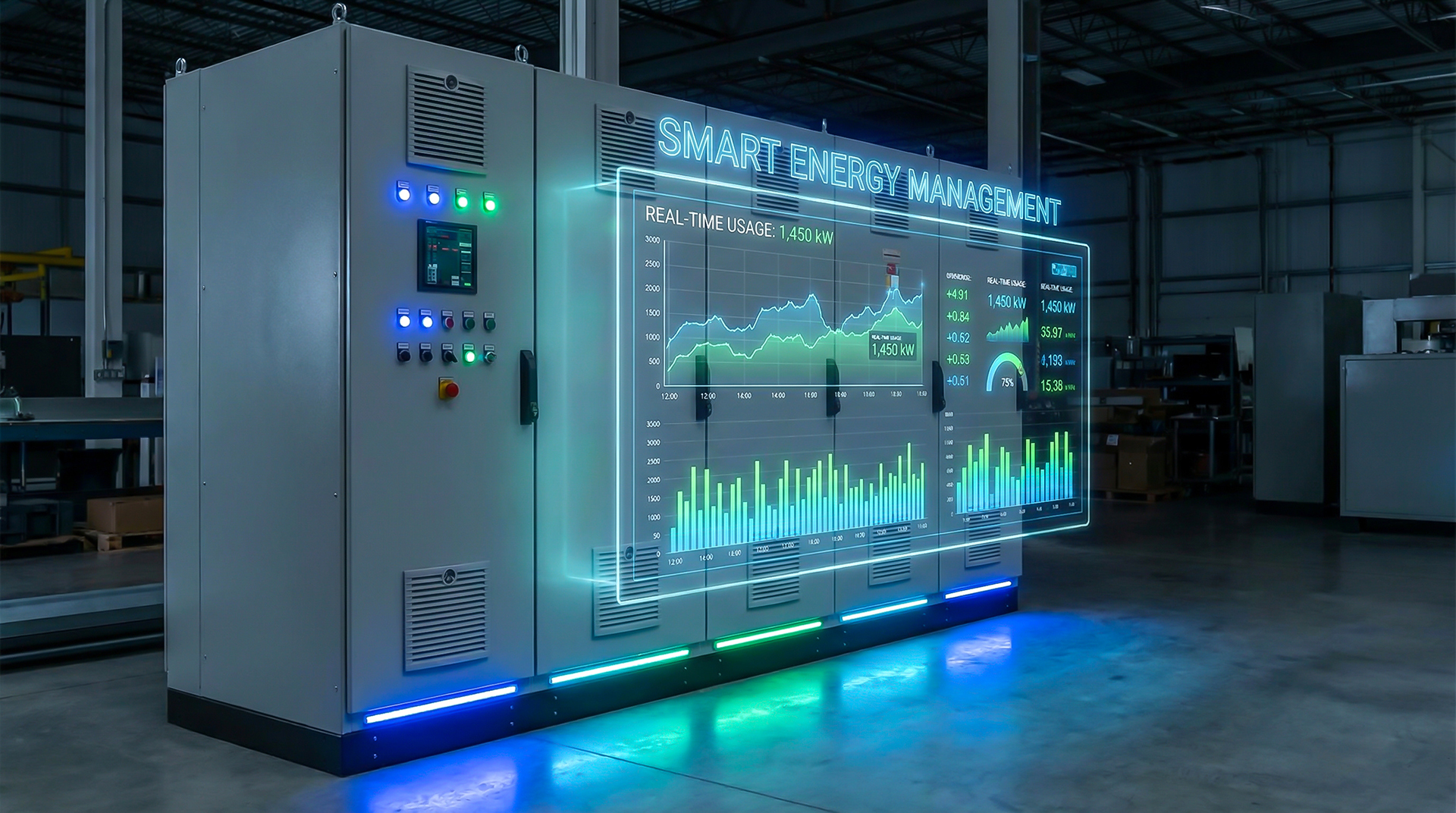
Do You Already Have an Energy Management System?
One of the first questions we ask is:
“Do you already have an Energy Management System (EMS) or Building Management System (BMS)?”
Many buildings already contain valuable information that is simply not being utilised.
There may already be years of trend logs sitting within your Building Management System waiting to be analysed.
Outside air temperature, humidity, supply air temperatures, chiller operation, boiler operation, pump status, and energy consumption data often reveal opportunities that nobody has previously investigated.
For example, comparing outside air conditions against chiller operation may reveal that chillers are running unnecessarily on mild days when economy cycle operation could satisfy the cooling demand.
Similarly, excessive chiller starts and stops may indicate poor control logic, incorrect deadbands, or optimisation strategies that have failed over time.
The data often already exists.
Nobody has simply taken the time to analyse it.
We regularly work with all major control systems, including:
- Honeywell
- Schneider Electric
- Alerton
- Siemens
- Niagara Framework
- BACnet Systems
- Modbus Networks
- LonWorks Systems
- Legacy proprietary controls
- Pneumatic control systems
It is rarely the manufacturer that is the problem.
More often, the opportunity lies within the programming, operating strategies, and years of operational changes that have accumulated throughout the life of the building.
Visibility Creates Control
You cannot effectively manage what you cannot see.
An Energy Audit establishes a benchmark for future measurement and verification activities and creates a clear picture of:
- Where energy is being consumed
- Which systems are responsible
- What operational strategies are in place
- Which systems require further investigation
- What actions will provide the greatest return
This benchmark becomes the foundation for future energy management initiatives, NABERS improvement programs, sustainability projects, capital planning, and AI-assisted building optimisation.
Common Opportunities Identified During Energy Audits
Typical findings include:
HVAC Systems
- Excessive operating hours
- Poor scheduling
- Simultaneous heating and cooling
- Failed sensors
- Inefficient plant sequencing
- Incorrect VSD settings
- Chillers and boilers operating outside design intent
Building Management Systems
- Disabled optimisation strategies
- Legacy programming issues
- Unused functionality
- Incorrect setpoints
- Failed communications
- Poor alarm management
Electrical Systems
- High base building loads
- Out-of-hours energy consumption
- Poor power factor
- Unbalanced loads
- Missing sub-metering
Water and Fluid Energy Systems
- Inefficient heating and cooling water systems
- Pump inefficiencies
- Poor differential pressure control
- Excessive circulation
- Undetected leaks
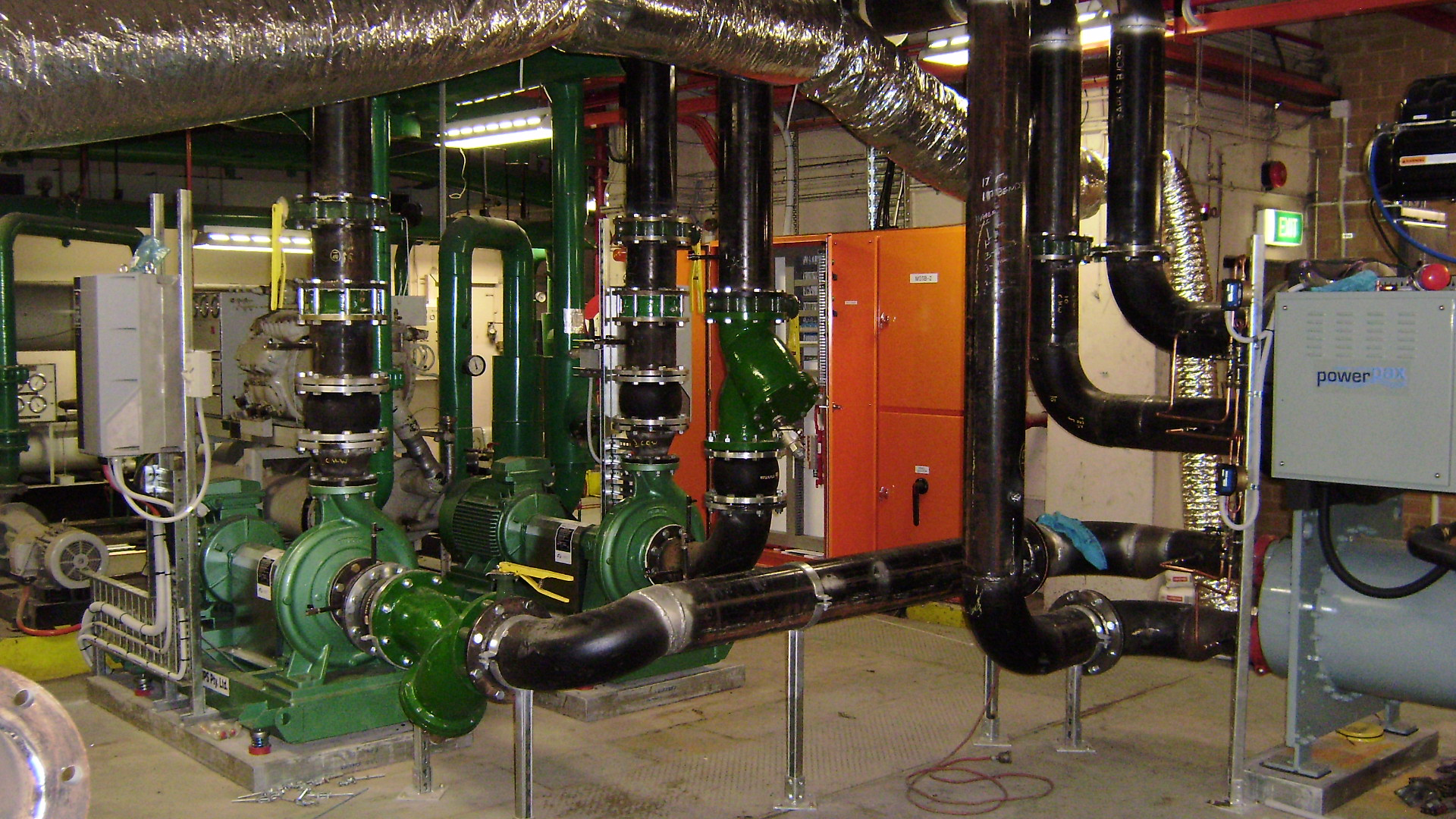
Solar Heat Gain Is Often Overlooked
Many building owners immediately focus on HVAC equipment when energy costs increase.
However, the HVAC system is often responding to conditions created elsewhere within the building.
One of the most common examples is solar heat gain through glazing.
Morning sun striking east-facing windows and afternoon sun striking western facades can dramatically increase internal temperatures and cooling demand.
The result is often:
- Higher chiller operating hours
- Increased cooling energy consumption
- Occupant comfort complaints
- Greater wear on HVAC equipment
In many cases, low-cost measures such as solar film, glazing upgrades, external shading, or revised blind management can significantly reduce cooling loads before the air-conditioning system is required to respond.
An Energy Audit considers not only the mechanical systems but also the building envelope and how external conditions affect energy consumption.

The Most Common Energy Waste We Find: Heating and Cooling Fighting Each Other
One of the most common issues we discover during energy audits is heating and cooling systems competing against each other.
The surprising part is that many building owners are completely unaware it is happening.
In a typical Australian commercial building, the HVAC system often consists of a central cooling plant producing chilled water and supplying conditioned air throughout the building. The conditioned air is then distributed to various zones, many of which contain reheat coils that can warm the air again before it enters occupied spaces.
At first glance, this sounds perfectly reasonable.
However, poor control strategies can create a situation where the building is simultaneously cooling and heating the same air.
Consider a typical spring day where the outside air temperature is a comfortable 22°C.
The Building Management System may still be maintaining a supply air temperature setpoint of 12°C because that is what someone programmed years ago.
To achieve that setpoint, the chillers start and consume significant electrical energy cooling the air from 22°C down to 12°C.
The problem begins when that 12°C air reaches the occupied zones.
Occupants feel cold.
The reheat coils respond by calling for heating.
If enough zones demand heating, the boilers start.
Now the building is simultaneously operating:
- Chillers consuming electricity
- Cooling towers rejecting heat
- Chilled water pumps circulating water
- Boilers consuming gas
- Heating valves opening throughout the building
The building is effectively paying to cool the air and then paying again to heat it back up.
This is one of the most common and expensive forms of energy waste we encounter.

Tenant Comfort Versus Landlord Cost
One of the biggest challenges we face when discussing energy efficiency is not technical.
It is human.
Building managers naturally develop strong relationships with tenants and want to keep everyone happy.
However, the building manager’s client is generally the landlord or building owner.
When temperature setpoints are continuously adjusted to satisfy individual requests, energy consumption steadily increases.
One tenant is cold.
The heating is increased.
Another tenant is warm.
The cooling is increased.
Over time, operating parameters drift further and further away from efficient operation.
The result is:
- Increased energy costs
- Increased equipment wear
- Higher maintenance costs
- Reduced plant life expectancy
A small number of comfort complaints is normal in any large building.
In fact, one of our first questions during an Energy Audit is:
“What are the air-conditioning complaints like?”
If the answer is zero, we often investigate further.
Good building management is about balancing tenant comfort, energy efficiency, equipment longevity, operating costs, and landlord expectations.

No-Cost and Low-Cost Opportunities Often Deliver the Biggest Returns
One of the biggest misconceptions about energy audits is that they always result in expensive upgrade projects.
In reality, some of the largest savings come from operational improvements rather than capital expenditure.
Common examples include:
- Reviewing operating schedules
- Optimising temperature setpoints
- Correcting control logic
- Recommissioning equipment
- Restoring failed sensors
- Repairing dampers and actuators
- Improving economy cycle operation
- Optimising plant sequencing
- Removing unnecessary overrides
Many recommendations can be implemented quickly and begin delivering savings almost immediately.
Before replacing equipment, it often makes sense to optimise the equipment already installed.

Run-to-Fail Is Not an Energy Strategy
Many building owners adopt a run-to-fail approach for non-critical equipment.
While this can reduce maintenance expenditure, it often increases operating costs through excessive energy consumption.
An Energy Audit helps identify assets that may still be functioning but are costing significantly more to operate than necessary.
The objective is not simply to reduce maintenance costs.
The objective is to understand the complete economic impact of building operation and make informed decisions based upon facts rather than assumptions.
Levels of Energy Audit
| Audit Level | Description | Typical Accuracy |
|---|---|---|
| Level 1 | High-level review of overall building energy consumption, benchmarking, identification of major opportunities, and prioritised recommendations. | ±40% |
| Level 2 | Detailed analysis of energy sources, consumption breakdowns, major end uses, savings opportunities, implementation costs, and estimated returns. | ±20% |
| Level 3 | Comprehensive engineering analysis including detailed modelling, measurement, financial evaluation, and investment-grade recommendations. | ±10% |
Based on AS/NZS 3598 Energy Audits.

Why WR8Tech?
Many energy consultants focus primarily on reporting.
WR8Tech’s background comes from:
- Building Management Systems
- HVAC Mechanical Services
- Mechanical Services Switchboards
- Electrical Infrastructure
- Controls Integration
- Energy Metering
- Building Automation
We are not simply reviewing utility invoices and producing reports.
We investigate the actual systems consuming the energy and identify the technical reasons behind the costs.
This practical understanding allows us to move beyond identifying problems and provide realistic solutions that can be implemented in the real world.
We understand how commercial buildings actually operate because we work with the systems that consume the energy every day.
A few more Links
- Commercial Building Energy Audits
- Energy Management for Commercial Buildings
- Energy Management Services
- Energy Management Systems (EMS) Integration
- Energy Metering
- ESG Performance and Reporting
- Seven Things We Look For During Every Energy Audit
- Variable Speed Drives: Where They Save Energy