
Estimated reading time: 17 minutes
Is Your Building Management System Working Against You?
How to Escape Vendor Lock-In, Improve Building Performance and Take Back Control of Your Commercial Building
A Building Management System (BMS), sometimes referred to as a Building Automation System (BAS), should be one of the most valuable assets in a commercial building. When properly engineered and maintained, it quietly monitors and controls critical building services, helping reduce operating costs, improve occupant comfort, extend equipment life and provide valuable operational intelligence.
At its best, a Building Management System works almost unnoticed. Air-conditioning systems operate efficiently, lighting responds automatically to occupancy and daylight, plant equipment starts and stops when required, alarms are reported accurately, and building managers have immediate visibility of what is happening throughout the property.
Unfortunately, this isn’t always the reality.
Across Australia, we regularly visit commercial buildings where the Building Management System has become a source of ongoing frustration rather than operational confidence. Instead of simplifying building management, the BMS has become another problem to manage.
Property managers often describe the same issues:
- Every small change requires an expensive service call.
- Nobody fully understands how the system operates.
- Alarms appear for no obvious reason.
- Energy costs continue to rise despite having automation.
- Documentation is incomplete or missing.
- Only one contractor appears capable of working on the system.
Perhaps most concerning of all, many building owners feel they have no alternative but to continue using the incumbent supplier, regardless of service quality, pricing or responsiveness.
This situation is commonly known as vendor lock-in or single-vendor dependency, and it is far more common than many people realise.
At WR8Tech, we’ve worked across numerous Building Management Systems from multiple manufacturers and generations of technology. In many cases, the underlying system isn’t the real problem. More often, the challenge lies in poor engineering, inadequate documentation, ageing hardware, lack of system maintenance, or years of accumulated programming changes that nobody has properly reviewed.
The good news is that most buildings can be significantly improved without replacing the entire Building Management System.
The first step is understanding whether your BMS is genuinely helping your building—or quietly working against it.
Seven Signs Your Building Management System Has Become a Liability
Not every Building Management System requires replacement. In fact, many older systems continue to perform exceptionally well after twenty or even thirty years of operation.
The problem is rarely the age of the system alone.
More often, it is a combination of poor maintenance, undocumented modifications, obsolete hardware, limited competition, or a gradual loss of technical knowledge over time.
If you recognise several of the following warning signs, it may be time to have your Building Management System independently assessed.
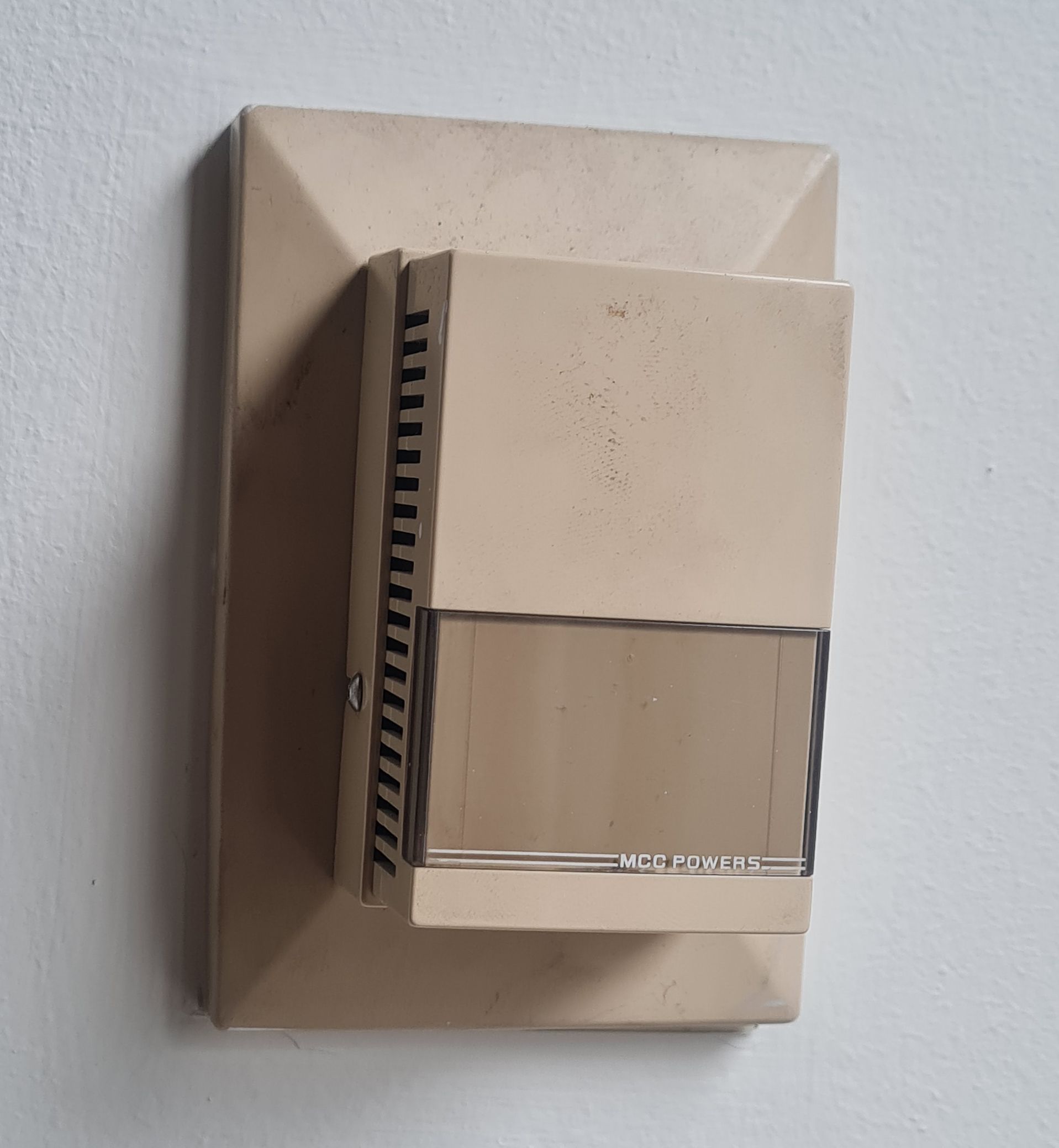
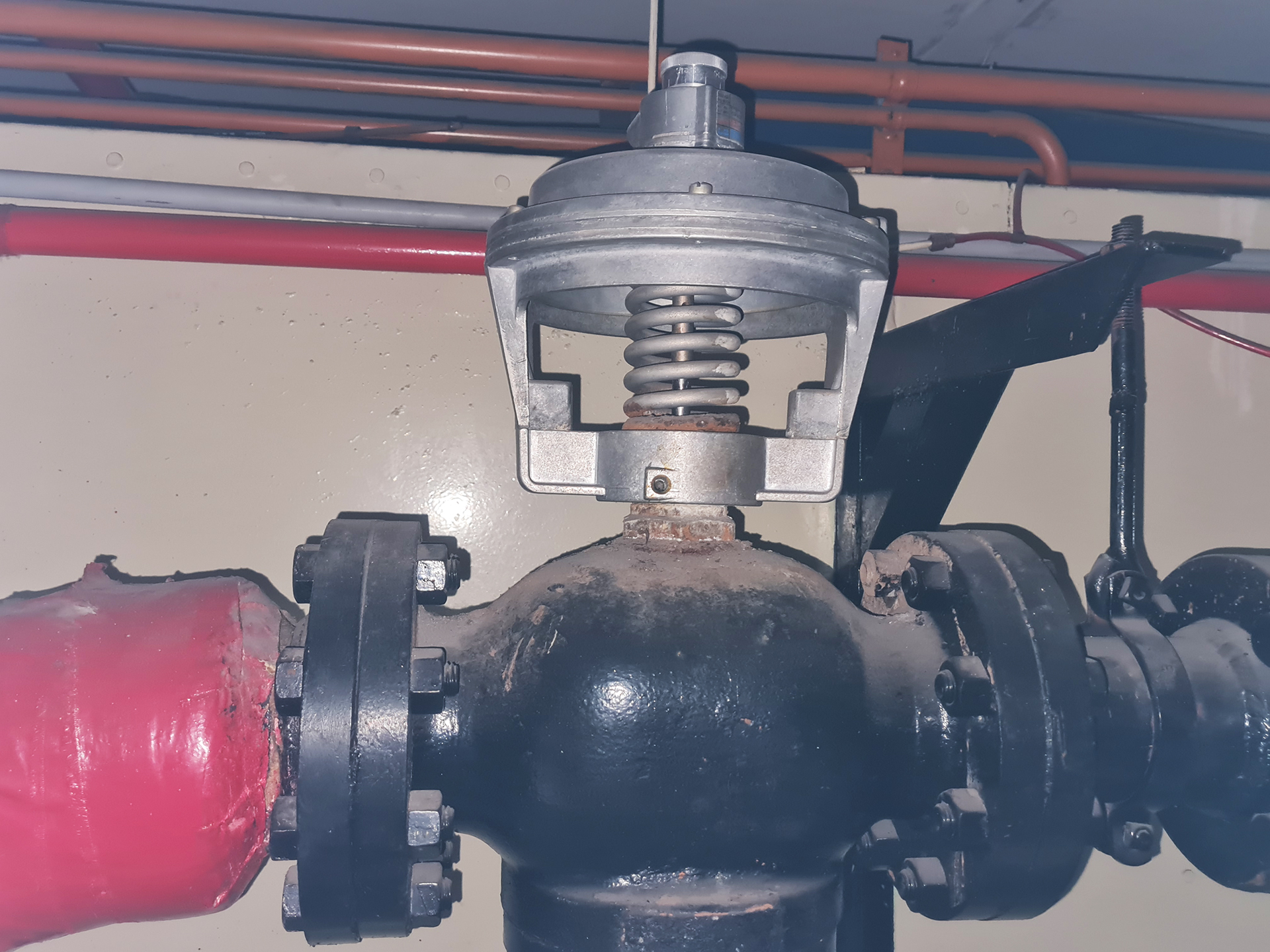

1. You’re Dependent on One Contractor
Perhaps the strongest warning sign is when only one company appears capable of maintaining your Building Management System.
Every service request, software modification, controller replacement or programming change must go through the same supplier. Quotes become increasingly expensive, response times become longer, and there is little opportunity to compare pricing or engineering approaches.
Sometimes this dependency has developed naturally over many years. In other cases, documentation has been withheld, passwords have not been provided, or the system has become so poorly documented that changing suppliers appears too risky.
While specialist knowledge is valuable, no commercial building should become entirely dependent on a single contractor simply to keep its automation system operating.
2. Nobody Really Understands the System
Many commercial buildings have changed owners, property managers and contractors several times throughout their life.
The engineer who originally commissioned the system may have retired decades ago.
Programming modifications have been added by multiple technicians.
Schedules have been altered.
Temporary overrides have become permanent.
Alarm strategies have changed.
Eventually, nobody fully understands why the Building Management System behaves the way it does.
Instead of improving building performance, the BMS becomes something everyone is reluctant to touch.
This is surprisingly common, particularly in buildings over fifteen years old.
3. The System Works… Most of the Time
This is perhaps the most dangerous situation.
The system appears to be operating.
Equipment starts.
Temperatures generally look acceptable.
Occupants rarely complain.
However, behind the scenes:
- Trend logs have stopped recording.
- Controllers occasionally lose communication.
- Graphics no longer reflect actual plant status.
- Critical alarms have been disabled.
- Energy optimisation routines have quietly failed.
Because these issues develop gradually, they often remain unnoticed for years while operating costs continue to increase.
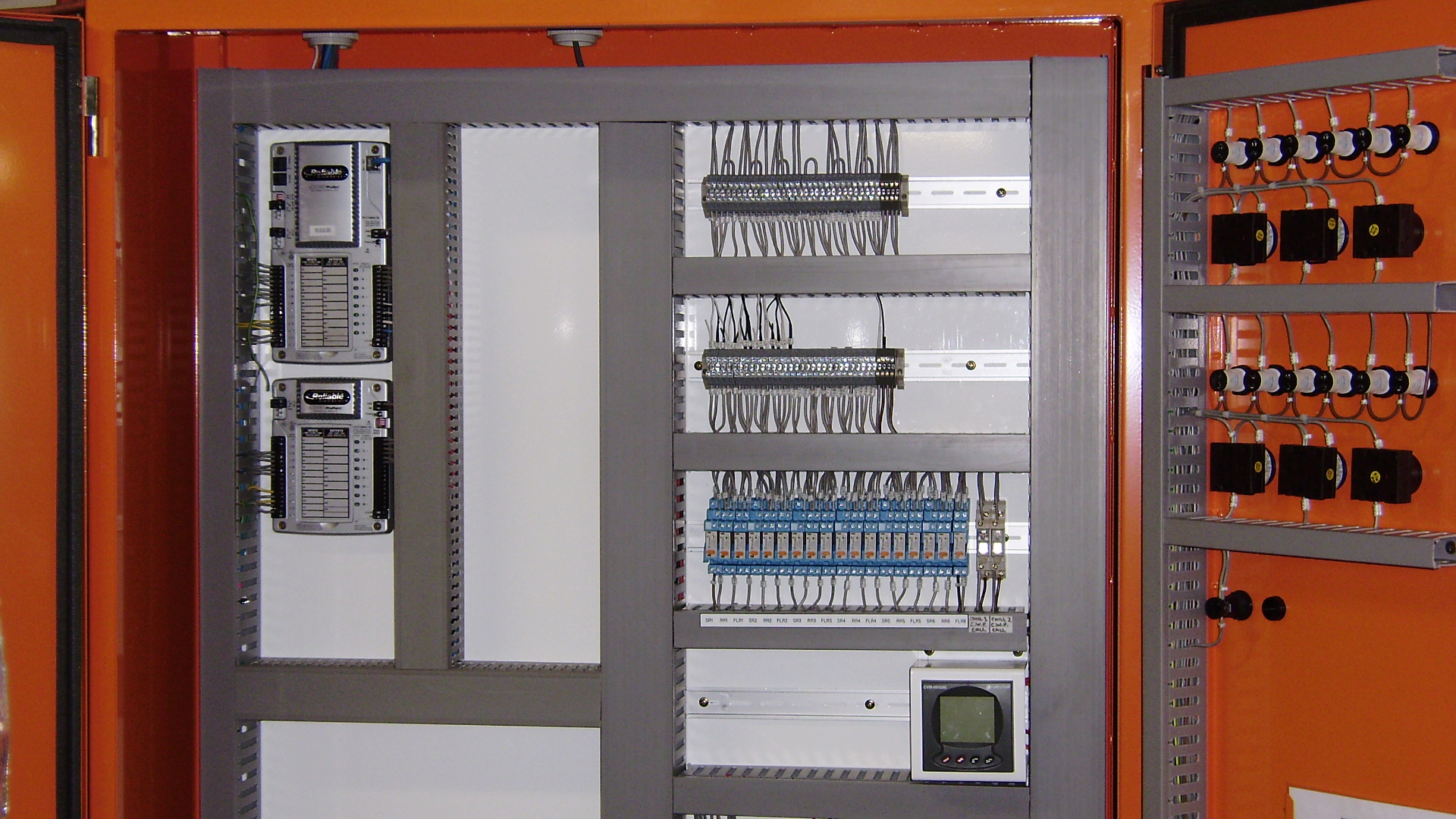
4. Simple Changes Have Become Expensive
Changing an occupancy schedule.
Adjusting a temperature setpoint.
Adding a tenant.
Renaming equipment.
Updating graphics.
These should generally be straightforward engineering tasks.
Instead, some building owners find themselves waiting several weeks and receiving substantial invoices for relatively minor programming changes.
This often indicates that the Building Management System has become unnecessarily dependent upon specialist knowledge rather than good engineering practice.

5. Your Energy Bills Keep Increasing
One of the original purposes of a Building Management System was to reduce energy consumption.
By automatically controlling heating, cooling, ventilation, lighting and other building services, a well-engineered BMS should continually optimise building performance while maintaining occupant comfort.
Unfortunately, many systems gradually lose that optimisation over time.
Schedules are overridden and never restored. Equipment begins operating longer than necessary. Temperature setpoints are adjusted to satisfy individual complaints without considering the overall building strategy. Sensors drift out of calibration, control loops become unstable, and energy-saving routines are disabled because “they were causing problems.”
None of these issues are particularly dramatic on their own.
However, over several years they can quietly increase energy consumption by many thousands of dollars without attracting attention.
A Building Management System should continually improve operational efficiency—not simply become an expensive method of switching equipment on and off.
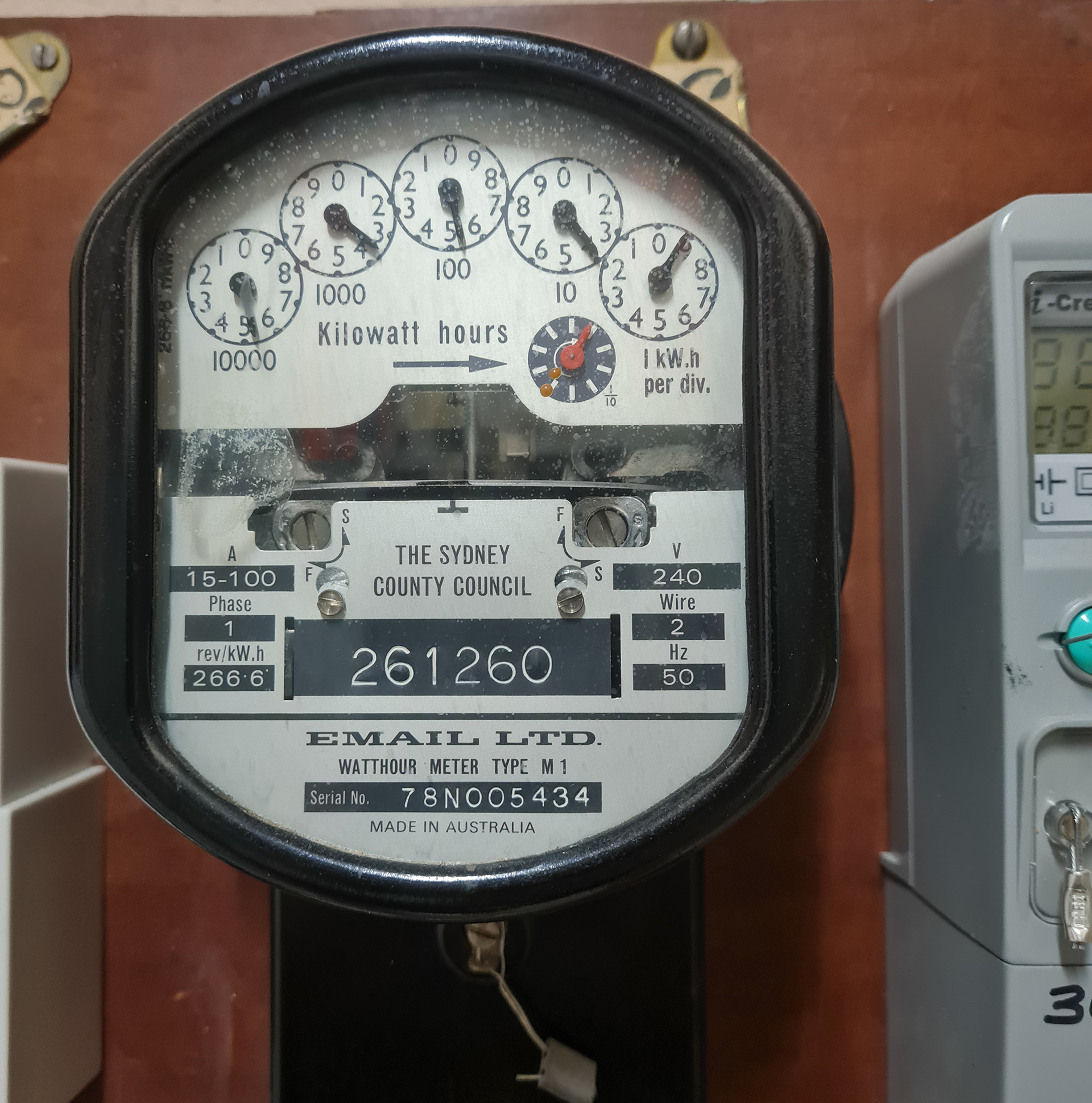
6. Spare Parts Are Becoming Difficult to Source
Many commercial buildings throughout Australia continue to operate Building Management Systems installed during the 1980s, 1990s and early 2000s.
That isn’t necessarily a problem.
Some of these systems remain exceptionally reliable.
The difficulty arises when controllers, power supplies, communication modules or engineering software reach end-of-life.
Suddenly a relatively small equipment failure becomes a major project.
Replacement hardware may no longer be manufactured.
Engineering software may only operate on obsolete operating systems.
Communication cables, interface converters or programming tools become increasingly difficult to obtain.
In some cases, organisations are relying on a single ageing laptop running Windows XP simply because it is the only computer capable of communicating with the Building Management System.
While this may sound unusual, it is more common than many people realise.
Understanding the lifecycle of your Building Management System allows building owners to plan upgrades strategically rather than reacting to unexpected equipment failures.
7. Everyone Is Afraid to Touch the System.
Perhaps the clearest indication that a Building Management System requires attention is when nobody wants to make changes.
Building managers avoid adjusting schedules.
Facility managers hesitate before approving software modifications.
Contractors refuse to alter programming because nobody is certain what else might be affected.
Over time, temporary workarounds become permanent operating procedures.
Manual overrides remain in place.
Plant equipment operates longer than necessary simply because “that’s how we’ve always done it.”
Eventually the Building Management System ceases to manage the building.
Instead, the building staff begin managing around the limitations of the Building Management System.
Automation should reduce complexity—not create it.
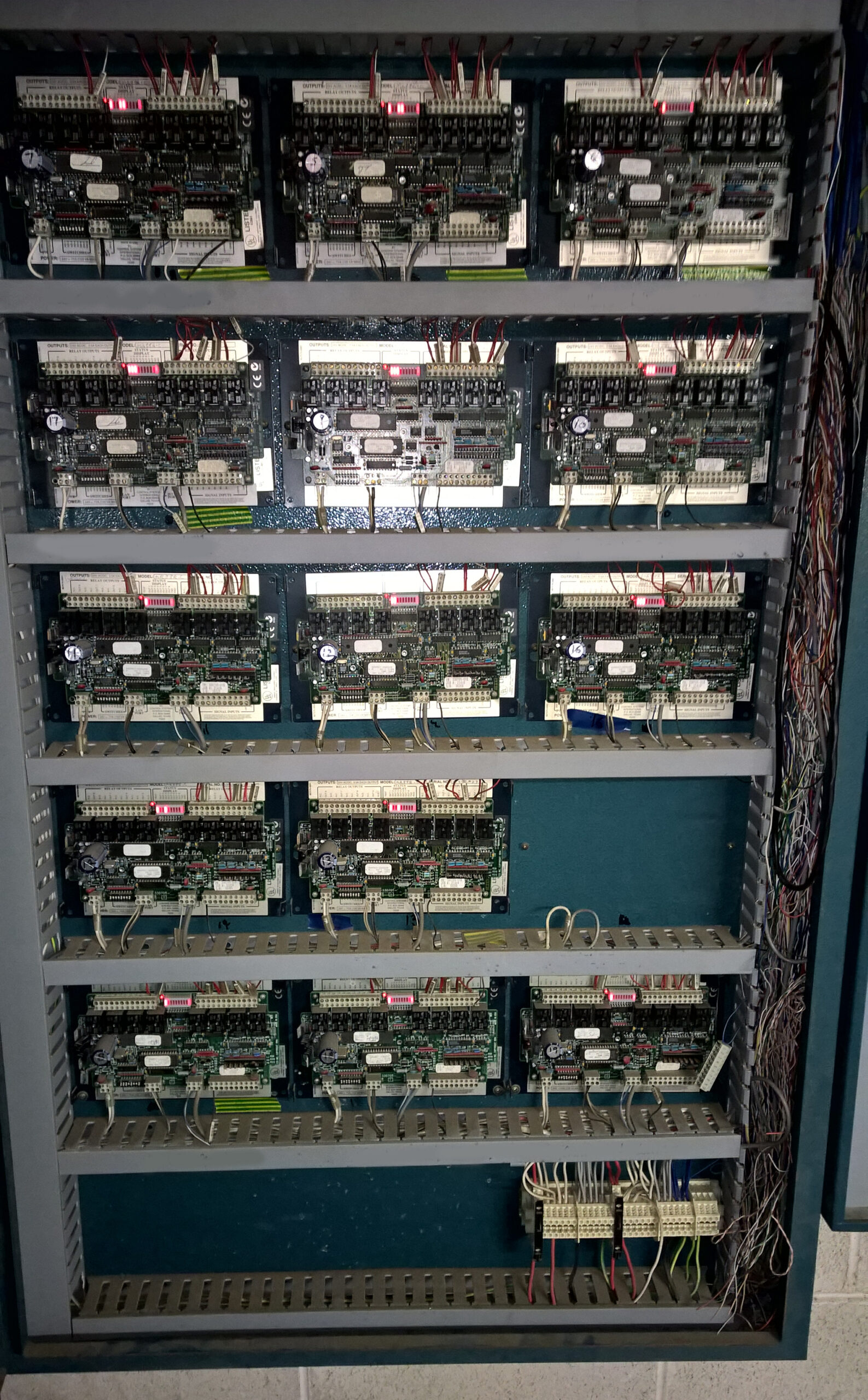

Why Vendor Lock-In Happens
Many building owners assume they have no choice but to remain with their existing Building Management System supplier.
Fortunately, that is often not the case.
Vendor dependency usually develops gradually over many years rather than through a single decision.
Some of the more common causes include:
- The original installer was never required to provide complete documentation.
- Administrator passwords were never handed over to the building owner.
- Programming backups have been lost.
- Functional descriptions were never updated after building modifications.
- Staff turnover resulted in the loss of critical system knowledge.
- The building owner naturally continued using the incumbent contractor because they were already familiar with the site.
None of these situations are unusual.
However, together they can leave a building feeling “locked” into one supplier, even where the Building Management System itself is based on open industry standards.
The encouraging news is that vendor dependency can often be reduced through better documentation, improved system knowledge and independent engineering advice rather than wholesale replacement of the entire system.
Most Buildings Don’t Need a New Building Management System
One of the biggest misconceptions in the industry is that an ageing Building Management System automatically requires complete replacement.
In our experience, this is rarely the most practical or economical solution.
Many existing Building Management Systems have solid foundations.
The field controllers continue operating reliably.
The network architecture remains sound.
Mechanical equipment still performs as intended.
What has often deteriorated is the information surrounding the system rather than the system itself.
Poor documentation.
Missing backups.
Undocumented programming changes.
Outdated graphics.
Obsolete engineering practices.
These issues can frequently be addressed through a structured engineering review.
Rather than replacing everything at considerable expense, many buildings benefit from a staged improvement program that restores confidence while protecting previous investment.
An independent technical review can identify which components continue providing value, which equipment should be upgraded, and which improvements can be scheduled over several years as part of a planned capital works strategy.
This approach generally delivers lower risk, better value for money and significantly less disruption to building operations.
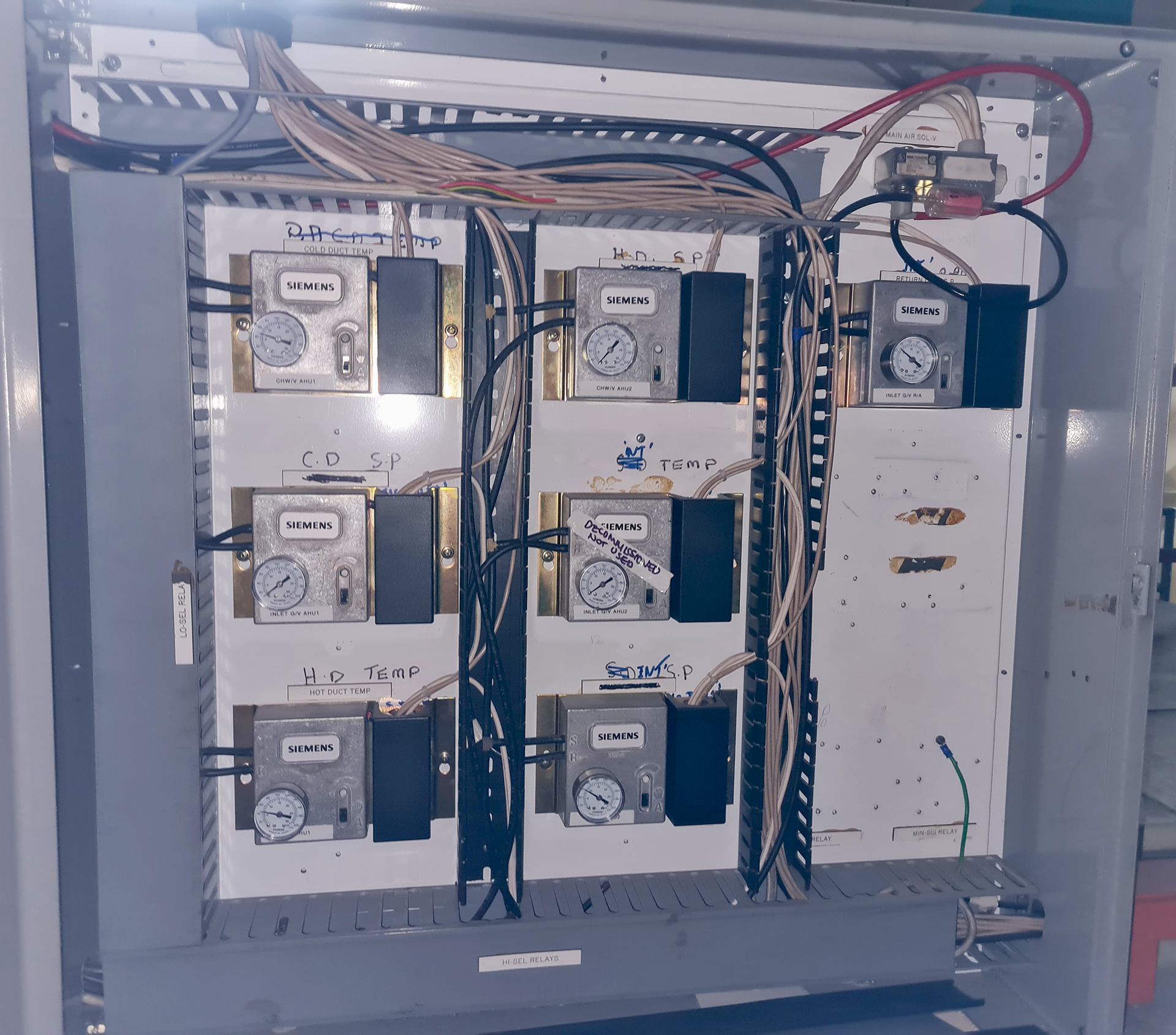
Five Things Every Building Owner Should Have
Whether your Building Management System is five years old or thirty years old, every building owner should have access to a small collection of essential documents and information.
These items not only make ongoing maintenance easier, they also allow you to seek competitive quotations, engage independent specialists and protect your investment over the life of the building.
If any of these are missing, your Building Management System may be more vulnerable than you realise.

1. Full Administrator Access
The building owner should always have access to the administrator-level passwords for the Building Management System.
These passwords provide complete control of the system, allowing authorised contractors to perform maintenance, update programming, restore backups and make future modifications.
While contractors may maintain their own engineering accounts, the building owner should never be entirely dependent on a third party simply to gain access to equipment they own.
Administrator access should be stored securely, with controlled access procedures, but it should always remain available to the building owner.
2. A Current System Backup
Your Building Management System should be backed up regularly.
Ideally, this includes:
- Controller databases
- Server databases
- Graphics
- Trend logs (where appropriate)
- Alarm configurations
- Historical engineering files
- Network configuration
Copies should be stored securely in more than one location.
A current backup can significantly reduce downtime should a controller fail, a server require replacement or accidental programming changes occur.
Without a verified backup, even relatively minor failures can become expensive recovery projects.
3. Functional Description
One of the most valuable documents in any Building Management System is the Functional Description.
This document explains how the building is intended to operate.
Rather than simply listing equipment, it describes the control strategies behind the building, including:
- Air-conditioning operation
- Chiller sequencing
- Boiler control
- Economy cycles
- Night purge strategies
- Car park ventilation
- Smoke control interfaces
- Lighting control
- Energy optimisation routines
- Alarm priorities
Without a Functional Description, future engineers are often forced to reverse-engineer the building, increasing both cost and risk.
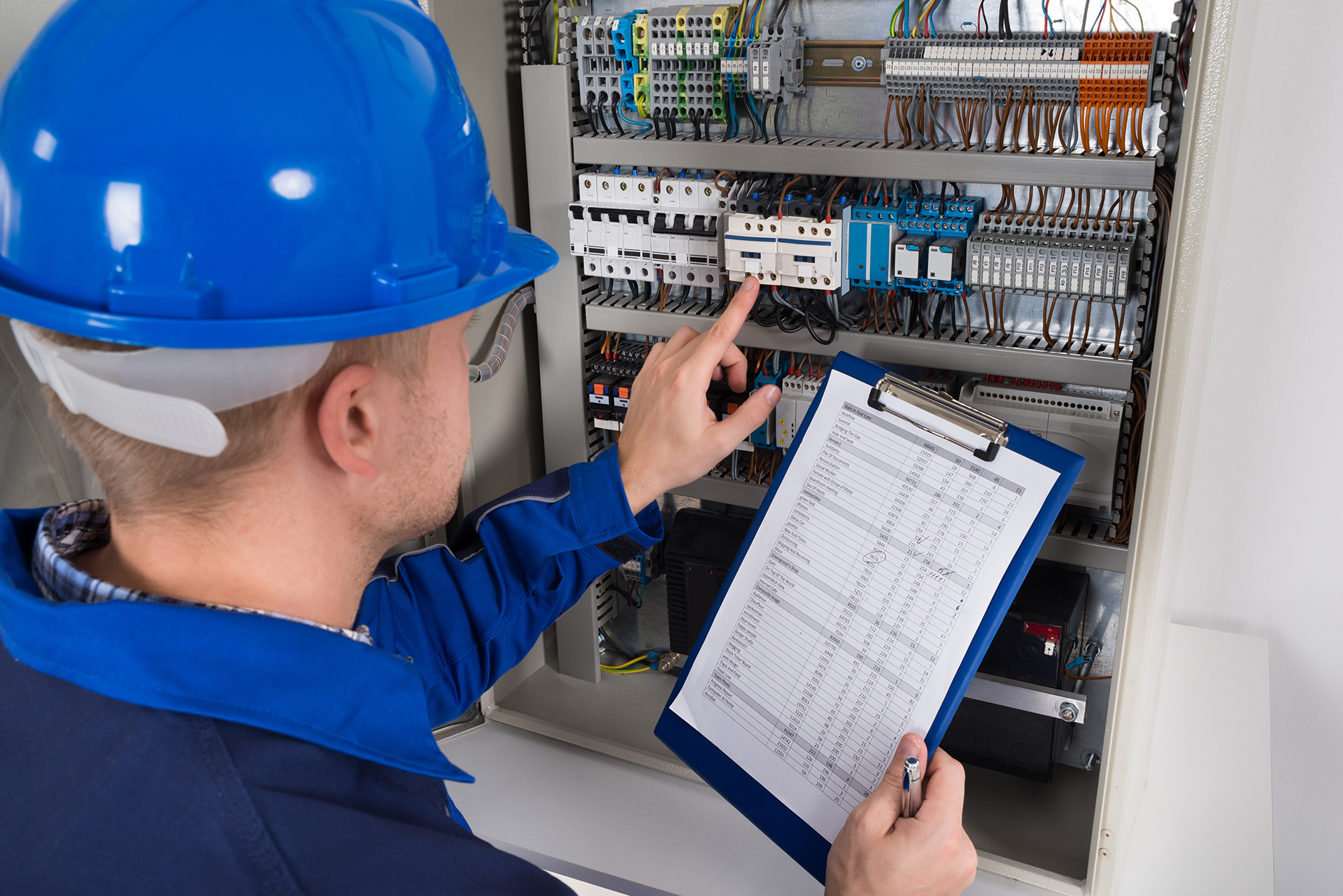
4. Current Points List
A complete points list identifies every input, output, sensor, alarm and control point connected to the Building Management System.
It should identify:
- Point description
- Controller
- Network address
- Input/output type
- Engineering units
- Alarm limits
- Equipment served
A current points list becomes invaluable whenever modifications, upgrades or fault finding are required.
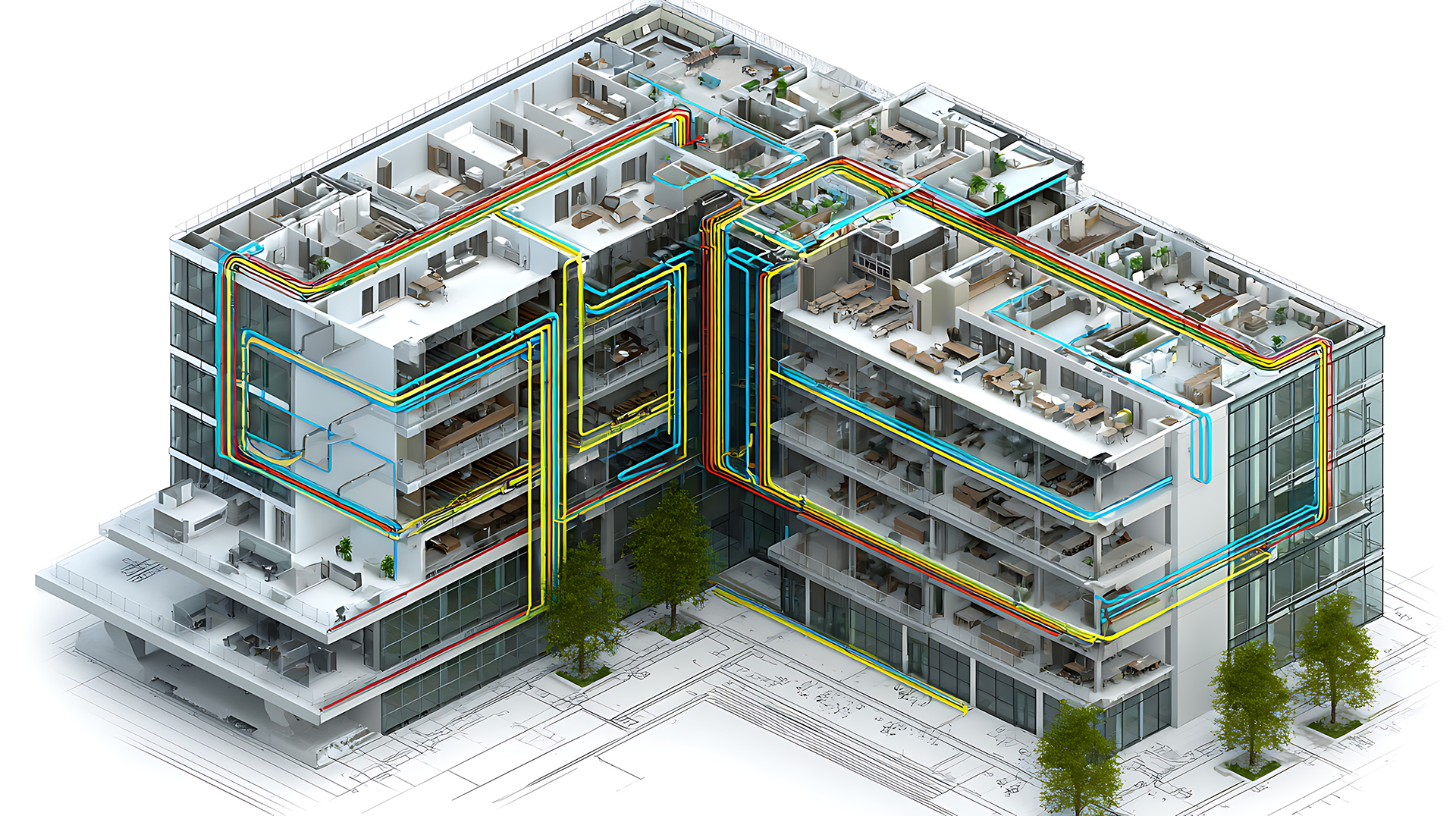
5. Network Architecture
Modern Building Management Systems often communicate across multiple networks and protocols.
A current network drawing should identify:
- Controllers
- Supervisors
- Servers
- Operator workstations
- Switches
- Fibre connections
- BACnet/IP
- BACnet MS/TP
- Modbus
- LonWorks
- Third-party gateways
Without an accurate network drawing, troubleshooting communication faults becomes unnecessarily time consuming.
Like every engineering discipline, good documentation reduces risk.

Open Systems vs Proprietary Systems
Not all Building Management Systems are created equally.
Some systems are based upon open communication standards, while others rely heavily on proprietary software and hardware developed by a single manufacturer.
Understanding the difference can have a significant impact on future maintenance costs and your ability to engage alternative service providers.
Open systems commonly use recognised industry protocols such as:
- BACnet
- Modbus
- LonWorks
- MQTT (in newer integrations)
These protocols allow equipment from multiple manufacturers to communicate, making future upgrades and integration considerably easier.
By comparison, proprietary systems often rely on manufacturer-specific hardware, engineering software and communications methods.
This does not necessarily make them poor systems.
Many proprietary platforms are extremely reliable.
However, proprietary systems can reduce flexibility if documentation, engineering software or passwords are unavailable.
For this reason, many consulting engineers specify open protocols wherever practical, providing building owners with greater flexibility over the long term.
When Is It Time to Replace a Building Management System?
There is no single answer.
Some systems continue operating effectively after thirty years.
Others become unreliable within fifteen years due to poor engineering, inadequate maintenance or obsolete hardware.
Rather than focusing solely on age, we encourage building owners to consider a number of practical questions.
Can replacement parts still be obtained?
Is engineering software still supported?
Can multiple contractors service the system?
Is the system delivering useful operational information?
Can it integrate with modern equipment?
Does it continue to reduce operating costs?
If the answer to most of these questions is “yes”, a complete replacement may not be necessary.
In many cases, staged upgrades provide a far better return on investment than replacing the entire Building Management System in a single project.
Independent Advice Makes Better Decisions
Every commercial building is different.
Different ages.
Different manufacturers.
Different operating requirements.
Different budgets.
For this reason, there is rarely a single solution that suits every building.
At WR8Tech, we believe building owners should understand the condition of their Building Management System before committing to major expenditure.
Sometimes the answer is improved documentation.
Sometimes it is better engineering.
Sometimes it is replacing obsolete hardware.
Sometimes it is introducing modern analytics or AI-driven optimisation.
And sometimes, replacement genuinely is the most economical long-term solution.
The important point is that the decision should be based on sound engineering, operational requirements and whole-of-life value—not simply because “that’s the way we’ve always done it.”
An independent technical assessment provides the information needed to make confident, informed decisions about the future of your building automation system.
Conclusion
A Building Management System should be one of the most valuable tools available to a building owner or property manager.
It should improve efficiency, reduce operating costs, simplify maintenance and provide confidence that the building is performing as intended.
When it becomes difficult to maintain, expensive to modify or dependent on a single supplier, the Building Management System can quietly become a liability rather than an asset.
The good news is that most buildings do not require wholesale replacement.
With the right documentation, sound engineering and an independent assessment, many systems can continue delivering value for many years while providing a clear pathway for future upgrades.
The objective is not simply to keep the Building Management System running.
The objective is to ensure it continues supporting the people responsible for operating the building.


WR8Tech Insight – The Most Expensive Problems Are Often Invisible
We’ve attended buildings where the BMS “looked fine” because the air conditioning was running and occupants weren’t complaining. However, a detailed review revealed disabled alarms, failed trend logs, overridden schedules and energy optimisation routines that had been inactive for years. The building wasn’t broken—it was quietly costing the owner thousands of dollars every year.
How Healthy Is Your BMS?
| Question | Yes | No |
| Do you have administrator passwords? | ☐ | ☐ |
| Do you have a current backup? | ☐ | ☐ |
| Is the functional description current? | ☐ | ☐ |
| Can more than one contractor maintain the system? | ☐ | ☐ |
| Are energy trends reviewed regularly? | ☐ | ☐ |
| Is the system still supported by the manufacturer? | ☐ | ☐ |