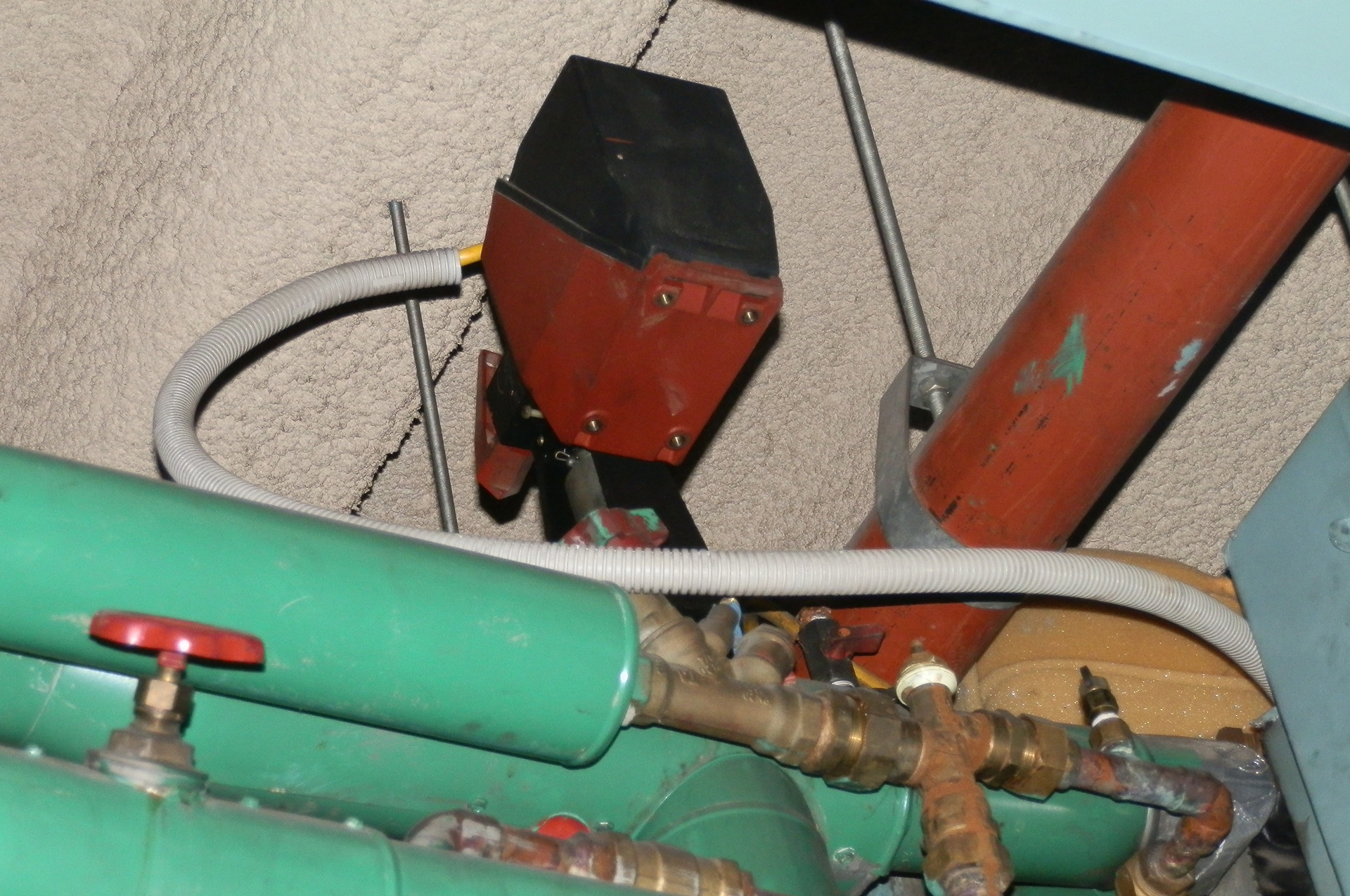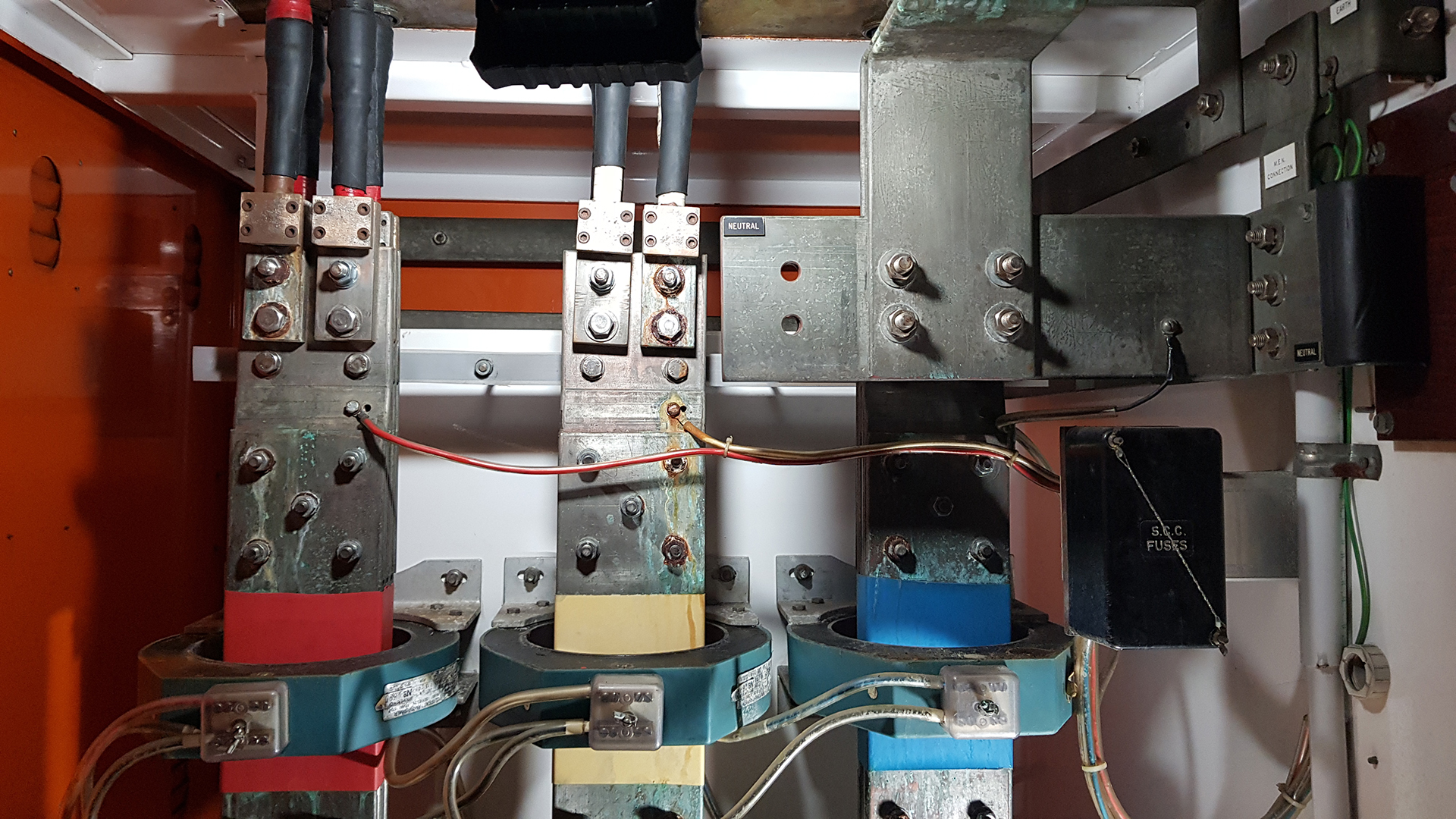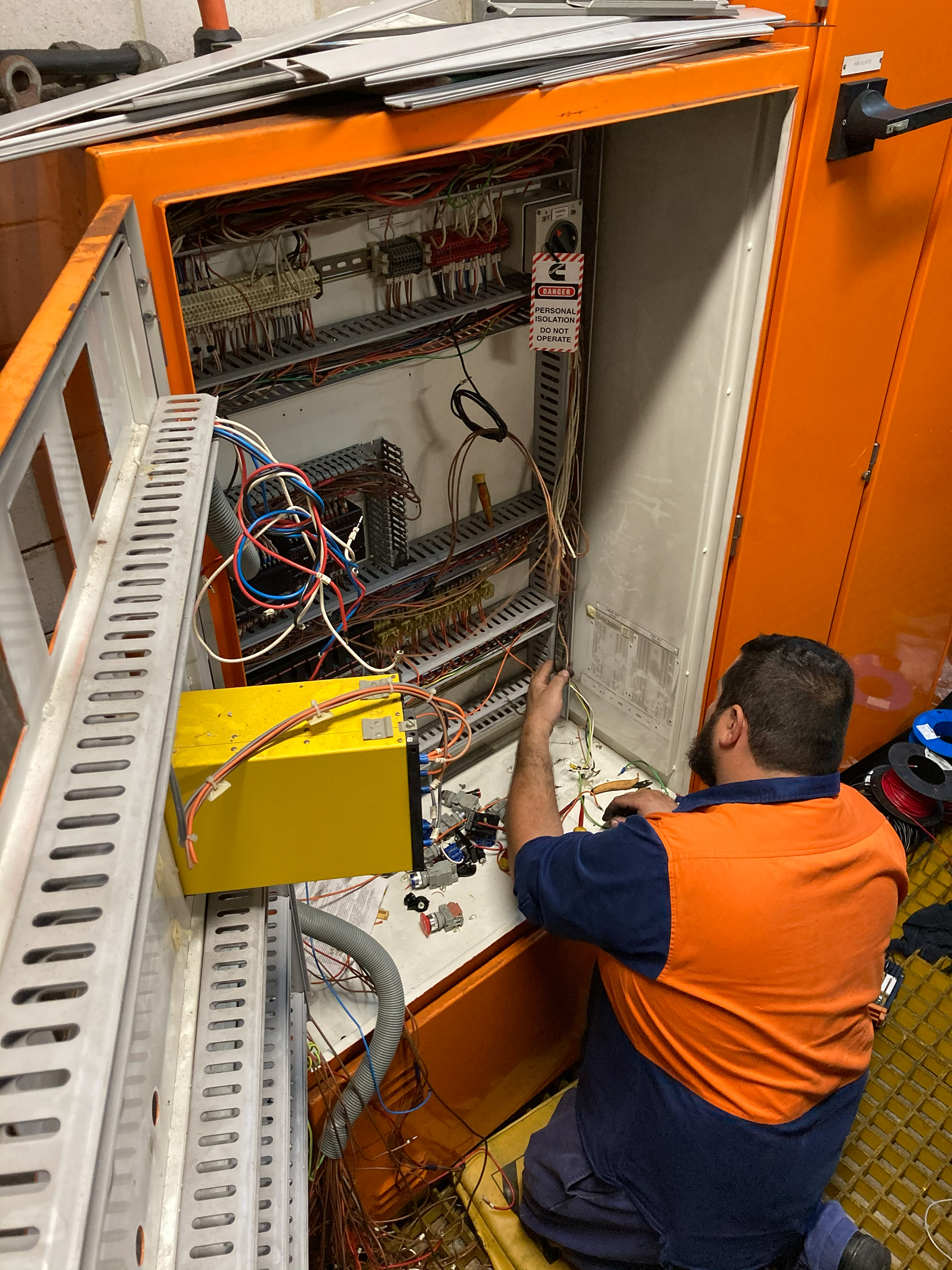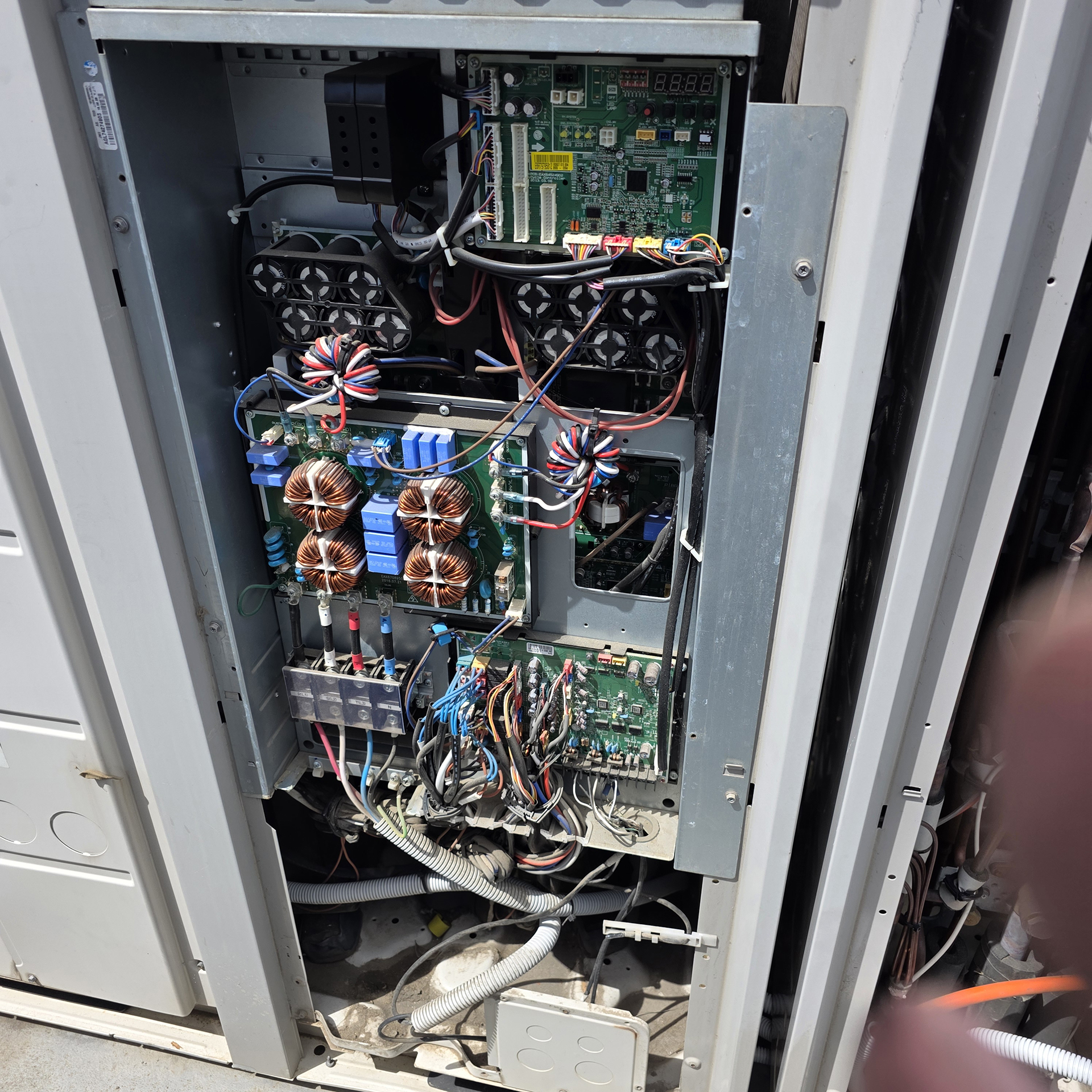
Pneumatic Controls for Heritage Buildings
Maintaining Legacy HVAC Control Systems in Heritage & Older Commercial Buildings Across Sydney, Melbourne & Canberra
Many heritage and older commercial buildings throughout Sydney, Melbourne and Canberra still rely on legacy pneumatic HVAC control systems for the operation of heating, cooling, ventilation, and building air distribution systems.
While these systems are often decades old, many continue to operate reliably when properly maintained and understood. However, the growing challenge for building owners and property managers is that pneumatic control expertise is rapidly disappearing from the industry. Spare parts are becoming harder to source, documentation is often incomplete, and many buildings have undergone partial upgrades over several decades, creating complex hybrid systems that are difficult to manage.
At WR8TECH, we specialise in the assessment, maintenance, troubleshooting, and staged modernization of legacy pneumatic HVAC control systems within heritage and aging commercial buildings. Our background in mechanical services, electrical infrastructure, and Building Management Systems (BMS) allows us to bridge the gap between older pneumatic technology and modern building automation platforms.
Unlike many contractors who immediately recommend complete replacement, WR8TECH focuses on practical engineering solutions that balance operational performance, compliance, tenant comfort, budget constraints, and preservation of existing infrastructure.
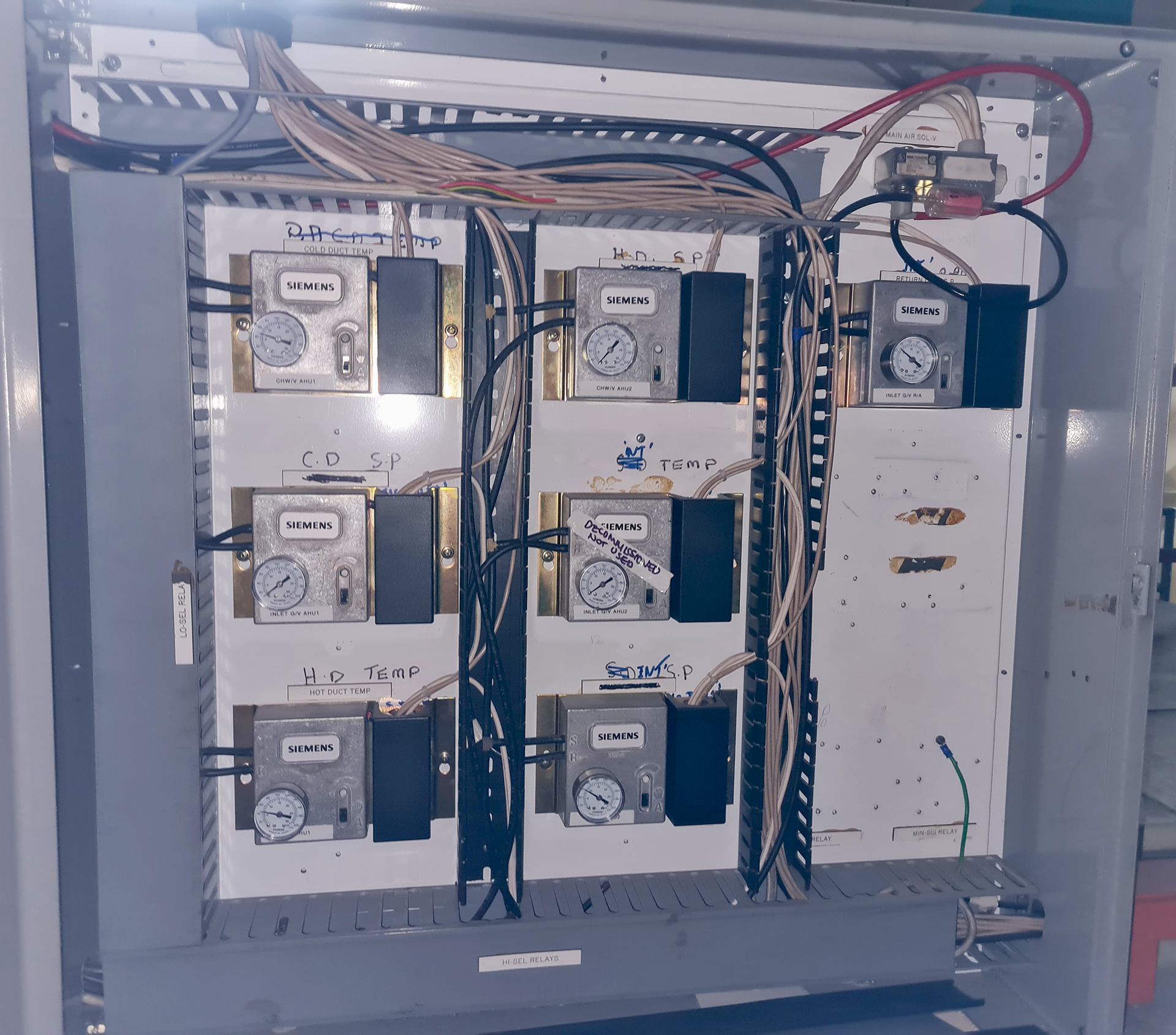
Understanding Pneumatic HVAC Control Systems
Pneumatic control systems were widely installed throughout commercial buildings, hospitals, universities, government facilities, and large office towers from the 1950s through to the 1980s.
These systems commonly controlled:
- Heating hot water valves
- Chilled water valves
- Air handling unit dampers
- Variable Air Volume (VAV) boxes
- Mixing boxes
- Outside air dampers
- Boiler sequencing systems
- Supply air temperature control
- Room temperature control
- Static pressure systems
- Fresh air and relief air systems
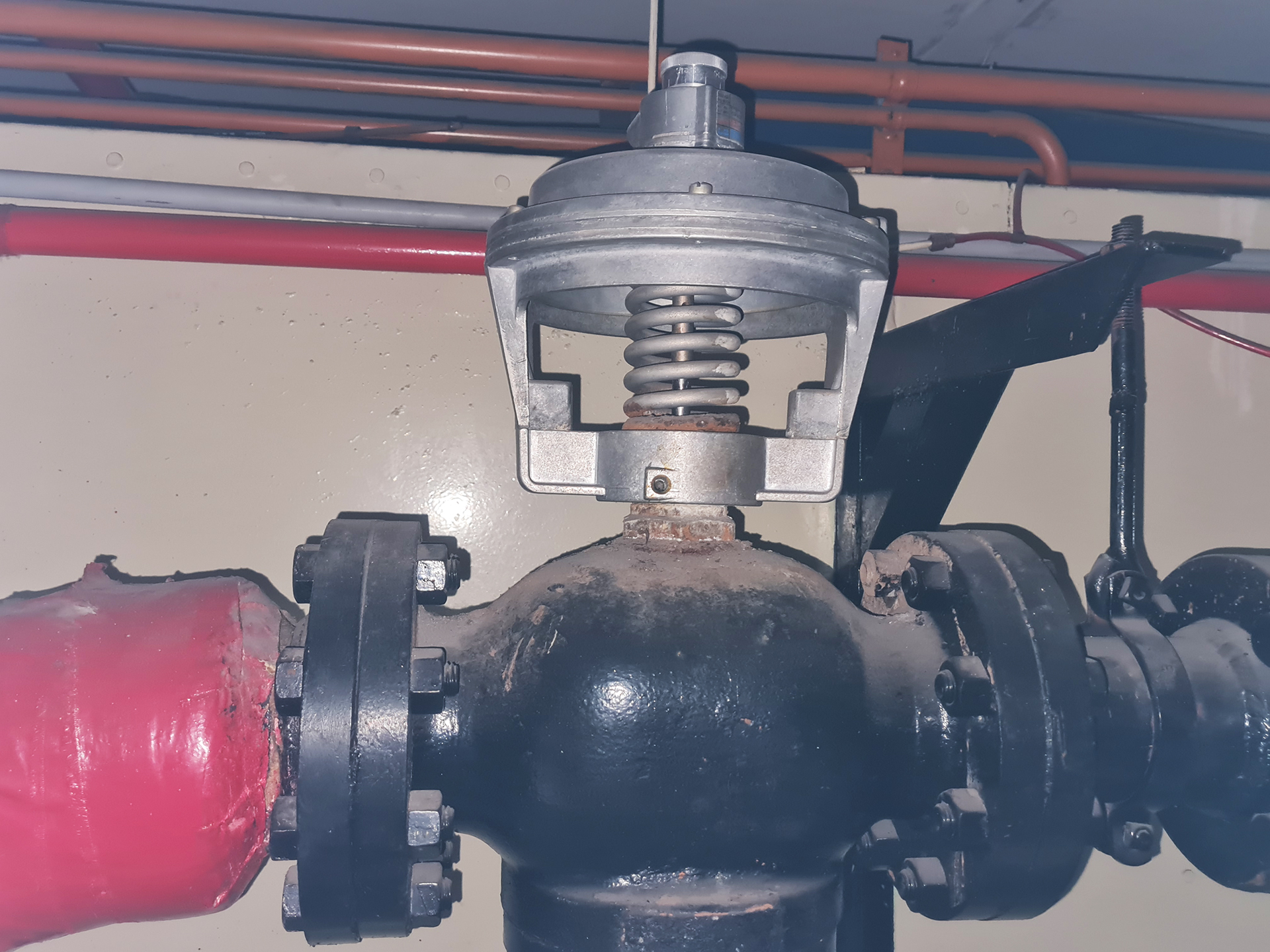
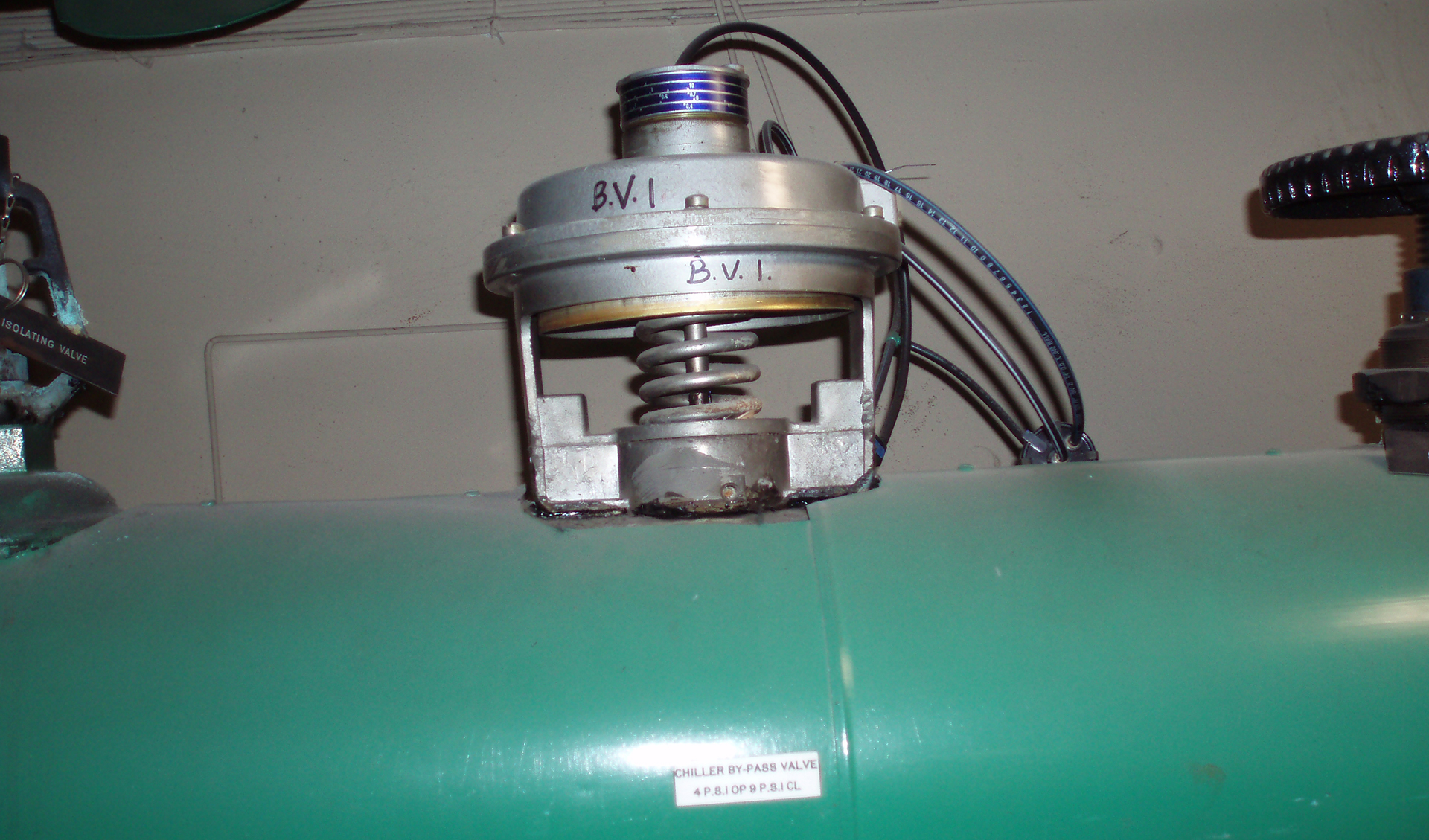
Unlike modern digital systems, pneumatic controls operate using compressed air pressure transmitted through small copper or plastic tubing to actuators, sensors, thermostats, relays, and switches throughout the building.
Many heritage buildings continue to rely on these systems because:
- Building owners seek staged modernization rather than full replacement
- The original infrastructure still functions
- Full replacement costs can be extremely high
- Building access constraints complicate upgrades
- Heritage requirements may limit modifications
- Existing pneumatic actuators and valves remain serviceable
Challenges Facing Heritage Building Owners & Property Managers
Many property managers inherit aging buildings where pneumatic systems have been modified repeatedly over decades. In many cases:
- Original documentation no longer exists
- Control logic has been altered multiple times
- Sections of the building have been partially upgraded
- Pneumatic and electronic controls coexist
- Tenant complaints continue to increase
- Energy performance declines over time
Common issues include:
Poor Temperature Control
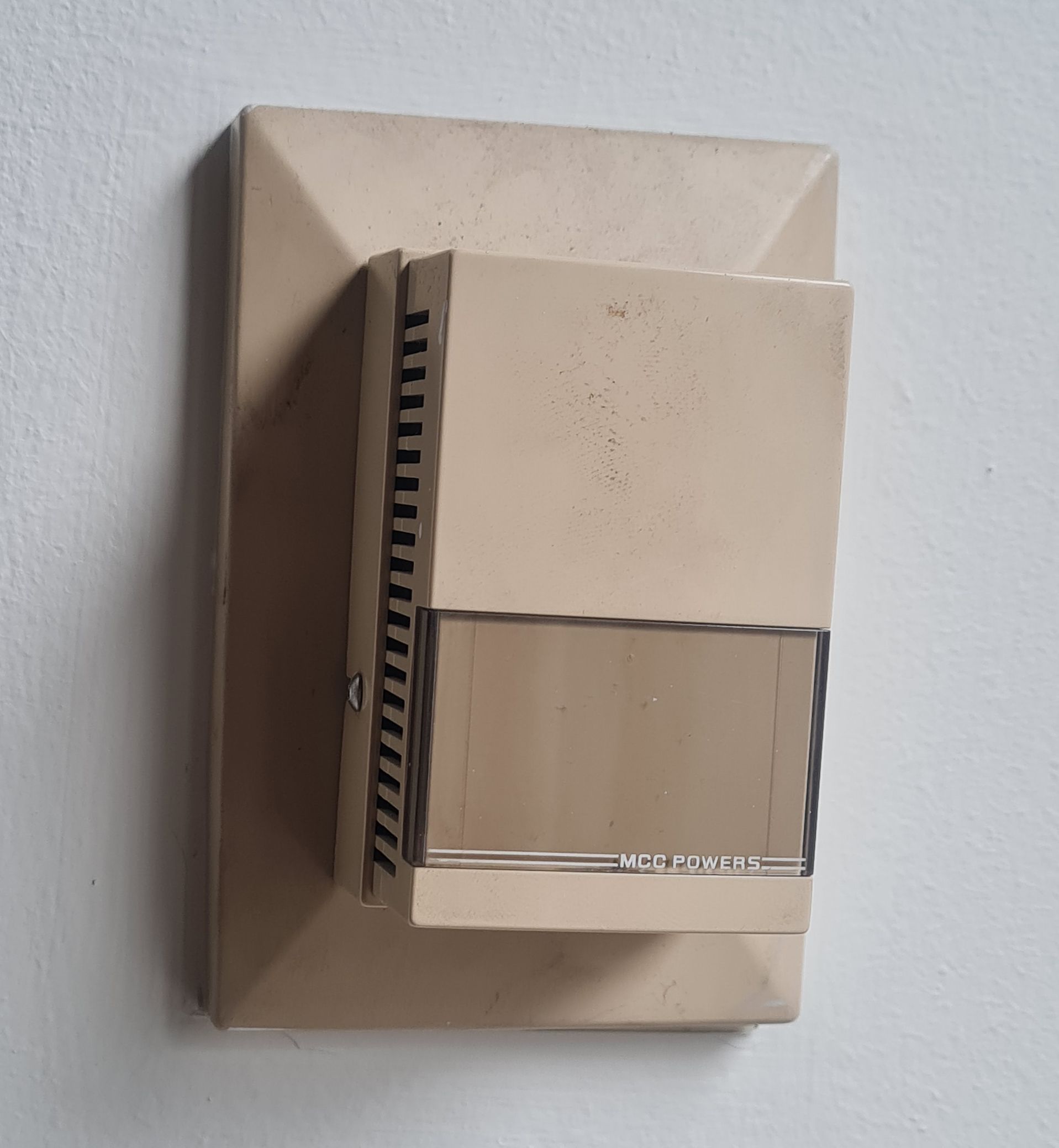
Older pneumatic thermostats and sensors can drift out of calibration, causing areas to become excessively hot or cold.
Air Pressure Leaks
Small leaks throughout the control air network force compressors to operate continuously, increasing energy usage and reducing control stability.
Obsolete Components
Some pneumatic devices are no longer manufactured, making replacement and repairs increasingly difficult.
Limited Visibility
Most pneumatic systems provide little operational visibility, meaning faults often remain hidden until tenant complaints occur.
Energy Inefficiency
Older control strategies can result in simultaneous heating and cooling, excessive outside air, poor scheduling, and unnecessary equipment operation.
Lack of Skilled Technicians
True pneumatic HVAC control expertise is becoming increasingly rare within the building services industry.
WR8TECH’s Approach to Heritage Pneumatic Control Systems
WR8TECH approaches pneumatic systems from an engineering and operational perspective rather than simply recommending replacement.
Our objective is to help building owners and property managers:
- Extend the usable life of existing assets
- Improve HVAC reliability
- Reduce tenant complaints
- Improve energy performance
- Reduce operational risk
- Implement staged modernization strategies
- Improve visibility through BMS integration where practical
Our services include:
Pneumatic HVAC System Audits
We assess:
- Existing pneumatic infrastructure
- Air compressor systems
- Receivers and dryers
- Thermostats and sensors
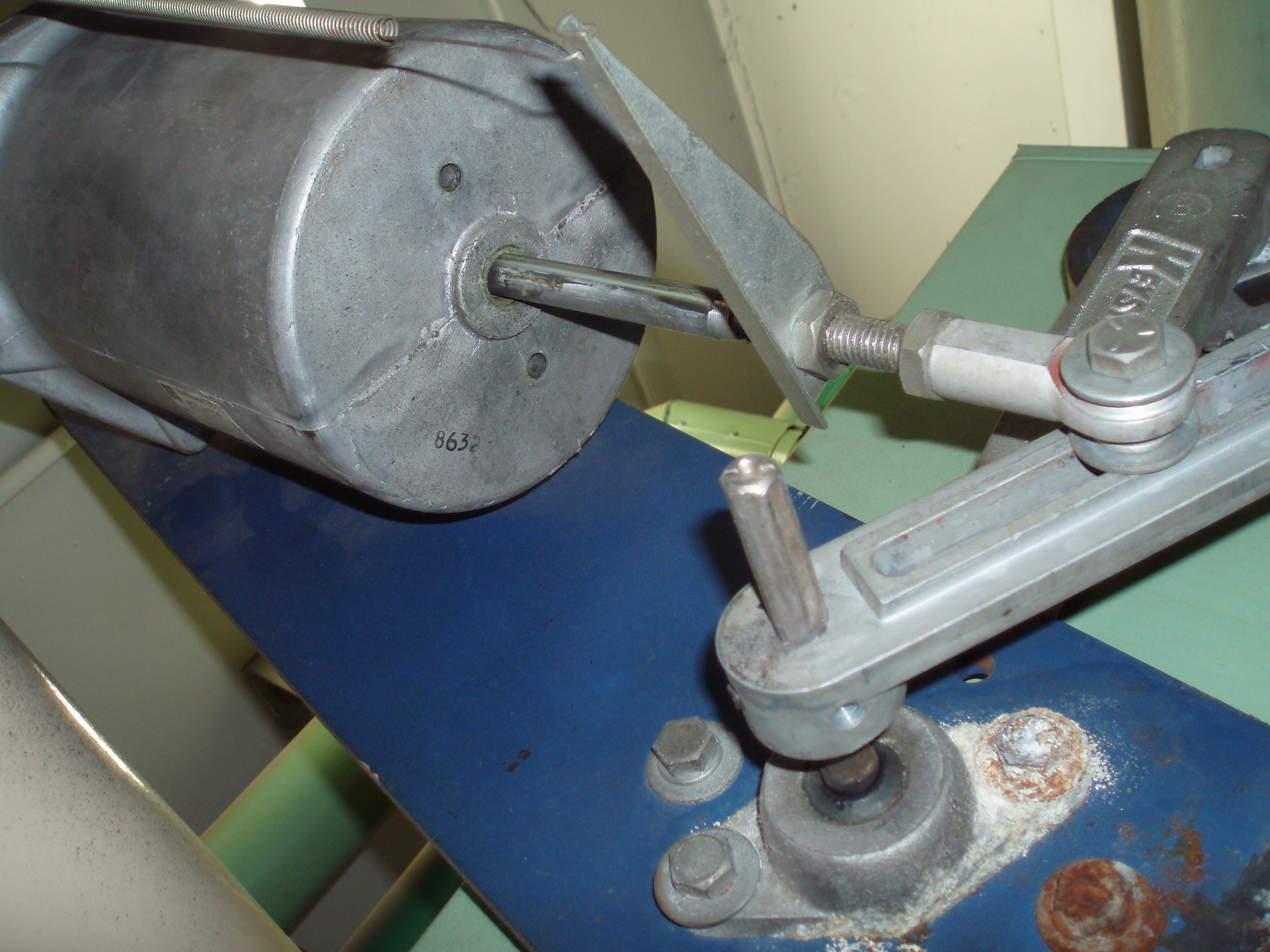
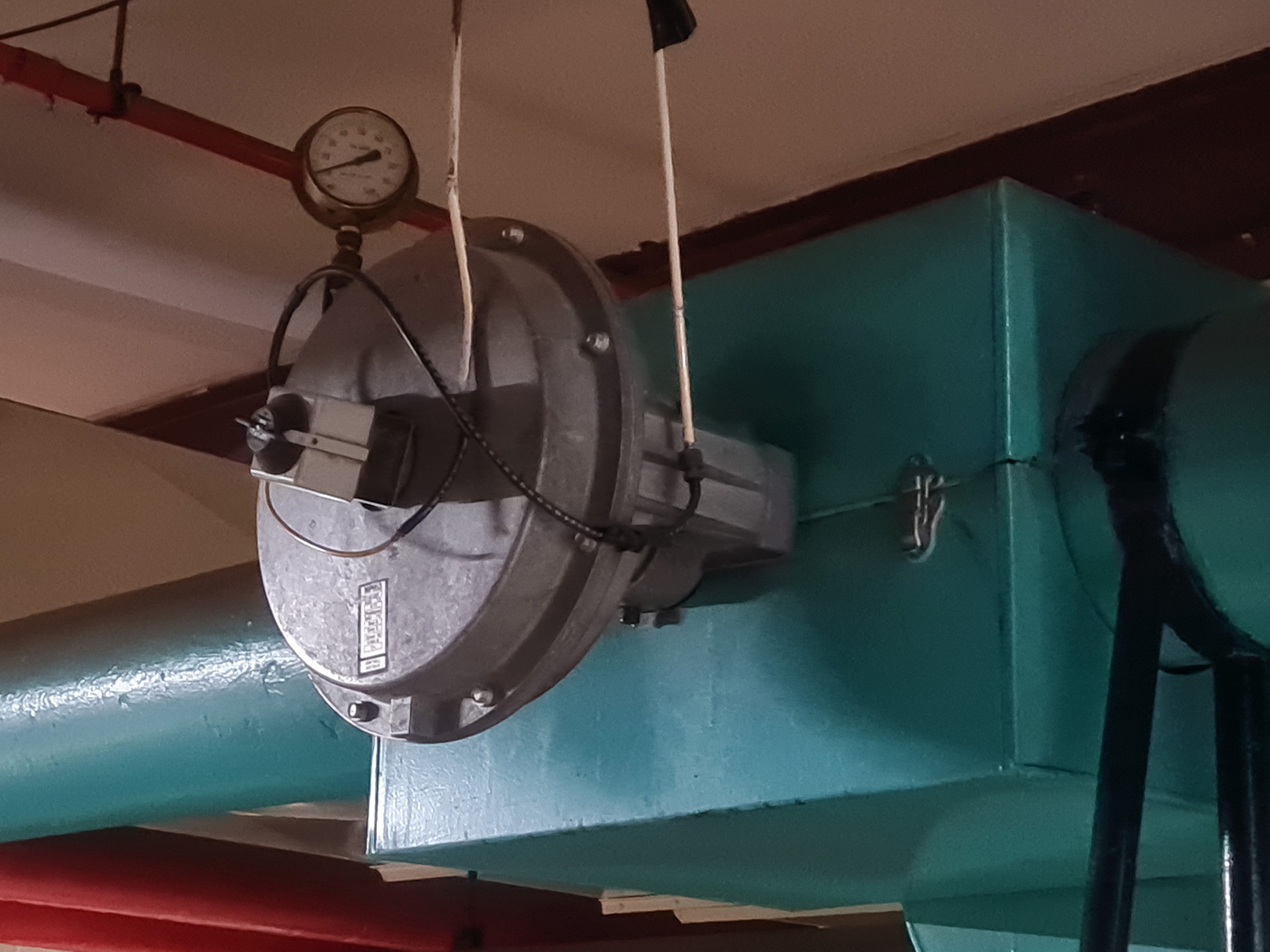
- Actuators and valves
- PE switches and relays
- Existing control logic
- Sequence of operation
- Mechanical equipment integration
- Opportunities for staged upgrades
Pneumatic Leak Detection
Control air leaks are one of the most common hidden operational problems within older buildings. We identify:
- Branch line leaks
- Faulty diaphragms
- Failing actuators
- Leaking fittings
- Damaged tubing
- Compressor inefficiencies
Calibration & Control Optimization
Many systems simply require:
- Recalibration
- Pressure adjustment
- Sequencing improvements
- Damper balancing
- Valve tuning
- Schedule optimisation
These adjustments can significantly improve occupant comfort and reduce energy consumption without major capital expenditure.
Pneumatic to BMS Integration
WR8TECH specialises in integrating legacy systems into modern Building Management Systems using:
- BACnet
- Niagara / Tridium
- Pressure transducers
- Electric-pneumatic interfaces
- Relay integration
- Monitoring and alarming strategies
This allows older buildings to gain visibility, trending, alarms, and remote monitoring while still retaining sections of the original pneumatic infrastructure.
Staged Modernisation for Heritage Buildings
Full replacement of pneumatic systems within heritage buildings is often financially or operationally impractical.
WR8TECH assists clients with staged modernization strategies that may include:
- Retaining existing valves and pipework
- Replacing failed actuators progressively
- Introducing electronic sensors
- Integrating modern BMS front-end systems
- Upgrading critical plant first
- Migrating floor-by-floor over time
- Preserving operational systems while reducing risk
This approach helps minimise disruption to tenants while spreading capital costs over multiple budget cycles.
Why Pneumatic Systems Still Matter
Despite their age, many pneumatic systems remain surprisingly robust when properly maintained.
In some heritage and government buildings, the mechanical infrastructure itself remains in good condition, while the primary operational problems stem from:
- neglected maintenance
- lack of calibration
- air leaks
- poor upgrades
- loss of technical knowledge
With the right technical understanding, many of these systems can continue operating reliably while transitioning toward modern building automation strategies.
Supporting Older Buildings Across Sydney, Melbourne & Canberra
WR8TECH provides technical support for aging and heritage commercial buildings across:
- Sydney CBD
- Melbourne CBD
- Canberra commercial and government assets
- Older office towers
- Universities
- Hospitals
- Heritage-listed properties
- Mixed-use developments
- Strata buildings
- Unsupervised commercial assets
Our combination of mechanical services knowledge, electrical expertise, and Building Management System integration capability allows us to provide practical solutions for complex legacy infrastructure.
Speak With WR8TECH About Legacy Pneumatic HVAC Systems
If your building still operates pneumatic HVAC controls, now is the time to understand the condition, risks, and modernization opportunities within the system before major failures occur.
WR8TECH can assist with:
- Pneumatic system audits
- Troubleshooting
- HVAC control upgrades
- BMS integration
- Energy optimisation
- Asset lifecycle planning
- Technical due diligence for older buildings
Whether your goal is to preserve an existing system, reduce tenant complaints, improve energy efficiency, or plan staged modernization works, our team can help develop a practical pathway forward.
Contact WR8TECH today to discuss pneumatic HVAC controls for heritage and aging commercial buildings across Sydney, Melbourne, and Canberra.