
AI and Building Management Systems

AI and Building Management Systems

Discover how AI and Building Management Systems work together to improve HVAC performance, energy efficiency, predictive maintenance and fault detection in commercial buildings across Sydney, Melbourne and Canberra.

AI and Building Management Systems (BMS)

How Artificial Intelligence is Transforming Commercial Building Operations

Modern Building Management Systems (BMS) have traditionally relied on programmed logic, schedules, alarms and operator intervention to manage building performance.

Artificial Intelligence (AI) is now introducing a new layer of intelligence that allows commercial buildings to become more responsive, more efficient and increasingly self-optimising.

While AI will not replace building operators, facility managers or maintenance personnel, it can provide powerful tools that improve decision making, reduce operational costs and identify problems before they become critical failures.

For commercial property owners, facility managers, asset managers and strata committees, AI represents a significant opportunity to improve building performance while reducing risk and operating expenses.

Unsupervised Buildings Technology Platform – Melbourne A futuristic microchip with gold-plated connection pins sits at the centre of a complex network of digital pathways, data streams, and intelligent building systems. Multiple lines flow into and out of the processor, symbolising the constant exchange of information between building assets, sensors, controllers, cloud platforms, and operational dashboards. The image represents the technological backbone of modern unsupervised commercial buildings, where advanced Building Management Systems (BMS), Artificial Intelligence (AI), automation platforms, and smart building technologies work together to provide real-time visibility and control. The microchip acts as the central intelligence hub, collecting data from HVAC systems, electrical infrastructure, energy meters, fire systems, security systems, lifts, water services, and contractor management platforms. AI-powered analytics continuously assess building performance, identify faults, predict maintenance requirements, and optimise energy consumption without the need for permanent on-site supervision. This image reflects the future of commercial building operations in Melbourne, where technology-driven facility management enables office buildings, retail centres, industrial facilities, hotels, and mixed-use developments to operate more efficiently, reduce operational costs, improve sustainability outcomes, and enhance asset performance. The gold connections symbolise reliability, precision, and the seamless integration of critical building systems through intelligent automation and data-driven decision making.

What Is AI in a Building Management System?

raditional BMS platforms operate based on predefined rules.

For example:

  • Start AHU at 6:00am
  • Maintain supply air temperature at 13°C
  • Start condenser water pumps when chillers operate
  • Generate alarms when temperatures exceed limits

AI adds an additional layer of analysis by continuously learning from:

  • Historical trends
  • Occupancy patterns
  • Weather conditions
  • Energy consumption
  • Equipment performance
  • Maintenance records
  • Utility costs

Instead of simply following programmed instructions, AI systems can identify patterns and recommend or automatically implement improvements.

Business executive pressing an AI button on a transparent digital screen surrounded by microchips, circuit lines and advanced technology graphics, representing artificial intelligence, automation and smart building innovation.

AI Is Not Replacing Your BMS

A common misconception is that AI replaces a Building Management System.

In reality:

The BMS remains the control system.

AI becomes an analytical layer sitting above the BMS.

The BMS continues to:

AI analyses the data generated by the BMS and identifies opportunities for improvement.

Think of AI as a highly experienced building engineer continuously reviewing every trend log, every alarm and every piece of plant equipment simultaneously.

Unsupervised Buildings – Human Tasks Still Required A facilities professional works from a modern laptop displaying the word "Maintenance", surrounded by advanced technology interfaces, digital lighting effects, and real-time building performance data. The image represents the balance between automation and human expertise within an unsupervised commercial building environment. While Building Management Systems (BMS), energy management platforms, smart sensors, and automated controls provide continuous monitoring and operational oversight, skilled personnel remain essential for planning maintenance, coordinating contractors, reviewing asset performance, managing compliance requirements, and making critical operational decisions. The futuristic setting symbolises how modern commercial buildings in Sydney leverage technology to reduce the need for permanent on-site supervision while still relying on experienced facility managers, building managers, engineers, and service contractors to maintain building performance. Digital dashboards display information from HVAC systems, electrical infrastructure, energy consumption, security systems, fire services, lifts, and other critical assets, enabling informed decision-making and proactive maintenance planning. This image highlights the role of human expertise in technology-enabled building operations, where remote monitoring, BMS analytics, energy management systems, predictive maintenance tools, and contractor management platforms support efficient building management while ensuring essential tasks continue to be performed by qualified personnel

Predictive Maintenance

One of the most valuable applications of AI is predictive maintenance.

Traditional maintenance approaches include:

Reactive Maintenance

Repair equipment after failure.

Preventative Maintenance

Service equipment on a fixed schedule.

Predictive Maintenance

Identify developing faults before failure occurs.

AI can detect:

  • Chiller efficiency degradation
  • Fan bearing deterioration
  • Pump performance drift
  • VSD abnormalities
  • Valve failures
  • Sensor inaccuracies
  • Excessive equipment cycling

This allows maintenance teams to address issues before they impact occupants or result in costly breakdowns.
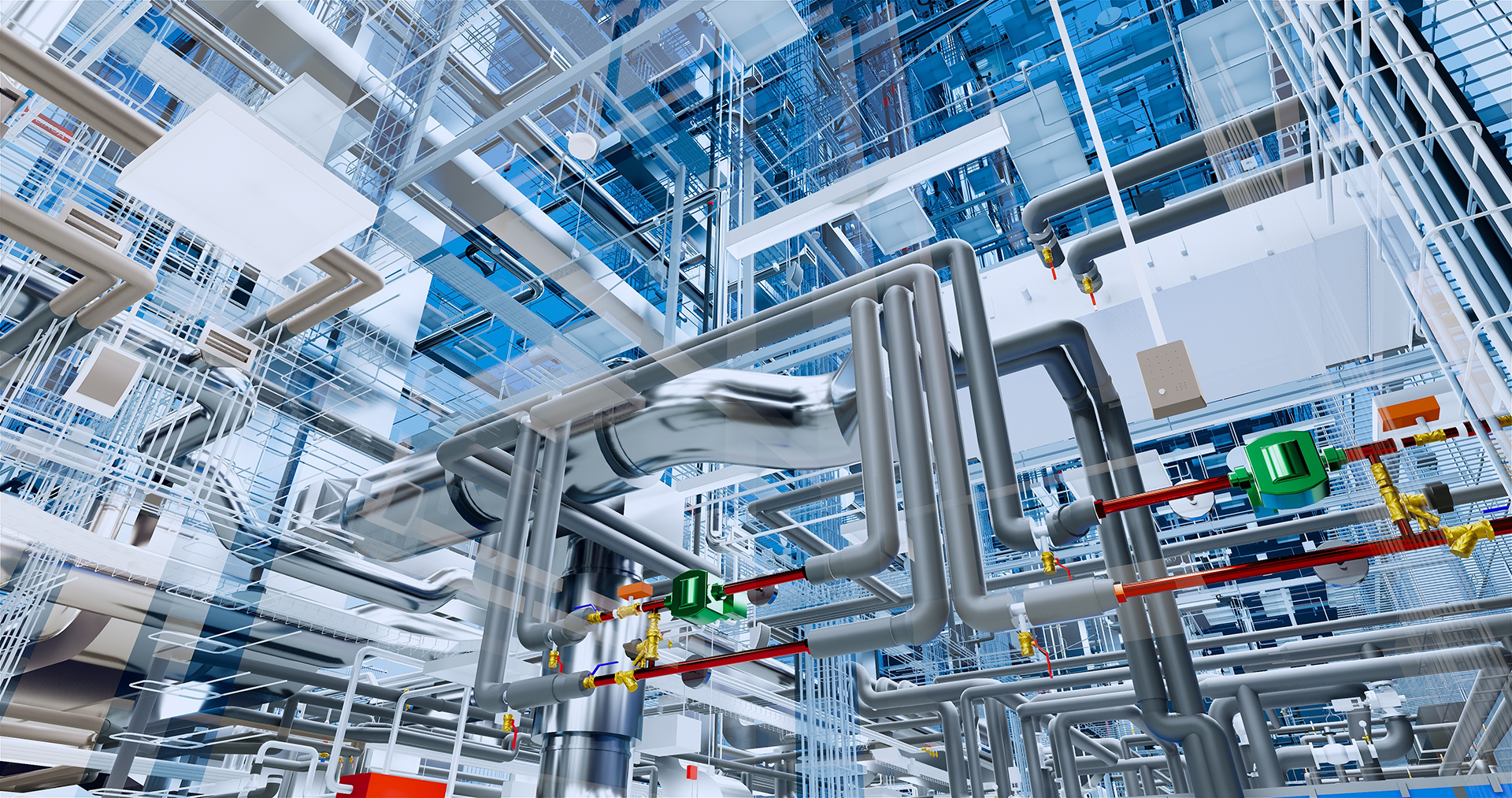
Unsupervised Buildings, BMS & Energy Management – A highly detailed image showcasing the complex network of pipes, cables, sensors, communication lines, and control connections found within a modern commercial building. The scene highlights the hidden technology infrastructure that enables Building Management Systems (BMS), energy management platforms, and building automation solutions to operate effectively in unsupervised buildings. The image features an intricate arrangement of mechanical services pipework, electrical infrastructure, network cabling, smart sensors, controllers, and high-level interface (HLI) connections linking critical building assets. Digital overlays display real-time operational data, energy consumption trends, alarms, temperatures, equipment status, and system performance metrics flowing between multiple building systems. Representing advanced commercial building technology used throughout Sydney, Melbourne, Canberra, Brisbane, Adelaide, and Perth, the image demonstrates how modern buildings can be remotely monitored, controlled, and optimised from a central operations platform. High-level interfaces connect HVAC systems, chillers, boilers, energy meters, lighting controls, generators, water systems, security platforms, and other essential assets into a single intelligent management environment. The visual conveys connectivity, automation, energy efficiency, operational resilience, and data-driven decision-making, illustrating how integrated building systems work together to reduce operating costs, improve occupant comfort, enhance sustainability outcomes, and support the successful operation of unsupervised commercial buildings.

AI and HVAC Optimisation

HVAC systems typically represent the largest energy consumer within a commercial building.

AI can continuously optimise:

  • Chiller sequencing
  • Boiler sequencing
  • AHU operation
  • Economy cycle control
  • Supply air temperatures
  • Condenser water temperatures
  • Occupancy schedules
  • Night purge strategies

Rather than operating equipment based on static settings, AI can adapt building operation in response to actual conditions.

The result is often:

  • Improved NABERS performance
  • Lower energy consumption
  • Improved occupant comfort
  • Reduced equipment wear
Human hands typing on a laptop keyboard while a transparent artificial intelligence head made of digital circuits and technology hovers above, representing AI-powered building automation, data analytics and smart building management.

Occupancy-Based Building Control

Many commercial buildings still operate according to fixed schedules.

AI can analyse occupancy data obtained from:

  • Access control systems
  • Lift usage
  • Wi-Fi connections
  • Occupancy sensors
  • Booking systems
  • Parking systems

This information allows buildings to dynamically adjust:

  • Air conditioning
  • Ventilation
  • Lighting
  • Escalator operation
  • Common area services

The result is a building that responds to actual usage rather than assumptions.
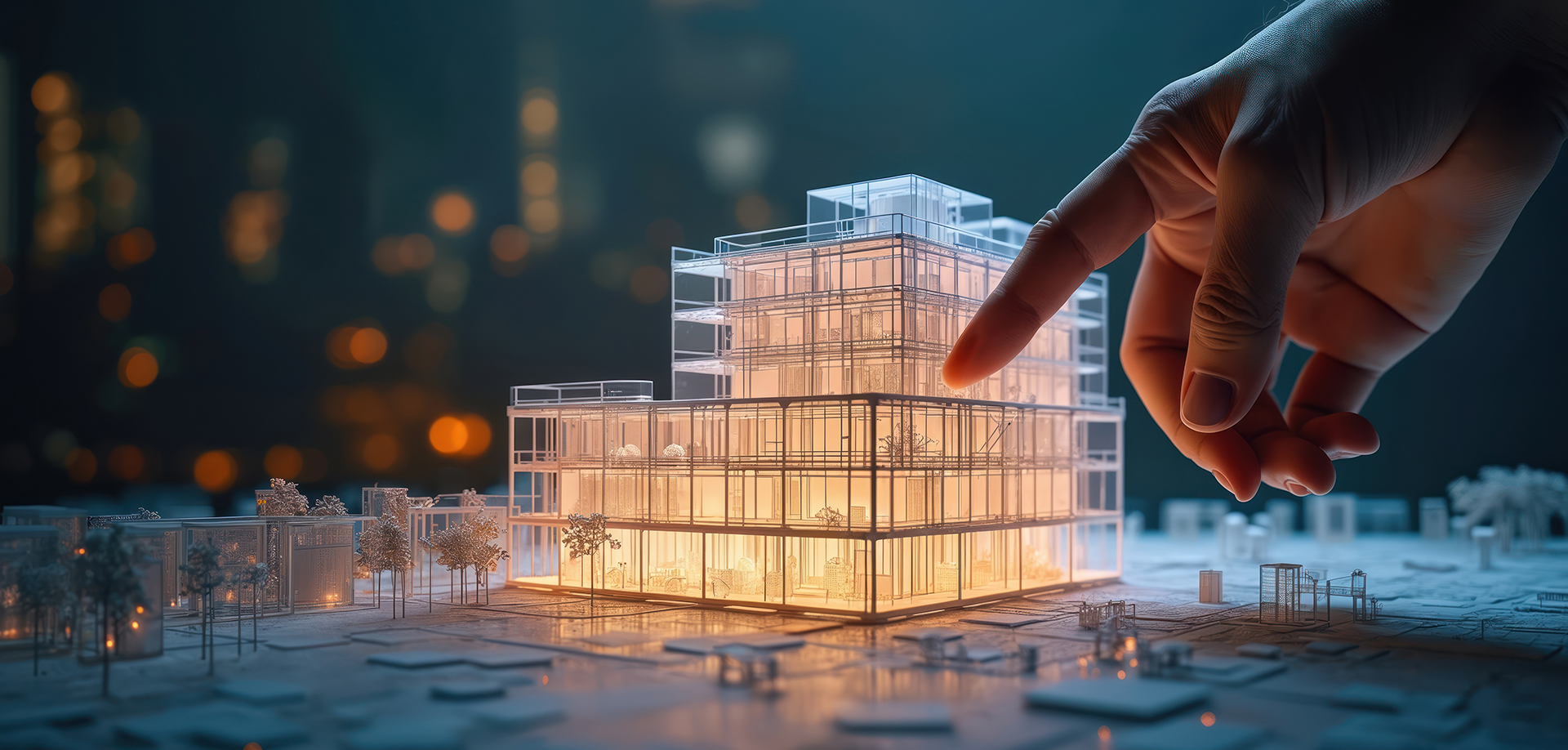
Unsupervised Building Technology Platform – Melbourne A futuristic transparent commercial building is displayed within a digital landscape of interconnected technology, data streams, and intelligent building systems. The semi-transparent structure reveals the inner workings of critical building services, including HVAC equipment, electrical infrastructure, fire systems, energy meters, lifts, security systems, and Building Management System (BMS) controls. Surrounding the building are glowing network connections, real-time analytics dashboards, cloud-based monitoring platforms, and digital communication pathways, symbolising continuous remote supervision and operational visibility. The image represents the modern evolution of unsupervised commercial buildings in Melbourne, where advanced automation, smart sensors, Internet of Things (IoT) devices, energy management systems, and integrated BMS technology work together to monitor and control building performance without the need for permanent on-site staff. Real-time alarms, fault detection diagnostics, predictive maintenance, contractor management, and asset performance analytics enable building owners and facility managers to maintain operational efficiency, reduce costs, improve tenant comfort, and minimise risk across commercial office buildings, retail centres, mixed-use developments, and industrial facilities. The transparent design highlights complete visibility into building operations, demonstrating how technology-driven facility management can transform traditional buildings into intelligent, remotely managed assets throughout Melbourne and beyond.

Energy Management and AI

AI can identify energy waste that is often difficult for operators to detect.

Examples include:

Simultaneous Heating and Cooling

AI can identify when systems are fighting each other.

Equipment Running After Hours

AI can detect equipment operating outside normal occupancy periods.

Excessive Base Loads

AI can identify unexplained overnight energy consumption.

Plant Inefficiencies

AI can compare current equipment performance against historical baselines.

Energy Spikes

AI can detect unusual consumption patterns and generate alerts before utility bills arrive.

For organisations focused on sustainability, ESG reporting or NABERS ratings, AI can provide valuable operational insights.

Abstract technology image showing a robotic hand reaching out to touch a human index finger, symbolising the connection between people and artificial intelligence. The background features dark blue digital networks, glowing lights, stars, and advanced technology concepts relevant to commercial buildings, automation, and smart infrastructure across Sydney, Melbourne, and Canberra.

Fault Detection and Diagnostics (FDD)

Modern AI platforms are increasingly being used for Fault Detection and Diagnostics.

These systems continuously analyse thousands of data points and identify:

  • Sensor failures
  • Calibration drift
  • Control loop instability
  • Damper failures
  • Valve failures
  • Communication faults
  • Equipment operating outside expected performance ranges

Instead of relying solely on alarms, AI can identify developing issues long before traditional alarm thresholds are reached.

Unsupervised Buildings – AI and Predictive Monitoring - A close-up image of an advanced microchip with the letters “AI” prominently displayed on its surface, symbolising the growing role of artificial intelligence in modern building operations. The chip is surrounded by intricate electronic circuits, digital pathways, and flowing data connections, representing the continuous stream of information collected from building systems and connected assets. The image illustrates how artificial intelligence can support the operation of unsupervised buildings by analysing large volumes of data from Building Management Systems (BMS), energy meters, HVAC equipment, water meters, occupancy sensors, lighting systems, generators, lifts, and other critical infrastructure. Digital overlays suggest real-time monitoring, predictive analytics, automated alarms, and intelligent decision-making. Rather than replacing building operators, the technology acts as an additional layer of insight, helping identify abnormal occupancy patterns, chiller efficiency drift, water consumption anomalies, unexpected energy spikes, equipment performance issues, and contractor attendance trends before they become costly problems. Machine learning algorithms continuously compare current performance against historical operating data to identify opportunities for improvement. Representative of the next generation of smart building technology being adopted throughout Sydney, Melbourne, Canberra, Brisbane, Adelaide, and Perth, the image conveys innovation, automation, predictive maintenance, energy optimisation, and data-driven building performance. It highlights how AI can transform building data into actionable intelligence, improving operational efficiency, reducing risk, and supporting the effective management of unsupervised commercial buildings.

AI for Unsupervised Buildings

Many modern buildings operate with minimal on-site staff.

Examples include:

  • Commercial office buildings
  • Regional shopping centres
  • Strata buildings
  • Car parks
  • Warehouses
  • Education facilities
  • Government facilities

AI can assist by providing:

This allows facility managers to focus on critical issues rather than manually reviewing trend logs and alarms.
WR8TECH delivers integrated Building Management Systems (BMS), HVAC automation, electrical infrastructure, and smart building technologies for commercial properties across Melbourne, Sydney, and Canberra. We specialise in connecting mechanical services, electrical systems, energy metering, controls, and automation platforms into a single intelligent building environment — improving operational visibility, energy efficiency, compliance, reliability, and long-term asset performance for facility managers, property owners, and commercial buildings.

Data Ownership and Vendor Lock-In

As AI adoption increases, building owners should carefully consider data ownership and system architecture.

Key considerations include:

  • Who owns the building data?
  • Can data be exported?
  • Is the AI platform vendor independent?
  • Does the system support open protocols?
  • Can future service providers access the system?
  • Is the building becoming dependent on a single vendor?

At WR8Tech, we believe building owners should retain control of their data and avoid unnecessary vendor lock-in wherever possible.

Open protocols such as BACnet, Modbus and MQTT help maintain flexibility as technology evolves.
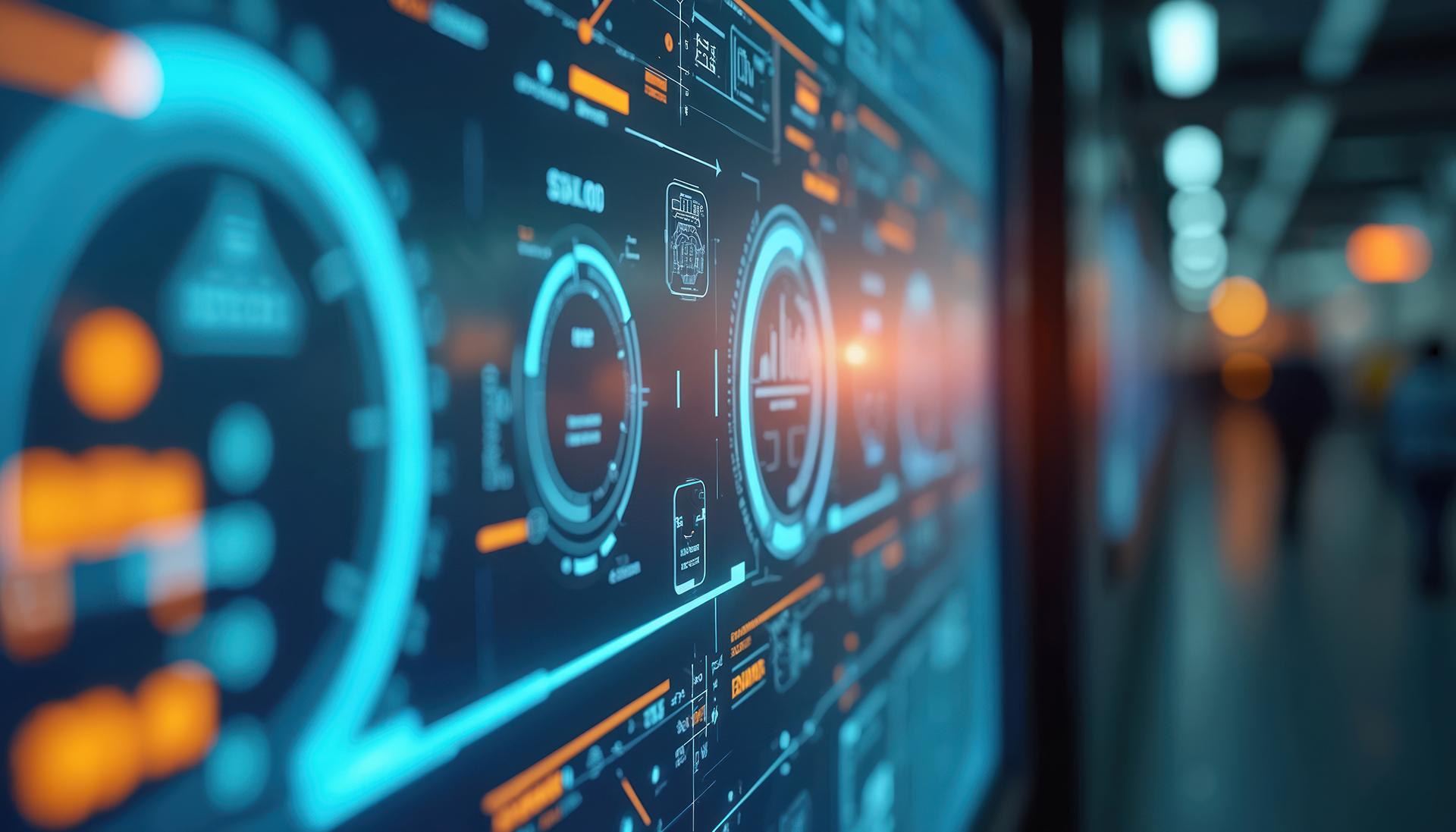
Advanced smart building interface displaying integrated HVAC electrical systems, Building Management System (BMS) controls, energy analytics, and real-time climate monitoring for a large commercial facility. The futuristic automation dashboard features live operational data, temperature control graphs, energy performance metrics, and intelligent building controls designed to optimise HVAC efficiency, occupant comfort, and building performance. WR8TECH specialises in smart building technology, integrated HVAC automation, electrical infrastructure, and energy-efficient Building Management Systems for commercial properties across Melbourne, Sydney, and Canberra.

The Future of AI in Commercial Buildings

The next generation of buildings will increasingly utilise AI to assist with:

  • Predictive maintenance
  • Energy optimisation
  • Automated fault detection
  • Occupancy management
  • Asset lifecycle planning
  • Sustainability reporting
  • Contractor performance monitoring
  • Portfolio-wide building analytics

The objective is not to remove people from building operations.

The objective is to provide building owners and facility managers with better information, faster decision making and improved building performance.

How WR8Tech Can Help

WR8Tech assists building owners, facility managers and strata managers with:

  • Building Management Systems (BMS)
  • HVAC Controls and Automation
  • Energy Metering Systems
  • Building Analytics
  • Fault Detection and Diagnostics
  • Legacy System Upgrades
  • Open Protocol Integration
  • Building Performance Reviews
  • Smart Building Strategies
  • AI Readiness Assessments

Whether you are considering AI for a new development or looking to extract greater value from an existing Building Management System, our team can help identify practical opportunities that deliver measurable outcomes.

Is Your Building Ready for AI?

Many commercial buildings already have the data required for AI-driven optimisation but are not yet using it effectively.

Contact WR8Tech to discuss your Building Management System, HVAC controls, energy metering and building analytics strategy and discover how intelligent building technologies may improve operational performance, reduce energy costs and support long-term asset value.

Customer Details

Name

G-Q8ZWYZD3WQ