Legacy Pneumatic HVAC Controls
Modernising Aging Pneumatic HVAC Systems in Commercial Buildings
Many commercial buildings throughout Sydney, Melbourne, Canberra, and regional Australia still rely on legacy pneumatic HVAC control systems originally installed decades ago. While these systems were considered highly advanced in their day, many buildings are now experiencing increasing problems associated with aging pneumatic infrastructure, poor control accuracy, rising maintenance costs, spare parts availability, and integration limitations with modern Building Management Systems (BMS).
At WR8TECH, we specialise in the assessment, troubleshooting, integration, and staged modernisation of older pneumatic HVAC control systems. Our focus is not simply replacing equipment for the sake of replacement. Instead, we work with landlords, facility managers, strata managers, and building owners to develop practical upgrade strategies that improve operational performance while protecting existing mechanical assets and reducing unnecessary capital expenditure.
Many older commercial buildings still contain valuable HVAC infrastructure including large control valves, substantial damper assemblies, air handling systems, chilled water systems, and mechanical plant that can continue operating effectively when paired with properly engineered modern control strategies.
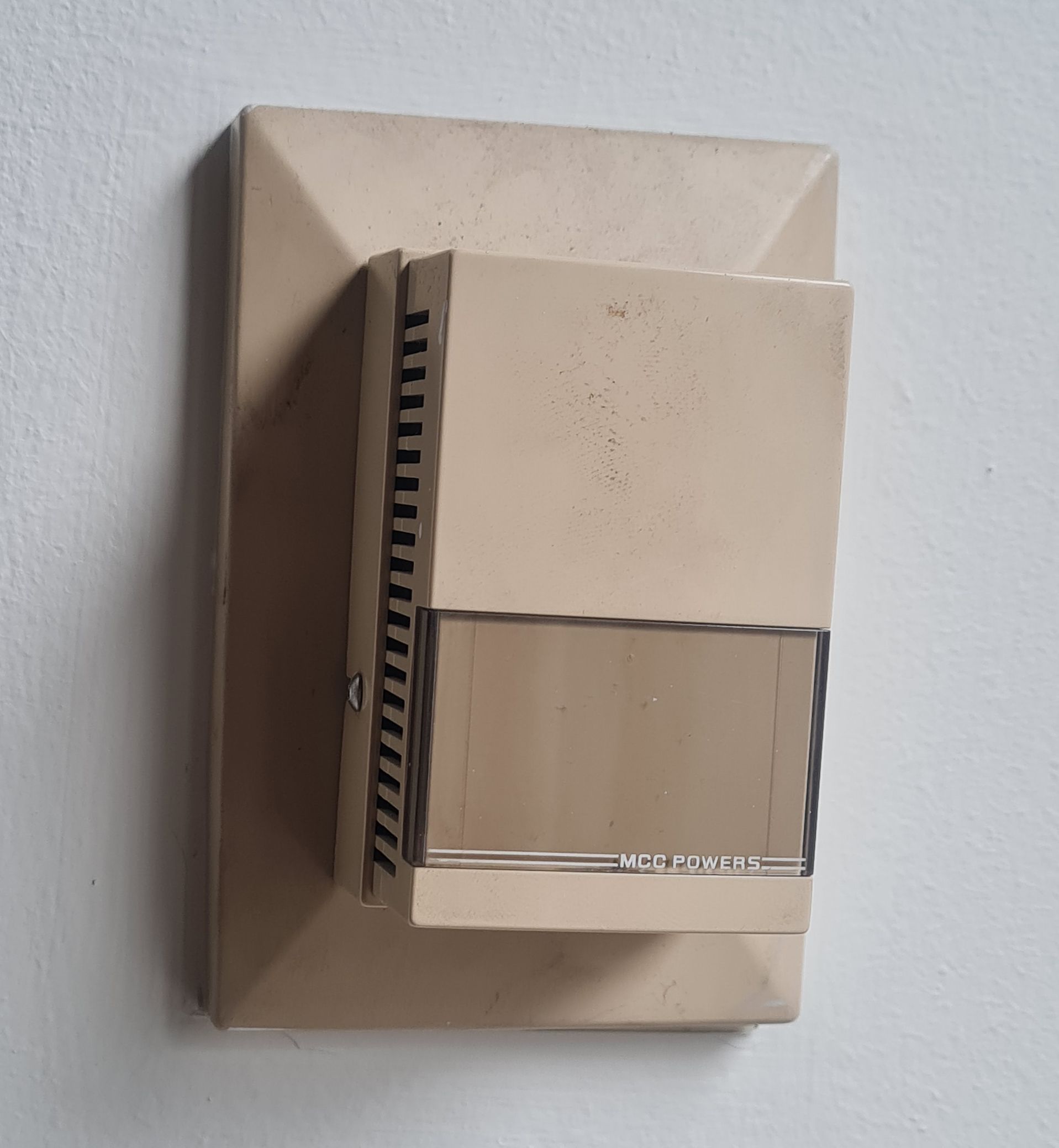
What Are Pneumatic HVAC Controls?
Back through the 1960s, 1970s, and into the 1980s, pneumatic HVAC controls were one of the dominant forms of building automation throughout commercial property.
Major controls manufacturers such as:
- Honeywell
- Johnson Controls
- Landis & Gyr
- Tour & Andersson
developed extensive pneumatic control product ranges that became standard across commercial office buildings, hospitals, shopping centres, universities, government facilities, and large residential developments.
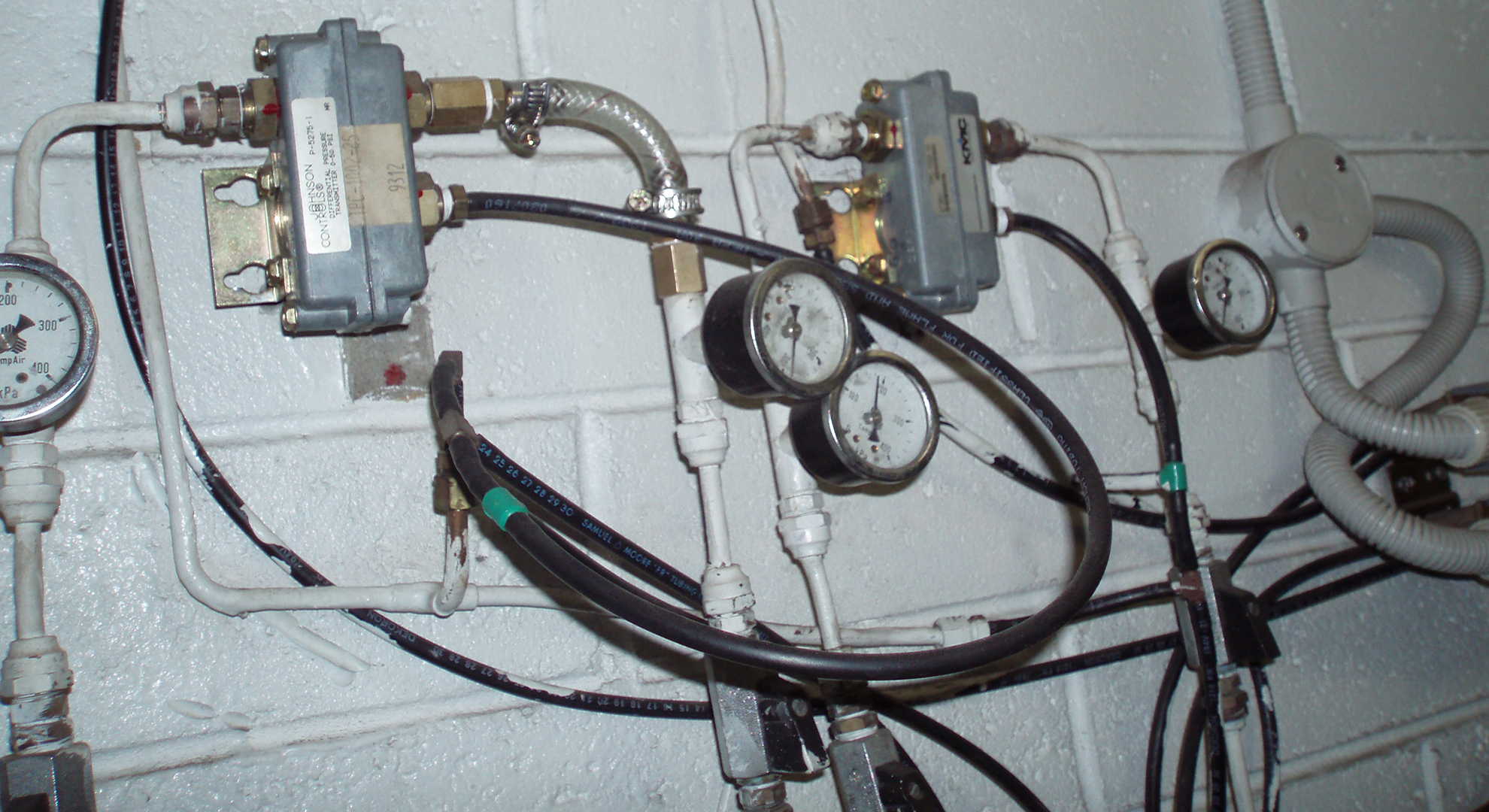
These systems operated using compressed air as the control medium. Instead of electronic signals travelling between field devices, thermostats, valves, and dampers, pneumatic systems transmitted pressure signals through copper or plastic pneumatic tubing installed throughout the building.
The systems themselves were remarkably innovative for their time and introduced many of the control philosophies still used today in modern digital Building Management Systems.
Pneumatic systems commonly controlled:
- Airflow
- Space temperature
- Chilled water valves
- Heating hot water systems
- Damper positioning
- Fan operation
- Plant sequencing
- Static pressure control
- Outside air regulation
In many respects, the logic and operational strategies developed during the pneumatic era laid the foundation for modern electronic and digital HVAC controls.
Why Pneumatic Systems Were So Widely Used
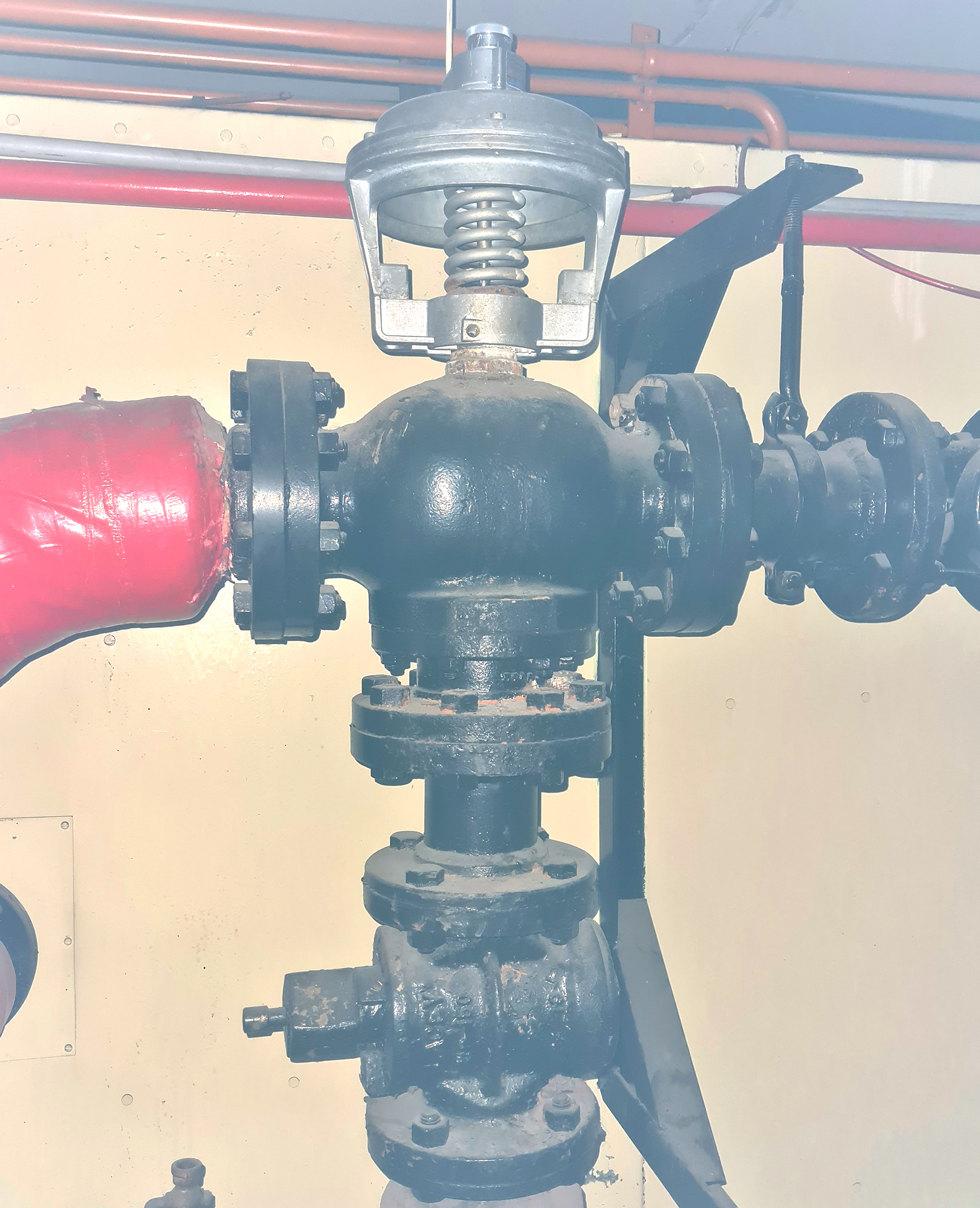
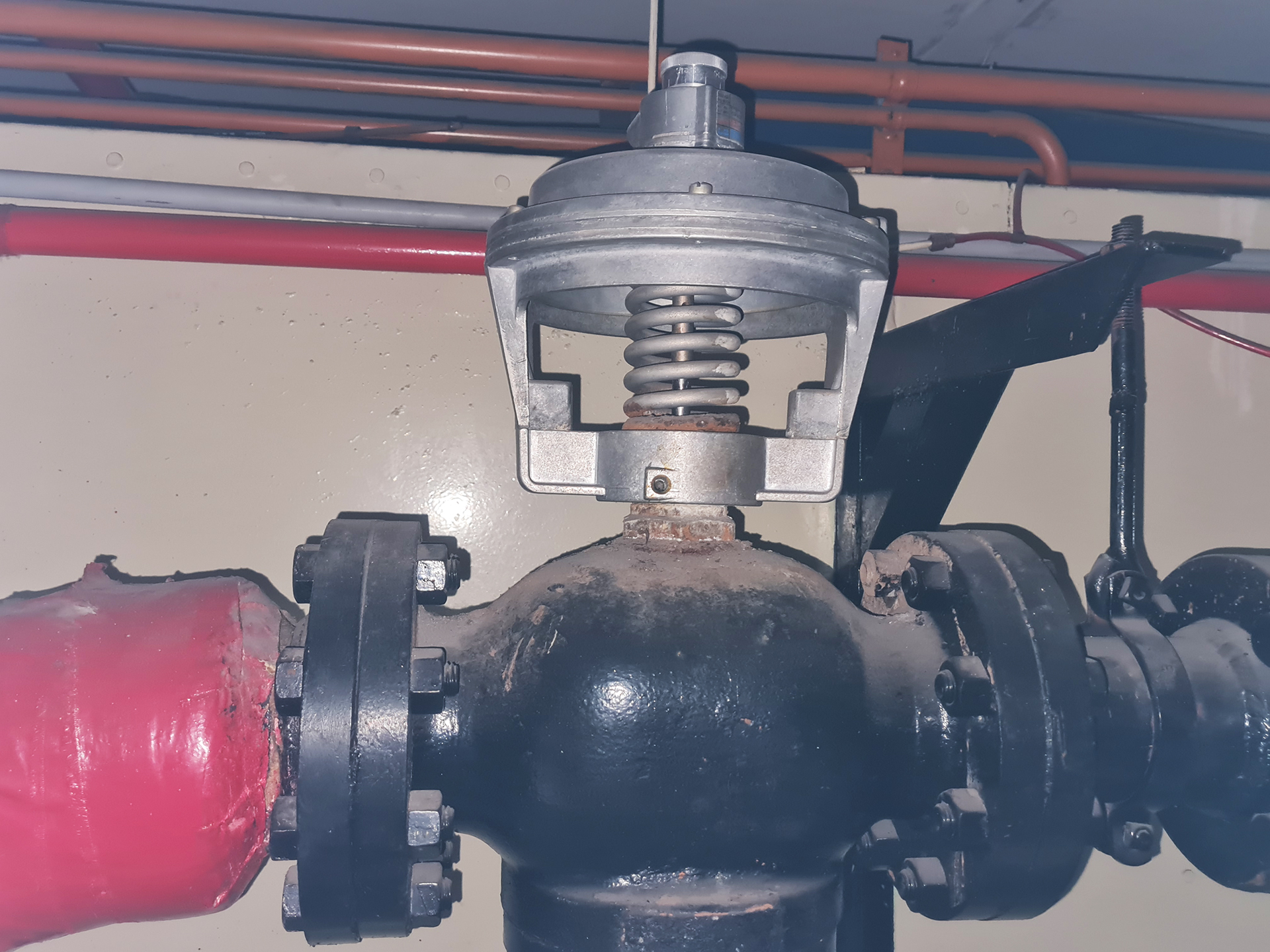
One of the major advantages of pneumatic systems was their ability to produce significant physical force through large pneumatic actuators. This allowed building systems to operate large valves and damper assemblies that electronic actuators of the time often struggled to manage reliably.
Pneumatic systems were also relatively robust in harsh plantroom environments and, for many years, represented one of the only practical large-scale commercial HVAC control solutions available.
However, pneumatic systems also carried several major disadvantages.
They required constant maintenance. Over time:
- Pneumatic lines developed leaks
- Moisture entered air lines
- Compressors failed or tripped
- Regulators drifted out of calibration
- Sensors became inaccurate
- Pneumatic actuators fatigued
- Branch line pressures fluctuated
Even a minor pressure variation of 1 PSI could significantly affect control stability and actuator positioning. As buildings aged, maintaining stable and accurate control became increasingly difficult.
Eventually, building owners began moving toward electronic systems because they offered:
- More advanced scheduling and optimisation
- Improved control accuracy
- Lower maintenance requirements
- Better energy efficiency
- Greater integration capability
- Improved monitoring
The Evolution from Pneumatic to Electronic Controls
One of the major challenges faced during early building upgrades was that landlords and building owners did not necessarily want to replace large mechanical valves, dampers, and actuator assemblies that were still mechanically sound.
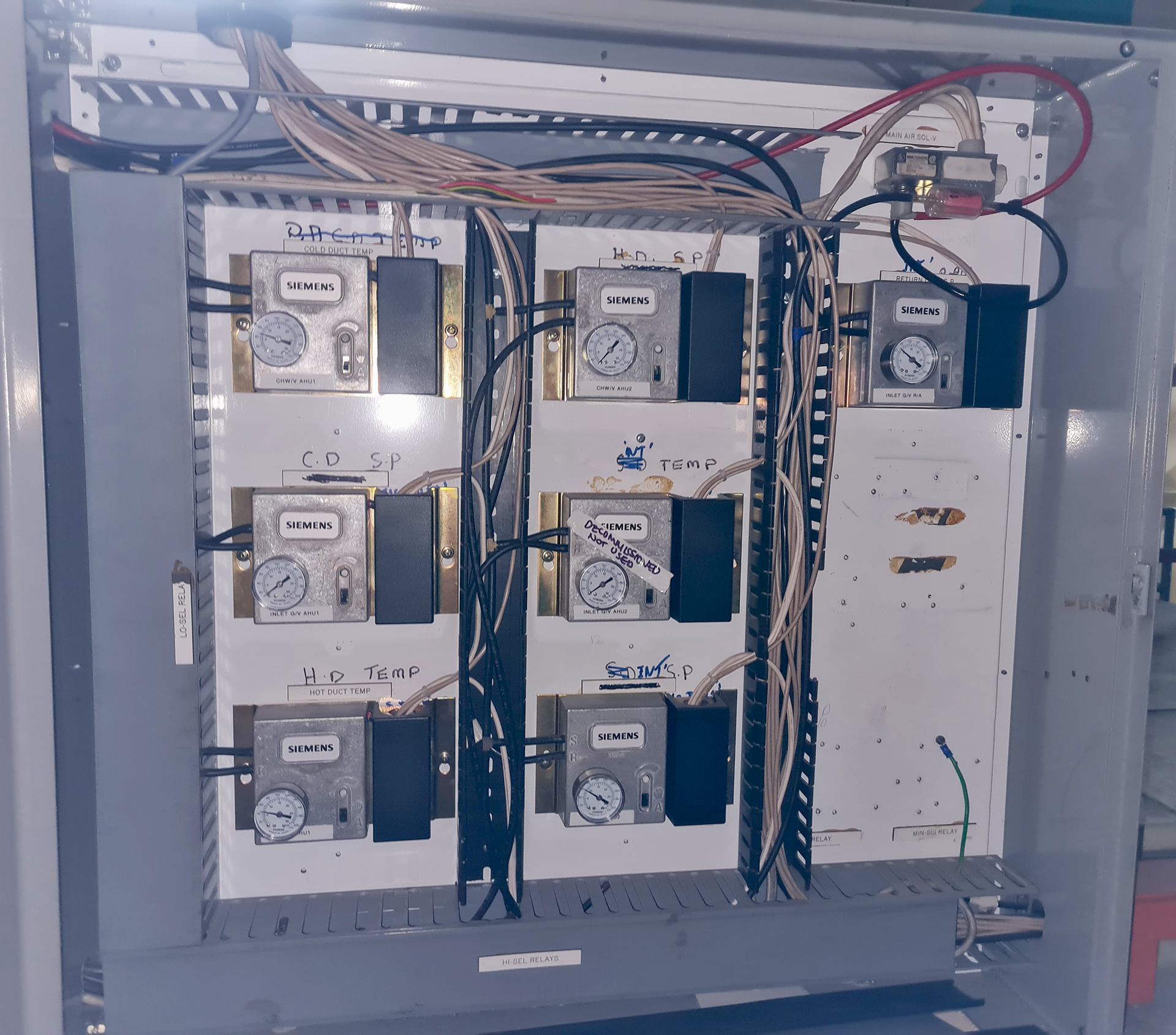
As a result, the industry developed hybrid control solutions using EP (Electric-to-Pneumatic) transducers.
These devices converted electronic signals such as:
- 2–10VDC
- 4–20mA
into pneumatic pressure signals such as:
- 0–24 PSI
This allowed buildings to progressively modernise their control systems while retaining large pneumatic field devices and existing mechanical infrastructure.
In many buildings today, WR8TECH still encounters:
- Hybrid pneumatic/electronic systems
- Partial BMS upgrades
- Pneumatic VAV systems
- Pneumatic valve control
- Electronic supervisory systems controlling pneumatic field infrastructure
Over time, many original pneumatic actuators and valves eventually reached end of life and were progressively replaced with fully electronic actuator and valve assemblies. However, a large number of buildings across Australia still contain significant pneumatic infrastructure that remains operational.
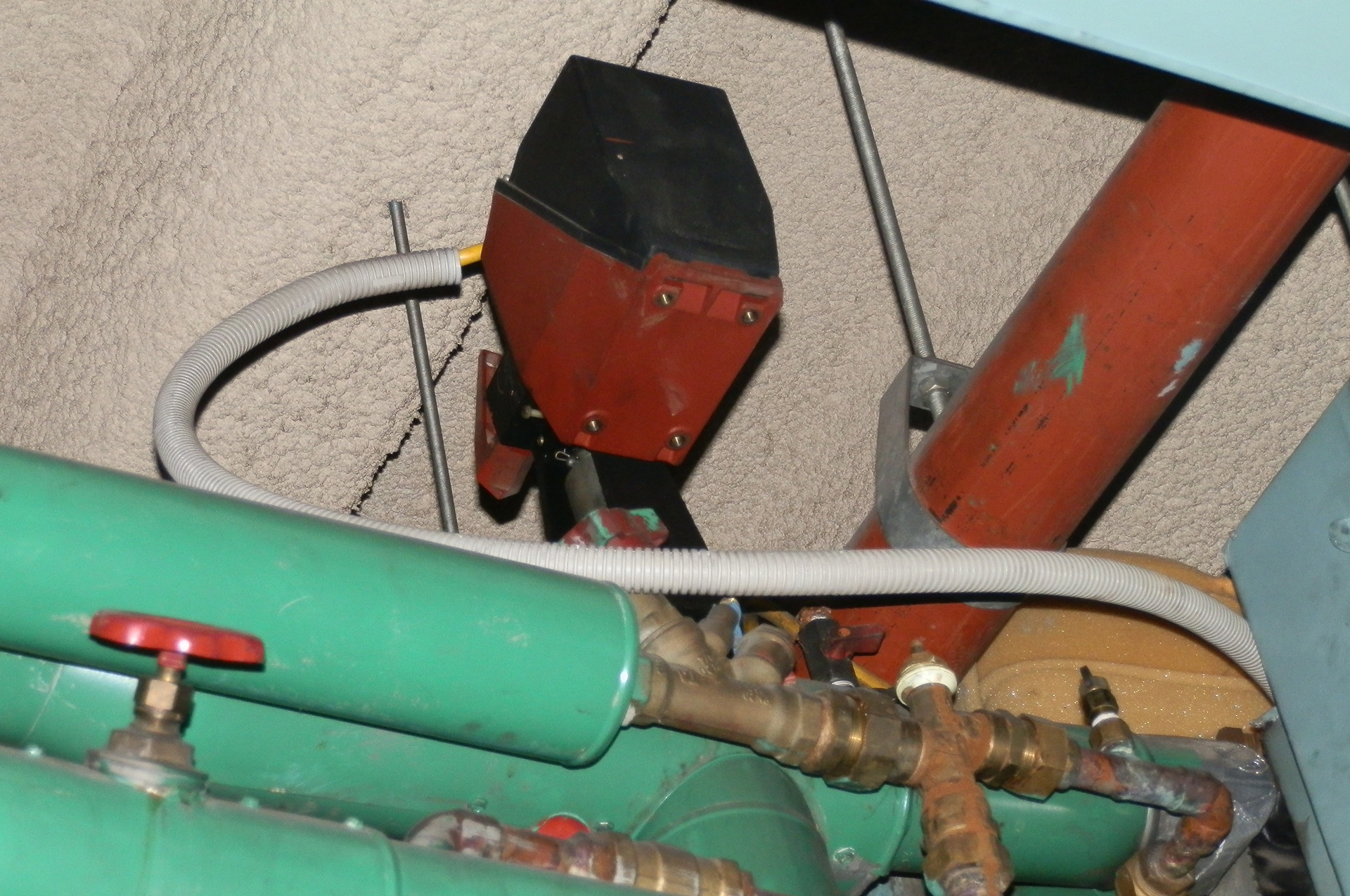
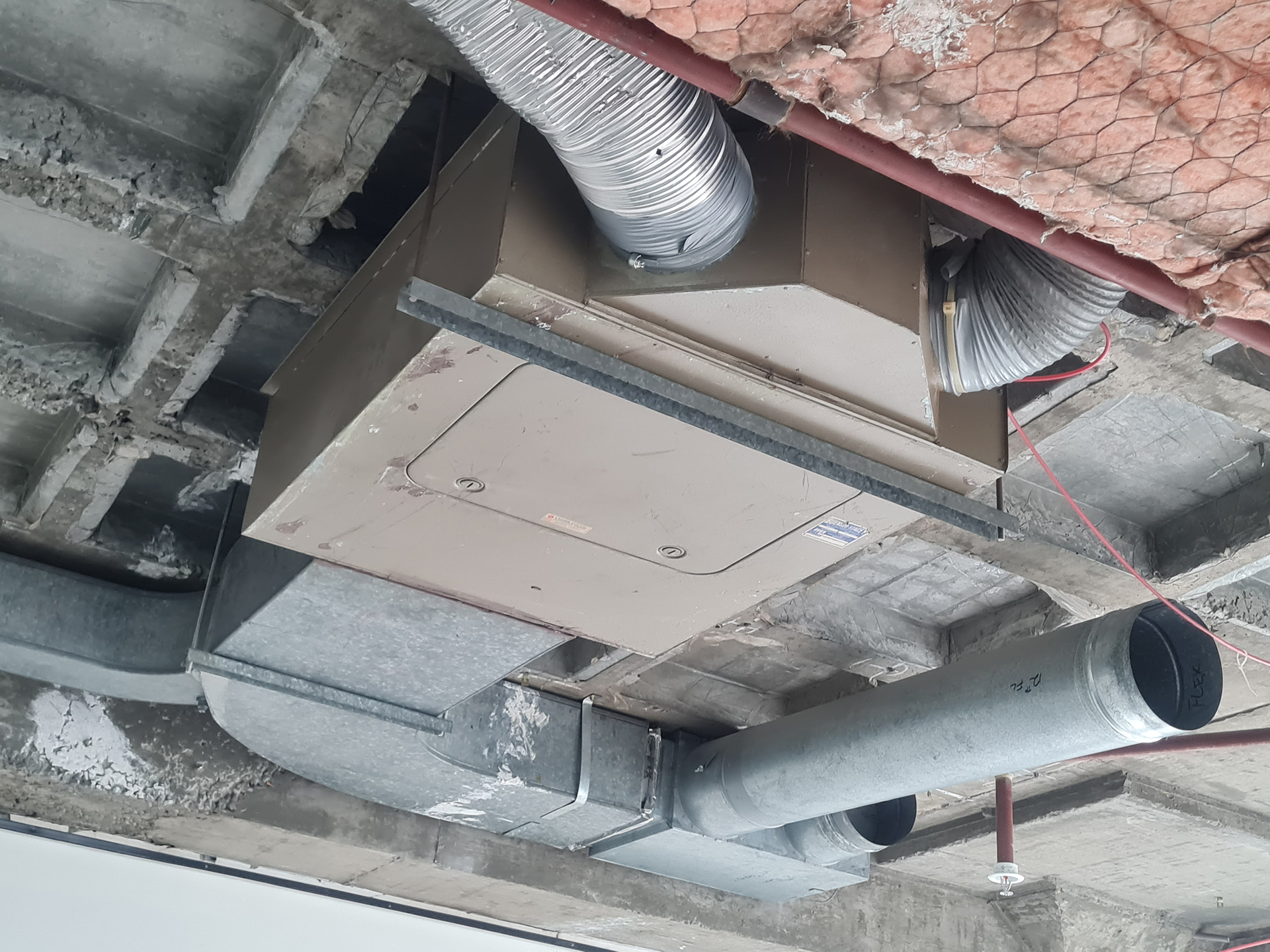
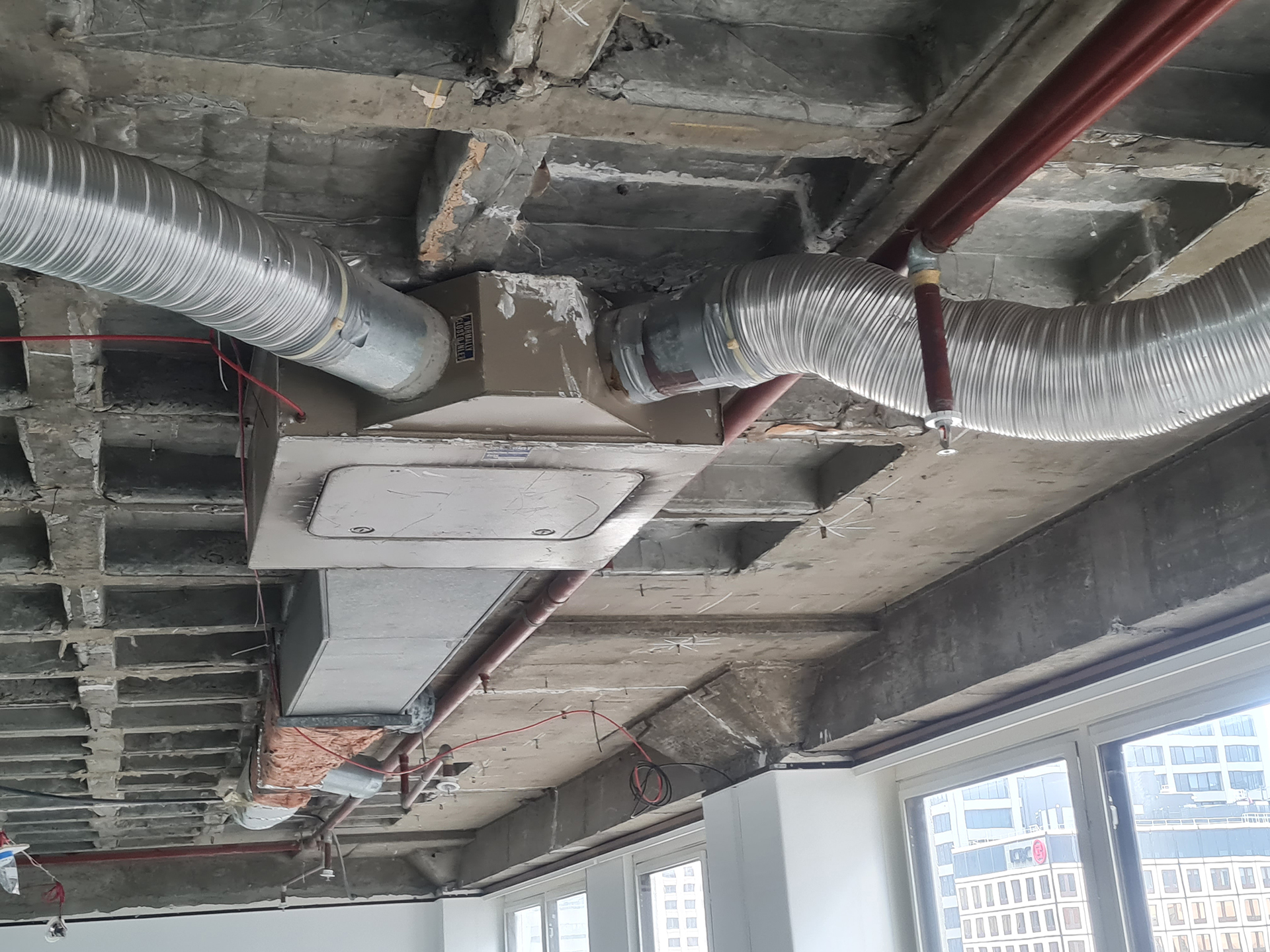
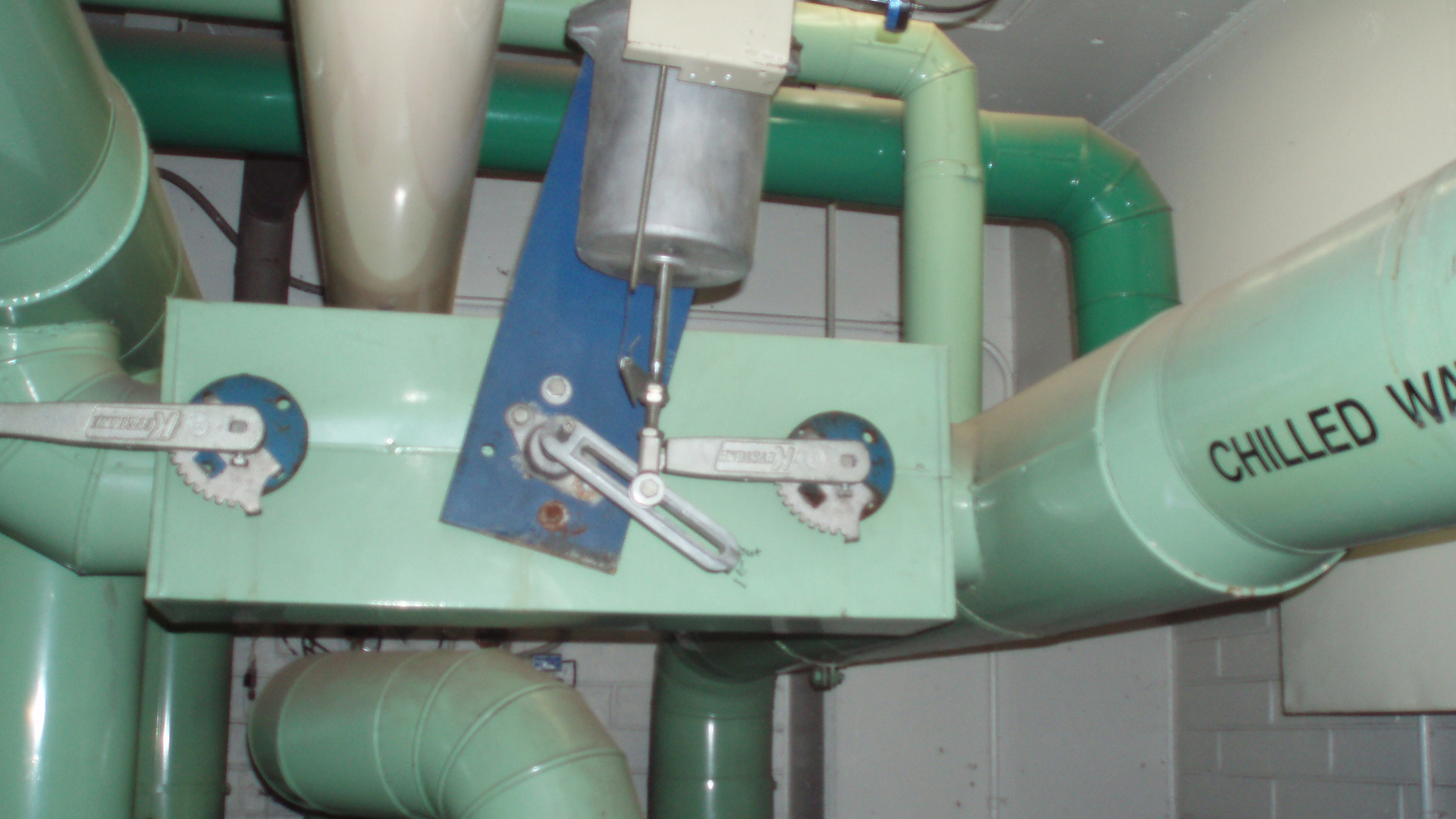
The Photos to the left:
In many HVAC systems installed during the 1960s and early 1970s, conditioned air was often controlled through a mixing box arrangement. Hot air entered the box from one side and cool air from the other, with an internal damper modulating between the two air streams. The damper was commonly controlled by a pneumatic signal from a wall-mounted room thermostat or sensor, allowing the box to deliver warmer or cooler air depending on space temperature demand.
While this was a practical control method at the time, it was not particularly energy efficient. These systems often involved simultaneous heating and cooling, higher fan energy, constant air volumes, pneumatic control drift, air leakage, and ongoing maintenance of dampers, actuators, sensors and tubing.
Over time, these older dual-duct and mixing box systems were progressively replaced by more efficient primary air systems using Variable Air Volume boxes. VAV systems allowed airflow to be reduced when demand was lower, improving energy performance, comfort control and maintainability across commercial buildings.
How Pneumatic HVAC Controls Work
Pneumatic HVAC control systems operate using compressed control air distributed throughout the building.
Air pressure is used as the signal medium between:
- Thermostats
- Controllers
- Relays
- Actuators
- Valves
- Dampers
- Receiver controllers
- Field devices
The control system interprets changing temperatures, pressures, and operating conditions and adjusts HVAC equipment accordingly.
Pneumatic systems can regulate:
- Temperature control
- Airflow volumes
- Chilled water flow
- Heating water flow
- Static pressure
- Fan operation
- Outside air dampers
- Economiser functions
- Zone control
In theory, the entire HVAC system operates automatically without human intervention, maintaining comfort conditions and plant performance throughout the building.
Common Problems with Aging Pneumatic Systems
As buildings age, pneumatic HVAC systems often begin suffering from gradual deterioration across both the control infrastructure and mechanical field devices.
WR8TECH regularly encounters:
- Air leaks within branch lines
- Compressor reliability issues
- Calibration drift
- Failing pneumatic actuators
- Poor zone temperature control
- Pneumatic receiver failures
- Water contamination within air lines
- Damaged tubing networks
- Obsolete pneumatic devices
- Poorly maintained transducers
- Lack of documentation
- Previous upgrade works completed inconsistently
In many cases, the HVAC plant itself may still be mechanically operational, however the control system is no longer managing the building efficiently.
This often results in:
- Simultaneous heating and cooling
- Tenant complaints
- High energy consumption
- Unstable temperature control
- Excessive after-hours operation
- Poor plant sequencing
- Reduced NABERS performance
- Increased maintenance callouts
- Difficulty managing unsupervised buildings remotely
Many older pneumatic buildings continue operating inefficiently for years simply because the underlying control issues are poorly understood or incorrectly diagnosed.
Pneumatic Controls Modernisation
WR8TECH specialises in practical, staged pneumatic HVAC modernisation strategies that minimise tenant disruption while improving overall building performance.
Rather than immediately recommending full HVAC replacement, we assess the building holistically to determine:
- What infrastructure can remain
- What equipment should be upgraded
- What systems can be integrated
- Where energy performance improvements can be achieved
- How operational risk can be reduced
Our upgrade strategies may include:
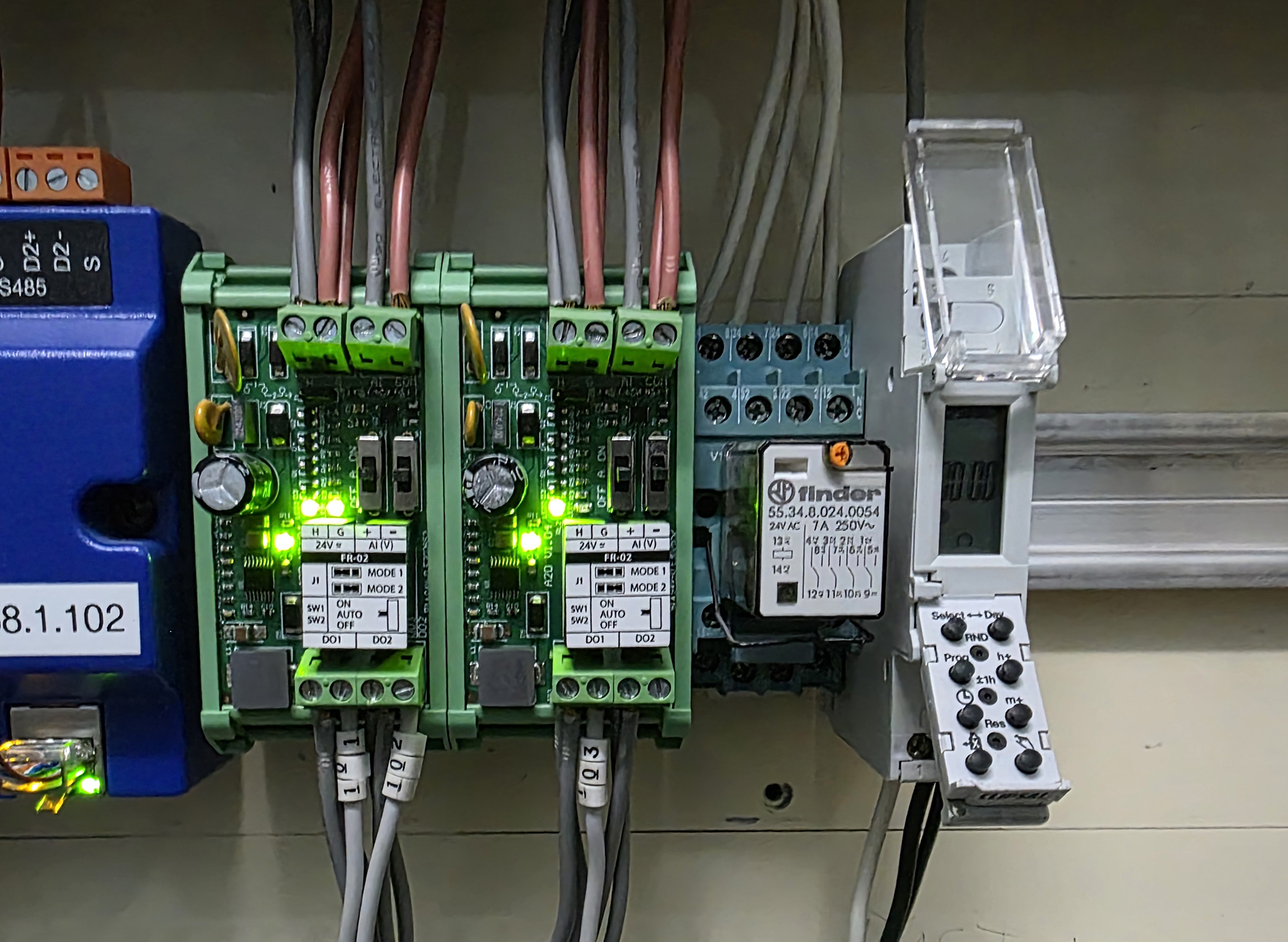
- Selective replacement of failed pneumatic devices
- Integration into modern BMS platforms
- Installation of BACnet or Modbus-enabled controls
- Niagara-based supervisory systems
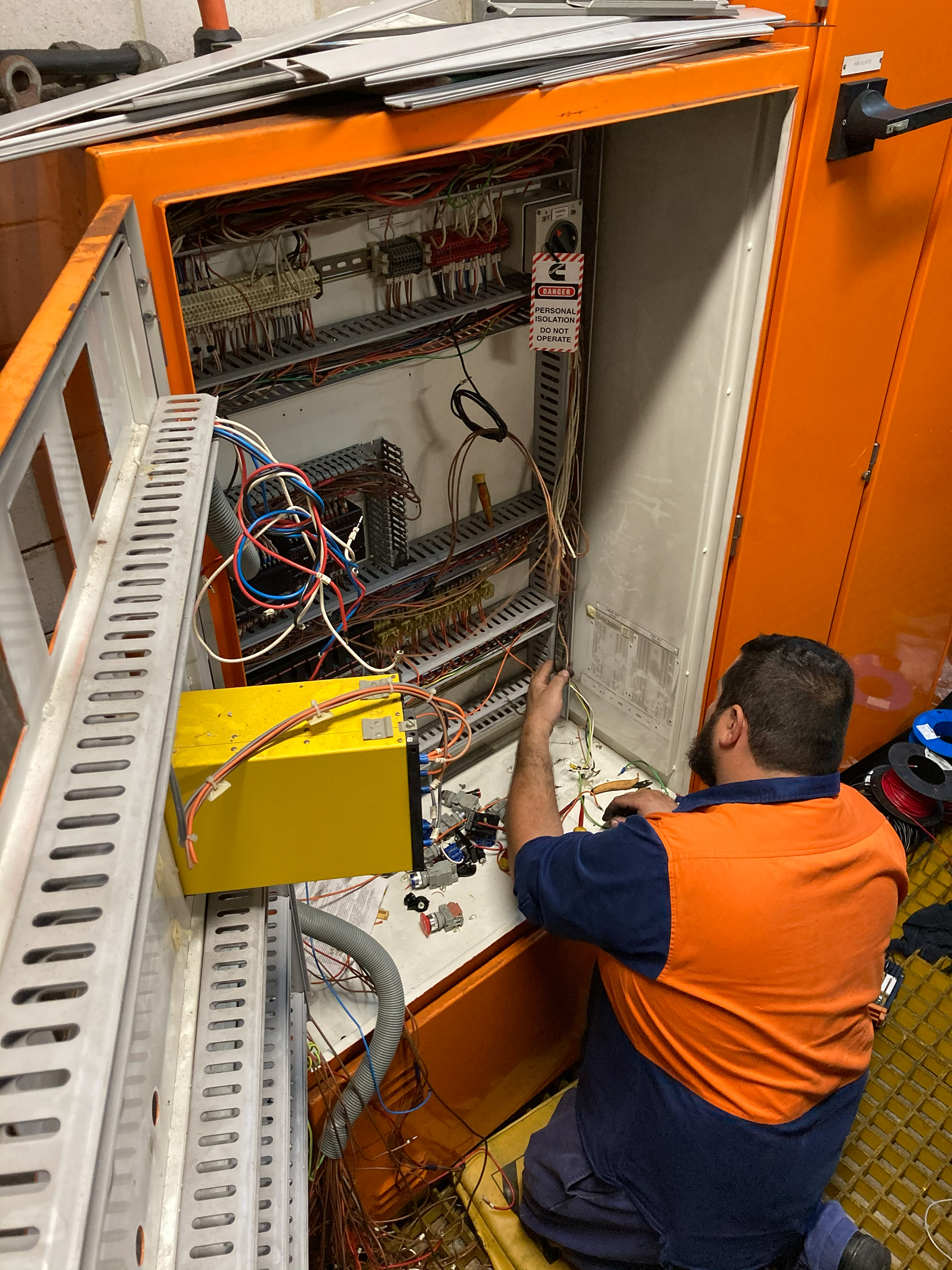
- Mechanical services switchboard upgrades
- Progressive electronic migration strategies
- Trend logging and energy monitoring
- Improved scheduling and optimisation logic
- Remote alarm and fault monitoring
This staged approach often delivers a significantly better commercial outcome compared to complete mechanical replacement, particularly in older commercial buildings where budgets, tenancy constraints, and operational continuity are major considerations.
Pneumatic Controls & BMS Integration
One of the largest operational problems in older pneumatic buildings is the lack of visibility and remote access.
Many buildings still operate using stand-alone pneumatic infrastructure with limited fault visibility, poor alarm management, and little operational data available to facility managers.
WR8TECH can integrate legacy pneumatic systems into modern open-protocol Building Management Systems using technologies such as:
- Tridium Niagara
- BACnet/IP
- BACnet MS/TP
- Modbus
- IP-based supervisory systems
This integration can provide:
- Centralised monitoring
- Remote system access
- Alarm management
- Energy trending
- Tenant comfort monitoring
- Improved scheduling
- Plant optimisation
- Fault visibility
- Operational reporting
Depending on the condition of the existing pneumatic infrastructure, the return on investment from controls modernisation can be extremely fast. In some buildings, operational savings and maintenance reductions may produce payback periods of less than twelve months.
There is also often an immediate asset value benefit, as building owners remove the operational burden and risk associated with aging pneumatic infrastructure.
Engineering-Led HVAC Control Strategies
WR8TECH approaches legacy HVAC controls from both an engineering and operational perspective.
We do not simply replace components. We assess the building as an integrated operational system.
This includes reviewing:
- Existing control philosophy
- Mechanical plant condition
- Control stability
- BMS capability
- Occupancy patterns
- After-hours operation
- Energy performance
- Asset lifecycle risks
- Upgrade feasibility
- Compliance considerations
This allows us to develop tailored upgrade pathways aligned with the operational requirements and budget constraints of the building.
Legacy Buildings Require Specialist Knowledge
Many technicians today have little exposure to pneumatic HVAC systems. As a result, older buildings are frequently bypassed, incorrectly modified, or operated inefficiently because the original control philosophy is no longer properly understood.
WR8TECH’s background across:
- HVAC controls
- Mechanical services electrical
- Building Management Systems
- Legacy controls infrastructure
- Integrated controls engineering
- Energy optimisation
- Open-protocol BMS systems
allows us to work effectively across both older and modern building environments.
Suitable Buildings
Our legacy pneumatic HVAC control services are particularly well suited to:
- Older commercial office buildings
- B and C grade commercial assets
- Shopping centres
- Hospitals and healthcare facilities
- Universities and education facilities
- Residential strata towers
- Industrial facilities
- Government buildings
- Mixed-use developments
- Unsupervised buildings
- Buildings undergoing staged upgrades
Many of these buildings continue to operate with partially modernised infrastructure where practical engineering integration is often more valuable than complete system replacement.
Why WR8TECH
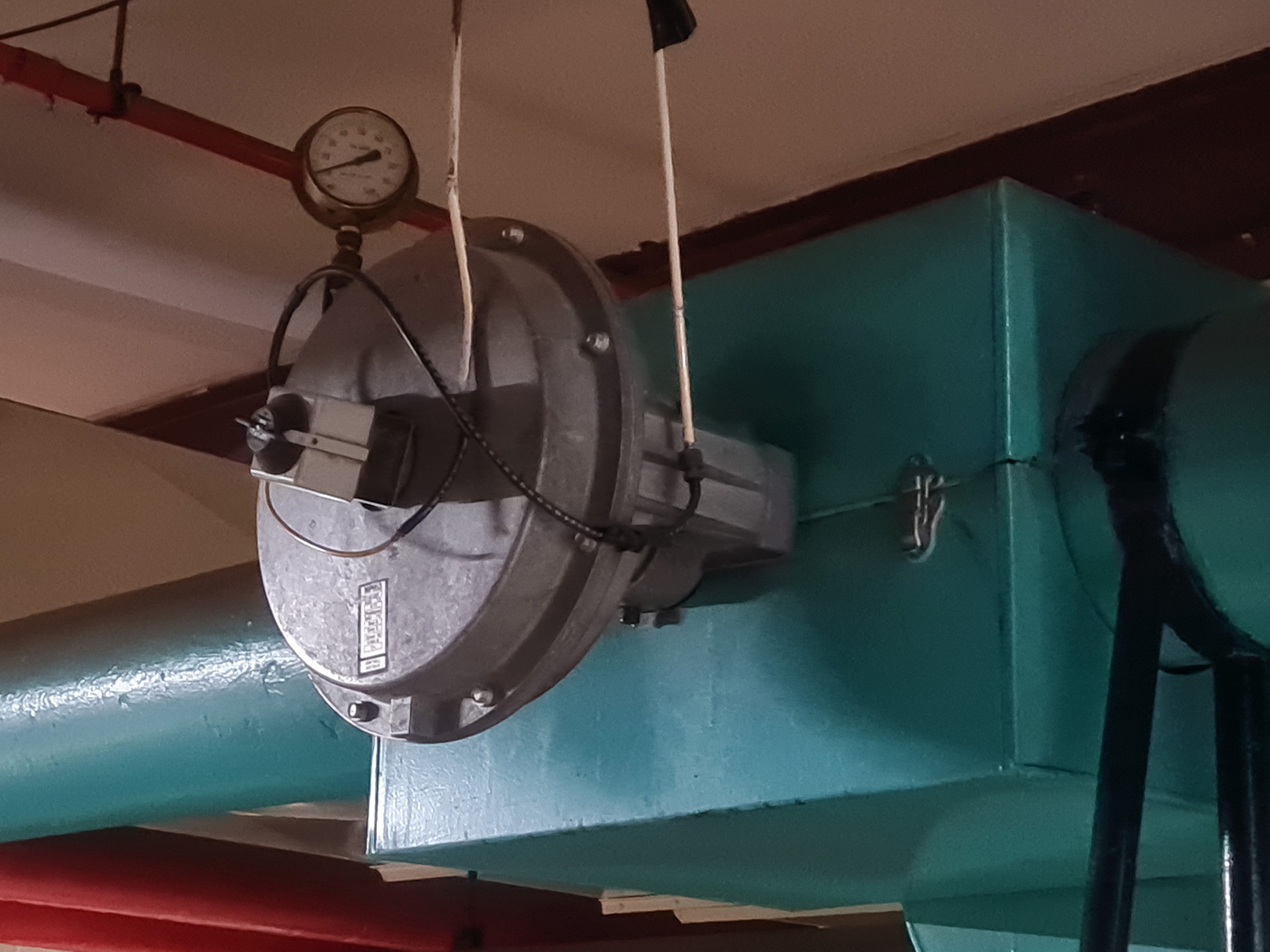
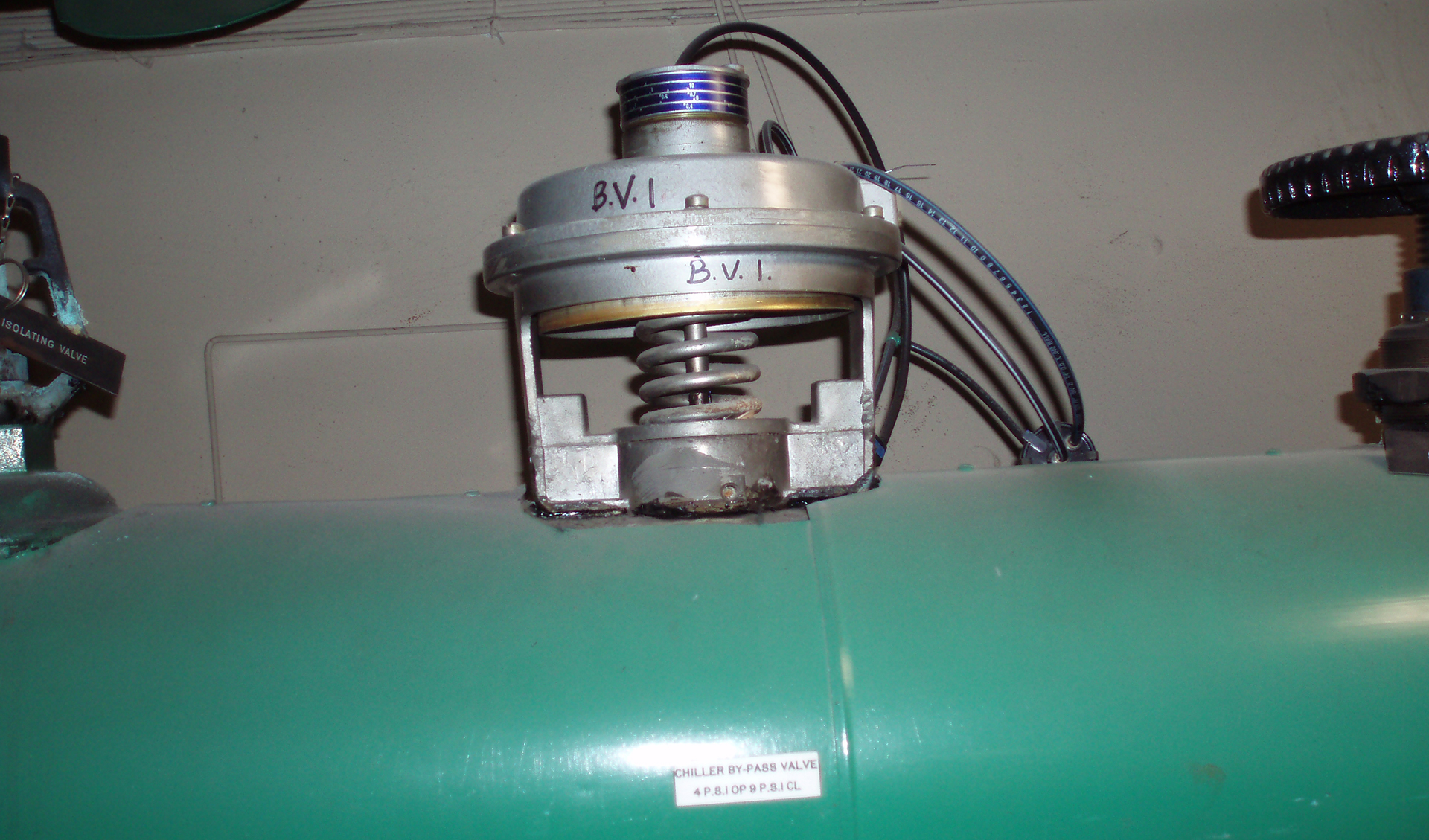
A note on the image above:
Pneumatic-to-Electric Switch Description
A pneumatic-to-electric switch is a control device used in older HVAC and building automation systems to convert a pneumatic air pressure signal into an electrical switching action.
The device contains a diaphragm that responds to changes in air pressure. As the pneumatic signal increases or decreases, the diaphragm moves and causes an electrical contact to either make or break. This allows pneumatic control signals to enable, disable, start, stop, prove, or interlock various HVAC field equipment.
These switches were commonly used with pneumatic temperature sensors, such as outside air sensors, return air sensors, or supply air duct sensors. The sensor adjusts the pneumatic pressure signal according to its set point and calibration. That pressure signal is then piped pneumatically to the switch, which operates the electrical contacts when the pressure reaches the required switching point.
This allowed older HVAC systems to control equipment such as fans, pumps, valves, dampers, boilers, chillers, and packaged plant using a combination of pneumatic sensing and electrical switching. While simple and effective for its time, these systems require careful calibration, clean compressed air, sound tubing, and regular maintenance to remain accurate and reliable.
WR8TECH combines:
- HVAC controls expertise
- Mechanical services electrical capability
- Open-protocol BMS integration
- Legacy systems knowledge
- Engineering-led troubleshooting
- Practical retrofit thinking
- Energy optimisation strategies
- Commercial building operational experience
We help building owners and facility managers modernise aging HVAC control systems without automatically defaulting to expensive full replacement strategies.
Talk to WR8TECH
If your building still operates with legacy pneumatic HVAC controls, WR8TECH can assist with:
- Pneumatic system troubleshooting
- HVAC controls modernisation
- Pneumatic to electronic migration
- BMS integration
- Energy optimisation
- HVAC control upgrades
- Technical audits
- Building performance reviews
Whether your objective is improving comfort, reducing operating costs, extending asset life, improving visibility, or preparing for staged upgrades, WR8TECH can help develop a practical and commercially viable pathway forward.