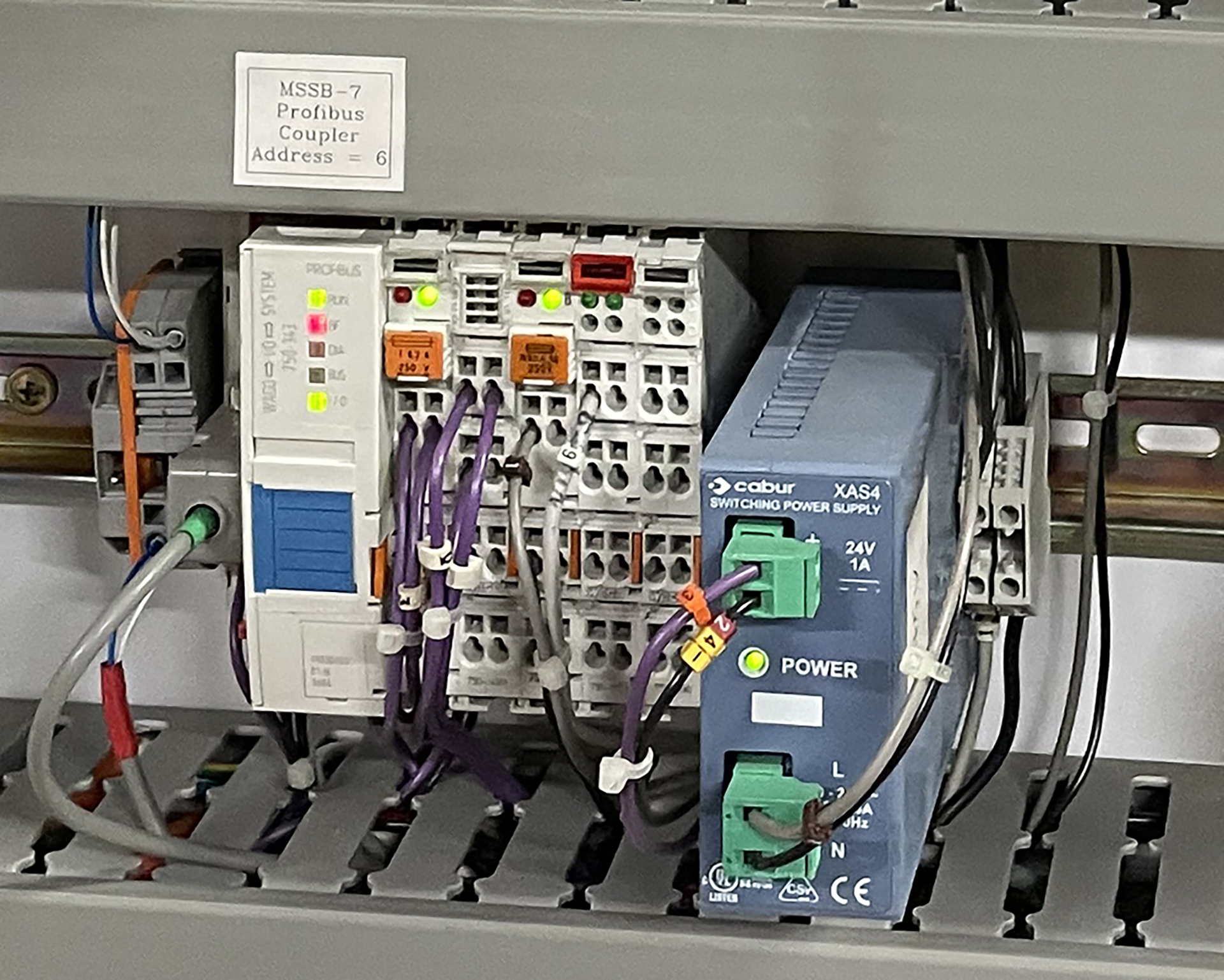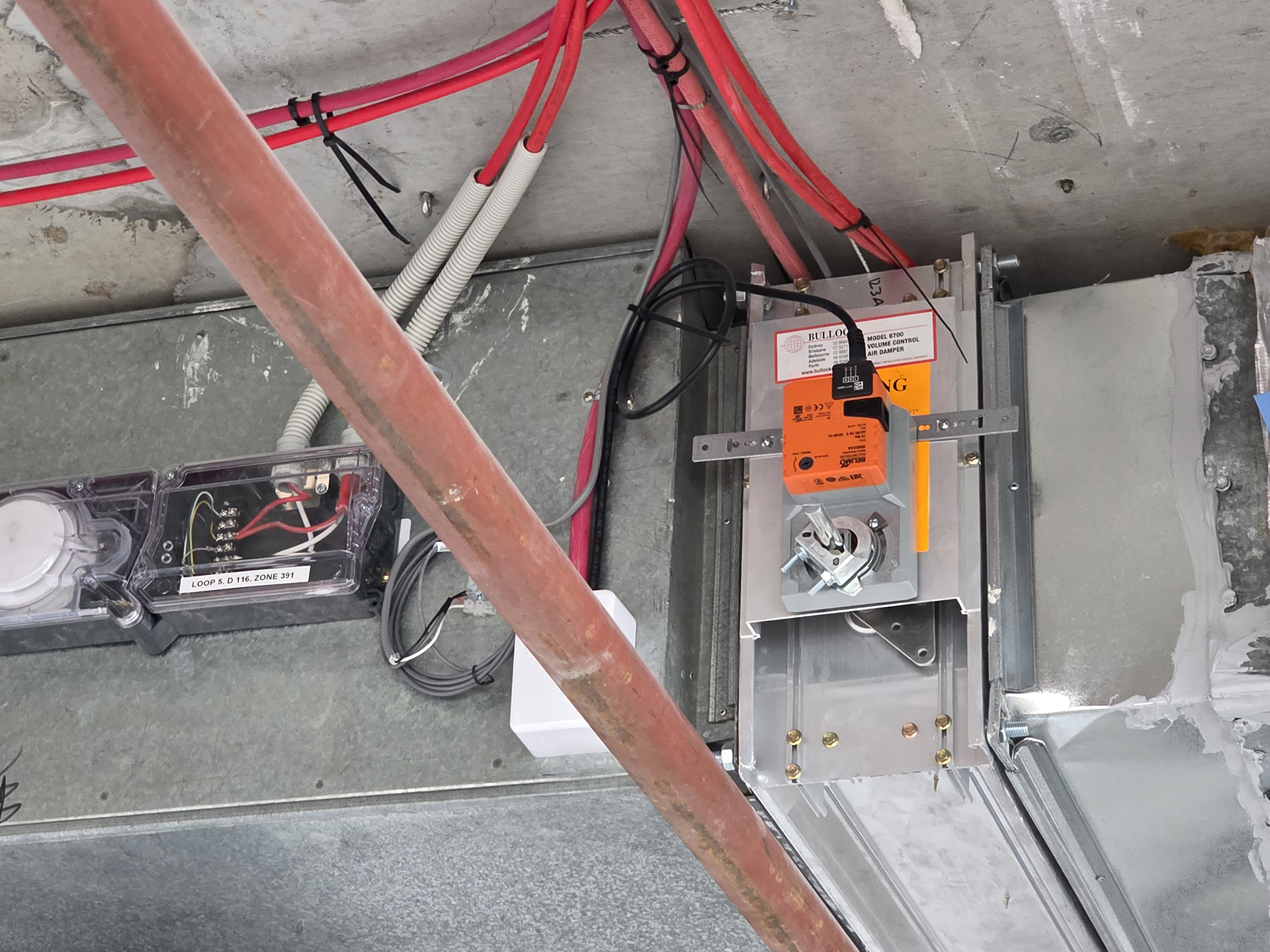
Major Asset BMS Monitoring
Optimising Your Building Management System to Successfully Steward Unsupervised Buildings
Consider an unsupervised building; for example, an underground car park in the heart of Sydney’s CBD. These types of facilities often operate without on-site staff, yet they still carry significant compliance obligations and operational risks.
In many cases, compliance requirements demand that critical infrastructure continue operating for a defined period during a power failure. A common requirement is two hours of uninterrupted power supply to major fixed infrastructure such as:
- Elevators and lift systems
- Emergency and general lighting
- Fire Indication Panel (FIP)
- Car park exhaust and supply air fans
- Smoke management systems
- Essential safety services
This level of resilience typically relies on major capital equipment such as generators, UPS systems, switchboards, and ventilation systems. These assets are critical not only for compliance, but also for safety, operational continuity, and asset protection.
The challenge becomes clear; how do you monitor and maintain these systems when the building is unsupervised?
This is where Building Management System (BMS) Monitoring becomes essential.
Whether the site is:
- An underground car park
- A data centre
- A commercial building
- A retail property on the edge of the city
- A plant room or infrastructure-only site
Major assets must be continuously monitored to ensure compliance, reliability, and early fault detection.
A properly configured BMS allows operators to monitor equipment remotely, generate alarms, and access system performance via secure IP access — including from a mobile phone or remote operations centre.
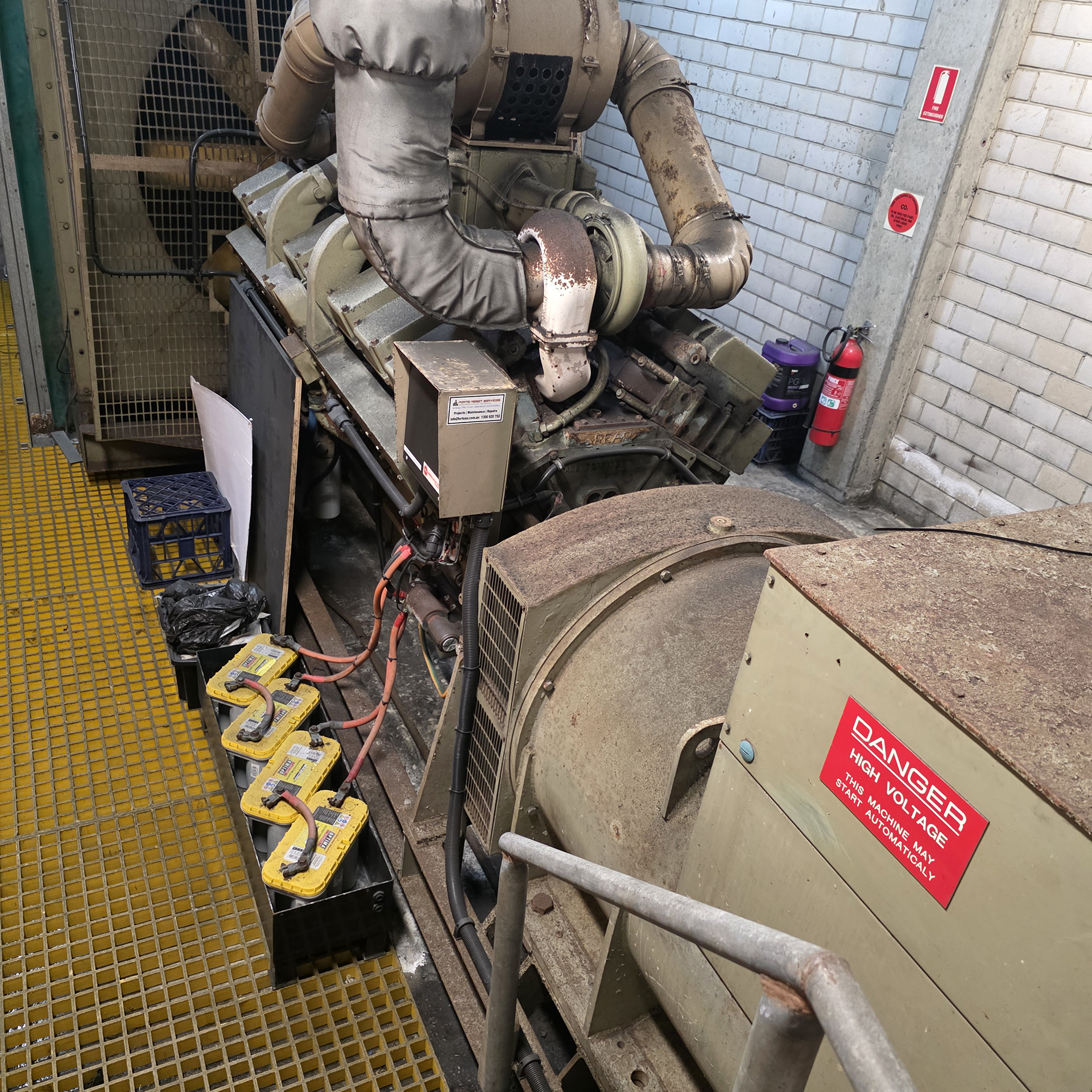
For example, when monitoring a standby generator, the following key points would typically be monitored, alarmed, and trended:
- Power status
- Fault status
- Running current
- Power factor
- Energy consumption (energy meters)
- Phase failure
- Battery charge condition
- Generator run status
- Fuel level (where applicable)
- Start failure alarms
- Maintenance hours
- Temperature alarms
- Load status
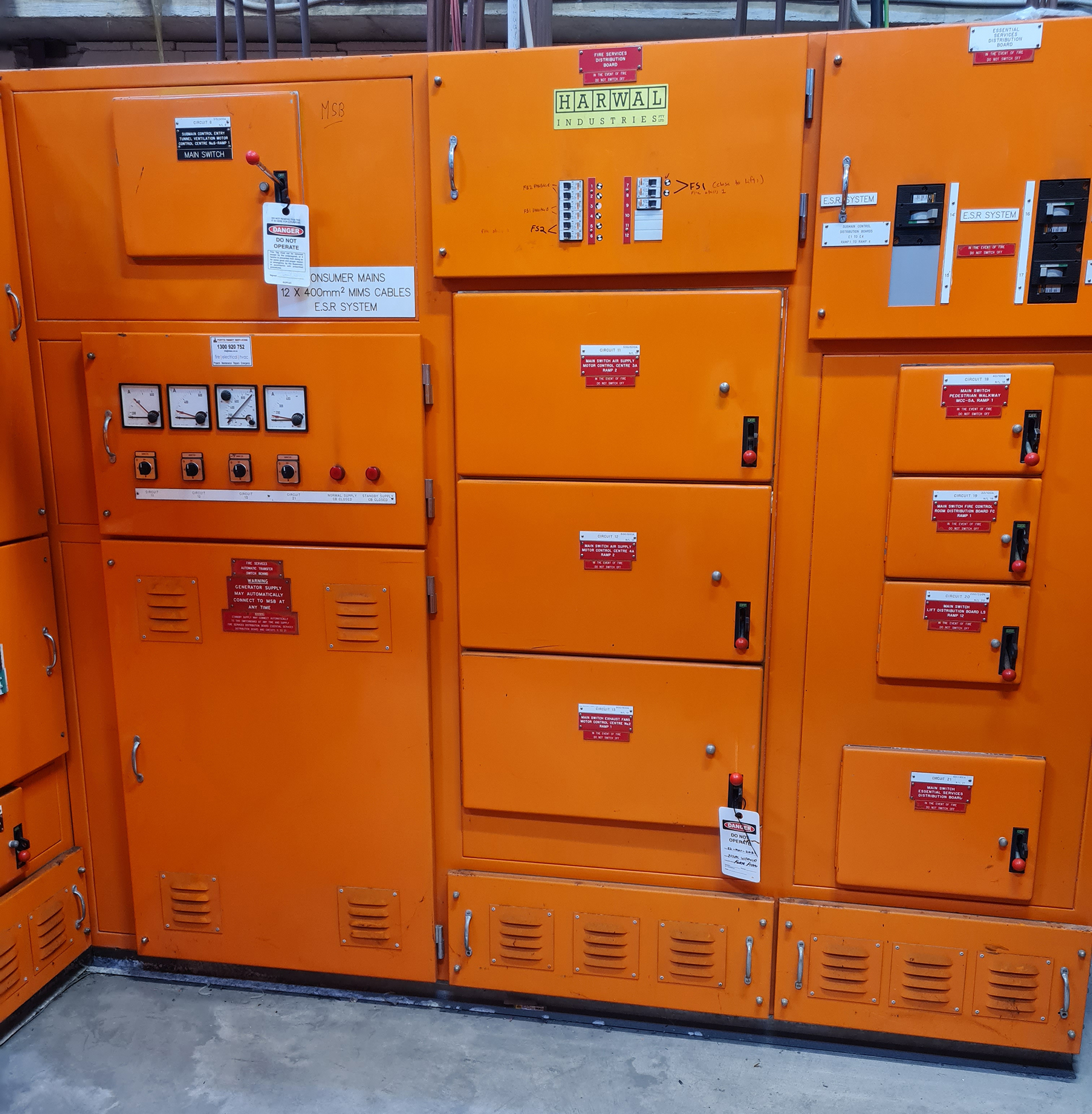
- ATS (Automatic Transfer Switch) status
- UPS status (where installed)
By monitoring these points, facility managers and asset owners gain real-time visibility into the health and performance of critical infrastructure.
If an issue arises — such as a battery fault, phase failure, or generator not starting — alarms can be automatically sent via:
- Email notifications
- SMS alerts
- Mobile push notifications
- Remote monitoring dashboards
This proactive approach allows faults to be addressed before they become compliance failures or operational incidents.
For unsupervised buildings, BMS monitoring is not just a convenience — it is a critical risk management tool. It helps ensure:
- Compliance with essential services requirements
- Reduced downtime
- Improved asset life
- Faster fault response
- Reduced operational risk
- Lower maintenance costs
- Increased safety for occupants and emergency services
In modern facilities, remote BMS monitoring effectively becomes the virtual building manager, providing continuous oversight of critical infrastructure — even when no one is physically on site.
For asset owners and facility managers responsible for unsupervised sites in Sydney, Melbourne, or regional locations, Major Asset BMS Monitoring is no longer optional — it is essential.
Monitoring Critical Building Infrastructure
Major building assets such as Generators, Chillers, Lifts, Data Centres, Fire Protection Systems and CRAC Units are essential to maintaining safe, compliant and functional commercial buildings. These systems protect both people and critical infrastructure, and failures can result in significant operational disruption, equipment damage, and compliance risks.
A Building Management System (BMS) provides 24/7 monitoring, alarm notification and remote access to ensure these assets are always operating correctly.
Typical Monitoring Includes
General Asset Monitoring
- Power status
- Fault alarms
- Running status
- Current and load
- Power factor
- Energy consumption
- Phase failure
HVAC and Cooling Systems
- Chilled water supply and return temperatures
- Condenser water flow and temperatures
- Suction pressure and compressor status
- Pump and fan operation
- Temperature and pressure monitoring
Modern equipment can also be integrated via BACnet or Modbus, providing access to detailed operational data, allowing:
- Trend logging
- Predictive maintenance
- Early fault detection
- Energy optimisation
- Remote diagnostics
With 24/7 alarm notifications sent to facilities teams and maintenance contractors, issues can be identified early, reducing downtime, protecting capital equipment, and ensuring buildings remain safe and operational.
Effective BMS monitoring turns reactive maintenance into proactive asset protection.
Case Study links