
Estimated reading time: 10 minutes
Legacy CSI Building Management System
WR8TECh Insight
Walk through enough older commercial buildings and you’ll eventually discover one.
Hidden away in an electrical room or plant room is a Building Management System that has quietly controlled the building for forty years. The lighting still operates. The air conditioning still starts every morning. Pumps and fans continue to run exactly as they did decades ago.
To many people, that’s proof the system doesn’t need replacing.
To experienced building automation engineers, it’s often a sign that careful planning should begin before the building is forced into an emergency upgrade.
One of these systems was the CSI Building Management System, installed throughout many commercial buildings across Australia during the 1980s and early 1990s.
CSI BMS
This project involved the replacement of a legacy CSI Building Management System, originally installed during the 1980s, within a commercial building located near Randwick, Sydney.
The existing system relied on proprietary RS-485 communications between controllers and a proprietary operator workstation that was no longer supported. As is common with many buildings of this era, ongoing maintenance had become increasingly difficult due to obsolete hardware, limited availability of spare parts, ageing electronics, and a shrinking number of technicians familiar with the platform.
WR8Tech assisted in transitioning the building to a modern Tridium Niagara Building Management System incorporating an open BACnet field controller network. The upgrade retained the building’s operational requirements while significantly improving future serviceability, system flexibility, integration capability and long-term support.
Projects such as this demonstrate that successful BMS upgrades require far more than replacing hardware. Understanding the existing control strategies, documenting decades of undocumented changes, and commissioning the new system without disrupting occupied buildings are critical to achieving a successful outcome.
WR8TECh Insight
Open protocols protect buildings from becoming locked into obsolete technology. Many buildings still operate legacy proprietary control systems that continue to function mechanically but are increasingly difficult to support. Migrating to open platforms such as Tridium Niagara with BACnet field controllers allows owners to retain operational flexibility, improve integration opportunities, and reduce reliance on proprietary software and hardware while extending the useful life of their building services.
A Product of Its Time
When CSI systems were introduced, they represented modern building automation. Compared to traditional electromechanical controls, time clocks and relay logic, they offered building operators something revolutionary:
- Centralised monitoring
- Alarm reporting
- Time scheduling
- HVAC optimisation
- Plant sequencing
- Energy management
- Remote operator access
For many building owners, it was the first time their entire mechanical services installation could be viewed from a single operator workstation. By the standards of the day, these systems were sophisticated.
The Technology Behind CSI
Like many Building Management Systems of its era, CSI relied on proprietary technology. Typically this included:
- Proprietary RS-485 communications
- Proprietary field controllers
- Dedicated operator workstation software
- Vendor-specific programming tools
- Hardware no longer manufactured
This approach was perfectly normal during the 1980s. Open protocols such as BACnet had not yet become widely adopted. The downside is that forty years later, many buildings remain dependent upon technology that only a handful of engineers still understand.


Why These Systems Become Difficult to Maintain
Ironically, many legacy systems don’t fail because of poor engineering.They fail because the world around them changes. Over time, buildings experience:
- Multiple refurbishments
- Tenant fit-outs
- Mechanical equipment replacement
- New energy efficiency initiatives
- Fire system upgrades
- Communications network changes
- Software obsolescence
- Loss of experienced technicians
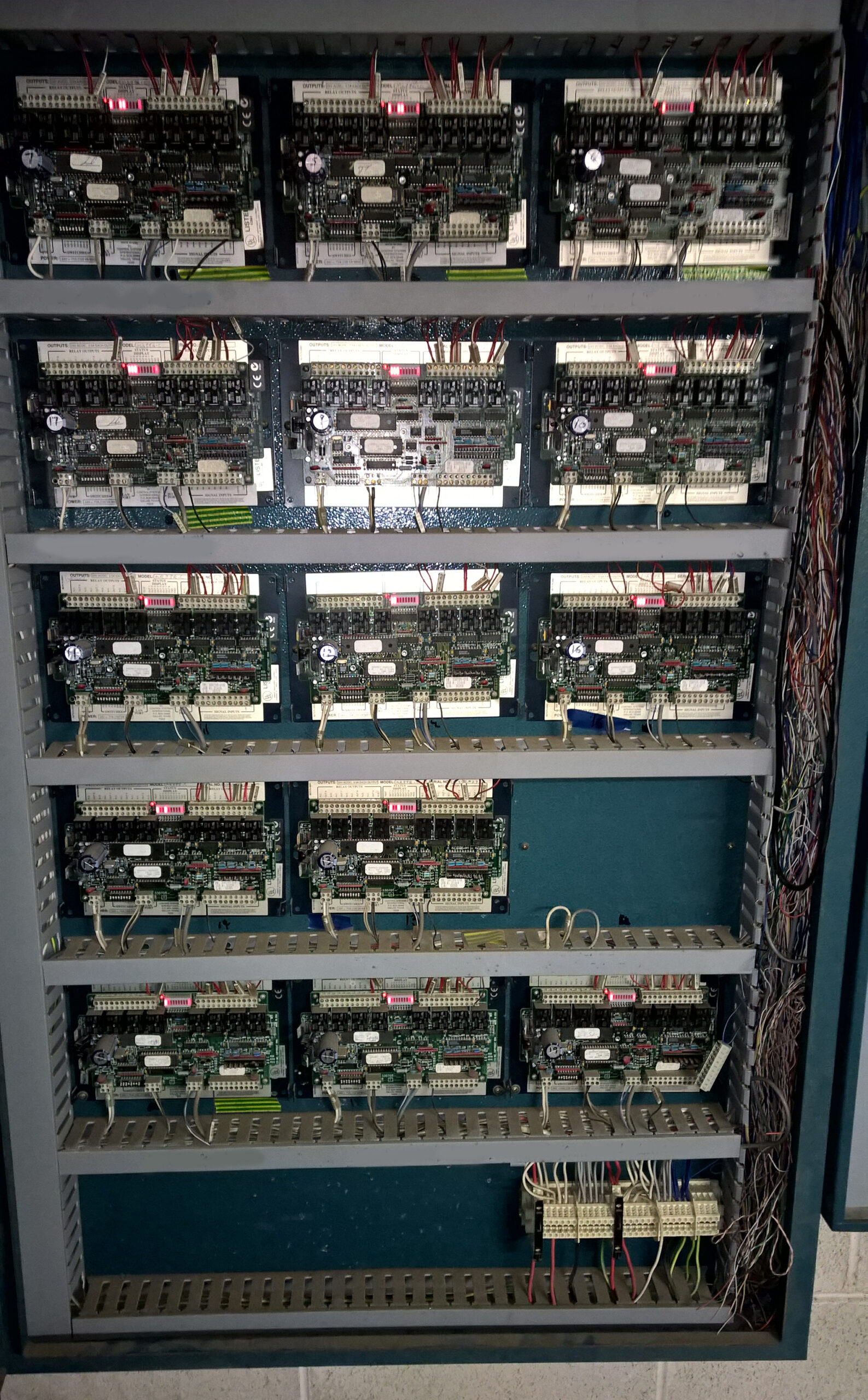
Eventually, the original system becomes the oldest piece of technology left in the building. Finding replacement circuit boards becomes difficult. Old computers no longer run the software. Programming tools disappear. Documentation is lost. The engineer who commissioned the building retires.
The Real Risk Is a Combination of Hardware and Lost Knowledge
As legacy Building Management Systems age, two separate problems begin to develop. The first is hardware obsolescence.
Unlike modern controllers that remain readily available through multiple suppliers, proprietary BMS hardware eventually disappears from the market. Manufacturers discontinue products, production ceases, spare parts become scarce, and the few remaining components often find their way onto specialist refurbishment or second-hand markets.
It isn’t uncommon for building owners to pay three, four or even ten times the original purchase price for a replacement controller or communication module simply because no new stock exists anywhere else. When an entire building depends on a single obsolete component, the value of that component changes dramatically.
For many owners, purchasing an expensive second-hand controller is still considerably cheaper than undertaking an emergency Building Management System replacement. However, hardware is only part of the problem. The second—and often more significant—risk is the gradual loss of engineering knowledge.
Very few commercial buildings remain exactly as they were when originally commissioned. Over decades, they evolve. Equipment is replaced. Tenancies change. Air conditioning systems are upgraded. Energy-saving strategies are introduced. Fire interfaces are modified. Temporary overrides become permanent. Control sequences are altered to solve operational issues, often without the drawings or software ever being updated.
Eventually, the building no longer operates exactly as the original documentation suggests. This means that replacing the hardware alone doesn’t necessarily solve the problem. Unless someone understands how the building has actually evolved over the last thirty or forty years, important operational knowledge can disappear during the upgrade.
The most successful BMS modernisation projects don’t simply replace controllers—they capture and preserve decades of operational experience before it is lost forever.
Do You Need to Replace Everything?
Usually not.
Every building is different.
Some systems can continue operating for many years with appropriate maintenance.
Others have reached the point where parts, software and engineering support are becoming increasingly difficult to obtain. A technical assessment should consider:
- Age of hardware
- Availability of spare parts
- Reliability history
- Existing documentation
- Integration requirements
- Cybersecurity considerations
- Future building plans
- Cost of ongoing support
A measured upgrade is usually far less disruptive than waiting for an emergency failure.
Migrating to Open Systems
One of the biggest changes in building automation has been the adoption of open communication protocols.
Modern systems commonly utilise technologies such as:
- BACnet/IP
- BACnet MS/TP
- Modbus
- MQTT
- OPC
- Niagara Framework
These allow equipment from multiple manufacturers to communicate using common standards rather than proprietary languages.
For building owners, this provides significantly greater flexibility over the life of the building.
A WR8Tech Project
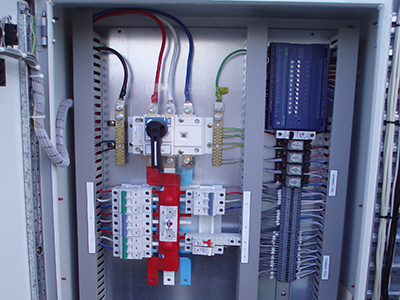
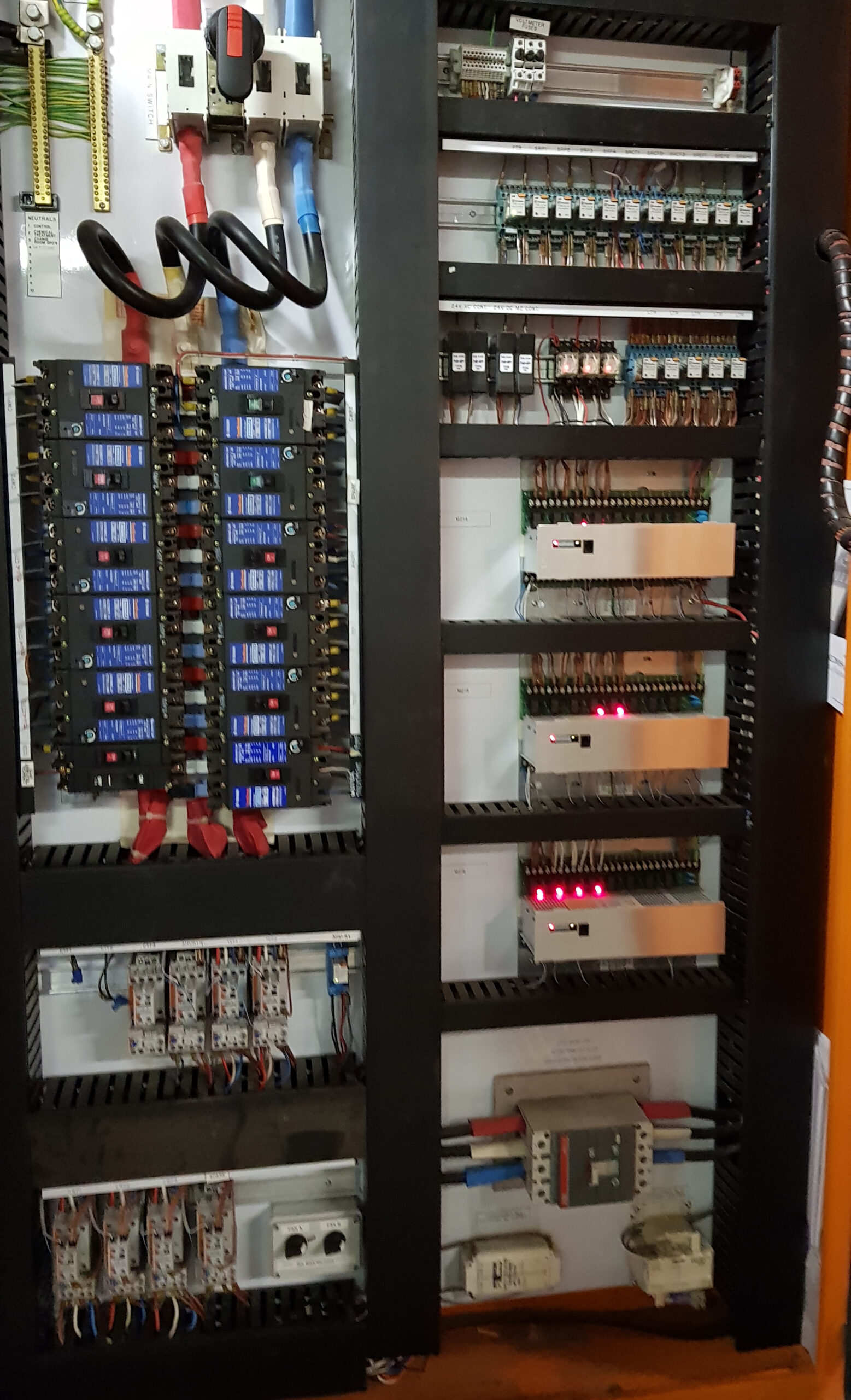
The panel shown below is an original CSI Building Management System installed during the 1980s within a commercial building near Randwick, Sydney.
The system utilised proprietary RS-485 communications and proprietary operator workstation software.
Although still operational, ongoing support had become increasingly challenging due to ageing electronics, obsolete software and limited engineering support.
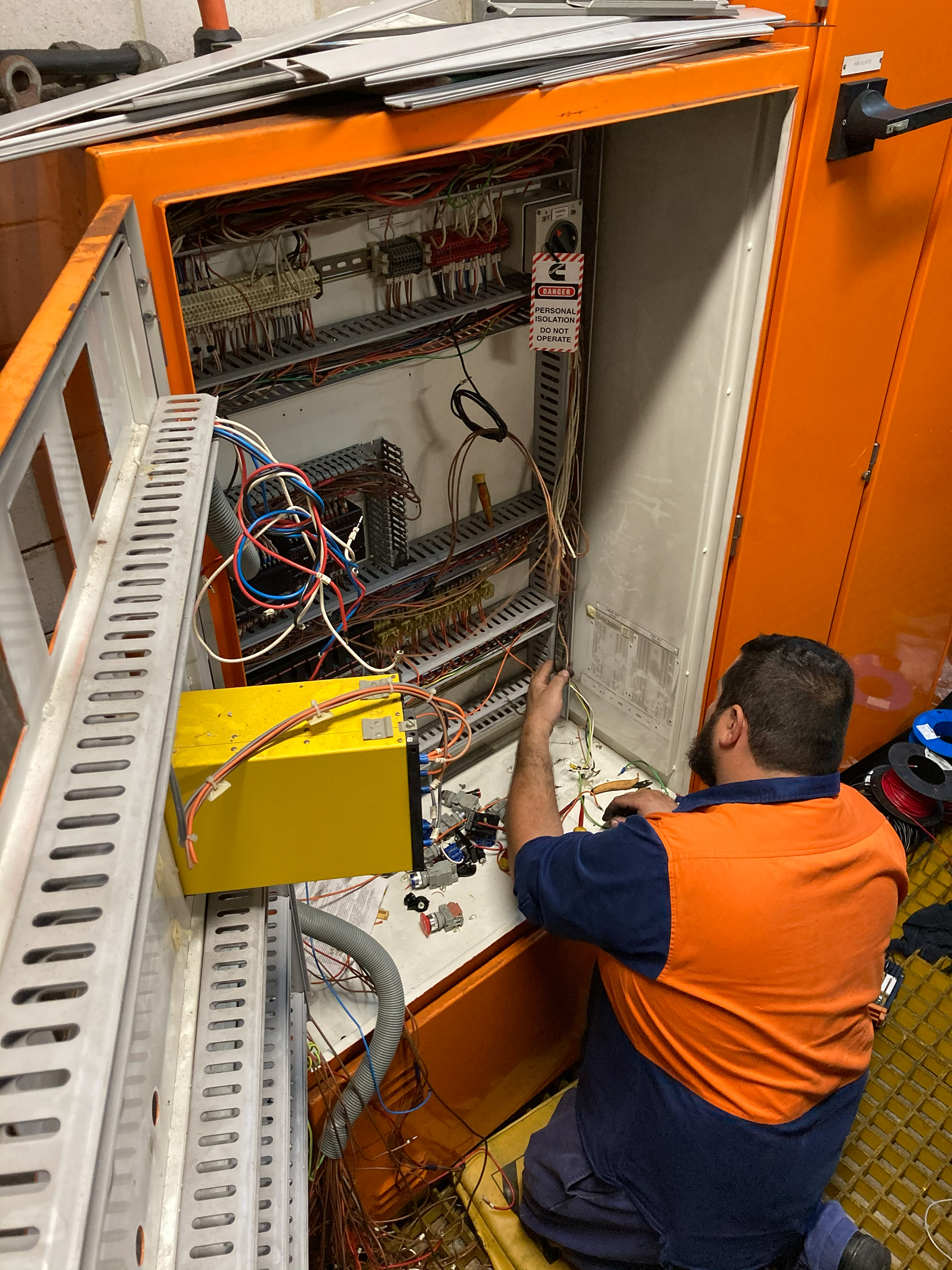
WR8Tech assisted in upgrading the installation to a modern Tridium Niagara Building Management System with a BACnet field controller network.
Rather than simply replacing equipment, the project involved understanding decades of existing control strategies, documenting the building’s actual operation and recommissioning the system to suit current building requirements.
The result was a building automation platform capable of supporting future integration, improved maintainability and long-term engineering support.
Lessons From Legacy Systems
One lesson appears repeatedly across commercial buildings.
Technology rarely becomes obsolete overnight. Instead, it quietly reaches a point where every future repair becomes slightly more difficult than the last. The best upgrades are rarely emergency replacements. They are carefully planned engineering projects that preserve valuable building knowledge while transitioning to modern, open technologies.
For many older buildings, the objective isn’t simply installing a new Building Management System. It’s ensuring forty years of operational experience isn’t lost in the process.
Why WR8Tech?
At WR8Tech, we specialise in working with existing buildings.
We understand that upgrading a Building Management System is rarely about replacing controllers alone. It involves understanding how the building actually operates, identifying undocumented changes made over decades, verifying control strategies, and carefully commissioning modern systems to minimise disruption for building owners and occupants.
Whether your building operates a legacy CSI system or another proprietary platform, our focus is on delivering practical, evidence-based upgrades that improve reliability while protecting the operational knowledge your building has accumulated over many years.

Related WR8Tech Insights