
Why the Smallest Problems Are Often the Hardest to Find
Electrical faults within commercial buildings are not always obvious.
In many cases equipment may appear to operate normally most of the time, only to fail occasionally or behave unpredictably. These are known as intermittent faults, and they are often the most difficult problems to diagnose.
For property managers and facility teams this can be frustrating, particularly when faults appear to disappear during inspection or testing.
Understanding the causes of intermittent electrical faults can help identify why they occur and why specialist investigation is often required.
Loose Electrical Connections
One of the most common causes of intermittent faults is a loose terminal or connection.
Electrical connections naturally loosen over time due to:
- thermal expansion
- vibration from mechanical equipment
- repeated load cycles
When a connection becomes loose it may still conduct electricity most of the time, but small movements or temperature changes can interrupt the circuit.
This can result in equipment stopping and starting unpredictably.
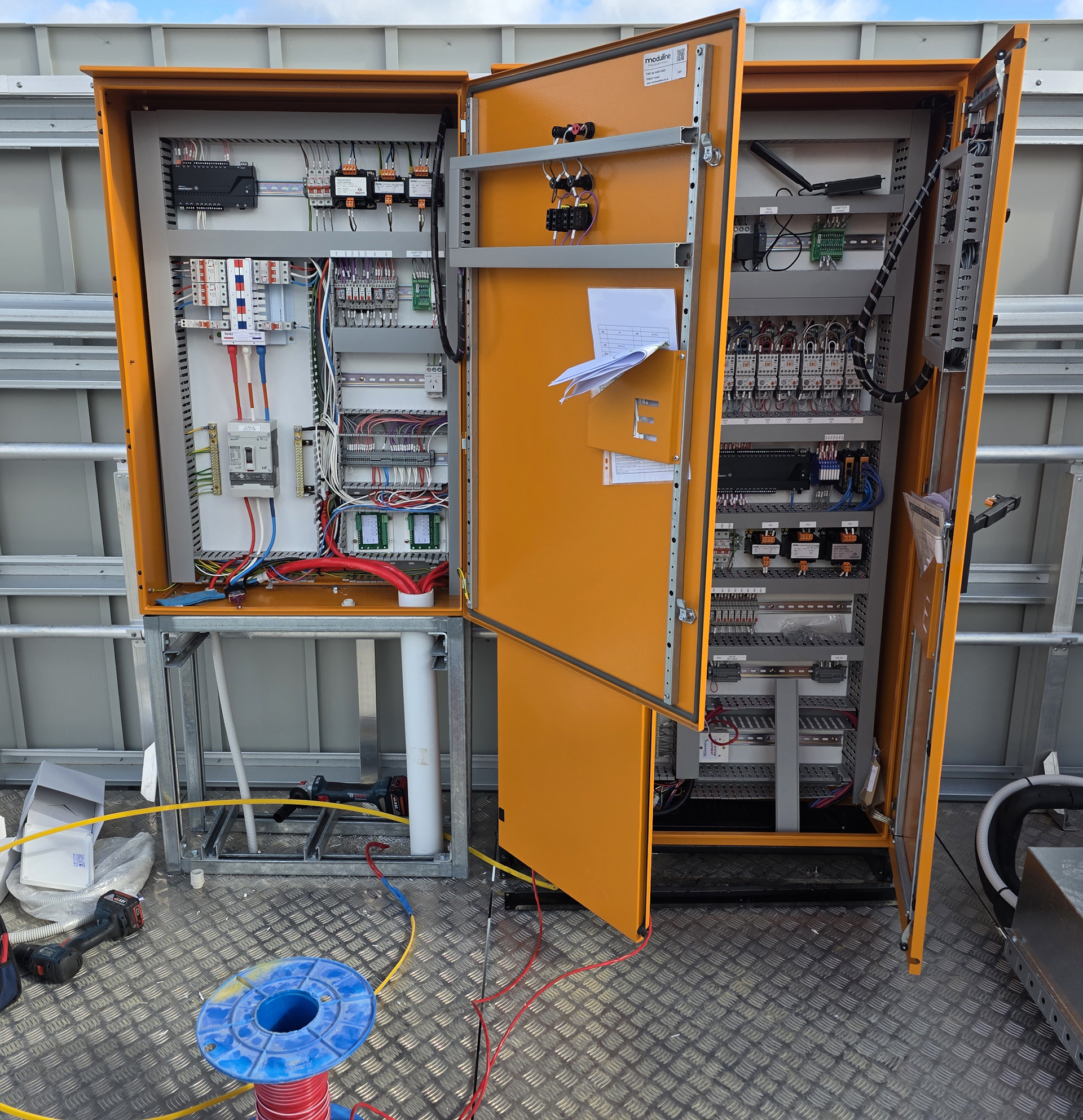
Burnt or Pitted Contacts
Contactors and relays inside switchboards operate thousands of times during their life.
Each time the contacts open or close, a small electrical arc is created. Over time this can damage the contact surfaces.
When contacts become burnt or pitted they may sometimes conduct properly and sometimes fail to make a reliable connection.
This can produce symptoms such as:
- motors failing to start
- equipment shutting down unexpectedly
- inconsistent operation
Hidden Faults Inside Electrical Equipment
Intermittent faults are often located inside electrical switchboards or control panels where they cannot easily be seen.
Examples include:
- damaged wiring insulation
- loose terminal blocks
- failing relays
- overheating components
Because these faults may only appear under certain operating conditions, they can be difficult to identify without detailed testing.
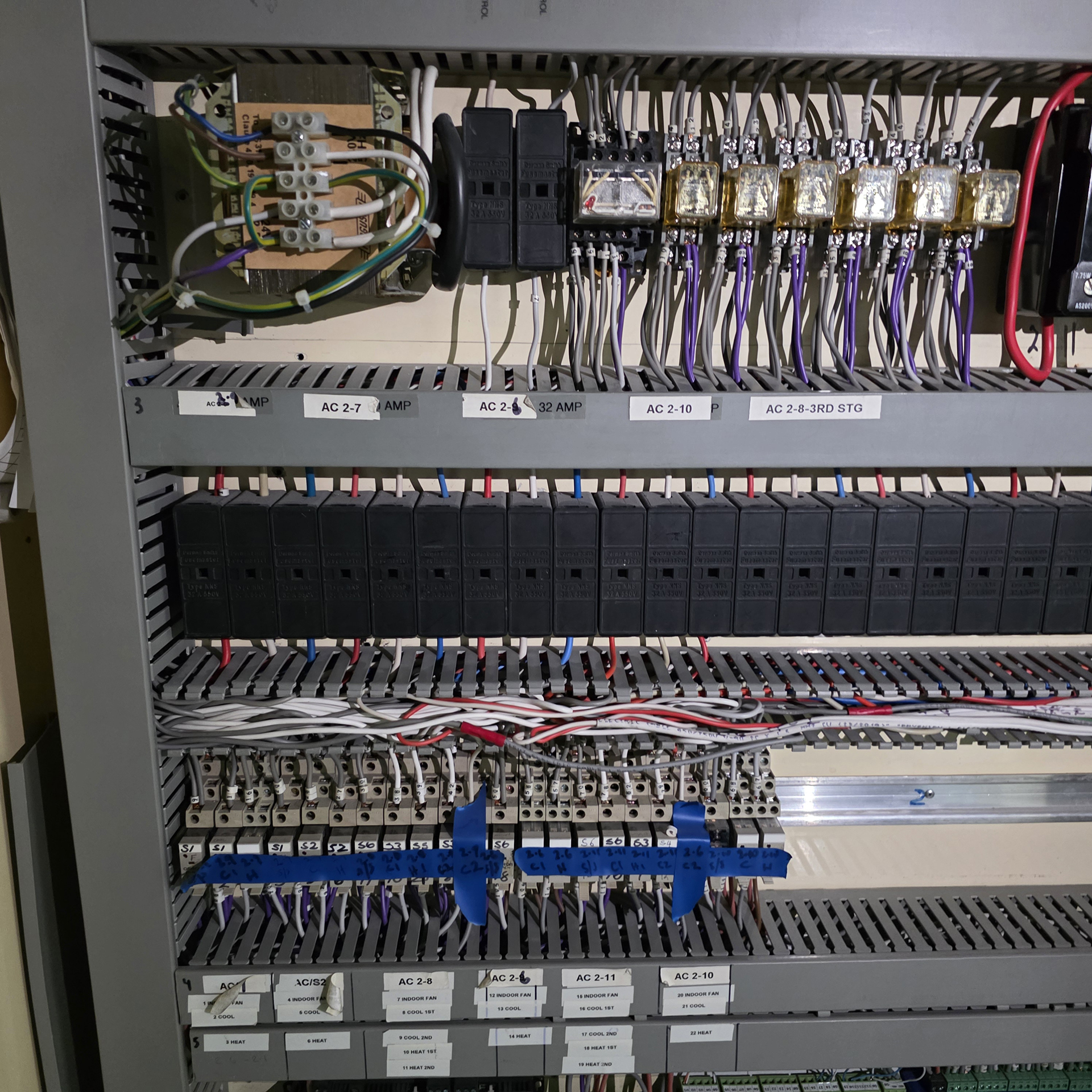
Why the BMS Interface Cannot Always Detect the Problem
A Building Management System can monitor equipment operation, but it cannot always identify the root cause of an electrical fault.
For example, the BMS may indicate that a fan has stopped running, but it cannot determine whether the cause is:
- a failed contactor
- a wiring fault
- an overloaded motor
- a switchboard issue
To diagnose these problems correctly it is often necessary to investigate the electrical equipment directly.
The Importance of Proper Electrical Investigation
Qualified and insured electrical contractors have the ability to investigate faults beyond the limits of the BMS interface.
This may involve:
- testing inside electrical switchboards
- measuring voltages and currents
- inspecting contactors and relays
- identifying overheating components
By examining the physical electrical system, it is often possible to locate faults that cannot be seen through software monitoring alone.
Preventing Intermittent Electrical Faults
Regular inspection and maintenance can significantly reduce the risk of intermittent faults developing.
Recommended practices include:
- periodic tightening of electrical connections
- inspection of switchboard components
- replacement of ageing relays and contactors
- thermal imaging inspections
- monitoring equipment operation through the BMS
These preventative measures help identify developing problems before they cause equipment failures.
[…] result is energy being consumed by both systems while they work against each […]