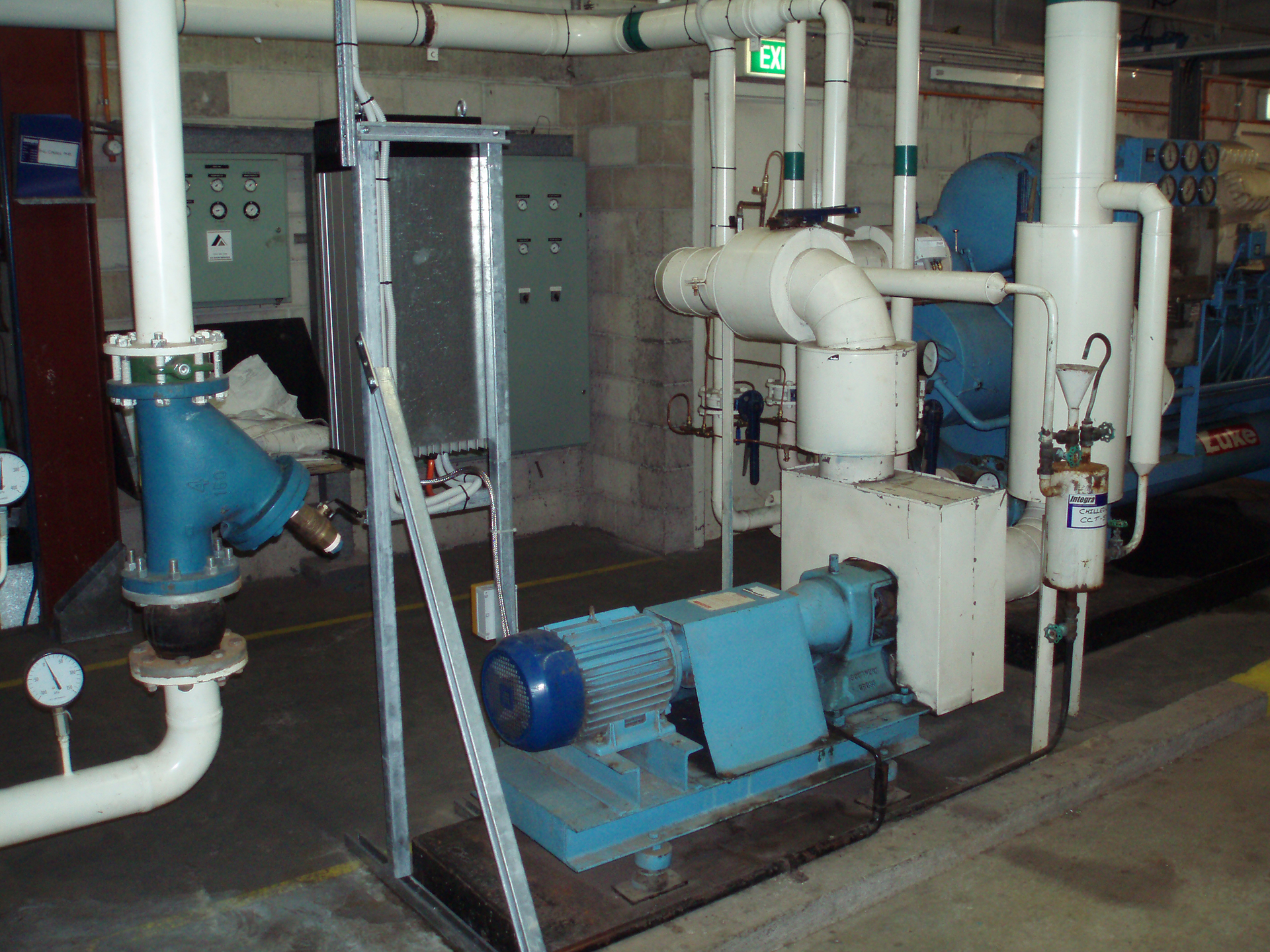
Planned maintenance built around the building, its plant and the way it operates
A preventative HVAC maintenance program should do more than generate recurring service visits. It should help keep the building operational, identify deterioration before failure, maintain the performance of critical plant and provide property and facility managers with reliable information for repair and capital-planning decisions.
WR8Tech develops and delivers preventative maintenance programs for commercial HVAC systems, supported by electrical, mechanical-electrical, BMS and controls expertise. Our programs consider how the complete system operates—not simply whether individual assets have received a routine service.
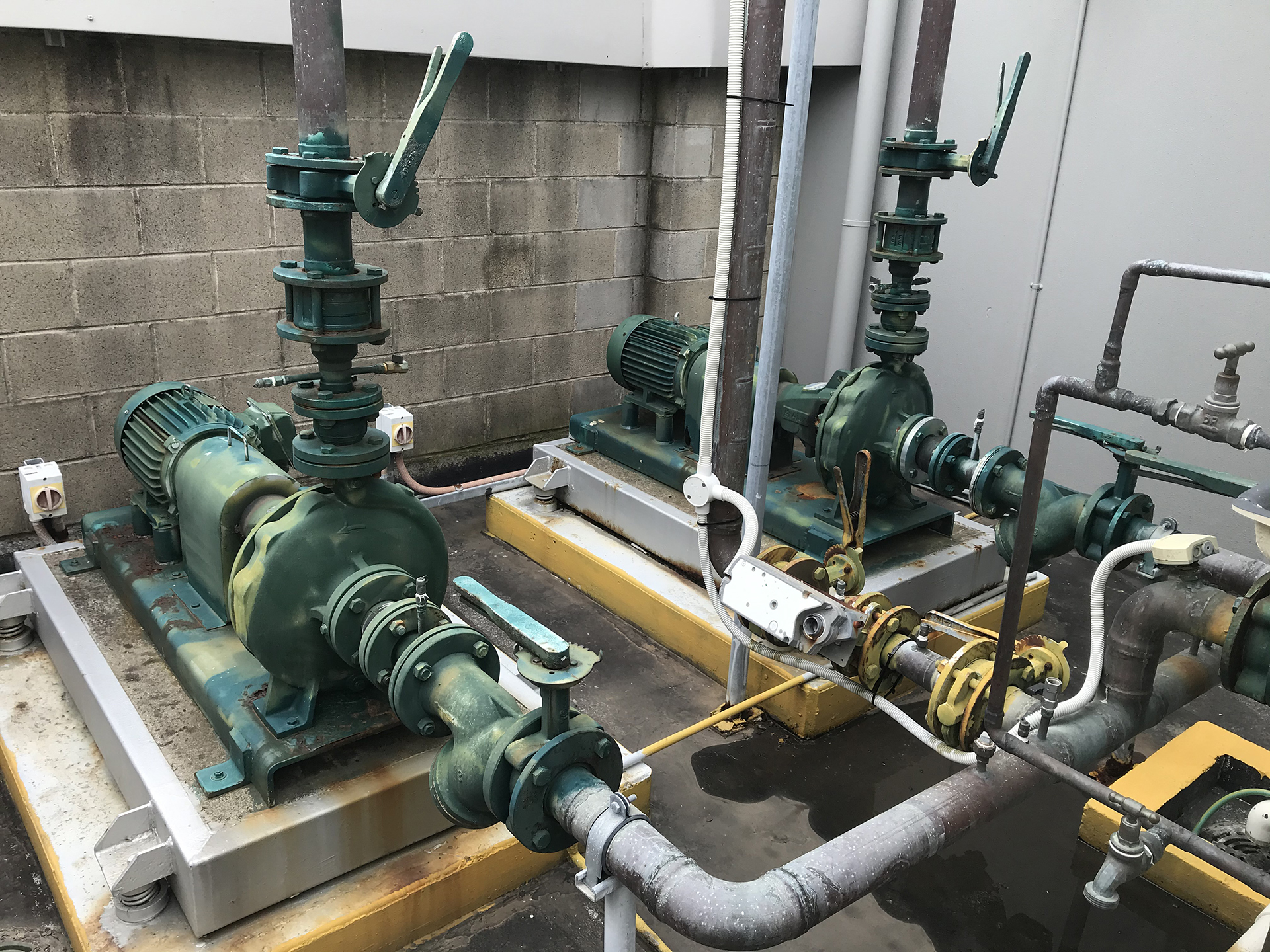
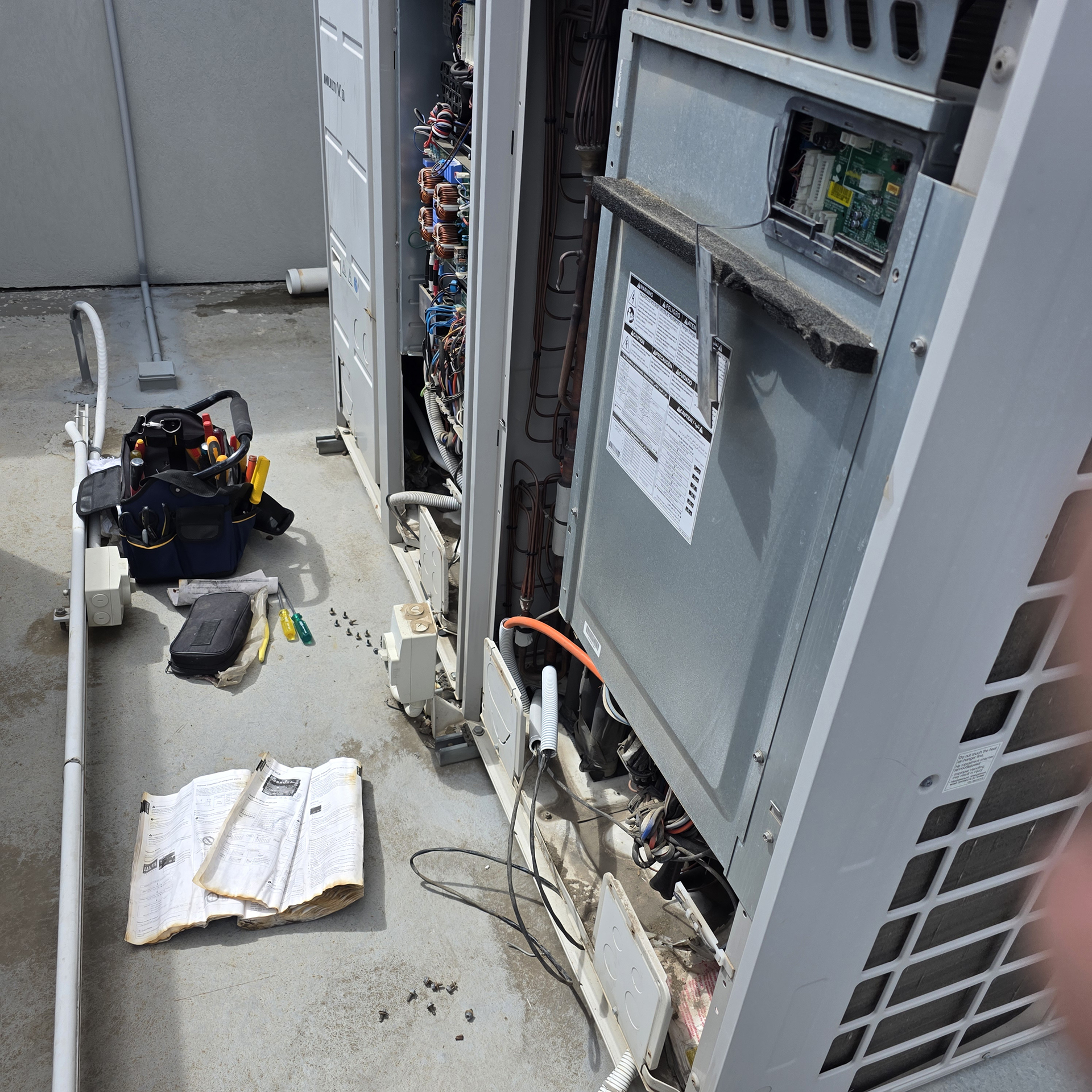
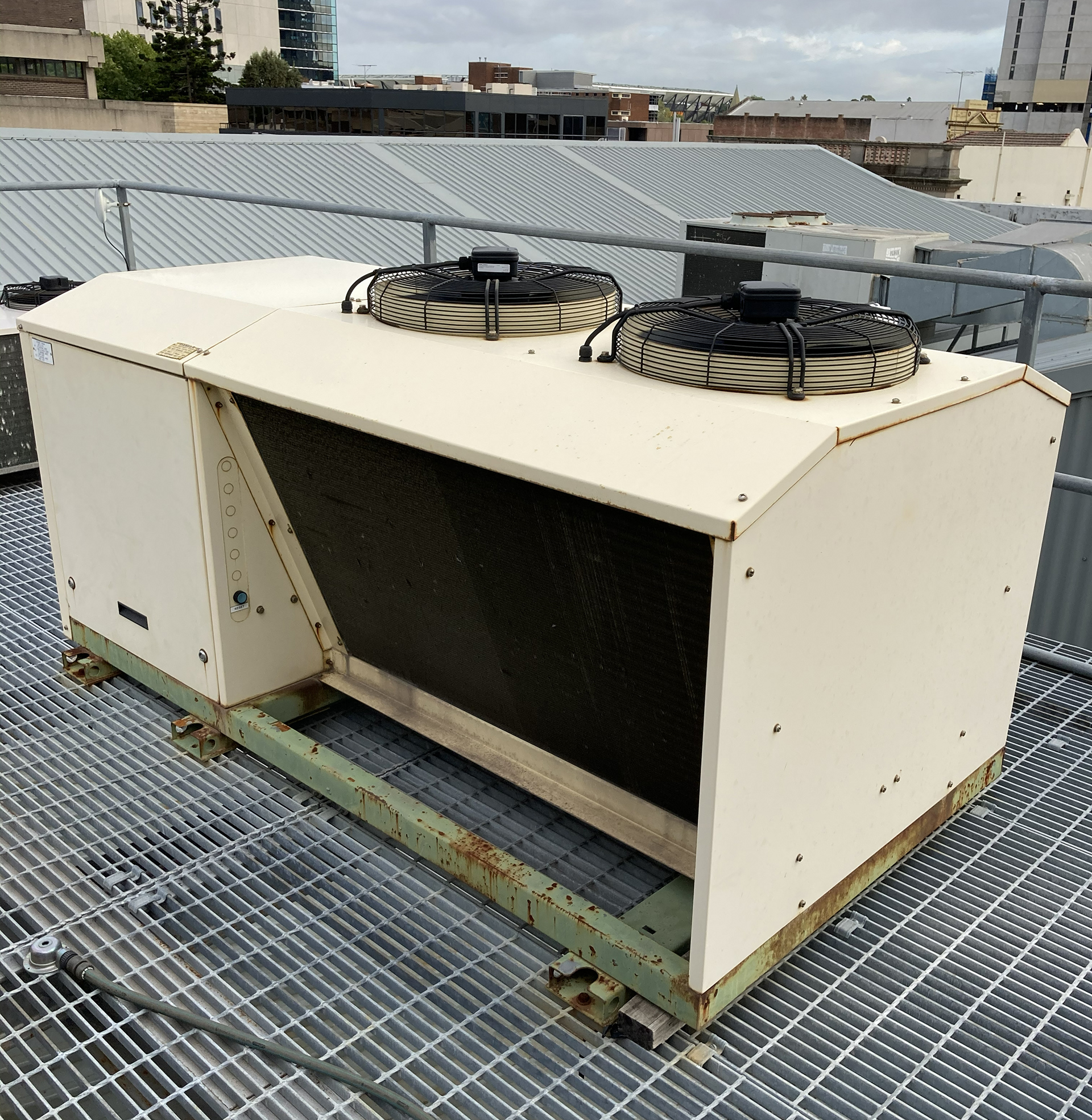
Maintenance Designed for the Actual Building
Every commercial building is different. Plant type, equipment age, operating hours, occupancy, tenant requirements, environmental conditions and the consequences of failure all influence the maintenance required.
A generic checklist may confirm that a visit occurred, but it does not necessarily confirm that the HVAC system is reliable, correctly controlled or performing as intended.
WR8Tech develops the maintenance scope around the installed equipment and the building’s operational needs. This may involve reviewing existing asset information, inspecting plant, examining maintenance history, identifying critical equipment and confirming how the mechanical plant interfaces with electrical systems, the BMS and field controls.
What a Preventative HVAC Maintenance Program May Include
Depending on the building and agreed scope, the program may cover:
- Chillers and chilled-water systems
- Boilers and heating-water systems
- Air-handling units and fan-coil units
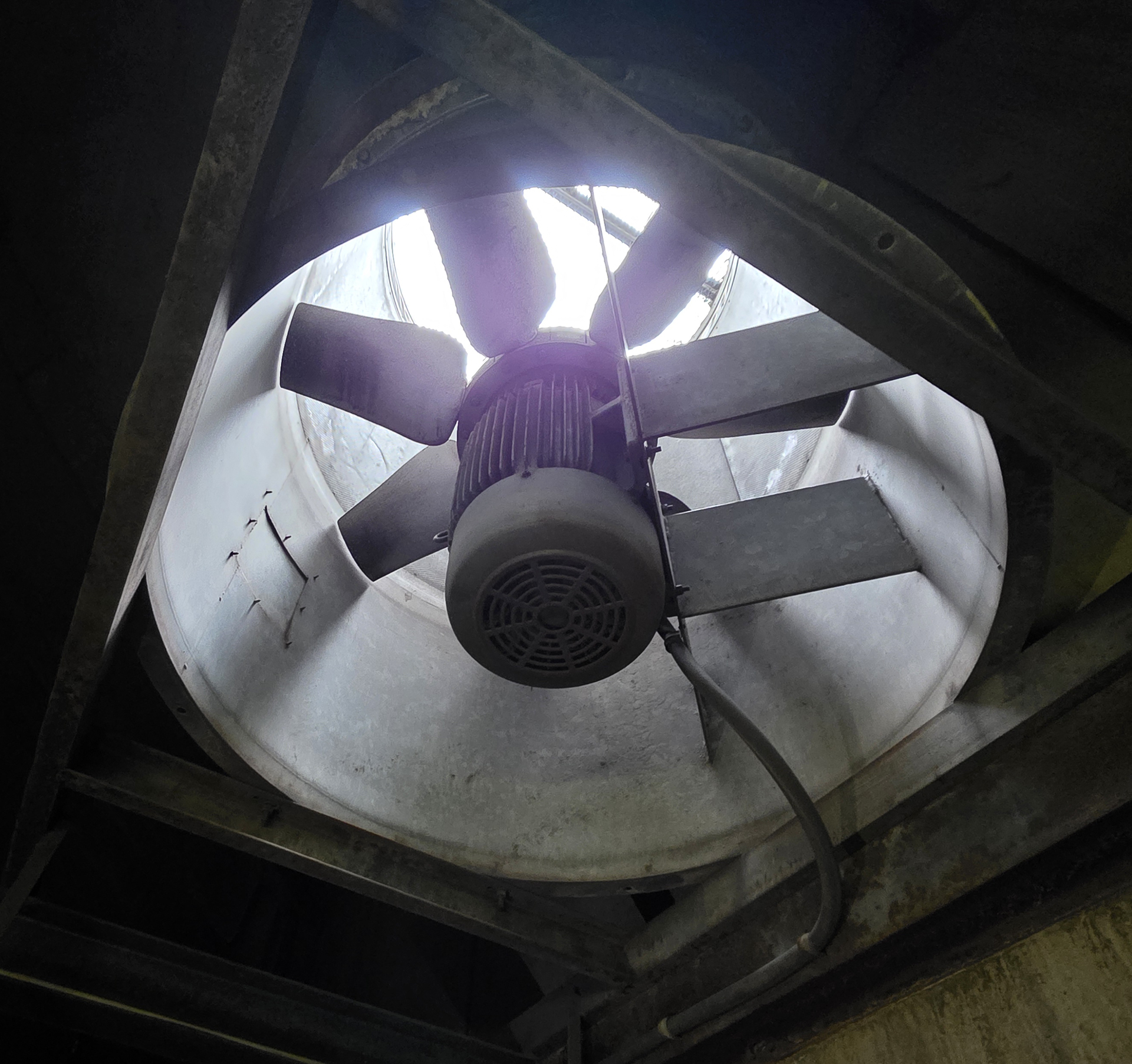
- Pumps, fans, motors and variable speed drives
- Cooling towers and condenser-water systems
- Packaged air-conditioning equipment
- VRF and VRV systems
- Mechanical switchboards and control panels
- Dampers, control valves and actuators
- Sensors, thermostats and safety devices
- Car park ventilation and CO monitoring controls
- Chemical dosing and water-treatment interfaces
- BMS controllers, alarms, schedules and plant integration
- Essential ventilation and fire-mode interfaces where applicable
Specialist refrigeration, water-treatment or other trade services can be incorporated or coordinated where required.
Establishing the Asset and Maintenance Baseline
An effective program starts with a clear understanding of what is installed. Existing asset registers and maintenance schedules may be incomplete, outdated or inconsistent with the equipment found on site.
At the beginning of an engagement, WR8Tech can help verify:
- Equipment type, location and asset identification
- Manufacturer, model and available technical information
- Apparent condition and remaining serviceability
- Current maintenance frequency and service history
- Known faults, recurring alarms and outstanding repairs
- Critical assets and equipment without effective redundancy
- BMS points, control arrangements and system interfaces
- Obsolete components or systems with limited manufacturer support
- Access, shutdown and operational constraints
This baseline helps establish a maintenance program that reflects the real building rather than an inherited schedule that may no longer be suitable.
Maintenance Frequencies Based on Risk and Duty
Not every asset requires the same level or frequency of attention. Maintenance intervals should consider manufacturer recommendations, equipment duty, environment, operating hours, asset condition, compliance obligations and the operational impact of failure.
For example, a critical condenser-water pump serving a building without standby capacity may warrant a different inspection regime from a small non-critical exhaust fan. Equipment that operates continuously, is exposed to contamination or has a history of failure may also require more frequent attention.
WR8Tech can structure maintenance activities at appropriate monthly, quarterly, six-monthly, annual or other intervals, while keeping the program practical and proportionate to the building.

Mechanical, Electrical and Controls Maintenance Together
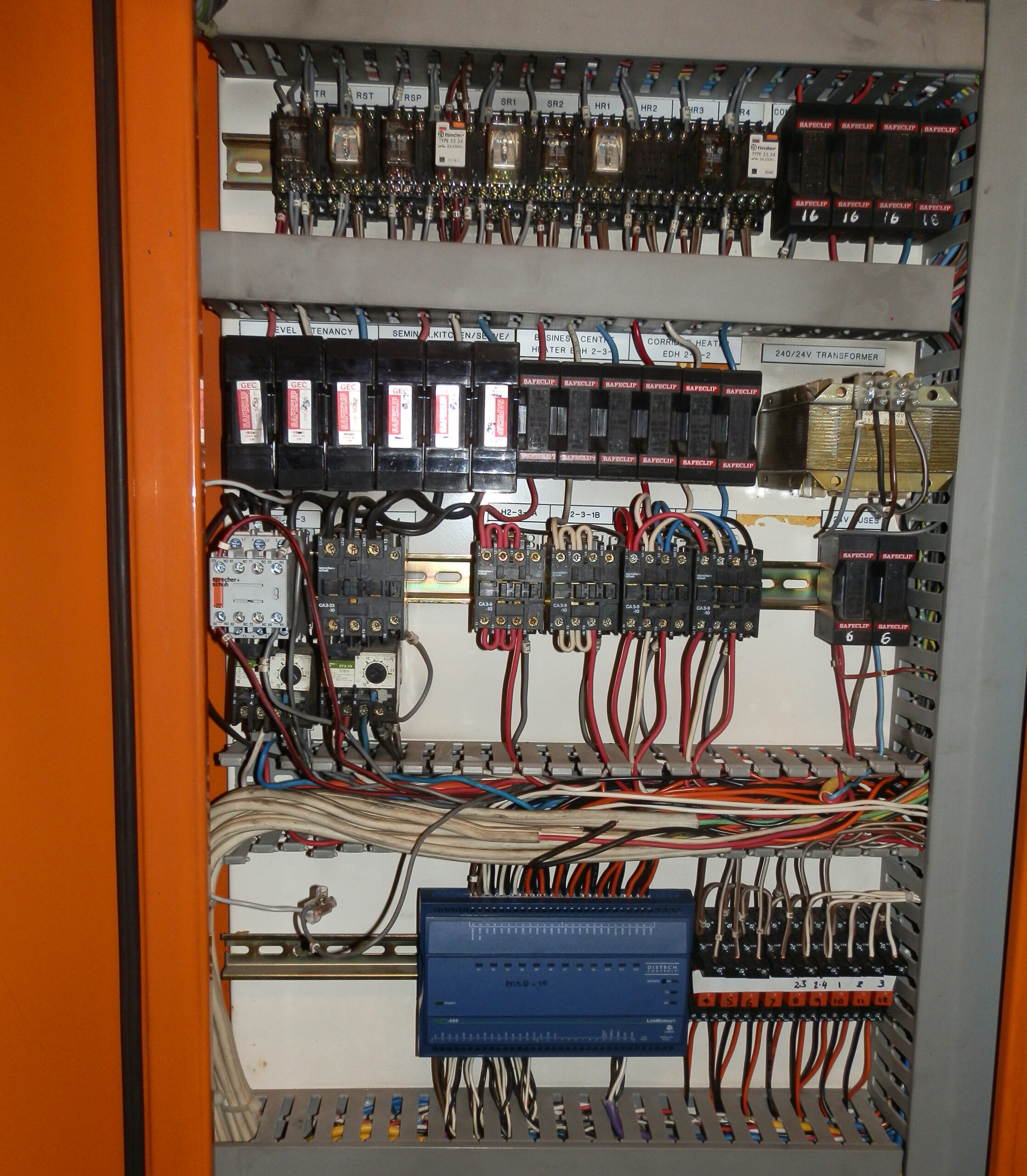
HVAC plant does not operate in isolation. Mechanical equipment relies on electrical supplies, motor controls, VSDs, sensors, actuators, interlocks and control sequences. A service confined to the mechanical component can overlook faults elsewhere in the operating chain.
Our preventative approach can include checks of:
- Electrical isolators, supplies and control circuits
- Motor operation and fault conditions
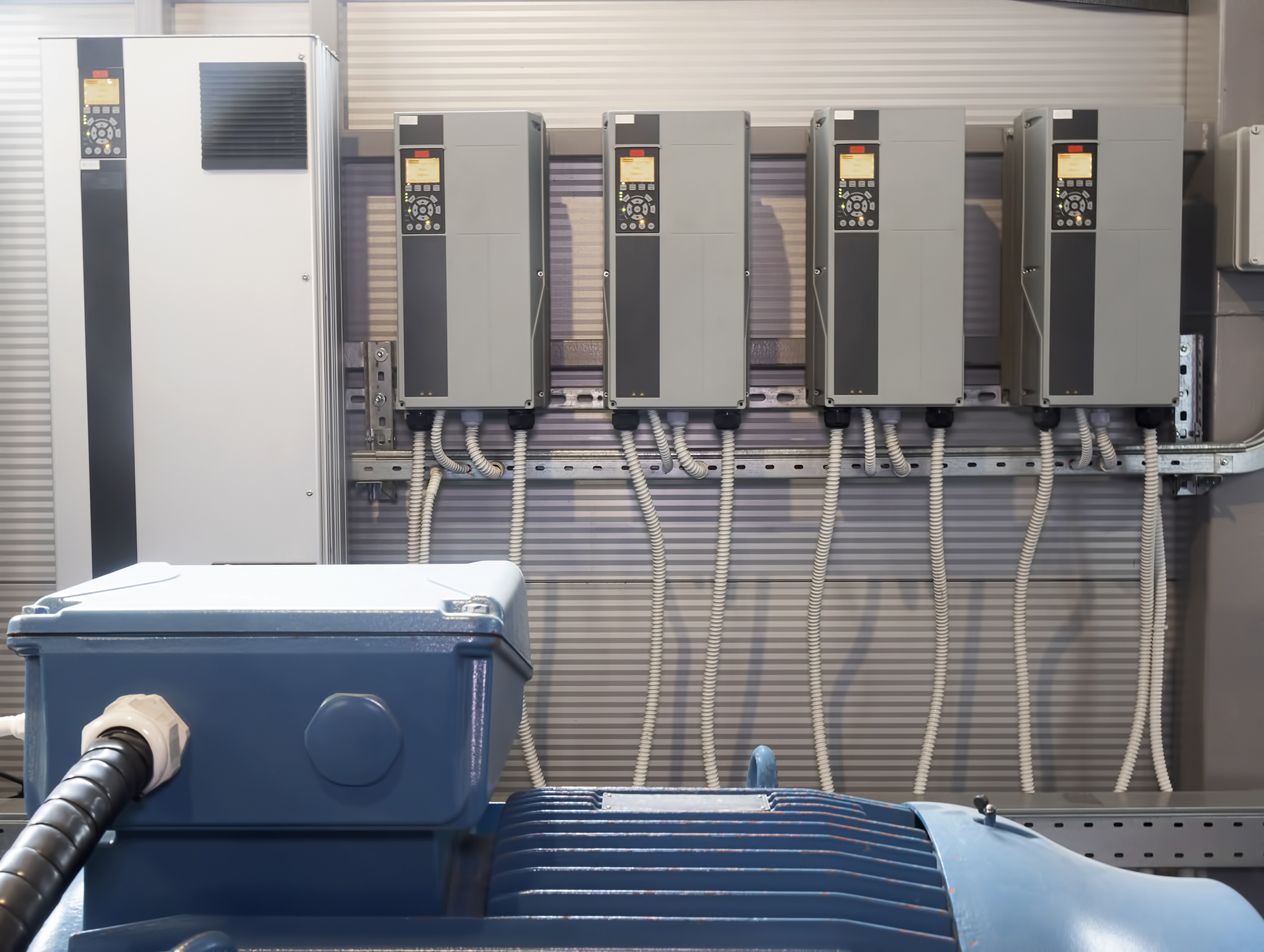
- VSD status, speed commands and alarm history
- Hand/off/auto controls and equipment enable signals
- Run status, fault feedback and safety interlocks
- Temperature, pressure and differential-pressure sensors
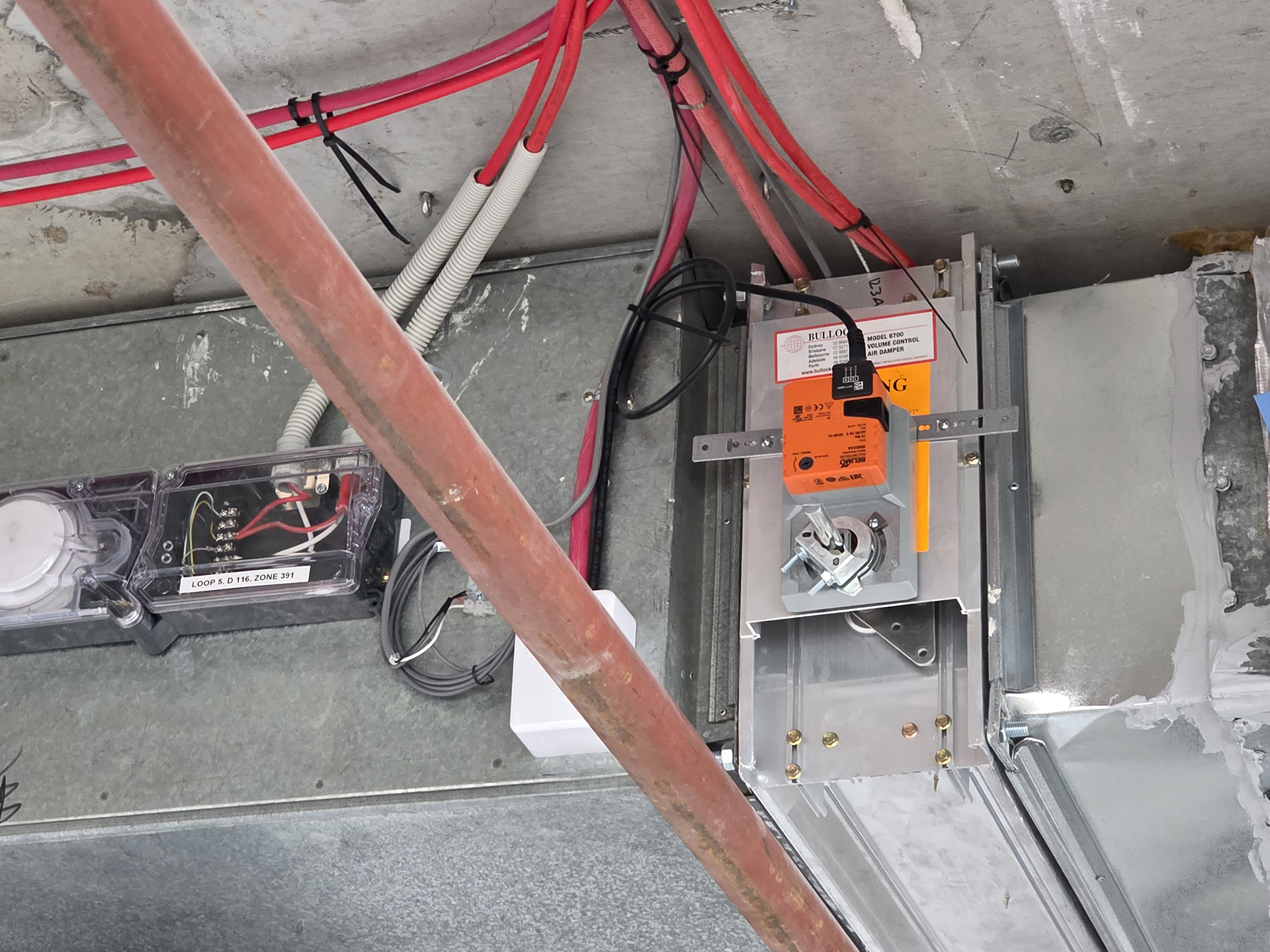
- Control-valve and damper-actuator operation
- BMS schedules, setpoints, alarms and trend data
- Duty and standby changeover
- Chiller, boiler, pump and fan staging
- Communication between mechanical plant and the BMS
This broader view helps identify developing problems that may otherwise pass between separate contractors.
Using the BMS as a Maintenance Tool
A properly configured BMS can provide valuable evidence about plant operation between scheduled visits. Trend logs, alarm histories, runtime data and equipment feedback can reveal intermittent faults, excessive cycling, unstable control and plant that is operating outside intended hours.
Where suitable data is available, WR8Tech can use the BMS to support preventative maintenance by reviewing:
- Equipment runtimes and starts
- Temperature and pressure trends
- Plant staging and sequencing
- Persistent, repeated or nuisance alarms
- VSD speed and demand signals
- Simultaneous heating and cooling
- Plant operating outside scheduled hours
- Sensors that are drifting, fixed or inconsistent
- Equipment commanded to run without confirmed operation
BMS information does not replace physical servicing and inspection, but it can make maintenance more targeted and help identify faults before they become breakdowns.

From Calendar-Based to Condition-Informed Maintenance
Scheduled maintenance remains necessary, but not every decision should be based only on the calendar. Equipment condition, operating data, service findings and fault history should influence what happens next.
Where appropriate, WR8Tech can progressively introduce condition-informed maintenance. This may include adjusting inspection priorities, investigating changes in energy or control performance, increasing attention to deteriorating assets and reducing unnecessary activities that provide little technical value.
The objective is not to remove planned maintenance. It is to use available evidence so that maintenance effort is directed toward the areas of greatest operational value and risk.
Defects, Repairs and Priorities
Preventative maintenance is most useful when identified defects are clearly recorded, prioritised and followed through. A long list of unranked recommendations can make it difficult for a property or facility manager to distinguish an immediate operational concern from a longer-term improvement.
Depending on the scope, identified items may be classified as:
- Urgent safety or operational matters
- Failures requiring immediate repair
- Developing defects requiring planned corrective work
- Reliability or control issues requiring investigation
- Energy and performance opportunities
- Obsolete assets requiring replacement planning
- Longer-term improvements suitable for capital works
This provides a practical connection between routine maintenance, corrective repairs and future asset planning.

Maintenance Reporting That Supports Decisions
Service reports should explain what was inspected, what was found and what needs to happen next. WR8Tech reporting can include:
- Maintenance activities completed
- Equipment condition and operational observations
- Measurements, photographs and test results where relevant
- Faults, alarms and abnormal conditions
- Repairs completed during the visit
- Outstanding corrective work
- Controls, BMS and integration issues
- Recommended priorities and timeframes
- Specialist work or further investigation required
- Emerging replacement and capital-planning needs
Reporting can be structured to support the building’s existing work-order, asset-management or contractor-management processes.
Reviewing Existing HVAC Maintenance Arrangements
WR8Tech can also review an existing HVAC maintenance program where the building is experiencing recurring failures, tenant complaints, poor reporting or uncertainty about whether the contracted scope is appropriate.
This may include comparing the maintenance schedule with the installed plant, examining service records, reviewing outstanding defects, checking the BMS for unresolved issues and identifying equipment or system interfaces that are not clearly assigned to any contractor.
The result can be used to improve the current arrangement, prepare a clearer maintenance scope or support a future procurement process.
Suitable Buildings and Clients
Our preventative HVAC maintenance programs are intended for commercial and complex existing buildings, including:
- Commercial offices
- Retail and mixed-use properties
- Owners corporation and strata buildings
- Hotels and accommodation facilities
- Education and community buildings
- Healthcare and sensitive environments
- Industrial and specialist facilities
- Buildings with ageing, modified or poorly documented HVAC systems
We work with property managers, facility managers, building managers, owners corporations, asset managers and building owners in Melbourne and Sydney, with project-based support available in other locations.
A Practical Path Forward
If the existing maintenance arrangement is not preventing recurring faults—or if the building needs a clearer and more technically integrated program—WR8Tech can review the plant, current documentation and operational requirements before recommending an appropriate scope.
The objective is a maintainable HVAC system, clearer technical information and fewer surprises for the people responsible for the building.
Contact WR8Tech to discuss a preventative HVAC maintenance program for your property