Estimated reading time: 11 minutes
Technical Due Diligence for Commercial Property
Independent Technical Assessment of Building Services, Asset Condition, Operational Risk and Capital Expenditure
WR8Tech provides technical due diligence for commercial property acquisitions, disposals, refinancing, leasing and asset-strategy decisions across Melbourne, Sydney and Canberra.
Our assessments examine the condition, operation, maintainability and future risk of the building’s technical services. We focus on the matters that can materially affect operating expenditure, capital planning, tenant satisfaction, compliance exposure and continuity of building operations.
Rather than relying solely on visual condition or existing maintenance reports, WR8Tech investigates how the building systems are configured, maintained and actually operating.
Request a Technical Due Diligence Proposal

Technical Insight Before a Property Decision Is Finalised
A commercial property can appear well maintained while carrying significant underlying technical risk.
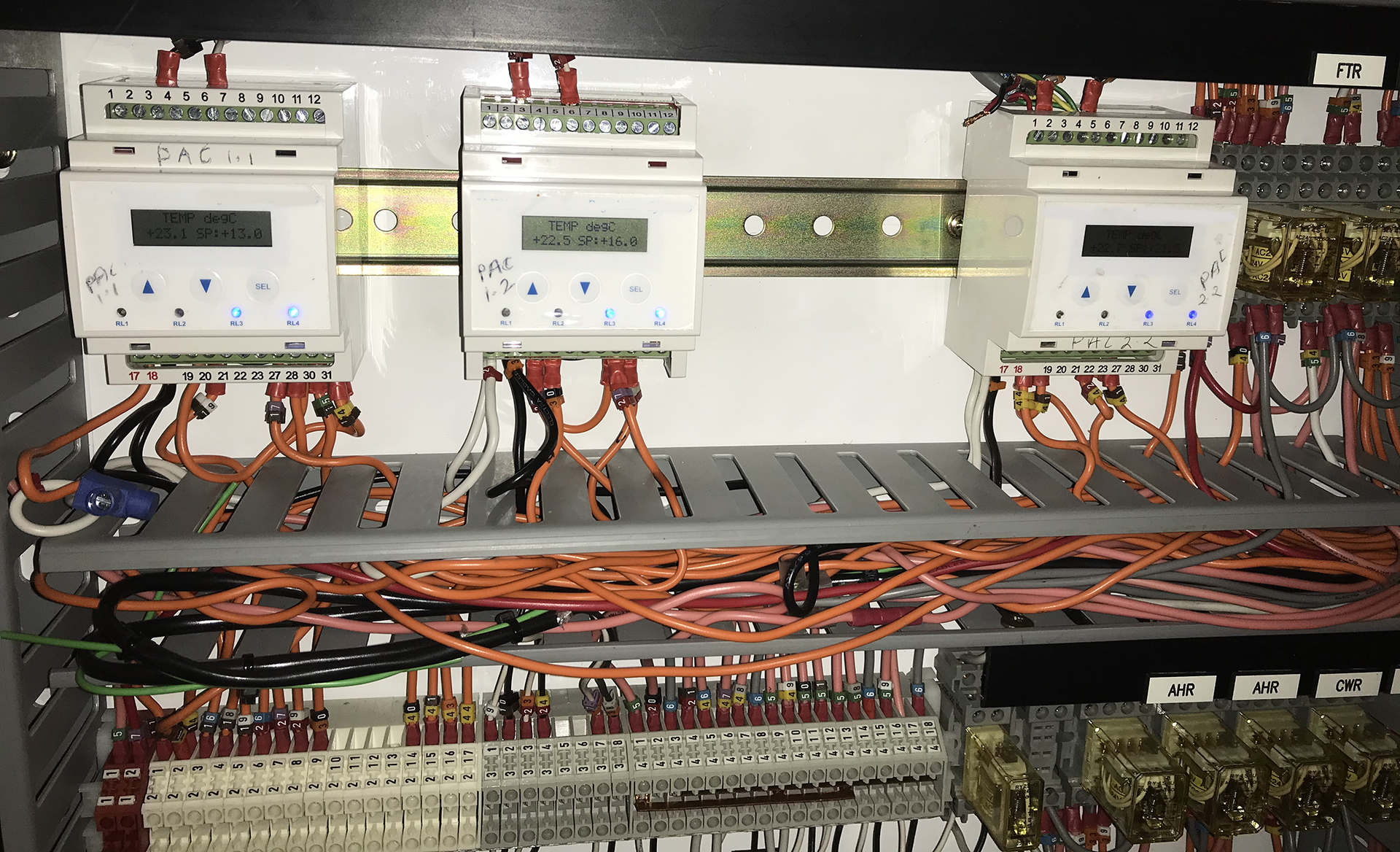
Plant may remain operational but be approaching obsolescence. A BMS may provide attractive graphics while critical alarms, sensors or trend logs are unreliable. Maintenance records may be extensive but provide little evidence of equipment condition, control performance or remaining service life.
Technical due diligence provides the purchaser, owner, asset manager or lender with an independent assessment of these risks before they become an unexpected operational or financial responsibility.
WR8Tech can identify:
- areas requiring further specialist investigation.
- ageing or obsolete equipment;
- deferred maintenance and recurring defects;
- control and commissioning deficiencies;
- undocumented alterations;
- systems operating outside their intended sequence;
- limited availability of replacement components;
- incomplete or unreliable asset information;
- potential compliance and safety concerns;
- short- and medium-term capital expenditure priorities; and
- areas requiring further specialist investigation.
Due Diligence for Informed Commercial Decisions
Our reports are developed for experienced property professionals who require clear technical findings—not generic descriptions of installed equipment.
WR8Tech supports:
- property and asset managers;
- facility and building managers;
- commercial property owners;
- purchasers and investors;
- vendors preparing assets for sale;
- owners corporations and strata committees;
- property advisers and transaction managers;
- lenders and other stakeholders undertaking risk reviews; and
- legal and commercial teams requiring technical input.
The scope is tailored to the transaction, property type, available documentation and level of technical risk.

What We Assess
Depending on the agreed scope, WR8Tech’s technical due diligence may include the following systems and areas.
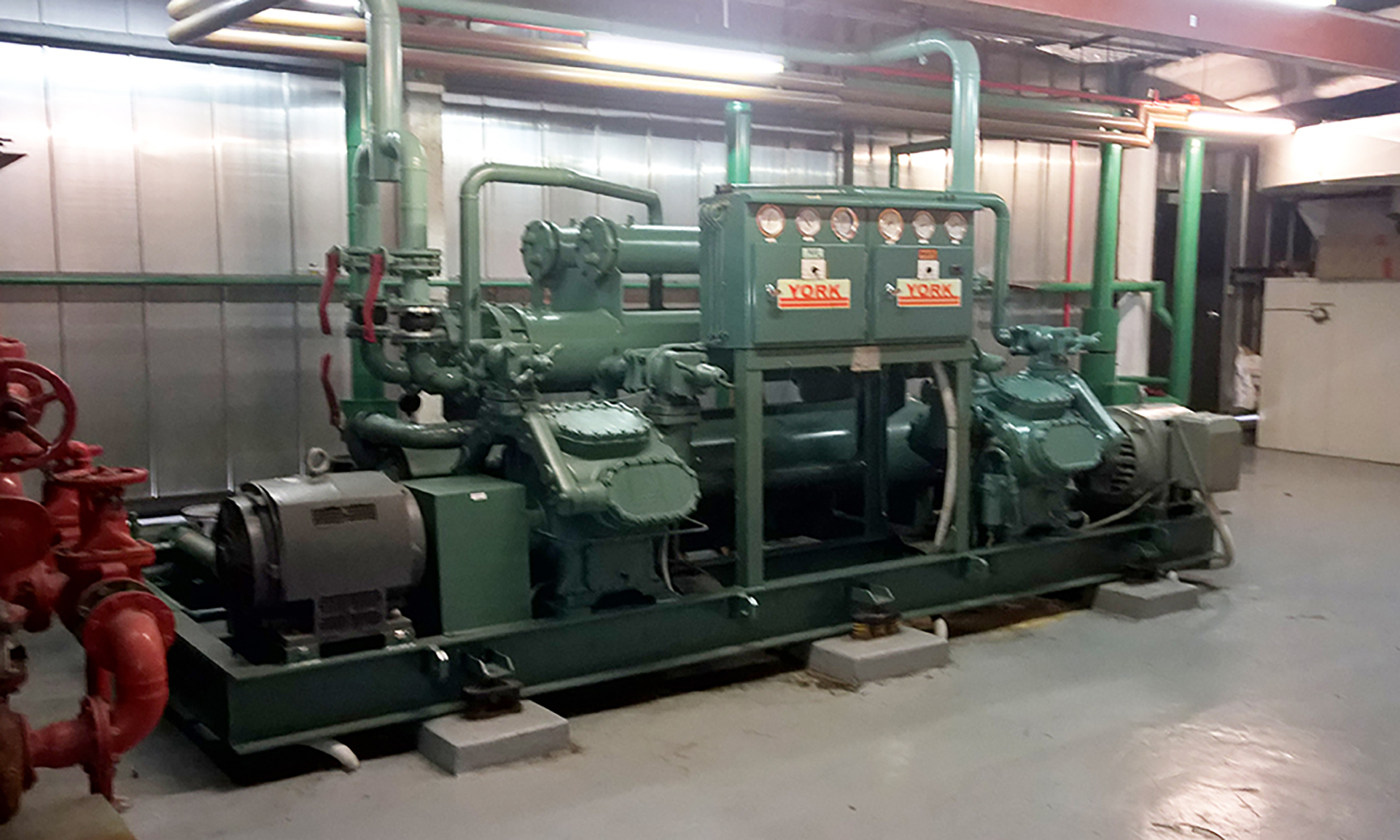
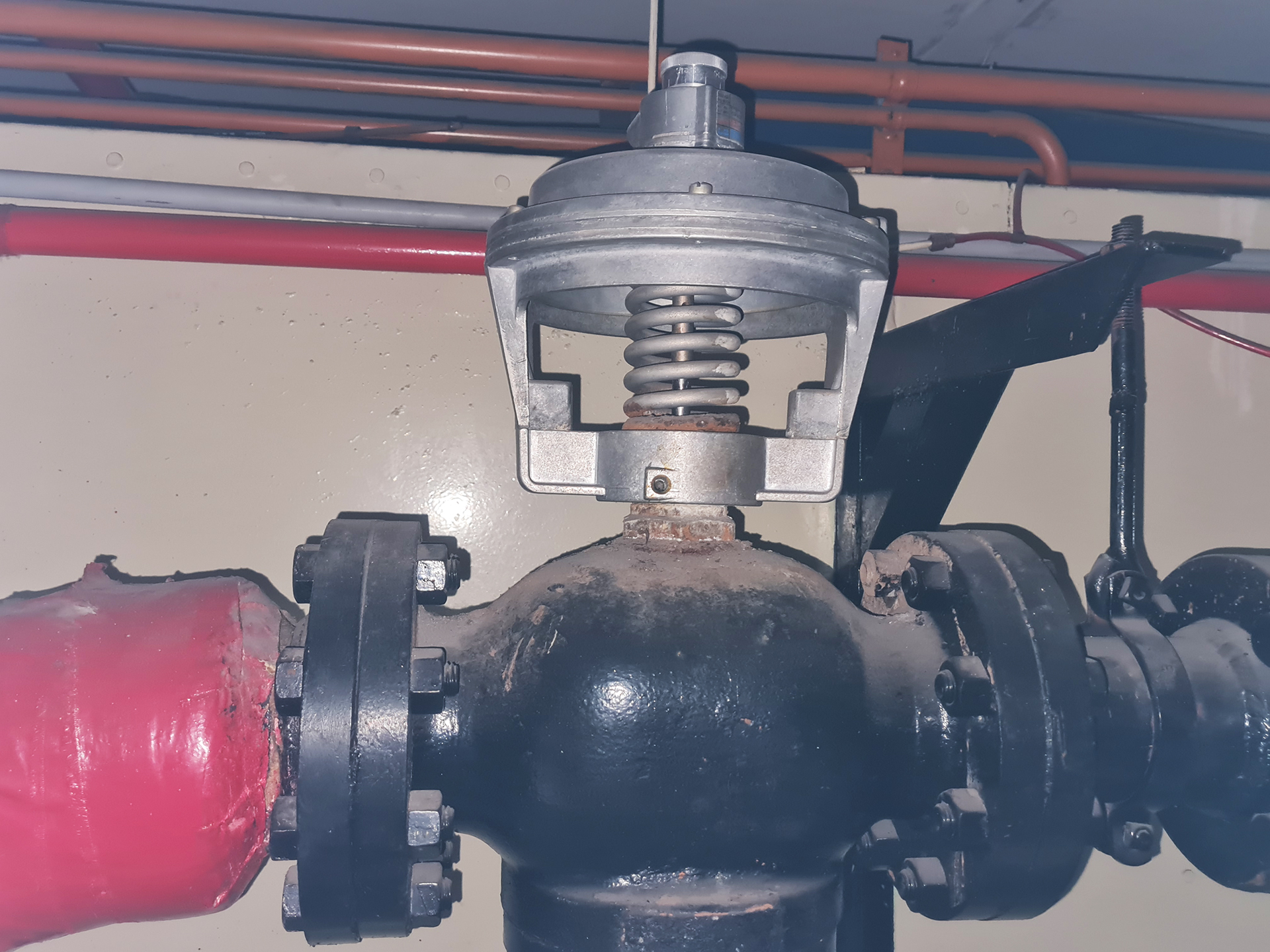
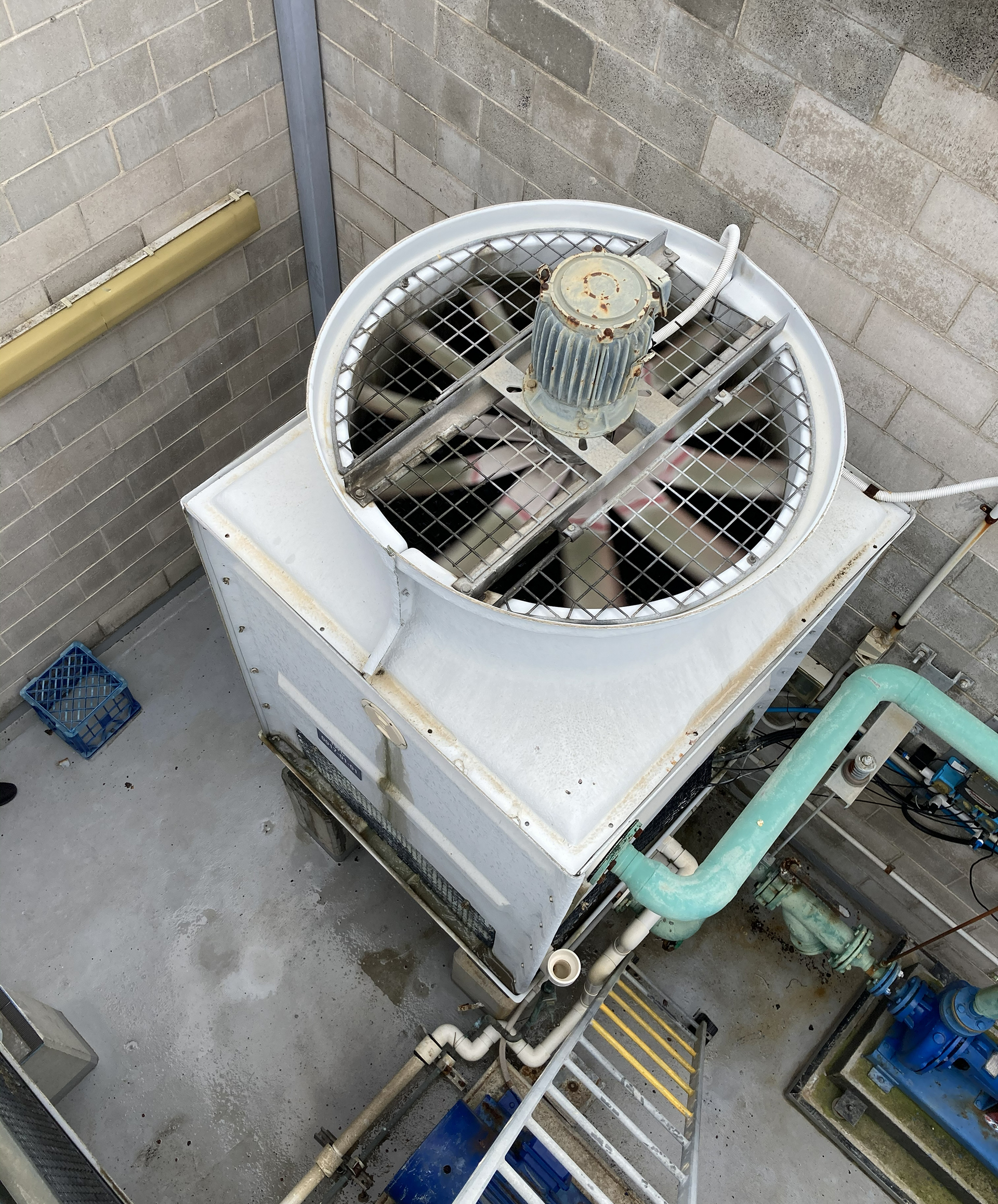
HVAC and Mechanical Services
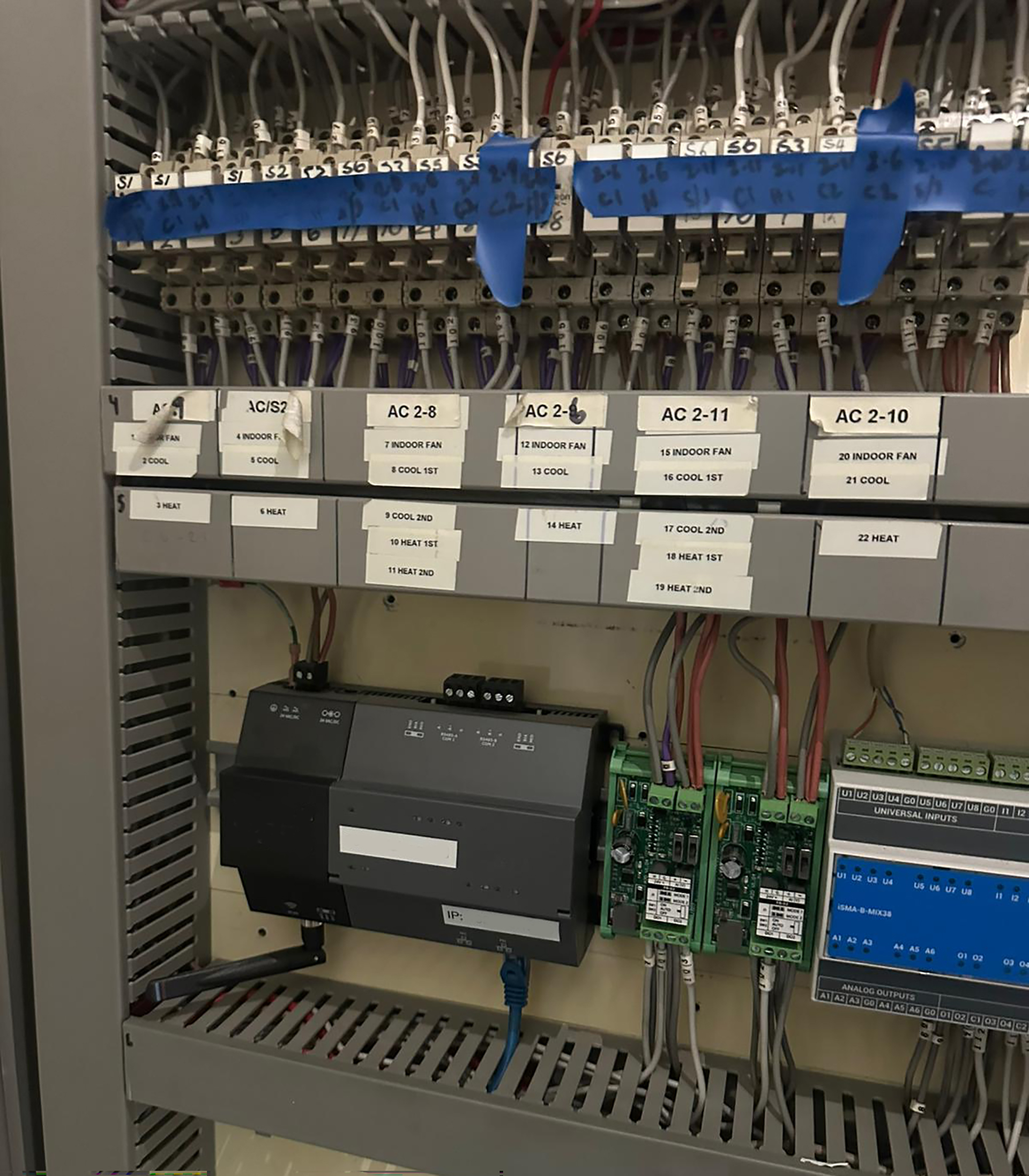
Building Management Systems and Controls

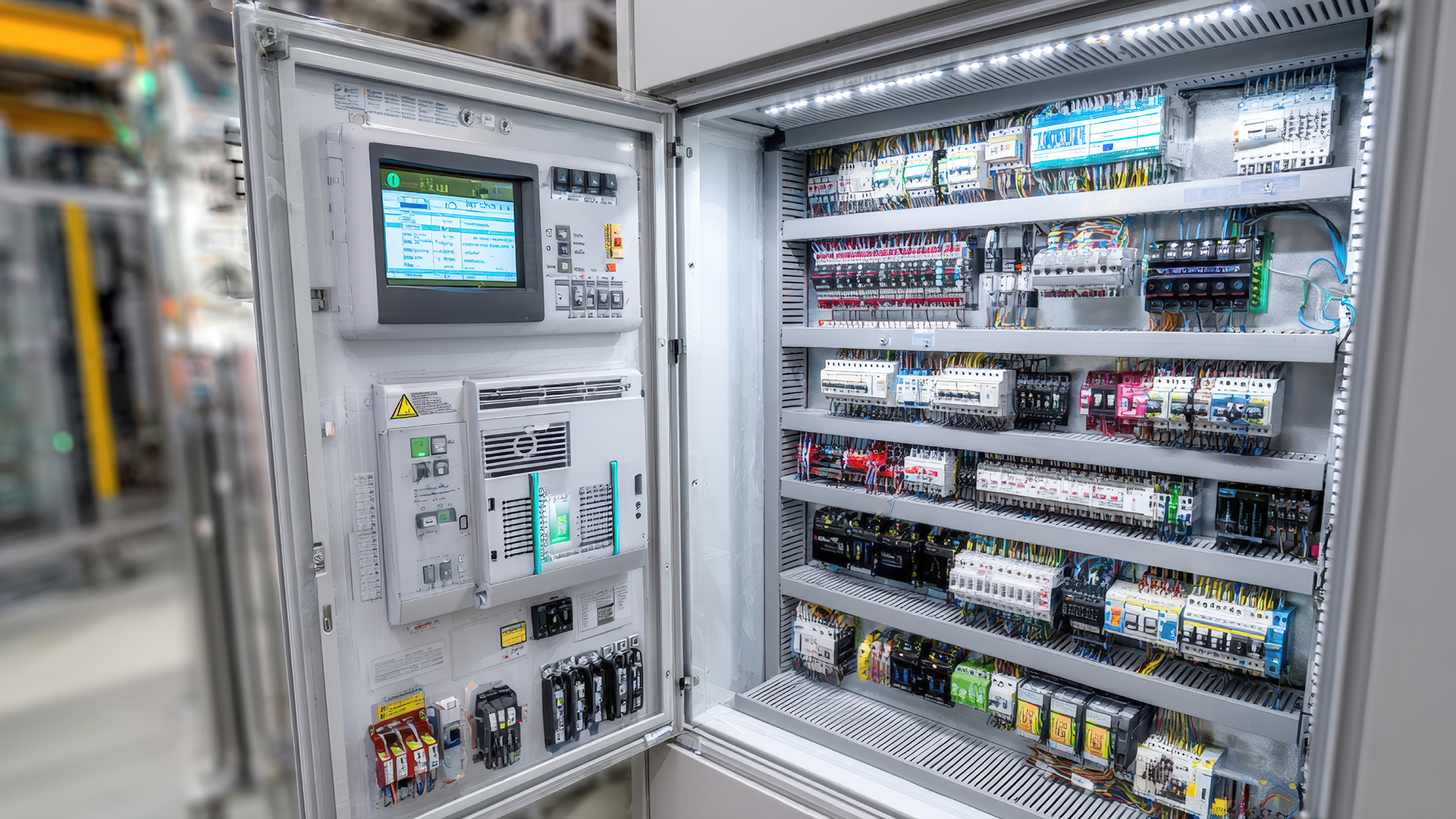
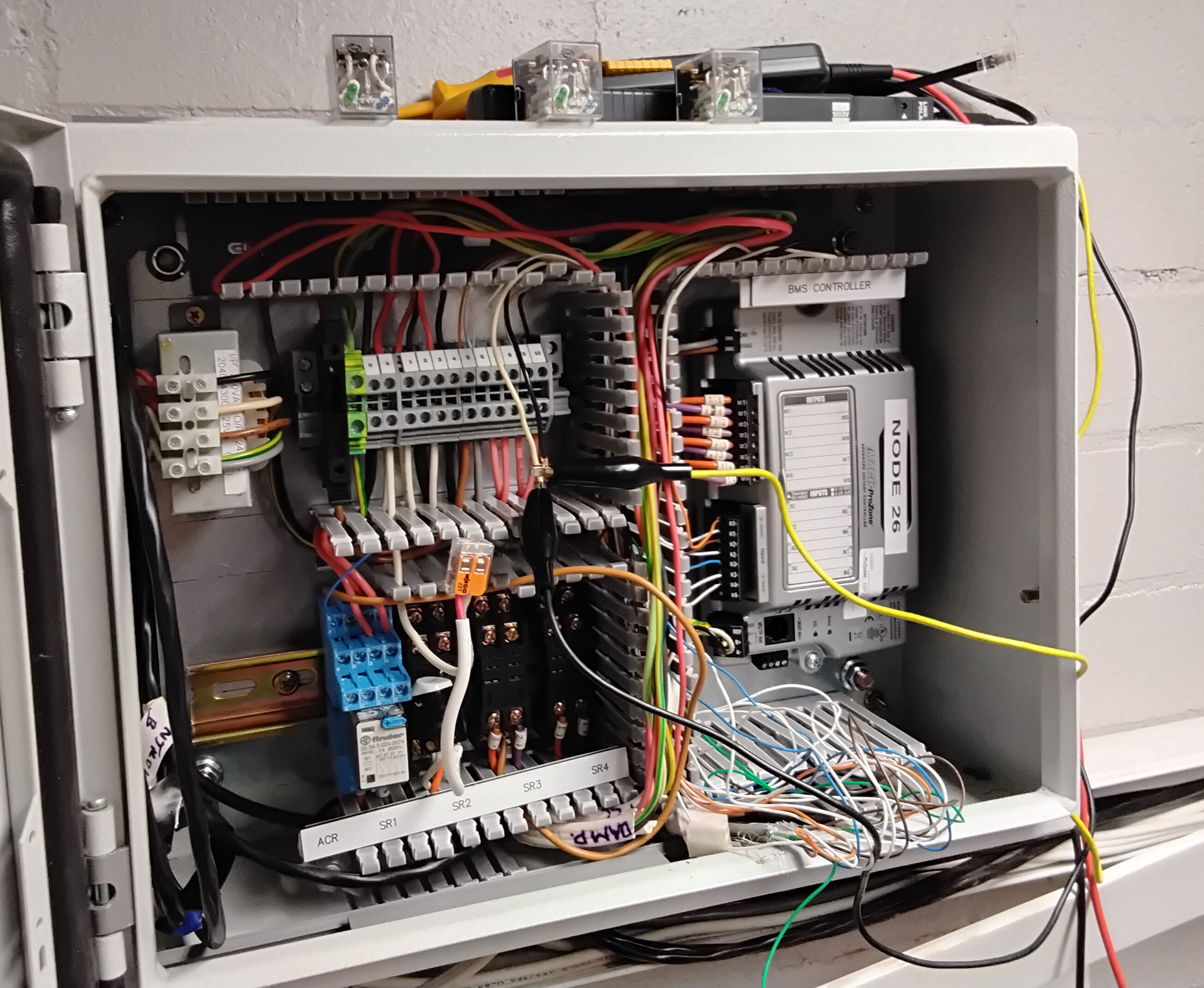
Electrical and Mechanical Electrical Infrastructure
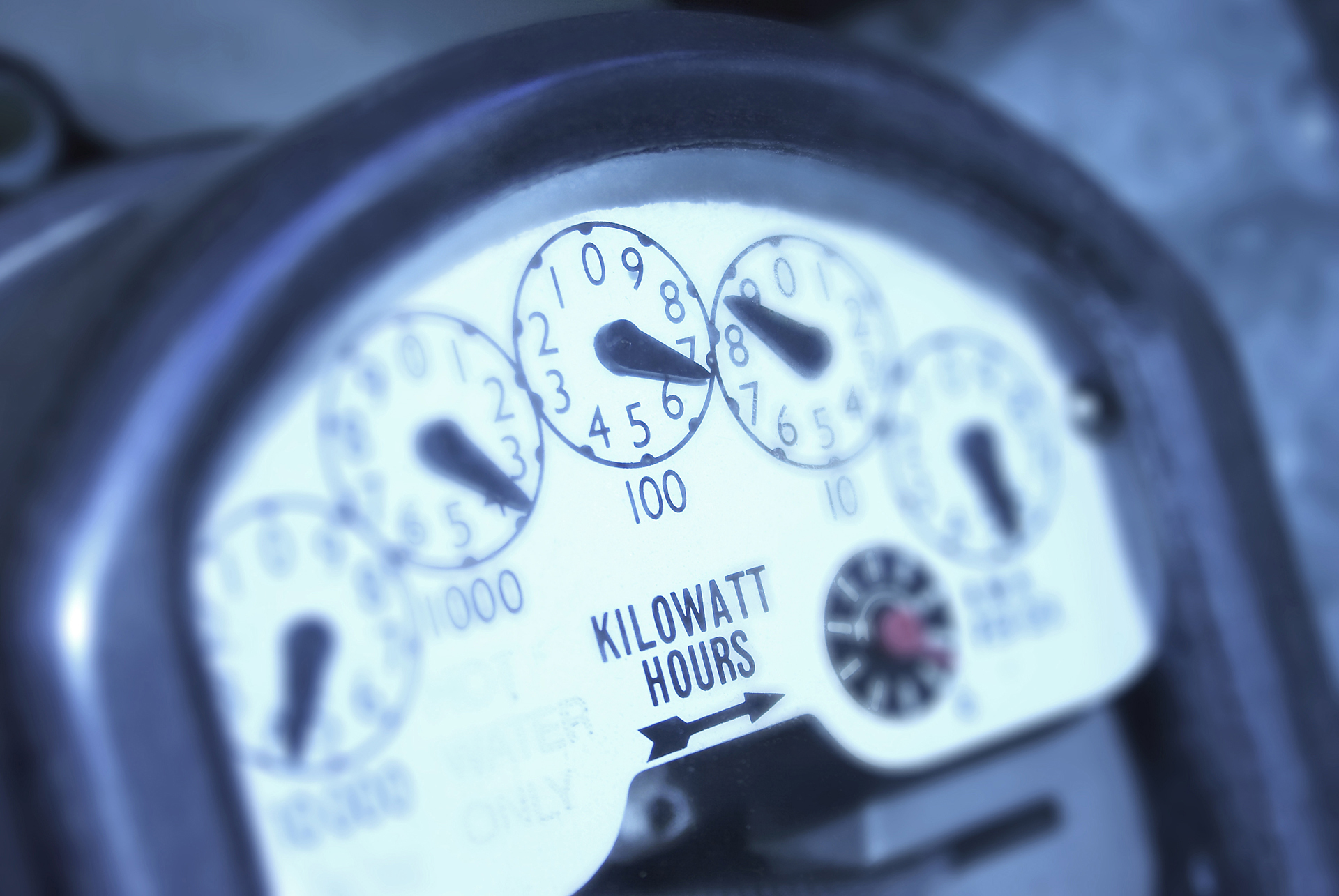
Energy Metering and Building Performance
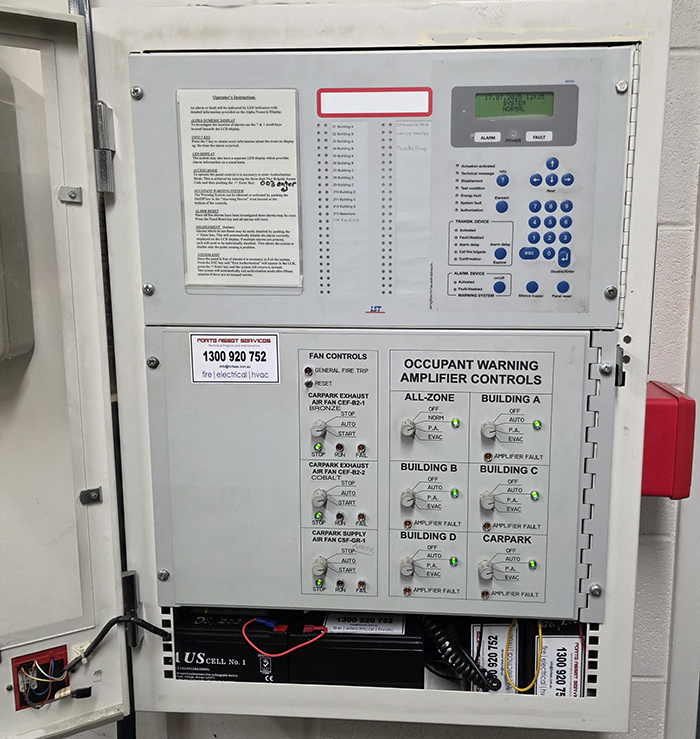
Essential and Integrated Building Systems
Where included within the engagement, we may review the observable condition and interfaces associated with:
- fire-system interfaces to mechanical plant;
- smoke-control and ventilation-system interfaces;
- standby generators and automatic changeover arrangements;
- lifts and other third-party system interfaces;
- car-park ventilation controls;
- critical alarms and remote monitoring; and
- communication between separate building systems.
Specialist statutory inspection, certification and destructive testing are excluded unless specifically included in the agreed scope.
Looking Beyond Apparent Plant Condition
A conventional condition assessment may identify the age and visual condition of equipment. That information is important, but it does not always reveal how the building is performing.
WR8Tech also considers the relationship between the equipment, electrical infrastructure and controls.
For example:
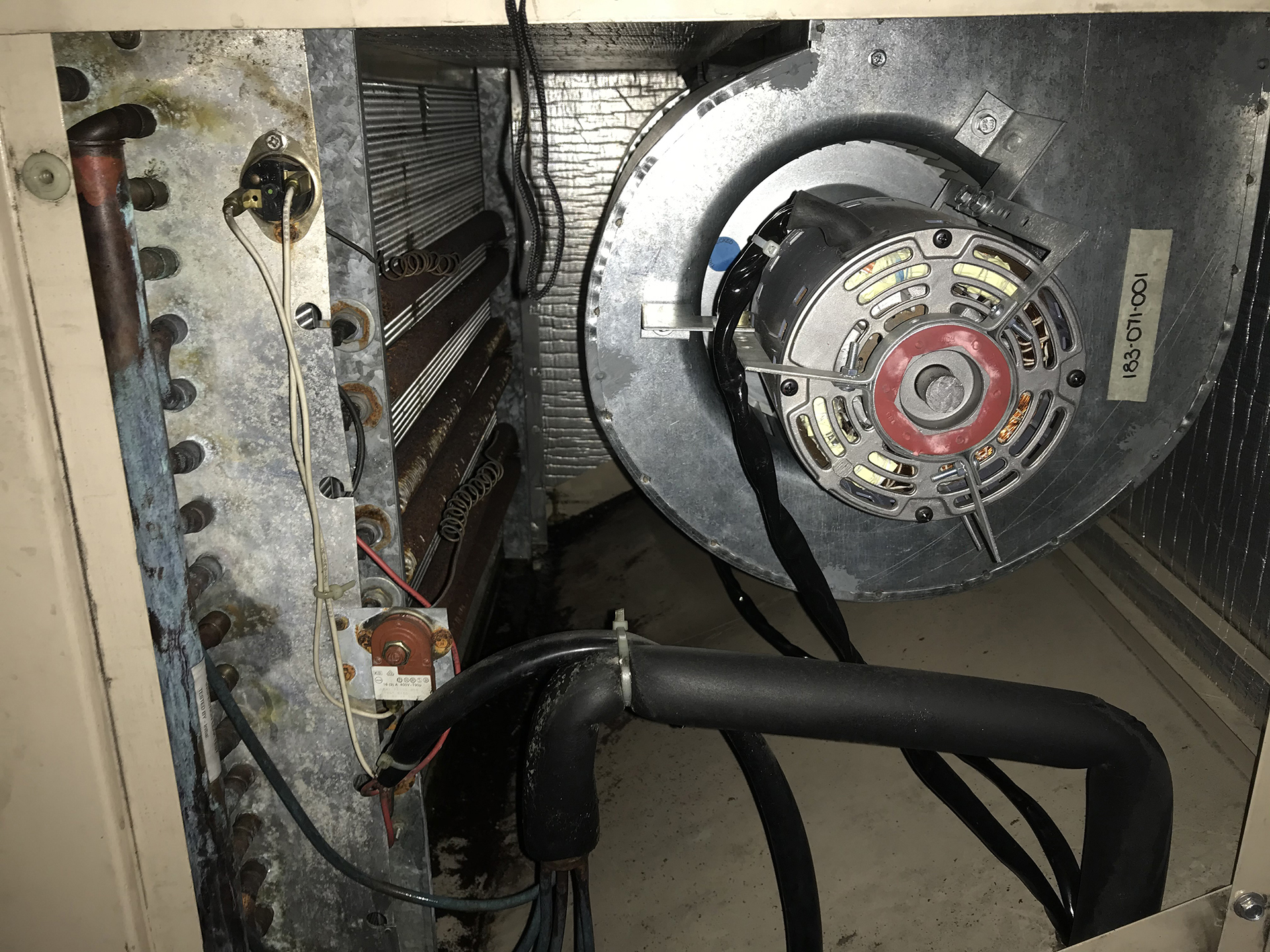
- A chiller may be in reasonable physical condition but cycle excessively because of poor staging.
- An air-handling unit may operate reliably but run well beyond occupied hours.
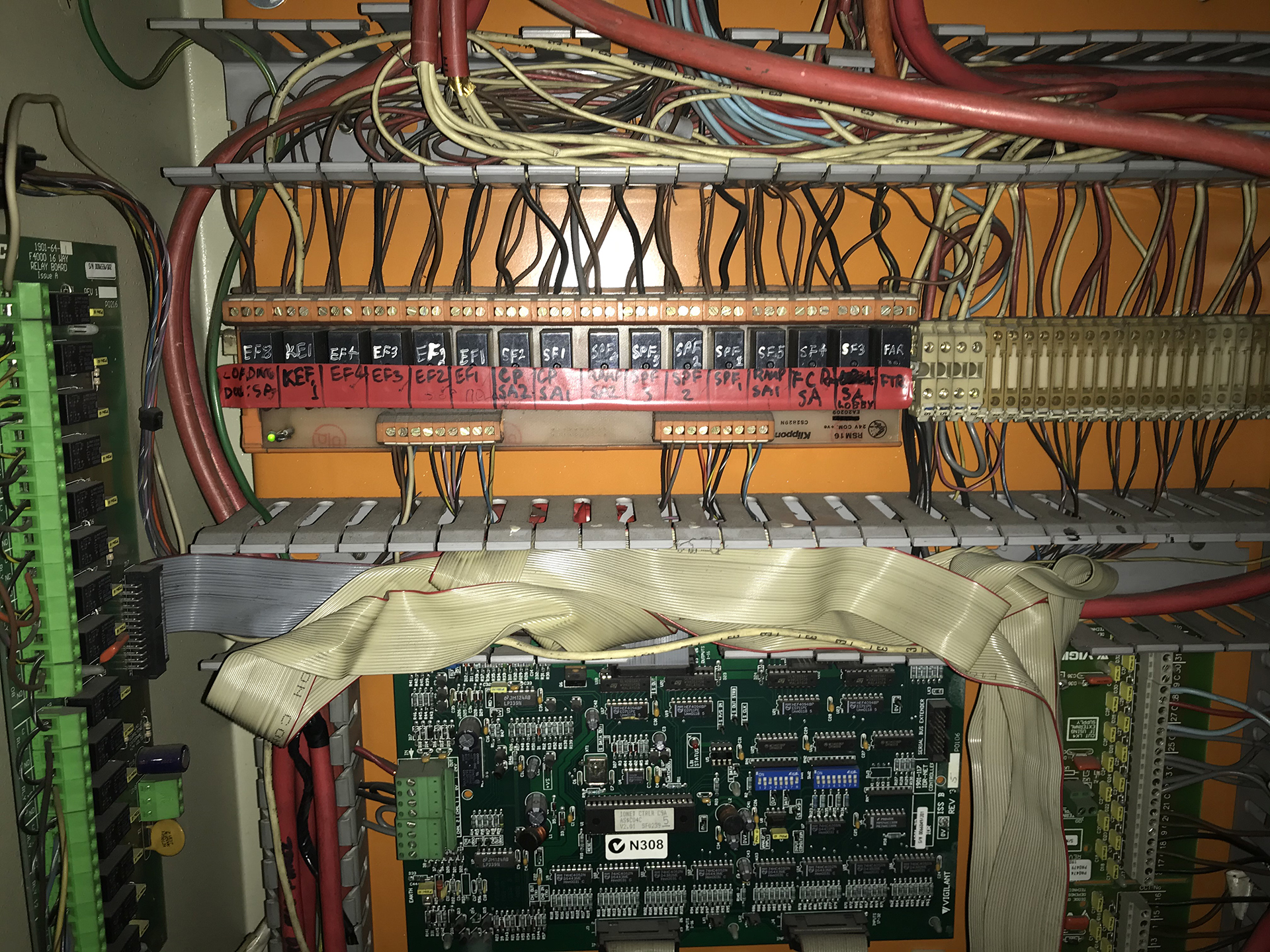
- A BMS may appear functional while critical sensors, alarms or trend logs remain unreliable.
- A recently replaced item of plant may be poorly integrated with the existing controls.
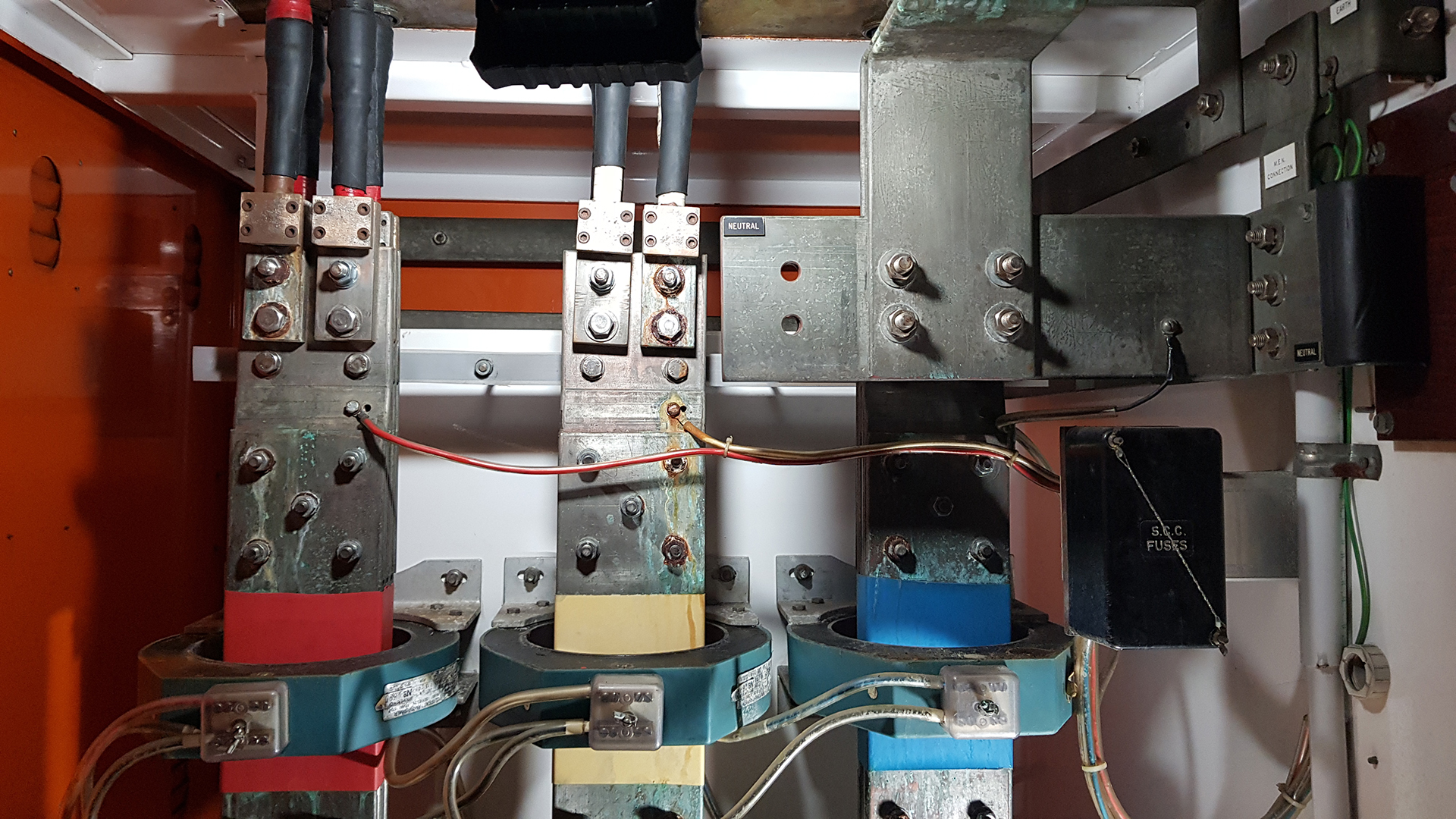
- An MSSB may remain operational but contain obsolete components, undocumented alterations or limited capacity for future modifications.
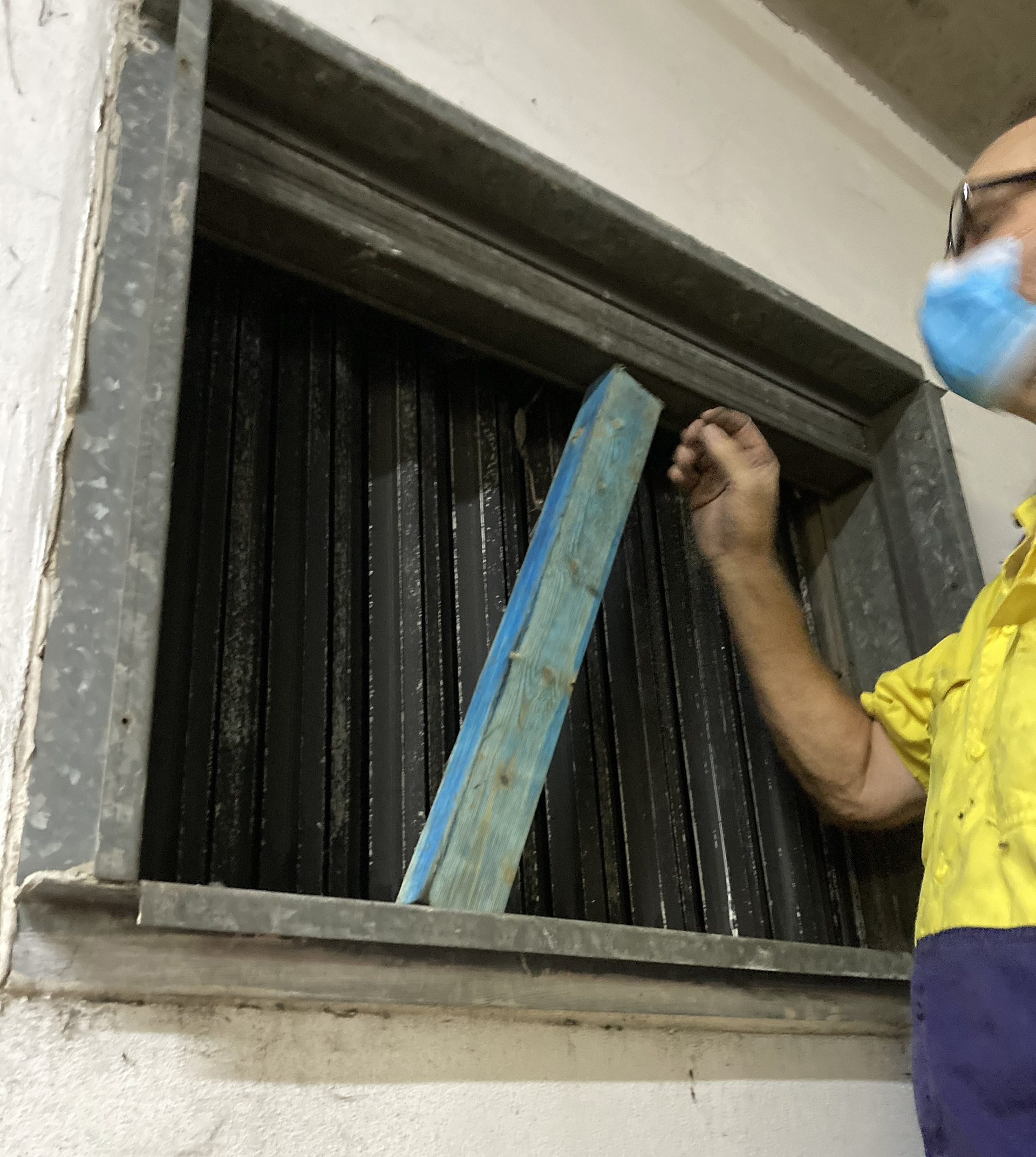
- A car-park ventilation system may operate manually but fail to respond correctly to CO levels, BMS commands or fire-system interfaces.
These interactions can materially affect maintenance costs, energy consumption, tenant comfort and future capital requirements.
Documentation and Maintenance Review
Available records are reviewed against the observed installation and operating condition.
Documentation may include:
- asset registers;
- mechanical and electrical drawings;
- functional descriptions;
- BMS points lists and network information;
- maintenance contracts and service reports;
- defect and quotation registers;
- statutory testing records;
- energy and utility information;
- equipment replacement history;
- capital expenditure plans;
- tenancy complaint records; and
- previous engineering or condition reports.
The existence of documentation does not necessarily confirm its accuracy. Where practical, WR8Tech compares available records with the installed systems and identifies material inconsistencies or information gaps.
Asset Lifecycle and Capital Expenditure Risk
Technical due diligence should provide more than a list of defects. It should help the client understand the likely timing and significance of future expenditure.
Findings may be grouped into:
- immediate safety or operational concerns;
- matters requiring further specialist investigation;
- short-term corrective work;
- deferred maintenance;
- recommissioning and optimisation opportunities;
- medium-term renewal requirements;
- obsolescence and supportability risks; and
- longer-term capital replacement considerations.
Budget allowances can be developed where agreed and where sufficient information is available. These should be treated as preliminary planning allowances unless supported by detailed design, contractor pricing or competitive tendering.
A Risk-Based Reporting Approach
Our reports are structured to support commercial decision-making.
Depending on the engagement, the report may include:
- an executive summary;
- property and system overview;
- review of available documentation;
- photographic observations;
- identified technical deficiencies;
- operational and maintainability risks;
- apparent compliance concerns;
- asset lifecycle observations;
- recommended further investigations;
- prioritised corrective actions;
- preliminary capital expenditure considerations; and
- limitations applying to the assessment.
We distinguish between observed defects, information supplied by others, matters requiring confirmation and professional judgement based on the evidence available at the time of inspection.
Pre-Acquisition Technical Due Diligence
For purchasers and investors, the assessment helps identify technical liabilities that may transfer with the property.
This may support:
- acquisition decisions;
- commercial negotiations;
- capital expenditure forecasting;
- immediate post-settlement priorities;
- maintenance-contract review;
- transition planning;
- further specialist investigations; and
- validation of vendor-supplied asset information.
The objective is not to portray every ageing component as an immediate liability. It is to distinguish manageable condition issues from risks that could materially affect the acquisition or future operation of the asset.
Vendor and Pre-Sale Technical Reviews
Owners preparing a property for sale may commission a technical review before formal purchaser due diligence begins.
This can help identify:
- incomplete or inconsistent documentation;
- unresolved maintenance defects;
- conspicuous plant or switchboard issues;
- unreliable asset-register information;
- ageing systems likely to attract purchaser scrutiny;
- missing service or testing records; and
- matters that should be corrected, documented or commercially disclosed.
Addressing these issues early can improve the quality of the data room and reduce avoidable uncertainty during the transaction.
Technical Due Diligence for Existing Owners
A transaction is not always required.
Existing owners and asset managers may use the same process to obtain an independent baseline assessment when:
Why WR8Tech?
WR8Tech combines practical building-services experience across:
- Building Management Systems and automation;
- HVAC controls and mechanical services;
- electrical and mechanical electrical systems;
- energy metering and operational performance;
- legacy and mixed-manufacturer systems;
- commissioning and recommissioning;
- system integration; and
- commercial building operations.
This cross-disciplinary capability is particularly valuable where the apparent fault, risk or expenditure crosses conventional trade boundaries.
We understand that the purpose of technical due diligence is not to produce the longest possible defect list. It is to provide the client with defensible technical information, identify material risks and establish sensible priorities.

Melbourne, Sydney and Canberra
WR8Tech provides commercial building technical due diligence across Melbourne, Sydney and Canberra, with other locations considered according to the property, scope and transaction requirements.
Our experience includes:
- commercial office buildings;
- industrial and warehouse properties;
- retail and shopping-centre assets;
- mixed-use developments;
- strata and owners-corporation properties;
- hotels and hospitality assets;
- education and healthcare facilities;
- government and specialist buildings; and
- older buildings with legacy or poorly documented services