
Commercial Building Audits & Technical Assessments
Independent technical investigation of HVAC, BMS, electrical, energy and essential building systems across Melbourne, Sydney and Canberra.
Commercial buildings rarely fail all at once. More often, their performance deteriorates gradually. Control strategies are altered, alarms are disabled, sensors drift out of calibration, temporary repairs become permanent and important documentation disappears. Maintenance continues, but the reasons behind recurring faults, rising energy consumption and increasing tenant complaints are not always investigated.
A WR8Tech commercial building audit looks beyond whether equipment is simply running.
We investigate how the building’s systems are operating, how they interact and whether they continue to support the needs of the property. This can include the HVAC plant, Building Management System, mechanical electrical infrastructure, energy metering, ventilation systems, essential-service interfaces and the condition of critical assets.
The purpose is to give facility managers, property managers, building managers and owners a clearer technical understanding of the building—what is working, what is deteriorating and what should be addressed first.
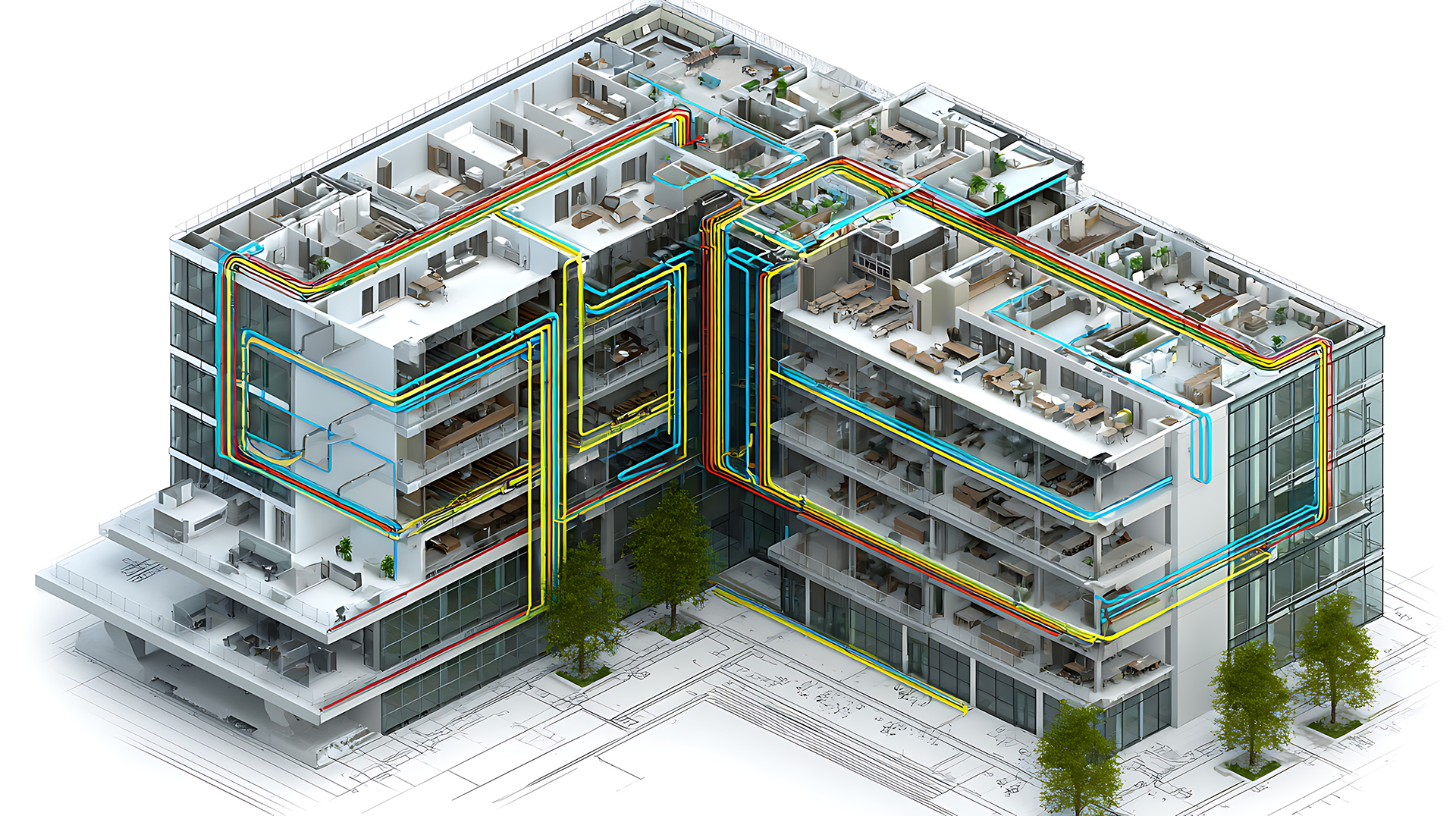
A Technical View of the Whole Building
A commercial building is not a collection of completely separate services.
The HVAC system depends on electrical infrastructure and mechanical switchboards. The BMS depends on sensors, field devices, communications networks and correctly commissioned control strategies. Energy performance depends on equipment condition, operating hours, tenant requirements and the way these systems are controlled.
An audit that considers each service in isolation can miss the relationships between them. For example, a high electricity bill may initially appear to be an energy-management problem. Further investigation may show that an outside-air temperature sensor is inaccurate, a heating valve is passing, an air-handling unit is operating continuously and the BMS trend logs needed to identify the problem were never configured. Replacing one component may not resolve the underlying issue.
WR8Tech’s approach is to follow the operation of the building from the management software through to the controllers, switchboards, mechanical plant and field devices. This helps distinguish isolated defects from broader operational or control problems.
What Is a Commercial Building Audit?
A WR8Tech building audit is a structured technical assessment of the systems, equipment, controls and available documentation associated with a commercial property. The scope is developed around the reason for the audit. It may be commissioned because of:
- Recurring HVAC or tenant comfort complaints
- Increasing energy or maintenance costs
- Ageing or obsolete building systems
- Uncertainty about contractor performance
- Poor visibility of asset condition
- A proposed property acquisition or sale
- Preparation of capital expenditure budgets
- A change of facility or maintenance provider
- Repeated faults that have never been properly resolved
- Concern that the BMS is not operating as intended
- Missing, incomplete or unreliable asset information
Some audits examine the entire building. Others concentrate on a particular service, operational problem or area of risk. We first establish what the client needs to understand. The audit is then structured to produce useful evidence rather than a generic inspection checklist.
Looking Beyond the Plantroom
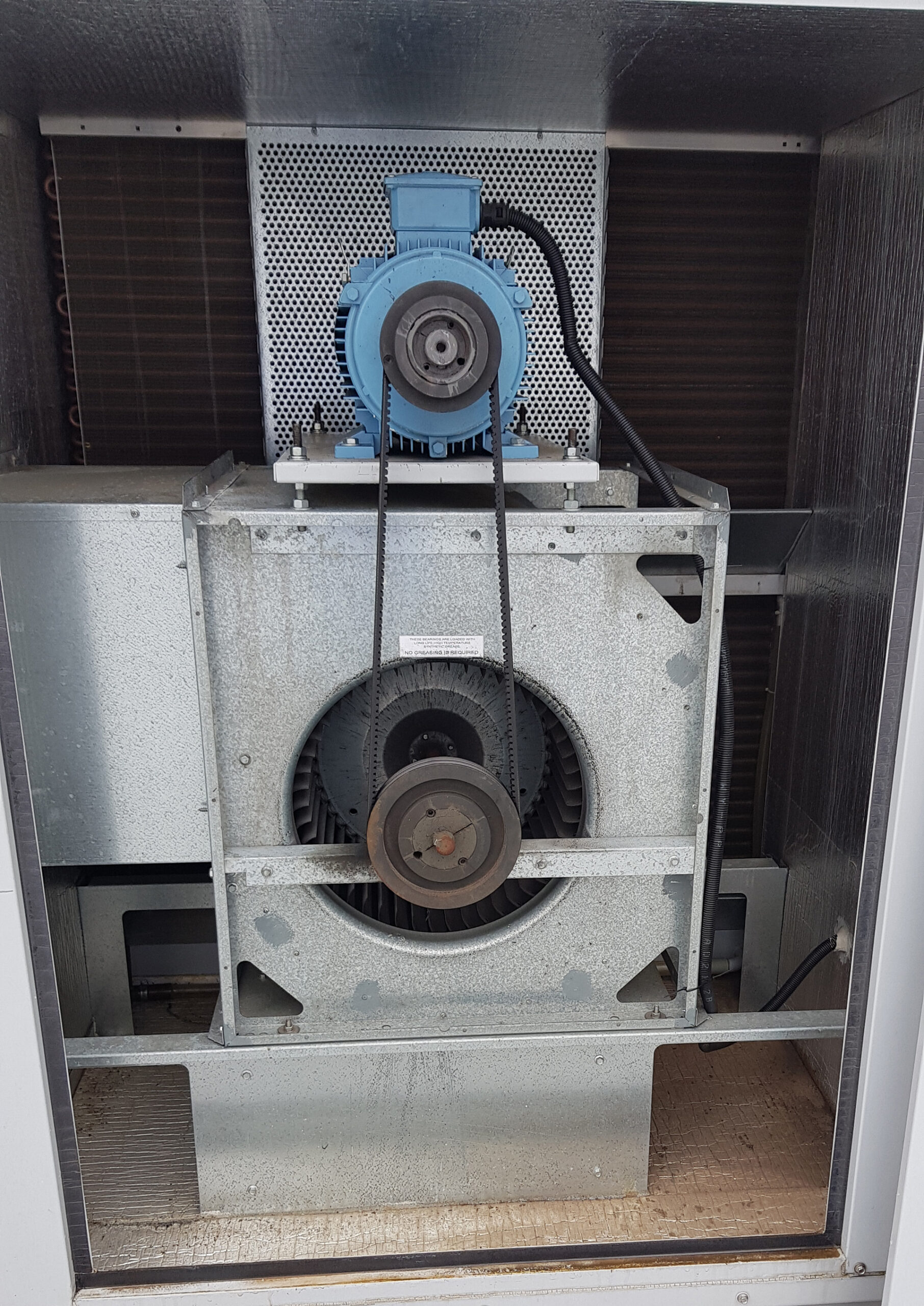
A building may appear reasonably maintained while still performing poorly. Plant can be clean and regularly serviced but operate for far longer than required. A BMS may display attractive graphics while its sensors, alarms or trend logs are unreliable. A switchboard may remain operational while undocumented modifications, obsolete components and overcrowding make future maintenance increasingly difficult. For this reason, our investigation may include more than a visual inspection. Depending on the agreed scope, we can examine:
- BMS graphics, alarms, schedules and trend data
- Control sequences and plant interlocks
- HVAC operating conditions
- Sensors, actuators and field devices
- BACnet, Modbus and other system integrations
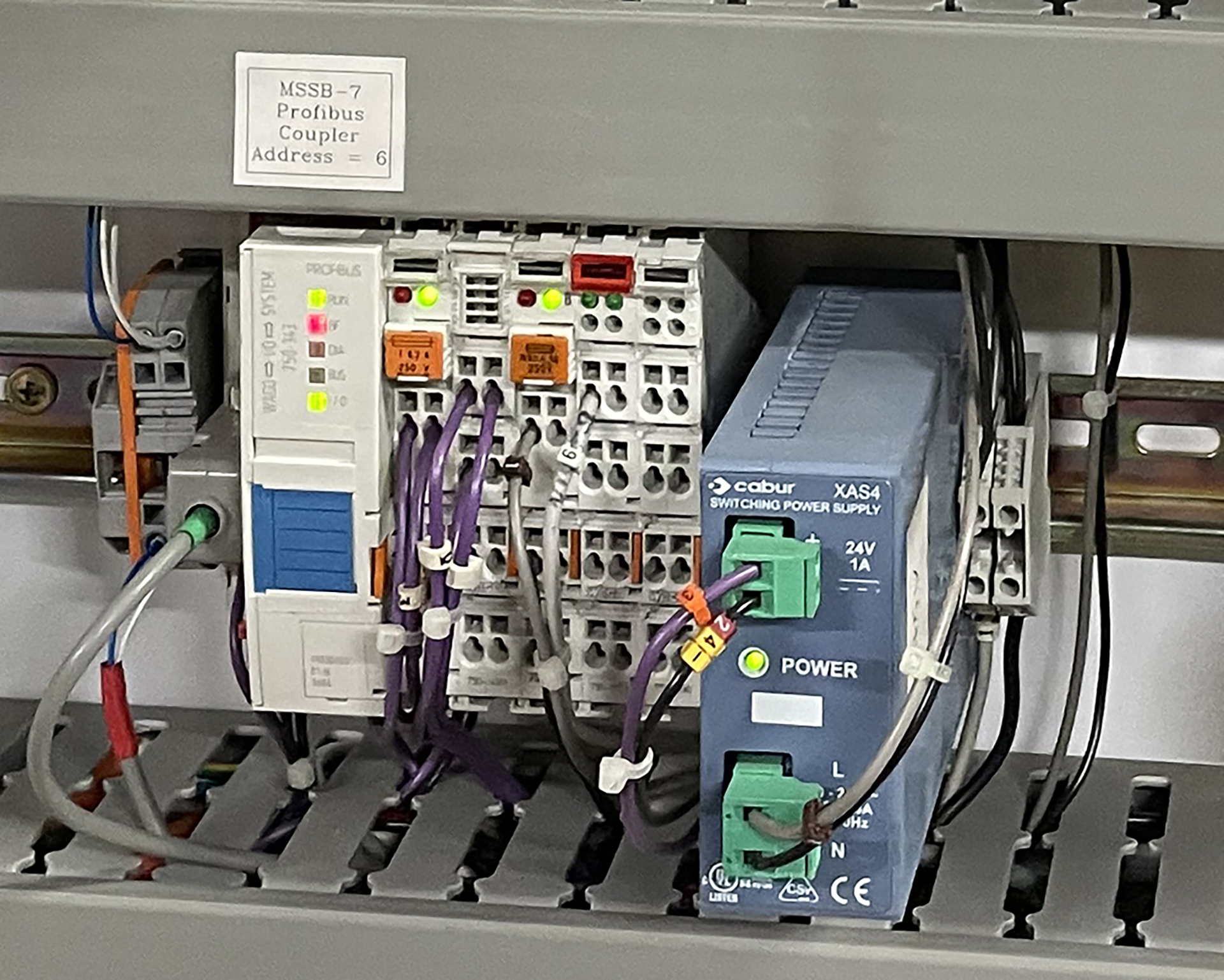
- Mechanical services switchboards
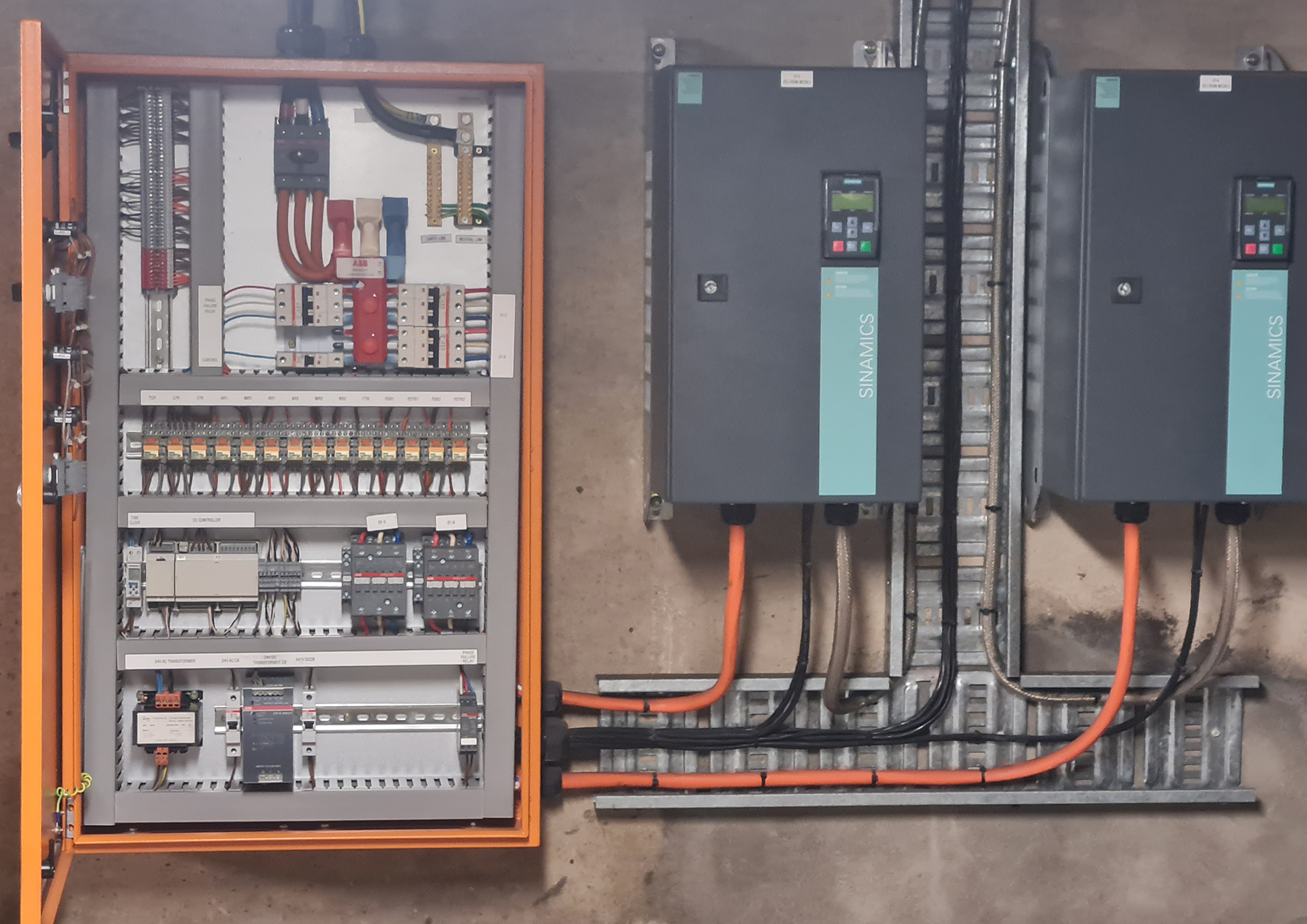
- Variable speed drives and motor controls
- Energy meters and monitoring systems
- Car park ventilation and carbon monoxide controls
- Plant condition, accessibility and serviceability
- Existing drawings, functional descriptions and asset records
- Maintenance history and recurring fault patterns
- Equipment obsolescence and spare-parts availability
This allows us to compare what the building appears to be doing with what is actually happening at the equipment and control level.
Building Management System Audits
The BMS is often the best place to begin understanding a building—but only if the information displayed by the system can be trusted. During a BMS audit, WR8Tech may investigate whether sensors are providing credible readings, plant commands reach the intended equipment, operating schedules reflect occupancy and control strategies remain suitable for the building.
We also look for signs of incomplete commissioning or gradual deterioration, including disabled alarms, missing trend logs, overridden outputs, failed communications, unstable control loops and graphics that no longer match the field installation. The objective is not automatically to recommend replacement.
Many existing systems can continue to provide value after targeted repairs, recommissioning, improved documentation or staged upgrades. Where a system has genuine obsolescence or operational-continuity risks, these are identified so that replacement can be planned rather than forced by an unexpected failure.
HVAC and Mechanical Services Audits
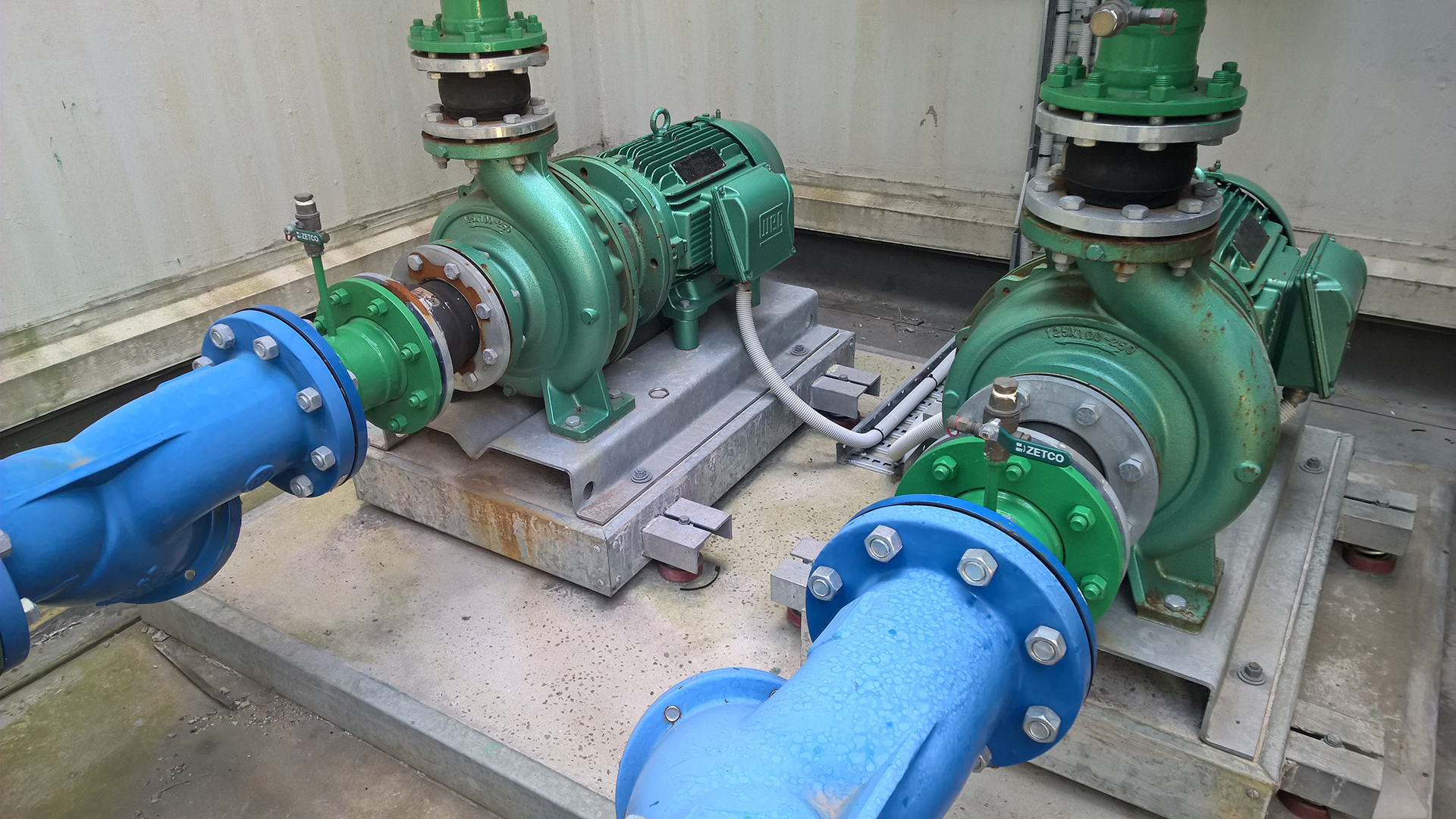
HVAC systems are among the largest users of energy in many commercial buildings and one of the most common sources of tenant complaints. However, poor HVAC performance is not always caused by failed mechanical equipment. Problems can originate in control logic, sensors, actuators, air and water balancing, operating schedules, maintenance quality or the interaction between separate systems.
A WR8Tech HVAC audit considers how the mechanical plant is operating as a system. This can include air-handling units, ventilation systems, chilled and heating water plant, pumps, boilers, chillers, cooling towers, fan-coil units, variable refrigerant systems and associated controls.
We consider condition and maintainability, but also whether equipment is being enabled at the right time, controlled against credible values and coordinated with the rest of the building.
Electrical and Mechanical Switchboard Assessments
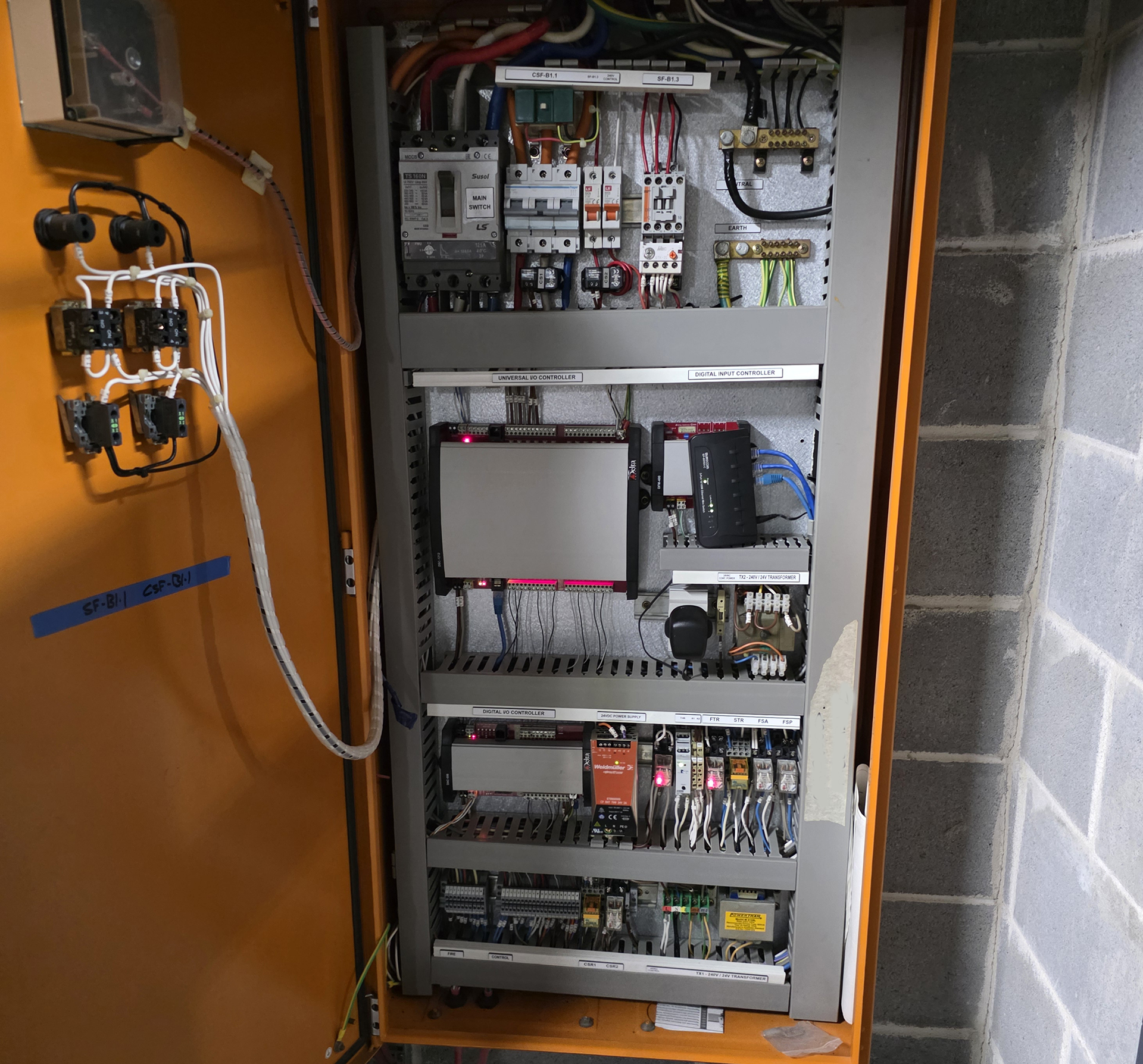
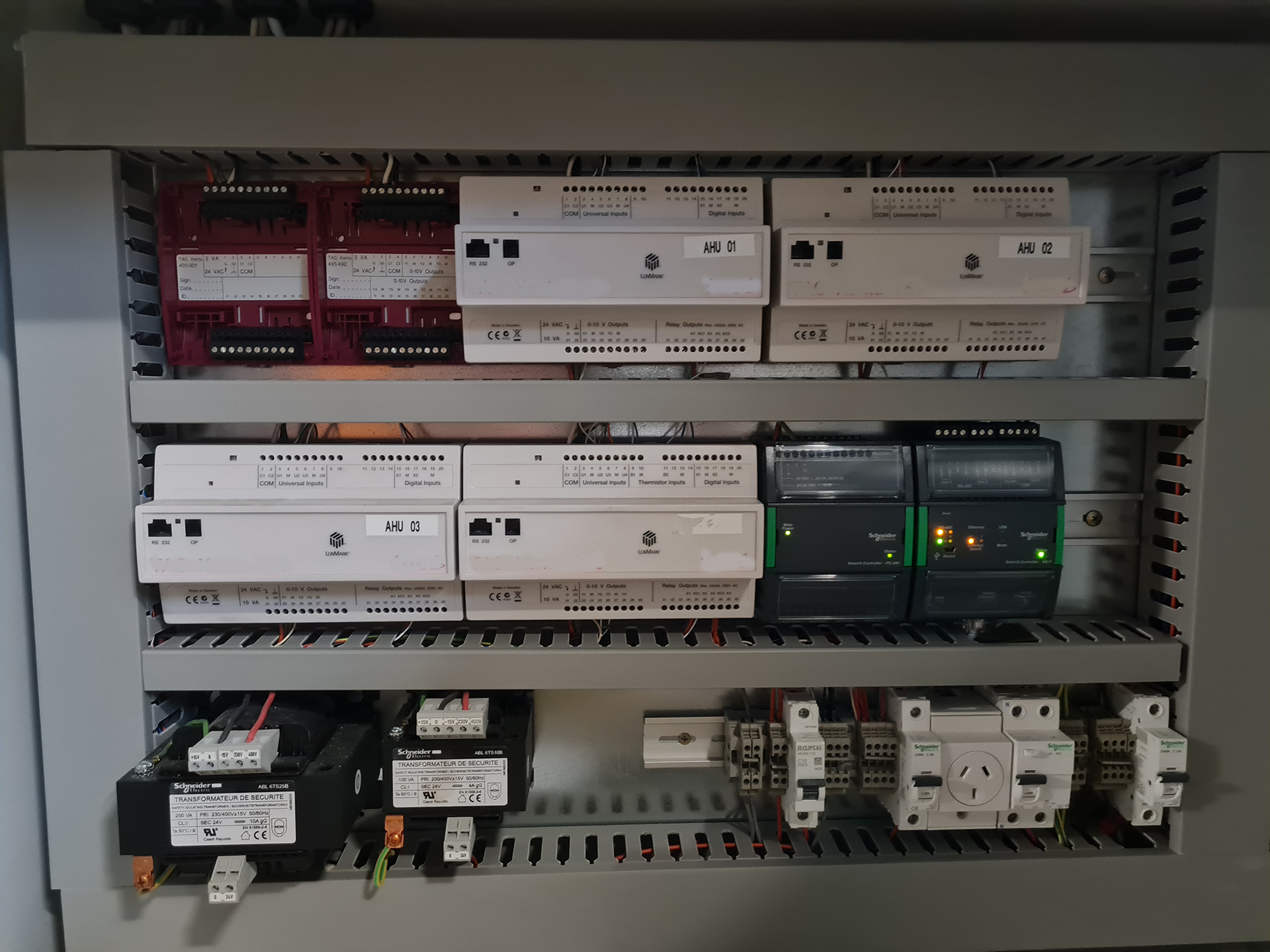
Mechanical services switchboards often contain the history of a building.Over time, circuits are added, components become obsolete, drawings are marked up or lost and temporary modifications accumulate. Doors and hardware deteriorate, spare ways are used without updating schedules and replacement components may no longer fit the original equipment.
A switchboard may still operate while becoming increasingly difficult and expensive to maintain.
Our assessments can consider the general condition of the switchboard, age and availability of components, control equipment, circuit identification, documentation, accessibility, maintainability and its relationship with the BMS and mechanical plant. Where further specialist testing or statutory inspection is required, that recommendation is clearly identified.
Energy Audits and Operational Performance
Energy waste is frequently a symptom of a wider building-performance problem.Common causes include excessive operating hours, simultaneous heating and cooling, failed dampers or valves, poor plant staging, inaccurate sensors, fixed-speed operation and systems remaining enabled after tenant requirements have changed.
WR8Tech energy audits connect consumption data with the physical and operational condition of the building.
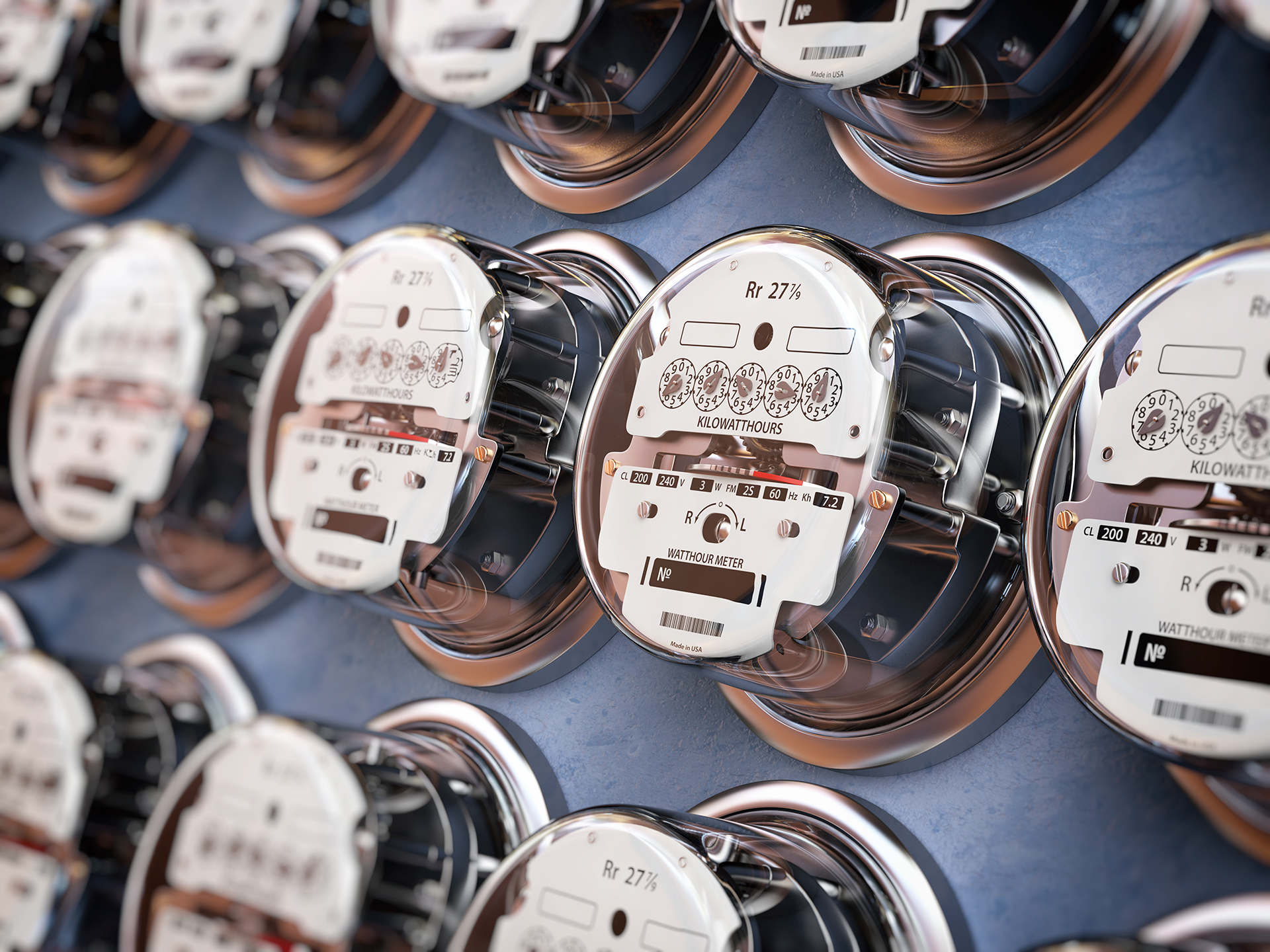
Where suitable information is available, we examine interval data, submetering, BMS trends, equipment operation and control strategies. This helps identify where energy is being used and whether the apparent saving opportunity is technically realistic. Recommendations can then be separated into operational corrections, maintenance items, control improvements and longer-term capital projects.
Asset Registers and Condition Assessments
An asset register should provide more than a list of model and serial numbers. For facility and property managers, the register should help answer practical questions:
- What equipment does the building rely on?
- Where is it located?
- What condition is it in?
- Is it maintainable?
- Are parts and technical support still available?
- Which assets present the greatest operational risk?
- What may require replacement during the next budget period?
WR8Tech can establish, verify or technically review commercial property asset registers. Information can be supported by photographs, location details, equipment data, condition observations, criticality and lifecycle considerations.
The level of detail is agreed before work begins so that the register remains useful and proportionate to the property. Recording every low-value item does not necessarily improve asset management; identifying critical plant and understanding its condition usually does.

Technical Due Diligence
Technical due diligence provides a clearer understanding of a property before an acquisition, lease, major refurbishment or change in operational responsibility.
The objective is not to predict every future failure. It is to identify material technical conditions that could affect operating costs, reliability, compliance, tenant amenity or planned capital expenditure.
Our findings may include ageing infrastructure, undocumented modifications, deferred maintenance, obsolete control systems, limited plant redundancy, unreliable asset information and systems that are technically operational but no longer suitable for the way the building is being used.This allows technical risk to be considered alongside the commercial decision.
Reports Written for Building Decision-Makers
Technical depth is only valuable when the findings can be understood and acted upon. WR8Tech reports are written for facility managers, property managers, building managers, owners and asset decision-makers. We explain what was observed, why it matters and what should happen next. Depending on the scope, the report may include:
- Photographic evidence
- Description of the observed condition
- Operational and technical implications
- Risk or priority classifications
- Immediate and short-term recommendations
- Maintenance and recommissioning opportunities
- Obsolescence and lifecycle considerations
- Potential energy-performance improvements
- Items requiring further testing or specialist investigation
- Options for staged repair or upgrade works
We separate urgent defects from medium-term improvements and longer-term capital considerations. This helps management avoid treating every observation as having the same importance.

Independent Findings Without Automatic Replacement
Older equipment does not need to be replaced simply because it is old. Equally, equipment should not be retained indefinitely merely because it is still running.
Our role is to examine condition, performance, serviceability, support availability and operational risk. Where existing plant or controls can be repaired, recommissioned or integrated into a staged upgrade, we identify that opportunity.
Where continued operation creates an unacceptable risk, we explain the reason and provide a practical basis for planning the next step. This is particularly important for buildings with legacy BMS platforms, pneumatic controls, obsolete controllers, ageing mechanical switchboards or equipment that is becoming difficult to support.
When a Building Audit Is Worth Considering
A technical audit may be appropriate when:
- The same faults continue to return
- Energy costs have increased without a clear explanation
- Occupants regularly complain about comfort or air quality
- Contractors provide conflicting advice
- Management cannot obtain reliable information from the BMS
- Asset records are incomplete or inaccurate
- Major equipment is approaching the end of its expected service life
- Capital expenditure needs to be prioritised
- The building is changing owners, managers or maintenance providers
- There is uncertainty about whether systems are operating as intended
An audit can provide the evidence needed to move from recurring discussion and reactive expenditure to an organised technical plan.


Commercial Building Audits Across Melbourne, Sydney and Canberra
WR8Tech provides commercial building audits and technical assessments across Melbourne, Sydney and Canberra.
We work with facility managers, property managers, building managers, strata managers, owners and asset stakeholders across commercial offices, residential towers, retail properties, education facilities, healthcare buildings, industrial sites, hospitality venues and mixed-use developments.
Our experience across BMS, HVAC controls, mechanical electrical systems, energy management and existing-building projects enables us to investigate the relationships between systems—not simply record the equipment present.
Understand What Your Building Is Actually Doing
If your building is experiencing recurring faults, rising operating costs, ageing systems or unexplained performance problems, a technical audit can provide a clearer starting point.
WR8Tech can help establish what is happening, identify the material risks and develop a practical sequence for corrective work, recommissioning or staged improvement.