Estimated reading time: 16 minutes
BMS Installation for New Buildings and Major Projects
Design, engineering, installation and integration of Building Management Systems for commercial, industrial, residential, healthcare, education, research and specialist facilities.
A new Building Management System should do more than satisfy a specification and provide a set of graphics at practical completion. It should become part of the operating infrastructure of the building or facility.
The BMS needs to control plant reliably, integrate correctly with third-party systems, provide useful operational information and remain understandable and maintainable long after the construction team has left site. WR8Tech delivers new BMS installations for new developments, major refurbishments, mechanical-services projects and specialist facilities.
Our involvement can extend from early controls engineering and design review through to hardware, software engineering, field installation, integration, graphics, commissioning and handover. We work across a wide range of environments, including commercial buildings, industrial facilities, apartment developments, universities, laboratories, healthcare facilities, hospitals, education buildings and other technically complex sites.
BMS Project Delivery
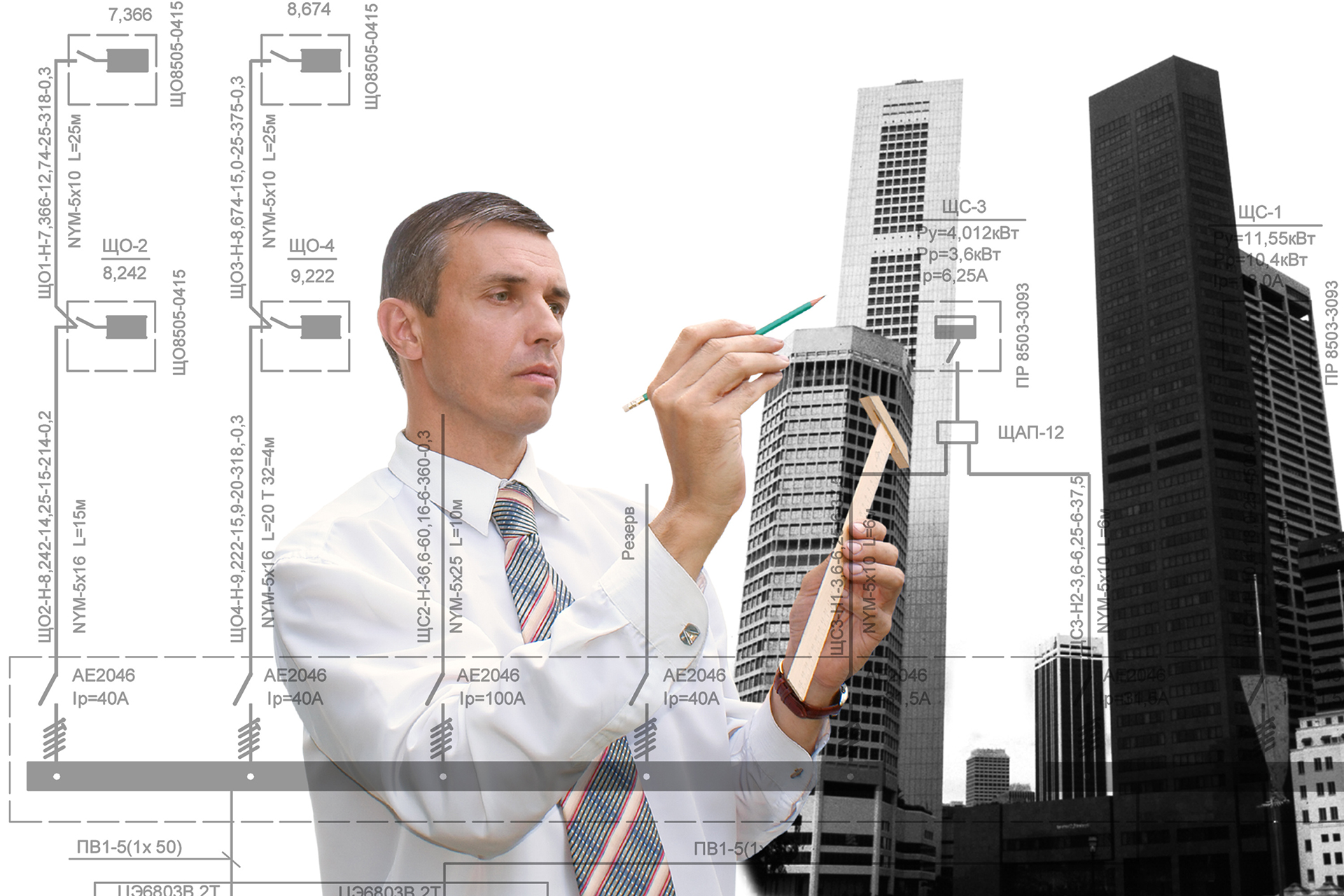
A successful BMS installation begins well before commissioning.The control strategy, plant interfaces, network architecture, field devices, communication protocols and responsibilities between contractors all need to be understood early in the project.
Where these matters are left unresolved, they usually appear later as commissioning defects, variations, delays or operational compromises. WR8Tech places significant emphasis on controls engineering and project coordination at the front end.
We review the available mechanical, electrical and controls documentation, establish how the plant is intended to operate and identify the interfaces that need to be resolved between the BMS and the wider project.
The objective is to turn the design intent into a system that can actually be installed, programmed, tested and operated.
BMS Engineering and Controls Design
The BMS sits between the project design and the physical operation of the building. A specification may define the required outcome, but the controls engineering needs to convert that outcome into practical sequences, field points, software logic and interfaces.
WR8Tech can undertake or review the engineering associated with the BMS package, including control architecture, points schedules, controller allocation, network design, functional descriptions and third-party integration. We focus on the relationship between the BMS and the actual plant being installed.
This is particularly important where equipment selections change during construction, where packaged plant has its own onboard controls, or where several contractors share responsibility for one control sequence. If the controls design does not reflect the final plant, the problem normally emerges during commissioning. We prefer to identify it earlier.


Functional Descriptions and Sequences of Operation
The functional description should explain how the building or facility is intended to operate. It should be clear enough for the controls engineer to implement, the commissioning team to test and the operator to understand later.
WR8Tech can work from consultant-provided functional descriptions or develop and refine sequences where required. The emphasis is on practical operation.
That may include plant enable conditions, staging, lead and lag arrangements, pressure and temperature control, time schedules, safeties, interlocks, alarms, failure modes and interaction with third-party systems.
For complex facilities, the control philosophy may also need to account for critical environments, specialist processes, after-hours operation, redundancy requirements or restricted operating conditions. The aim is to produce control logic that suits the actual building rather than simply reproducing generic sequences from previous projects.
BMS Hardware and Field Control
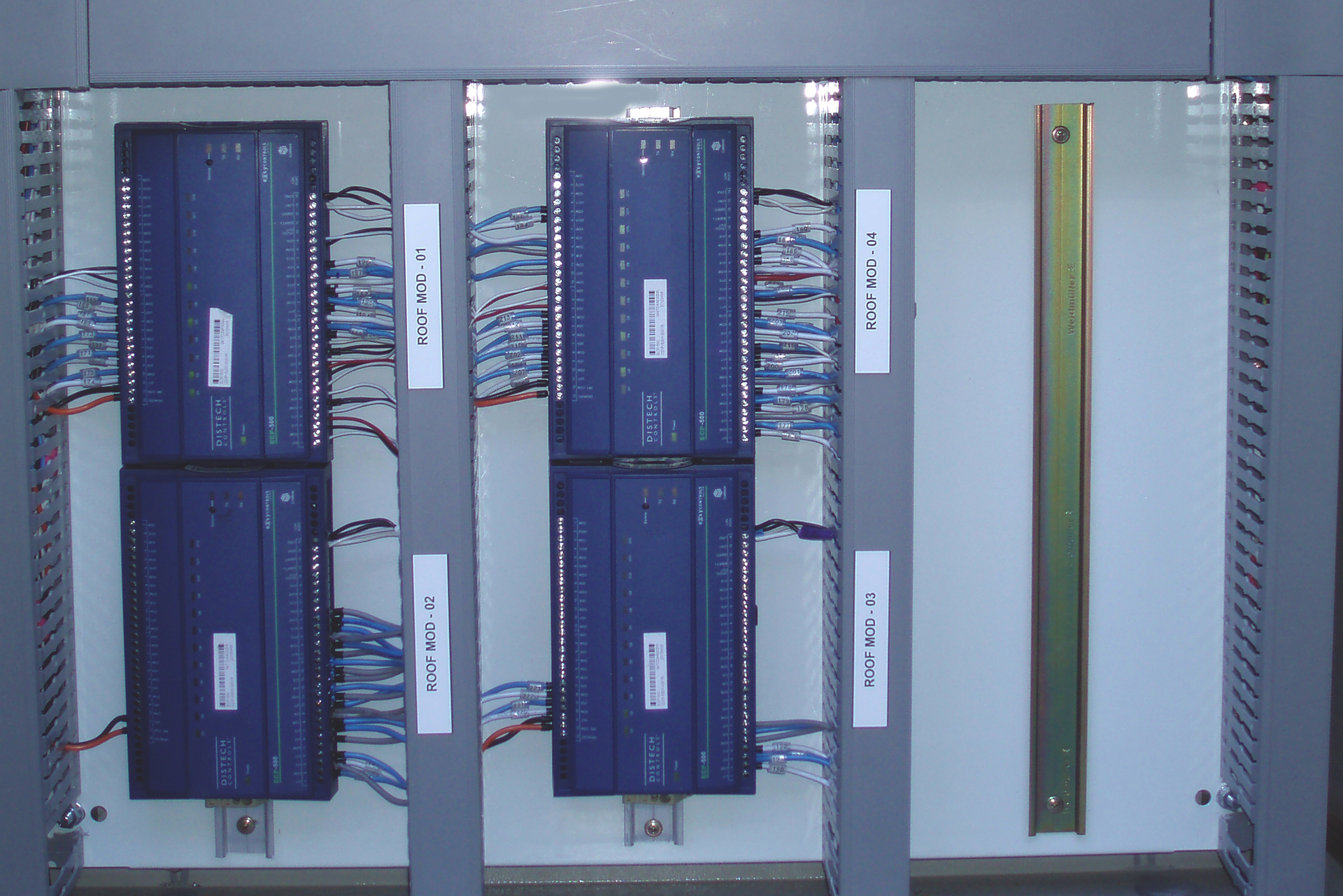
The quality of the BMS depends on the equipment connected to it. Controllers, sensors, actuators, relays, interface modules and field wiring all form part of the finished system.
WR8Tech can supply and engineer the control hardware required for the project and coordinate it with the mechanical and electrical installation. Hardware selection is based on the application, required functionality, communication architecture and long-term serviceability. The same applies to field devices.
A badly located sensor or incorrectly selected transmitter can affect the performance of an otherwise well-designed system.
For this reason, we consider the software, controller and field installation as one control system rather than separate scopes.
Mechanical Plant Integration
Modern building and facility projects increasingly use equipment with embedded controls.
Chillers, boilers, heat pumps, cooling towers, VSDs, VRV and VRF systems, packaged air-conditioning equipment and specialist plant may all need to communicate with the BMS.
WR8Tech works with BACnet, Modbus and other common building-services communication interfaces and can integrate third-party equipment where appropriate. The objective is not simply to establish communication. The information needs to be reliable and operationally useful.
Status, faults, temperatures, setpoints, operating modes and commands need to be correctly mapped, understood and tested. A successful high-level interface should reduce unnecessary duplication while still giving the operator the information and control required to manage the facility.
BMS and Mechanical Electrical Coordination
The interface between the BMS and the mechanical electrical installation is one of the most important parts of the project.
Control signals may pass through MSSBs, motor starters, VSDs, packaged control panels and field devices before reaching the plant. If those interfaces are poorly defined, commissioning quickly becomes a process of identifying missing terminals, incorrect signals and unclear responsibilities.
WR8Tech works with mechanical contractors, electrical contractors and switchboard manufacturers to establish the required interfaces before the project reaches final commissioning. This is also an area where WR8Tech can provide a broader coordinated project scope where appropriate.

MSSBs, Switchboards and Control Interfaces
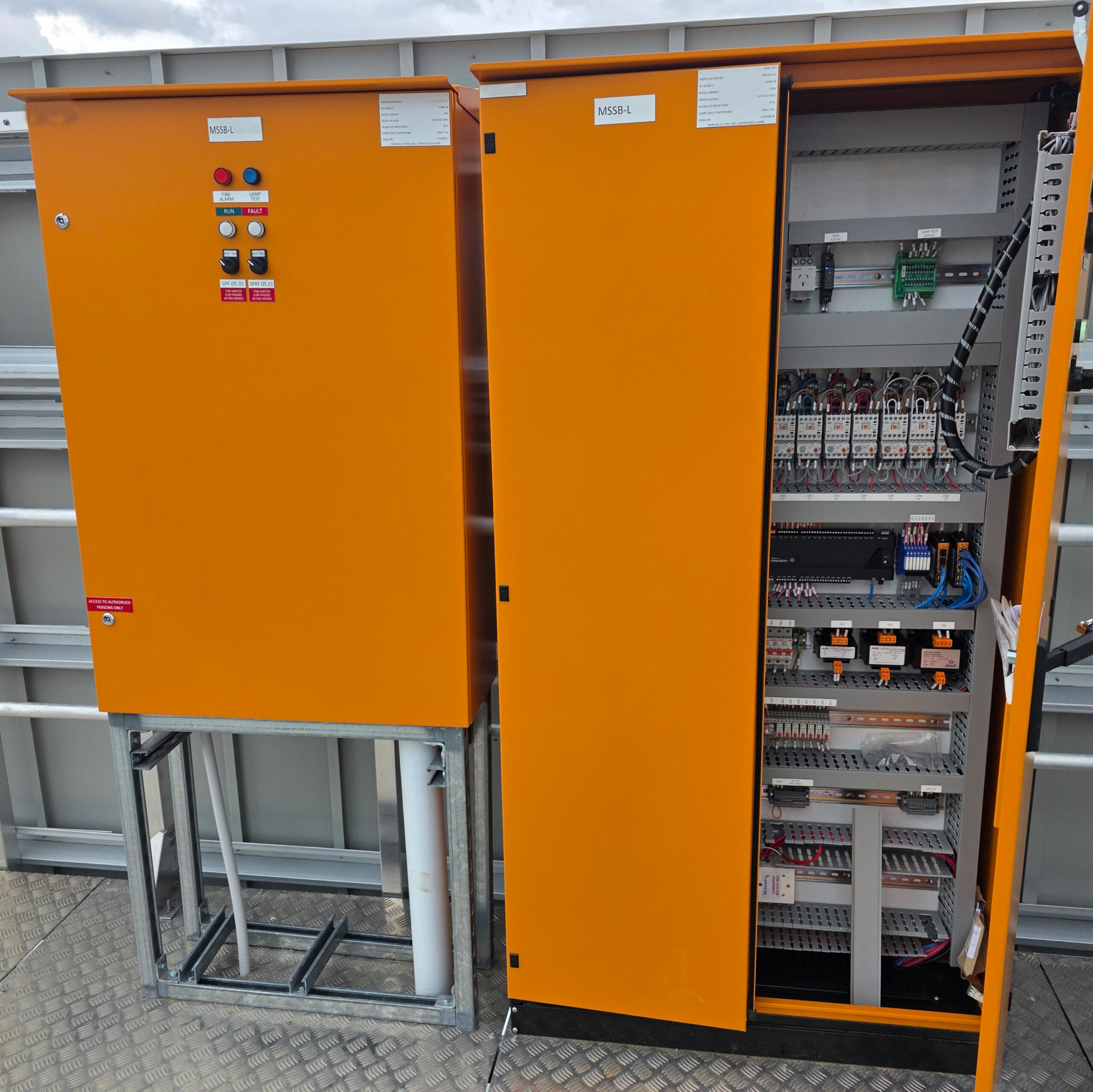
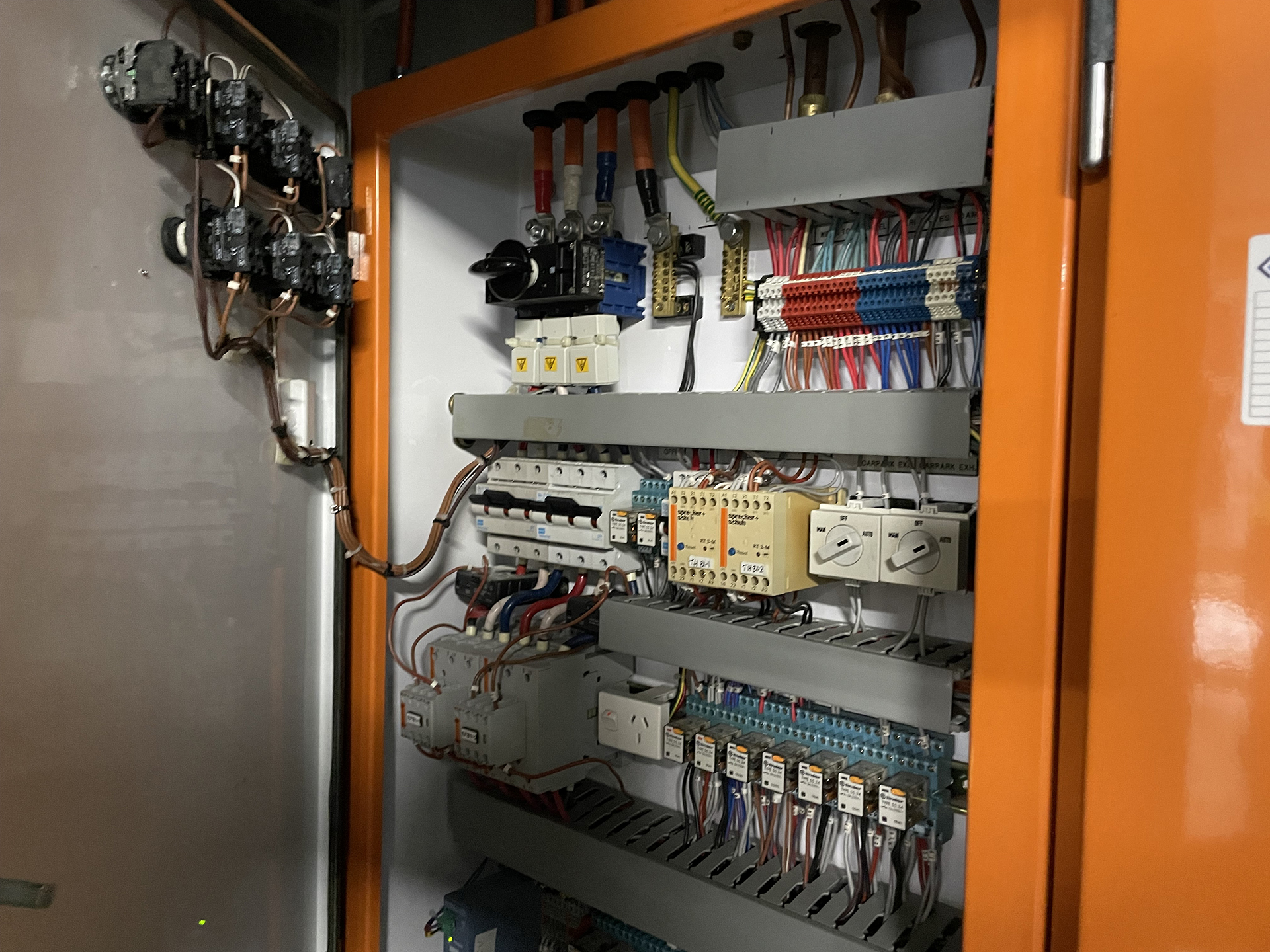
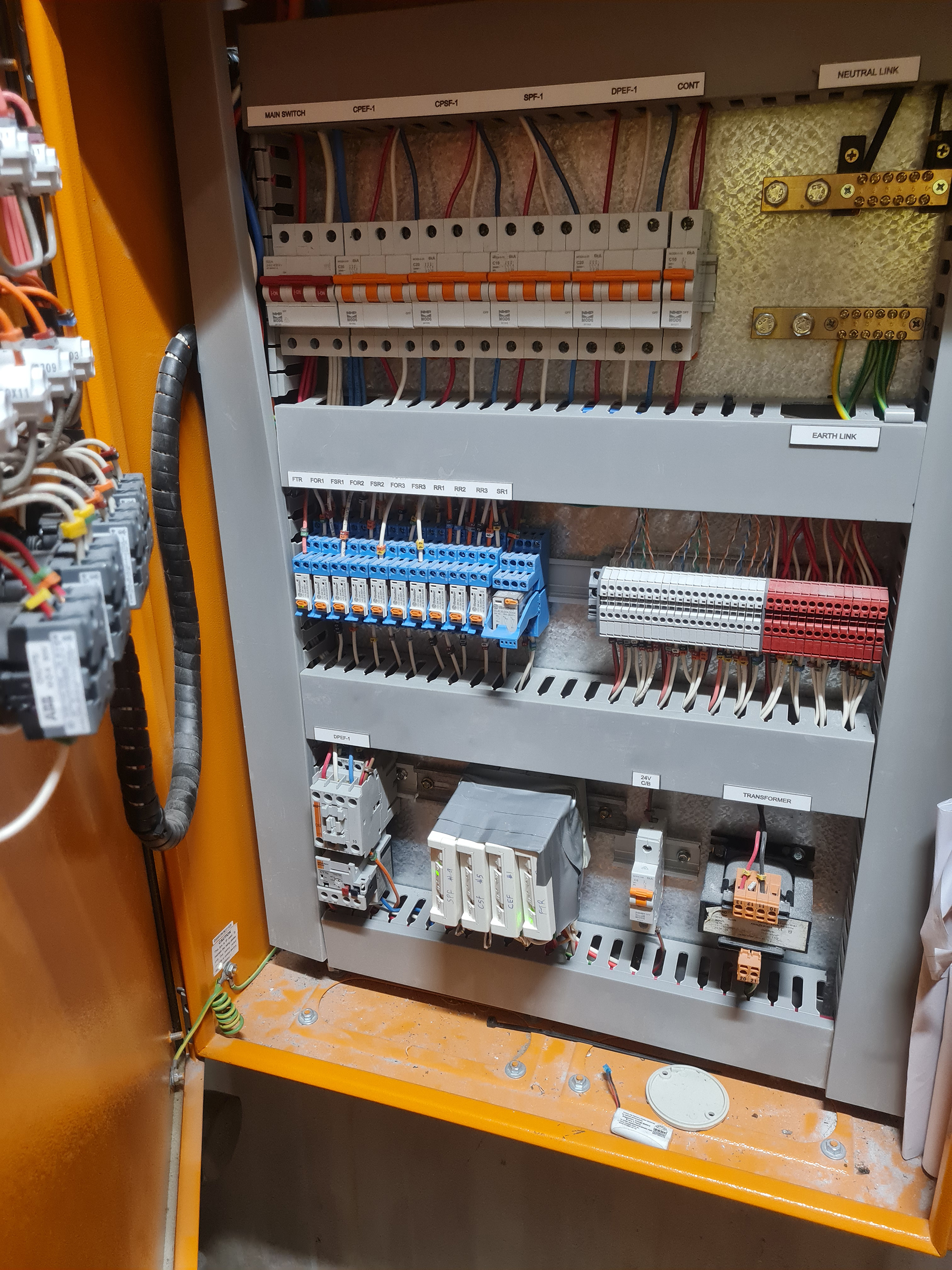
Mechanical switchboards are a critical part of the control infrastructure. They often contain the interface between the BMS, plant, VSDs, fire controls and local operating functions.
Where required, WR8Tech can coordinate BMS controller locations, interface terminals, run and fault signals, speed references, fire-mode controls and other control requirements with the MSSB or switchboard package.
For suitable projects, WR8Tech can also provide a broader package incorporating the BMS, mechanical electrical works and associated MSSB or switchboard requirements. Combining these responsibilities can reduce the number of technical interfaces that need to be managed separately by the builder or mechanical contractor.
Specialist and Critical Facilities
Not every BMS project is a standard office-building installation. Universities, laboratories, hospitals, healthcare environments, research facilities and industrial sites can have very different operational priorities.
Reliability, redundancy, pressure relationships, environmental conditions, specialist equipment and process requirements may be more important than conventional comfort control. In these environments, the BMS needs to be engineered around the operational purpose of the facility.
The controls strategy may need to consider equipment failure modes, duty and standby operation, environmental tolerances, critical alarms and the interaction between specialist plant and general building services.
WR8Tech approaches these projects by understanding the operating requirement first and then developing the controls around it.


Residential and Apartment Developments
Large residential and apartment buildings also contain increasingly complex building-services systems.
Central heating and cooling plant, car park ventilation, domestic hot-water systems, common-area HVAC, energy and water metering, pumps and other shared services may all require monitoring or control. The BMS installation needs to reflect the different operating patterns of these buildings.
Unlike a conventional office building, an apartment development may operate continuously and contain plant serving both common areas and residential occupants. Control strategies, alarms and access to system information should therefore be designed around the way the property will actually be managed after handover.
Fire and Life-Safety Interfaces
The BMS may interact with fire systems for mechanical plant shutdown, smoke-control modes, stair pressurisation, car park ventilation or other engineered functions. Those interfaces need to be clearly defined.
The fire system and the BMS have different responsibilities, and the project should establish which system retains control under each operating mode.
WR8Tech can coordinate the relevant BMS and mechanical interfaces with the fire contractor and project team so that the intended sequences, signals and responsibilities are understood before commissioning.
Where a broader project package is required, associated fire-system works may also form part of a coordinated scope, subject to project, regulatory and certification requirements.
BMS Graphics and Operator Interface
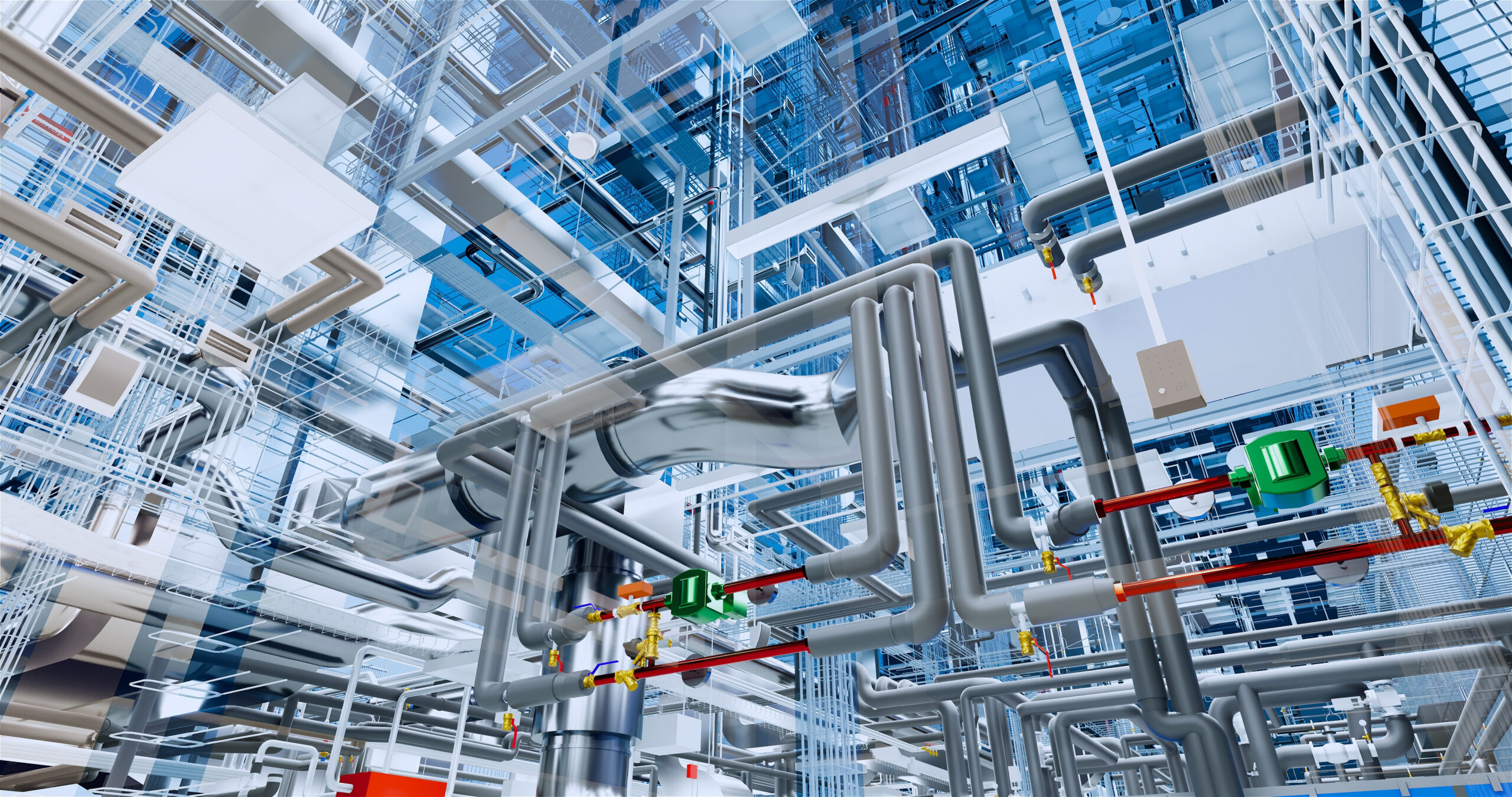
The BMS graphics should help the person operating the building understand what is happening. They should not simply reproduce the construction drawings on screen.
WR8Tech develops graphics around the plant, the control strategy and the information operators are likely to need.
An experienced operator should be able to identify plant status, abnormal conditions and key operating values without working through unnecessary layers of information.
For specialist or complex facilities, graphics may also need to present plant dependencies, redundant systems or critical operating conditions clearly. The operator interface should remain useful after the project team has left.
Alarms That Support Operations
A BMS can generate an enormous number of alarms. That does not make it an effective system. Poorly configured alarm strategies quickly become noise and are eventually ignored.
WR8Tech considers alarm requirements as part of the engineering process.
Critical plant failures, operational warnings and advisory conditions should not all be treated as though they have equal importance.
For facilities operating continuously, or where plant performance is critical, a sensible alarm strategy becomes particularly important. The objective is to provide information that supports an operational response rather than simply filling an alarm log.
Trend Data and Operational Visibility
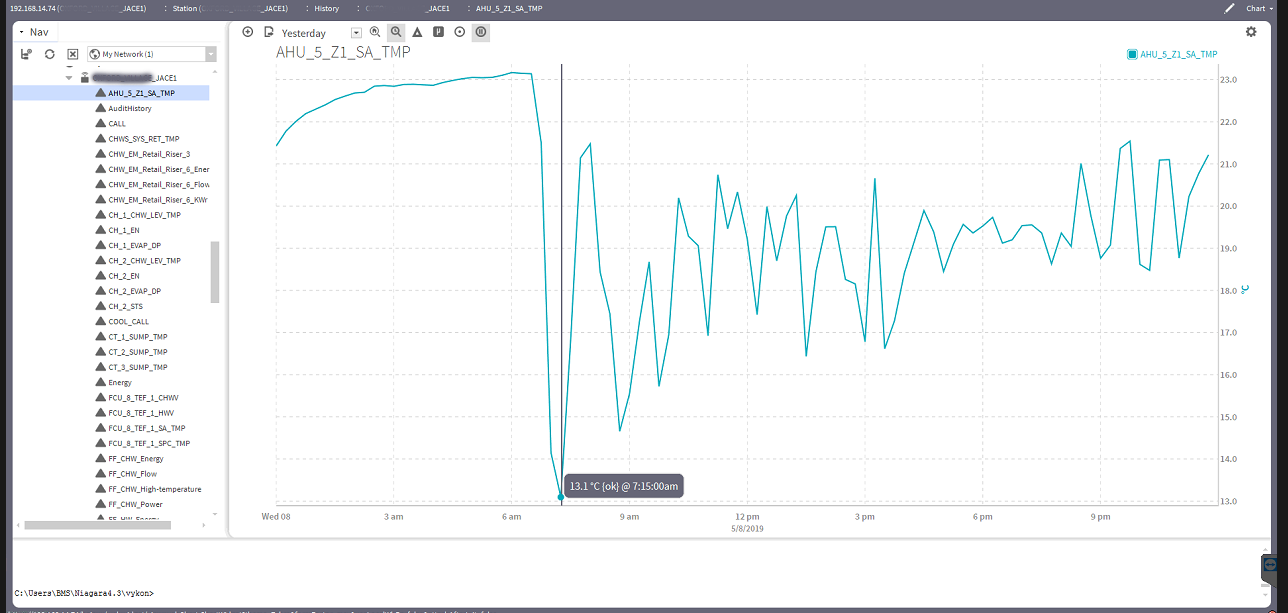
Trend data is valuable during commissioning and becomes even more useful after handover. It provides a way to understand how a system behaves over hours, days and changing operating conditions.
WR8Tech can establish trends around critical temperatures, pressures, setpoints, equipment staging, valve and damper positions, fan and pump speeds, energy use and other operational parameters where appropriate.
This can assist with commissioning, troubleshooting, seasonal tuning and long-term performance review.
For complex facilities, trend data can also provide useful evidence when investigating intermittent or operationally sensitive problems.
Open Protocols and System Architecture
Where practical, WR8Tech supports open and interoperable BMS architectures. Protocols such as BACnet and Modbus allow equipment from different manufacturers to operate within the same building environment.
However, an open communication protocol does not automatically create an open system. Controller access, network design, software ownership, documentation and long-term support remain important.
Our objective is to avoid unnecessary technical barriers and provide the building owner with a system that can be maintained, expanded and integrated as the facility changes over time.


BMS Commissioning
Commissioning is an essential part of a new BMS installation, but it is only one stage of the project.
The purpose of commissioning is to verify that the control system operates the physical plant in accordance with the agreed sequences.
WR8Tech tests the relationship between the software and the field installation. If a valve is commanded closed, it should physically close. If a fan is shown as running, its actual operation should be verified. If plant is required to stage under particular conditions, those conditions should be tested.
Third-party integrations should be checked beyond simple communication status. The commissioning process should provide evidence that the BMS is controlling the building or facility as intended.
New Buildings, Refurbishments and Existing Facilities
A new BMS installation does not always mean a greenfield project. Many projects involve new plant within an existing building, staged redevelopment, refurbishment or extension of an existing BMS.
These projects often require more engineering because the new work must coexist with existing networks, legacy controllers and established control strategies.
WR8Tech works extensively in existing buildings and can integrate new works with the infrastructure already in place. Where appropriate, this can allow staged modernisation rather than requiring wholesale replacement of serviceable systems.

Project Coordination Across Building Services
A BMS package commonly sits across several contractor boundaries. The mechanical consultant establishes the design intent. The mechanical contractor provides the plant. The electrical contractor supplies power and wiring. The switchboard manufacturer provides the MSSBs.
Equipment suppliers provide embedded controls.
The fire contractor manages fire-system functions and interfaces. The BMS needs to coordinate with all of them. WR8Tech treats this coordination as part of the project rather than something to be resolved at the end.
Clear interfaces, documented responsibilities and early technical review reduce commissioning delays and make the completed system easier to operate.
Documentation and Handover
A BMS should not become dependent on the original programmer remaining available forever. The completed system needs to be understandable to the people who inherit it.
WR8Tech places importance on practical handover documentation, including the information another competent controls engineer would need to understand the installation and its intended operation.
Depending on the project, this may include control drawings, points schedules, network information, functional descriptions, graphics, software backups, interface information and commissioning records.
This documentation becomes increasingly valuable as the building is modified, maintained and upgraded over its life.

Post-Construction Tuning
Practical completion does not always represent the final operating condition of the building. Actual occupancy, tenant behaviour, weather conditions and process loads may differ from the assumptions made during design.
For larger or more complex projects, post-construction tuning can therefore be an important part of achieving good performance.
WR8Tech can assist with trend review, control tuning, setpoint refinement and sequence adjustments once the building or facility enters normal operation. This creates continuity between new installation, commissioning and the longer-term management of the BMS.
Independent and Practical BMS Delivery
WR8Tech approaches BMS projects from a broader building-services perspective. Our experience extends across building automation, HVAC controls, mechanical electrical systems, electrical services, metering and system integration.
That is important because many BMS problems are not purely BMS problems. They occur at the interface between software, switchboards, mechanical plant, electrical systems and third-party equipment.
Our focus is on resolving those interfaces and delivering a BMS that works as part of the wider building or facility.

A BMS Built for the Life of the Facility
The BMS installed during construction will often remain in the building for many years.
During that time, equipment will be replaced, spaces will change, operating requirements will evolve and new systems will be introduced.
A well-engineered BMS should be capable of accommodating that change. That requires sensible architecture, clear documentation, reliable field devices, practical controls engineering and a system that the next engineer can understand.
WR8Tech aims to deliver BMS installations that work at handover and remain useful throughout the operating life of the facility.