Estimated reading time: 0 minutes
BMS and Building Recommissioning for Commercial Buildings
Restoring Control, Performance and Confidence in Existing Building Systems
Commercial buildings rarely operate exactly as they were originally commissioned.
Over time, operating hours change, plant is replaced, control logic is altered, temporary overrides become permanent, sensors drift, tenancies are modified and new equipment is added to old systems.
Individually, these changes may appear minor. Collectively, they can materially change how a building performs.
WR8Tech provides BMS and building recommissioning services for existing commercial buildings, with a particular focus on control systems, HVAC plant, system integration and operational performance.
The objective is not to return a building to an arbitrary original condition.
It is to determine how the building is operating now, identify where performance has drifted, and establish how the systems should operate for the building’s current use.
What BMS Recommissioning Is Intended to Achieve
Recommissioning is most valuable when a building is generally operational but no longer performing as well as it should. The plant may be maintained. The BMS may be online. There may be no major equipment failures.
Yet complaints persist, energy consumption increases, plant runs unnecessarily, control becomes increasingly manual, or the building develops a growing list of small operational problems. In these situations, the issue is often not one failed component. It is the way the systems are operating together.
A recommissioning exercise provides the opportunity to review the building as an operating system rather than as a collection of individual maintenance items.
For WR8Tech, that usually means looking closely at the interaction between the BMS, mechanical plant, electrical controls, sensors, field devices and the operational decisions that have accumulated over time.
BMS Recommissioning
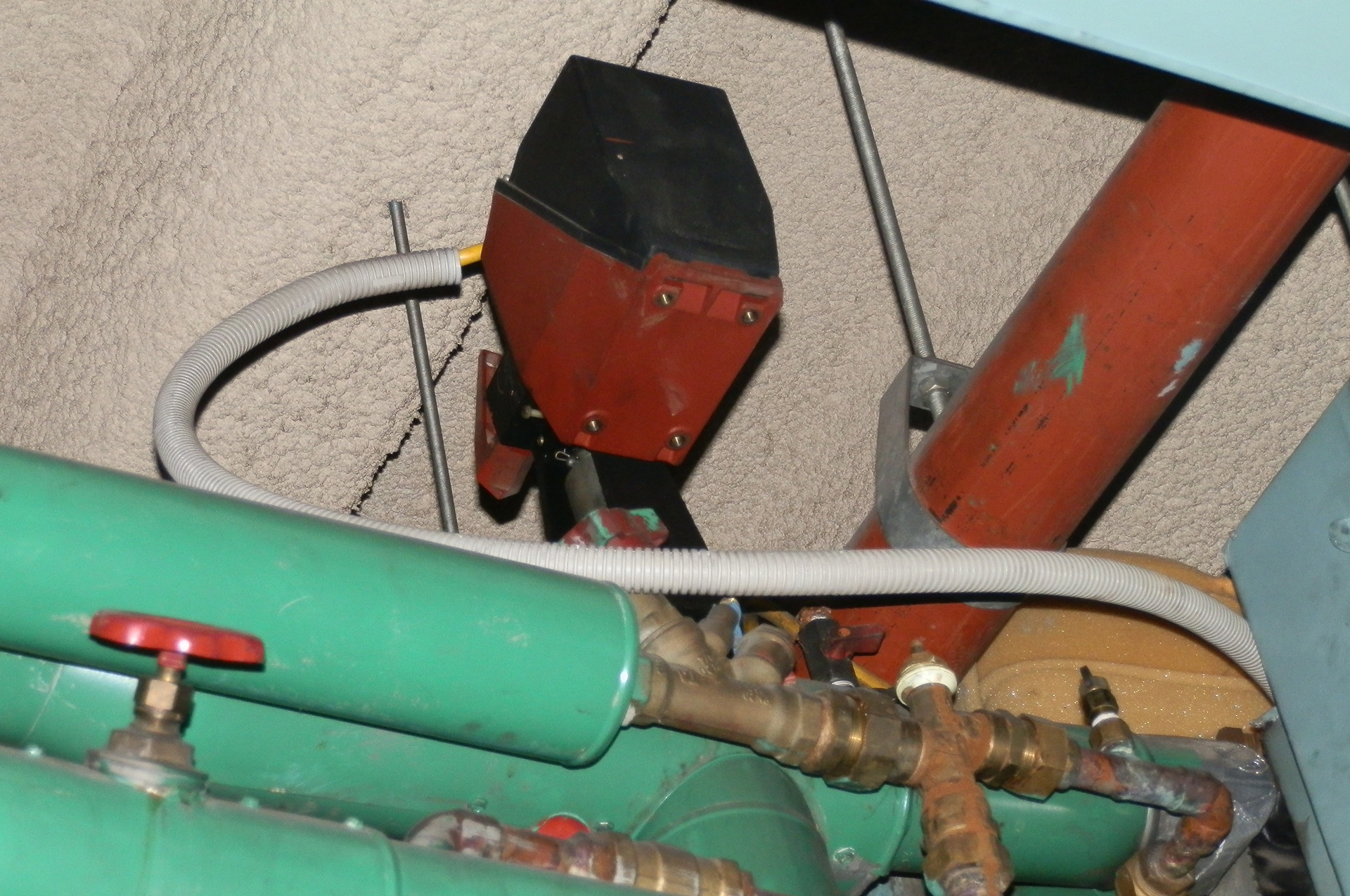
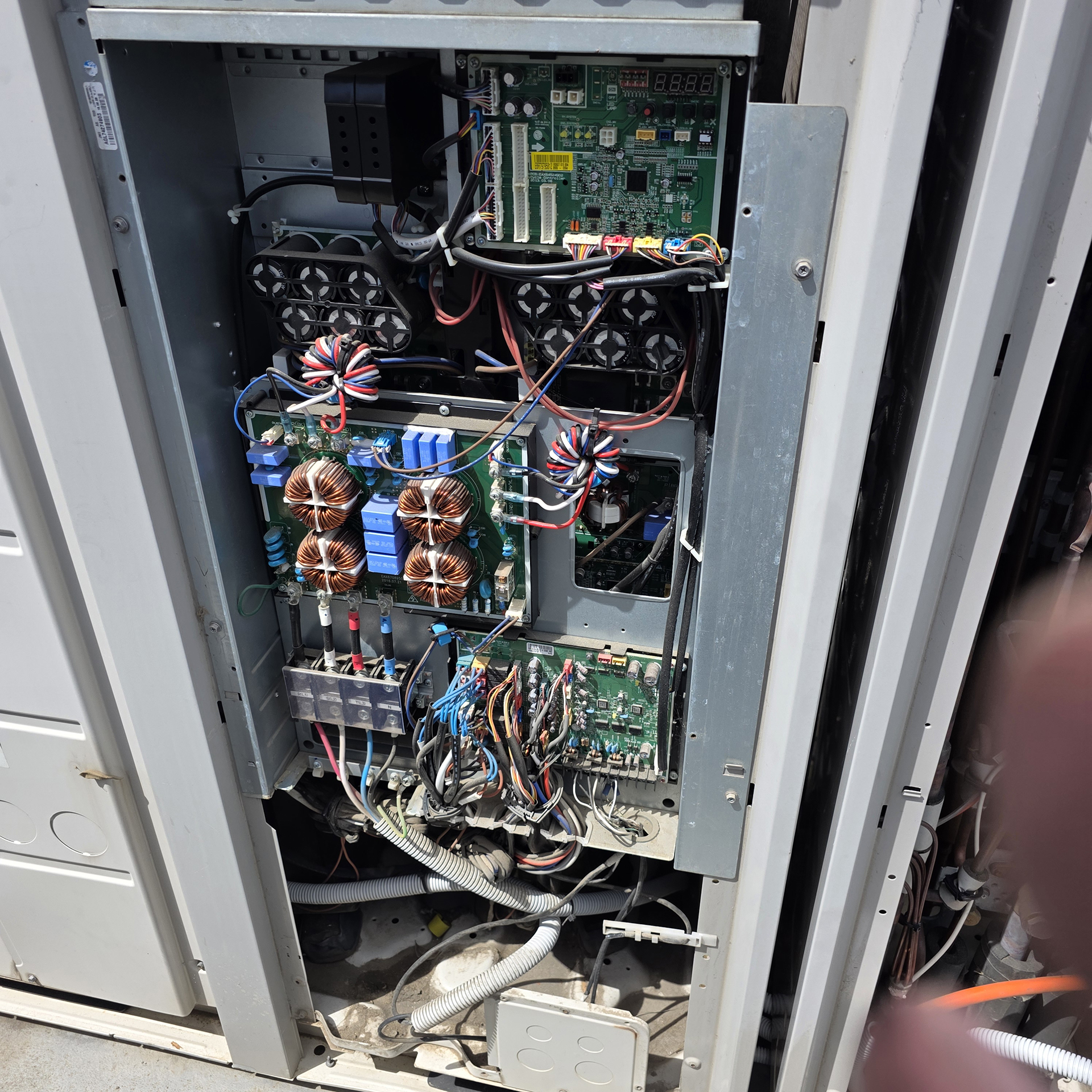
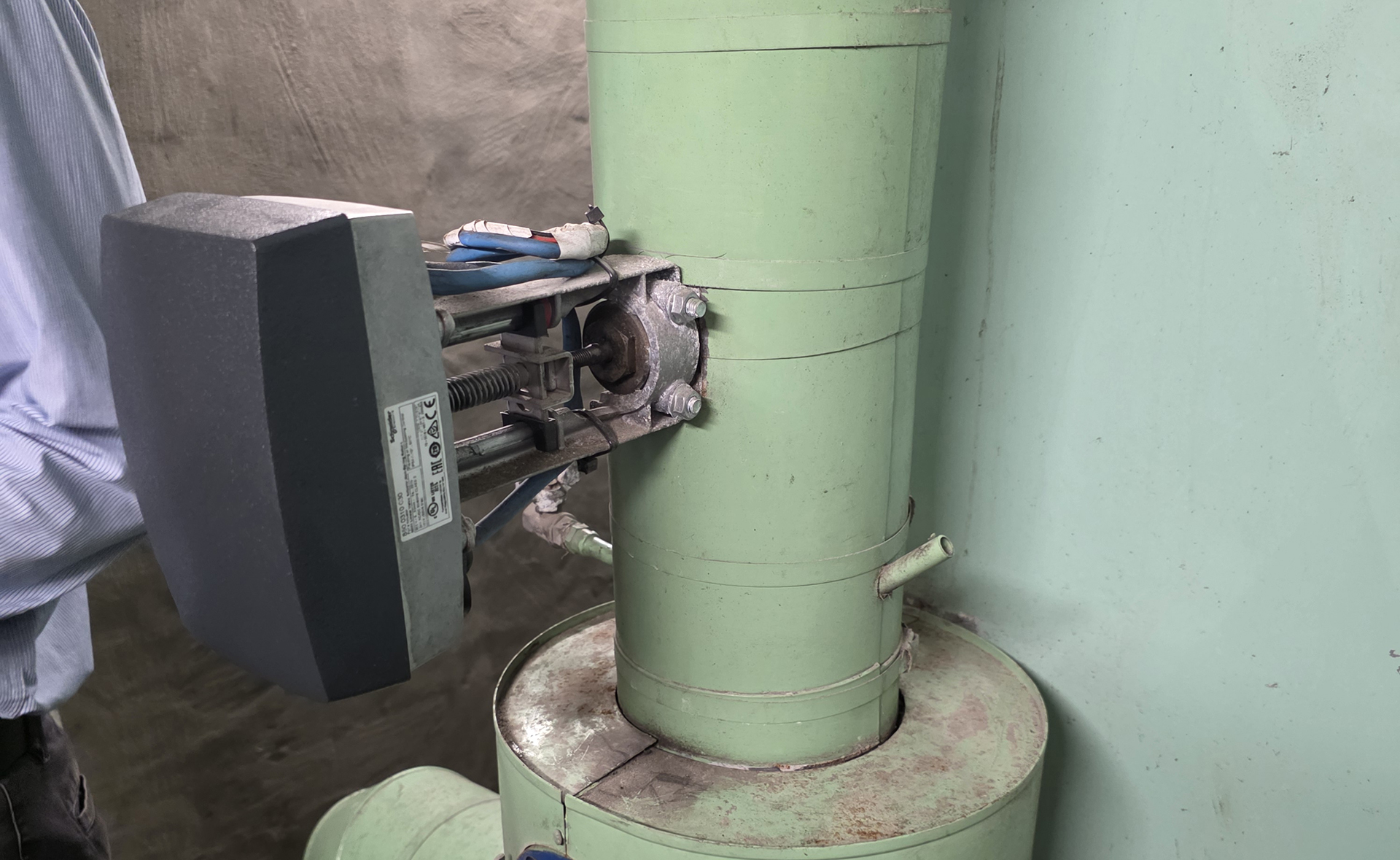
The BMS is often the best place to start, but it should not be treated as an unquestioned source of truth. A graphic can show a valve at 0% while the valve is physically passing. A fan can show as enabled while a local selector switch has been left in manual.
A temperature sensor can display a perfectly believable value and still be several degrees out of calibration. A control sequence can appear logical in software but produce poor results in the actual building.
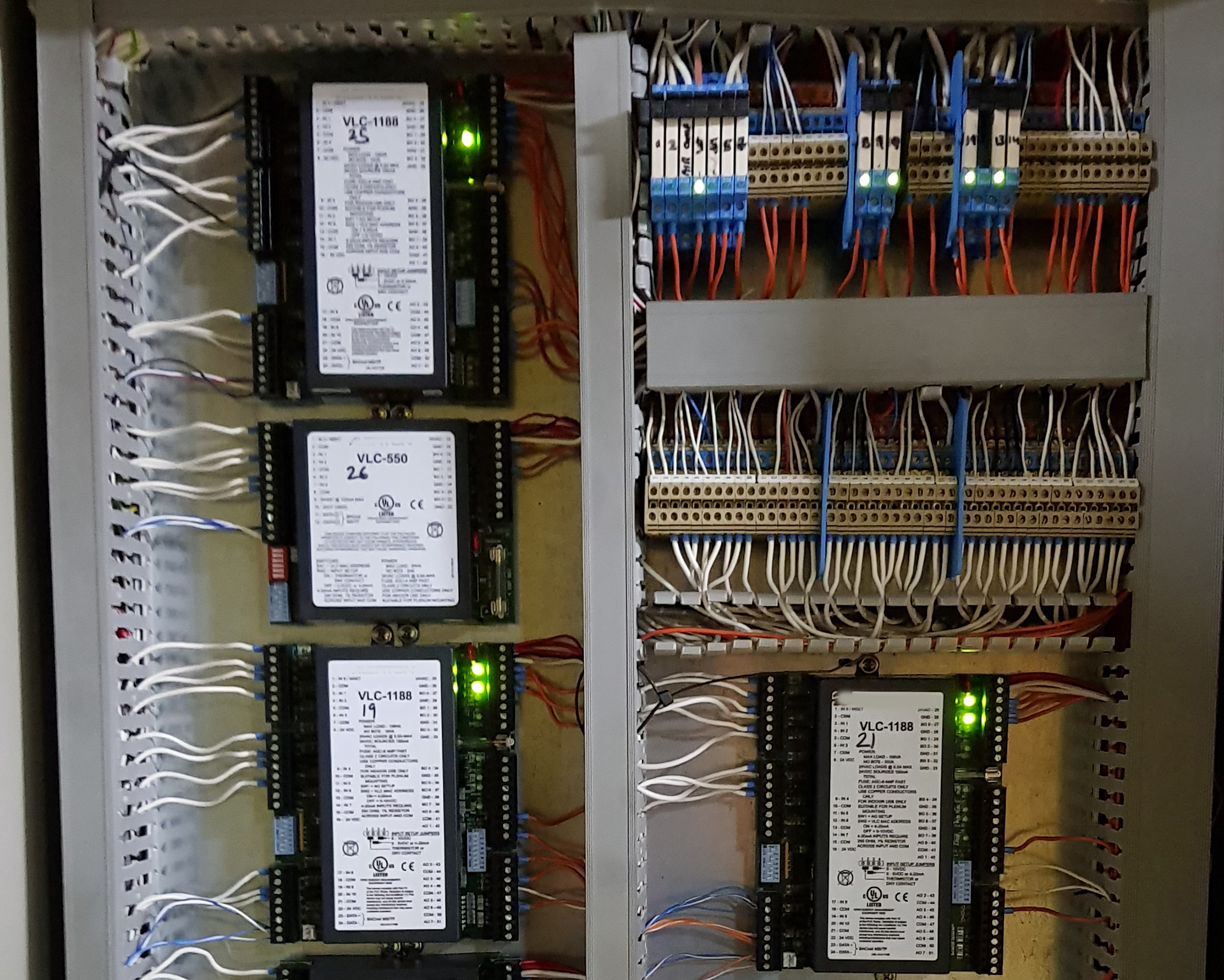
For this reason, WR8Tech approaches BMS recommissioning by comparing what the control system believes is happening with what is actually occurring in the field. We review the logic, schedules, setpoints, alarms, trends and sequencing, but just as importantly, we verify the physical response of the plant where this is relevant to the problem being investigated.
This distinction is important in older buildings, where years of modifications can leave the BMS graphics, documentation and field installation telling three slightly different stories.
Where Performance Commonly Drifts
Most existing buildings do not develop one dramatic controls failure. Performance usually drifts incrementally. A tenant complaint results in a setpoint change. A contractor forces a valve open during troubleshooting. A failed sensor is temporarily bypassed. A pump is placed into hand because of another fault. A replacement chiller is installed but the sequencing is never revisited.
Operating hours are extended for one tenant and are never reduced again.
Over several years, a building can end up operating very differently from the way anyone believes it is operating. These are the types of issues that recommissioning is intended to expose.
The value is often in identifying the interaction between several small problems rather than finding one large defect.
HVAC and Central Plant Recommissioning
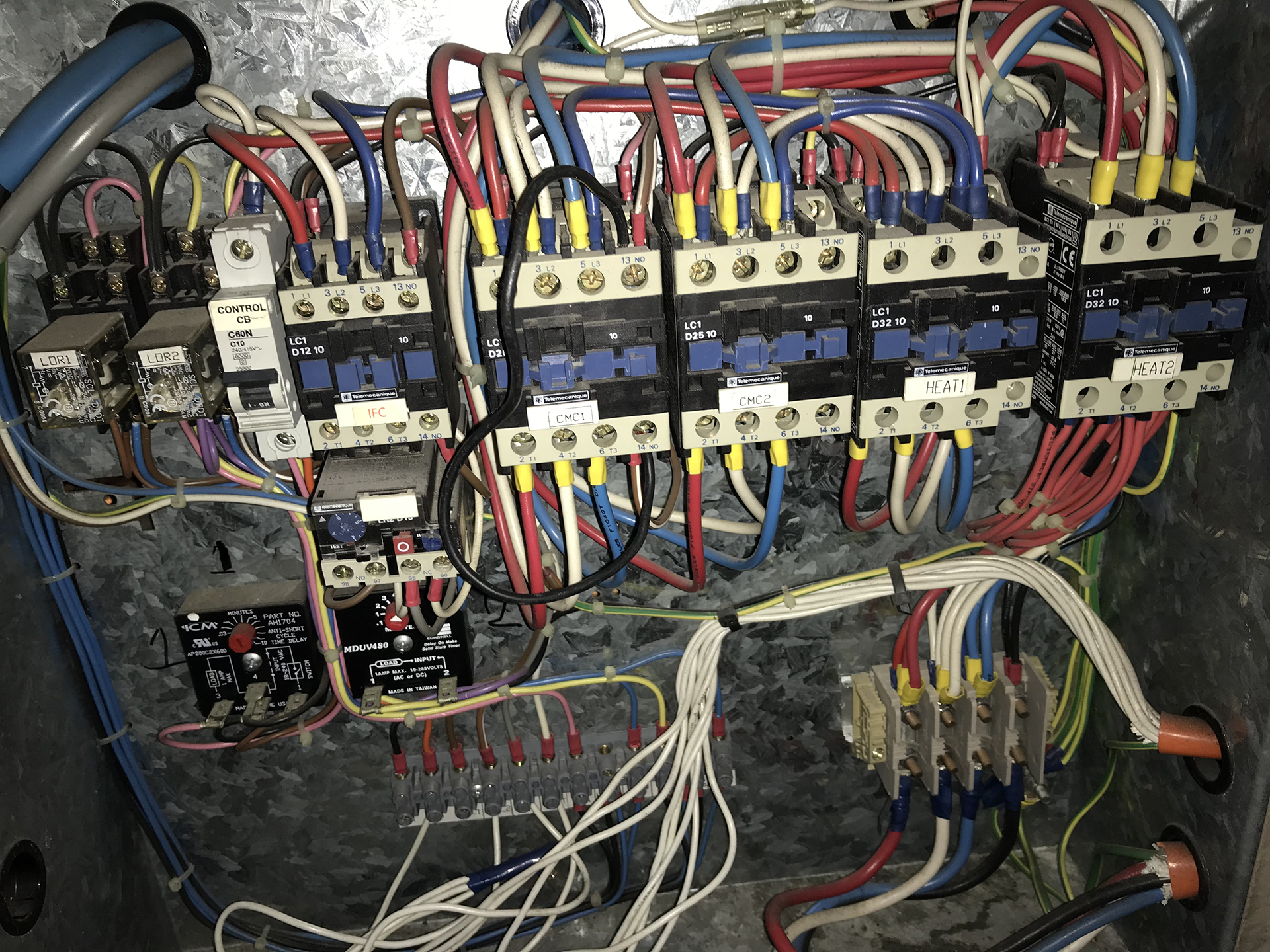
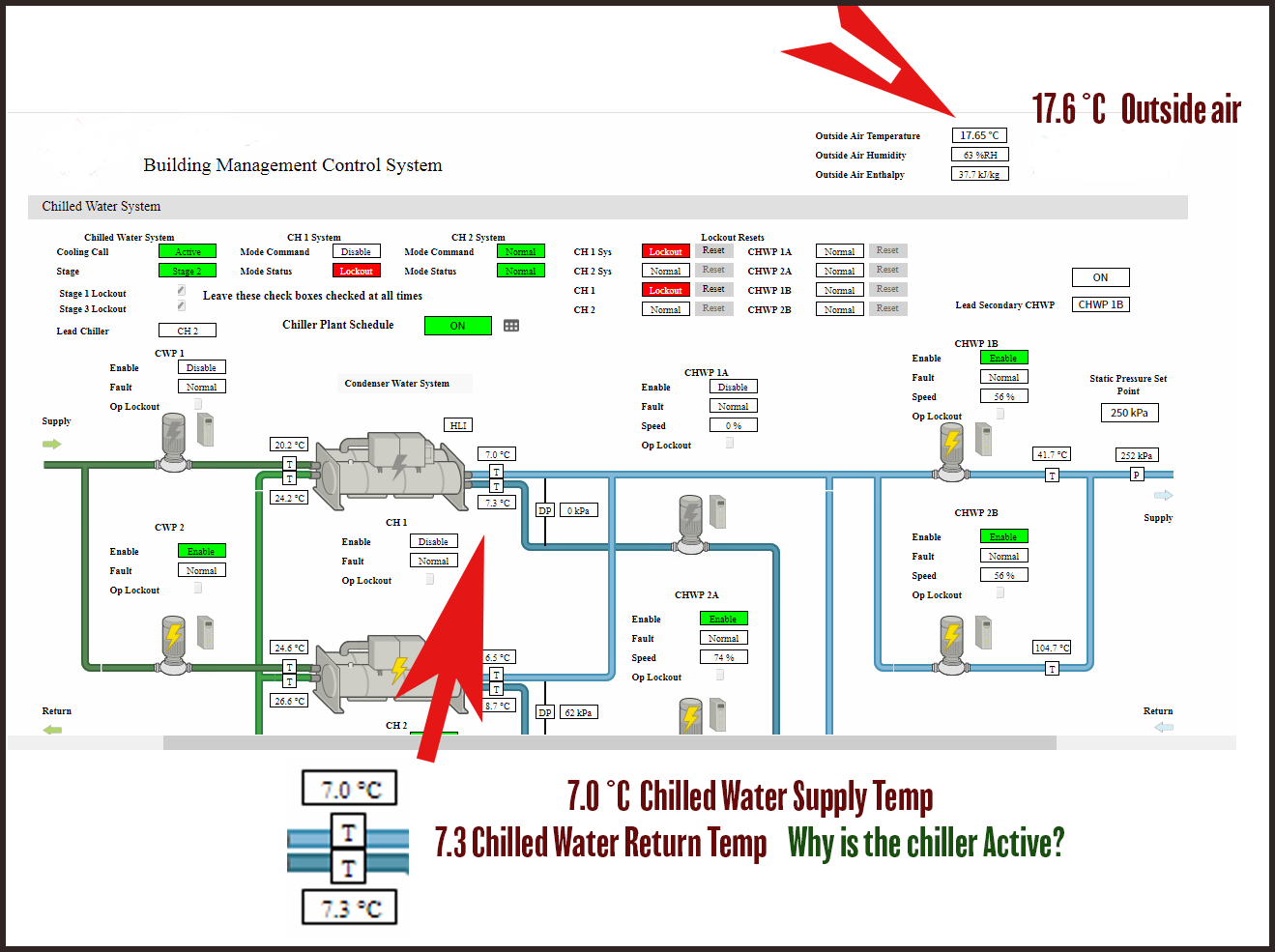
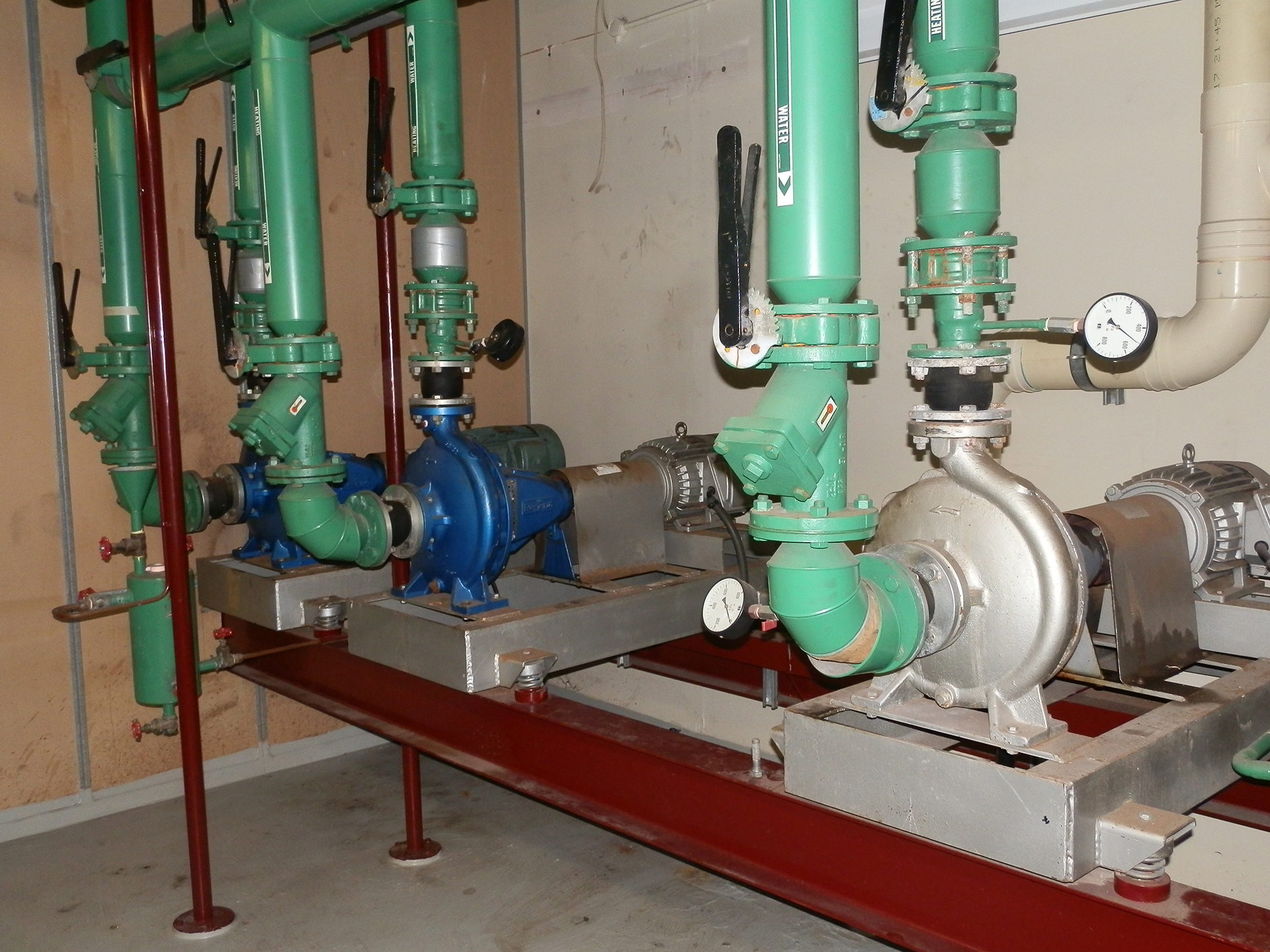
In larger commercial buildings, many performance problems originate in the interaction between the BMS and the mechanical plant. A chiller may be mechanically sound but stage poorly. A pump may be operating correctly but against an unnecessarily high differential pressure setpoint. An air handling unit may be well maintained while operating outside occupancy hours.
A cooling tower may be running because of a control condition that no longer reflects the current plant configuration. The same applies to heating systems, VAV systems, fan coil units, VRV systems and other terminal equipment.
The recommissioning process looks beyond whether the equipment itself is functional and asks whether it is being operated appropriately by the control system. This is particularly relevant where plant has been progressively replaced or modified over the life of the building.
New equipment is often commissioned as an individual item, but the broader control strategy around it may remain unchanged.
Control Logic, Sequencing and Setpoints
One of the most valuable parts of recommissioning is reviewing the logic that sits behind the day-to-day operation of the building. Many control problems do not present as faults. The BMS does exactly what it has been programmed to do. The problem is that the logic may no longer reflect the building’s actual requirements.
This can occur with chilled-water staging, heating-water control, fan static pressure, pump differential pressure, outside-air strategies, optimum start, lead/lag rotation and seasonal operating modes.
A building can therefore be technically functioning while still operating inefficiently or unpredictably.
Our role is to identify where the current control strategy is no longer appropriate and determine whether it can be corrected through programming, field adjustment, minor repairs or a broader system upgrade.
Sensors and the Quality of the Information
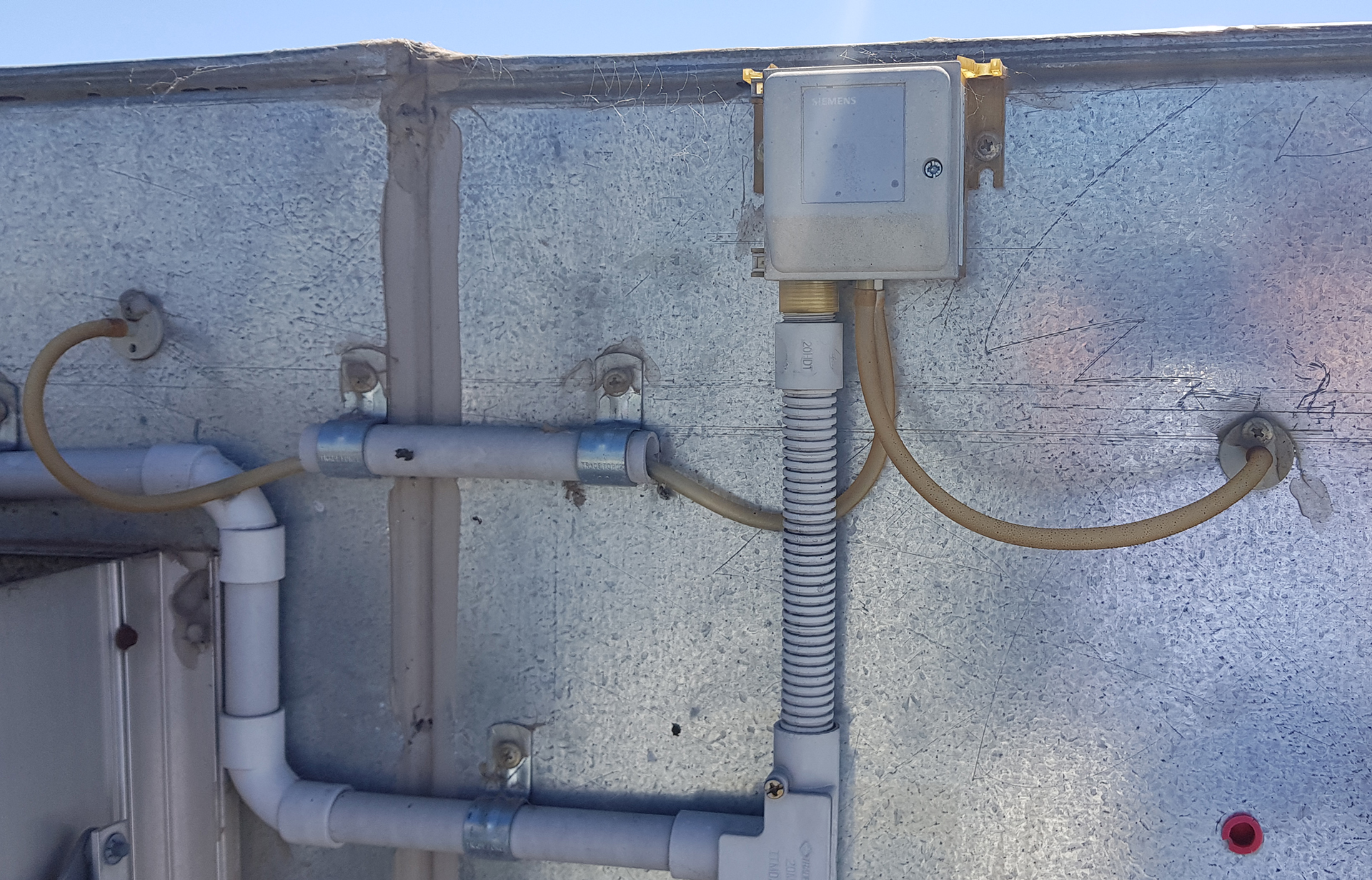
The quality of any control strategy depends on the quality of the information entering the system. This sounds obvious, but sensor condition is frequently overlooked.
A poor temperature sensor, pressure sensor, CO₂ sensor or differential pressure transmitter can affect the operation of a much larger section of plant.
The resulting symptoms can look like programming problems, mechanical problems or plant-capacity issues. For that reason, field verification is an important part of recommissioning.
Where readings are critical to the control strategy, they should be challenged rather than simply accepted because they appear reasonable on the BMS.
Overrides, Bypasses and Operational Workarounds
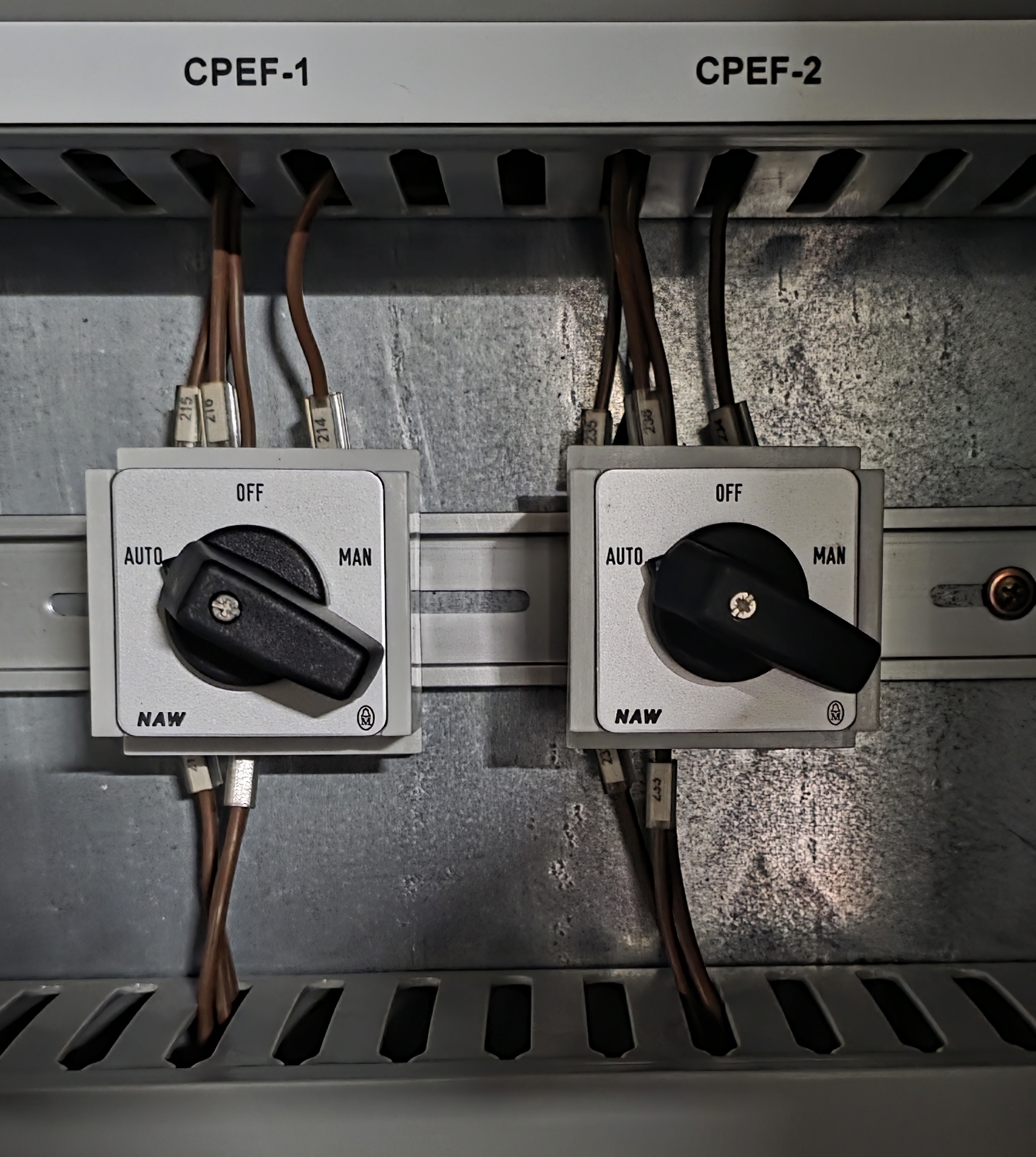
Most experienced facility managers have seen temporary fixes become permanent. Overrides and bypasses are often introduced for good operational reasons. The issue is not that they exist.
The issue is when no one later remembers why they were introduced or what consequence they have elsewhere in the system.
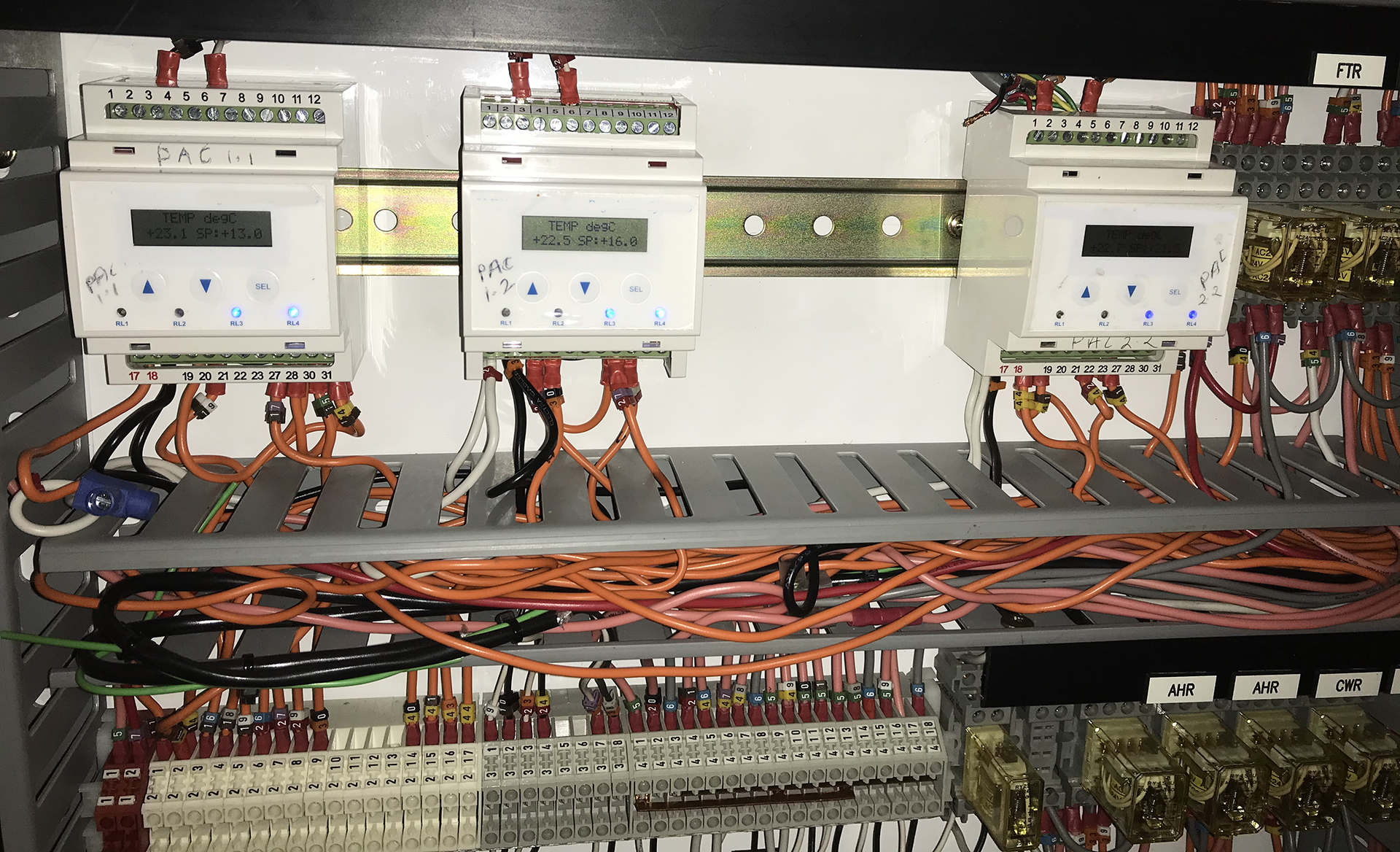
A recommissioning review often finds disabled alarms, forced outputs, local selectors in hand, VSDs in manual, failed interlocks or control functions that have been bypassed for many years. These are rarely isolated problems.
An override in one part of the system can influence plant sequencing, energy consumption, temperature control and fault diagnosis elsewhere. Part of the recommissioning process is therefore to distinguish between deliberate operational decisions and historic workarounds that should no longer be there.
Recommissioning Before a BMS Upgrade
Recommissioning can also be particularly valuable before committing to a major BMS replacement. A common mistake is to assume that because the controls system is old, the correct solution is simply to replace it. Sometimes that is the right decision. Sometimes it is not.
Before replacing a system, it is useful to understand which problems belong to the BMS and which belong to the building. A new head-end will not fix a failed valve. A new controller will not correct poor plant selection. A new graphics package will not improve an incorrect pressure setpoint.
And replacing the BMS without understanding the existing control problems can simply reproduce those same problems on a newer platform.
Recommissioning before an upgrade helps establish what should be retained, what should be corrected and what should be redesigned. It also produces a much stronger basis for an upgrade specification.

Recommission Before You Replace
For many existing buildings, the best first step is not replacement. It is diagnosis. Older control systems can still contain serviceable controllers, field devices, networks and wiring. The fact that a system is dated does not necessarily mean it has reached the end of its useful life.
Conversely, a relatively new system can still perform poorly if it has never been properly tuned or if the plant around it has changed.
WR8Tech takes a practical view.
Where the existing system can be improved, we will say so. Where parts of it are no longer reliable or supportable, we will identify those limitations. Where a staged upgrade makes more sense than wholesale replacement, we can help define that pathway. The aim is to direct capital expenditure toward the parts of the system that actually need it.
Energy Performance
Recommissioning and energy performance are closely related, but the exercise should not be reduced to an energy audit. The focus is broader. We are looking at whether the building is operating correctly.
Energy improvement is often a consequence of that.
Unnecessary plant operation, poor sequencing, excessive static pressure, excessive differential pressure, simultaneous heating and cooling, failed economy cycles and inappropriate schedules can all consume substantial energy without creating an obvious fault.
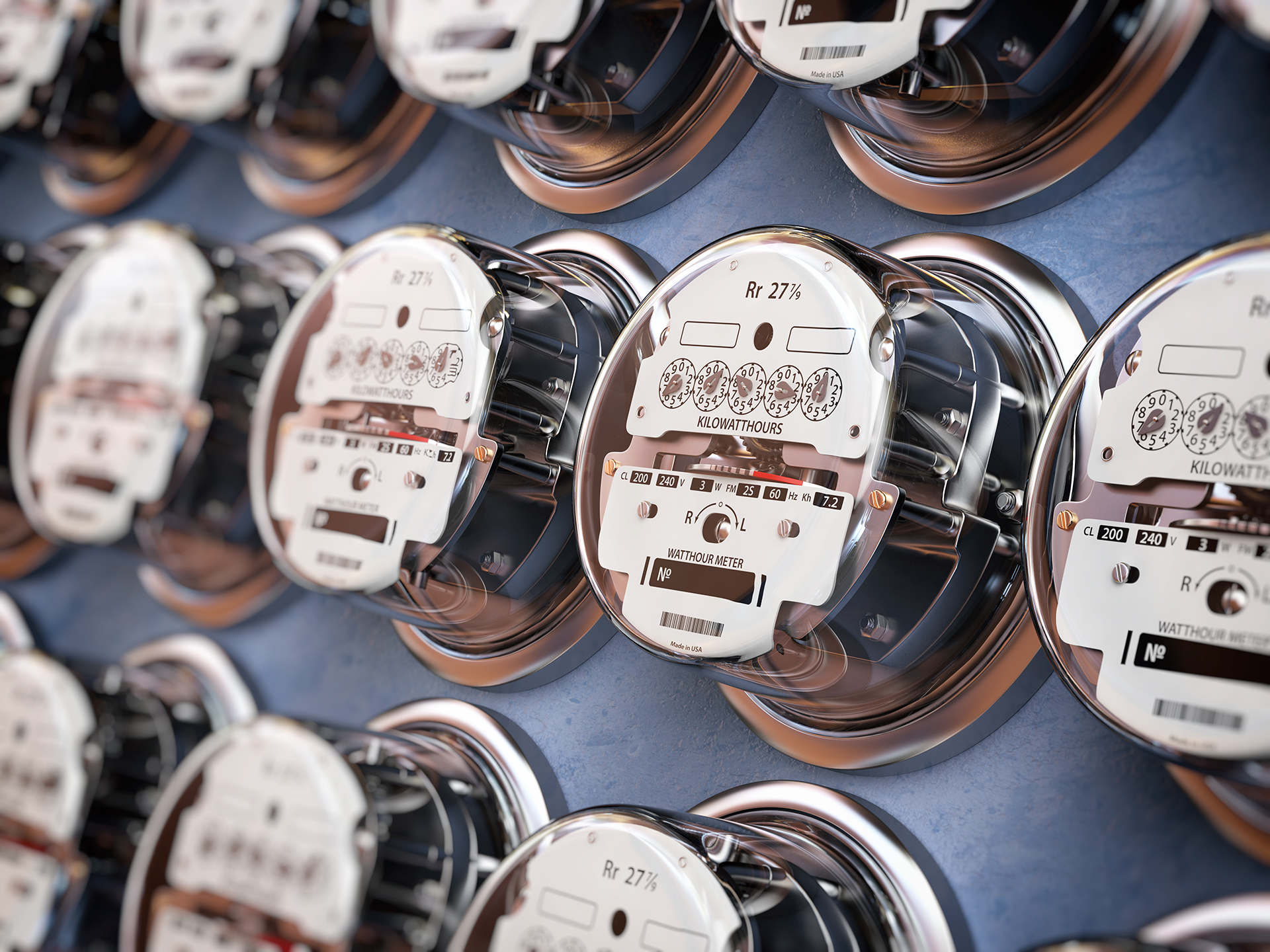
These issues are particularly common where operating strategies have evolved over many years. Where suitable metering and trend data are available, they can provide valuable evidence of what is actually happening over time rather than what appears to be happening during a site visit.
Using Trend Data Properly
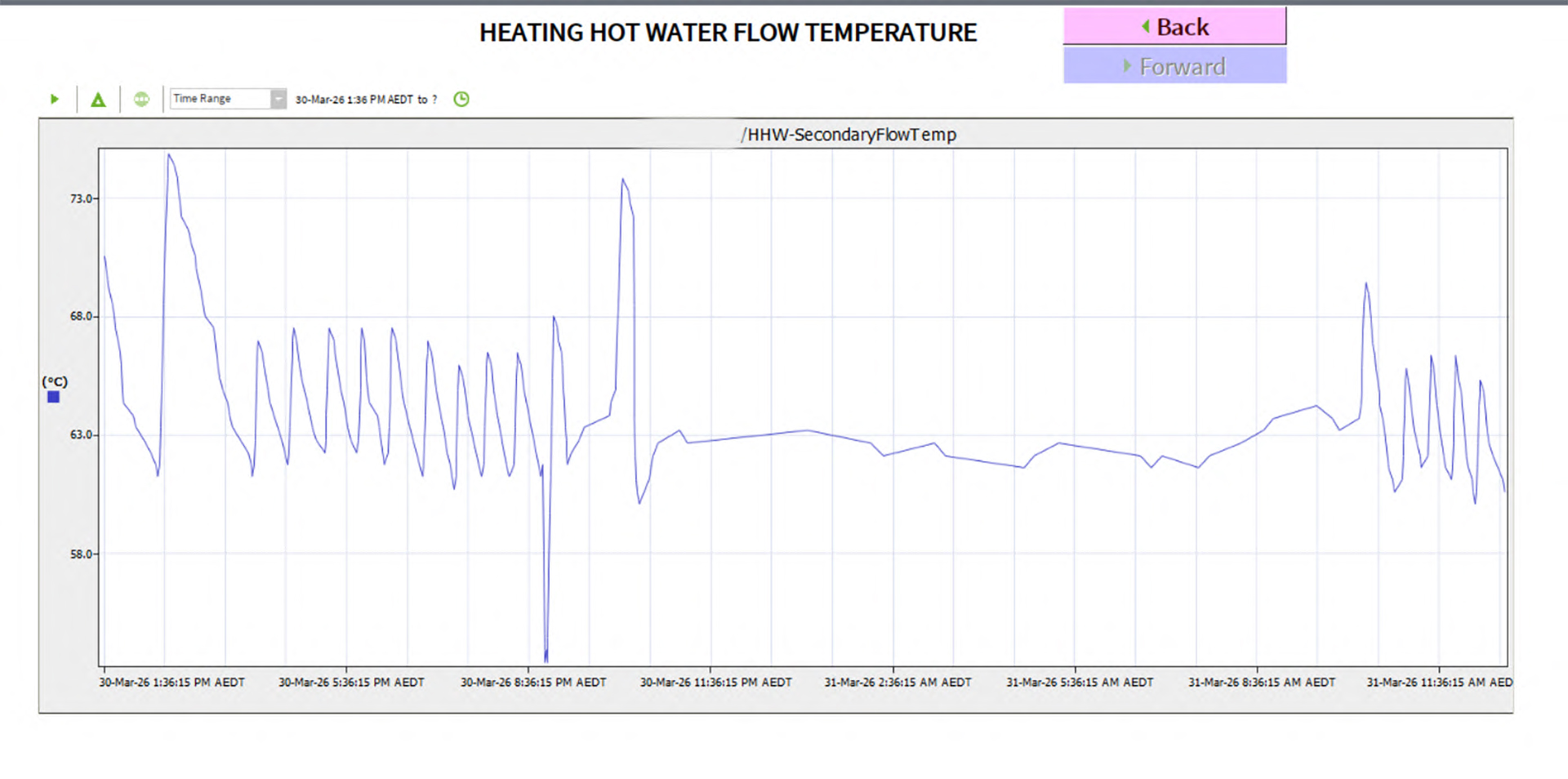
Trend data can be extremely useful in recommissioning, provided it is interpreted in context. A single snapshot rarely tells the full story.
Plant may behave correctly at 10:00 am on a mild day and poorly during morning warm-up, peak cooling conditions or after-hours operation.
Looking at trends over suitable periods can expose control loops that hunt, plant that stages unnecessarily, setpoints that are never achieved, sensors that behave inconsistently and equipment that operates outside expected hours.
This is where the BMS becomes more than a control interface. Used properly, it becomes an investigative tool.
Recommissioning After Changes to the Building
A building should also be considered for recommissioning after significant operational or plant changes.
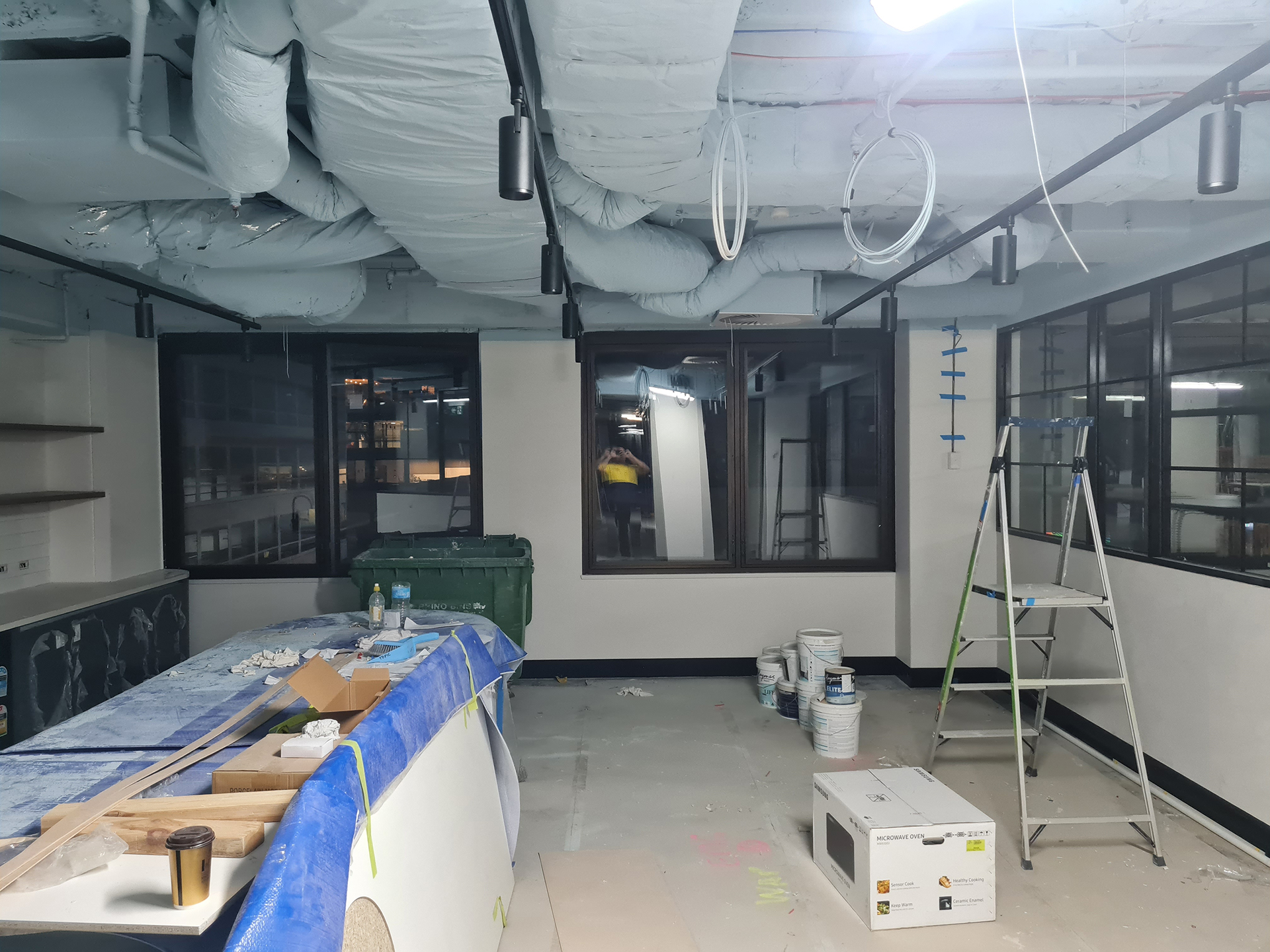
Tenant refurbishments, HVAC replacements, BMS modifications, electrical upgrades, fire-system changes and changes in occupancy can all affect how the existing systems interact.
The individual contractor may have commissioned their own scope correctly. That does not necessarily mean the building as a whole is operating correctly afterward.
This is particularly relevant in complex commercial buildings where multiple contractors are responsible for different systems. The gaps between those responsibilities are often where operational problems develop.

Independent Review of Existing Systems
WR8Tech is not tied to a single BMS manufacturer. That independence is important when recommissioning existing buildings.
We are not approaching the site with the assumption that the answer is a particular controller, software platform or upgrade package. Our interest is in establishing what is happening in the building and what needs to change.
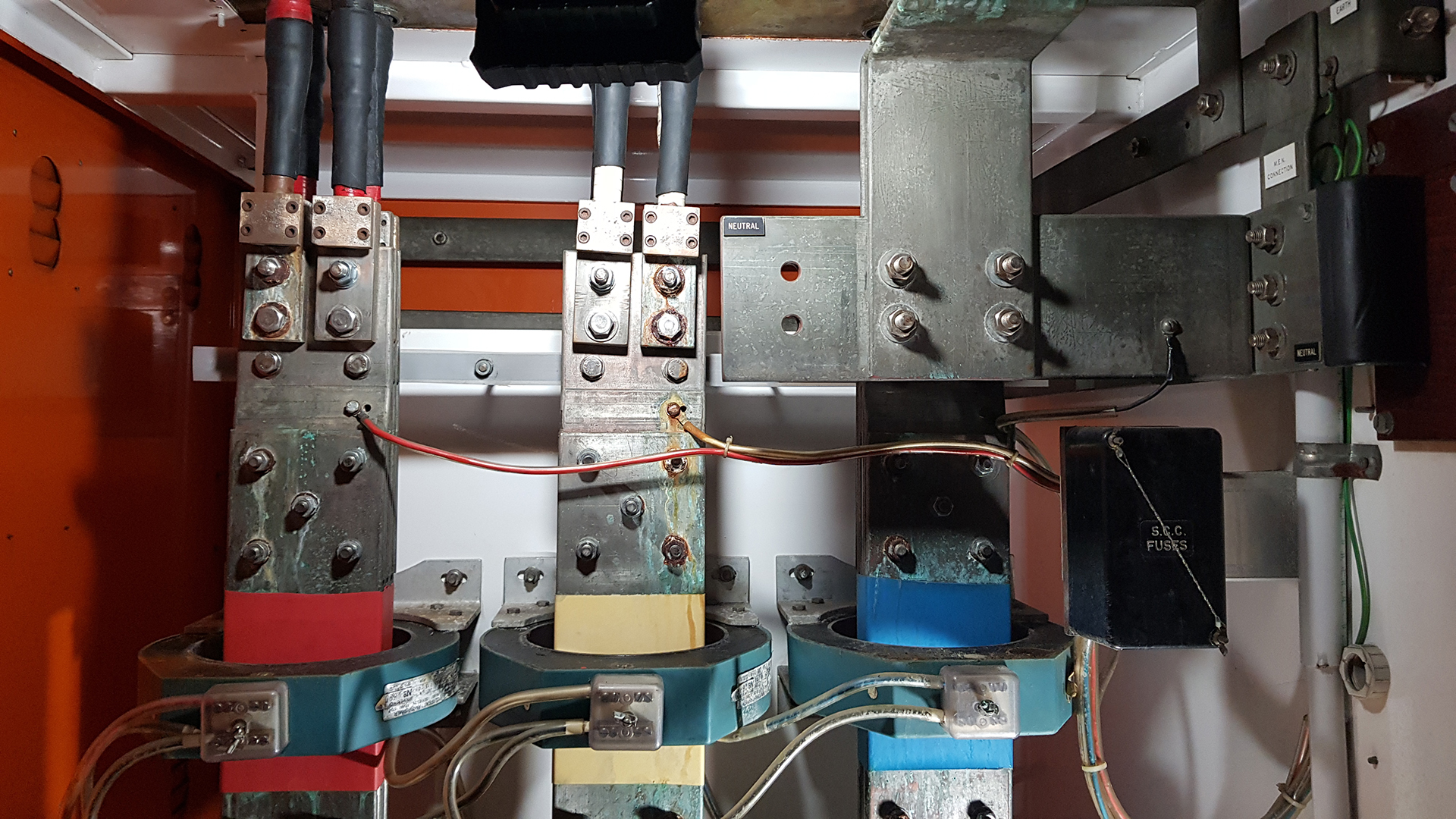
Because our work crosses BMS, HVAC controls, mechanical electrical systems, electrical services, metering, fire interfaces and other building systems, we can investigate problems that do not sit neatly within the scope of one contractor.
That is often where the most persistent building problems are found.
How WR8Tech Approaches Recommissioning
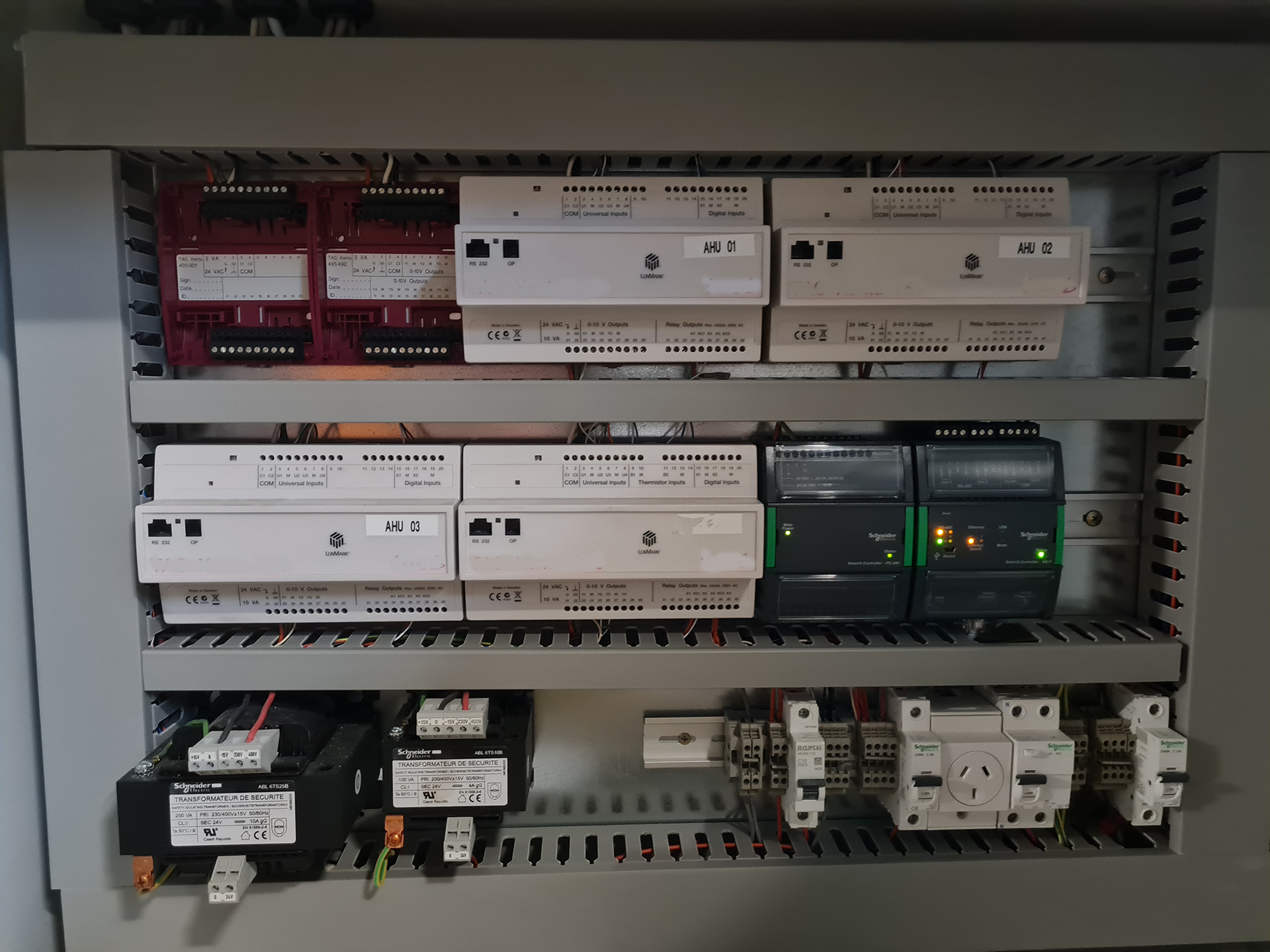
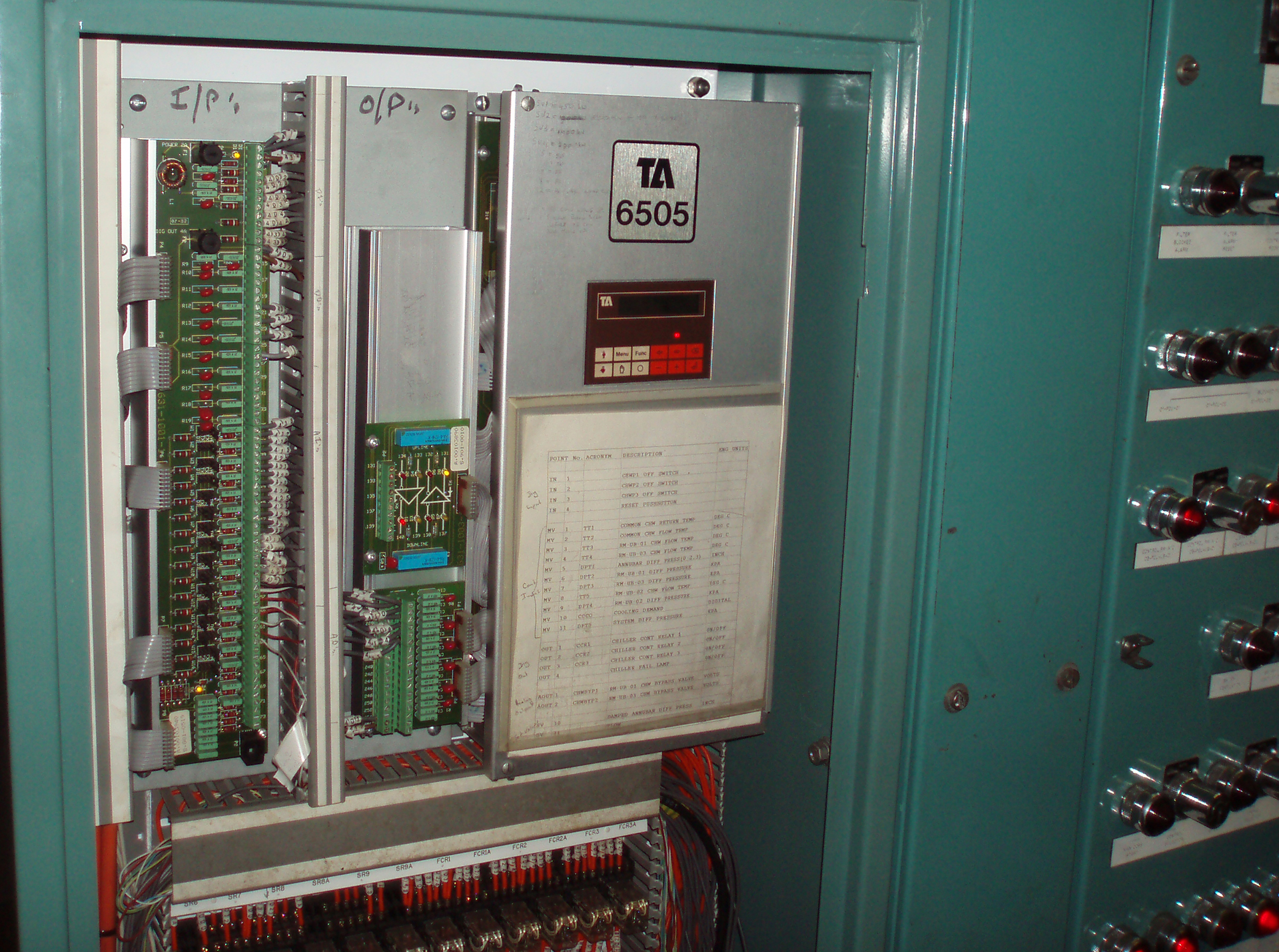
We generally begin with the information already available. Drawings, functional descriptions, BMS graphics, trend logs, maintenance records, commissioning reports and energy data all provide useful context.
We then compare the documented system with the actual building. From there, the investigation becomes evidence-driven. If a valve is suspected of passing, it should be checked. If a sensor appears unreliable, it should be compared with an independent measurement. If plant is staging unexpectedly, the relevant control conditions should be reviewed.
If the problem only occurs at certain times, trend data may need to be collected before a conclusion is reached. The objective is not to generate a long defect list.
It is to identify the issues that materially affect operation, explain why they matter and establish what should be done about them.

Recommissioning Reports
Where a formal report is required, WR8Tech can document the findings in a practical format suitable for building owners, facility managers, asset managers and project teams.
The report typically focuses on the significant operational issues, the evidence behind those findings, the recommended corrective actions and the relative priority of each item.
Where appropriate, recommendations can distinguish between matters that can be corrected through controls work, those requiring mechanical or electrical repairs, and those better addressed through future capital works.
This is particularly useful where recommissioning is being used to support a BMS upgrade, capital plan, energy-improvement program or broader building-services review.
BMS Recommissioning as Part of Building Management
Recommissioning should not necessarily be seen as a one-off exercise.
For larger or technically complex buildings, periodic recommissioning can form part of good asset and building management. Buildings change. Control systems change. Contractors change. Operating expectations change.
Revisiting the way the building is operating from time to time can prevent years of incremental drift from becoming accepted as normal operation.
It also gives facility and property managers an independent technical view of the building rather than relying solely on individual maintenance contractors to assess their own systems.
Why WR8Tech
WR8Tech works predominantly in existing buildings. That is important. Existing buildings rarely match their drawings perfectly.
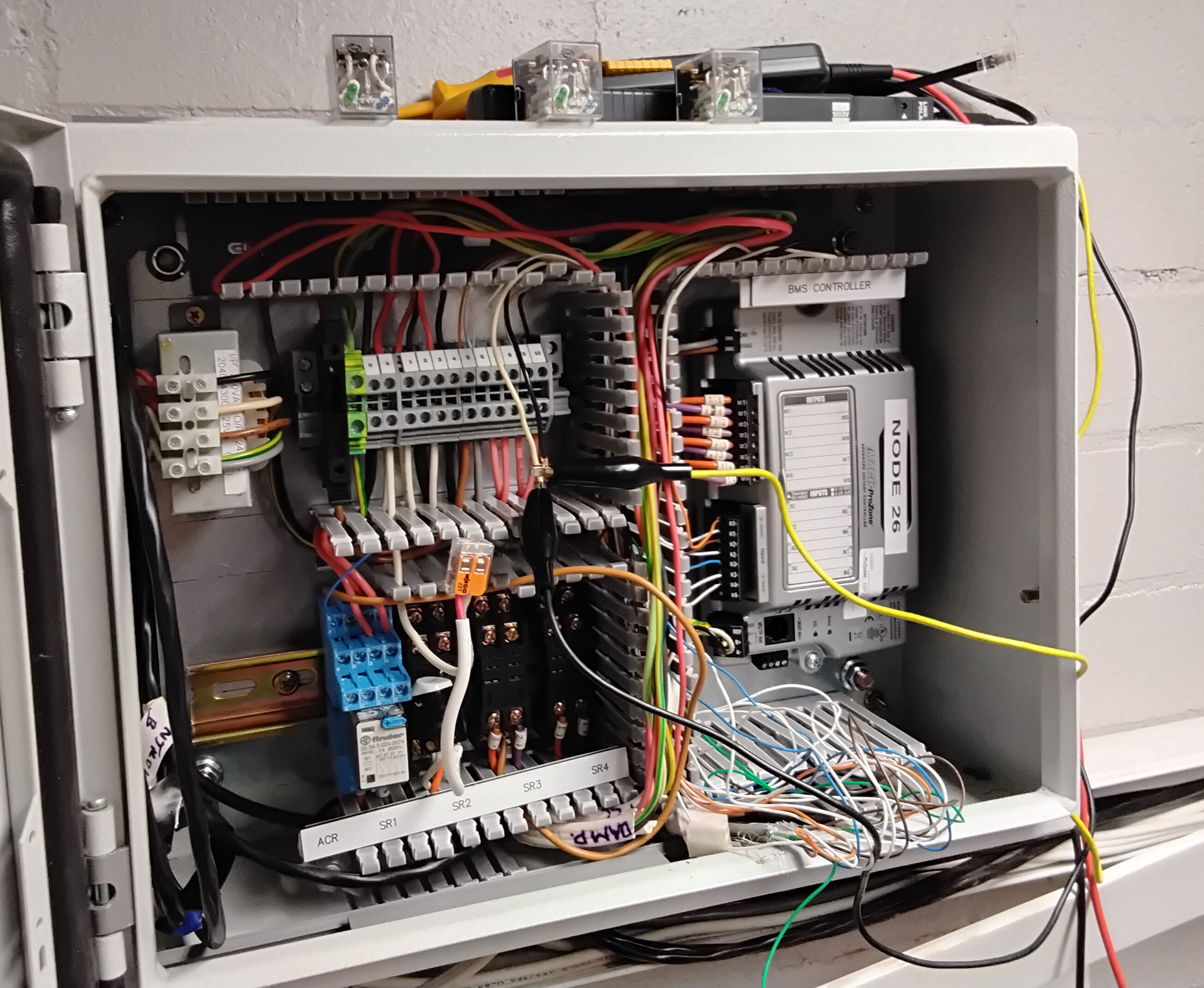
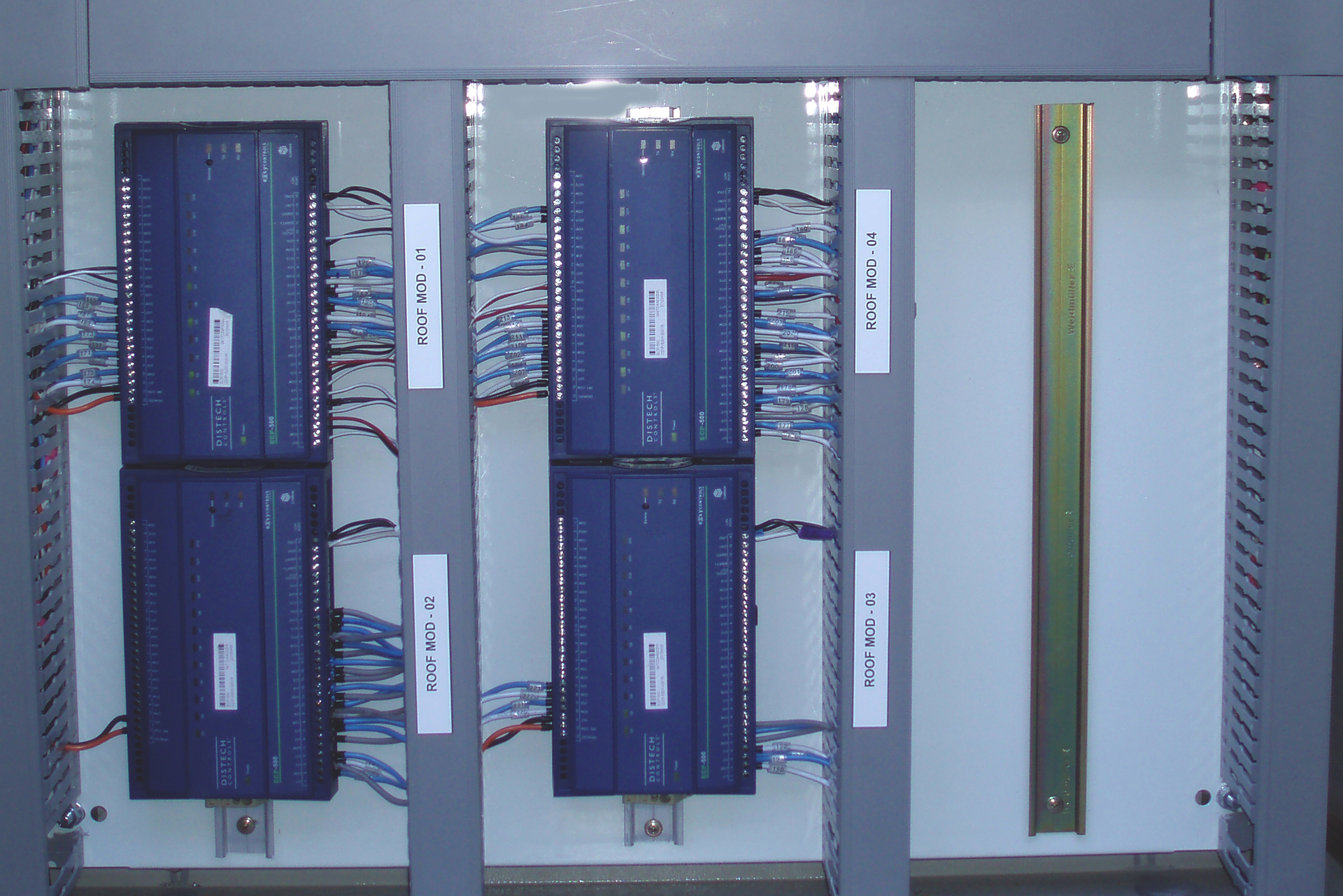
They contain modifications, undocumented changes, mixed generations of equipment, legacy controls and operational decisions that have accumulated over many years. Understanding those buildings requires more than reviewing a BMS screen.
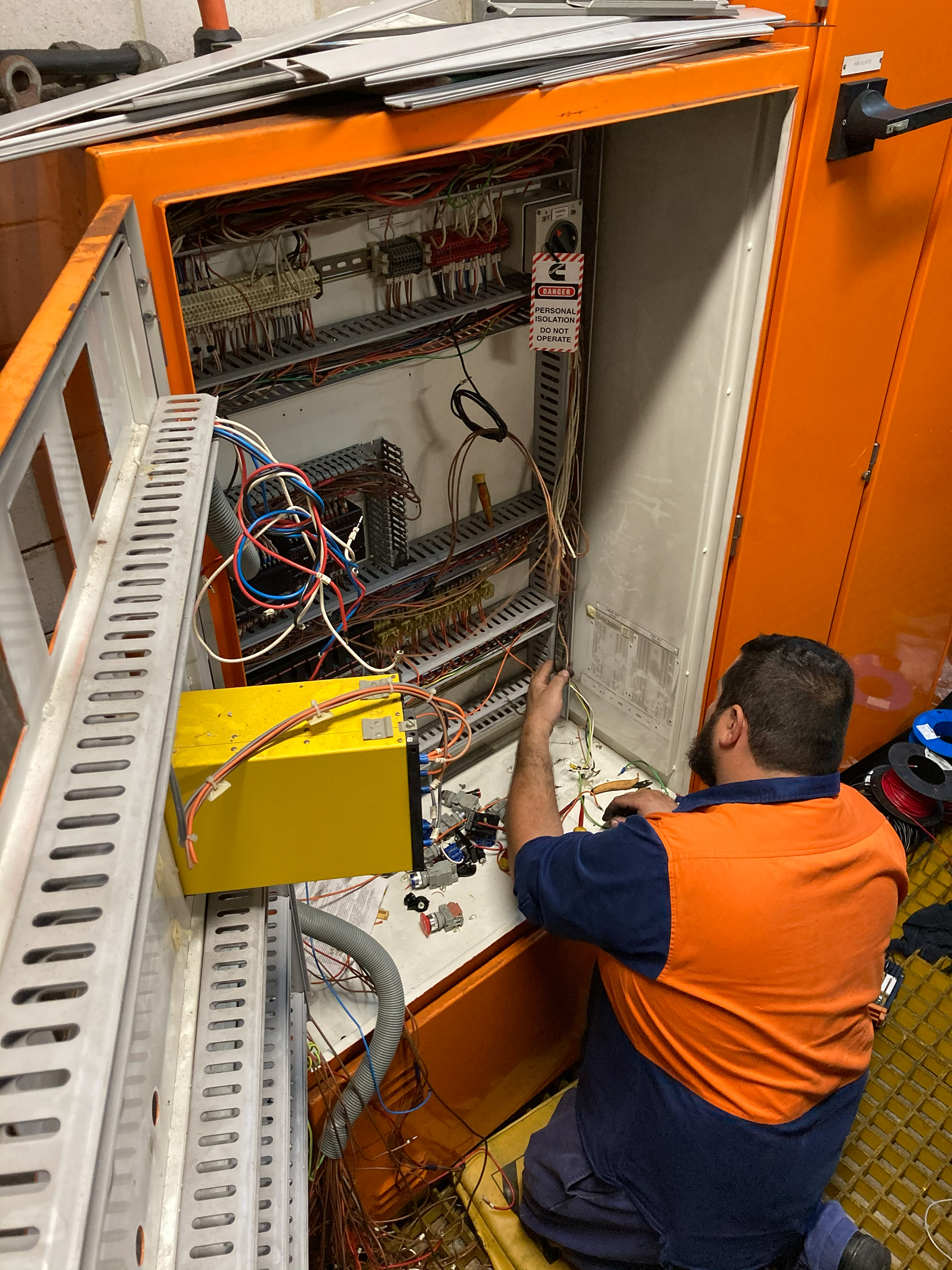
It requires the ability to move between the software, the control panel and the physical plant and understand how each affects the other.
Our background across BMS and building automation, HVAC controls, mechanical electrical systems, electrical services, metering and system integration allows us to approach recommissioning from that broader perspective. We are interested in how the building actually works — not simply how it was intended to work.
A Practical Alternative to Unnecessary Replacement
If a building is experiencing ongoing comfort issues, increasing energy use, unreliable controls or unexplained plant behaviour, the answer may not be another maintenance call and it may not be a complete controls replacement.
The first requirement is to understand the problem properly.
BMS and building recommissioning provides a structured way to establish how the building is operating, identify where performance has drifted and determine what corrective work is justified. For some buildings, that may lead to relatively minor changes. For others, it may confirm that a larger upgrade is required.
Either way, the decision is based on evidence rather than assumption.