One Line of Fire Panel Programming That Stopped an AFSS Test
A real-world example of why change management and integrated building systems matter.
Every commercial building evolves over time.
Tenants move in and out, office fit-outs are completed, fire systems are upgraded, Building Management Systems (BMS) are modernised, and new security or access control systems are added.
Each individual project may be perfectly compliant.
The challenge arises when dozens of different contractors work on the same building over many years without understanding how every system interacts.
This is one example.
The Brief
WR8Tech attended a 33-storey commercial office building to witness the Annual Fire Safety Statement (AFSS) testing.
The building, originally constructed in the mid-1970s, had undergone numerous upgrades and refurbishments over several decades. Like many older commercial buildings, it contained multiple generations of technology operating together, including:
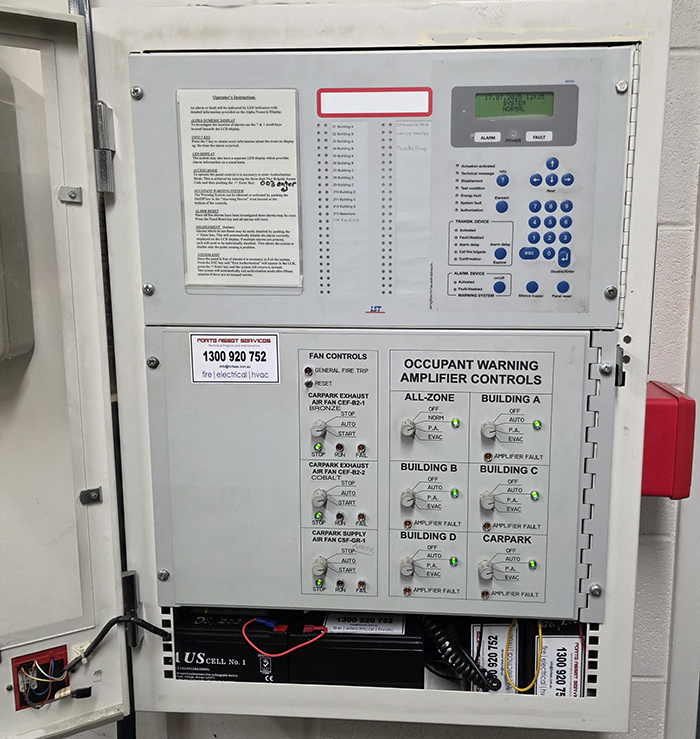
- Fire Indication Panel (FIP)
- Building Management System (BMS)
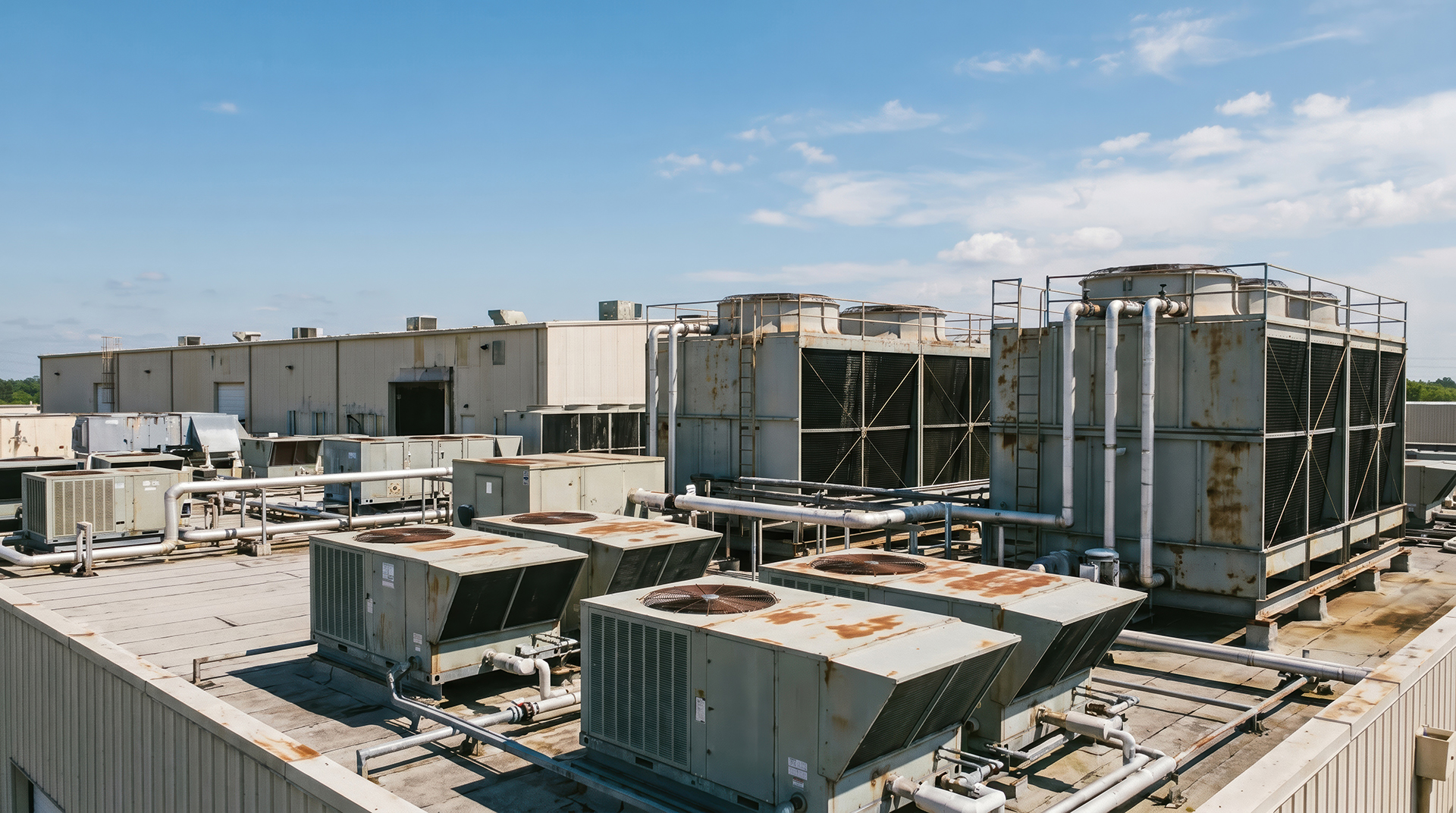
- HVAC Mechanical Services
- Fire trip relays
- Variable Speed Drives (VSDs)
- Access Control
- Security Systems
- Fire and Smoke Dampers
- Lift Interfaces
All specialist contractors were on site ready for a full weekend functional test.
The Test Failed Immediately
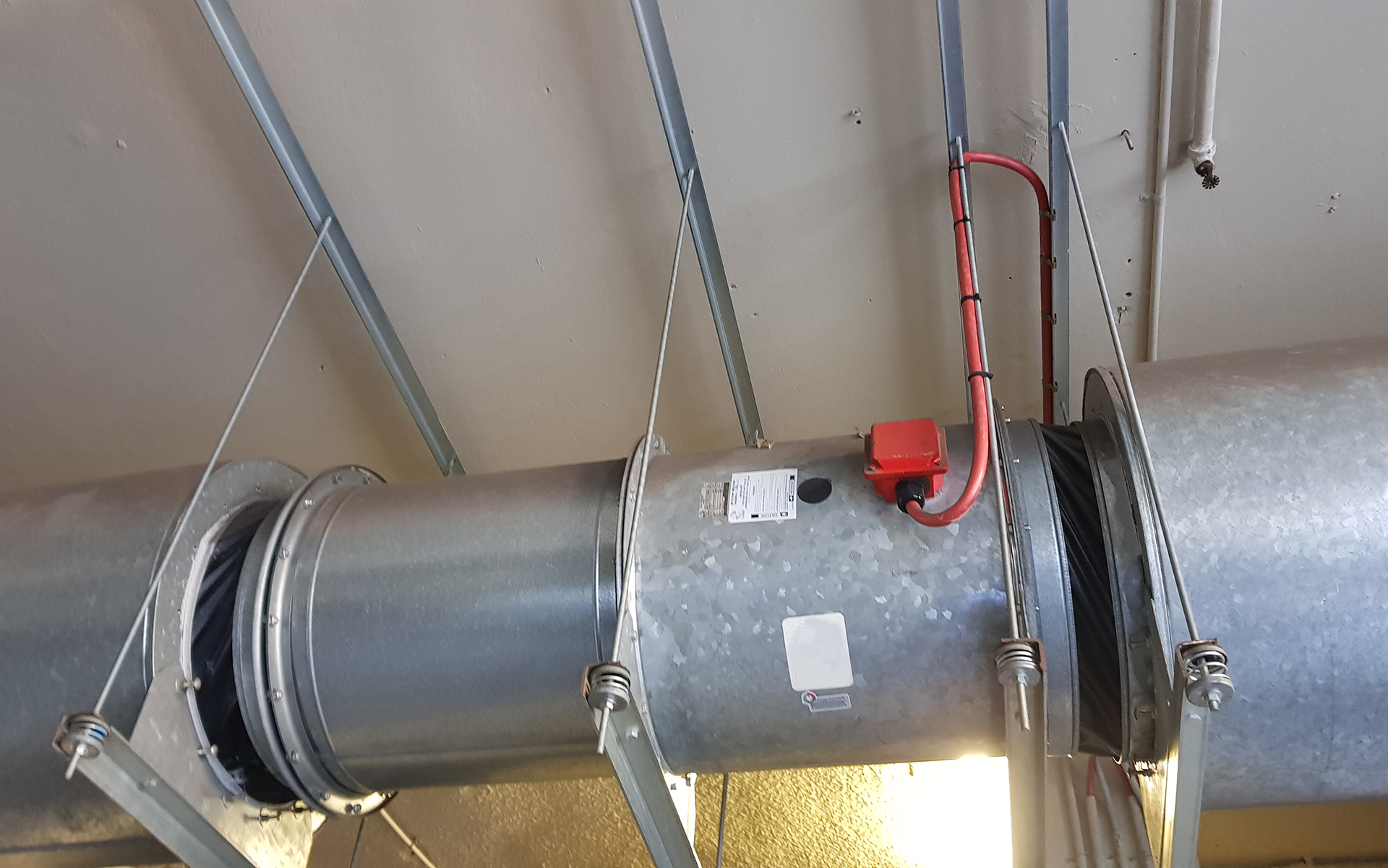
The very first fire alarm activation should have initiated a complete HVAC shutdown.
It didn’t.
The air conditioning system continued operating.
Without successful operation of the mechanical shutdown sequence, the AFSS test could not continue.
Initial Investigation
Because WR8Tech had previously tested the building, we already understood how the fire sequence was intended to operate.
The obvious first question was:
“Has something physically failed?”
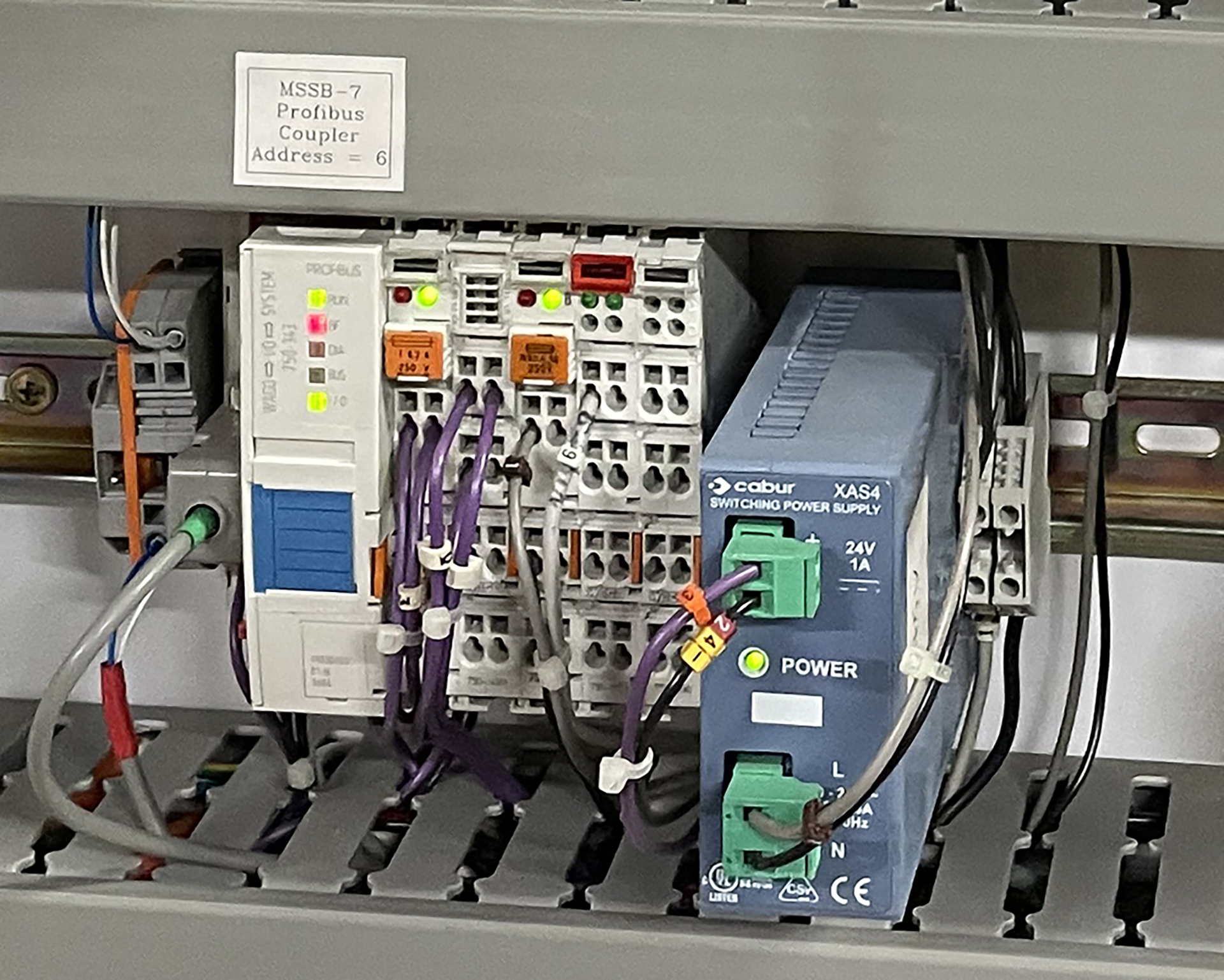
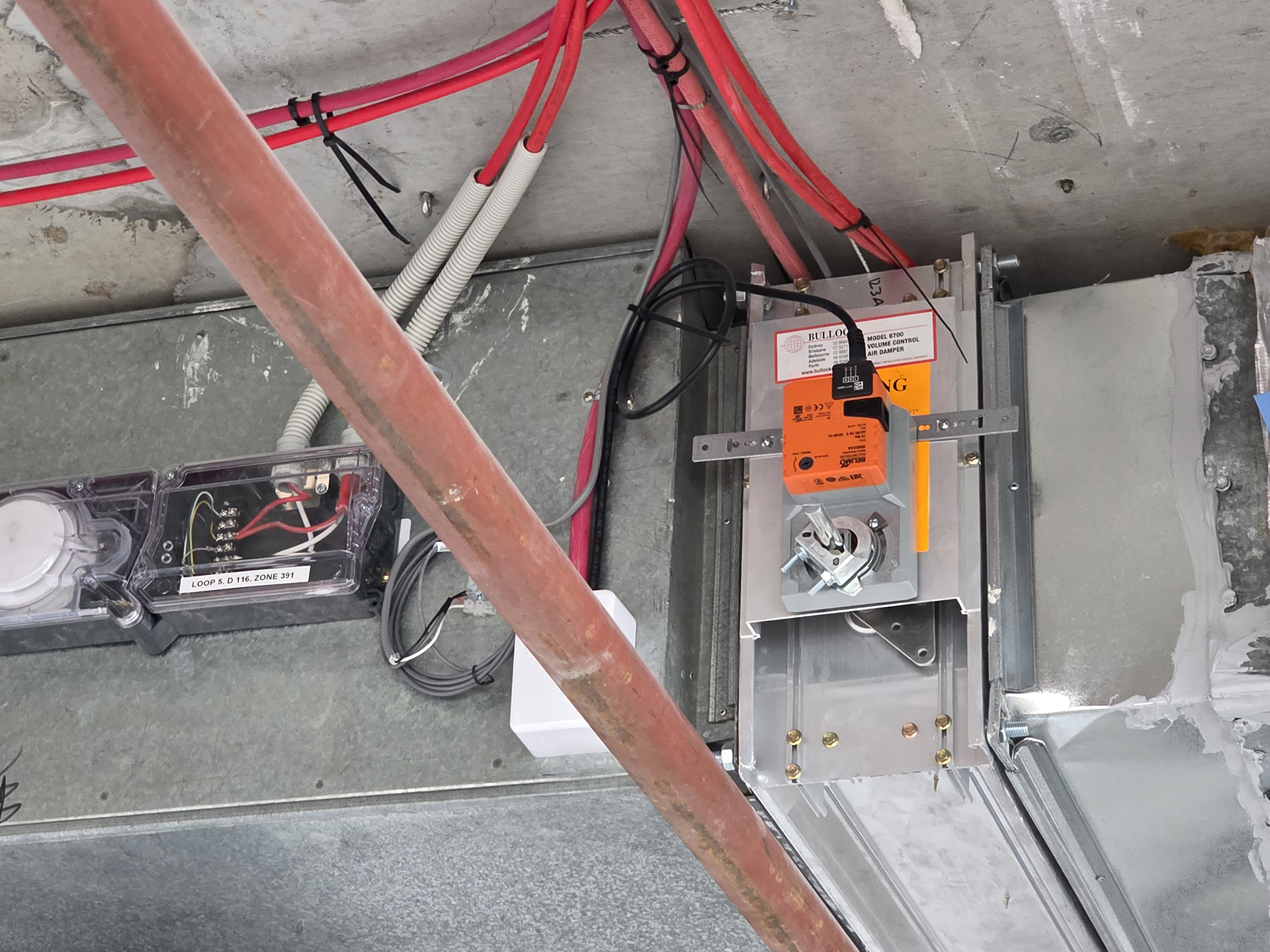
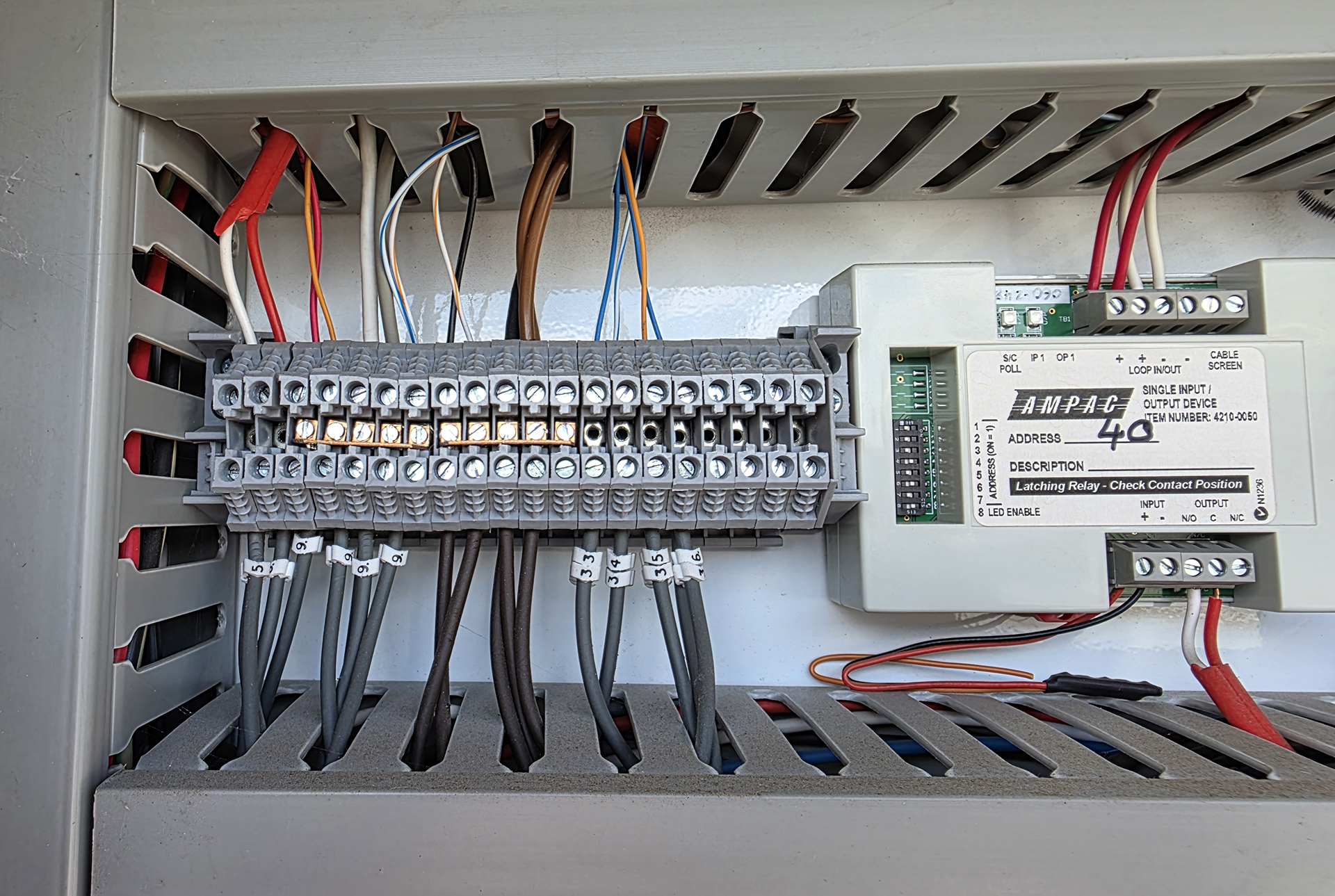
We manually tested the fire trip relays.
Every relay operated correctly.
We manually proved the downstream electrical circuits.
Everything worked.
The problem was not the relay.
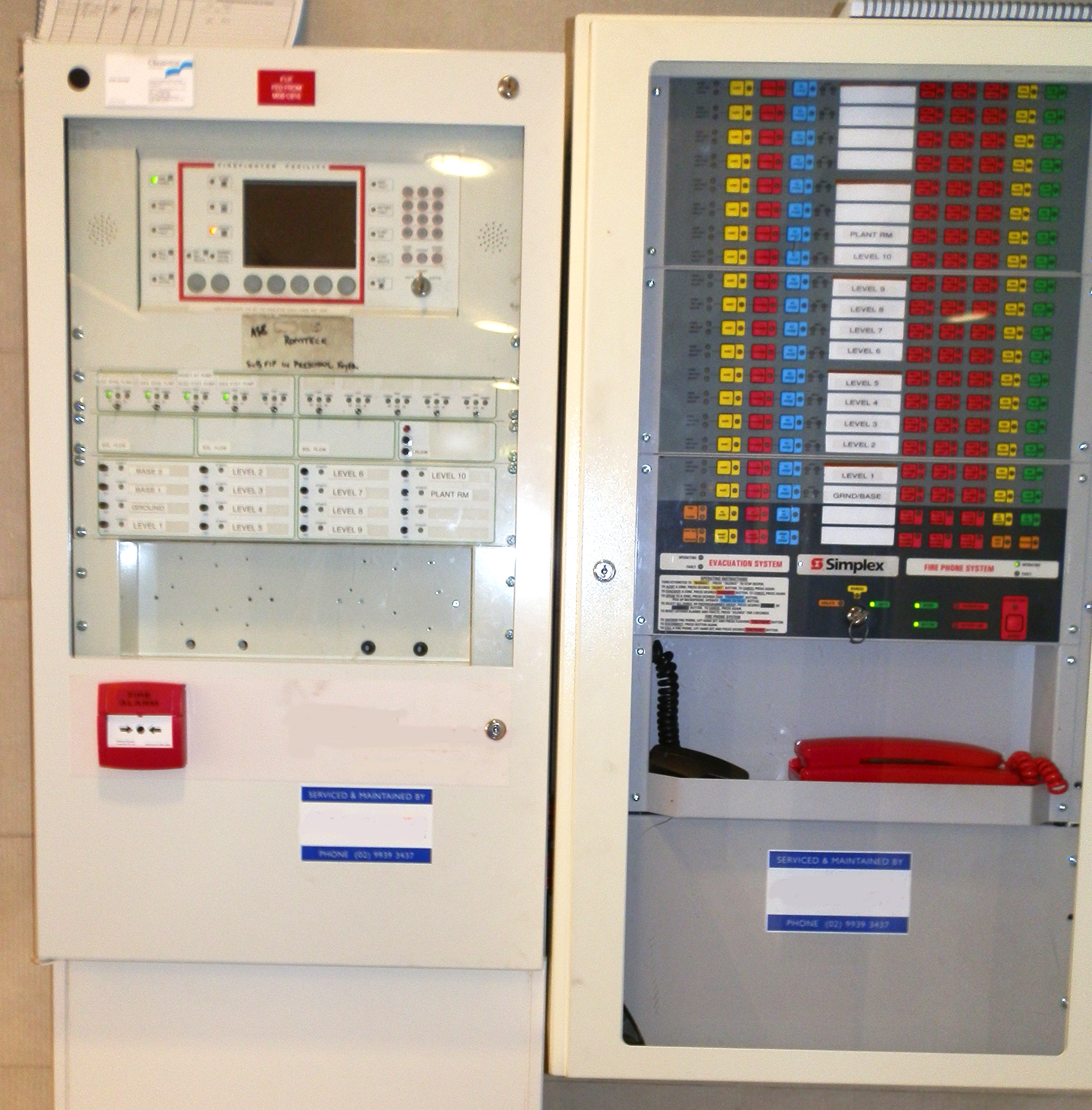
The problem was that the Fire Indication Panel wasn’t sending the command.
Looking Beyond the Obvious
Once the field wiring had been eliminated, attention turned toward recent building works.
A recent office fit-out had been completed by another fire services contractor.
At first this seemed unrelated.
The fit-out was confined to tenant space and should not have affected the building-wide fire shutdown sequence.
Yet it was the only significant recent change.

The Cause
Several days later the answer became clear.
A single programming change remained inside the Fire Indication Panel.
During commissioning of the tenant fit-out, the contractor had temporarily disabled certain building-wide fire outputs so that:
- the HVAC system would not repeatedly shut down
- access control systems remained operational
- security systems continued functioning
- other base building services could continue operating during commissioning
This was a perfectly reasonable temporary measure during testing.
Unfortunately, one line of programming was never restored.
The result was that the Fire Indication Panel no longer transmitted the full fire mode sequence to the remainder of the building.
The Result
Nothing appeared obviously wrong during normal daily operation.
The fault only became apparent during a complete integrated fire systems test.
The consequences included:
- Failure of the Annual Fire Safety Statement testing
- Additional contractor attendance
- Investigation costs
- Delays in compliance
- Significant disruption to multiple specialist contractors
All because of one forgotten programming change.
The Bigger Lesson
Importantly, this wasn’t about blaming another contractor.
Programming changes are sometimes necessary during commissioning.
The real issue was the lack of documented change management.
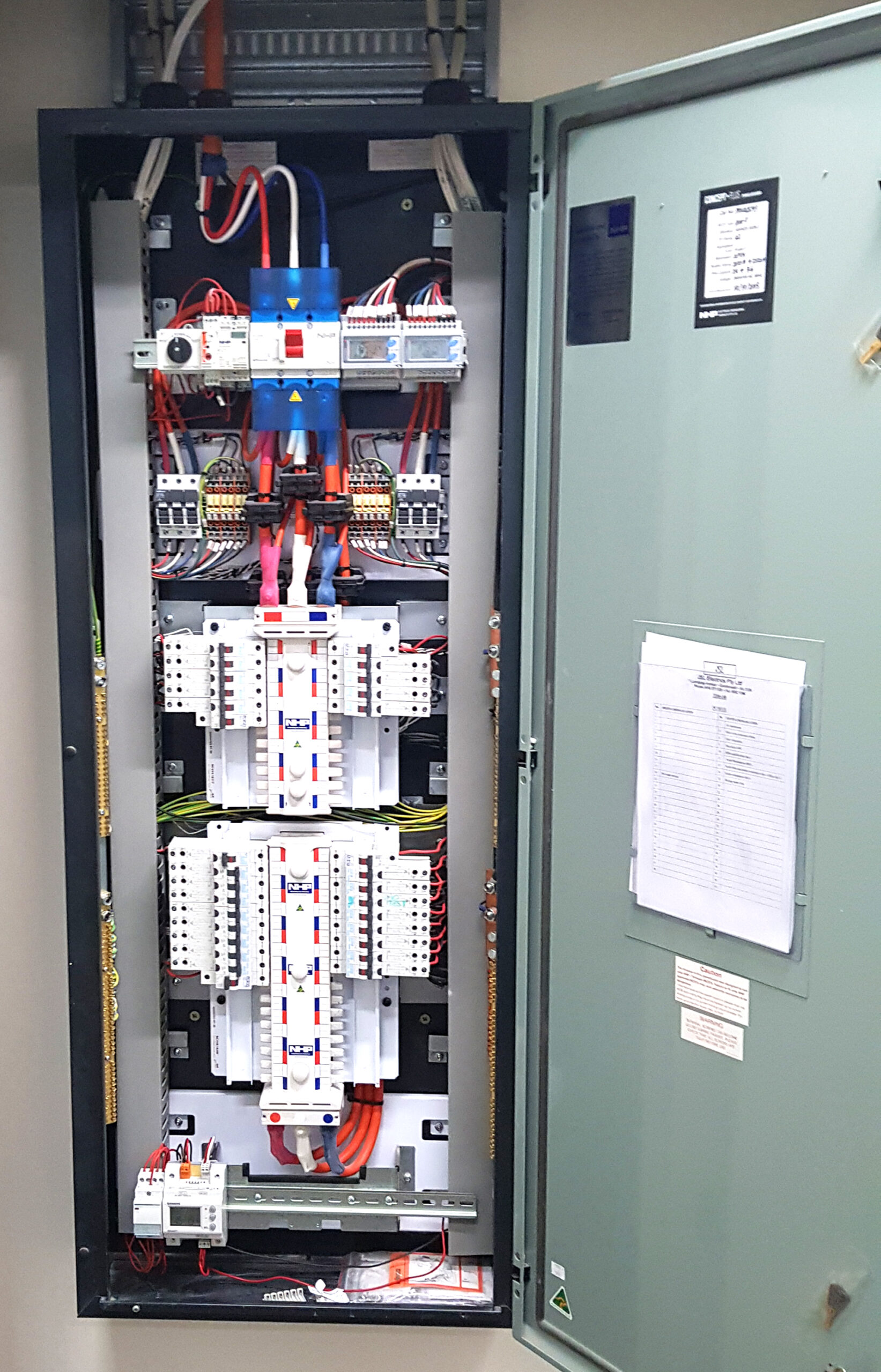
Modern commercial buildings contain dozens of interconnected systems.
Changing one system can unintentionally affect many others.
Fire systems no longer operate in isolation.
They interact with:
- Building Management Systems
- HVAC
- Smoke control
- Lift control
- Access control
- Security
- Emergency power
- Pressurisation systems
- Smoke exhaust systems
Every programming change should therefore be carefully documented, reviewed and, where necessary, independently verified before works are signed off.
Estimated reading time: 6 minutes
The Importance of Conditions of Consent
Many commercial buildings issue contractors with a Conditions of Consent to Carry Out Works document before any tenant fit-out begins.
These documents often require:
- notification of base building contractors
- approval before modifying life safety systems
- testing of all affected interfaces
- restoration of temporary isolations
- documented commissioning records
In many cases they also require use of the incumbent fire services contractor for any work involving the Fire Indication Panel.
This helps maintain consistency of programming, documentation and long-term system knowledge.
WR8Tech Insight
Most building failures aren’t caused by equipment.
They’re caused by information.
A missing drawing.
An undocumented programming change.
A forgotten temporary isolation.
Or simply knowledge leaving the building when contractors change.
Independent technical reviews and integrated functional testing often identify these hidden issues long before they become operational problems.
Conclusion
Commercial buildings become increasingly complex over time.
As more systems are integrated, effective change management becomes just as important as good engineering.
Every contractor may complete their own work correctly, but unless the building is viewed as a single integrated system, small programming changes can have significant consequences months or even years later.
That’s why WR8Tech believes successful building management is about more than maintenance—it’s about understanding how every system works together.
Case Study links