
High-Level Interfaces for Smart Commercial Buildings
Unlock the Hidden Intelligence Already Inside Your Building Systems
Modern commercial buildings are filled with intelligent equipment — chillers, VRV/VRF systems, boilers, power meters, variable speed drives, generators, lighting systems, elevators and fire systems — many of which already contain built-in communication capability.
A High-Level Interface (HLI) allows your Building Management System (BMS) to communicate directly with this equipment using open protocols such as BACnet, Modbus, LonWorks or MQTT, unlocking deeper operational visibility, advanced control strategies and powerful energy optimisation opportunities.
At WR8TECH, we specialise in integrating Mechanical, Electrical and Building Automation systems into a unified, intelligent platform designed to improve operational performance, reduce maintenance costs and support smarter building management outcomes.

What Is a High-Level Interface (HLI)?
A High-Level Interface is a digital communications connection between a piece of equipment and the Building Management System.
Rather than simply turning equipment ON or OFF using relays and analogue signals, the BMS can communicate directly with the equipment’s internal controller and exchange detailed operational data in real time.
This enables access to information such as:
- Equipment status
- Temperatures and pressures
- Run hours
- Fault conditions and alarms
- Energy consumption
- Fan and pump speeds
- Setpoints and operating modes
- Efficiency and performance data
- Maintenance diagnostics
In many cases, the hardware already exists inside the equipment from the manufacturer — it simply needs to be enabled, connected and configured correctly.
High-Level Interfaces Are the Foundation of Smart Buildings
Many older commercial buildings only utilise a fraction of the capability already available within their plant and equipment.
A properly implemented HLI strategy transforms isolated systems into an integrated building ecosystem where assets can intelligently respond to operating conditions across the building.
Examples include:
- Chillers adjusting operation based on tenancy demand
- Variable Speed Drives dynamically reducing energy consumption
- Car park ventilation systems responding to live CO concentrations
- Fire systems interfacing with HVAC smoke control sequences
- Energy meters feeding live data into dashboards and analytics
- Generators reporting alarms and fuel levels remotely
- Supplementary air conditioning systems coordinating with base building services
This level of integration creates measurable improvements in:
- ESG reporting capability
- NABERS performance
- Energy efficiency
- Maintenance response times
- Asset lifecycle management
- Tenant comfort
- Fault detection
Why Building Owners Are Investing in HLI Strategies
The cost of implementing High-Level Interfaces is often relatively low compared to the operational gains achieved.
In many cases, the infrastructure already exists:
- The equipment already supports BACnet or Modbus
- Existing BMS infrastructure can be expanded
- Minimal additional cabling may be required
- Existing Ethernet or RS485 networks can often be utilised
The real value comes from the operational intelligence gained.
Typical Benefits Include:
- Reduced energy consumption
- Faster fault identification
- Reduced after-hours callouts
- Improved equipment performance visibility
- Enhanced remote monitoring capability
- Better control strategies
- Lower lifecycle maintenance costs
- Improved reporting and compliance visibility
Many buildings achieve a return on investment within 6–12 months through energy savings and operational improvements alone.
High-Level vs Low-Level Interfaces
While low-level interfaces still play an important role in building services integration, they are fundamentally different.
Low-Level Interfaces Typically Use:
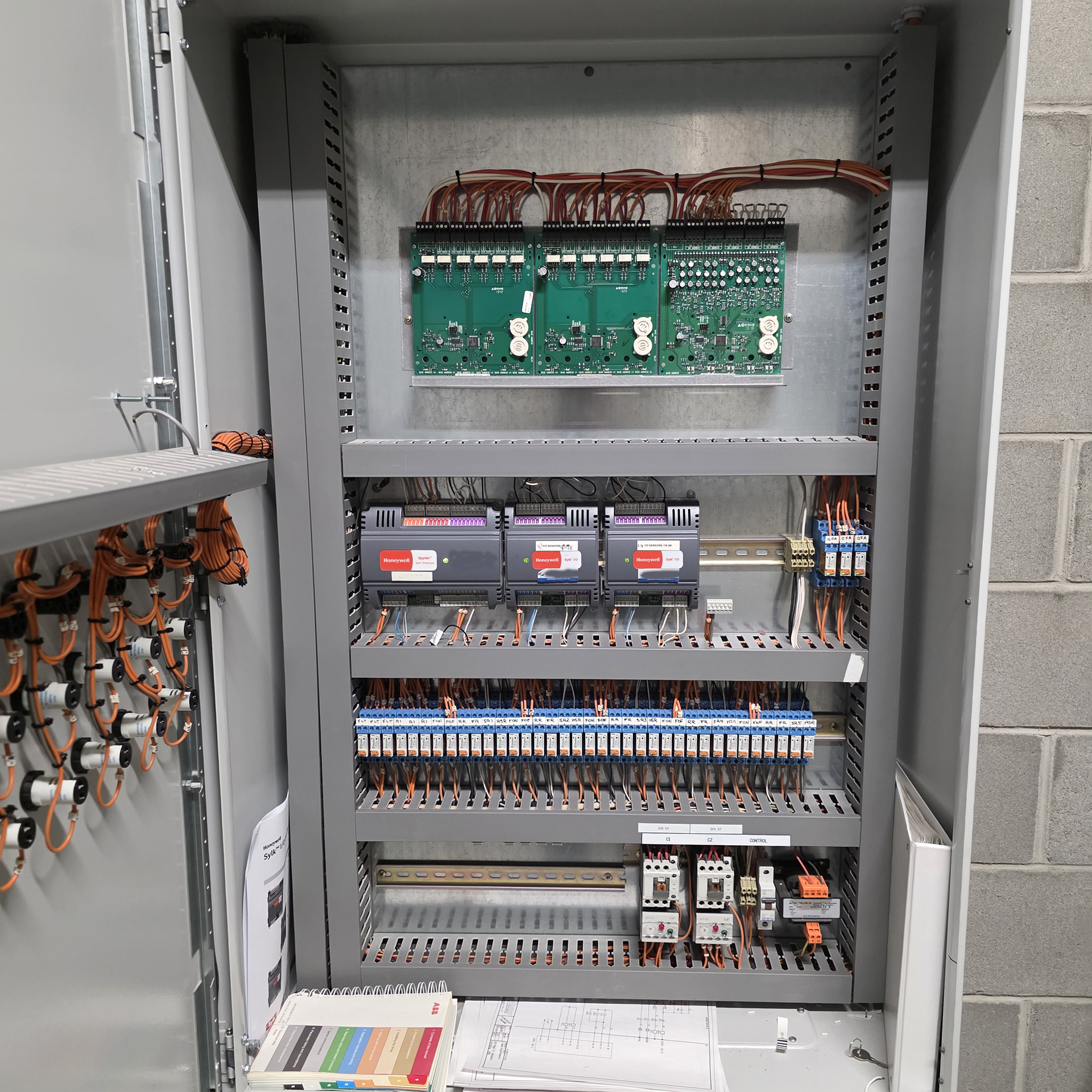
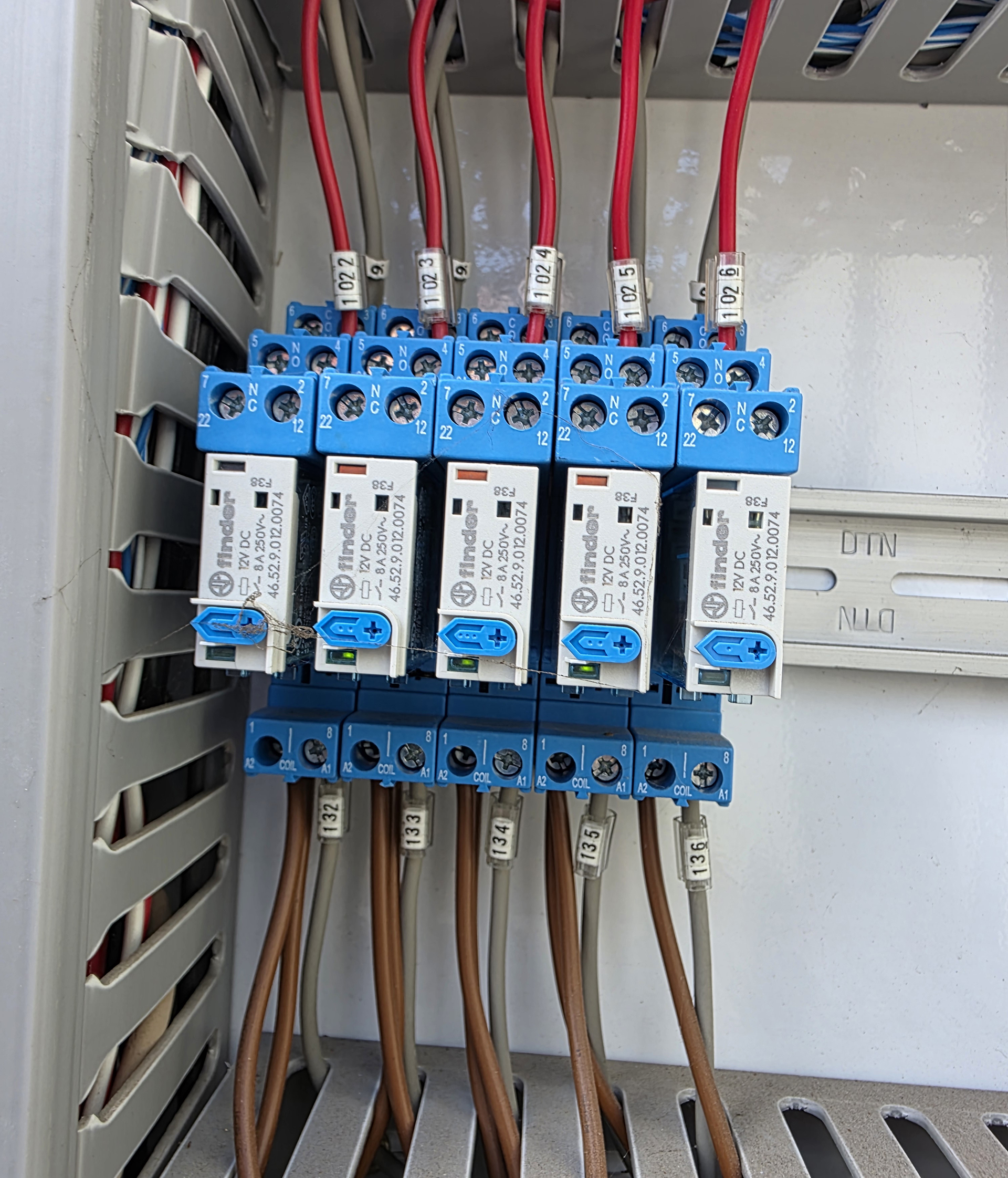
- Relay outputs
- Digital inputs
- Analogue signals (0–10V, 4–20mA)
- Hardwired enable signals
- Basic status feedback
High-Level Interfaces Provide:
- Thousands of live data points
- Alarm diagnostics
- Real-time operating data
- Native manufacturer parameters
- Trend logging capability
- Energy metering data
- Remote setpoint adjustment
- Advanced control logic opportunities
High-Level Interfaces reduce the need for excessive field wiring and provide significantly more operational intelligence.
Typical Equipment We Integrate
At WR8TECH, we regularly integrate:
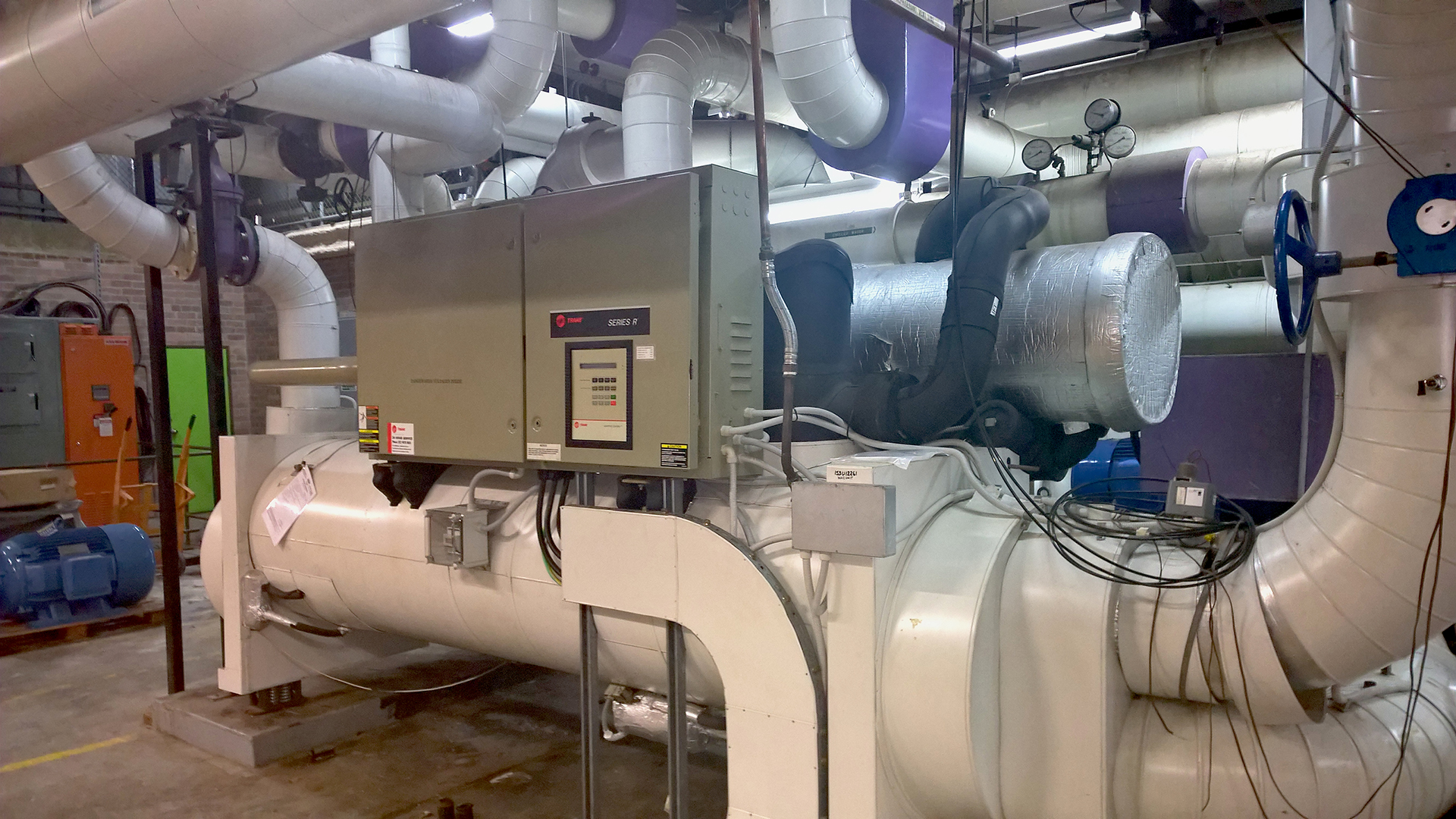
- Chillers
- Boilers
- Cooling Towers
- VRV / VRF Systems
- Air Handling Units
- Variable Speed Drives
- Energy Meters
- Diesel Generators
- Car Park Ventilation Systems
- Electrical Switchboards
- Power Monitoring Systems
- Lighting Control Systems
- Fire & Smoke Control Systems
- Lift Monitoring Systems
- Water Treatment Systems
- Pumps and Pressure Systems
Using protocols including:
- API-based cloud integrations
- BACnet IP
- BACnet MS/TP
- Modbus TCP/IP
- Modbus RS485
- LonWorks
- SNMP
- MQTT
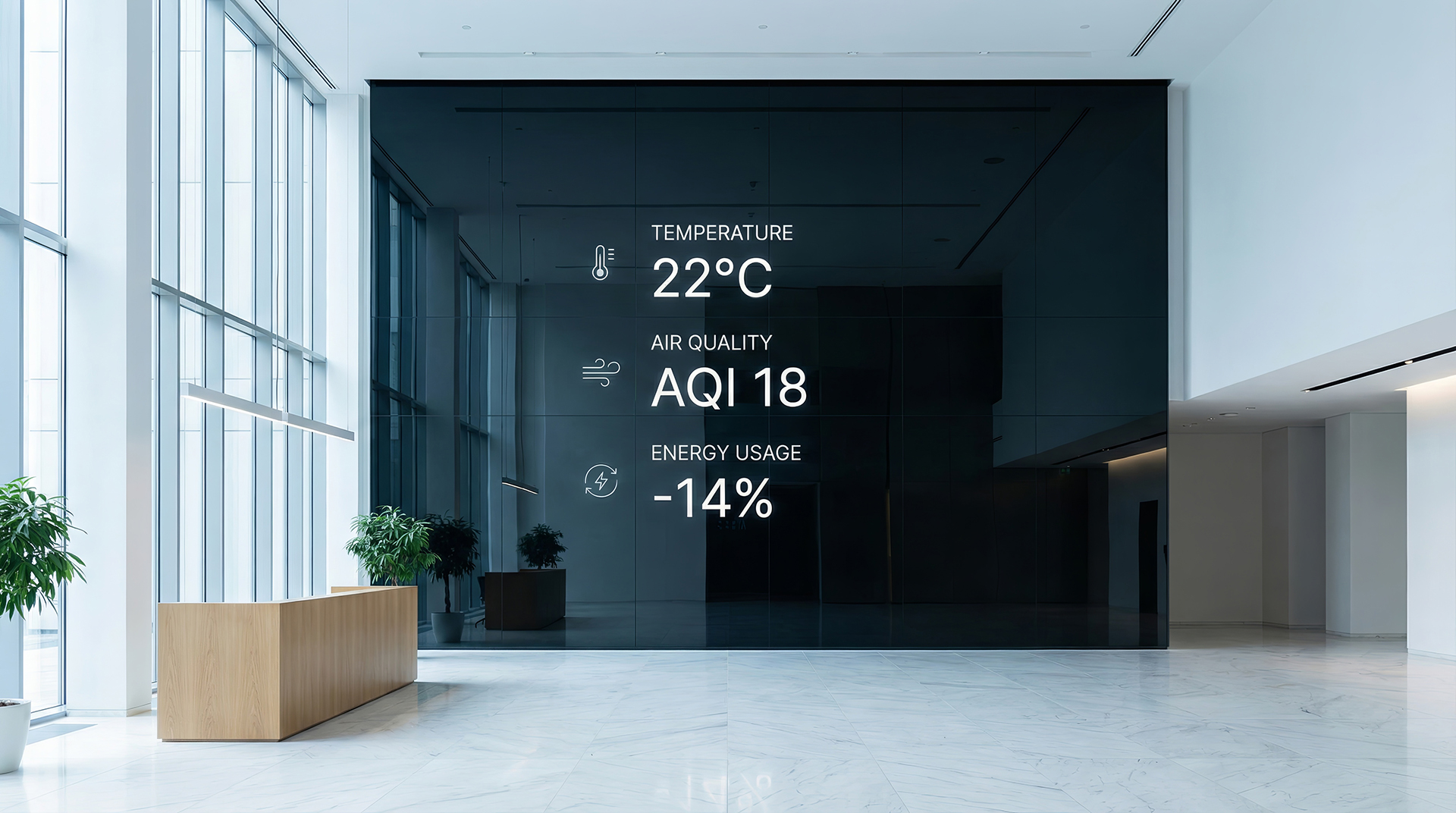
Energy Management Starts With Visibility
You cannot optimise what you cannot measure.
One of the greatest advantages of High-Level Interfaces is the ability to extract operational and energy data directly from building equipment.
This allows building owners and facility managers to:
- Track equipment performance trends
- Identify excessive energy consumption
- Detect operational anomalies
- Implement load shedding strategies
- Reduce peak demand charges
- Support NABERS and ESG initiatives
- Validate maintenance effectiveness
For many buildings, the HLI becomes the foundation of a broader Energy Management System (EMS).
Future-Proofing Existing Buildings
Commercial buildings are evolving rapidly.
Buildings that once relied on isolated plant systems are now expected to support:
- Remote monitoring
- Smart analytics
- ESG reporting
- Predictive maintenance
- Tenant energy accountability
- Cloud-based reporting platforms
- AI-assisted optimisation strategies
A well-designed High-Level Interface strategy helps future-proof your building by ensuring critical systems can continue integrating with emerging technologies.
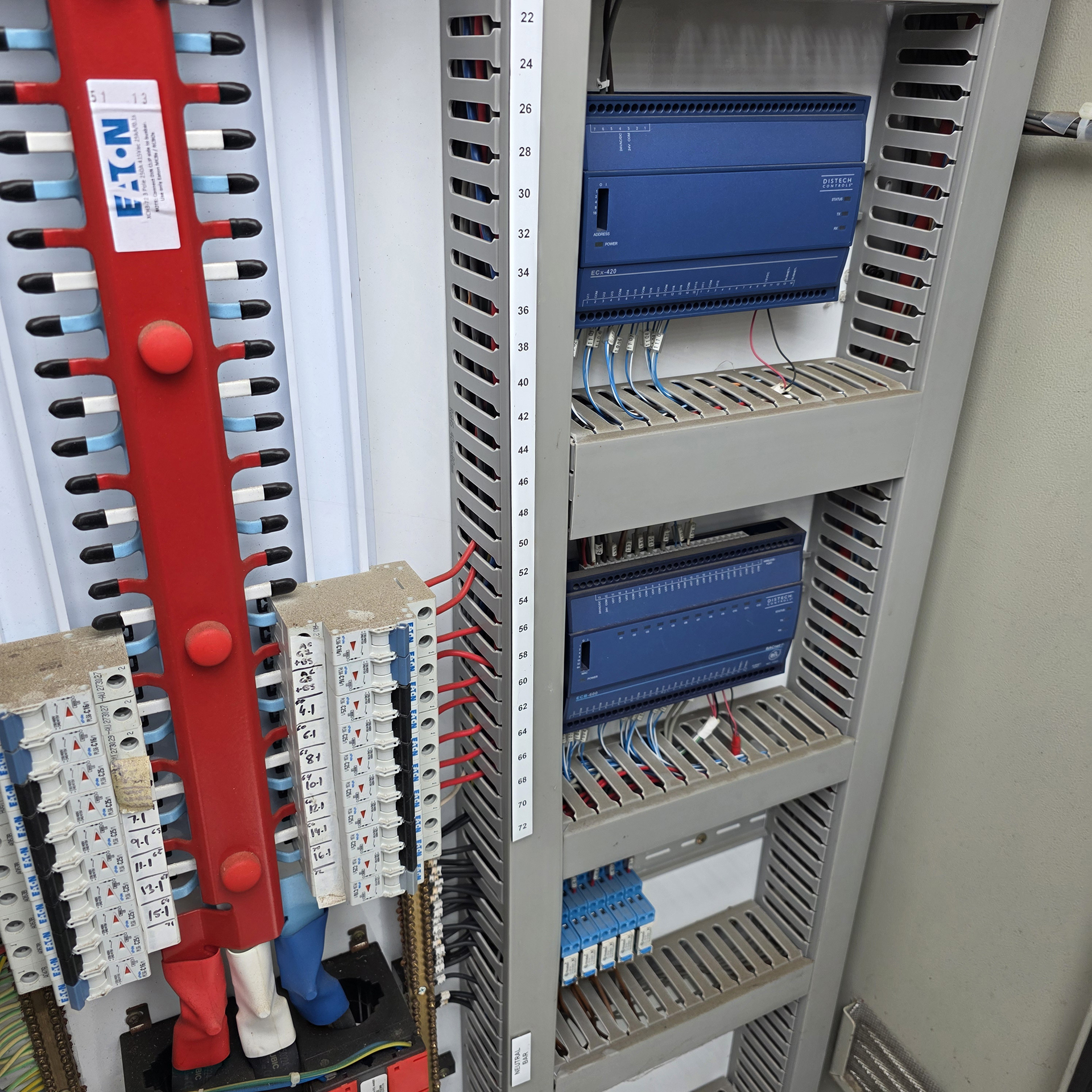
Mechanical, Electrical & Controls Integration Specialists
Unlike many traditional BMS contractors, WR8TECH approaches integration from both an electrical and mechanical services perspective.
We understand not only the software layer, but also:
- Mechanical services switchboards
- Control wiring infrastructure
- HVAC operational sequences
- Fire and life safety interlocks
- Power monitoring systems
- Energy metering architecture
- Variable speed drive integration
- Legacy system constraints
This practical field experience allows us to deliver integration strategies that are reliable, scalable and operationally valuable.
- BMS and Commercial Asset Performance
- BMS High-level Interface Explained
- BMS Maintenance Services
- BMS Victoria
- Commercial Lighting Control, Building Automation & Smart Lighting Systems
- High Level and Low Level Interfaces
- HVAC Controls & Building Automation
- HVAC Digital Controls
- Independent BMS Engineering Support for Facility Managers
- Independent BMS Support for Building Managers
- Legacy BMS Systems in Sydney & Melbourne
- Obsolete BMS Systems – Sydney & Melbourne
- Smart Buildings