Engineering-Led Building Management System Audit for a Mixed-Use Commercial Facility
A large mixed-use commercial facility engaged WR8TECH to undertake a detailed technical review of its Building Management System (BMS), HVAC plant operation, and overall control strategy after ongoing concerns regarding excessive energy consumption, poor operational diversity, unstable HVAC performance, and limited visibility into the actual behaviour of the building services systems.
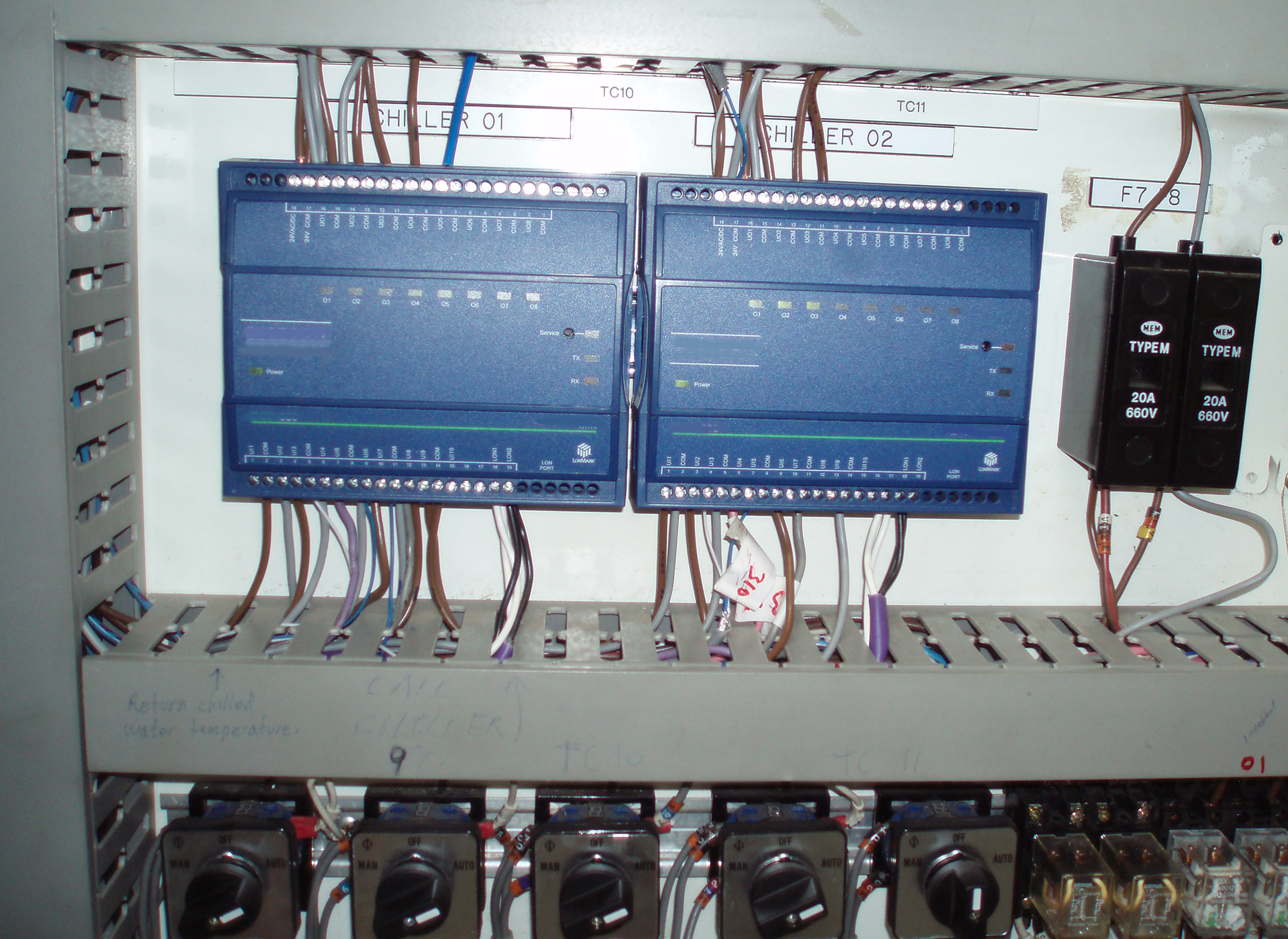
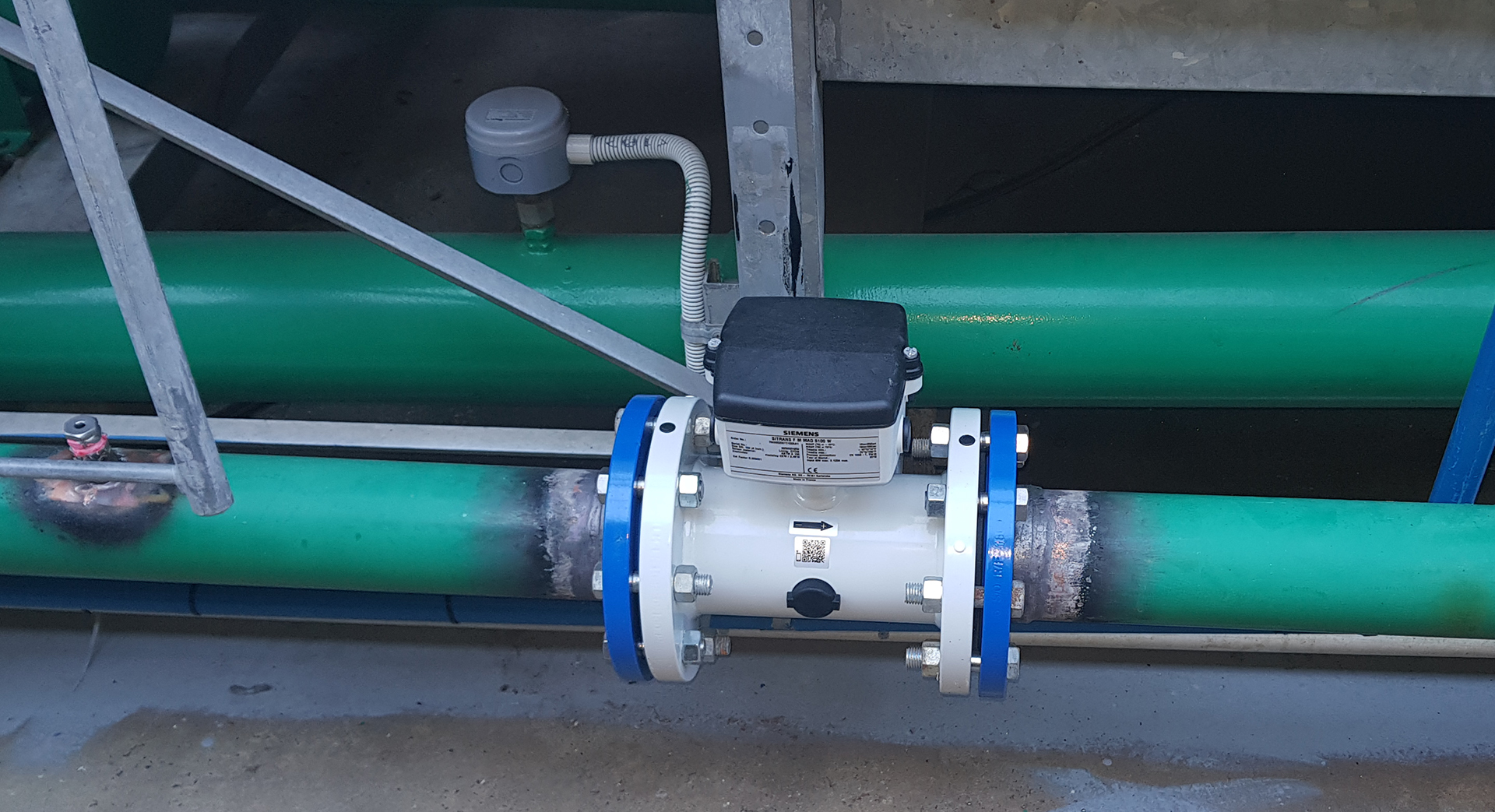
The site consisted of a central chilled water plant, boiler systems, air handling units, fan coil units, economy dampers, variable speed drives, tenant-specific HVAC systems, fluid energy meters, and a Niagara-based supervisory Building Management System operating through a JACE platform with legacy integrations including TAC Xenta controls.
The client initially questioned whether the Building Management System required full replacement. Following a detailed engineering-led audit, WR8TECH determined that the core issue was not the Niagara platform itself, but rather years of underutilised functionality, incomplete commissioning, poor operational tuning, limited trend analysis, and lack of meaningful exploitation of the Niagara JACE supervisory capabilities.
Initial Site Findings
The review immediately revealed that the Niagara JACE was supervising substantial mechanical infrastructure but was not truly controlling the building in an intelligent or dynamic manner. Large portions of the control strategy relied on static schedules rather than adaptive operational logic.
The chilled water plant was operating for extended periods regardless of actual building demand or favourable outside air conditions. Chiller staging logic appeared simplistic, with manual lockouts identified within the system, and limited evidence of dynamic optimisation based upon global cooling demand, valve positions, or outside air conditions.
The audit also revealed that many of the existing Niagara graphics were operating largely as passive display interfaces rather than active engineering tools. Critical operational parameters such as PID loop tuning values, dead bands, valve control diversity, optimal stop/start calculations, and advanced alarm conditions were either inaccessible to operators or not properly implemented within the graphical interface.
WR8TECH identified that the Niagara framework itself had significant untapped capability already available within the existing infrastructure:
- Trend logging existed but was inconsistently functioning
- High Level Interfaces (HLI) were only partially utilised
- Energy meters had limited meaningful integration
- Variable Speed Drive data was not properly leveraged
- Control diversity was inconsistent between plant and field devices
- Alarm management lacked engineering depth
- Graphics did not provide adequate operational visibility
The site did not require a new BMS platform. It required proper engineering recommissioning of the existing Niagara JACE environment and the associated mechanical systems.
Niagara JACE Engineering Review
WR8TECH undertook a detailed review of the Niagara supervisory layer, field integration strategy, and HVAC application logic.
Particular attention was placed on:
- Chiller enable logic
- Chilled water reset strategy
- Boiler lockout diversity
- Economy cycle sequencing
- Fan coil unit valve operation
- Air handling unit PID stability
- Tenant load interaction
- Trend log interrogation
- Field device feedback validation
- Dynamic scheduling opportunities
The engineering review identified considerable opportunity to better exploit the Niagara JACE as a true building optimisation platform rather than simply a graphical front end.
The existing control strategy was heavily schedule-driven, with chillers operating for extended hours to satisfy tenant HVAC requirements despite outside air conditions often being suitable for significantly reduced mechanical cooling demand.
WR8TECH proposed restructuring the operational strategy to incorporate:
- Dynamic outside air calculations
- Global cooling demand analysis
- Economy damper exhaustion logic
- Adaptive chilled water reset
- Optimal stop/start algorithms
- Integrated tenant load diversity
- Advanced trend-based decision making
This approach would allow the Niagara JACE to actively interrogate system behaviour and make operational decisions based on real building conditions rather than fixed assumptions.
Trend Log Analysis & PID Loop Instability
One of the most revealing aspects of the audit involved interrogation of existing trend logs within the Niagara platform.
WR8TECH identified unstable supply air temperature control across multiple Air Handling Units, particularly during morning start-up periods where aggressive PID loop behaviour was creating unnecessary cooling demand and excessive chiller loading.
Trend analysis demonstrated:
- Rapid supply air temperature hunting
- Excessive chilled water valve movement
- Poor dead-band control
- Aggressive valve response characteristics
- Simultaneous heating and cooling conditions
- Inconsistent zone control behaviour
The Niagara JACE environment already had the capability to expose and analyse these issues through trend logging, however the data had not been properly interrogated or utilised as part of an ongoing engineering optimisation process.
WR8TECH recommended significant refinement of the PID loop strategies throughout the HVAC systems, including:
- Loop stabilisation
- Improved proportional control
- Better integral timing
- Dead-band refinement
- Global valve position monitoring
- Supply air reset logic
This recommissioning approach was intended to stabilise HVAC operation while simultaneously reducing unnecessary plant load and improving occupant comfort consistency.
High-Level Integration Opportunities
The audit also identified substantial unrealised value within the building’s High Level Interface integrations.
While portions of the mechanical plant were already network-connected, much of the available operational data was not being utilised by the Niagara supervisory layer in a meaningful way.
WR8TECH recommended deeper integration of:
- Chiller operational parameters
- Variable Speed Drive telemetry
- Fluid energy metering
- Tenant HVAC demand
- Pump and fan energy data
- Boiler operational diversity
- Valve position analytics
The objective was not simply to display additional information on graphics pages, but to allow the Niagara JACE to use this operational data as part of the control strategy itself.
This included using:
- Valve positions as conditions for chiller enable
- Economy damper percentages to delay mechanical cooling
- Tenant demand calculations for adaptive scheduling
- Energy meter analytics for operational benchmarking
- Trend logs for ongoing recommissioning refinement
The project also highlighted opportunities to integrate the TAC Xenta tenant systems more effectively into the Niagara environment, particularly to better understand after-hours cooling demands and improve landlord visibility into tenant energy consumption.
Operational & Energy Outcomes
WR8TECH concluded that the building possessed considerable energy conservation opportunity with relatively modest capital expenditure.
Rather than replacing major plant or rebuilding the BMS platform, the recommended strategy focused on:
- Recommissioning the Niagara JACE environment
- Refining HVAC application code
- Improving plant sequencing
- Increasing operational visibility
- Expanding trend analytics
- Enhancing control diversity
- Implementing smarter supervisory logic
The engineering review estimated that energy reduction opportunities exceeding 20% were realistically achievable over a twelve-month period through recommissioning and optimisation alone.
Importantly, the project demonstrated the value of engineering-led Niagara optimisation, where the Building Management System becomes an active operational intelligence platform rather than simply a reactive monitoring interface.
WR8TECH Capabilities Demonstrated
This project highlighted WR8TECH’s capability across:
- Commercial building performance engineering
- Niagara 4 & JACE engineering
- HVAC controls optimisation
- Building recommissioning
- Mechanical electrical integration
- Chiller plant optimisation
- Trend log analytics
- PID loop tuning
- Energy management strategies
- Legacy BMS integration
- HVAC operational engineering
- Smart building optimisation
- High Level Interface integration
- Technical building audits

Looking Beyond Traditional BMS Maintenance
WR8TECH approaches Building Management Systems differently from traditional reactive BMS maintenance providers.
Our focus is not simply ensuring the graphics are online or alarms are operational. Our focus is understanding how the building actually behaves, how energy is consumed, how HVAC systems interact, and how the Niagara JACE environment can be leveraged to continuously optimise operational performance across the facility.
This project demonstrated how existing building infrastructure, when properly recommissioned, engineered, and interrogated, can deliver substantial operational and energy improvements without unnecessary capital replacement.
Case Study links