
HVAC & Mechanical Services Monitoring for Unsupervised Buildings
Monitoring, Control and Reliability of HVAC and Mechanical Services via BMS
In unsupervised buildings, HVAC and mechanical services play a critical role in maintaining tenant comfort, equipment performance and overall building operation. While central plant such as chillers and boilers provide the primary heating and cooling, it is the HVAC and mechanical services systems that distribute and deliver conditioned air throughout the building.
When buildings operate without on-site facility staff, faults within HVAC and mechanical services systems may go unnoticed, often resulting in tenant complaints, operational disruption and reputational risk.
HVAC & Mechanical Services Monitoring via a Building Management System (BMS) provides visibility, control and proactive fault detection, allowing unsupervised buildings to operate reliably and efficiently.
At WR8Tech, we specialise in monitoring and controlling HVAC and mechanical services systems within unsupervised buildings, ensuring that tenant comfort, operational reliability and asset performance are maintained.
Why HVAC Monitoring Matters in Unsupervised Buildings
While central plant failures can impact entire buildings, HVAC distribution faults often affect individual tenancies, floors or zones. These issues are frequently the first source of tenant complaints.
In unsupervised buildings, common HVAC and mechanical services issues include:
- Fan coil unit failures
- Air Handling Unit (AHU) faults
- VAV box failures
- Temperature control issues
- Damper actuator failures
- Filter blockages
- Fan failures
- Outside air control issues
- Condensate drain blockages
- Control valve failures
Without BMS monitoring, these faults may only be discovered once tenants report discomfort or operational issues.
This reactive approach increases tenant dissatisfaction and can negatively impact building reputation.
HVAC and Mechanical Services Typically Monitored
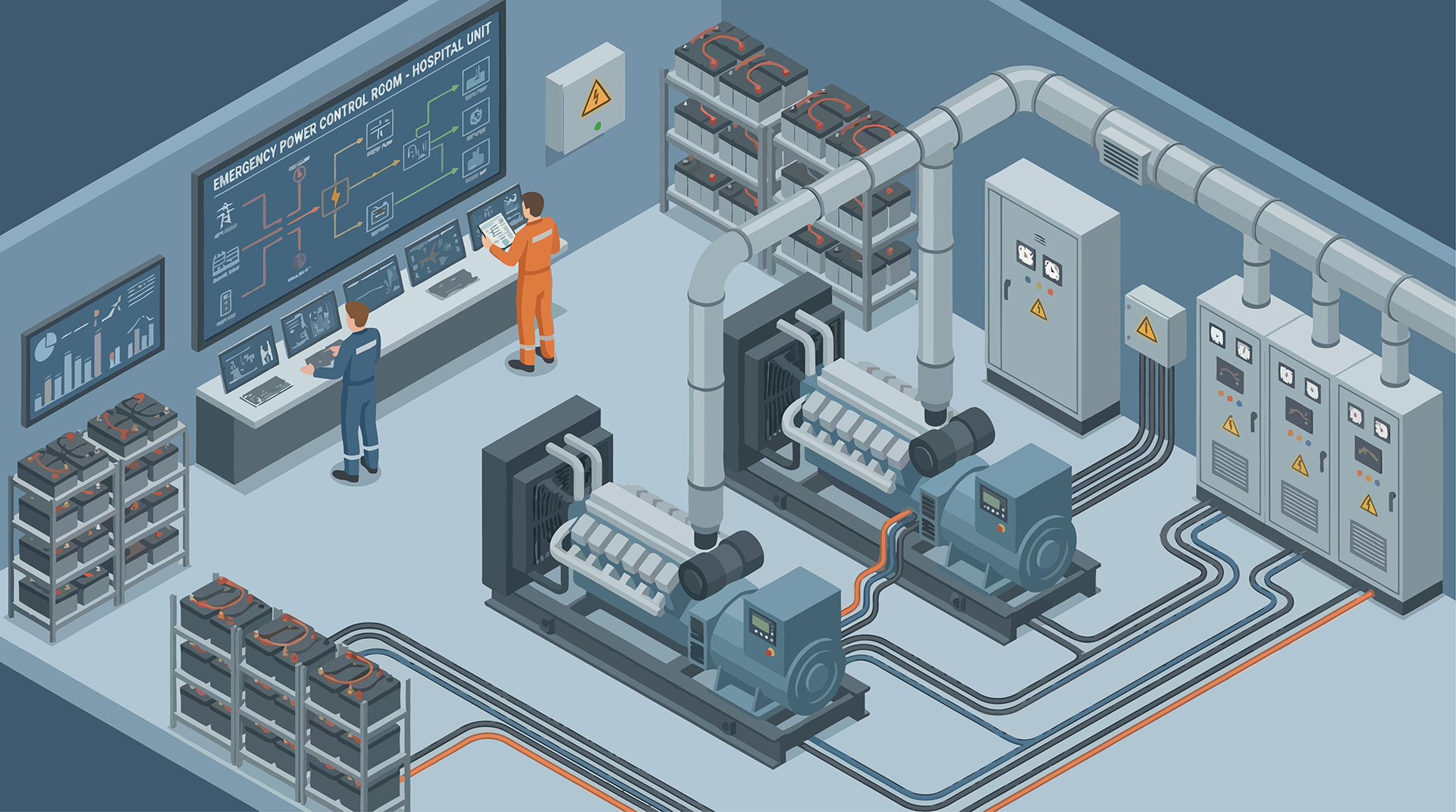
WR8Tech typically monitors a wide range of HVAC and mechanical services equipment, including:
- Air Handling Units (AHUs)
- Fan Coil Units (FCUs)
- Variable Air Volume (VAV) boxes
- Exhaust fans
- Supply air fans
- Pressurisation systems
- Toilet exhaust systems
- Stair pressurisation systems
- Car park ventilation systems
- Kitchen exhaust systems
- Mechanical ventilation systems
Monitoring these systems ensures faults are identified early and addressed proactively.
Monitoring and Control via BMS
The Building Management System provides real-time monitoring and control of HVAC systems. This allows facility managers and property managers to maintain control of tenant comfort and building performance, even when buildings are unsupervised.
Typical monitoring points include:
- Fan status and run indication
- Fault alarms
- Temperature monitoring
- Damper position
- Valve position
- Airflow status (where available)
- Filter status
- Time schedules
- Setpoint monitoring
Control strategies may include:
- Time scheduling
- Temperature reset strategies
- Demand-based control
- Occupancy-based control
- After-hours operation control
- Energy optimisation strategies
These strategies improve reliability while reducing energy consumption.
High-Level Interface with HVAC Equipment
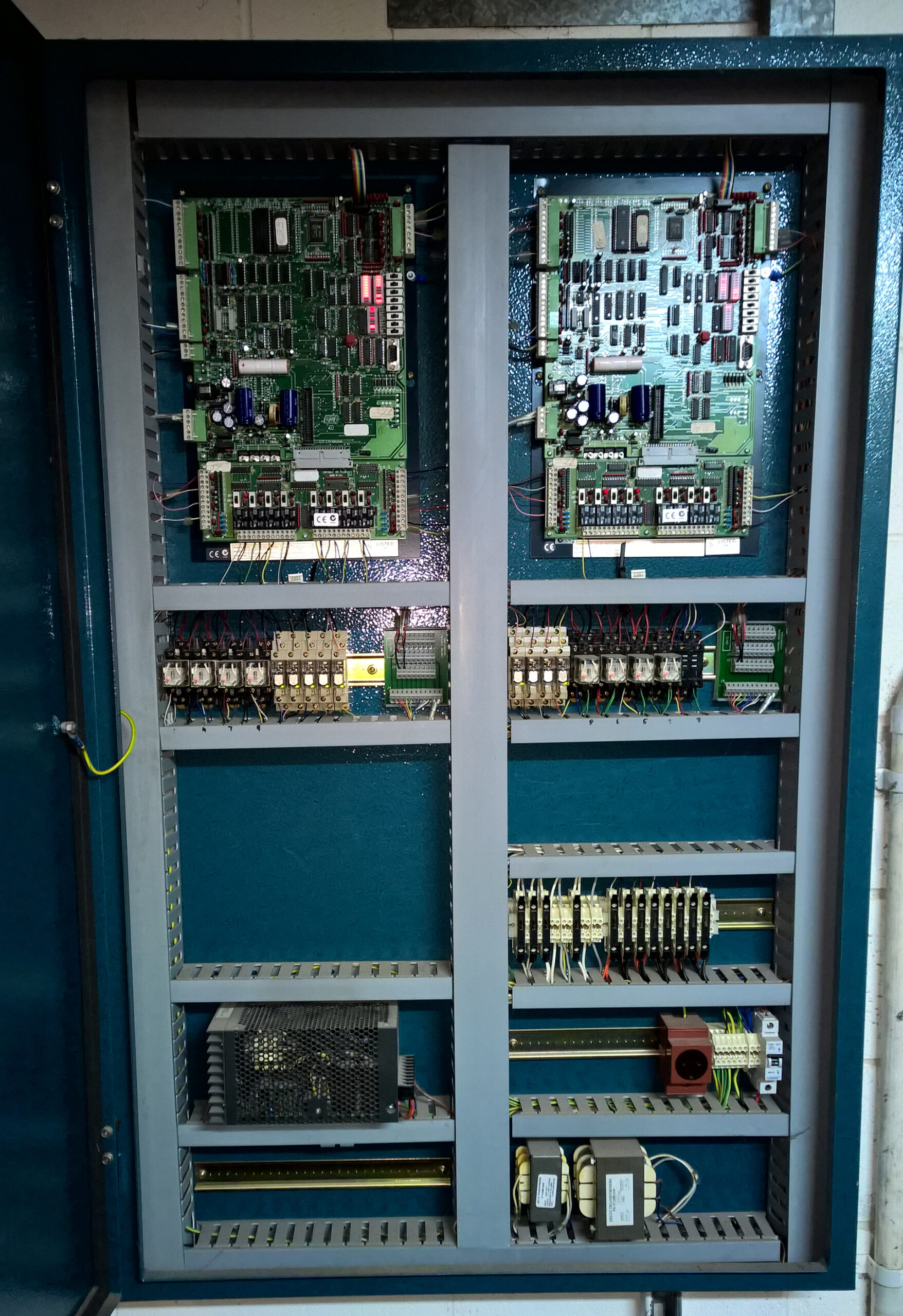
Modern HVAC equipment can be integrated into the BMS using high-level interfaces, providing enhanced visibility and control.
Common communication protocols include:
- BACnet
- Modbus
- LonWorks
- IP-based integration
Through high-level integration, additional operational data may be available, including:
- Equipment performance data
- Energy consumption
- Detailed fault diagnostics
- Advanced control capabilities
WR8Tech commonly integrates HVAC systems using Tridium Niagara platforms, providing flexible and scalable monitoring for unsupervised buildings.
Supporting Tenant Comfort and Building Reputation
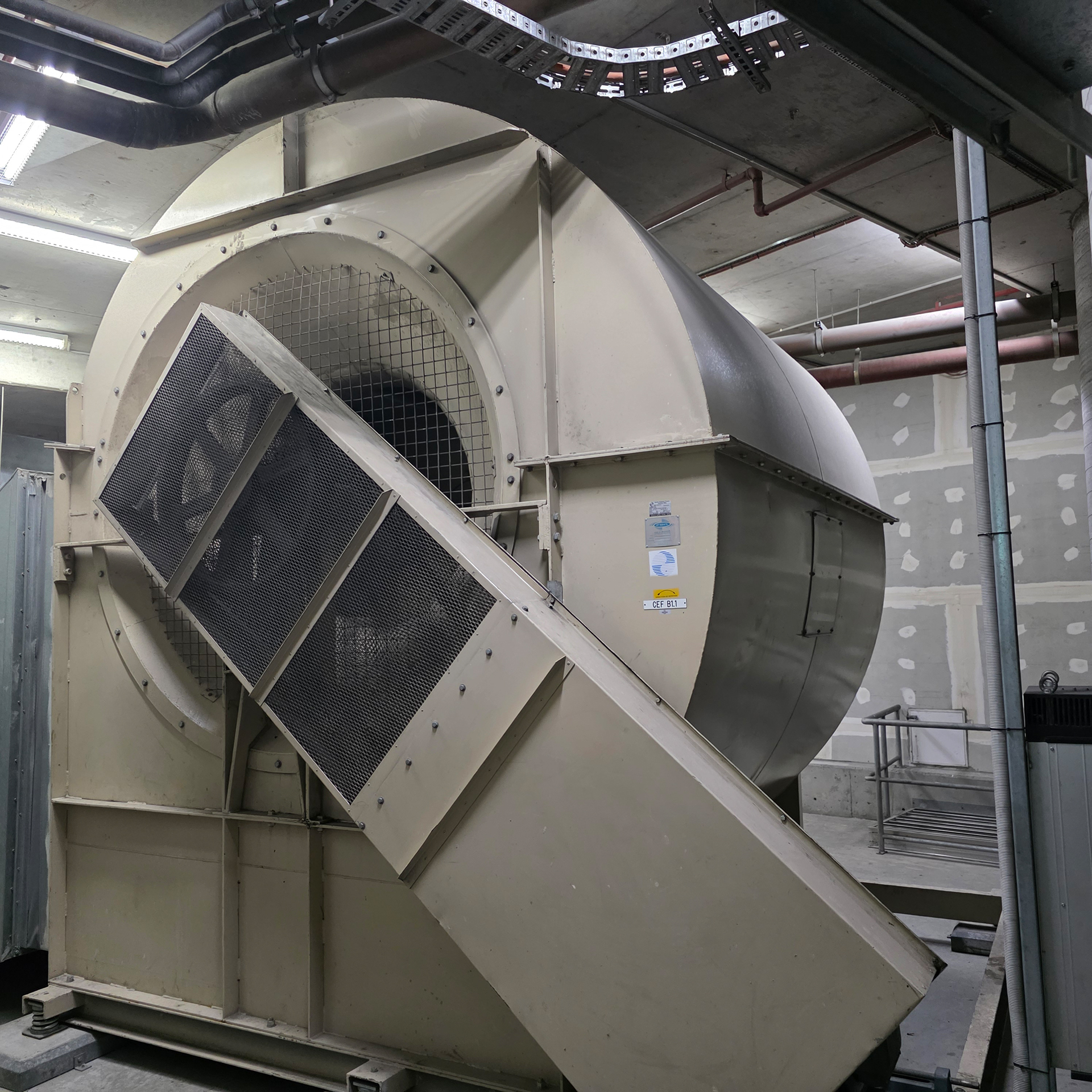
In unsupervised buildings, HVAC performance directly impacts tenant satisfaction. Temperature complaints are often the most common issue raised by tenants.
By monitoring HVAC systems via the BMS, issues can be identified early, often before tenants are impacted.
This allows:
- Early fault identification
- Proactive maintenance
- Improved tenant comfort
- Reduced complaints
- Improved building reputation
For property managers, this translates into improved tenant relationships and reduced operational disruption.
Load Shedding and Energy Management
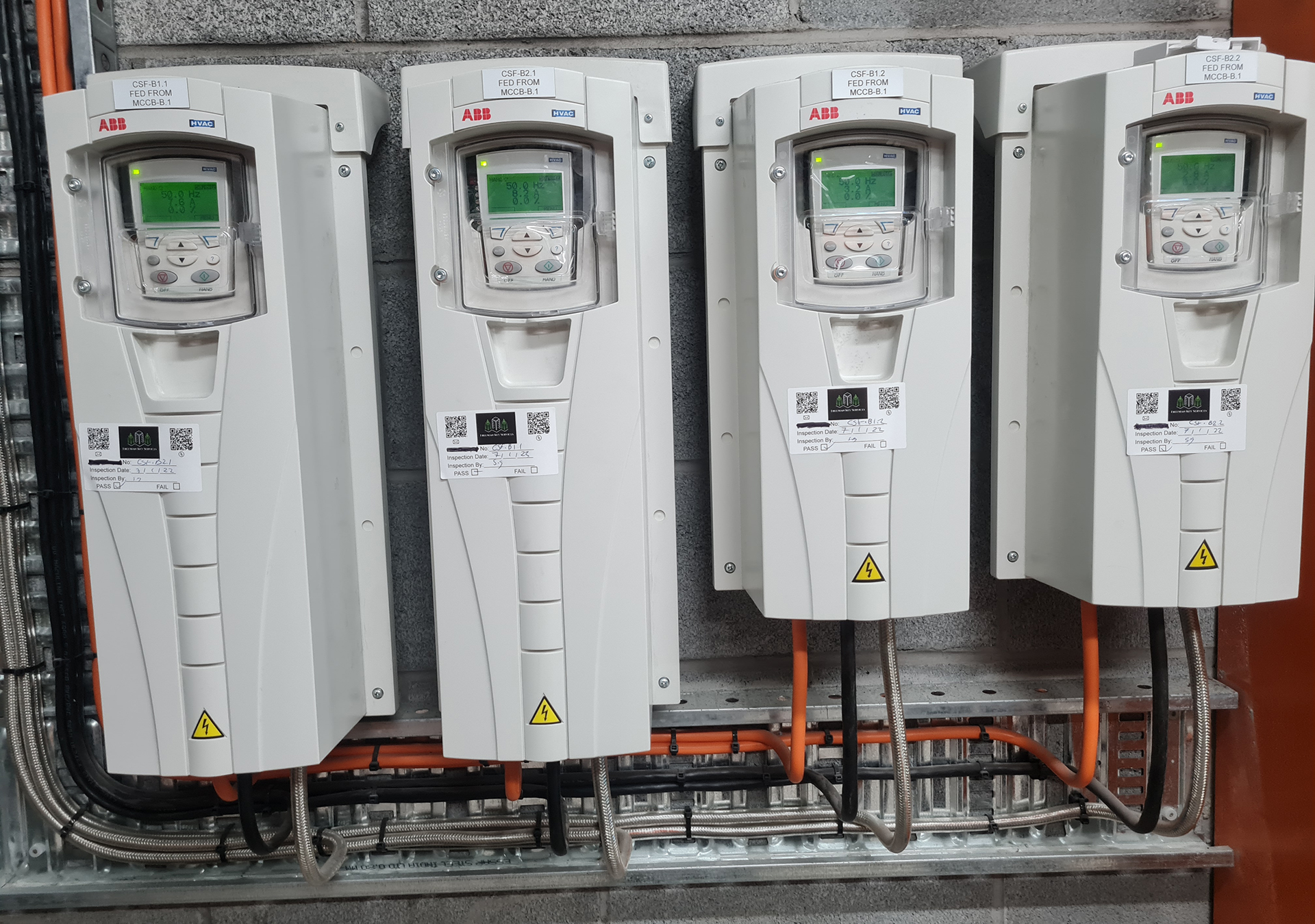
HVAC systems typically represent a significant portion of building energy consumption. Through BMS monitoring and control, HVAC loads can be managed to improve efficiency.
Load shedding strategies may include:
- Reducing after-hours operation
- Managing peak demand
- Turning off non-essential HVAC loads
- Temperature reset strategies
- Demand-based ventilation
These strategies support both energy efficiency and operational resilience.
Load shedding may also be implemented during generator operation, allowing critical systems to remain operational during power events.
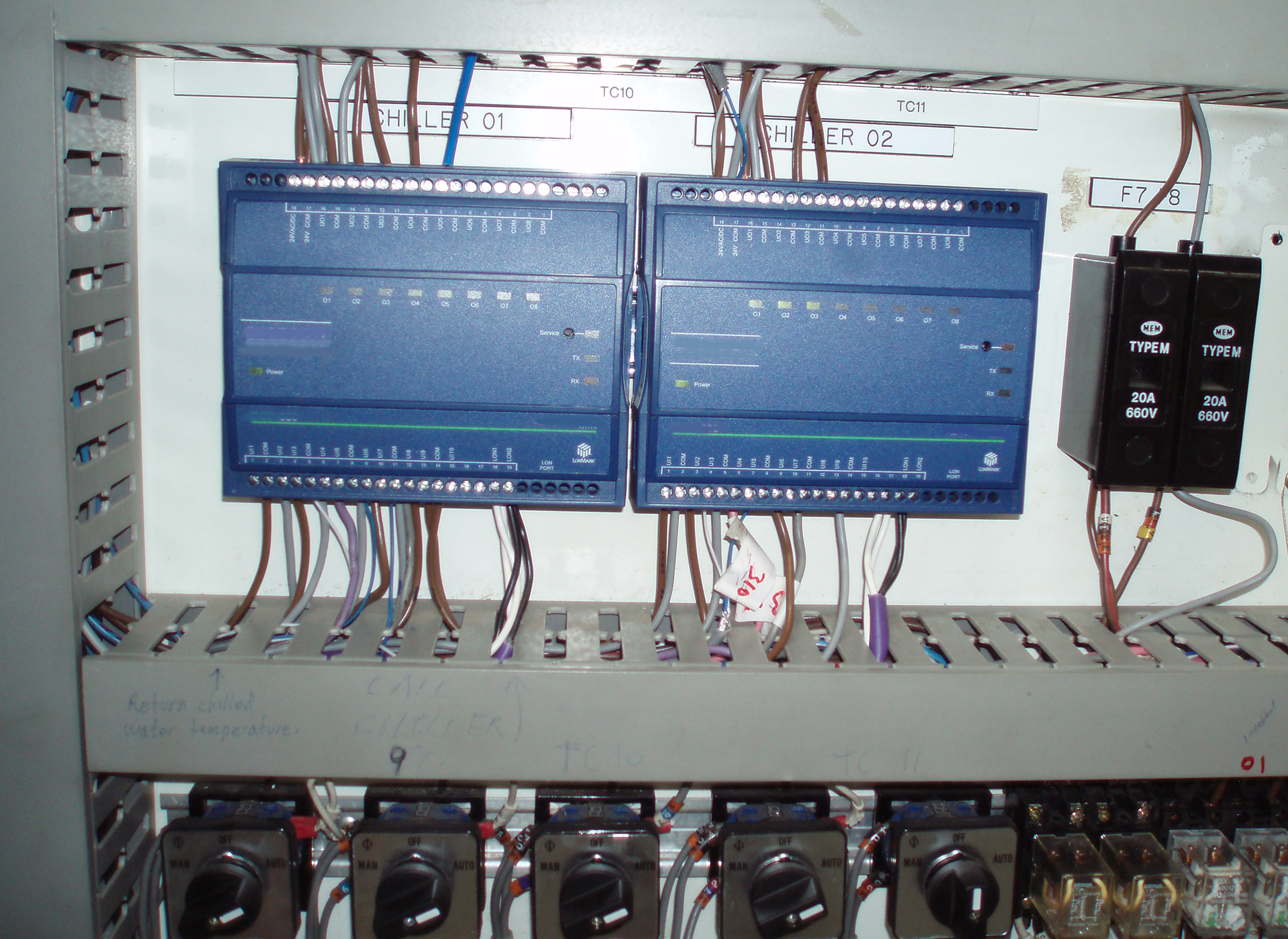
Supporting Building Upgrades and Projects
WR8Tech supports HVAC and mechanical services upgrades as part of building improvement projects.
This may include:
- HVAC system upgrades
- BMS platform upgrades
- Control strategy improvements
- Integration of new equipment
- Energy optimisation projects
- Tenant improvement projects
For project managers, WR8Tech provides practical integration strategies that minimise disruption and support staged project delivery.
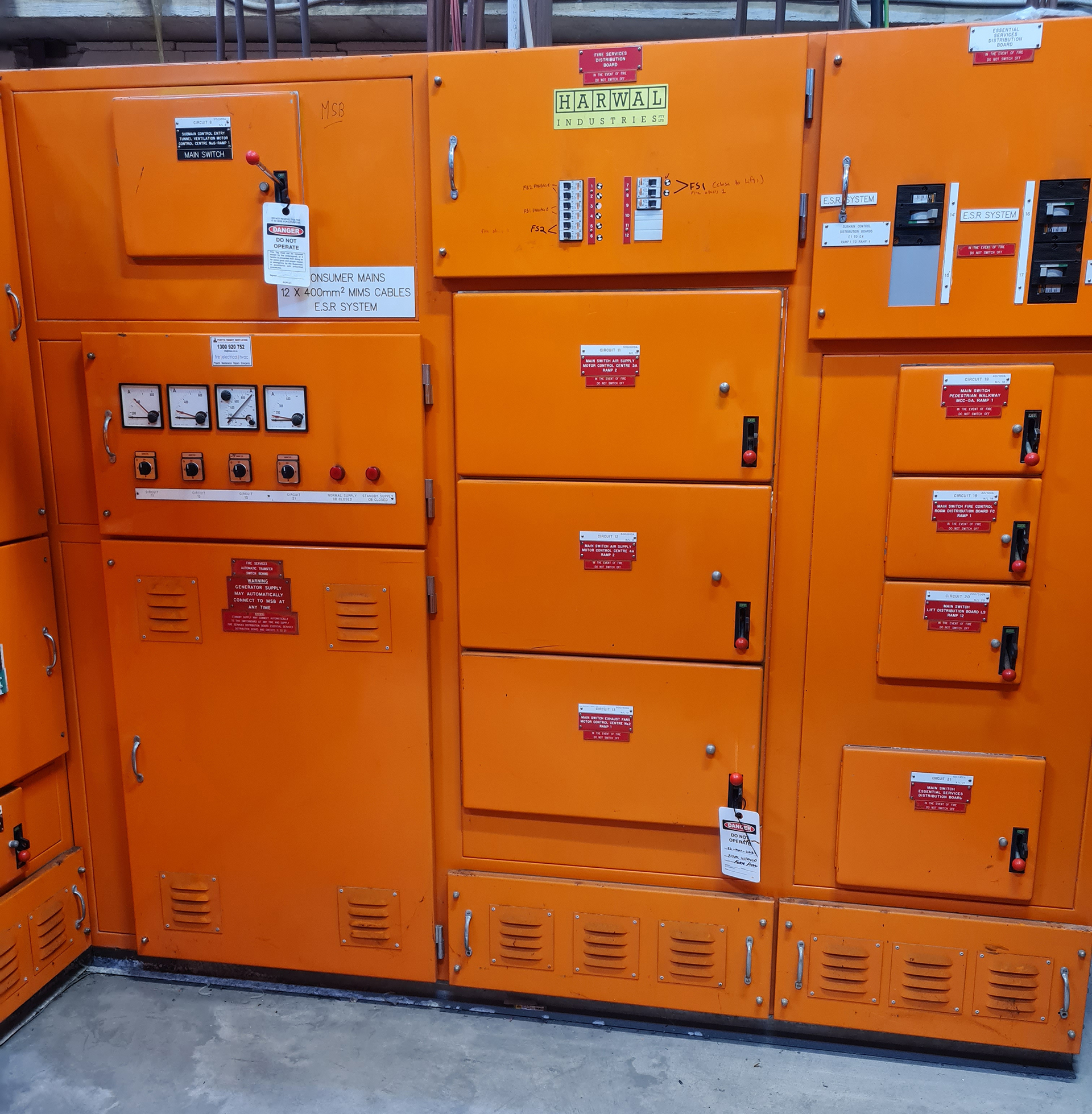
Existing Buildings and Retrofit Opportunities
Many buildings have HVAC systems installed with limited monitoring or outdated controls. WR8Tech specialises in upgrading existing HVAC systems to improve visibility and performance.
This may include:
- Upgrading legacy BMS systems
- Adding monitoring points
- Integrating standalone systems
- Improving control strategies
- Adding energy management capability
These upgrades often improve reliability and energy performance without major capital investment.
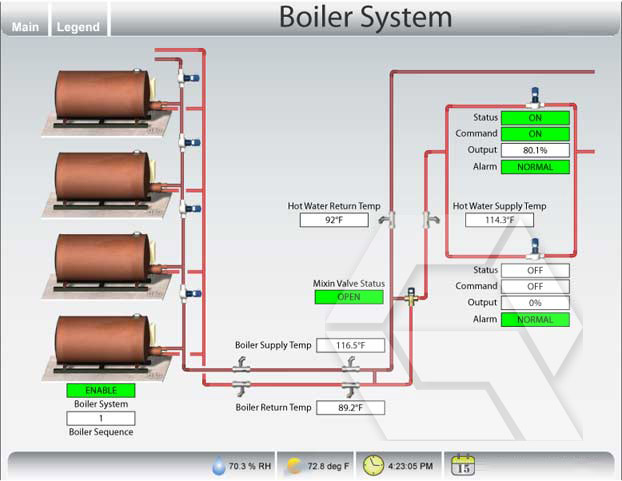
Alarm Management and Notifications
Effective alarm management is essential in unsupervised buildings. HVAC faults must be communicated early to avoid tenant impact.
Alarm strategies may include:
- Fan failure alarms
- Temperature alarms
- Filter alarms
- Communication faults
- Airflow alarms
- Equipment lockout alarms
Alarms can be routed via:
- Email notifications
- SMS alerts
- Remote dashboards
- Escalation procedures
- 24/7 monitoring (where required)
This ensures issues are addressed quickly, even without on-site personnel.
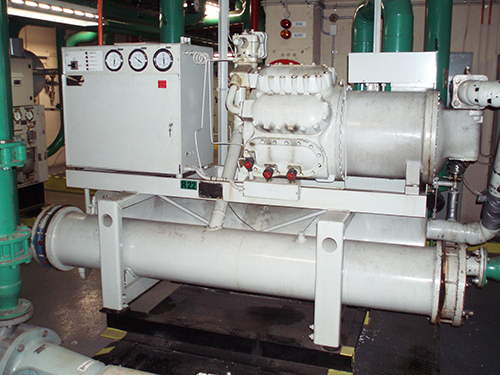
Example — HVAC Failure in an Unsupervised Building
Consider a commercial office building operating overnight without on-site staff.
A supply air fan serving multiple floors fails overnight. Without BMS monitoring, tenants arrive in the morning to uncomfortable conditions and raise complaints immediately.
With BMS monitoring in place:
- Fan failure detected immediately
- Alarm notification sent to WR8Tech and facility management
- Contractor dispatched early
- Temporary control adjustments made where possible
By the time occupants arrive, the issue is already being addressed, reducing disruption and improving tenant experience.

Supporting Unsupervised Building Operation
HVAC & Mechanical Services Monitoring supports:
- Reliable building operation
- Improved tenant comfort
- Reduced operational risk
- Improved energy efficiency
- Early fault detection
- Improved asset performance
These benefits are essential for buildings operating without continuous supervision.
Part of the Unsupervised Buildings BMS Strategy
HVAC & Mechanical Services Monitoring forms part of a broader unsupervised building strategy, including:
- Generator Monitoring & Control
- Chiller Monitoring & Control
- Fire System Monitoring
- Lift & Escalator Monitoring
- Electrical Infrastructure Monitoring
- Water System Monitoring
- Alarm Management & Remote Response
Together, these systems support safe and reliable unsupervised building operation.