
Unsupervised Buildings & Integrating BMS
The Brief
Many commercial buildings operate for long periods without full-time on-site staff. These unsupervised buildings rely heavily on building systems operating correctly, because when something fails, there may be no one there to respond.
These unsupervised sites may include commercial office buildings, residential complexes, car parks, industrial estates, and retail centres.
This shift is becoming more common as organisations look to reduce operational costs, while still maintaining safety, compliance, and performance.
A common question we hear from clients is:
How do we keep a building safe, compliant and functional when no one is there?
And how can a Building Management System help without excessive cost?
This is where Unsupervised Building Management becomes critical.
The objective is simple: allow a site to operate independently while remaining safe, compliant, and professionally managed.
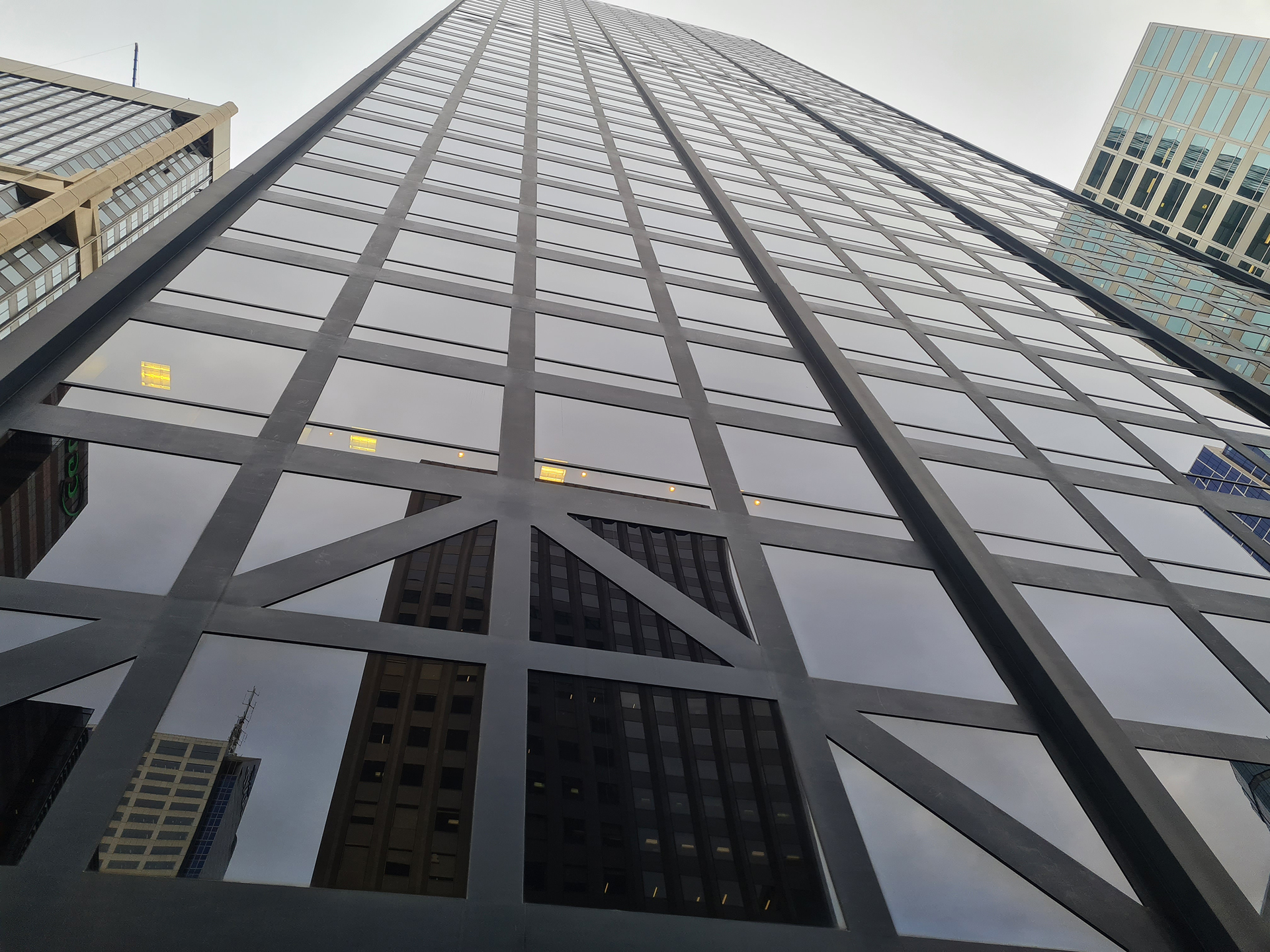
What is an Unsupervised Building?
Think about a 24-hour gym.
When compared to a gym with full-time staff, there are clear differences:
- Equipment is more durable
- Access is controlled
- Monitoring is increased
- Safety systems are enhanced
- Signage is clearer and more deliberate
Everything is designed with reduced supervision in mind.
Buildings operate in exactly the same way.
Whether it’s:
- Commercial office buildings
- Residential apartment buildings
- Shopping centres
- Car parks
- Industrial estates
- Mixed-use developments
An unsupervised building need to be designed, maintained and monitored differently to ensure reliability, safety, and compliance.
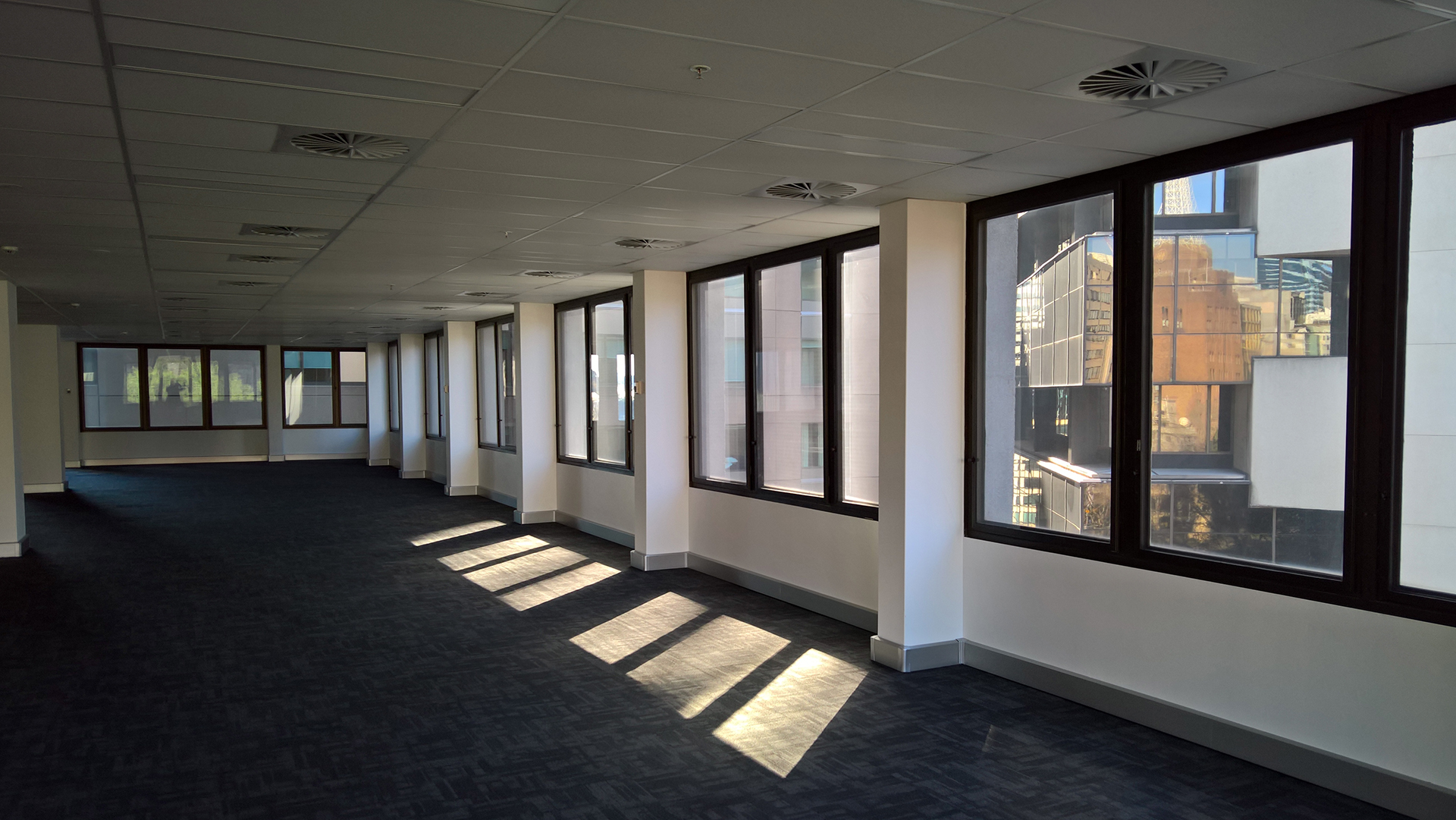
Key Features of an Unsupervised Building
To safely operate without full-time staff, unsupervised sites typically include additional controls across security, access, maintenance, and building management systems.
Access & Security
Unsupervised buildings require stronger access control and standardisation:
- Fire doors and essential fire equipment using 003 key access
- Public-area panels secured via keypad or coded locks
- Controlled access to essential services rooms
- Restricted access to switchboards and plant areas
- Roof access monitoring
- External door monitoring
These measures reduce risk and ensure only authorised personnel access critical infrastructure.
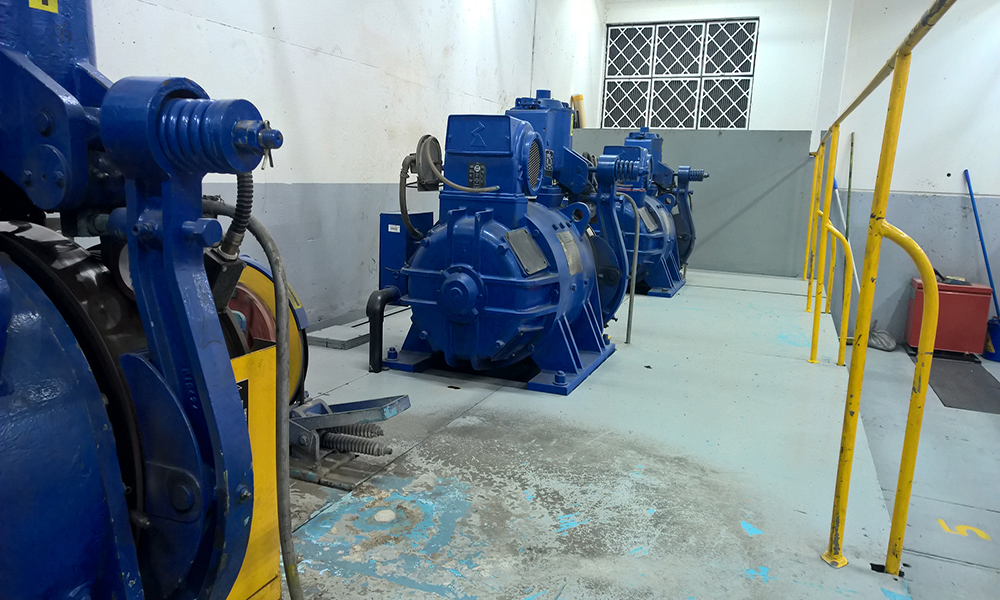
Contractor & Staff Tracking
Tracking who attends an unsupervised site is essential for safety and accountability:
- QR code contractor check-in system
- Daily check-out notifications via SMS
- WHS and JSA documentation tracking
- Digital logging of all site attendance
- Time-stamped visit records
- Asset register linking technicians to work performed
- Audit trail for compliance and reporting
This creates full transparency of site attendance and activity.
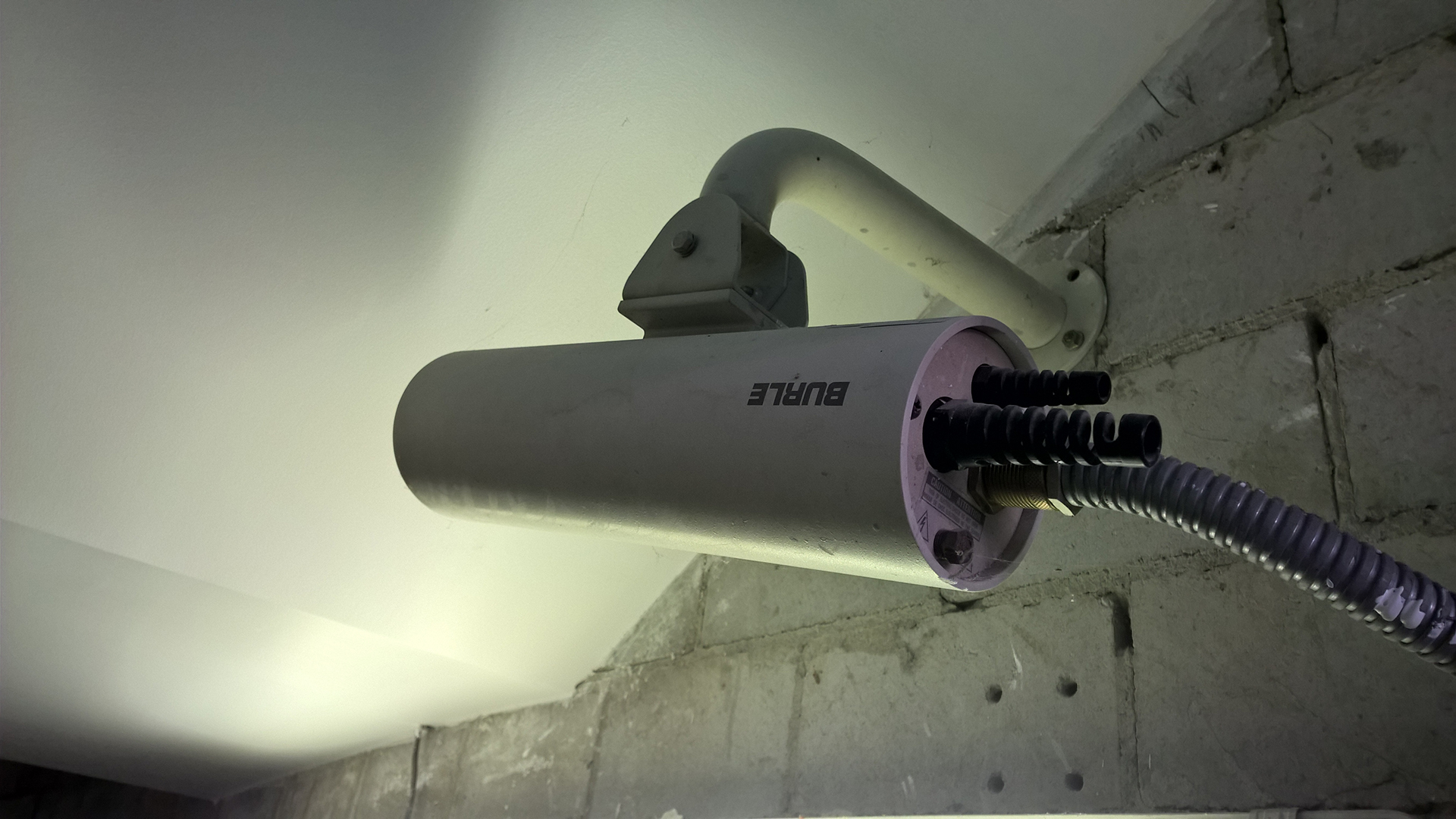
CCTV & Remote Monitoring
Enhanced CCTV coverage is typically installed in critical areas:
- Switchboard rooms
- Essential services pump rooms
- Fire indication panel rooms
- Electrical risers
- Plant rooms
- Roof areas
- Vulnerable or low-traffic areas
These areas are not regularly visited, making remote monitoring essential for early fault detection and risk mitigation.
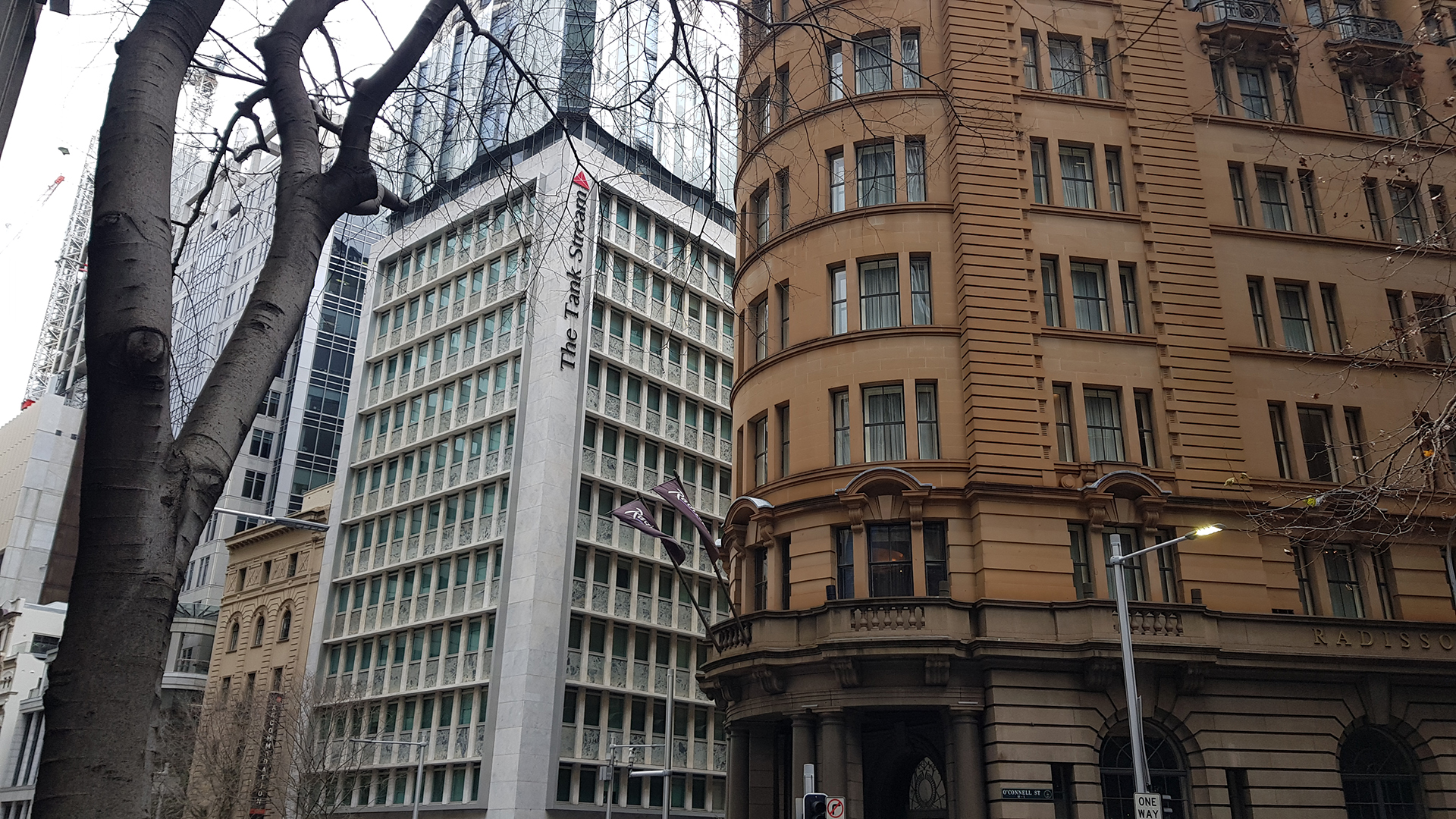
Building Management System (BMS) Integration
Unsupervised buildings benefit significantly from extended BMS integration.
Typical monitoring includes:
- Additional alarms and monitoring points
- Extended SMS and email notifications
- Equipment fault monitoring
- Power failure alerts
- Temperature monitoring
- Pump and fan status monitoring
In many cases, notifications operate in a priority round-robin system — alerts continue until someone responds.
Additional Smart Monitoring for Unsupervised Sites
Less traditional, but highly effective monitoring points include:
- Water leak detection sensors
- CRAC unit water monitoring
- Occupancy sensors with alerts
- Washroom service satisfaction buttons
- Domestic water flow monitoring
- Fire system flow monitoring
- Brown-out and power quality monitoring
- After-hours light sensors
- External door position monitoring
- Auto door fault monitoring
- Duress alarms
- NBN power monitoring
- Elevator fault and car position monitoring
- Carbon monoxide monitoring
- Static pressure monitoring (critical environments)
- Monitored key safes for contractor access
These features significantly reduce risk and increase operational awareness.
Extended Preventative Maintenance
Unsupervised sites require more proactive maintenance.
Many trades already attend monthly, including:
- Fire contractors
- Mechanical contractors
- Electrical contractors
- BMS technicians
- Auto door contractors
These visits provide an opportunity to conduct visual walk-through inspections.
These inspections help identify:
- Equipment faults
- Lighting failures
- Water leaks
- Safety risks
- Physical damage
- Compliance concerns
Identifying issues early helps prevent failures and reduce operational risk.
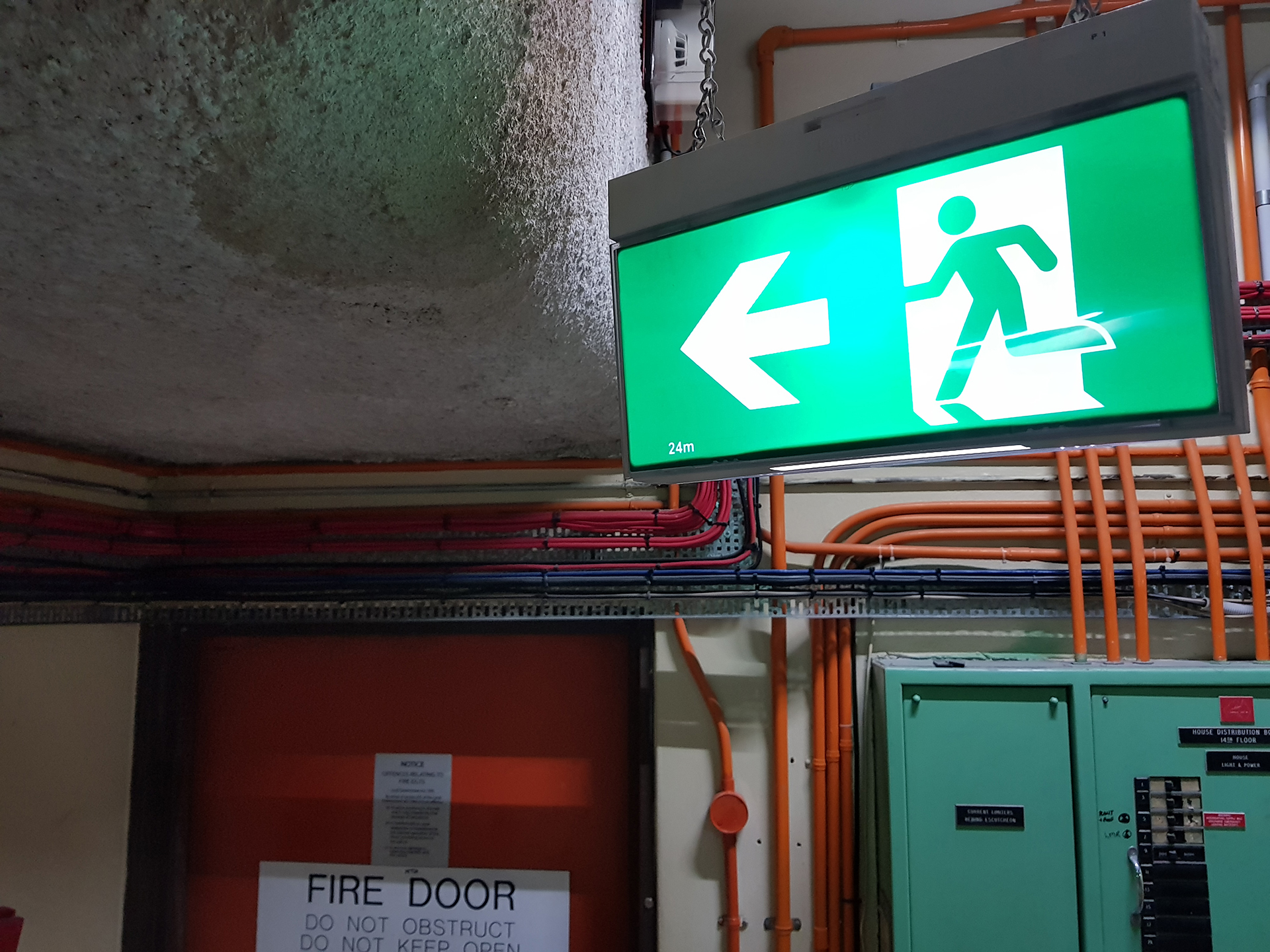
Rotating Monthly Inspection Program
To ensure full site coverage, inspections may rotate monthly:
Example Program:
- Month 1 — General lighting
- Month 2 — Switchboards and electrical rooms
- Month 3 — Plant rooms and mechanical services
- Month 4 — Fire services equipment
- Month 5 — Car park and external areas
- Month 6 — Security and access systems
This effectively provides remote building manager coverage at a fraction of the cost.
Proactive Technician Reporting
Technicians attending unsupervised sites are trained to:
- Be observant
- Report anomalies
- Take photos
- Notify facility or property managers
Common issues identified include:
- Water leaks
- Lighting failures
- Open doors
- Equipment alarms
- Vandalism or damage
- Safety risks
These are logged into the Asset Management System for tracking and reference.
Asset Management & Reporting
A centralised asset management system provides:
- Maintenance tracking
- Historical records
- Photo documentation
- Issue tracking
- Compliance reporting
When linked to BMS platforms such as Tridium Niagara JACE, this creates powerful reporting and monitoring capability, further reducing the need for on-site supervision.
Benefits for the Client
Reduced Costs
- No full-time building manager required
- Reduced reactive maintenance
- Lower operational overheads
- Increased capital value
- Improved tenant retention
Easier Site Management
- Structured maintenance programs
- Proactive issue detection
- Remote monitoring
Better Reporting
- Asset tracking
- Maintenance history
- Compliance documentation
- Management reporting support
Ultimately, the building operates efficiently without requiring constant supervision.
The Result
Unsupervised buildings can operate safely, efficiently, and compliantly when supported by:
- Proactive maintenance
- Remote monitoring
- Smart access control
- Asset tracking
- Observant technicians
With the right strategy, an unsupervised building can perform just as effectively as a fully staffed facility — while significantly reducing operational costs.
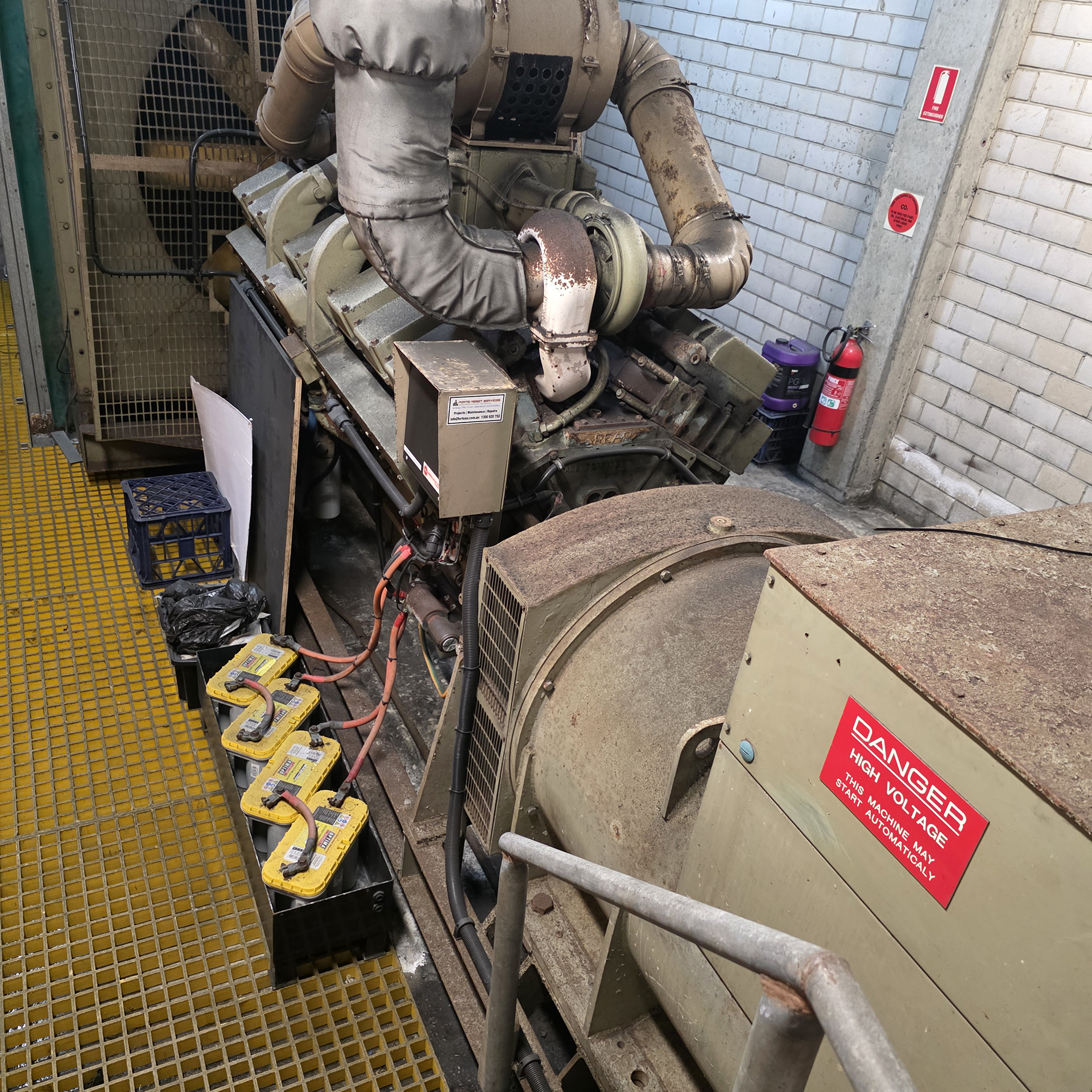
Major Asset BMS Monitoring
Standby generators are one of the most critical assets within any unsupervised building, particularly where essential services compliance is required. In facilities such as underground car parks, commercial buildings, healthcare environments, and data centres, generators provide backup power to life-safety and operational systems, including fire services, smoke control, ventilation, emergency lighting, and lift operation. Without continuous monitoring, faults can remain undetected until the moment the generator is needed most; during a power failure when it may be too late to respond.
WR8Tech provides comprehensive Generator BMS Monitoring to ensure your standby power systems remain compliant, operational, and ready at all times. Through integration with the Building Management System, key generator operating parameters such as run status, fault conditions, battery health, fuel levels, phase failure, load status, and automatic transfer switch operation can be monitored in real time. Alarm notifications can be configured to send alerts via email, SMS, or remote dashboards, allowing facility managers and asset owners to respond quickly, even in fully unsupervised buildings.
By implementing generator BMS monitoring, WR8Tech helps clients reduce operational risk, improve reliability, and maintain compliance with essential services requirements. Remote access via secure IP connection also allows operators to review performance trends, confirm test runs, and verify system readiness; effectively providing continuous oversight of one of your building’s most critical assets, without requiring staff to be on site.