Six-Monthly Car Park Ventilation System Testing
What’s Involved & Why It Matters
Regular six-monthly testing of your car park CO (Carbon Monoxide) ventilation system isn’t just good practice, it’s essential for life safety, compliance, and protecting landlords from serious liability. Below is a clear breakdown of what a proper professional service should include.
✅ Carbon Monoxide Sensor Functional Test (Cal Gas)
Each CO sensor is exposed to certified calibration gas (“Cal Gas”) to confirm it correctly detects elevated carbon monoxide levels and sends the proper signal to the control system.
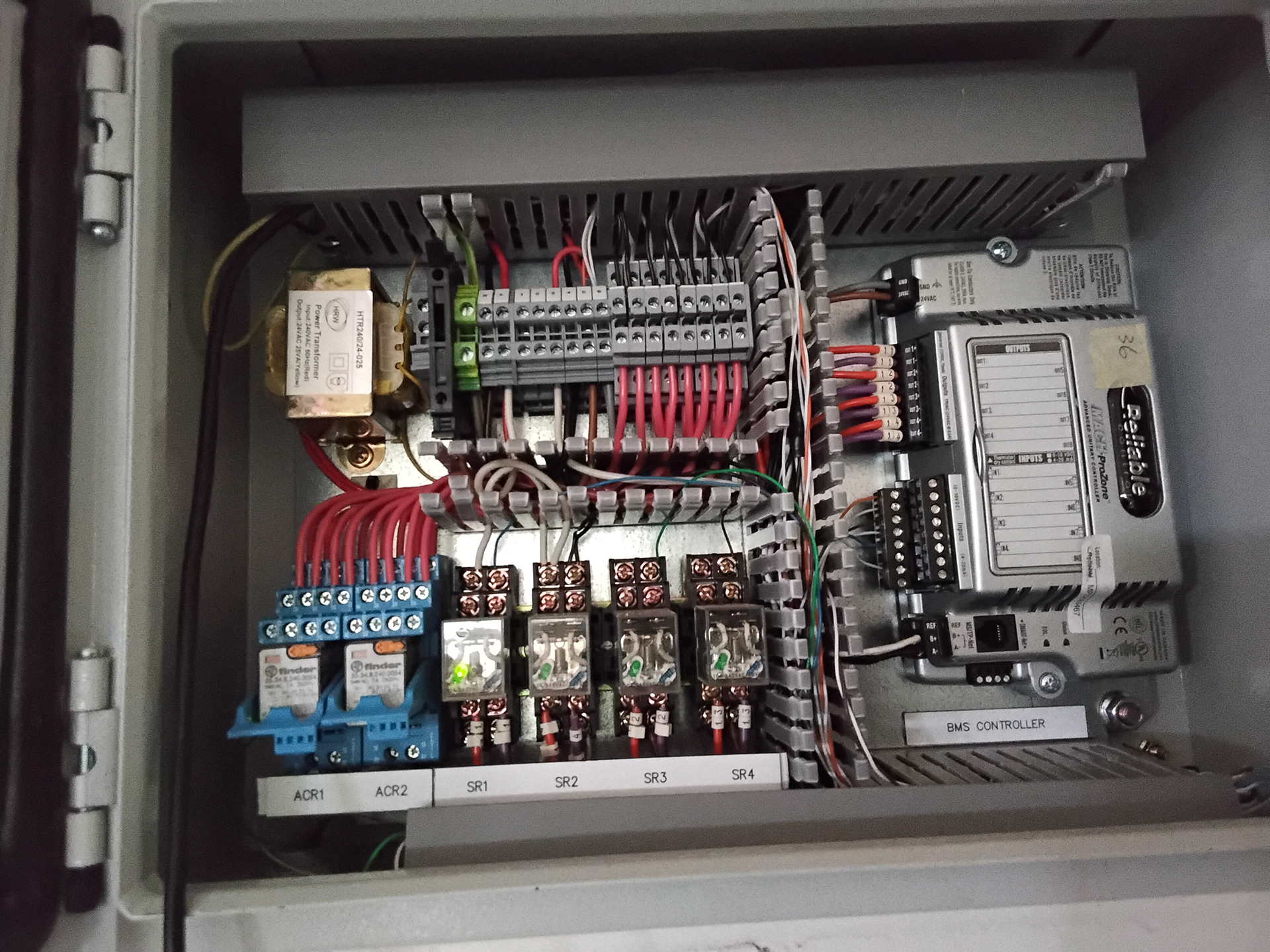
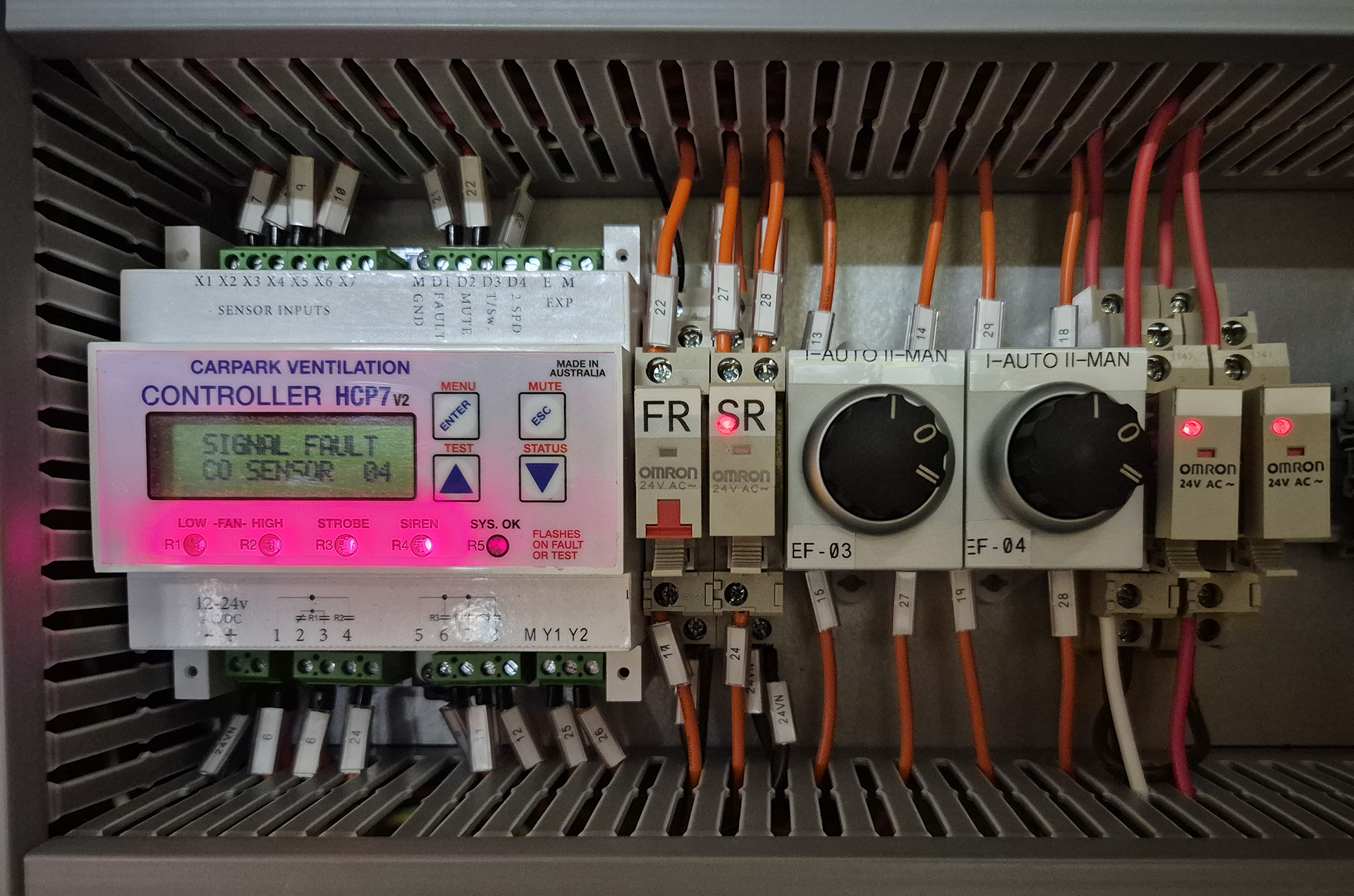
Fault testing is also part of the AS 1668.2 standard, to ensure the fans activate and run to 100% if a sensor goes into fault (signal loss, too Low, etc)
🎯 Sensor Calibration at 100ppm
Sensors are fine-tuned using 100ppm reference gas to ensure:
- Accurate triggering thresholds
- Activation of the fans at the Co controller
- Accurate measurement by the sensor
- Reliable fan ramp-up during real exhaust events
🌀 Fan Condition Inspection
Technicians visually and mechanically inspect:
- Bearings
- Belts (if applicable)
- Mountings
- Airflow obstructions
- Physcial condition
- Secure Mounting
- Springs and rubber feet
- Tight fitting of Fan Hub
This reduces the likelihood of failures during a high-CO events, sensor fault events, fire mode if connected to the Fire Indication Panel (FIP), and daily air flush (100% of the air to be exchanged once every 24 hours).
⚡ Electrical Load Testing (Fans & VSDs)
Current draw of:
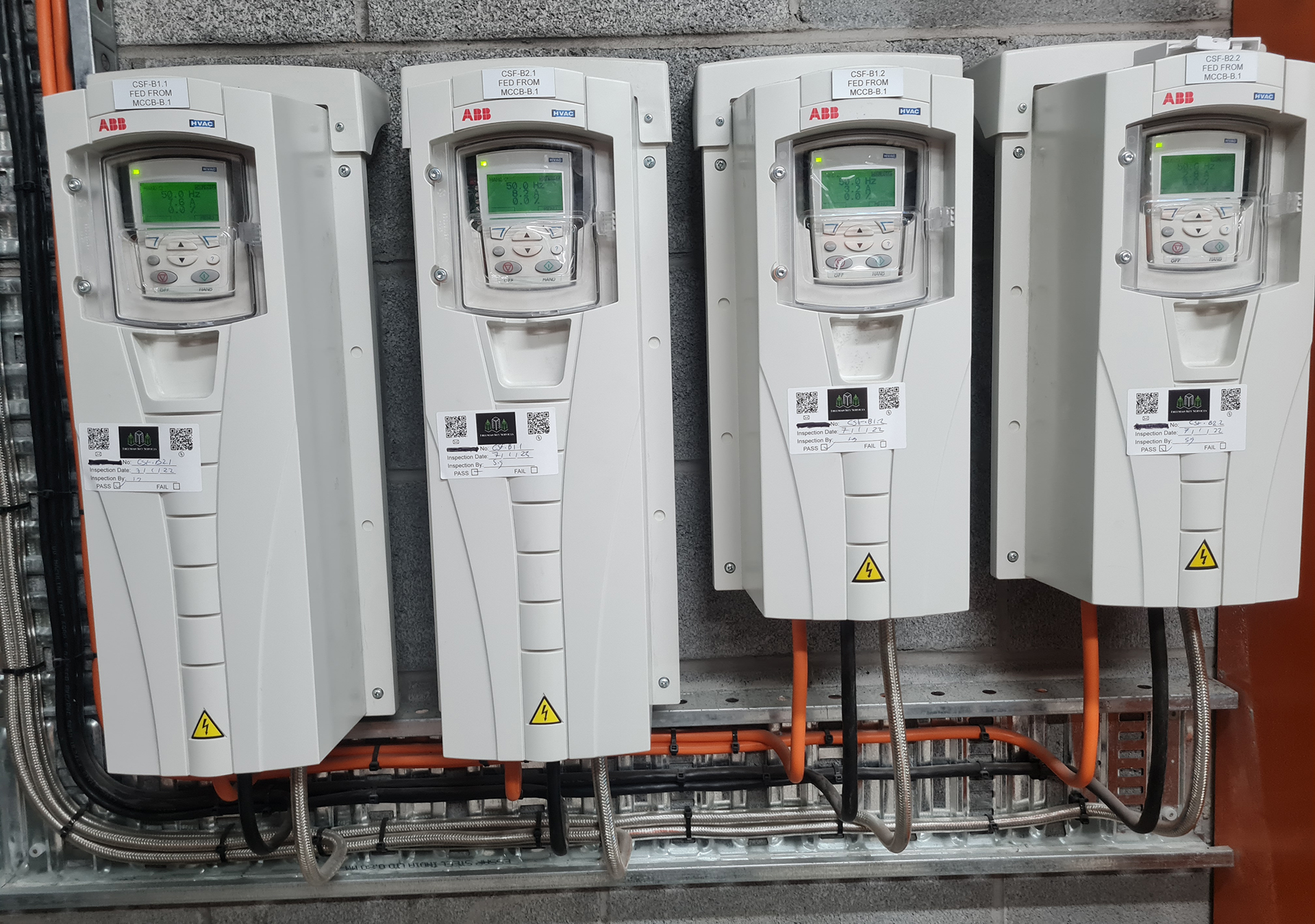
- Exhaust fans
- Variable Speed Drives (VSDs)
is measured and compared against design specs to catch:
- Motor degradation, vibration, physical condition, Polling, High Current draw over FLA
- Overloading, program settings, alarms in the VSD
- Imminent failure risks, earth faults, noisy unit
- Dust and sediment removal, especially in the cooling fan
⏱ Time Clock / Purge Cycle Check
While additional time clock activations are permitted — for example during peak traffic periods, tenant occupancy hours, or after extended idle periods — the system must achieve at least one complete air exchange per day across the car park volume.
In practical terms, this ensures:
- Reduced reliance on reactive CO sensor demand alone
- Continuous dilution of residual vehicle emissions
- Prevention of stagnant air pockets in low-use zones
- Compliance with ventilation intent even during low CO event days
Why Landlords & Facility Managers Should Never Skip These Tests
Failure of a car park ventilation system can lead to:
❗ Dangerous CO poisoning risk
❗ Non-compliance with Australian Standards
❗ Insurance claim exposure
❗ Council & Fire Authority enforcement
❗ Legal liability for building owners
❗ Failure on the Annual Fire Safety Statement
❗ Tenant discomfort and
❗ Building reputation
A few more Links
- Car Fan Control – Are You Exposed?
- Car Park Carbon Monoxide Control & Compliance
- Car Park CO Monitoring System Upgrades & Installations
- Car Park Co Sensor Calibration
- Car Park Fan Control via the Fire Indicator Panel (FIP)
- Car Park Fan Control, AS 1668 & AS 1851
- Co Systems for Commercial & Residential Property
- Six-Monthly Car Park Ventilation System Testing
Carbon monoxide is colourless and odourless, making reliable detection particularly important in enclosed car parks. Safe Work Australia publishes information about workplace exposure limits for airborne contaminants.