
Estimated reading time: 13 minutes
Know What Is Installed; and What Comes Next
Property managers and facility managers are regularly expected to prepare maintenance budgets, evaluate contractor recommendations and explain future capital expenditure without having a reliable record of the plant and equipment installed within the building.
An existing register may be incomplete, outdated or based on information copied from old drawings. Equipment may have been replaced without the register being updated. Asset names may not correspond with equipment labels, maintenance schedules or BMS graphics.
WR8Tech creates and validates Fixed Asset Registers for commercial, strata, institutional and industrial buildings across Melbourne, Sydney and Canberra.
We physically investigate relevant building assets and develop a structured technical record identifying what equipment is installed, where it is located, what it serves and what information is required to manage its continuing lifecycle.
Technical Register Versus Accounting Register
The term “Fixed Asset Register” can refer to two related but different records. An accounting Fixed Asset Register is generally concerned with financial ownership, acquisition values, depreciation, disposal and taxation records.
A technical building Fixed Asset Register is concerned with the physical assets installed within the property and the information required to inspect, operate, maintain and eventually replace them. WR8Tech primarily develops the technical building register.
Where required, agreed financial-planning fields can also be incorporated, including:
- Existing financial asset number
- Original installation cost, where available
- Indicative replacement-cost allowance
- Expected service life
- Indicative remaining useful life
- Anticipated replacement period
- Capital-planning category
- Ownership or maintenance responsibility
Information supplied by the owner, accountant, valuer, quantity surveyor or asset manager can be incorporated into the dataset. WR8Tech’s technical register does not replace formal accounting, depreciation, taxation or valuation advice.
Signs That an Existing Register Is No Longer Reliable
A Fixed Asset Register may require validation or rebuilding where:
- Equipment shown in the register can no longer be located
- New plant has been installed but not recorded
- Replaced or demolished equipment remains listed
- Model and serial numbers are missing
- Asset locations are incorrect or inconsistent
- Equipment cannot be matched to maintenance reports
- Contractor asset numbers differ between service providers
- BMS equipment names do not correspond with physical labels
- Asset condition and remaining-life assessments have not been updated
- Obsolete equipment is listed as if it remains fully supported
- Large numbers of minor items are recorded while critical plant is overlooked
- No distinction is made between verified, supplied and estimated information
- Maintenance and capital decisions are being made from several conflicting spreadsheets
These problems can lead to inaccurate maintenance tenders, repeated repairs, poorly prioritised capital expenditure and unexpected equipment failures.

Define the Purpose Before Collecting the Data
The purpose of the Fixed Asset Register should be established before the site audit begins.
A register being prepared for a maintenance tender may require different information from one intended for capital planning, technical due diligence, a BMS upgrade or migration into a new CMMS. Typical project objectives include:
- Establishing an initial technical asset baseline
- Validating an inherited asset spreadsheet
- Preparing maintenance schedules or tenders
- Assessing asset condition and criticality
- Forecasting future replacement expenditure
- Supporting technical due diligence
- Preparing for a change of property manager or service contractor
- Migrating asset data into a CMMS
- Planning a BMS upgrade or staged technology migration
- Investigating recurring failures and maintenance expenditure
- Developing a coordinated lifecycle and capital-works program
Clear objectives help determine which assets should be included and how much information should be captured.
Which Assets Should Be Included?
A useful Fixed Asset Register does not necessarily need to catalogue every physical item within the building.
Recording every light fitting, power outlet, tap, door closer or minor consumable can produce a very large database that is expensive to create and difficult to keep current—without materially improving building management. Asset inclusion should be based on agreed criteria such as:
- Replacement value
- Operational importance
- Maintenance requirements
- Safety or compliance significance
- Consequence of failure
- Expected service life
- Energy consumption
- Manufacturer support and parts availability
- Tenant or business-interruption risk
- Availability of standby capacity or redundancy
- Long procurement or replacement lead times
- Requirement for statutory or specialist maintenance
- Importance to another building system
- Connection to the BMS, energy-management system or remote monitoring platform
A project may adopt an approved financial benchmark—such as $3,000—to prevent the register becoming overloaded with minor items.
That benchmark should not be applied blindly. A relatively inexpensive fire, safety, control or compliance-related asset may still warrant individual inclusion because its operational importance is substantially greater than its replacement value. The agreed approach may include:
- Individually registering major plant and critical equipment
- Grouping quantities of identical, lower-risk assets
- Including safety and compliance-related assets regardless of value
- Including equipment covered by maintenance agreements
- Including assets that affect multiple tenants or building areas
- Excluding consumables and readily replaceable minor components
- Recording lower-value assets at a system or group level
- Prioritising equipment with limited manufacturer support or long replacement lead times
The objective is not to create the longest possible equipment list. It is to create a manageable technical record of the assets that materially affect building operation, expenditure, risk and performance.
Building Systems That May Be Included
Depending on the building and agreed scope, the Fixed Asset Register may include assets associated with:
- HVAC and mechanical services
- Chilled-water, condenser-water and heating-water systems
- Main and distribution switchboards
- Mechanical Services Switchboards
- Generators and automatic transfer systems
- Motor controls and variable speed drives
- Building Management Systems and automation controls
- Energy meters and submeters
- Car park ventilation and carbon monoxide monitoring
- Fire and life-safety system interfaces
- Hydraulic systems, tanks and pumps
- Lifts and vertical transportation
- Automatic doors and gates
- Security and access-control systems
- Solar, battery and renewable-energy systems
- Communications and monitoring infrastructure
- Other specialist or operationally important equipment
The register may cover the whole building or concentrate on a particular discipline, system, plantroom or area of concern.
Information Captured for Each Asset
Not every field will be relevant to every asset. The required data fields should reflect the asset’s function, value, maintenance requirements and consequence of failure.
Identification and Location
Asset information may include:
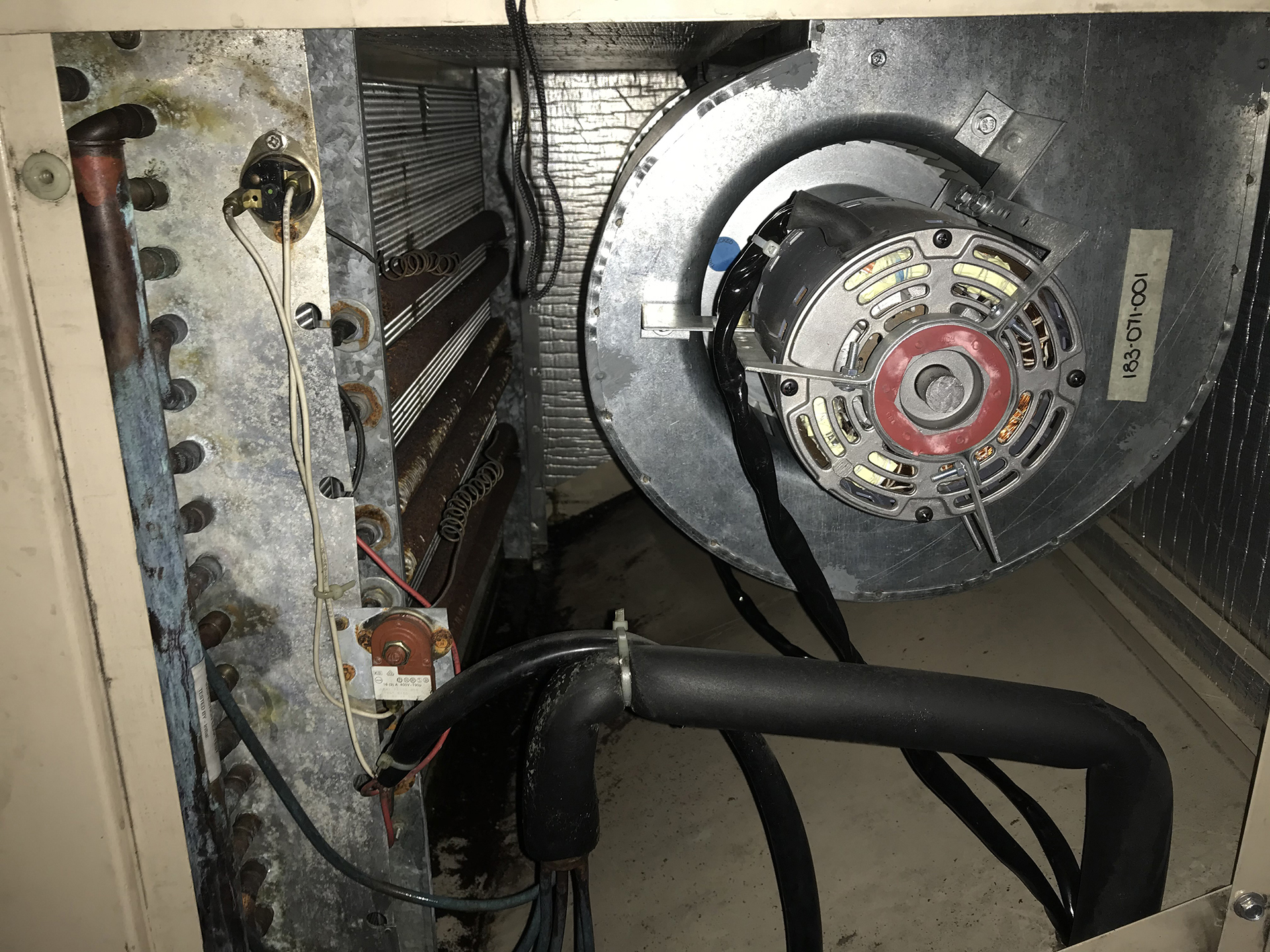
- Equipment photograph
- Unique asset identification number
- Asset category and technical description
- Building, level, room or plant location
- System, function or area served
- Parent and child asset relationships
- Ownership or maintenance responsibility
- Existing contractor or CMMS asset number
Technical Information
Depending on the asset type, technical information may include:
- Warranty information, where available
- Manufacturer
- Model number
- Serial number
- Equipment capacity or duty
- Electrical rating
- Approximate manufacture or installation date
- Associated switchboard or electrical supply
- BMS controller or monitoring relationship
- Communications protocol or network
- Associated meters, sensors or field devices
- Relevant drawing, manual or document references
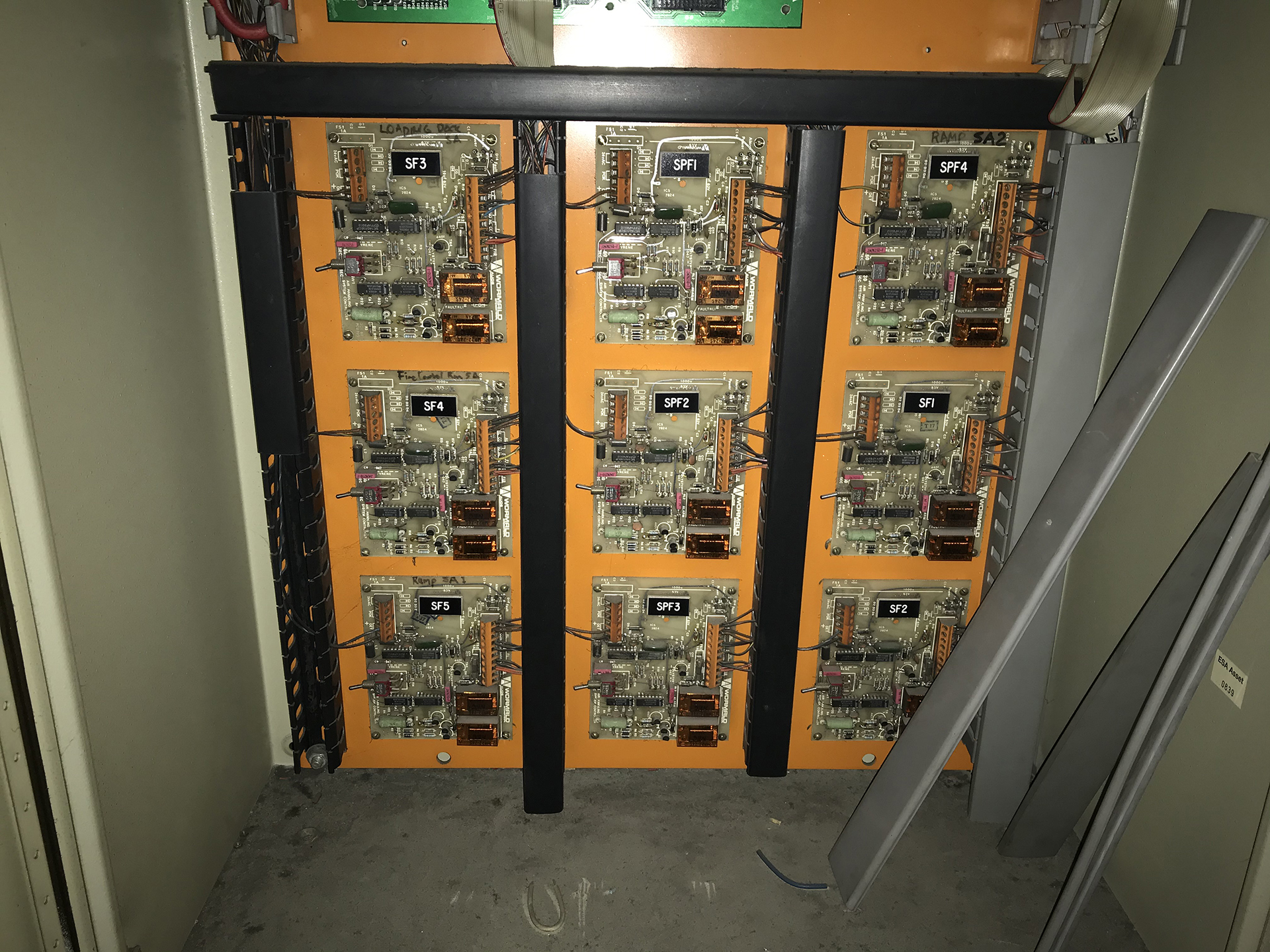
Condition, Risk and Lifecycle Information
Where included within the project scope, the register may also record:
- Apparent physical condition
- Operational criticality
- Consequence of failure
- Availability of redundancy
- Known or observed defects
- Maintenance requirements
- Manufacturer-support status
- Parts availability
- Technological obsolescence
- Expected service life
- Indicative remaining useful life
- Repair or recommissioning potential
- Upgrade or replacement priority
- Indicative replacement-cost allowance
- Recommended further investigation
An older asset is not automatically an urgent replacement priority. Some older equipment can continue operating reliably when it is properly maintained and supported. Conversely, apparently operational equipment may present a growing risk where spare parts, software, specialist knowledge or manufacturer support are disappearing.
Fixed Asset Register Audit Methodology
Project Scope and Data Requirements
WR8Tech first establishes the building areas, asset disciplines, inclusion criteria, data fields and intended use of the completed register.
Where the information will be imported into an existing CMMS or asset-management platform, the required data structure should be supplied before collection begins.
Review of Existing Information
Available building information may be reviewed, including:
- Existing asset registers
- As-installed drawings
- Operations and maintenance manuals
- Maintenance schedules
- Contractor service reports
- Equipment replacement records
- BMS graphics and point schedules
- Electrical single-line diagrams
- Mechanical-services drawings
- Equipment warranties
- Previous audit and condition reports
Existing documentation is used as a starting point. It is not automatically assumed to reflect what remains installed within the building.
Physical Asset Verification
Relevant plant and equipment is located and inspected where safely accessible and included within the agreed scope.
Depending on the required level of detail, WR8Tech may record equipment labels, model numbers, serial numbers, ratings, capacities, locations, photographs and other observable technical information.
Our experience across electrical, HVAC, mechanical electrical, BMS, automation and energy-management systems helps us identify how individual assets relate to the wider building—not simply what is written on the equipment label.
Asset Classification and Hierarchy
Assets are organised using an agreed and consistent structure, which may include:
- Property or building
- Level, room or plantroom
- Building-services discipline
- Mechanical or electrical system
- Area or tenancy served
- Parent and child asset relationships
- Operational function
- Maintenance responsibility
Consistent naming and numbering make the information easier to use across maintenance schedules, contractor reports, BMS graphics, drawings and future capital projects.
Condition and Criticality Review
Where required, assets may be assessed according to apparent condition, operational importance, redundancy, supportability, energy significance and consequence of failure.
Condition and criticality should be considered separately. A poorly supported critical asset may require attention even when it remains operational, while an older non-critical asset with adequate redundancy may remain a lower priority.
Data Validation and Exception Reporting
Missing labels, inaccessible equipment, conflicting documents and uncertain information should be identified rather than concealed.
The completed register may distinguish between:
- Information physically verified on site
- Information obtained from equipment labels
- Information taken from drawings or manuals
- Information supplied by the owner or contractor
- Estimated or indicative information
- Information requiring further investigation
- Assets that could not be safely or practically accessed
This helps the building owner and property manager understand both the value and the limitations of the information provided.
Typical Project Deliverables
Depending on the agreed scope, WR8Tech may provide:
- A verified digital Fixed Asset Register
- Asset identification and naming structure
- Building, system and location hierarchy
- Equipment photographic record
- Condition and criticality ratings
- Obsolescence and manufacturer-support observations
- Indicative lifecycle and replacement priorities
- Information-gap and exception report
- Observed defect and risk summary
- Asset-tagging recommendations
- BMS and controls relationship data
- Drawing and document references
- Data prepared for spreadsheet, database or CMMS import
- Written findings and recommendations report
We generally provide asset information in a structured Excel-compatible format unless another output has been agreed. WR8Tech remains independent of asset-management software providers. Where practical, the dataset can be structured for import into the client’s selected platform.

From a Static Spreadsheet to a Controlled Asset Record
A Fixed Asset Register begins losing value as soon as plant is replaced, relocated or modified without the corresponding information being updated. A practical asset-data process should establish:
- Who is responsible for maintaining the register
- How new assets are named and numbered
- What information contractors must provide following replacement works
- How removed assets are archived
- How changes are reviewed and approved
- Where equipment photographs and documents are stored
- How maintenance history is connected to the asset
- How information is transferred when contractors or managers change
- How frequently the register should be reviewed or reverified
A well-structured spreadsheet may be appropriate for a smaller property. Larger buildings and portfolios may benefit from a dedicated CMMS or asset-management platform.
The most important starting point is reliable information, consistent asset identification and a defined process for keeping the data current.
Supporting Maintenance and Contractor Management
A Fixed Asset Register can provide a consistent equipment schedule for maintenance tenders and contractor agreements.
It can help property and facility managers:
- Confirm which assets are included in a maintenance contract
- Match contractor recommendations to the correct equipment
- Identify repeated repairs against the same asset
- Recognise duplicate or conflicting recommendations
- Compare proposed maintenance scopes
- Record replacement and warranty information
- Identify assets requiring specialist servicing
- Track equipment that has been removed or replaced
This improves visibility when contracts change and reduces dependence on information held only by an incumbent contractor.
Lifecycle and Capital Planning
The Fixed Asset Register provides the technical foundation for longer-term asset planning.
Once major plant has been identified and assessed, owners and managers can begin distinguishing between:
- Immediate operational or safety risks
- Assets requiring further investigation
- Equipment suitable for continued service
- Assets requiring closer monitoring
- Plant that can be repaired or recommissioned
- Equipment approaching obsolescence
- Assets suitable for staged upgrade
- Equipment requiring planned replacement
- Major expenditure requiring longer-term budget allocation
This helps move the building away from emergency replacements and reactive capital expenditure toward more structured planning.
Connecting the Register With the BMS and Building Technology
The Fixed Asset Register and Building Management System perform different but complementary functions. The register records what the asset is, where it is located, what it serves and what is known about its condition, maintenance and lifecycle. The BMS, meters and sensors provide operational information such as:
- Running status
- Operating hours
- Temperatures and pressures
- Energy consumption
- Alarm history
- Equipment faults
- Control performance
- Performance trends
Using consistent asset identifiers across the register, BMS, CMMS and building documentation makes these separate sources of information easier to connect. A technically structured register can therefore provide the data foundation for future:
- Predictive and condition-based maintenance
- CMMS implementation
- Remote monitoring
- Energy-management projects
- Building analytics
- Recommissioning
- BMS upgrades
- Staged migration from obsolete control systems
What Does a Fixed Asset Register Cost?
The cost of preparing or validating a Fixed Asset Register depends on:
- Building size and complexity
- Number and density of assets
- Disciplines included
- Required inspection depth
- Site access and operating restrictions
- Condition and criticality assessments required
- Quality of the existing documentation
- Number of photographs and data fields required
- Level of data cleansing or reconciliation
- Required reporting and output format
- Whether the information must be prepared for CMMS import
The first question is not simply, “How many assets are there?” The more important question is:
What decisions does the register need to support?
A clearly defined purpose produces a more focused scope, a more manageable register and better value for the building owner.
Important Scope Limitations
Unless separately specified, a Fixed Asset Register inspection is generally visual and non-invasive. Preparing the register does not itself replace:
- Statutory inspections or certification
- Specialist equipment testing
- Detailed engineering design
- Destructive investigations
- Formal property or equipment valuation
- Accounting or depreciation advice
- Maintenance or commissioning activities
Any required testing, specialist inspection or further technical investigation should be identified and separately scoped.