Estimated reading time: 0 minutes
Legacy BMS Systems & Staged Upgrades
Modernising ageing building controls without replacing everything at once
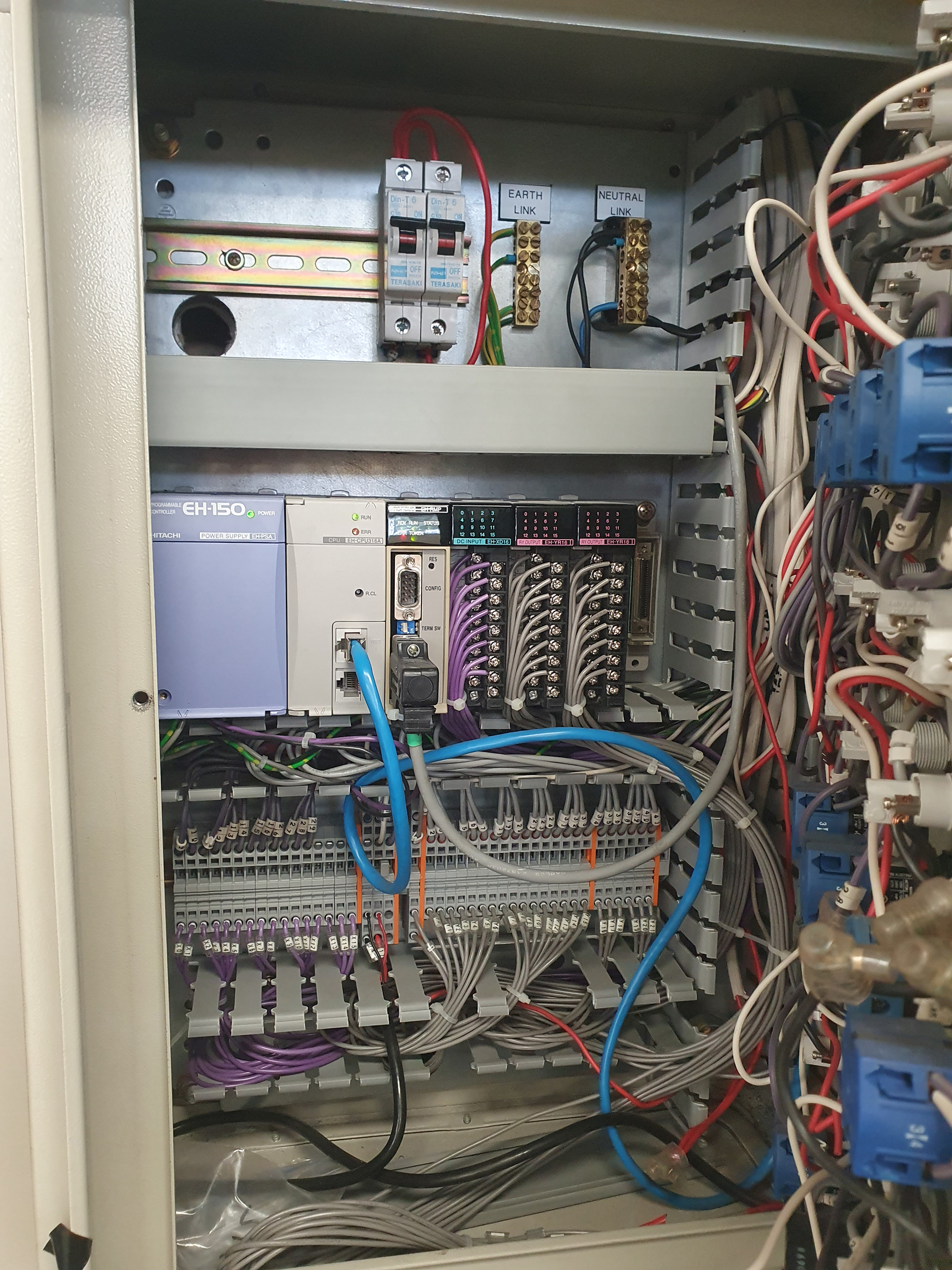
Older Building Management Systems do not automatically need to be completely replaced.
Many commercial buildings continue to operate with a mixture of legacy controllers, older communication networks, proprietary equipment, pneumatic controls and newer BACnet, Modbus or IP-based systems. Some of these systems continue to control the building reasonably well. Others are technically operating but have gradually lost the visibility, reliability, documentation, alarming or supportability that the building now requires.
The challenge is determining what should stay, what can be repaired or recommissioned, what is becoming obsolete and what genuinely needs to be replaced. WR8Tech assesses existing BMS and building automation systems and develops practical upgrade strategies based on the condition of the installation, the operational requirements of the building and the risks associated with continuing to operate ageing technology. Where appropriate, we retain serviceable infrastructure and progressively modernise the system rather than assuming that the entire BMS must be replaced at once.
An Old BMS Is Not Necessarily a Failed BMS
Age alone is not a sufficient reason to replace a Building Management System.
We regularly encounter older systems where controllers continue to operate reliably, field devices remain serviceable and substantial parts of the original installation are still capable of performing their intended function. The problems are often less obvious.
Documentation may have disappeared. Graphics may no longer accurately represent the building. Sensors may have drifted. Control sequences may have been altered repeatedly over many years. Overrides may have become permanent. Alarms may no longer be reaching anyone. Communication networks may be unreliable or replacement hardware may be increasingly difficult to obtain.
A system can therefore still be working without necessarily remaining fit for purpose. That distinction becomes increasingly important as the BMS ages.
Assess Before Replacing
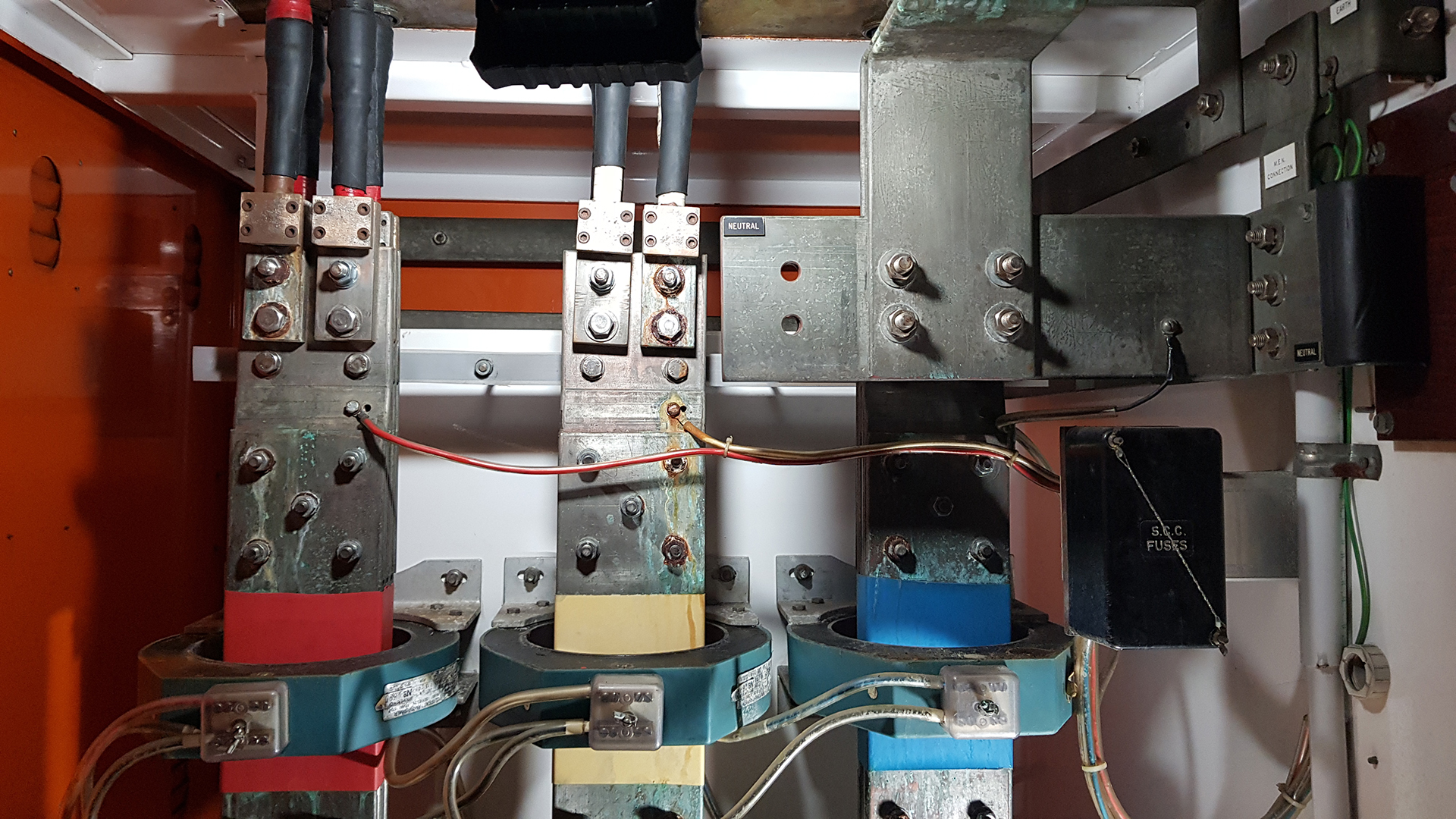
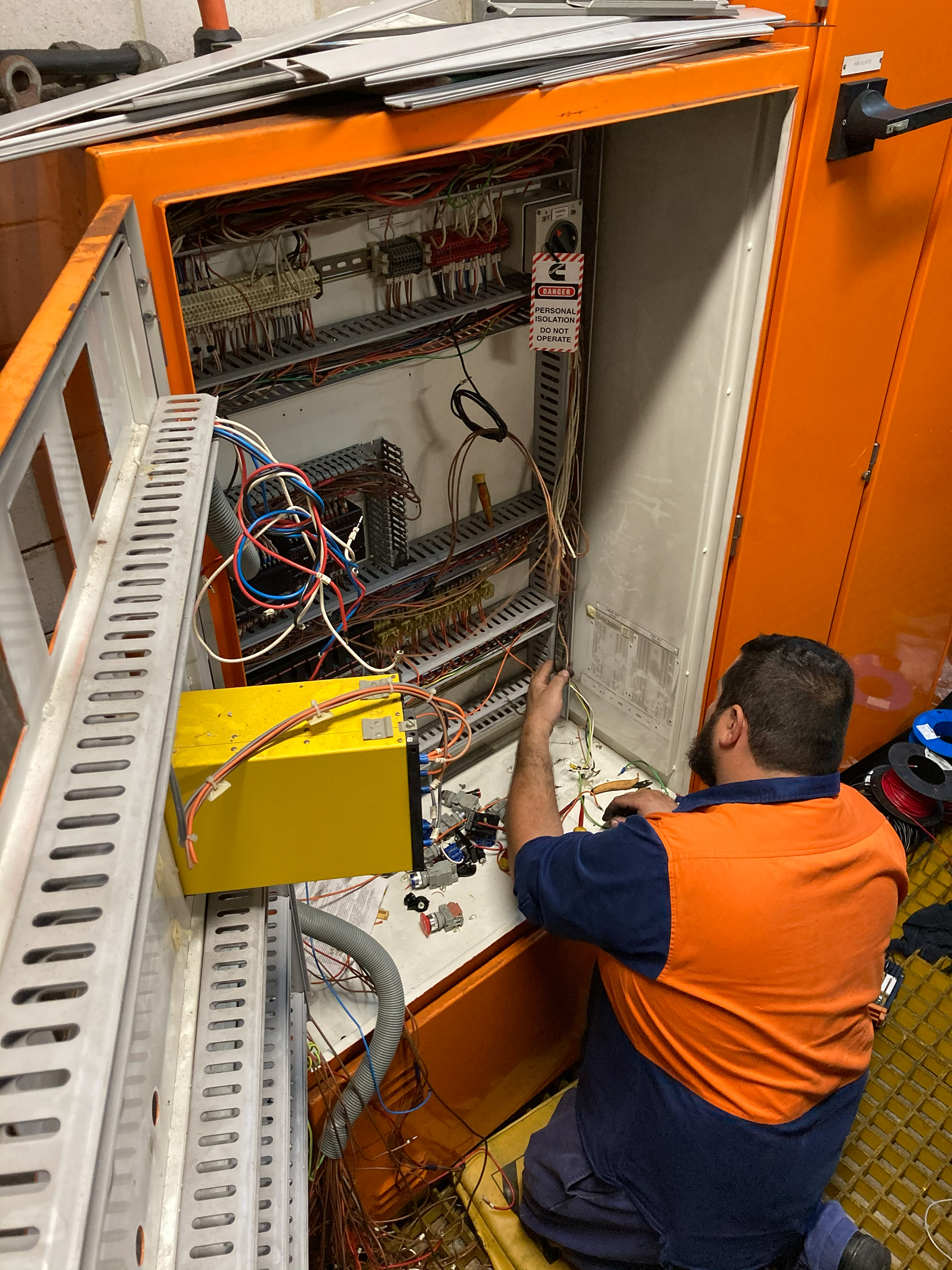
The starting point for a legacy BMS project should be understanding what is actually installed and how well it is operating. WR8Tech can assess the condition of the controllers, networks, control panels, field devices, workstation, graphics, software, alarms, trend logs, sequences of operation and available documentation. We also look beyond the BMS itself.
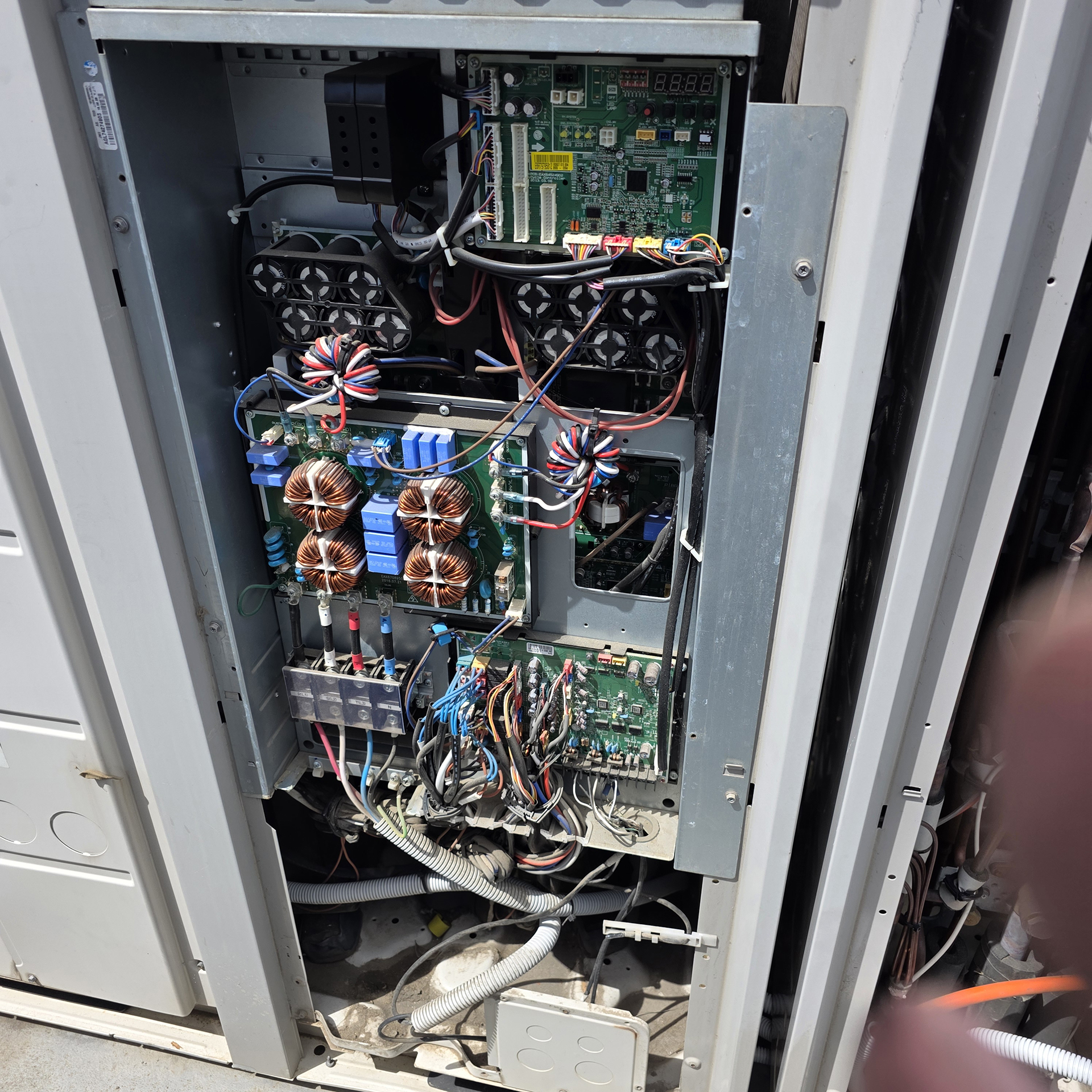
An apparent controls problem can originate from a failed sensor, passing valve, seized damper, actuator fault, variable speed drive, mechanical equipment problem or electrical issue.
Our background across BMS, HVAC controls, mechanical electrical and building services allows us to investigate the building as an operating system rather than assuming that every problem originates in the BMS software. The outcome should be a clear understanding of what remains useful, what requires attention and where future risk is developing.
Legacy BMS in Unsupervised Buildings
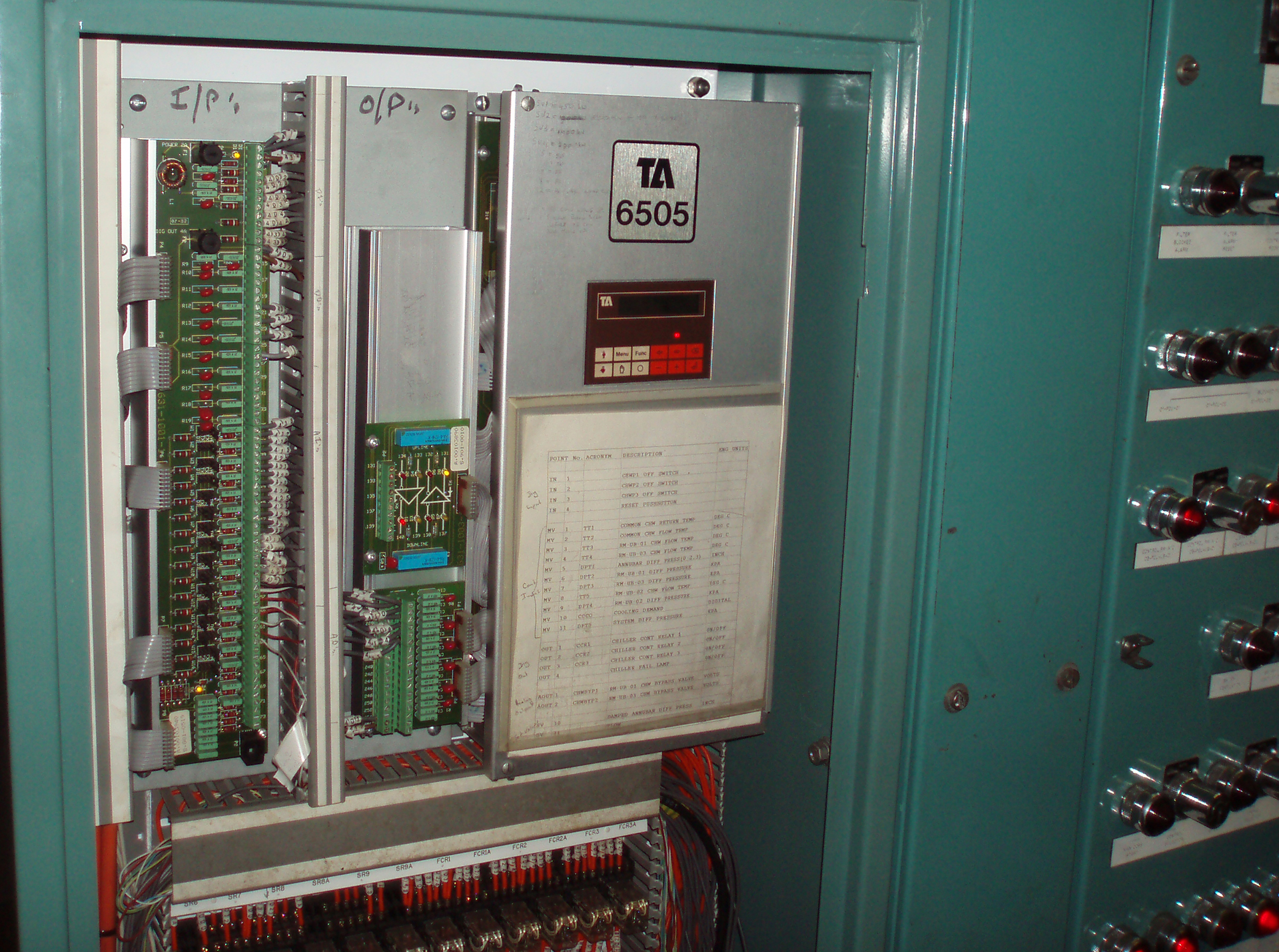
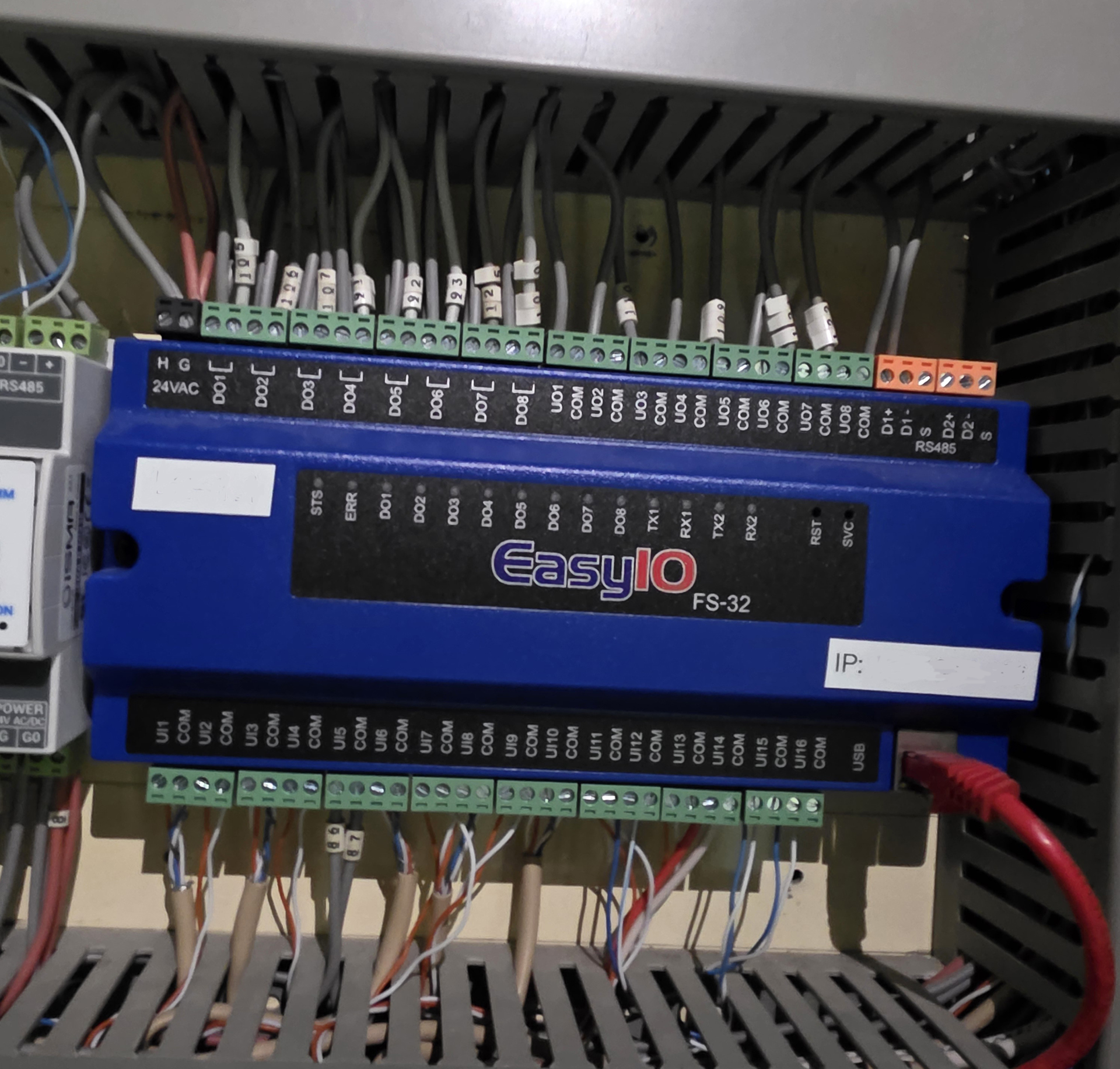
Ageing BMS installations can create particular problems in buildings that do not have a full-time building manager, facility manager or technical person routinely reviewing system performance. These buildings can continue operating for long periods with faults that nobody has identified.
Heating or cooling may operate outside occupied hours. Plant may run continuously. Sensors may have failed or drifted. Valves may be passing. Controllers may be intermittently offline. Schedules may no longer reflect the way the building is occupied.
The first indication that something is wrong is often a tenant complaint. By then, a relatively minor controls issue may have existed for weeks or months and a substantial amount of energy may already have been wasted. Using occupants as the building’s alarm system is neither reliable nor fair.
Tenants should not need to repeatedly report that an area is too hot, too cold or uncomfortable before the owner discovers that a BMS schedule, sensor, valve, controller or piece of mechanical plant has been faulty.
For unsupervised buildings, an ageing BMS therefore needs to be assessed not simply on whether the plant still starts and stops, but on whether the system continues to provide adequate visibility, alarming and remote oversight.
The Hidden Cost of an Ageing BMS
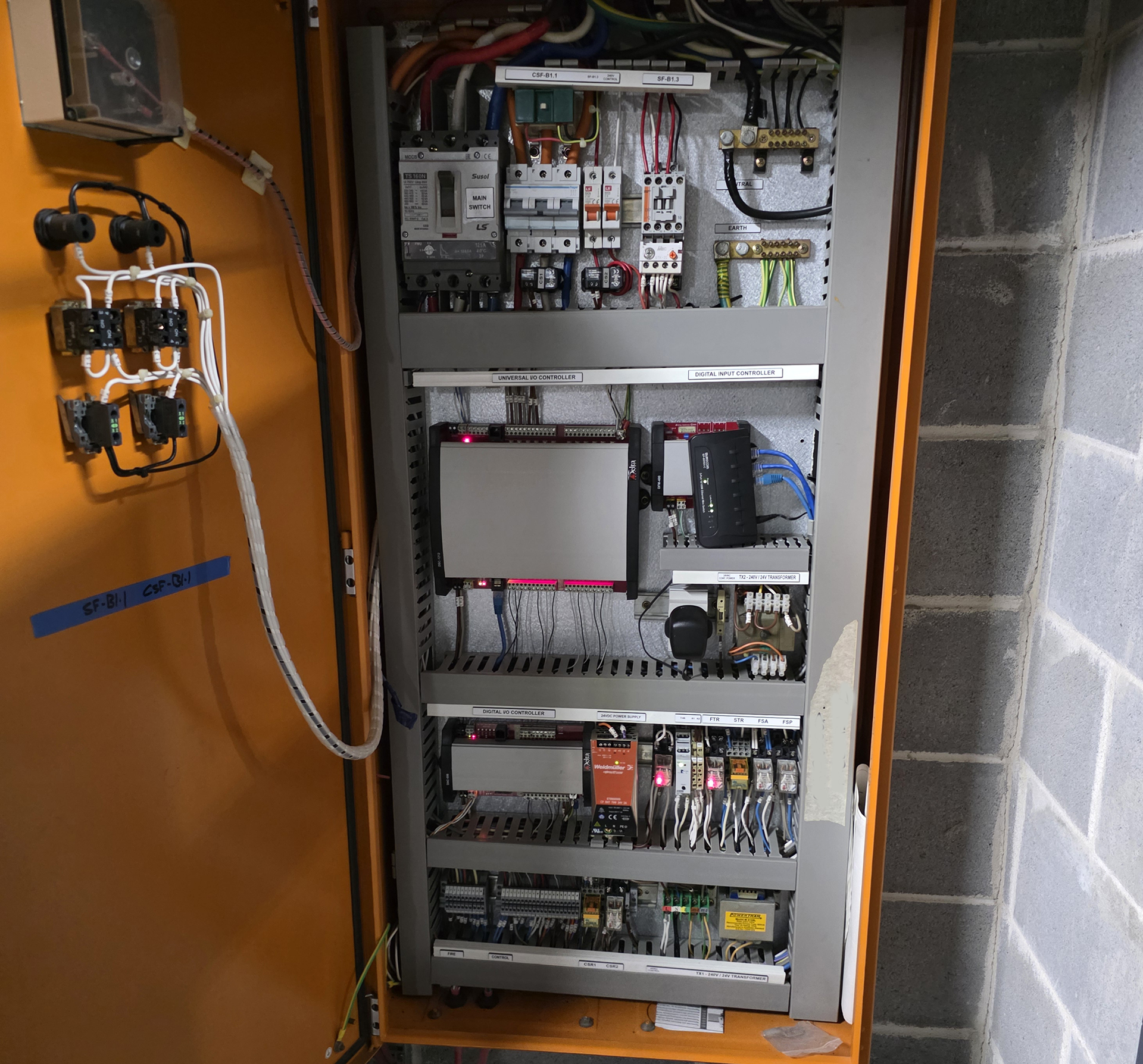
A legacy BMS problem does not always result in an obvious failure.
Often the more expensive problems remain hidden.
A failed temperature sensor may cause unnecessary heating or cooling. A valve that is incorrectly controlled can waste energy continuously. An overridden time schedule can leave plant operating every night and weekend. Simultaneous heating and cooling can continue unnoticed because the building still appears comfortable.
In an actively supervised building, these issues may eventually be noticed through routine review. In an unsupervised building, they can remain invisible until energy consumption increases significantly, equipment fails or complaints become frequent enough to trigger an investigation.
By that stage, a small fortune can already have disappeared into unnecessary energy consumption. Improving visibility can therefore be just as important as replacing hardware.
Obsolescence Is a Risk, Not Just an Age
There is an important distinction between equipment that is old and equipment that has become operationally obsolete. An older controller may continue operating reliably for years.
The risk changes when replacement hardware is no longer available, programming software is unsupported, communications are proprietary, operating systems can no longer be maintained or the knowledge required to service the platform has disappeared.
At that point, a small equipment failure can become a major operational problem. Obsolescence does not necessarily mean that the entire system needs immediate replacement. It means the risk should be understood before an emergency occurs.
WR8Tech can identify ageing and obsolete components, assess the availability of replacement hardware and technical support, and develop a staged migration strategy around the areas presenting the greatest operational risk.
What Can Be Retained?
One of the most important parts of a staged BMS upgrade is determining which parts of the existing installation still have useful life.
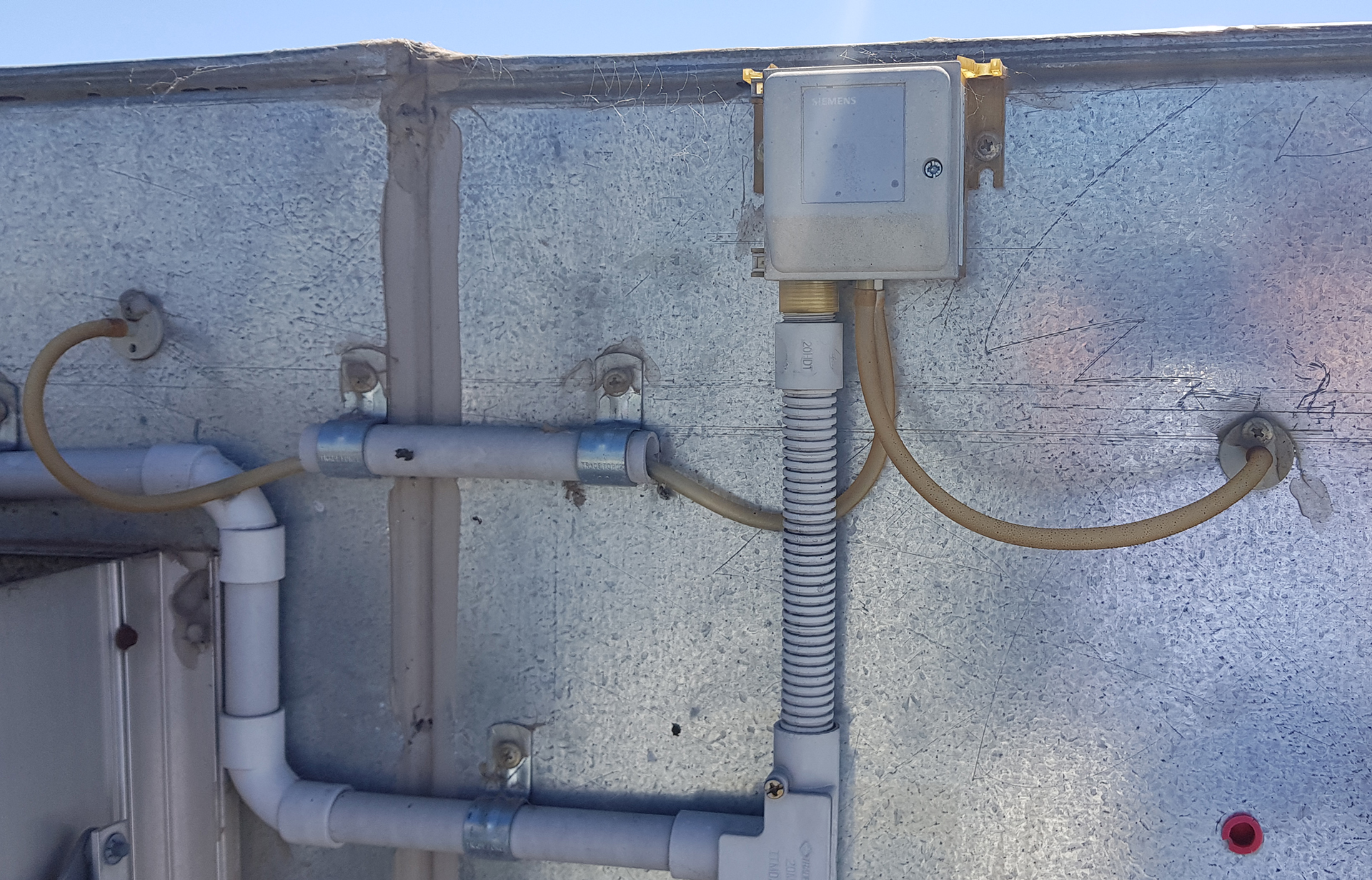
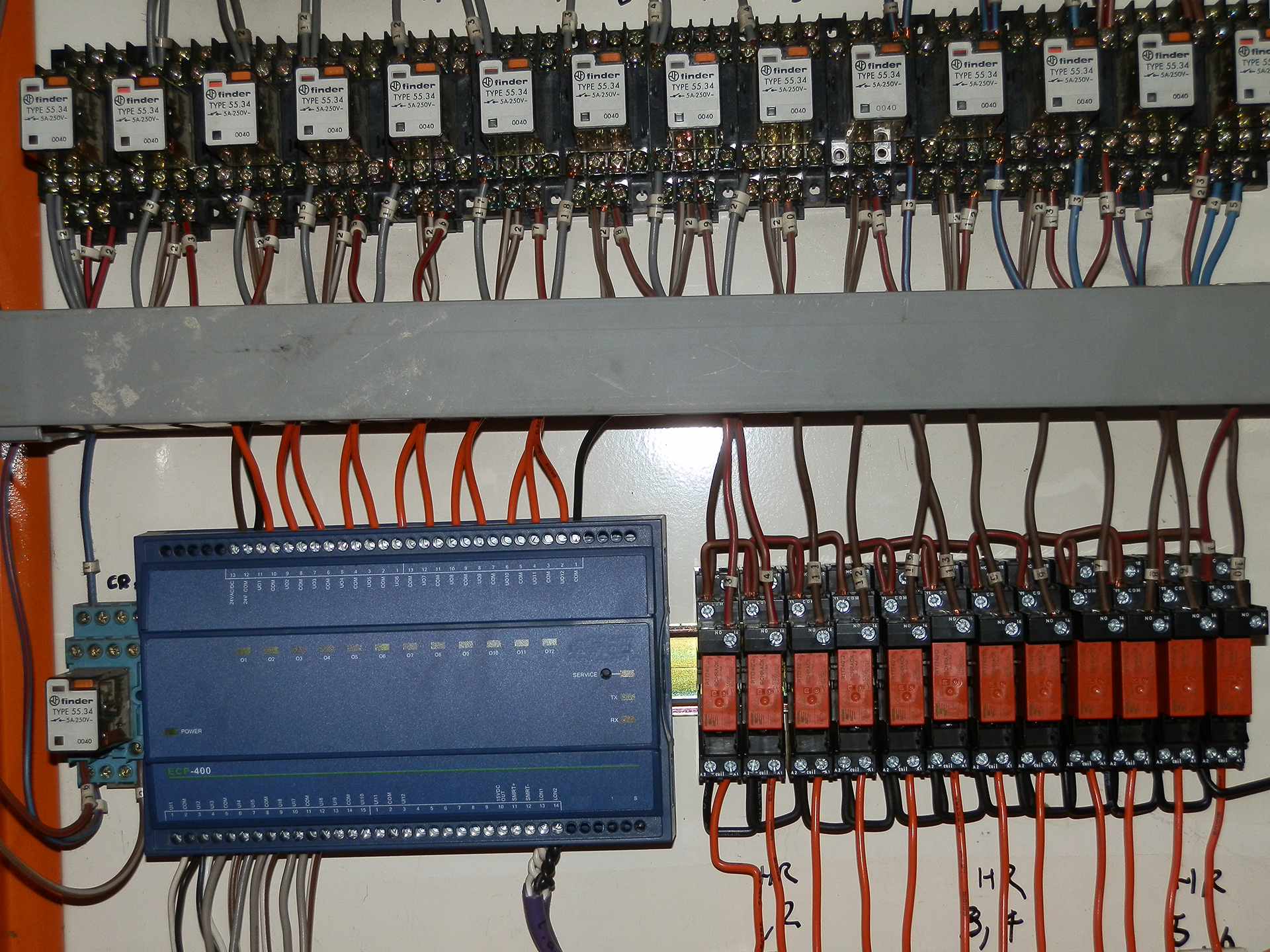
Depending on the building and system, this may include existing field wiring, sensors, actuators, valves, dampers, variable speed drives, control panels, MSSBs, meters, network infrastructure, BACnet devices, Modbus devices, LonWorks devices and selected controllers.
Retaining serviceable equipment can significantly reduce project cost and disruption. It also allows available capital to be directed toward the parts of the system that provide the greatest operational benefit or present the greatest risk. The objective is not to preserve old equipment simply because it still operates. The objective is to make informed decisions about what deserves to stay.
Recommission Before You Replace
A BMS that appears incapable of controlling the building may actually be suffering from years of undocumented changes and accumulated faults.
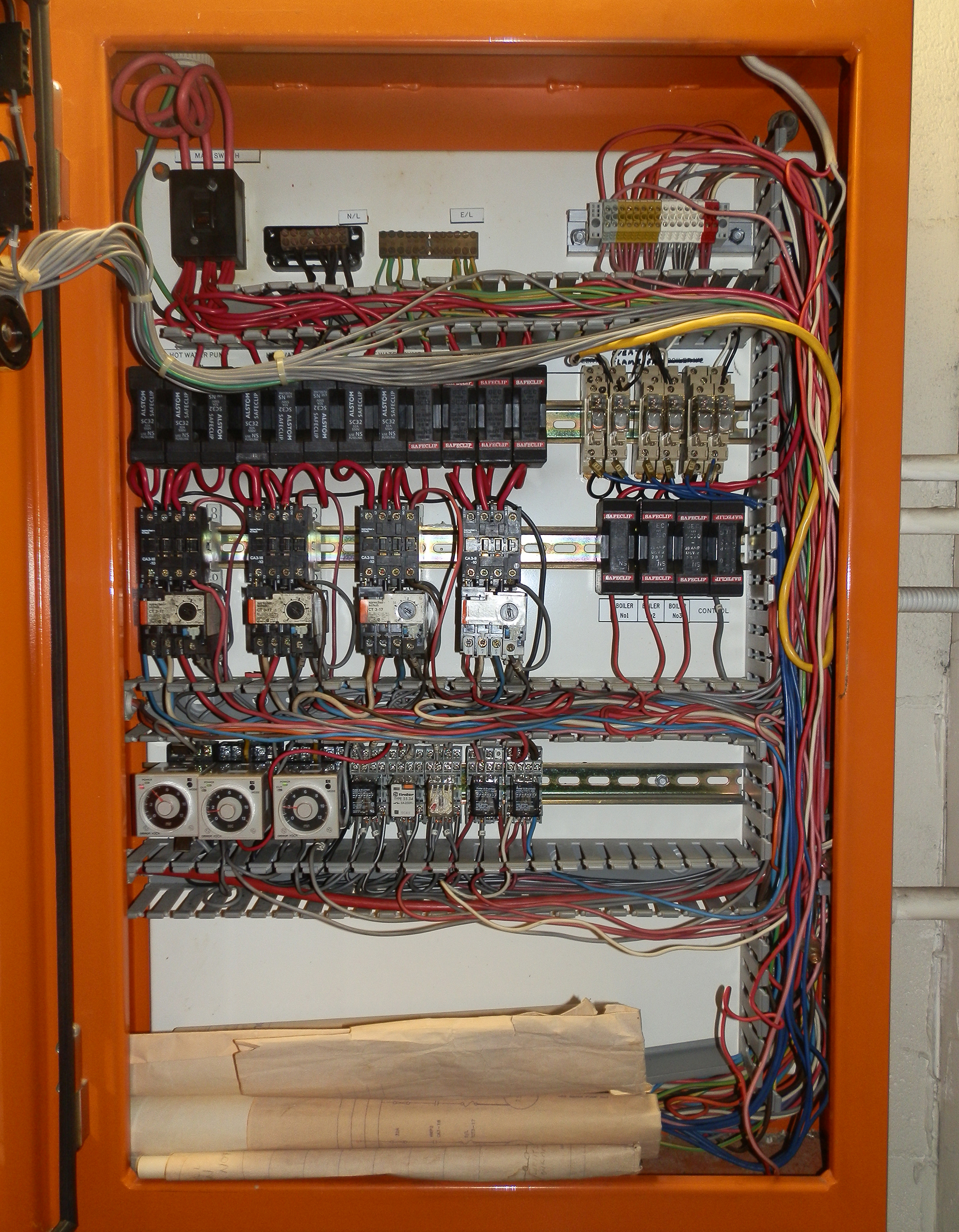
Incorrect schedules, disabled alarms, failed sensors, permanent overrides, poorly tuned control loops and sequences that no longer reflect the mechanical plant can make an otherwise serviceable system appear obsolete.
Recommissioning can identify and correct these issues. It can improve building performance immediately, but it also provides much better information for deciding what genuinely needs to be upgraded.
For this reason, recommissioning and staged upgrade planning often belong together. There is little value in replacing equipment before understanding whether the underlying problem was actually the equipment.
Staged BMS Upgrades
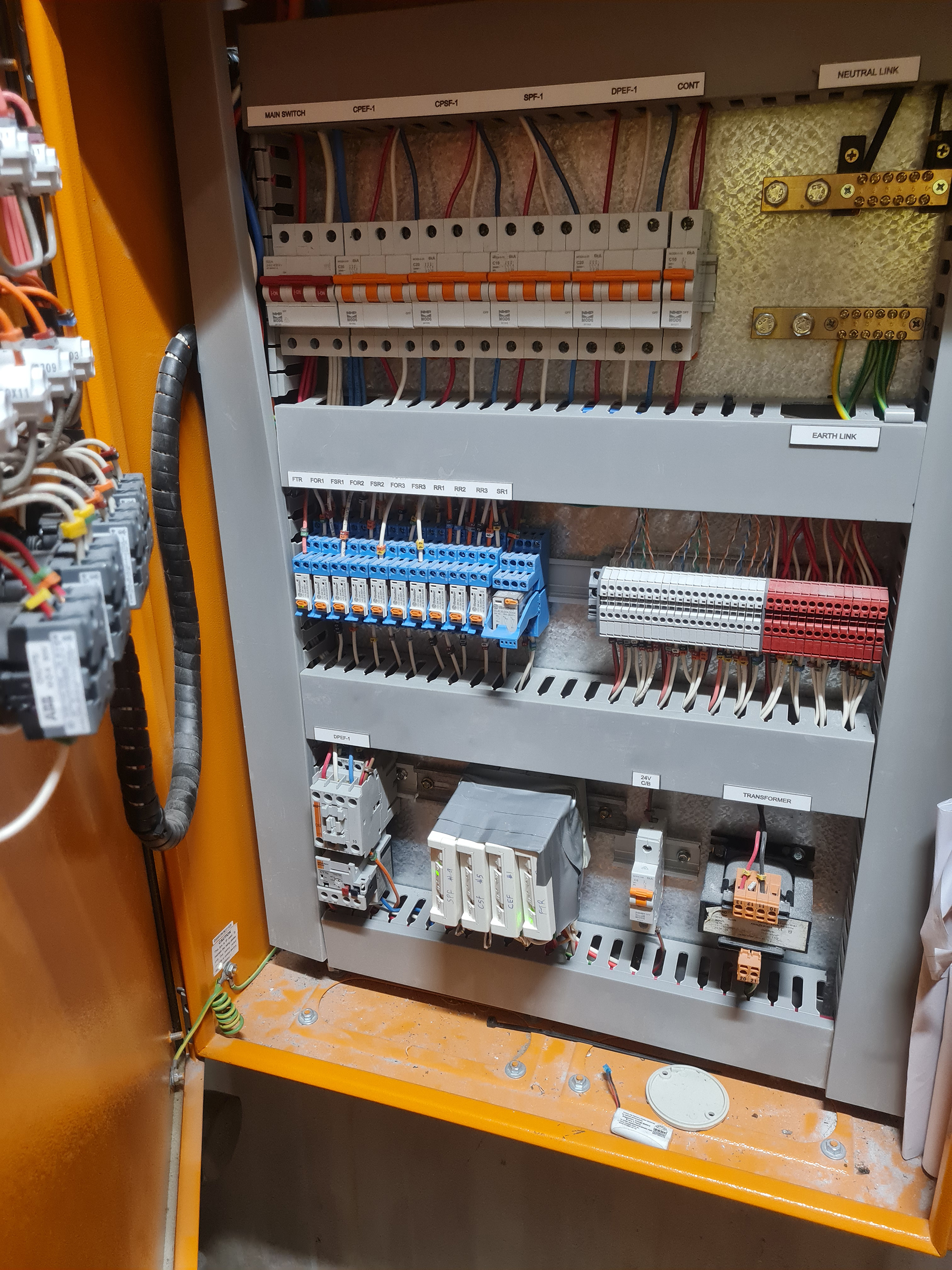
A staged upgrade allows an ageing control system to be modernised progressively rather than through a single large replacement project. The first stage may be relatively modest. It might involve restoring remote access, repairing alarms, improving graphics, establishing trend logs or bringing critical plant into a modern supervisory platform.
Later stages may replace controllers serving central plant, major air-handling systems or high-risk equipment. Other areas can then be upgraded progressively as budgets, tenant requirements, equipment replacement or operational priorities allow.
For an occupied building, this can be considerably more practical than attempting to replace hundreds of controllers and field devices at once. A staged strategy also provides time to verify each part of the building before progressing to the next.
Sometimes Visibility Comes First
A legacy BMS upgrade does not always need to begin with controller replacement. For an unsupervised building, the most valuable first step may simply be establishing reliable visibility.
That could include restoring alarms, providing secure remote access, improving graphics, trending critical plant, monitoring energy consumption or bringing selected existing systems into a new supervisory platform.
Once this is established, abnormal operation can be identified through the building systems rather than waiting for occupants to discover it. Sometimes the most valuable first step is giving the building a reliable way to tell someone when something is wrong.
Mixed-Manufacturer BMS Systems
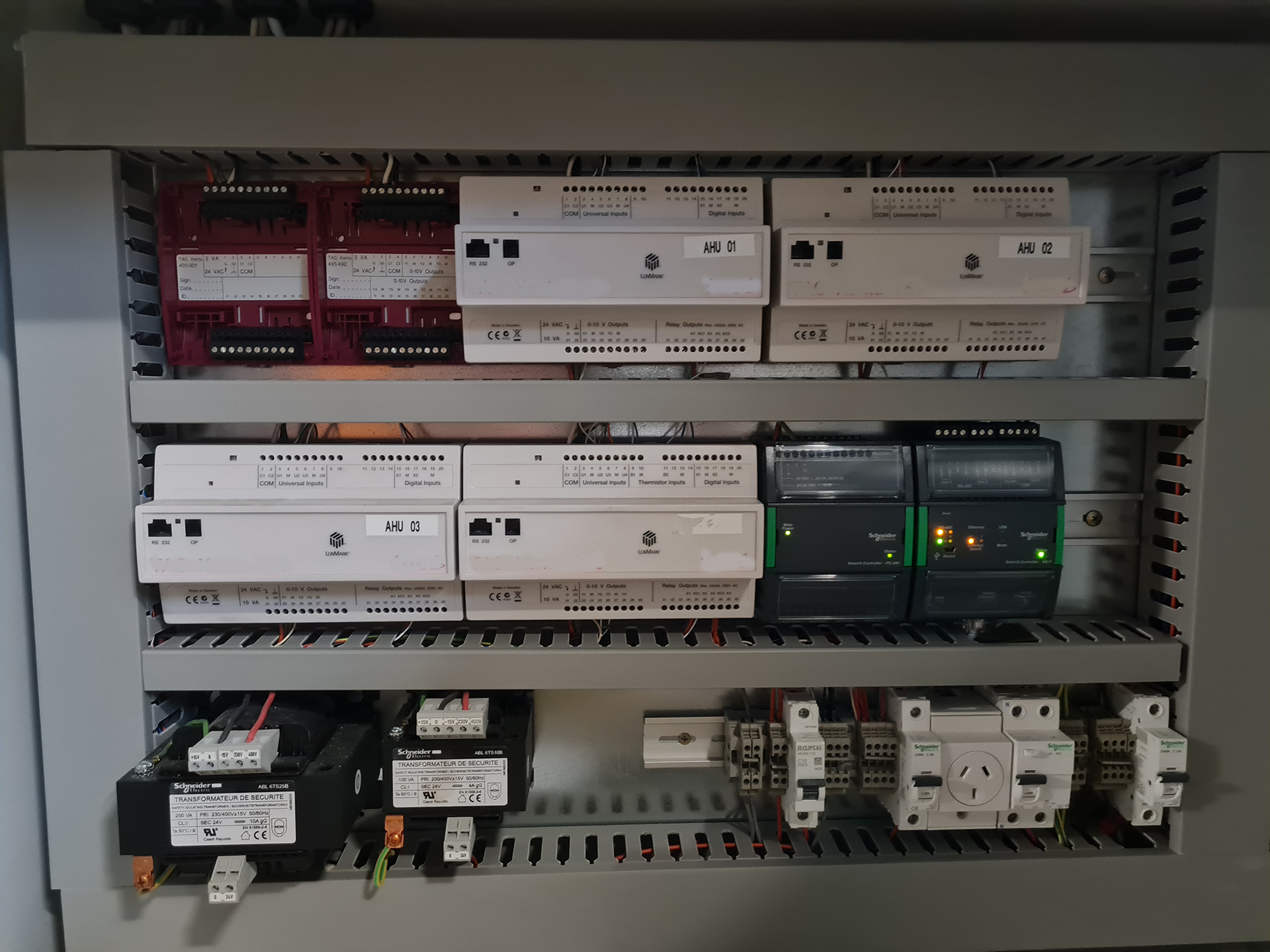
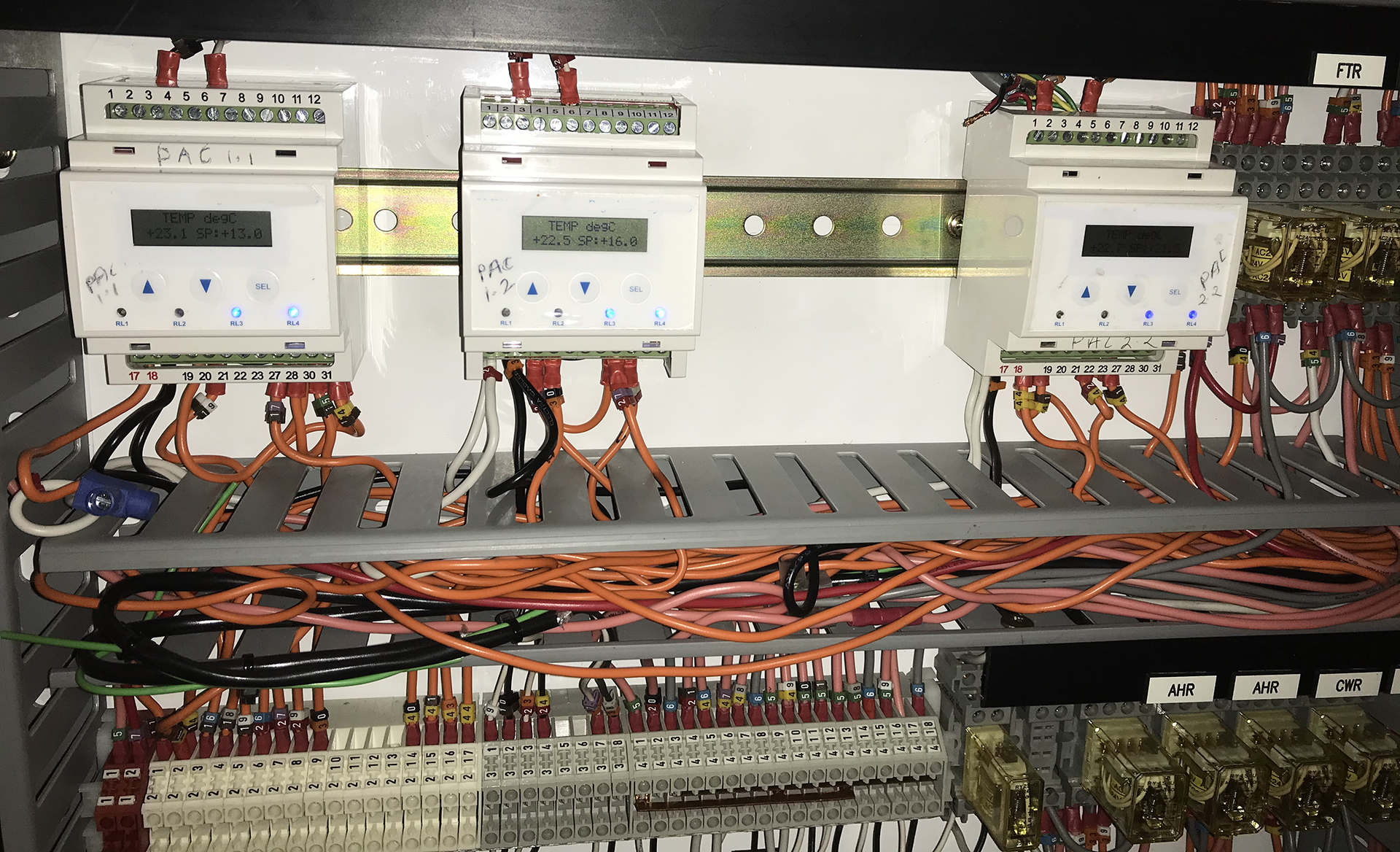
Commercial buildings rarely remain technically uniform over their entire life. A single property may contain several generations of BMS controllers together with BACnet, Modbus, LonWorks, proprietary networks and conventional hardwired controls.
That does not necessarily mean the building needs to immediately standardise on one manufacturer. Where technically practical, WR8Tech can integrate existing systems and equipment into a common building automation architecture.
The objective is not simply to make different systems communicate. It is to provide the building operator with a practical way to understand, monitor and control the property while progressively reducing dependence on unsupported technology.
Open Protocols and Future Flexibility
Where new controllers or systems are introduced, WR8Tech generally favours open communication standards such as BACnet and Modbus where appropriate.
Open protocols do not eliminate every form of vendor dependence, but they can provide considerably greater flexibility for future integration, replacement and expansion. This is particularly important in staged upgrades.
A migration may continue over several years, so decisions made during the first stage should make later stages easier rather than creating another closed system that becomes difficult to change in the future.
Pneumatic and Earlier-Generation Controls
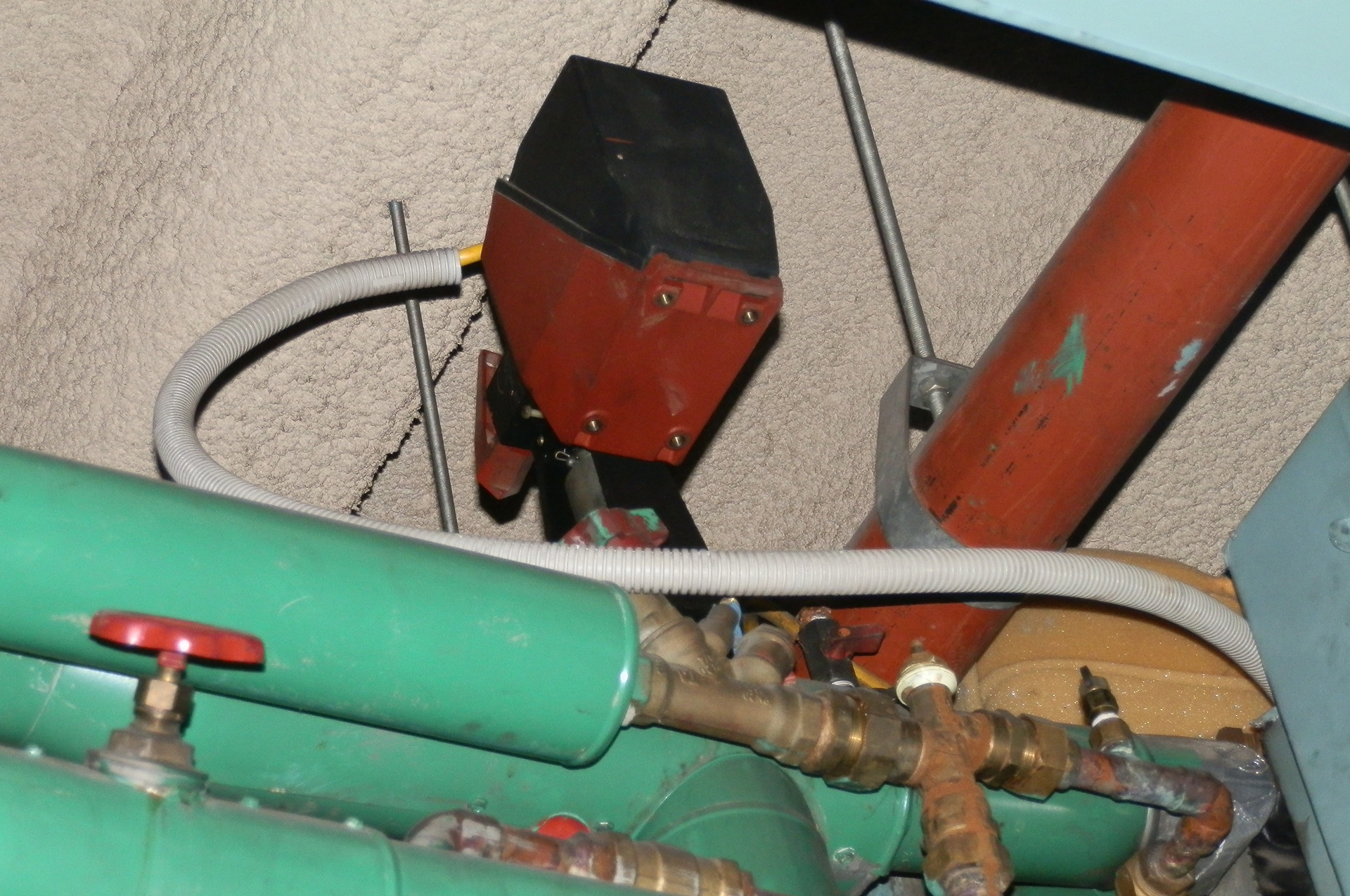
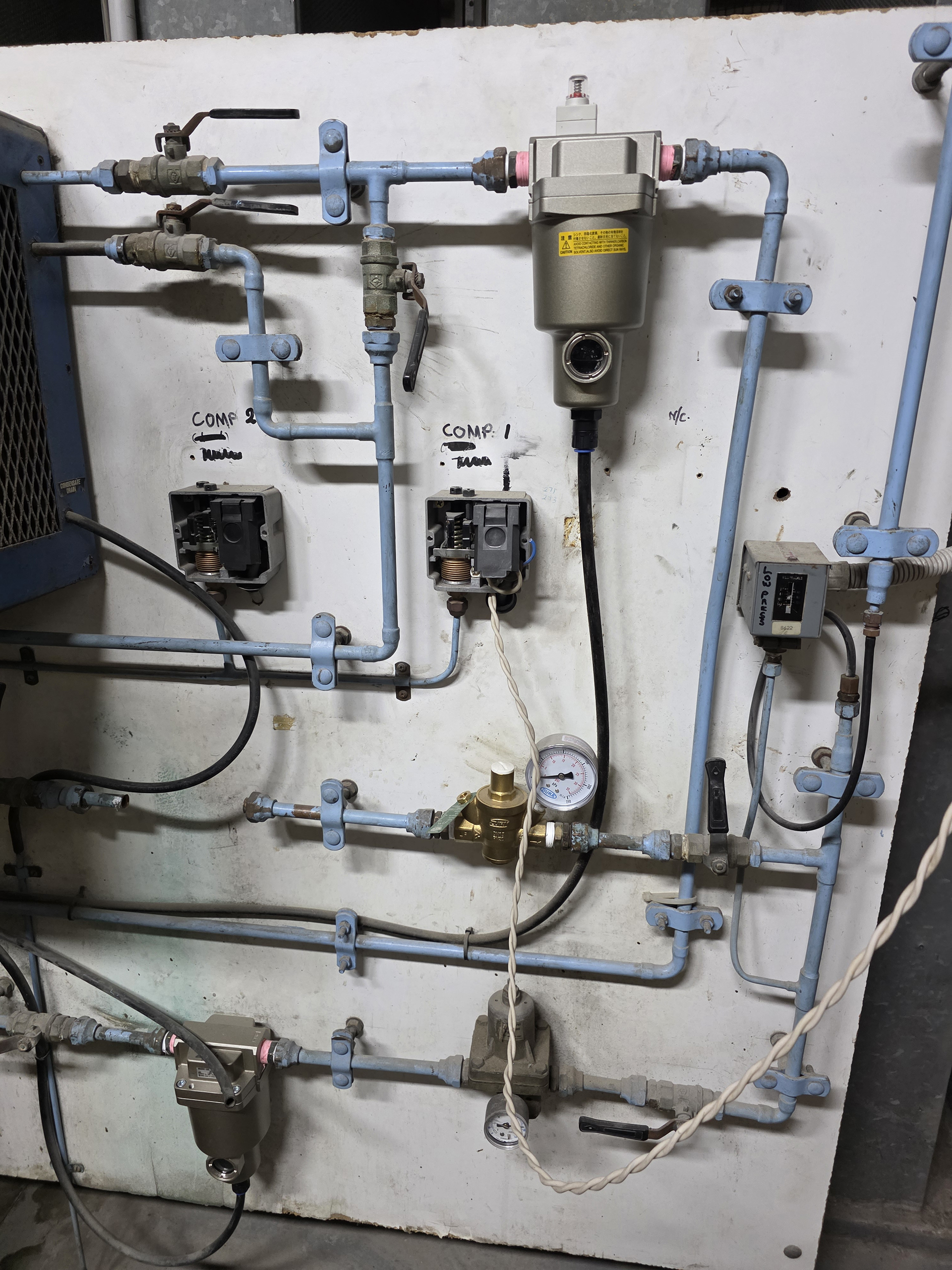
Some existing buildings still contain pneumatic control systems or earlier generations of electronic HVAC controls. These installations should not automatically be dismissed.
A pneumatic actuator, control valve or other field device may remain serviceable even where the supervisory and control strategy requires modernisation.
A staged project may therefore retain selected field devices while introducing electronic sensors, digital controllers or modern supervisory monitoring. Additional areas can then be converted progressively as equipment is refurbished or replaced. For some occupied buildings, this can be far more practical than trying to convert the entire property at once.
When Replacement Is the Right Decision
There are circumstances where continued investment in the existing BMS no longer makes commercial or technical sense.
Unsupported software, unavailable controllers, repeated hardware failures, deteriorating network reliability, cybersecurity limitations, proprietary restrictions or an inability to support the operational requirements of the building may eventually justify replacement.
When that point is reached, the objective should still be a planned migration rather than an emergency response to failure.
WR8Tech can assist with establishing the new architecture, determining what existing infrastructure can remain, documenting interfaces and developing a practical transition strategy. A planned replacement is almost always preferable to discovering that the system cannot be supported after a critical component has already failed.

Building Around Existing Operations
Legacy BMS work is primarily an existing-building problem. The building may be fully occupied. Tenants still require heating and cooling. Essential plant must continue operating. Building services cannot simply be shut down while a new control system is installed.
Upgrade projects therefore need to consider staged cutovers, temporary controls, after-hours work, commissioning, rollback strategies and coordination with building operations. The engineering of the transition can be just as important as the equipment selected for the new system.
Documentation Is Part of the Upgrade
A staged upgrade needs an accurate record of what has been changed and what remains.
WR8Tech can assist with updating control schematics, network architecture, point schedules, controller schedules, equipment lists, functional descriptions, sequences of operation, BMS graphics, interfaces and commissioning records.
Good documentation prevents the next stage of the project from beginning with another investigation. It also reduces the risk of the building becoming dependent on one technician, contractor or vendor simply because they are the only person who understands the system.

A Practical Path Forward
There is no single upgrade strategy that suits every building. Some legacy systems require only targeted repairs and recommissioning.
Some need improved monitoring and alarming before any major hardware replacement occurs.
Some benefit from a new supervisory platform while retaining substantial parts of the existing controls. Others are best migrated controller by controller over several years. And sometimes complete replacement is genuinely the correct decision.
The role of WR8Tech is to establish which approach makes technical and commercial sense before major expenditure is committed.
Legacy BMS Projects Across Existing Buildings
WR8Tech works with ageing, obsolete and mixed-generation building automation systems across commercial offices, residential apartment buildings, hotels, education facilities, healthcare environments, laboratories, industrial facilities, retail properties and other complex buildings.
Our work can range from investigating a single failed or unsupported controller through to developing a multi-stage migration strategy for an entire building.
We work across Melbourne, Sydney and Canberra.