Estimated reading time: 15 minutes
Building Management System Commissioning Is More Than Downloading Software
Many people assume commissioning begins when the controls contractor arrives to upload graphics and software.
In reality, successful Building Management System commissioning begins long before the first controller is programmed.
Every sensor, valve, damper, VSD, meter, relay, network and field device must operate correctly before a Building Management System can perform as intended.
At WR8Tech we approach commissioning as an engineering process—not simply a programming exercise.
Our role is to confirm that the mechanical, electrical and control systems all work together safely, reliably and in accordance with the project intent.
Whether we’re involved from the design stage or called in after practical completion to rescue a troubled project, our objective remains the same:
Deliver a building that actually performs.
Commissioning New Buildings
For new construction projects we work alongside builders, consulting engineers, mechanical contractors and electrical contractors to progressively commission the Building Management System.
Typical activities include:
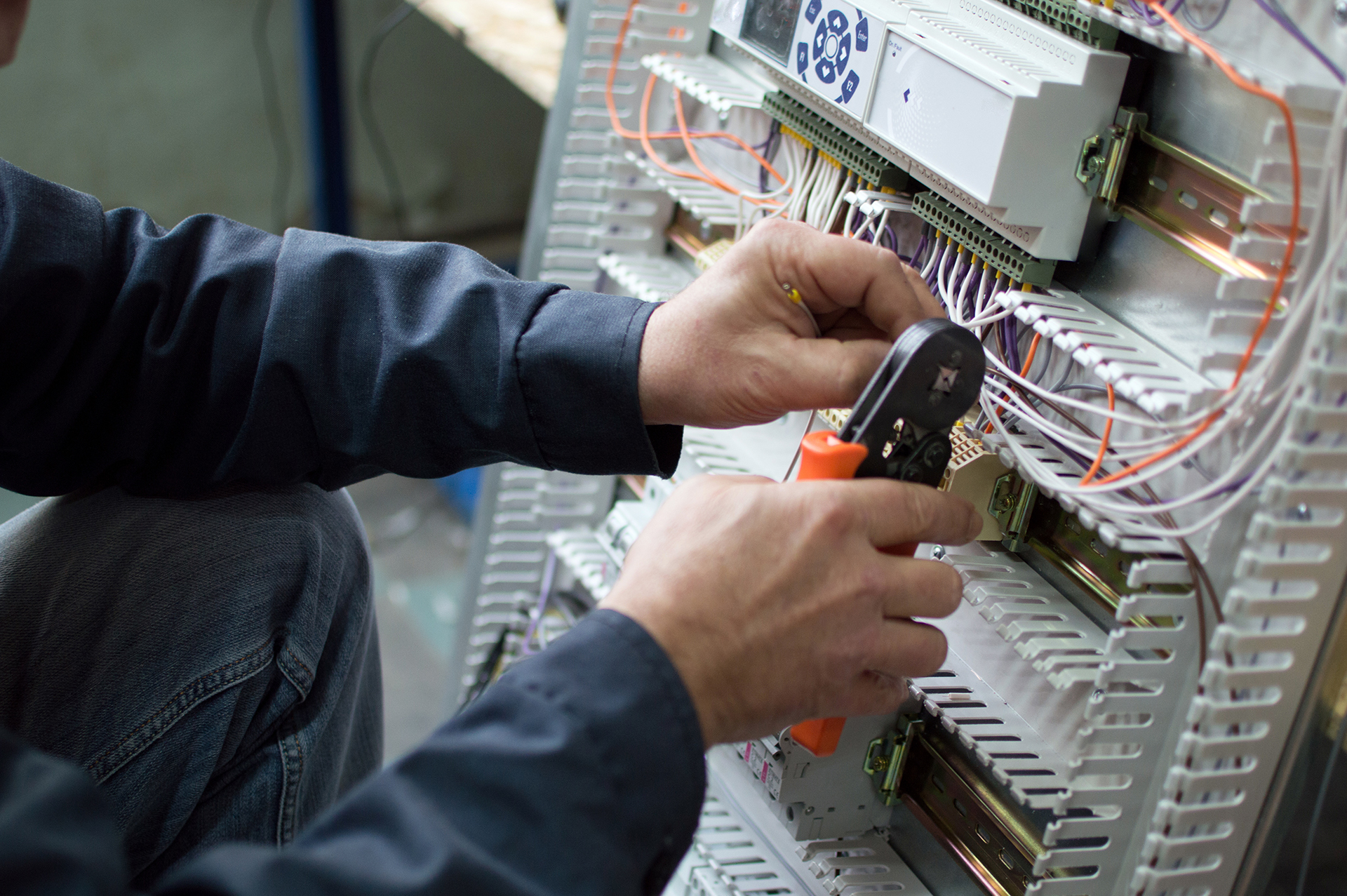
- Point-to-point testing
- Controller commissioning
- Sensor calibration
- Network verification
- BACnet commissioning
- Modbus commissioning
- Functional performance testing
- Alarm testing
- Graphics verification
- Trend log verification
- Time schedules
- Energy meter integration
- Fire interface testing
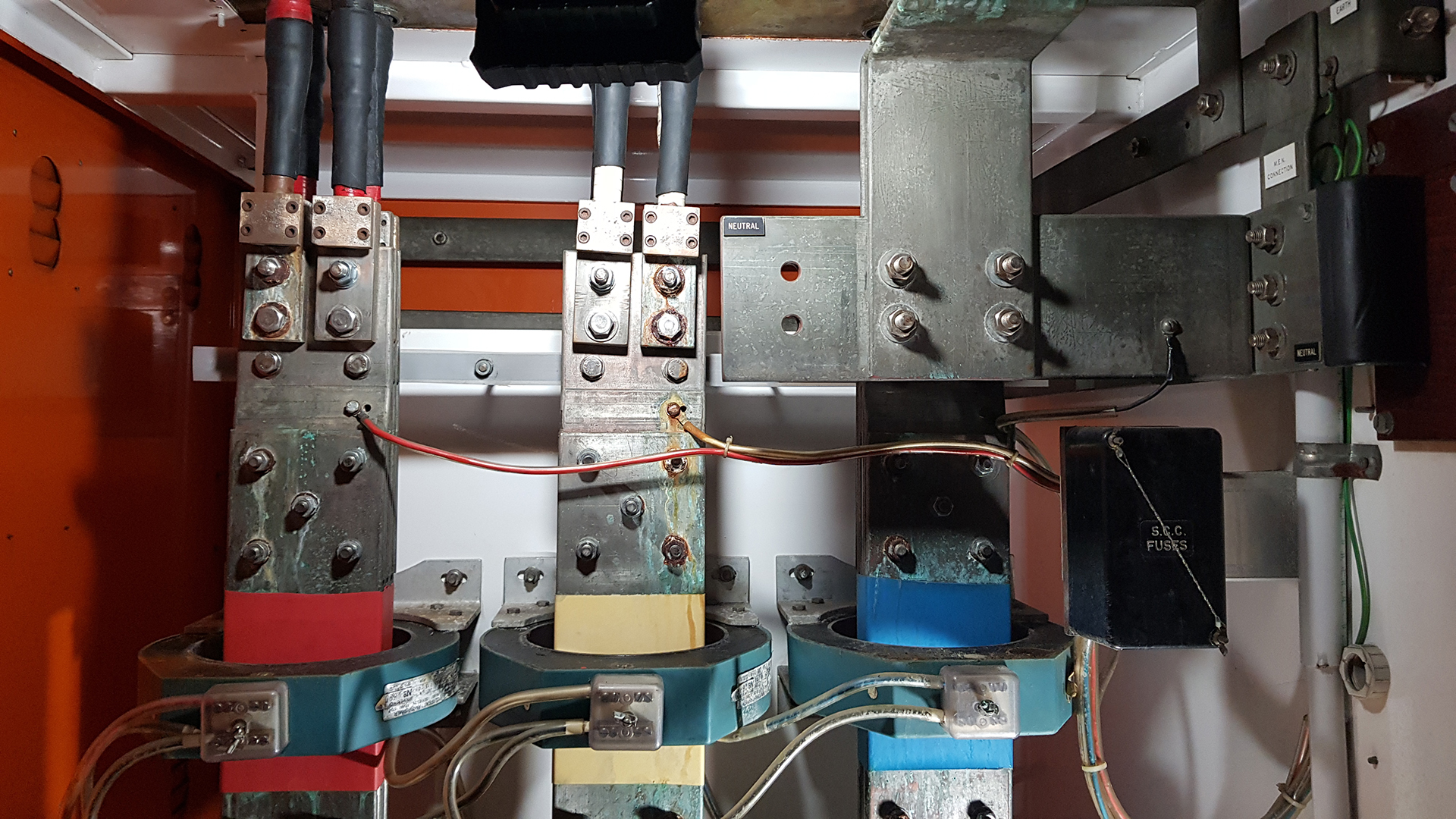
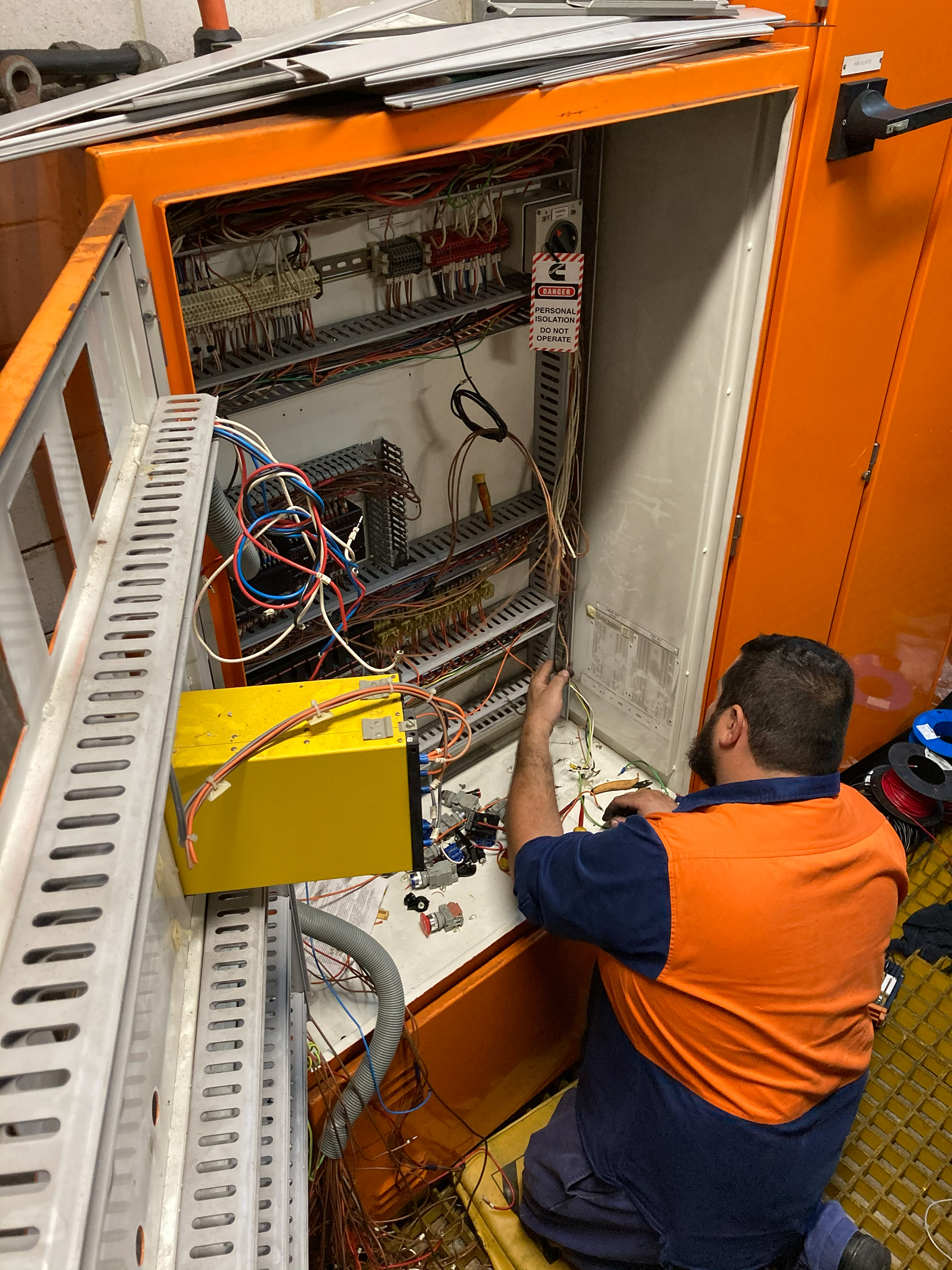
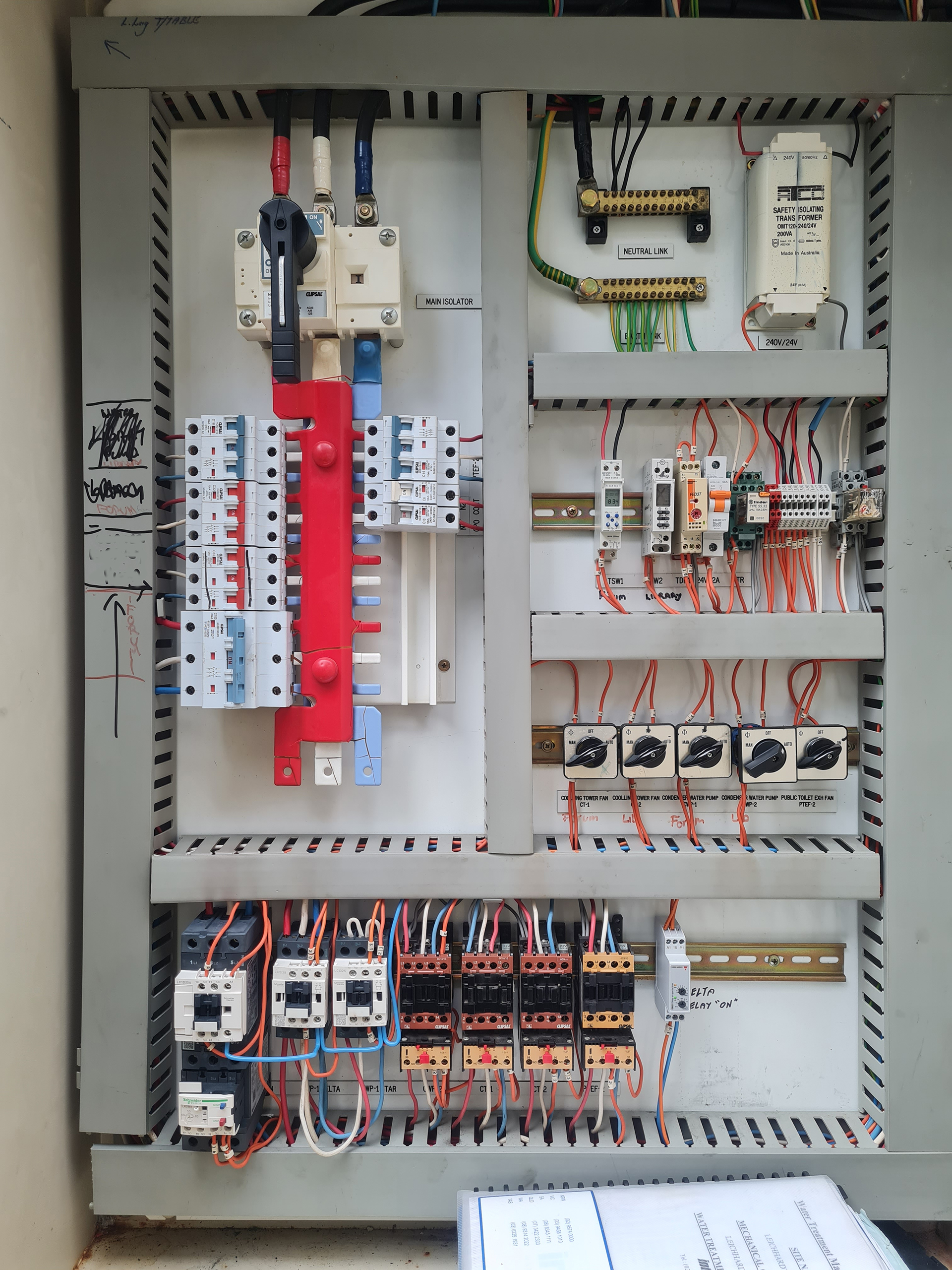
- Mechanical Services Switchboard testing
- Documentation review, “as builts”
- Operation and Maintenance Manuals
Rather than waiting until the end of the project, commissioning should occur progressively throughout construction, significantly reducing defects during practical completion.
Existing Buildings Require a Different Approach
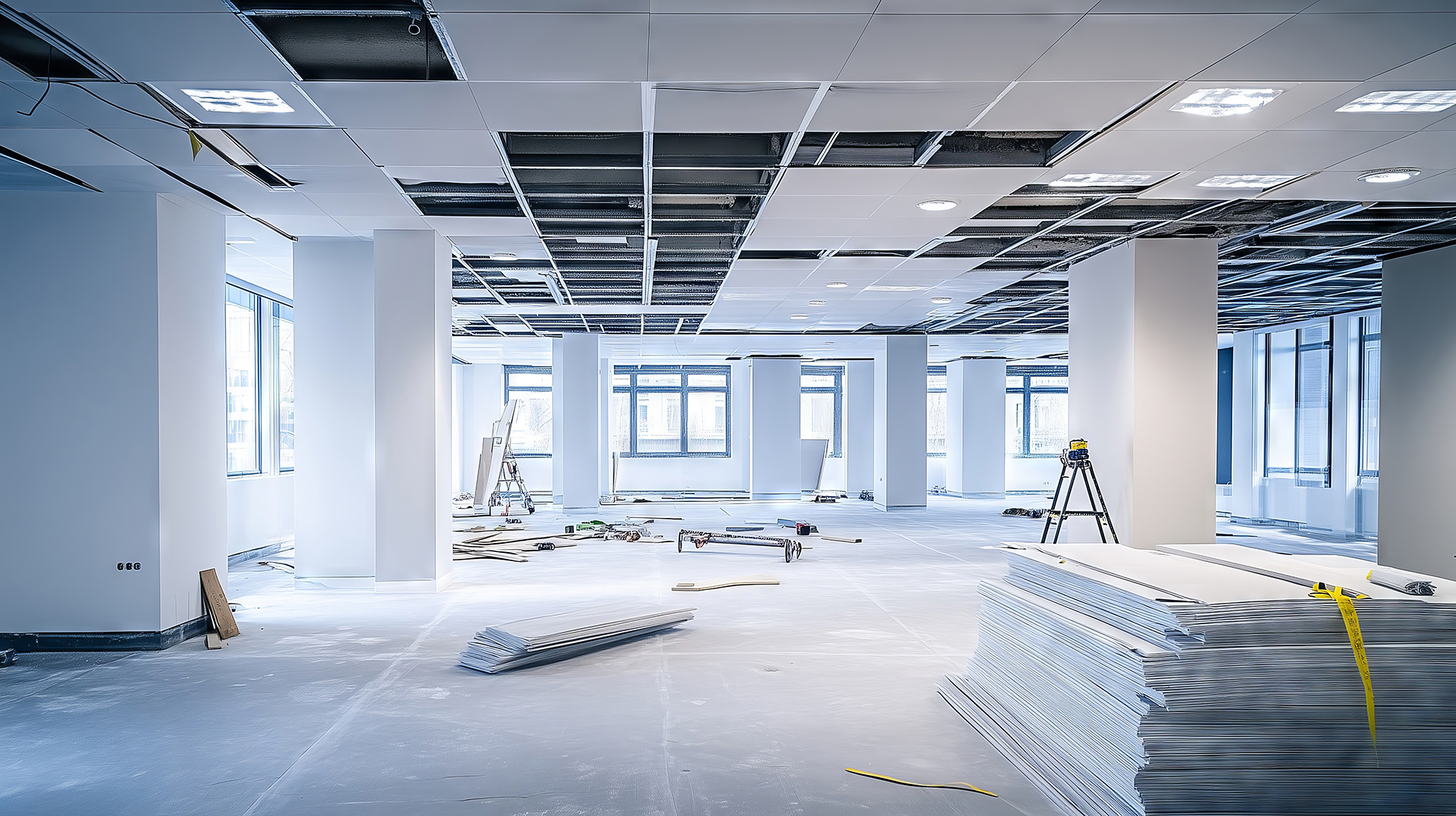
Commissioning an existing commercial building is fundamentally different from commissioning a new construction project.
On a new project, the design intent is generally well documented, the equipment is new, and the commissioning process follows a relatively predictable path.
Existing buildings rarely offer that luxury.
Over years—and often decades—commercial buildings evolve. HVAC plant is replaced, tenancies are refurbished, mechanical and electrical services are upgraded, contractors come and go, Australian Standards change, and buildings are adapted to meet new legislation, changing technologies and evolving operational requirements.
During that time, drawings become outdated, control strategies are modified, equipment is bypassed, temporary solutions become permanent, and valuable building knowledge is gradually lost.
As a result, the Building Management System is often only one piece of a much larger engineering challenge.
Our first responsibility is not to start programming controllers or modifying graphics. It is to understand how the building actually operates today, how it has changed since it was originally designed, and what the building owner, facility management team and occupants expect it to achieve moving forward.
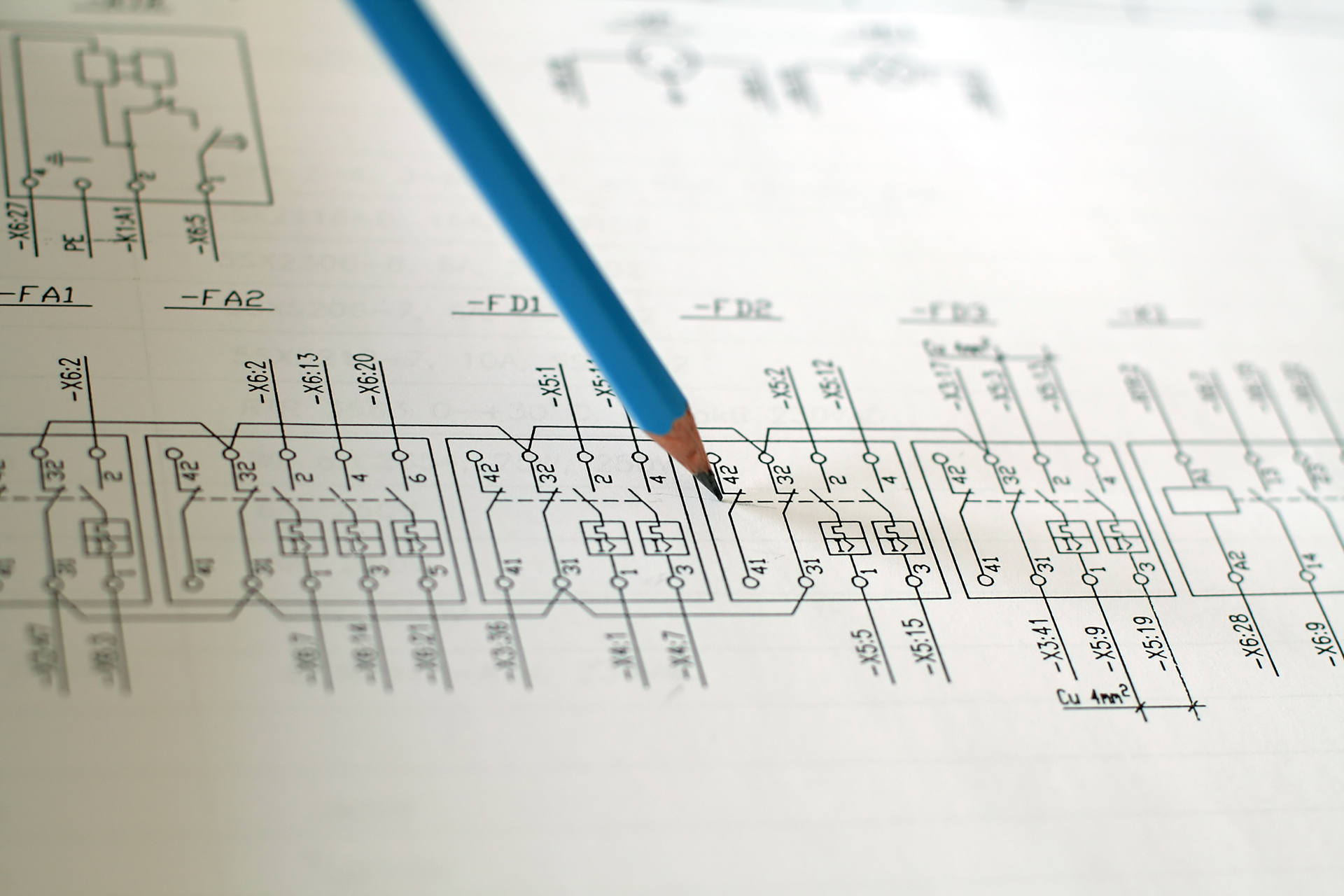
That process often involves comparing the original design intent with the current installation, tracing control circuits, reviewing network architecture, validating field devices, analysing trend data, interviewing operational staff and identifying the reasons previous changes were made. Many of those changes were sensible at the time, responding to tenant complaints, equipment failures or operational constraints. Others have simply accumulated over many years without anyone stepping back to consider their overall impact on the building.
Successful commissioning therefore requires more than technical expertise. It requires listening to the people who operate the building every day, understanding their frustrations, balancing the sometimes competing expectations of owners, tenants, facility managers and maintenance contractors, and translating those operational needs into practical engineering solutions.
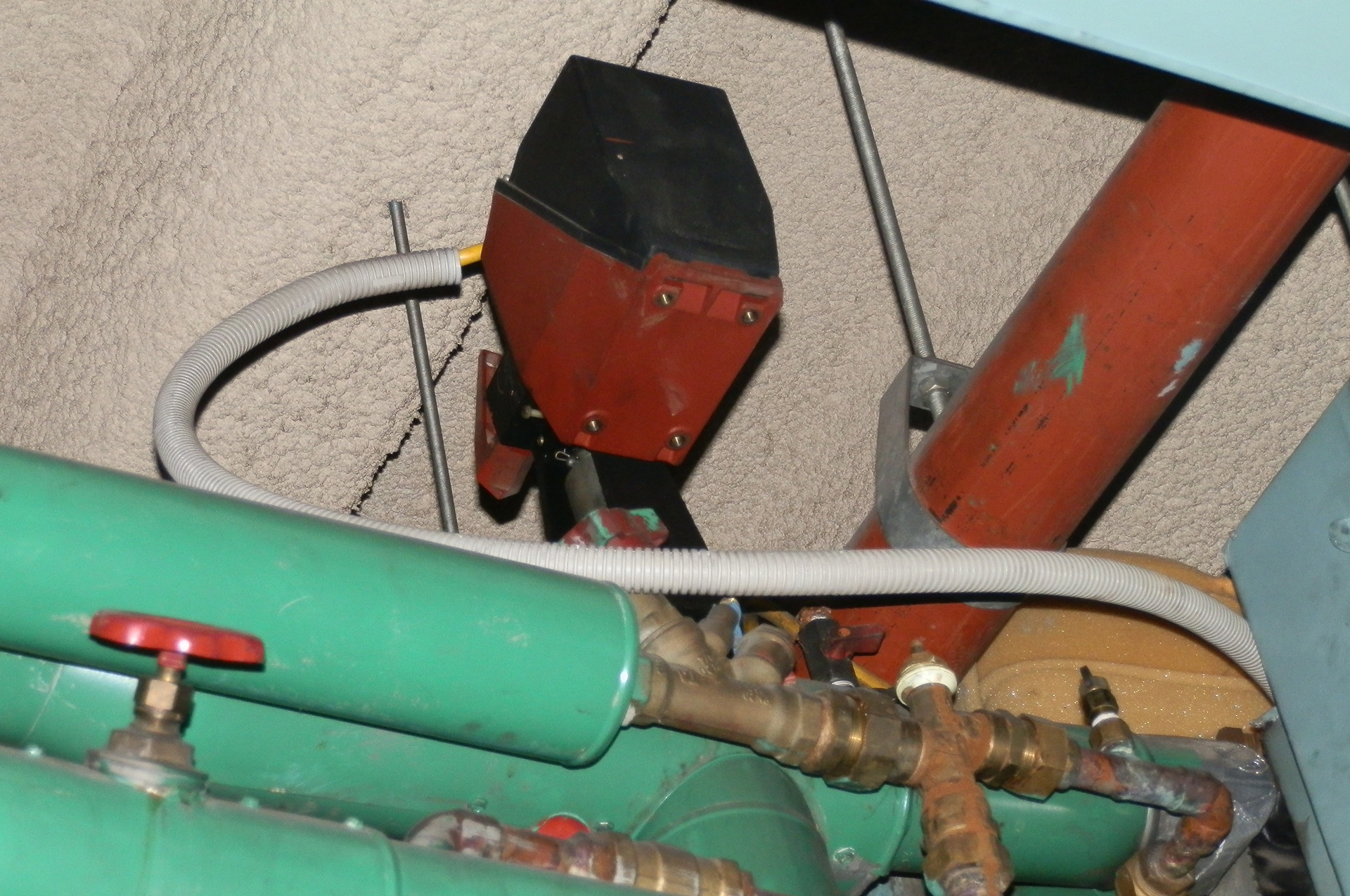
In many cases, the underlying issue is not a software fault at all. We regularly discover failed sensors, incorrectly installed actuators, damaged field wiring, communication faults, mechanical equipment operating outside its design parameters, undocumented alterations, or control strategies that have been repeatedly modified to solve one problem while unintentionally creating another elsewhere in the building.
Without understanding these relationships, commissioning can quickly become little more than trial and error.
Our approach is to treat every existing building as an engineering investigation. We identify what has changed, determine what is preventing the building from operating as intended, document the findings, and develop a logical pathway towards a safer, more efficient, more compliant and more maintainable Building Management System.
Only once those underlying issues are understood does meaningful commissioning begin.
Project Recovery & Independent Commissioning
Not every Building Management System project reaches practical completion as originally intended.
Projects can lose momentum for many reasons. Contractors change, project teams move on, documentation becomes incomplete, building ownership changes, budgets tighten, or operational priorities shift. In occupied buildings, commissioning activities may also be delayed while critical services remain online or tenant requirements take precedence.
By the time WR8Tech is engaged, it is often unclear whether the underlying issues are related to the Building Management System, the mechanical or electrical installation, network communications, field devices, documentation, or simply a loss of project knowledge over time.
Our first step is not to recommend replacing the existing system.
Instead, we undertake an independent engineering assessment to establish the current state of the project, identify what has been completed, determine what remains outstanding, and understand why progress has stalled.
Depending on the project, this may involve reviewing commissioning records, validating field devices, assessing network communications, testing mechanical and electrical interfaces, reviewing sequences of operation, verifying software revisions, and evaluating compliance with the project specification.
We are regularly engaged to assist with:
- Independent commissioning reviews
- Project recovery and completion
- Legacy Building Management Systems
- Defect identification and resolution
- Practical completion support
- Commissioning verification
- Handover documentation
- Contractor transition and knowledge transfer
- Independent technical due diligence
In many cases, the existing Building Management System is fundamentally sound. The challenge lies in identifying the relatively small number of technical, operational or documentation issues preventing the project from reaching a successful conclusion.
Our objective is to provide building owners, project managers and facility teams with a clear understanding of the current state of the system, practical recommendations for completing the work, and confidence that the completed installation will operate safely, reliably and as intended.
Independent Commissioning
Large commercial building projects involve many stakeholders, each with legitimate responsibilities and different project objectives.
Consulting engineers are responsible for protecting the design intent. Builders are focused on programme and practical completion. Mechanical, electrical and controls contractors are responsible for delivering their contracted scope of works, while building owners and facility management teams are ultimately responsible for operating the building for many years after the project has finished.
An independent commissioning engineer provides a technical perspective that sits outside those individual commercial interests.
Our role is not to determine who is right or wrong, nor to advocate for a particular contractor, manufacturer or Building Management System platform. Our responsibility is to assess the building as an integrated system, verify that the installed works achieve the required operational outcomes, and provide clear, evidence-based engineering advice.
This independent approach is particularly valuable on complex projects involving multiple contractors, staged refurbishments, occupied buildings, legacy infrastructure or integrated building systems where responsibilities may overlap.
WR8Tech regularly provides independent commissioning support to building owners, asset managers, property managers, consulting engineers, project managers and principal contractors who require an experienced technical partner focused on one outcome: delivering a building that performs safely, reliably and in accordance with the project’s operational objectives.
Commissioning Occupied Buildings
Commissioning an occupied commercial building requires far more than technical expertise. It requires a thorough understanding of how the building supports the people and organisations operating within it.
Unlike new construction projects, occupied buildings continue to serve their primary purpose throughout the commissioning process. Office workers continue to work, hospitals continue to treat patients, courts continue to hear matters, aged care facilities continue to care for residents, data centres continue to operate, and critical building services must remain available at all times.
For many facilities, even a brief interruption to heating, cooling, ventilation or life safety systems may have operational, contractual or regulatory consequences.
Every building presents its own operational risks.
In healthcare facilities, patient comfort, infection control and specialised medical equipment may place strict limits on how environmental conditions can be altered. Aged care facilities often require stable indoor temperatures to protect vulnerable residents. Legal precincts, police facilities and correctional environments operate within highly controlled security and occupancy requirements. Laboratories, pharmaceutical facilities and temperature-sensitive environments may require carefully managed commissioning sequences to avoid compromising equipment, research or stored materials.
Successful commissioning therefore begins with understanding the building before any technical work takes place.
This includes identifying critical plant, understanding tenant operations, consulting with facility management, reviewing operational constraints, assessing business continuity requirements and developing a commissioning strategy that minimises operational risk while still achieving the required engineering outcomes.
In many cases, commissioning activities are staged over multiple visits, coordinated with planned maintenance windows, or undertaken outside normal operating hours. However, timing alone does not eliminate risk. Effective commissioning depends on detailed planning, clear communication, stakeholder engagement and disciplined engineering practices throughout the project.
At WR8Tech, we recognise that commissioning is not simply about proving that equipment operates correctly. It is about delivering improved building performance while protecting the people, services and businesses that rely on the building every day.
Commissioning Experience Across Complex Commercial Buildings
Every building presents a different engineering challenge.
Some require the coordination of hundreds of field devices across multiple plant rooms. Others demand carefully staged commissioning to protect critical services, maintain tenant operations or minimise business disruption. In many occupied buildings, the technical challenges are only one part of the project. Stakeholder expectations, operational constraints and business continuity often become equally important considerations.
Over the past three decades, WR8Tech has commissioned, recommissioned and optimised Building Management Systems across a broad range of complex commercial environments, each with its own operational priorities.
Our experience includes large CBD hotels where hundreds of guest rooms, function facilities, commercial kitchens, restaurants, lobbies, back-of-house services and multi-level car parks all needed to operate as one coordinated building. Commissioning in these environments required careful sequencing to maintain guest comfort while minimising disruption to hotel operations.
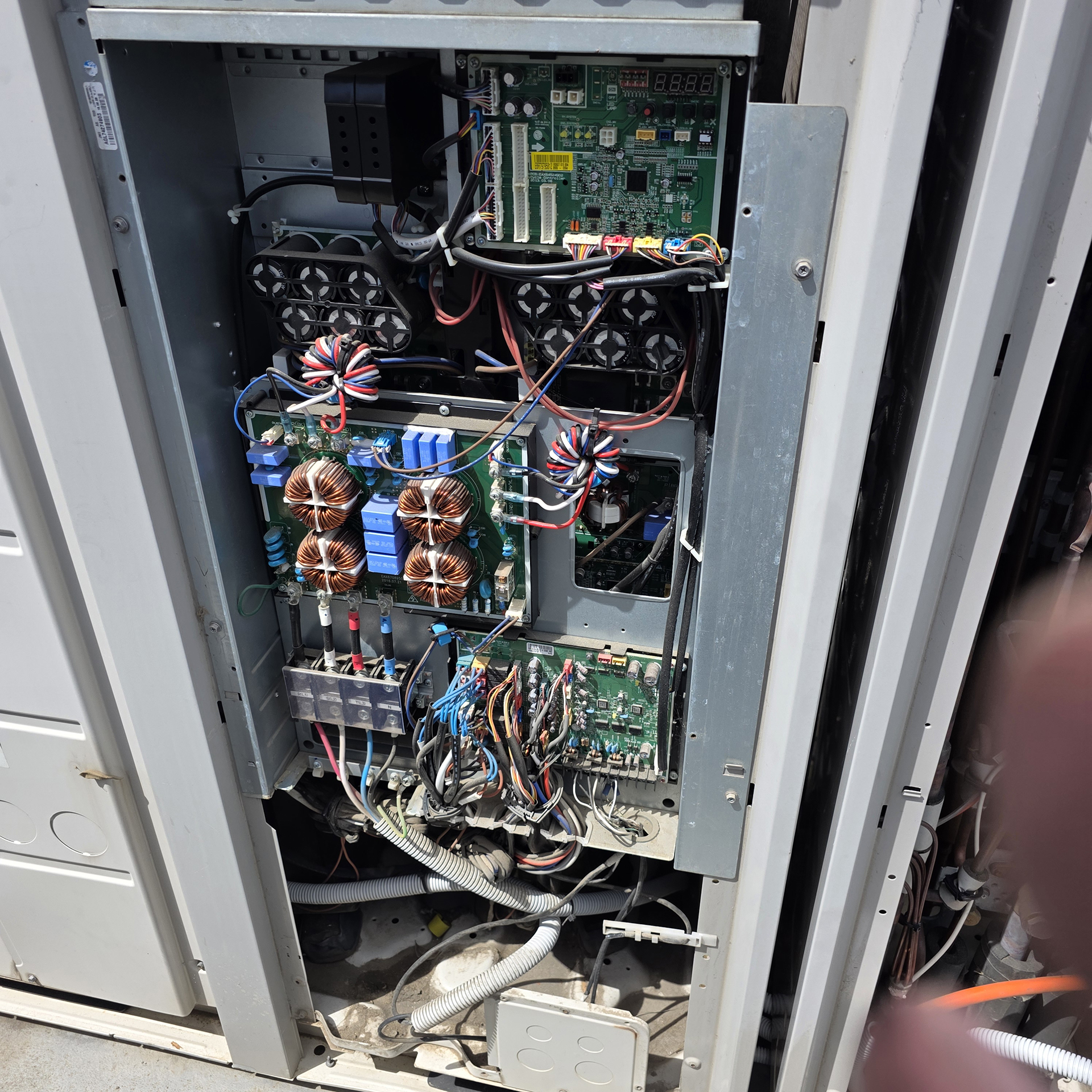
We have commissioned specialised healthcare environments, including hospital wards where environmental stability, patient comfort and the operation of VRV air conditioning systems under Building Management System supervision formed an important part of the building’s operational requirements.
In residential developments, we have commissioned large apartment buildings incorporating embedded energy networks, centralised water metering, electrical sub-metering, trend logging, reporting and tenant billing systems, ensuring accurate data collection and reliable long-term operation.
Our recommissioning experience includes complex chilled water plants where multiple chillers of different capacities and operating characteristics required revised staging strategies, coordinated pump operation and improved sequencing to maximise reliability and energy efficiency while maintaining redundancy for critical facilities.
We have delivered commissioning projects within occupied legal precincts where security requirements, sensitive court operations, lighting control, occupancy-based HVAC control and the expectations of multiple stakeholders required careful planning, extensive consultation and staged after-hours implementation.
Our experience also extends to large commercial office refurbishments where entire floors were progressively recommissioned while accommodating tenants operating around the clock, maintaining essential building services and integrating new systems with existing infrastructure.
For critical infrastructure, we have commissioned generator control systems serving healthcare facilities where multiple generators operated under automatic load management, staged starting sequences, redundancy strategies and Building Management System supervision to support continuity of essential services.
Although every project is different, they all share one common objective: delivering Building Management Systems that support reliable building operation, protect occupant comfort, improve maintainability and provide building owners with confidence that their systems will perform when required.
It is this breadth of real-world commissioning experience across occupied, operational and technically complex buildings that shapes the engineering approach we bring to every project.
Building Systems We’ve Commissioned & Integrated
Building Management Systems rarely operate in isolation.
Their real value comes from coordinating the many specialised systems that allow a commercial building, healthcare facility, industrial site or critical infrastructure project to operate safely, efficiently and reliably.
Over the past three decades, WR8Tech has commissioned and integrated a diverse range of building services, mechanical systems, electrical infrastructure and specialist process equipment across some of Australia’s most demanding environments.
HVAC & Mechanical Services
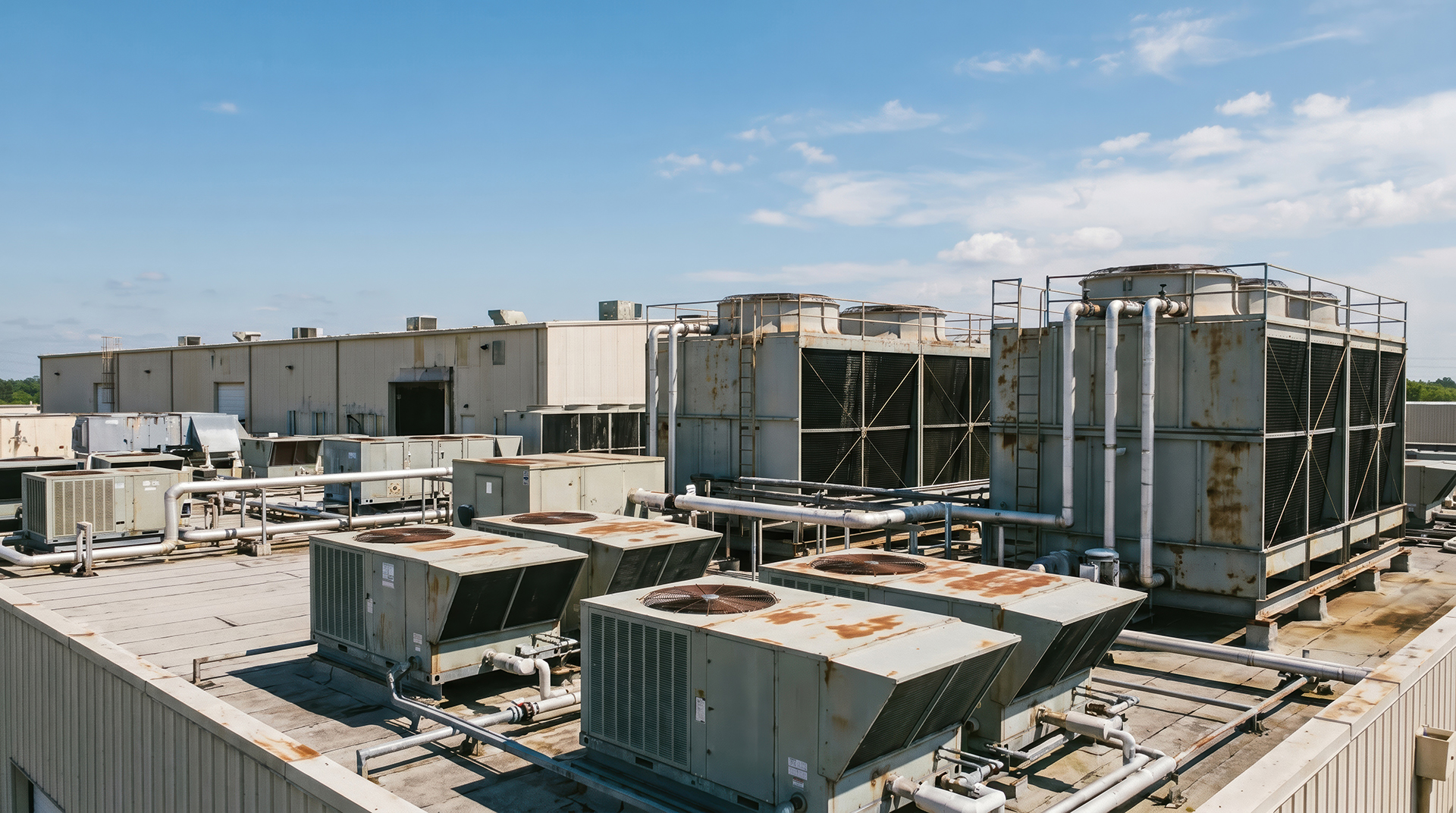
Our experience includes central chilled water plants, cooling towers, boilers, air handling units, variable air volume (VAV) systems, fan coil units, package air conditioning, VRV/VRF systems, car park ventilation, smoke exhaust systems, stair pressurisation, kitchen exhaust, toilet exhaust, outside air systems, economy cycles, heat recovery and energy optimisation strategies.
Building Management & Control Systems
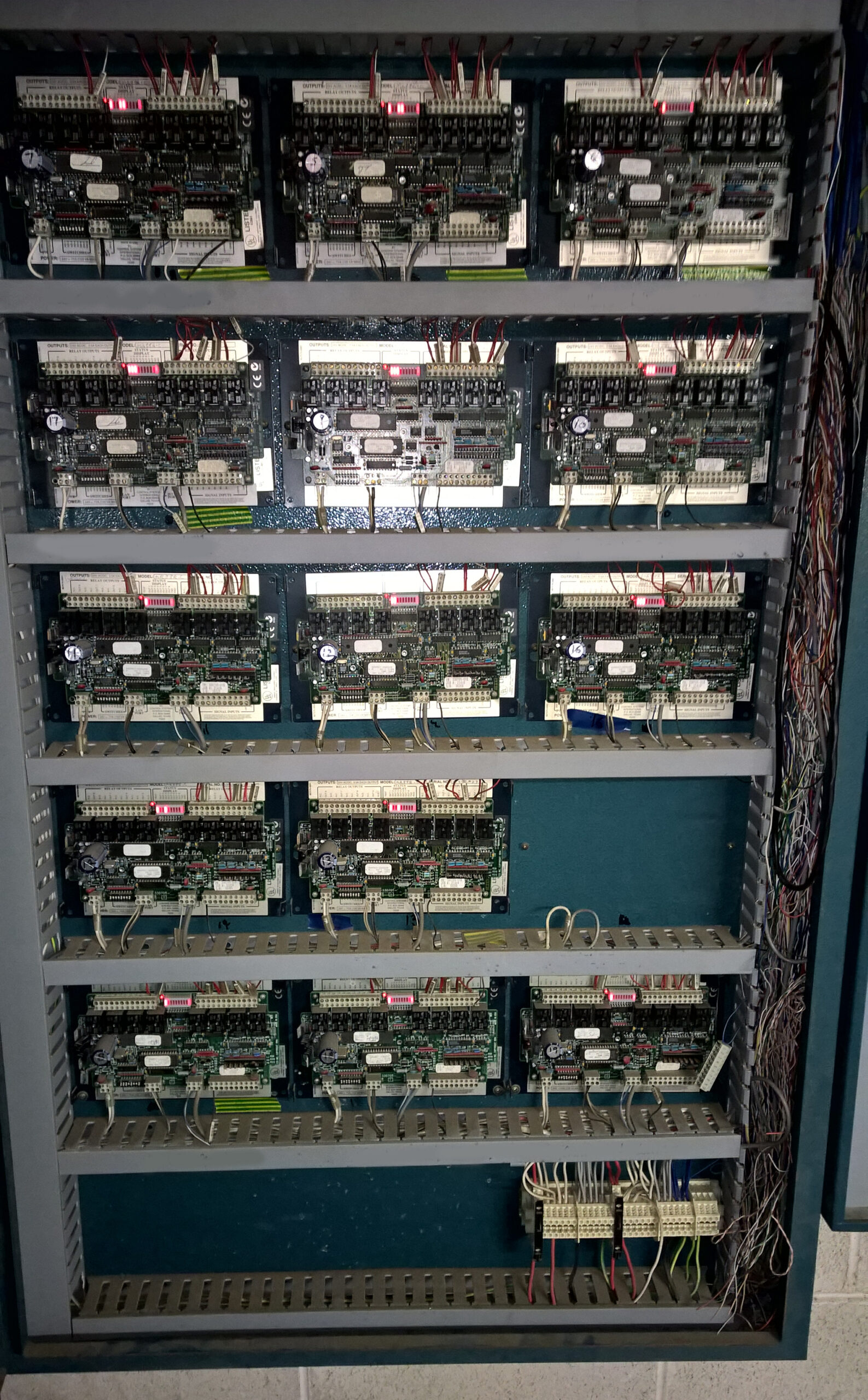
We have commissioned Building Management Systems across new installations, major refurbishments and existing operational buildings, including BACnet, Modbus, Niagara Framework, legacy control systems, energy metering, trend logging, alarm management, graphics, scheduling, remote monitoring and integrated reporting.
Mechanical & Electrical Infrastructure
Our commissioning experience extends to Mechanical Services Switchboards (MSSBs), motor control centres, Variable Speed Drives (VSDs), pump control systems, cooling tower water treatment, biocide dosing systems, town water pumping systems, essential services switchboards, generator sequencing, load management and standby power systems.
Fire & Life Safety Interfaces
Building Management Systems frequently interact with critical life safety infrastructure. Our experience includes Fire Indicator Panels (FIPs), smoke control systems, smoke exhaust, stair pressurisation, fire mode operation, emergency ventilation systems, interface testing and commissioning of integrated building services supporting emergency operation.
Healthcare & Critical Environments
Healthcare facilities require stable environmental conditions and carefully managed engineering systems. Our experience includes specialist treatment areas, VRV integration, medical vacuum systems, critical temperature monitoring, generator control, environmental monitoring and infrastructure supporting continuous building operation.
We have also commissioned monitoring systems protecting temperature-sensitive evidence storage where historical trend data formed part of documented evidence supporting legal proceedings.
Commercial Buildings & Occupied Facilities
Our commissioning experience includes CBD office towers, hotels, shopping centres, residential apartment developments, legal precincts, government facilities, defence projects and occupied commercial buildings where commissioning had to be carefully staged to maintain tenant operations and minimise disruption.
Environmental & Process Control
Not every control system operates within a commercial office building.
Our engineering experience extends to agricultural and research facilities where environmental conditions directly influence biological processes. These projects included automated greenhouse control incorporating soil moisture monitoring, humidity control, irrigation, heating, roof ventilation, solar shading, plant support systems and remote telemetry, allowing environmental conditions to be monitored and adjusted from remote locations.
Utility Monitoring & Data Integrity
Our experience also includes utility metering, water monitoring, environmental reporting and long-term trend logging where recorded data has supported operational decision-making, regulatory compliance and legal proceedings.
Across every project, regardless of size or industry, our focus remains the same: understanding how individual systems interact, verifying that they operate as an integrated whole, and delivering practical engineering outcomes that improve reliability, efficiency and long-term building performance.
Better Commissioning. Better Buildings.
Building Management System commissioning is about far more than testing inputs and outputs or proving that equipment can be started and stopped.
It is the process of bringing together mechanical services, electrical infrastructure, specialist systems and operational requirements into a building that performs as a coordinated whole.
Whether the project involves a new development, an occupied refurbishment, a Building Management System upgrade or the recovery of a complex commissioning project, the objective remains the same: delivering a building that is safe, reliable, energy efficient and straightforward to operate.
At WR8Tech, we combine practical experience in commercial HVAC, electrical systems, Building Management Systems and complex building integration to help building owners and project teams achieve that outcome.
Because successful commissioning is not measured on the day of practical completion.
It is measured by how well the building performs for the years that follow.