
Commercial Lighting Control, Building Automation & Smart Lighting Systems
Reduce Energy Costs. Improve Tenant Comfort. Build a Smarter Commercial Building.
Lighting is one of the largest consumers of electricity in most commercial buildings. Yet many offices, shopping centres, hotels, warehouses and commercial facilities continue to operate lighting systems exactly as they were designed decades ago. Entire floors remain illuminated when only a handful of people are present, common areas operate at full lighting levels around the clock, and opportunities to reduce energy consumption are often overlooked.
At WR8Tech, we help building owners, property managers and facility managers optimise the way their lighting systems operate. Sometimes this involves new technology, but quite often the greatest savings come from making better use of the infrastructure that already exists.
We design, install and integrate intelligent lighting control systems that reduce operating costs, improve occupant comfort and enhance overall building performance. Whether you require a simple lighting upgrade, occupancy sensors, emergency lighting modernisation or a fully integrated Building Management System (BMS), WR8Tech can deliver a practical solution tailored to your building.
Our approach is simple.
We don’t just install lighting controls.
We look at how the entire building operates and develop strategies that deliver measurable long-term savings.
Why Upgrade Your Lighting Controls?
Many commercial buildings still rely on outdated switching arrangements that no longer reflect how modern workplaces operate.
It is common to find:
- Entire office floors controlled by a single lighting circuit.
- Lights operating continuously in unoccupied areas.
- Emergency and exit lighting circuits mixed with general lighting circuits.
- Poor lighting zoning that limits operational flexibility.
- No occupancy sensing.
- No after-hours scheduling.
- No daylight harvesting.
- No integration with Building Management Systems.
- No visibility of lighting energy consumption.
- Lighting systems operating independently of HVAC and access control systems.
The result is unnecessary electricity consumption every day of the year.
Modern lighting control systems provide building owners with significantly greater flexibility. By controlling lighting according to occupancy, daylight levels, operating hours and tenant requirements, commercial buildings can reduce energy costs while improving occupant comfort and extending the life of lighting equipment.
Perhaps most importantly, modern lighting control systems provide valuable operational data that allows building owners to better understand how their buildings are actually being used.
Our Commercial Lighting Control Services
WR8Tech provides complete lighting control and building automation solutions including:
- Commercial lighting control design
- Lighting zoning and circuit redesign
- Occupancy and motion sensor installation
- Time scheduling
- Daylight harvesting
- Lux sensor control
- Façade lighting automation
- Blind and shade control
- Emergency and exit lighting upgrades
- IoT emergency lighting systems
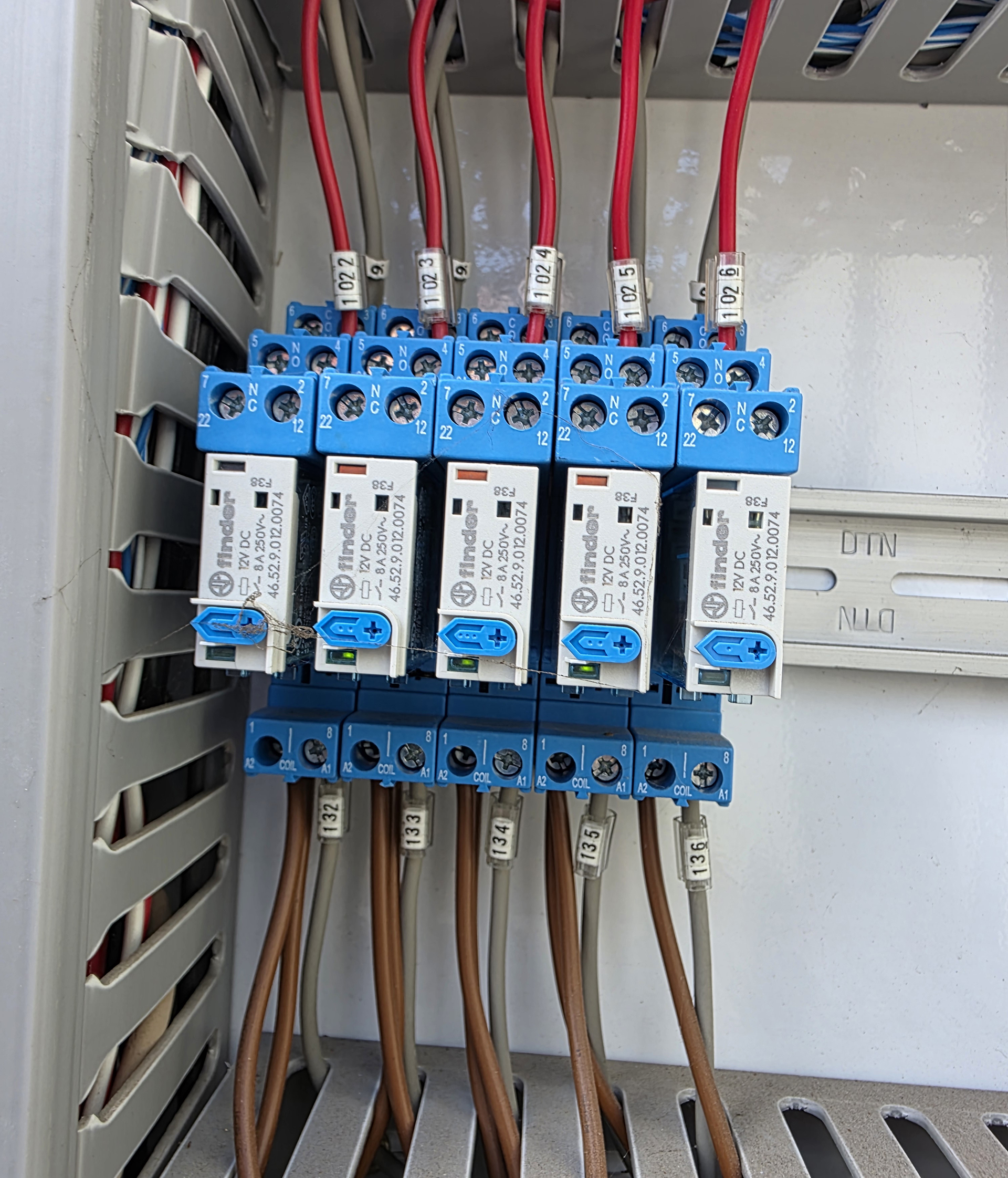
- Lighting control contactors and switchboards
- Building Management System (BMS) integration
- Building automation programming
- Energy monitoring
- Existing lighting system upgrades
- Lighting control fault finding
- Energy optimisation studies
We work across commercial offices, hotels, shopping centres, healthcare facilities, education, industrial buildings, strata properties, government buildings and mixed-use developments throughout Australia.
Lighting Control Strategies
Every building is different.
The most effective lighting control strategy is one that reflects how the building is actually used rather than how it was originally designed.
At WR8Tech we review building occupancy, tenant requirements, operating hours, energy consumption and existing infrastructure before recommending the most appropriate control strategy.

Lighting Zoning
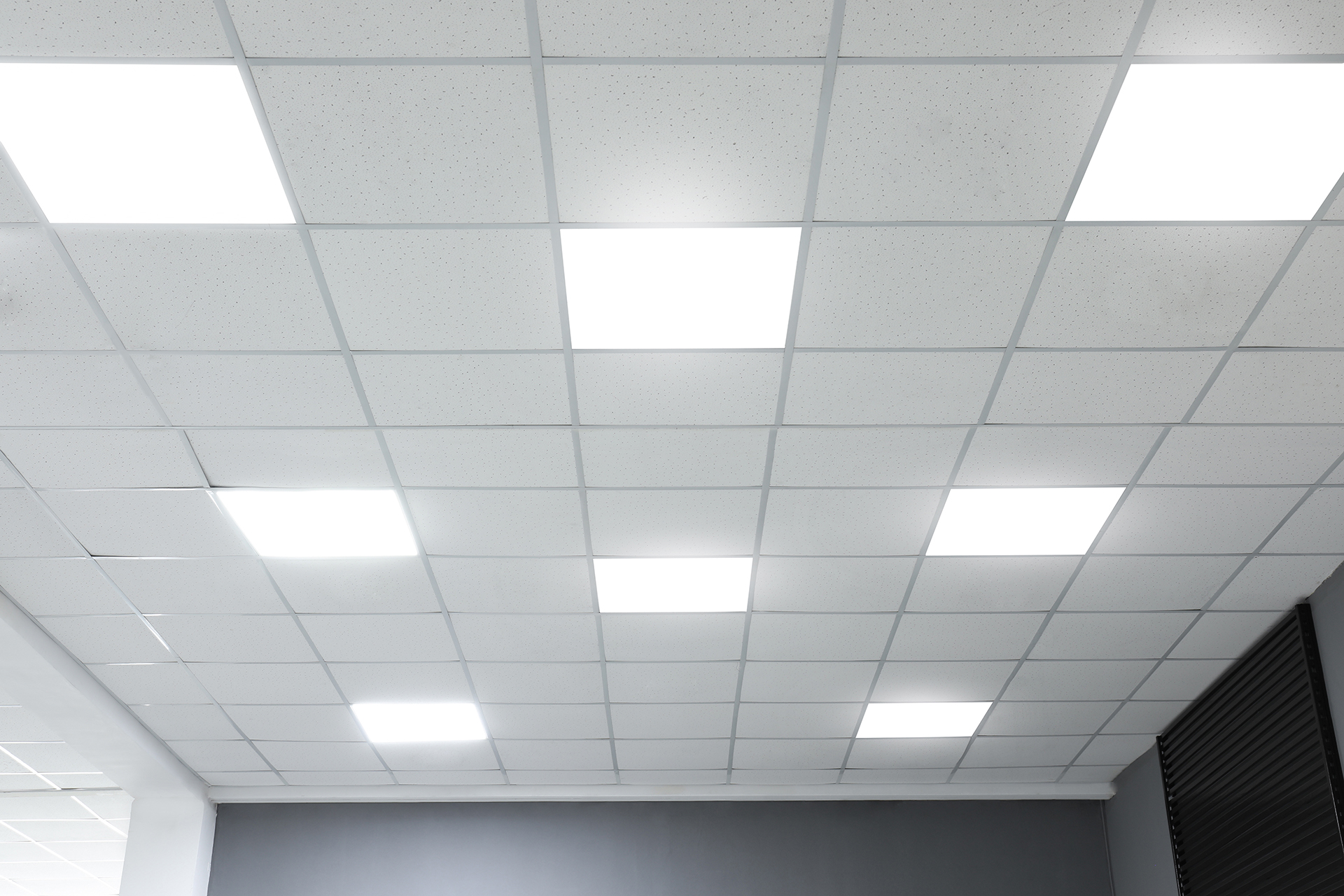
Lighting zoning is often the simplest and most cost-effective improvement that can be made to an existing commercial building.
Rather than controlling an entire tenancy or floor from one switch, lighting circuits are divided into functional areas that can operate independently.
Typical lighting zones include:
- Reception
- Open office
- Meeting rooms
- Amenities
- Kitchenettes
- Storage areas
- Corridors
- Lift lobbies
- Plant rooms
- After-hours work areas
Good zoning allows building operators to illuminate only those areas that are actually required.
In many older buildings, simple lighting rezoning can produce significant reductions in electricity consumption without replacing a single light fitting.
Time Scheduling
Not every part of a commercial building needs to operate twenty-four hours a day.
Lighting schedules allow different areas of the building to operate according to business requirements.
Typical scheduled areas include:
- Reception
- Office accommodation
- Common areas
- Cleaning contractor access
- Tenant after-hours access
- Weekend operation
- Public holidays
- Plant rooms
- Building signage
Schedules may be managed through dedicated lighting controllers or fully integrated into the Building Management System, allowing facility managers to make adjustments remotely as building operations change.
Occupancy Sensors
Occupancy sensors automatically switch lighting on when people enter a space and switch it off after a programmable period of inactivity.
This simple technology eliminates one of the largest sources of wasted electricity—lights remaining on after people have left.
Occupancy sensing is particularly effective in:
- Meeting rooms
- Toilets
- Storerooms
- Utility rooms
- Plant rooms
- Car parks
- End-of-trip facilities
- Archive storage
- Cleaner rooms
The timing delays can be adjusted to suit the purpose of each area, ensuring occupants are never inconvenienced while unnecessary operating hours are eliminated.
Daylight Harvesting
Natural daylight is one of the most under-utilised energy resources in commercial buildings.
Daylight harvesting systems use lux sensors to continuously monitor available natural light and automatically adjust artificial lighting levels throughout the day.
Buildings with large areas of glazing can often achieve substantial reductions in electricity consumption simply by allowing daylight to do part of the work.
This strategy is particularly effective for:
- East-facing offices
- West-facing offices
- North-facing glazing
- Atriums
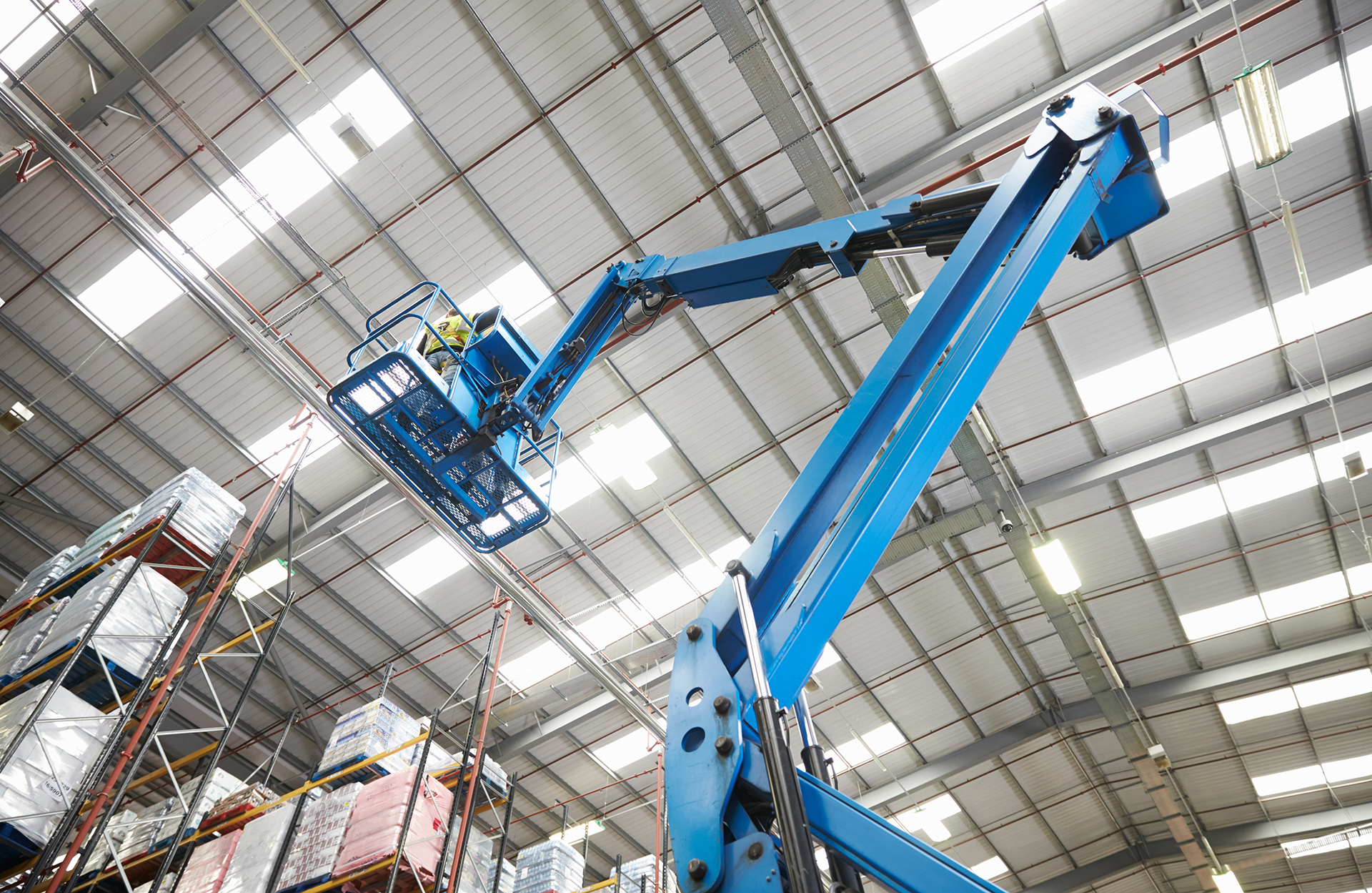
- Warehouse skylights
- Retail frontages
- Open-plan offices
Rather than operating lighting at 100% output throughout the day, daylight harvesting allows lighting levels to respond automatically to changing external conditions while maintaining a comfortable working environment.
Façade Lighting Control
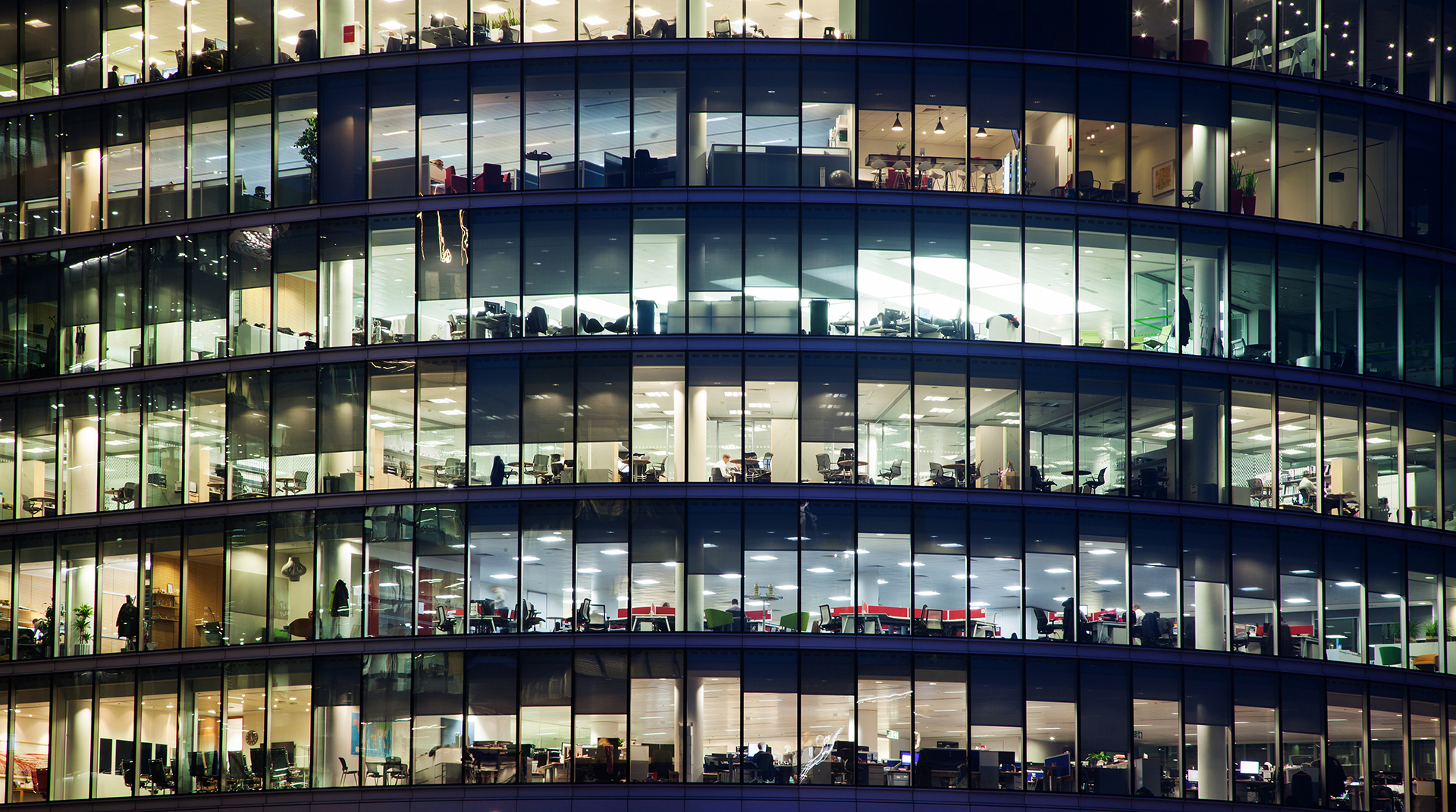
Architectural and façade lighting contributes significantly to the presentation of a commercial building, but it should never operate longer than necessary.
Modern lighting controllers can automatically respond to:
- Sunrise
- Sunset
- Ambient light levels
- Seasonal changes
- Time schedules
- Public holidays
Applications include:
- Building entrances
- Architectural lighting
- Landscape lighting
- Car parks
- External pathways
- Signage
- Feature lighting
Automating façade lighting not only reduces operating costs but also improves consistency by ensuring lighting always operates at the appropriate time.
Blind and Shade Control
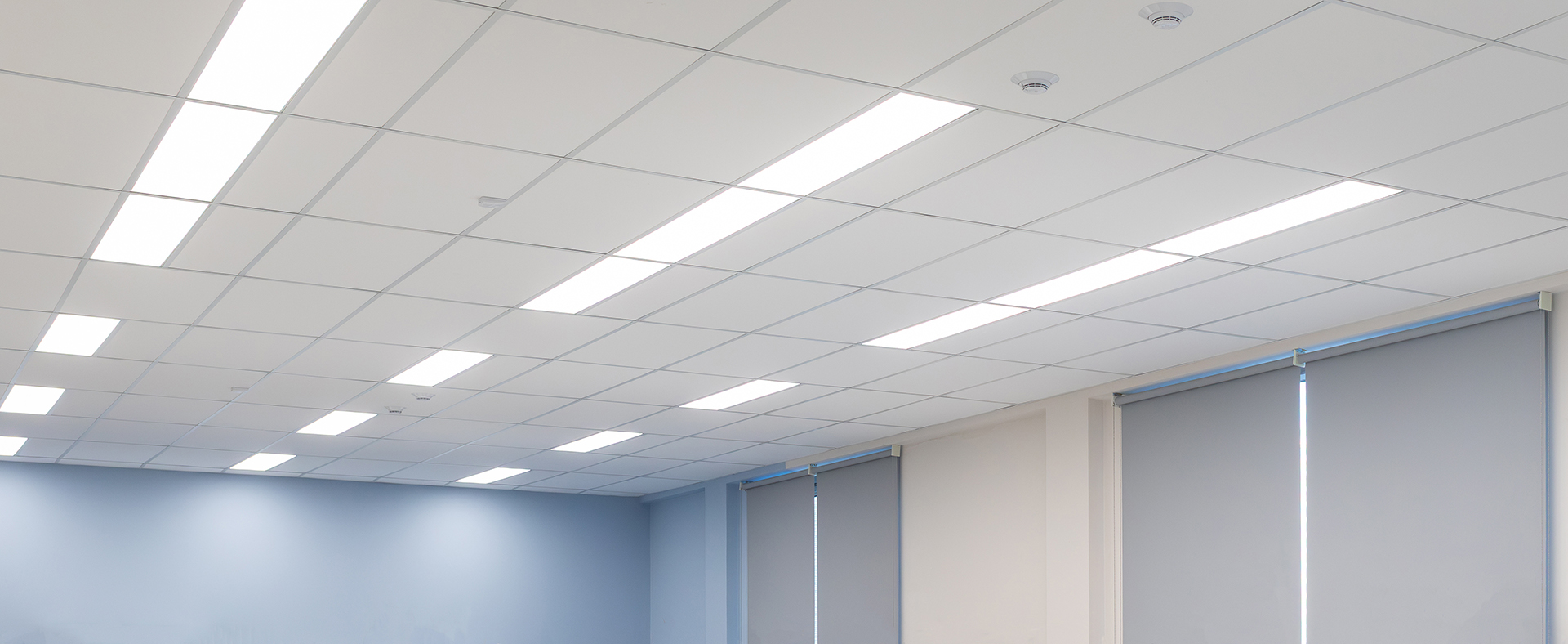
Lighting control becomes even more effective when integrated with automated blinds and shading systems.
During summer months, blinds can automatically reduce solar heat gain, lowering the cooling demand on air-conditioning systems.
During winter, automated blinds help retain internal heat while still allowing natural daylight to reduce artificial lighting demand.
When lighting, blinds and HVAC systems work together through the Building Management System, the entire building becomes more energy efficient while providing improved occupant comfort throughout the year.
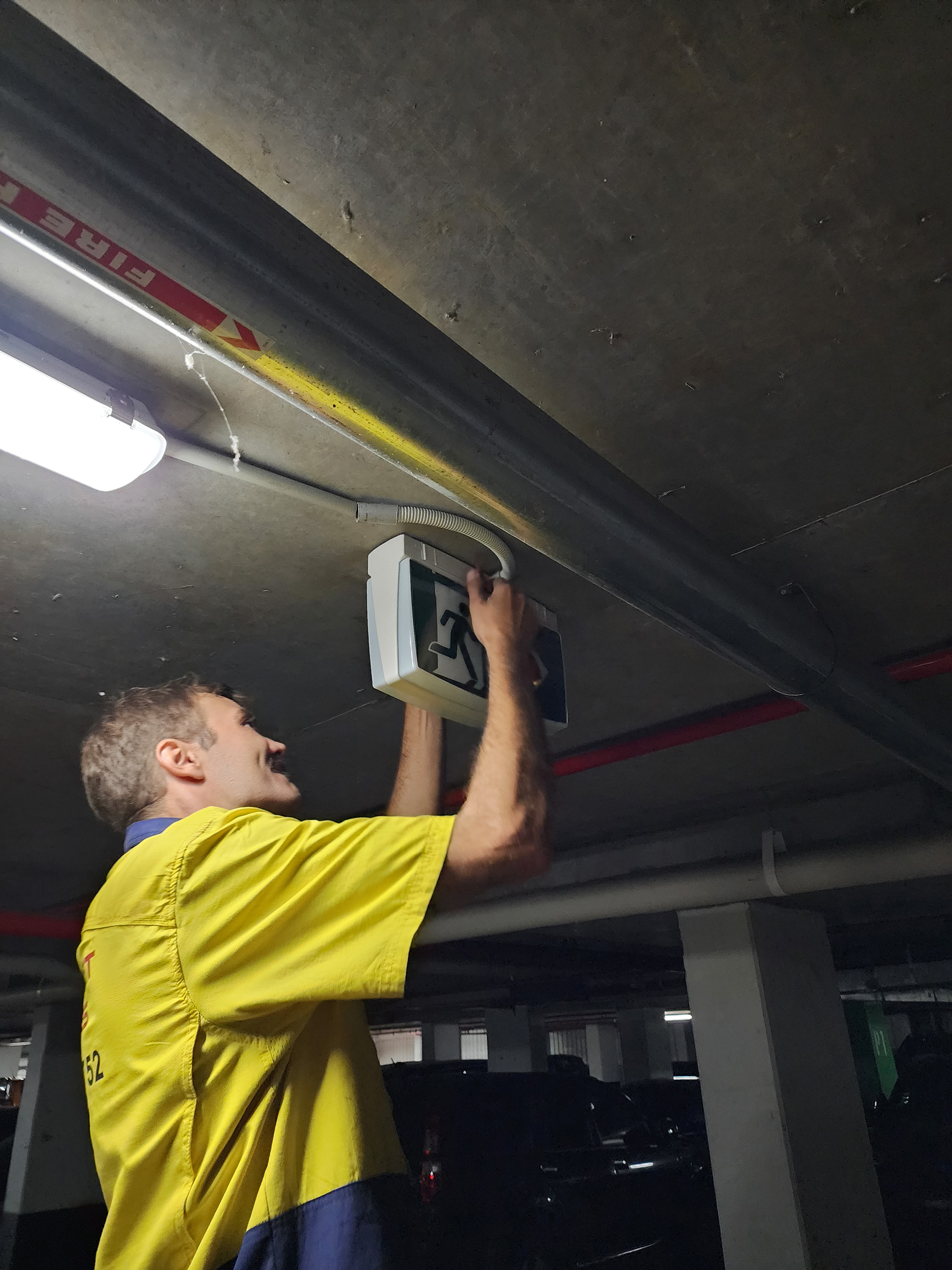
Emergency & Exit Lighting Systems
Emergency and exit lighting is one of the most important life safety systems within any commercial building.
Unlike general lighting, emergency lighting must continue operating during a mains power failure, providing occupants with a safe means of evacuation while assisting emergency services during an incident.
Unfortunately, many older buildings still have emergency lighting circuits mixed with general lighting circuits, making maintenance more complicated and increasing the potential for compliance issues.
WR8Tech assists building owners with:
- Emergency lighting upgrades
- Exit lighting upgrades
- LED emergency lighting conversions
- Separation of emergency and general lighting circuits
- Emergency lighting switchboard modifications
- Fault finding and repairs
- Compliance improvements
- Integration with Building Management Systems where appropriate
Emergency lighting technology has changed significantly in recent years.
Many modern emergency and exit lighting systems now utilise Internet of Things (IoT) technology, allowing individual luminaires to communicate across a building network and automatically report their operating status.
These intelligent systems can provide automatic self-testing, battery condition monitoring, real-time fault notifications, cloud-based compliance reporting, maintenance scheduling and remote diagnostics.
For organisations managing multiple buildings or large property portfolios, IoT emergency lighting reduces manual testing, improves compliance visibility and allows maintenance teams to identify failed fittings long before the next scheduled inspection.
Emergency lighting is no longer just a compliance requirement—it has become another valuable source of building intelligence.
Lighting Control and Building Management Systems
Lighting should never be viewed as a standalone system.
The greatest opportunities for energy savings and operational efficiency are achieved when lighting is integrated with the other services that already exist within a commercial building.
WR8Tech specialises in integrating lighting with:
- Building Management Systems (BMS)
- HVAC systems
- Access control
- Security systems
- Car park ventilation
- Lift lobby controls
- Energy metering
- Solar generation
- Battery storage
- Demand management systems
- IoT building technologies
When these systems work together, the building begins to respond intelligently to occupancy, operating hours and environmental conditions rather than simply following fixed schedules.
For example, when the final occupant leaves a tenancy, the access control system can automatically trigger a sequence of energy-saving actions.
The Building Management System can:
- Turn off general lighting.
- Reduce air-conditioning to after-hours operation.
- Return ventilation systems to standby.
- Record after-hours energy consumption.
- Notify building management if abnormal energy use continues.
Similarly, meeting room booking systems, occupancy sensors and lighting controls can all communicate with the Building Management System, ensuring that energy is only consumed where it is actually needed.
The result is a smarter building that costs less to operate while improving comfort, sustainability and operational visibility.
💡 WR8Tech Insight
What We Found On Site
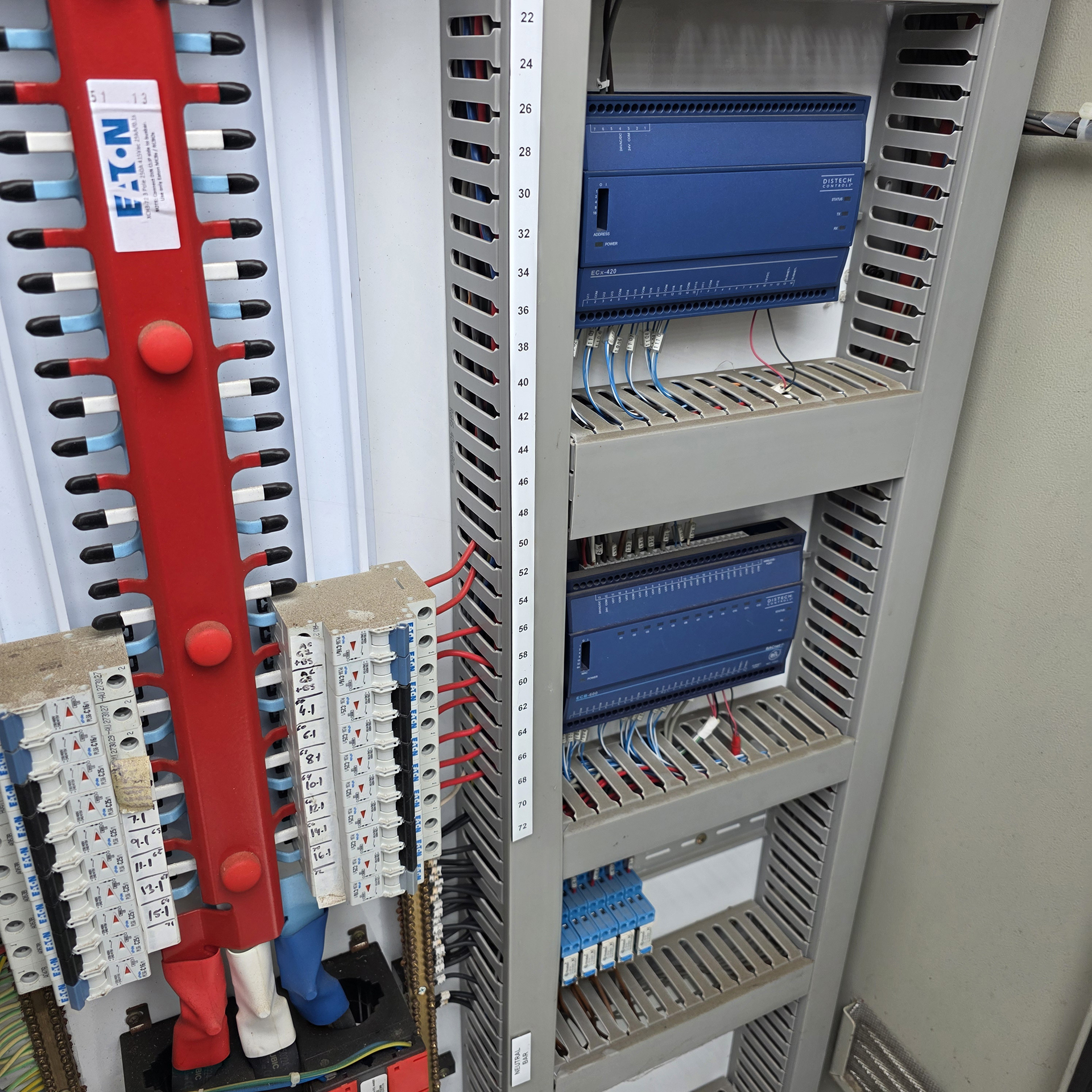
During routine Building Management System (BMS) maintenance at a commercial hotel in the Sydney CBD, our engineer noticed something that had been overlooked for many years.
The hotel already had a modern Building Management System, functional lighting contactors and serviceable switchboards. Everything was operating correctly, but the lighting control strategy had never evolved to match the way the hotel actually operated.
Like many older commercial buildings, entire lighting circuits remained energised regardless of occupancy, time of day or operational demand. Large areas of the building continued operating at full lighting levels even during periods of very low occupancy.
Rather than recommending an expensive lighting replacement project, we looked at how the existing infrastructure could be used more effectively.
Working with the hotel’s Chief Engineer, we reviewed the building’s operating patterns and redesigned several lighting circuits into two independently controlled zones. By making relatively minor modifications to the existing switchboards and Building Management System, approximately 50% of the lighting within selected areas could now be independently controlled.
This allowed the hotel to maintain full lighting during busy guest periods while reducing unnecessary energy consumption during quieter times.
For example:
- The main foyer operated at full lighting during peak guest arrival and departure periods.
- After approximately 10:00 pm, when reception staffing reduced overnight, around half of the foyer lighting was switched off while still maintaining a welcoming, safe and comfortable environment for guests.
- Common area corridors operated at reduced lighting levels between the morning check-out period (approximately 11:00 am) and afternoon check-in (approximately 2:00 pm), and again overnight between approximately 11:00 pm and 5:00 am.
None of these changes affected guest safety or hotel operations. The concierge remained available, circulation paths remained appropriately illuminated, and all life safety systems continued to operate exactly as intended.
The foyer alone achieved an electricity reduction of approximately 30% for that lighting area. Once these savings had been measured and verified, the hotel approved a staged lighting optimisation program throughout other areas of the building.
Importantly, the project required very little capital investment.
The existing Building Management System remained in place.
The existing switchboards remained in place.
The existing lighting contactors remained in place.
The existing lighting infrastructure remained in place.
Only relatively minor electrical modifications and BMS programming changes were required.
Because of this, the majority of the work was funded through the hotel’s existing Repairs and Maintenance budget rather than requiring a major capital expenditure submission.
Additional lighting improvements were then completed progressively over the following three months.
The overall return on investment was achieved in less than twelve months.
At the completion of the works, the Chief Engineer summed up the outcome with a simple question:
“Why didn’t we do this years ago?”
For WR8Tech, this project reinforced an important lesson.
Significant energy savings do not always begin with replacing equipment.
More often, they begin with understanding how a building actually operates.
By reviewing existing systems, questioning long-standing operating practices and making intelligent use of infrastructure that is already installed, commercial buildings can often achieve substantial reductions in operating costs without major capital investment.
Sometimes the smartest building upgrade isn’t installing something new.
It’s getting more from what you already own.


Understanding the Return on Investment
Commercial lighting control projects frequently deliver one of the fastest returns on investment of any building improvement initiative.
Unlike many capital upgrades, lighting optimisation often requires relatively modest investment while producing measurable reductions in electricity consumption from the day the system is commissioned.
Savings are typically achieved through:
- Reduced electricity consumption
- Lower maintenance costs
- Extended LED and driver life
- Reduced HVAC cooling loads
- Improved NABERS performance
- Lower carbon emissions
- Reduced after-hours operating costs
- Improved tenant satisfaction
- Better visibility of building energy use
Many commercial buildings already contain much of the infrastructure required to achieve these savings.
Existing switchboards, Building Management Systems, occupancy sensors and electrical distribution systems can often be adapted or reprogrammed rather than replaced.
By understanding how the building actually operates, WR8Tech can frequently identify opportunities that deliver significant operational savings while avoiding unnecessary capital expenditure.
Why Choose WR8Tech?
WR8Tech is more than an electrical contractor.
We are specialists in commercial building systems.
Our engineers understand how lighting interacts with Building Management Systems, HVAC services, electrical infrastructure, emergency lighting, access control, energy management systems and modern IoT technologies.
This broader understanding allows us to develop practical solutions that improve the performance of the entire building rather than treating each system independently.
Whether your project involves a simple lighting upgrade, emergency lighting modernisation, energy optimisation or a fully integrated smart building solution, our focus remains the same:
Understanding how your building operates.
Identifying opportunities for improvement.
Delivering practical solutions that provide measurable long-term value.
Technical Insight
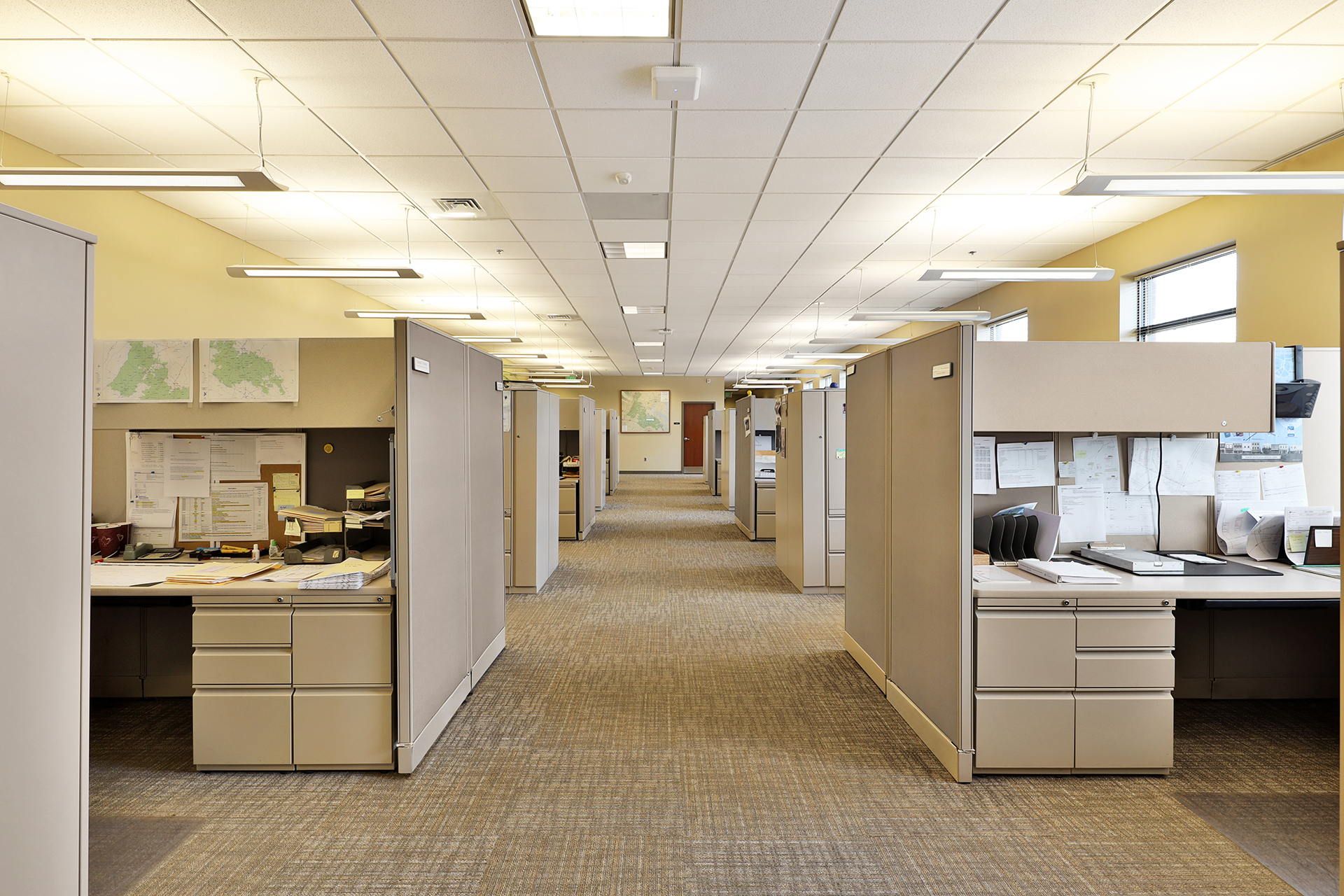
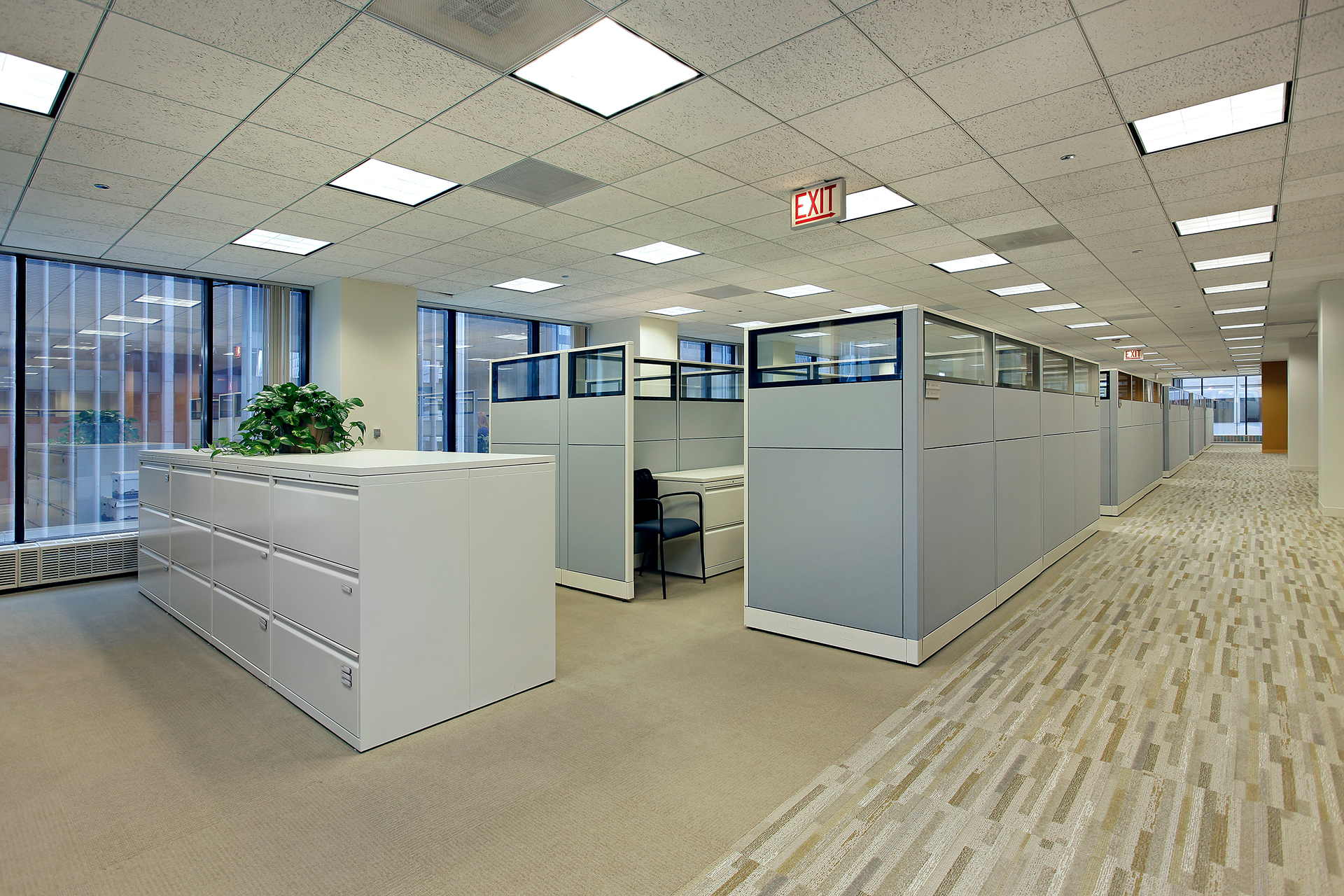
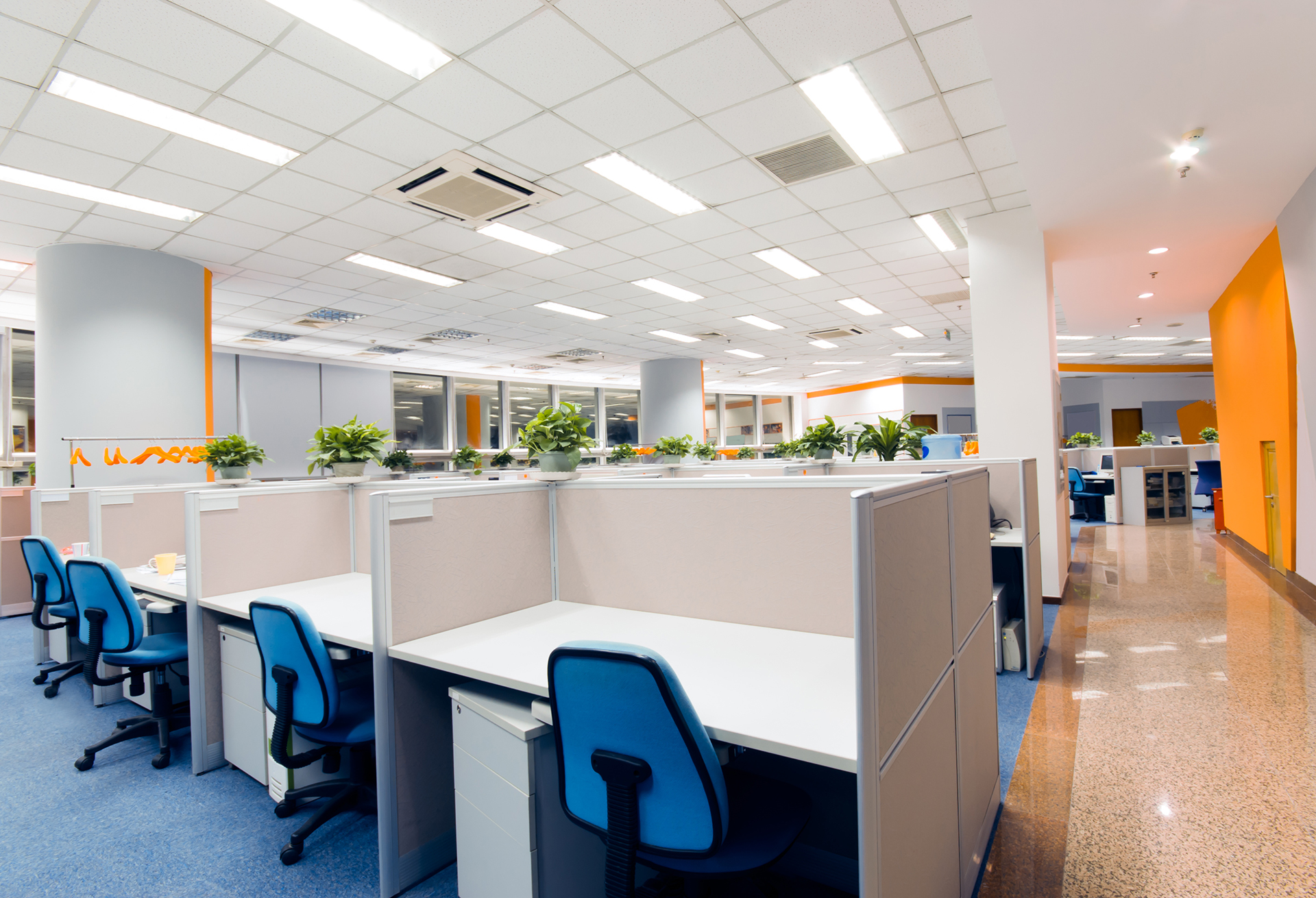
Lighting control is most effective when the office is divided into independent control zones. In this workspace, lighting located along the building perimeter can be controlled separately from the internal office areas, allowing perimeter fittings to dim or switch off when sufficient natural daylight is available through the external glazing. Interior zones continue to operate independently, maintaining consistent lighting levels throughout the workplace.
Additional energy savings are achieved by integrating occupancy sensors, after-hours scheduling and Building Management System (BMS) control. Rather than leaving every light operating from the first employee arriving until the last person leaves, intelligent lighting systems respond automatically to occupancy, daylight availability and business operating hours. The result is lower energy costs, improved occupant comfort and extended lighting system life.
This image also demonstrates a key WR8Tech design philosophy: integrating lighting with the overall building strategy. By coordinating LED lighting, daylight harvesting, occupancy sensing and BMS scheduling, commercial buildings can typically reduce lighting energy consumption by 30–60%, while creating a more comfortable and productive workplace for occupants.
Related Services
Lighting control is commonly integrated with:
The WR8Tech Difference
Most companies start by recommending new equipment.
We start by understanding the building.
Quite often, the biggest savings don’t come from replacing plant or installing expensive new technology.
They come from operating existing systems more intelligently.
Whether it’s lighting, Building Management Systems, HVAC controls, energy metering, emergency lighting or building automation, WR8Tech specialises in identifying practical opportunities to improve performance using the infrastructure you already own.
That’s the difference between simply maintaining a building and truly understanding how it works.