
Fire Systems & Life Safety Monitoring for Unsupervised Buildings
Monitoring, Compliance and Operational Visibility of Life Safety Systems via BMS
In unsupervised buildings, fire and life safety systems are among the most critical services requiring continuous monitoring and operational visibility. Unlike comfort-based systems such as HVAC, fire and life safety systems directly relate to occupant safety, compliance obligations and building risk management.
In unsupervised buildings, fire system faults often represent the highest operational risk, as they impact both life safety and statutory compliance simultaneously.
When buildings operate without on-site personnel, faults within fire systems may go unnoticed, creating compliance risks and potential safety concerns. Early detection and visibility of life safety systems become essential to maintaining safe and compliant building operation.
Fire Systems & Life Safety Monitoring via a Building Management System (BMS) provides centralised visibility, alarm management and operational awareness, allowing unsupervised buildings to operate safely and in accordance with compliance requirements.
At WR8Tech, we specialise in integrating fire and life safety systems into Building Management Systems, providing enhanced visibility and monitoring while maintaining the integrity of certified fire systems.
Why Fire System Monitoring Matters in Unsupervised Buildings
Fire systems are designed to operate automatically; however, faults and impairments can occur that may not be immediately visible without monitoring.
In unsupervised commercial buildings, common risks include:
- Fire panel faults
- Disabled zones
- Isolated detectors
- Fire pump faults
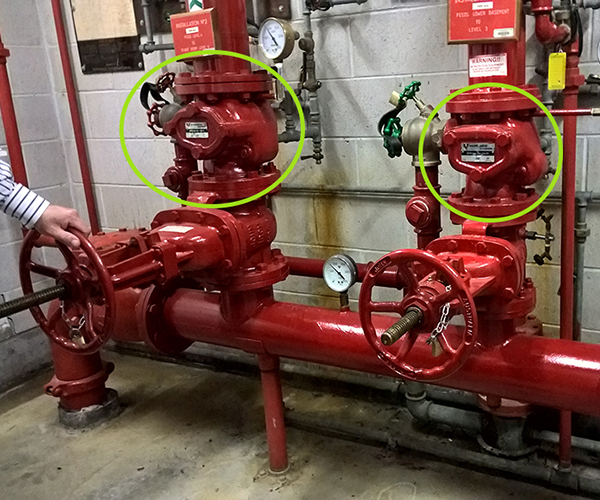
- Sprinkler valve closures
- VESDA faults
- Smoke exhaust system faults
- Stair pressurisation system faults
- Power supply failures
- Communication failures
Without monitoring, these issues may remain undetected, potentially impacting compliance and life safety readiness.
In many buildings without hydrant or sprinkler systems, fire protection contractors may only attend site quarterly, with major inspections occurring every six months in accordance with AS1851. In unsupervised buildings, this creates extended periods where faults may go undetected.
For property managers and building owners, this introduces operational and compliance risk, particularly in buildings operating without daily supervision.
Why This Matters for Property Managers
Fire system faults create immediate concern for tenants and building occupants. In unsupervised buildings, early notification allows property managers to respond proactively rather than reactively.
BMS fire system monitoring provides:
- Early notification of fire system faults
- Reduced compliance risk
- Improved operational visibility
- Reduced tenant concern
- Improved contractor coordination
- Reduced emergency call-outs
For property managers, this improves confidence that life safety systems remain operational and compliant, even when the building is unsupervised.
Fire Systems Typically Monitored
WR8Tech integrates a wide range of fire and life safety systems into the BMS, including:
- Fire indicator panels (FIP / FDCIE)
- VESDA systems
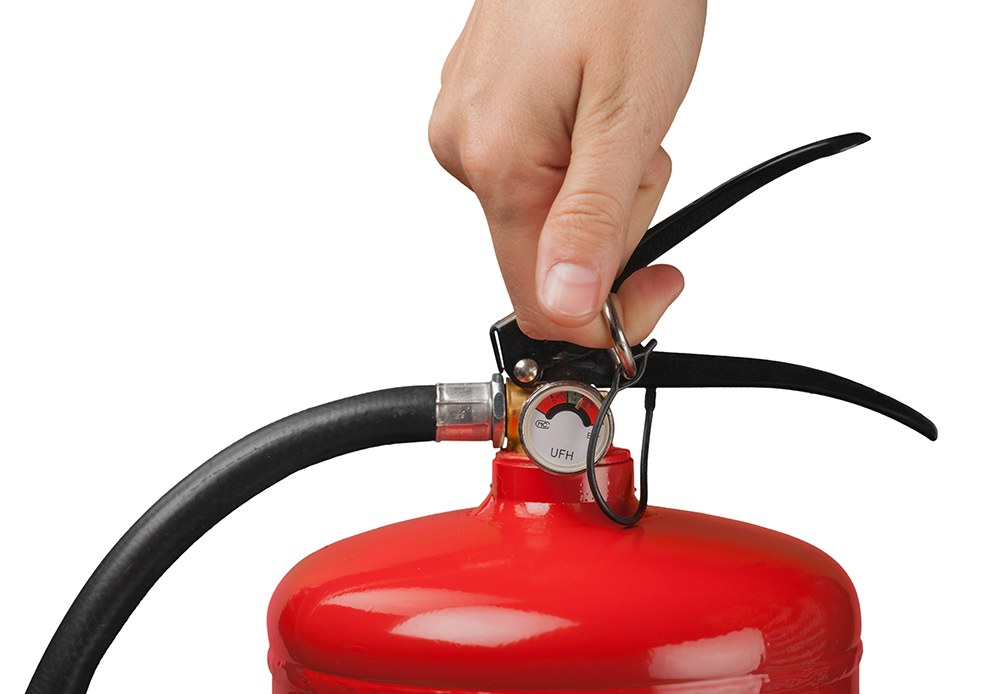
- Fire pumps
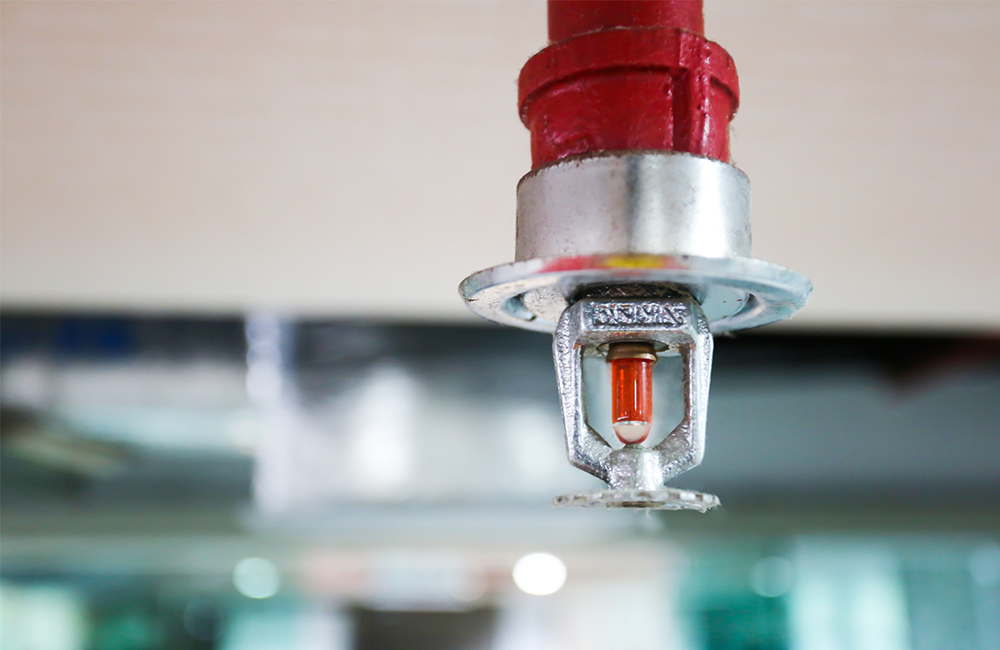
- Sprinkler systems
- Fire booster systems
- Smoke exhaust systems
- Stair pressurisation systems
- Fire fan systems
- Emergency power supply status
- Fire system fault outputs
This integration allows facility managers and property managers to gain operational visibility across critical life safety infrastructure.
Monitoring via High-Level Interfaces
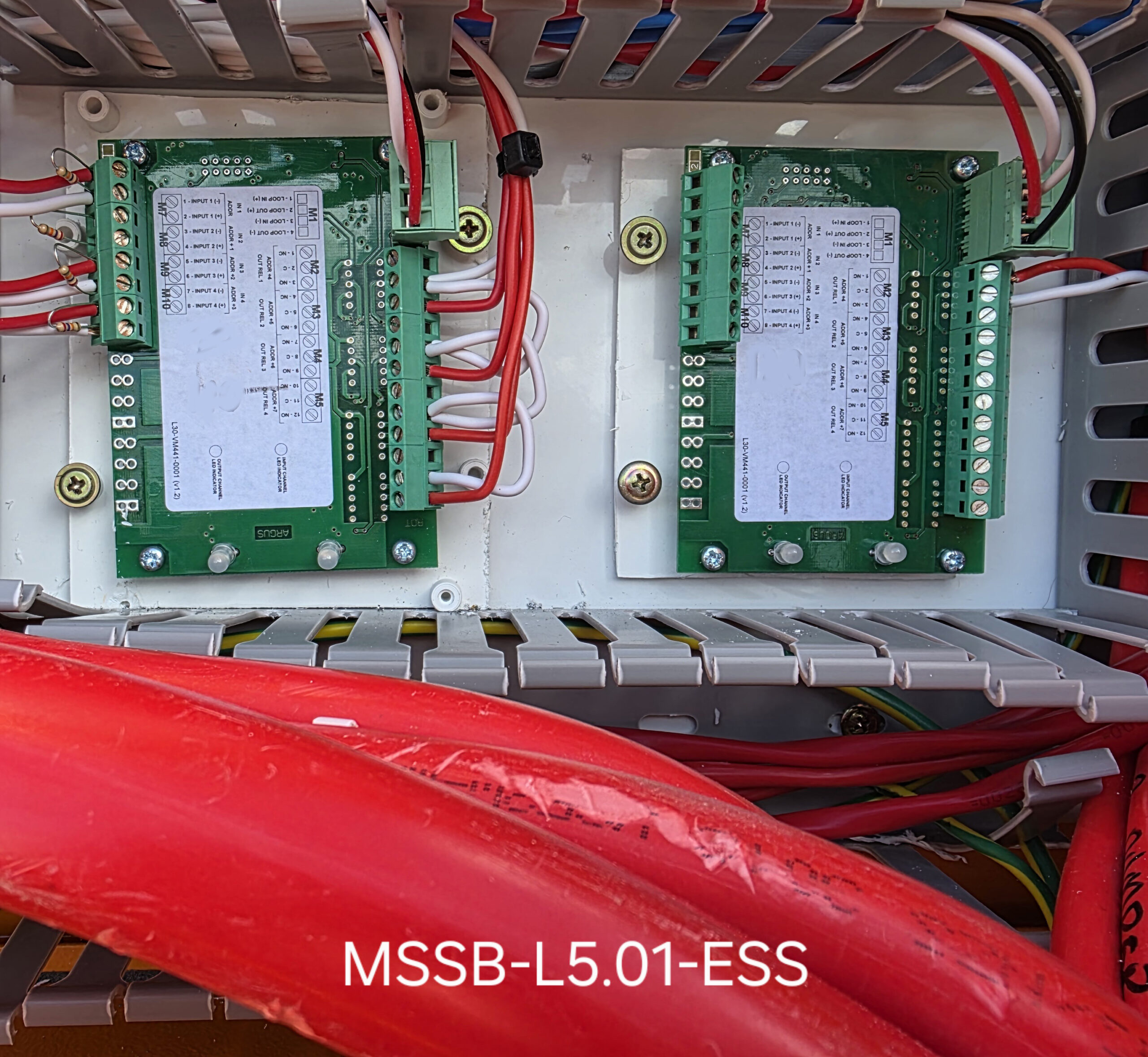
Where available, WR8Tech integrates fire and life safety systems using high-level communication interfaces. This provides enhanced visibility compared with traditional common fault contacts.
Common integration methods include:
- BACnet
- Modbus
- Hardwired common alarms
- Gateway interfaces
- Manufacturer-specific protocols
Through high-level integration, additional monitoring capability may include:
- Detailed fault information
- Zone-level alarm status
- System isolation monitoring
- Device-level fault monitoring (where available)
- Event logging
WR8Tech commonly implements these integrations using Tridium Niagara platforms, providing centralised monitoring and alarm management.

VESDA Monitoring
VESDA systems are commonly installed in critical environments such as:
- Data centres
- Communications rooms
- Electrical switch rooms
- Lift motor rooms
- Critical plant rooms
VESDA systems provide early smoke detection and are an important part of life safety infrastructure.
Monitoring VESDA via the BMS allows:
- Early fault detection
- Alarm visibility
- System health monitoring
- Notification of isolated zones
- Maintenance coordination
In unsupervised buildings, this early visibility is particularly valuable.
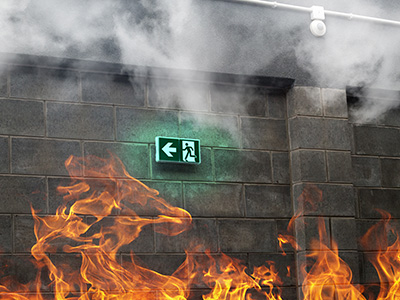
Fire Pump and Mechanical Life Safety Systems
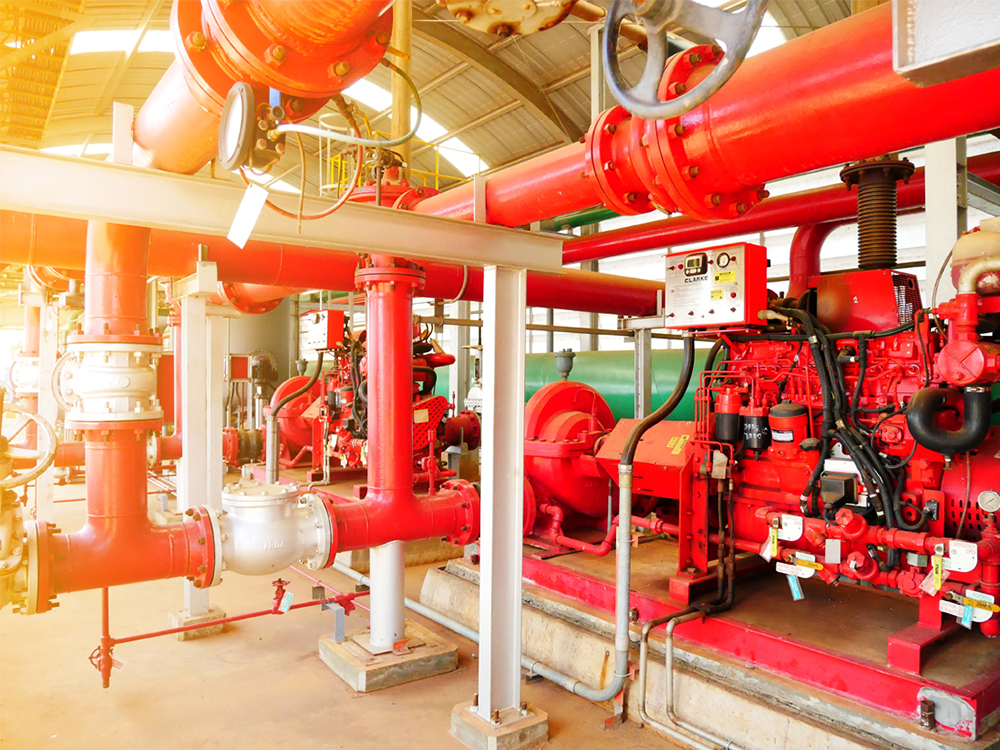
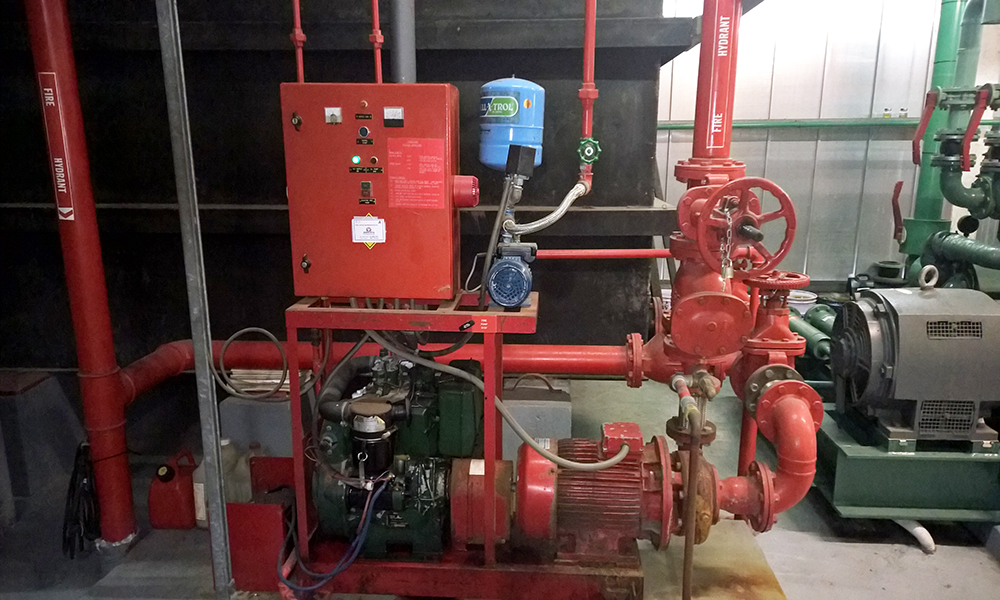
Fire pumps and associated mechanical life safety systems must remain operational and ready for emergency use. Monitoring these systems via the BMS improves operational awareness.
Systems typically monitored include:
- Fire pump run status
- Fire pump fault alarms
- Diesel fire pump fuel levels (where available)
- Fire pump room temperature
- Smoke exhaust fan status
- Stair pressurisation fan status
- Fire mode activation
This monitoring ensures readiness and early detection of issues.
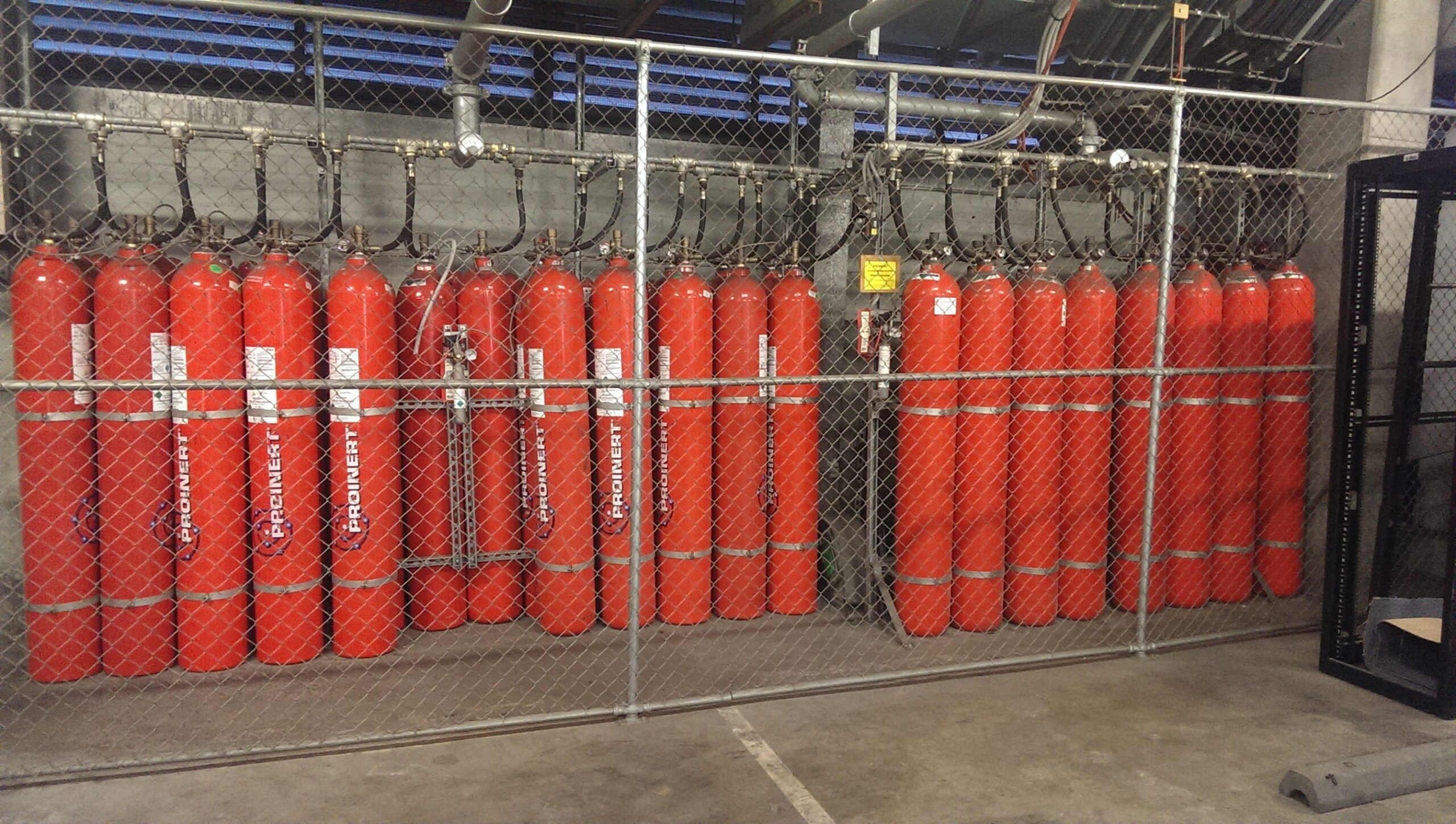
Compliance and AS1851 Considerations
Fire and life safety systems are subject to compliance and maintenance requirements, including AS1851 servicing and inspection requirements.
BMS monitoring does not replace statutory testing or maintenance; however, it provides:
- Operational visibility
- Early fault notification
- Trend and event logging
- Support for maintenance coordination
- Support for baseline data
- Support for asset registers
For property managers and building owners, this supports proactive management of compliance-related systems.
Fire systems maintenance compliance requirements continue to become more stringent over time. The effective implementation of BMS fire system monitoring supports compliance management and may indirectly reduce service costs by reducing contractor call-out time and improving fault identification.
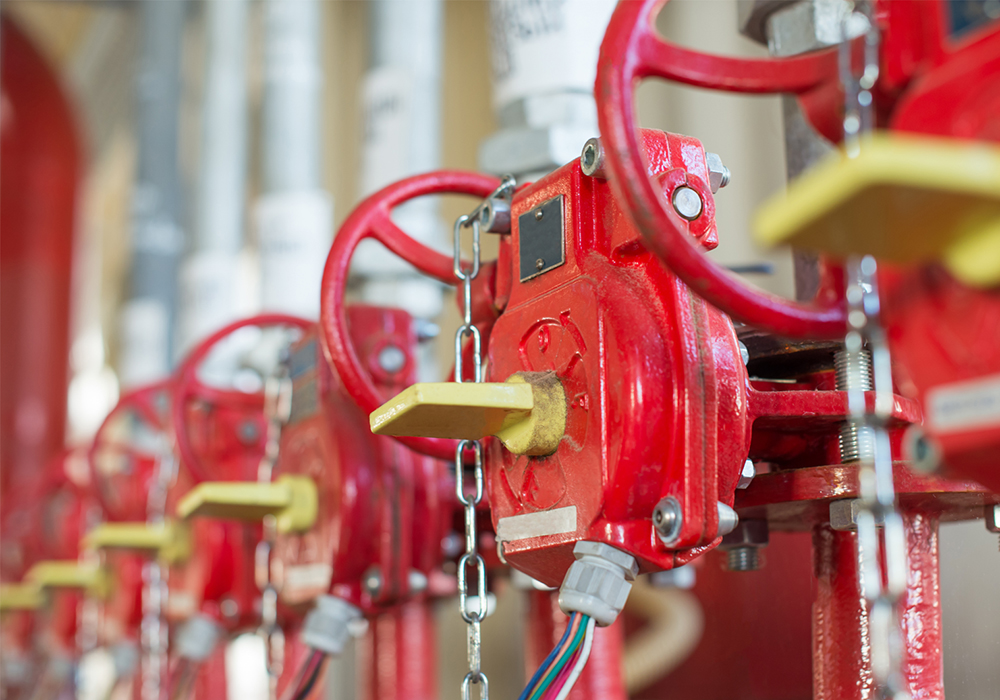
Alarm Management and Notifications
Effective alarm management is essential in unsupervised buildings. Fire system faults must be communicated quickly.
Alarm notification options include:
- Email alerts
- SMS notifications
- Remote dashboards
- Escalation procedures
- 24/7 monitoring (where required)
For critical alarms, WR8Tech can also implement dialler systems with voice notifications. These systems can operate using a “Round Robin” routine, contacting multiple personnel until someone answers, takes responsibility, and actions the situation immediately.
This ensures faults are identified and addressed promptly.
Example — Fire System Fault in an Unsupervised Building
Consider a commercial building operating overnight without on-site staff.
A fire panel develops a fault due to an isolated detector. Without BMS monitoring, the fault may remain unnoticed until the next scheduled inspection. This could be as long as 90 days in buildings without hydrant or sprinkler systems.
During this time, the Fire Indicator Panel (FIP or FDCIE) may activate a local buzzer, causing concern for tenants. In many cases, tenants report a fire system fault before property management is aware of the issue.
With BMS monitoring in place:
- Fire panel fault detected immediately
- Alarm notification sent to WR8Tech and property management
- Contractor dispatched early
- Fault resolved before operational impact
This proactive approach reduces compliance risk, improves building safety and supports AS1851 compliance requirements.
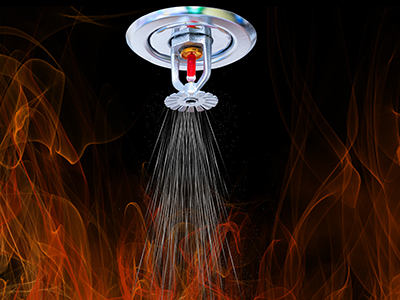
Supporting Projects and Upgrades
WR8Tech supports fire system integration during:
- Building refurbishments
- Fire panel upgrades
- BMS upgrades
- New building projects
- Life safety system upgrades
For project managers, WR8Tech provides practical integration strategies that maintain compliance and system integrity while improving operational visibility.
This approach reduces project risk and improves system performance.
Existing Buildings and Retrofit Opportunities
Many buildings have fire systems operating independently from the BMS. WR8Tech specialises in integrating existing fire systems to improve monitoring and visibility.
This may include:
- Integrating fire panels into BMS
- Adding gateway interfaces
- Improving alarm visibility
- Monitoring life safety fans
- Monitoring fire pumps
These upgrades improve operational awareness without affecting certified fire system operation.
Supporting Unsupervised Building Operation
Fire Systems & Life Safety Monitoring supports:
- Improved life safety visibility
- Reduced compliance risk
- Early fault detection
- Improved operational awareness
- Improved contractor response
These benefits are essential for unsupervised buildings.
Part of the Unsupervised Buildings BMS Strategy
Fire System Monitoring forms part of a broader unsupervised building strategy, including:
- Generator Monitoring & Control
- Chiller Monitoring & Control
- HVAC & Mechanical Services Monitoring
- Lift & Escalator Monitoring
- Electrical Infrastructure Monitoring
- Water System Monitoring
- Alarm Management & Remote Response
Together, these systems support safe and reliable unsupervised building operation.