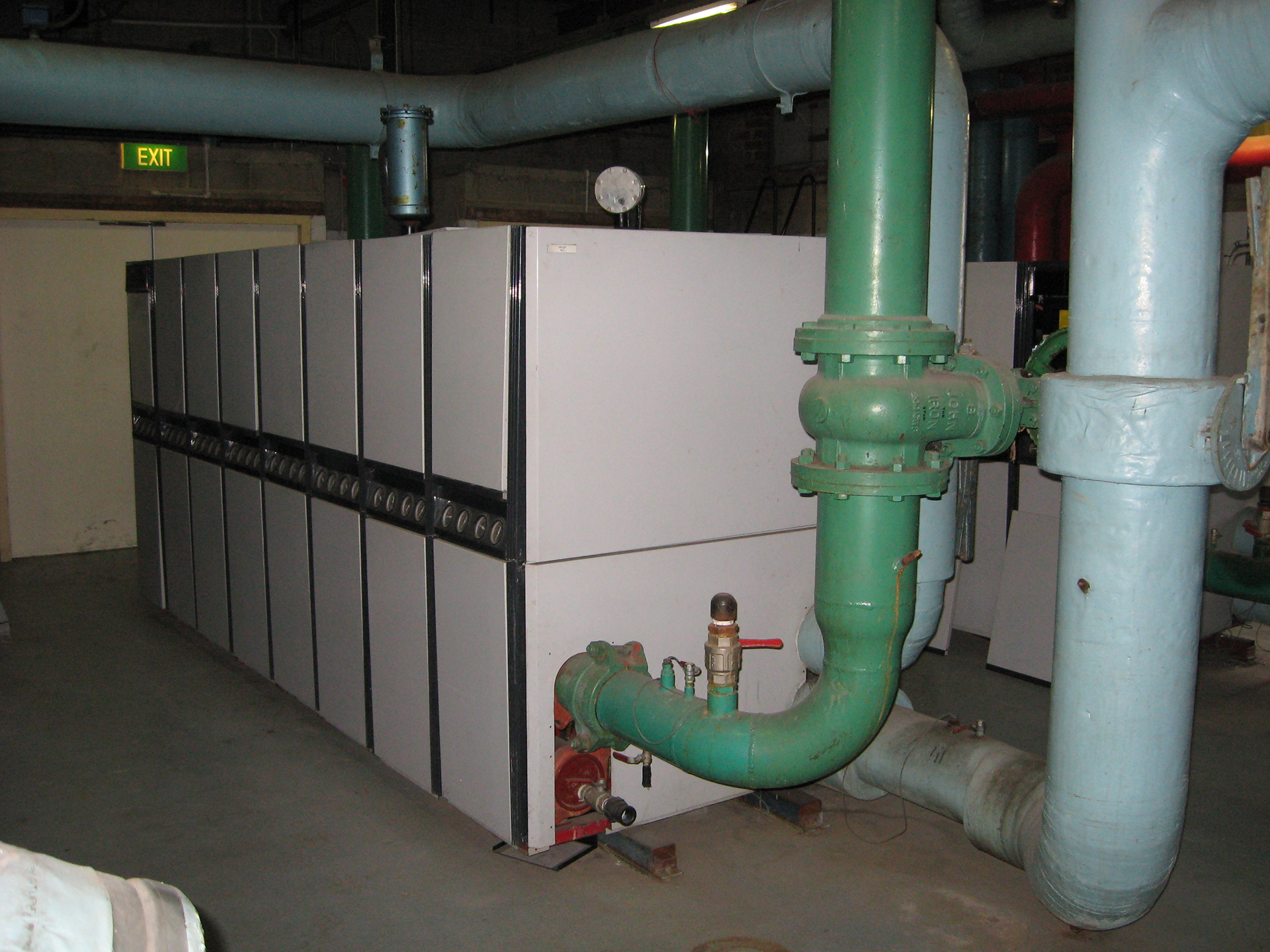
Chiller Monitoring & Control for Unsupervised Buildings
Intelligent Chiller Plant Management via BMS, High-Level Integration and Energy Control
In unsupervised buildings, chiller plant reliability is critical. Whether serving commercial offices, medical facilities, data centres, shopping centres or residential towers, the chiller plant is often the single most important mechanical HVAC system within the building. It is also typically the largest energy consumer within a commercial facility.
When buildings operate without on-site engineering or facility staff, failures within the chiller plant can quickly lead to tenant complaints, operational disruption, equipment stress, reputational impact and potential asset damage. In many cases, chiller issues are only discovered once tenants are already affected.
Chiller Monitoring and Control, via a Building Management System (BMS), provides continuous visibility, proactive fault detection, and intelligent control, allowing unsupervised buildings to operate safely, efficiently and reliably.
At WR8Tech, we specialise in integrating and managing chiller plants for unsupervised buildings, using high-level interfaces, intelligent control strategies, and energy management principles to optimise performance and reduce operational risk.
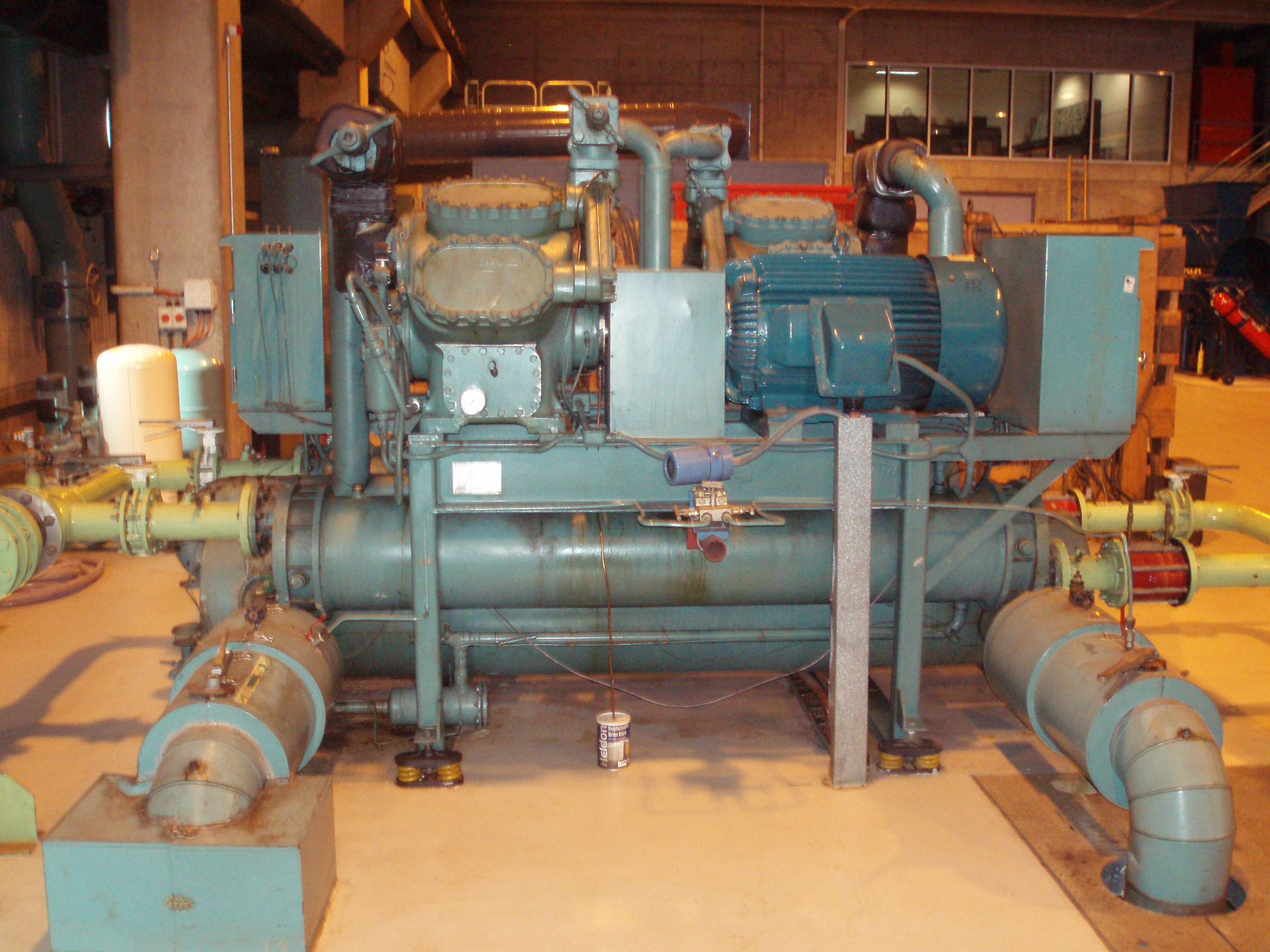
Why Chiller Monitoring Matters to Property Managers
For property managers, chiller plant performance directly affects tenant satisfaction, building reputation, and operational stability. A chiller failure in an unsupervised building can quickly escalate into tenant complaints, after-hours emergency callouts, and operational disruption.
BMS monitoring and control of chiller plant provides property managers with:
- Early fault detection before tenants are impacted
- Reduced after-hours emergency call-outs
- Improved tenant comfort and retention
- Greater visibility of plant performance
- Reduced operational risk
- Improved contractor coordination
- Better reporting and operational transparency
For many property managers, this means fewer complaints, improved tenant relationships, and greater confidence that the building is operating correctly even when unsupervised.
The Importance of Chiller Monitoring in Unsupervised Buildings
Chiller plants typically operate continuously, particularly in commercial buildings, data environments, and medical facilities. Unlike standby generators, chillers are active plant equipment and are therefore exposed to more frequent operational faults and performance issues.
In unsupervised buildings, common risks include:
- Chiller trips and lockouts
- Pump failures
- Cooling tower faults, including condenser water dosing issues
- Condenser water temperature problems
- Low flow conditions
- Communication failures
- Temperature control issues
- Energy inefficiencies
- Load imbalance between chillers
Without BMS monitoring and effective control strategies, these issues may go unnoticed until occupants experience discomfort or critical equipment is affected.
Early identification of these issues allows proactive intervention, reducing tenant disruption and protecting critical building infrastructure.
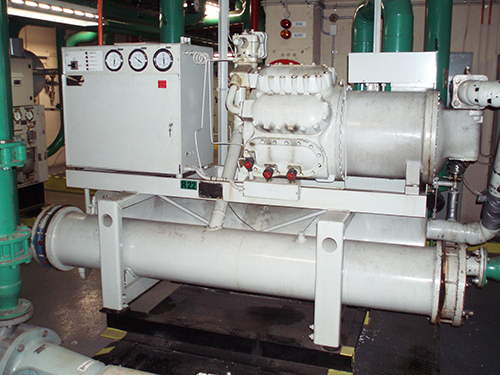
Chiller Plant Monitoring via BMS
Once integrated, the Building Management System provides continuous plant monitoring, including:
- Chiller running status
- Available plant capacity
- Common fault alarms
- Temperature monitoring
- Pump status
- Cooling tower operation
- System pressure monitoring
- Flow monitoring
- Plant sequencing status
- Efficiency and performance indicators
This monitoring ensures early identification of abnormal operating conditions and supports proactive maintenance.
For unsupervised buildings, this visibility is essential to maintaining reliable building operation.
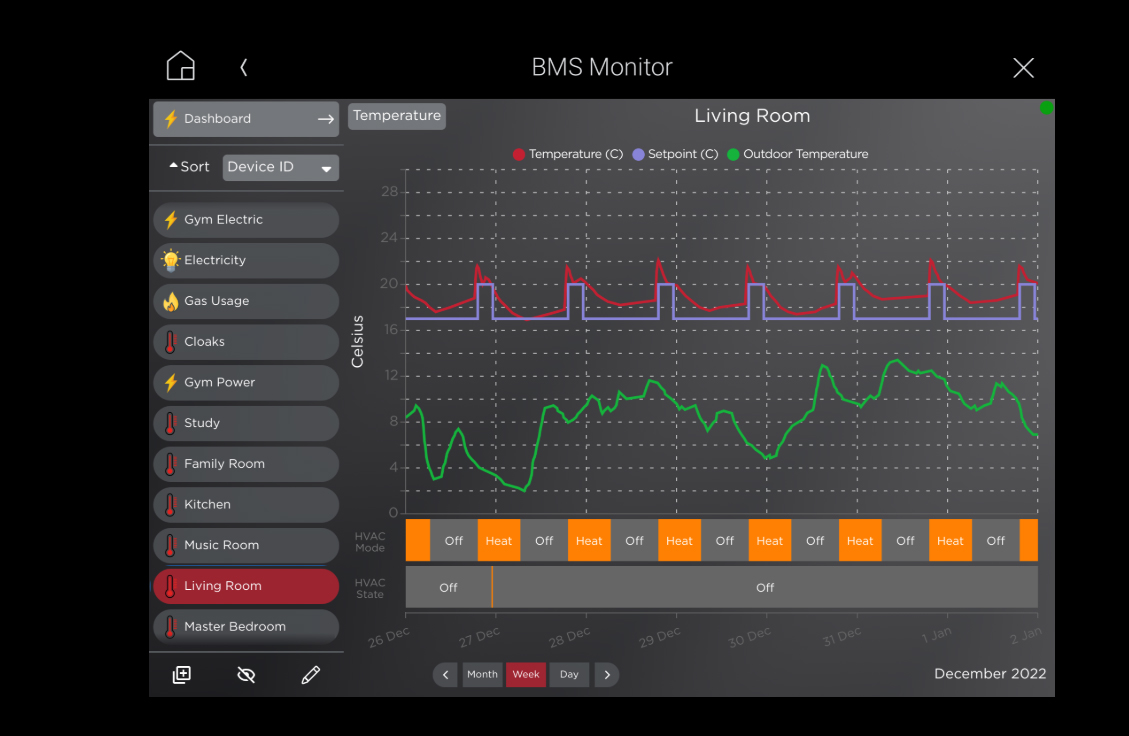
Chiller Control and Plant Optimisation
Beyond monitoring, BMS integration allows intelligent control and optimisation of chiller plant operation.
Control strategies may include:
- Chiller sequencing
- Pump staging
- Cooling tower optimisation
- Temperature reset strategies
- Demand-based control
- Fault fallback strategies
- Load sharing between chillers
These control strategies allow the plant to operate efficiently while maintaining occupant comfort.
WR8Tech designs these control strategies specifically for unsupervised environments, ensuring the plant continues operating reliably without manual intervention.
Load Shedding and Energy Management
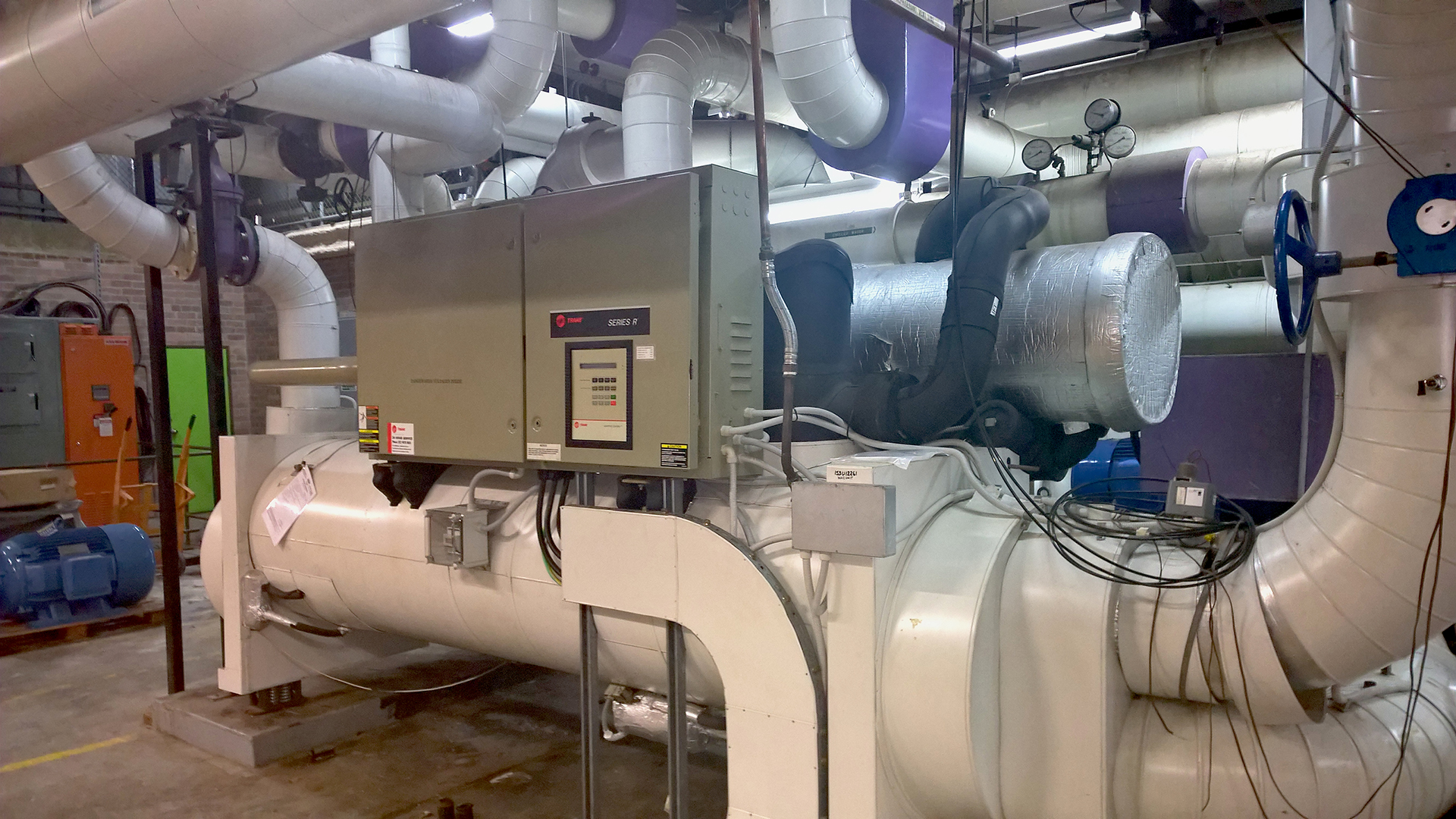
Chiller plants typically represent the largest energy load within a building. Intelligent BMS control strategies can significantly reduce energy consumption while maintaining performance.
Load shedding strategies may include:
- Reducing chiller capacity during low occupancy
- Shedding non-essential HVAC loads
- Managing peak demand events
- Staggering chiller start sequences
- Temperature reset strategies
Load shedding can also play an important role during generator operation or power limitations. In these scenarios, non-essential cooling loads may be reduced to maintain critical services.
These strategies support both energy efficiency and operational resilience while assisting property managers in managing operational costs.
Supporting Building Upgrades and Projects
WR8Tech supports new projects, plant upgrades and building refurbishments involving chiller plant and BMS systems.
This may include:
- Integration of new chillers into existing BMS
- BMS upgrades during chiller replacement projects
- Addition of high-level interfaces
- Control strategy improvements
- Energy optimisation projects
- Staged upgrades to minimise disruption
For project managers, WR8Tech provides practical integration strategies that allow plant upgrades to be completed while maintaining building operation.
This approach reduces project risk, improves project outcomes and supports smoother delivery.
Existing Buildings and Retrofit Opportunities
Many buildings already have chiller plants installed but limited visibility or control capability. WR8Tech specialises in upgrading existing installations without requiring full plant replacement.
This may include:
- Adding BACnet, Modbus or Lon integration
- Upgrading legacy BMS platforms
- Improving plant sequencing
- Adding energy management strategies
- Improving alarm handling
- Enhancing operational visibility
These upgrades often deliver improved reliability and energy performance with minimal capital investment.
For property managers and building owners, this provides a practical pathway to improve building performance without major disruption.
High-Level Chiller Integration
Modern chiller plants can be integrated into a Building Management System using high-level communication interfaces. This provides far greater visibility and control compared with traditional hardwired monitoring.
Common communication protocols include:
- BACnet
- Modbus
- LonWorks
- IP-based communications
Through high-level integration, the BMS can monitor detailed chiller operational data, including:
- Chiller status and mode
- Fault and alarm conditions
- Leaving and entering water temperatures
- Condenser water temperatures
- Compressor status
- Load percentage
- Setpoint values
- Run hours
- Efficiency data
WR8Tech commonly implements these integrations using Tridium Niagara-based platforms, providing flexible and scalable solutions for unsupervised buildings.
Integration of Major Chiller Brands
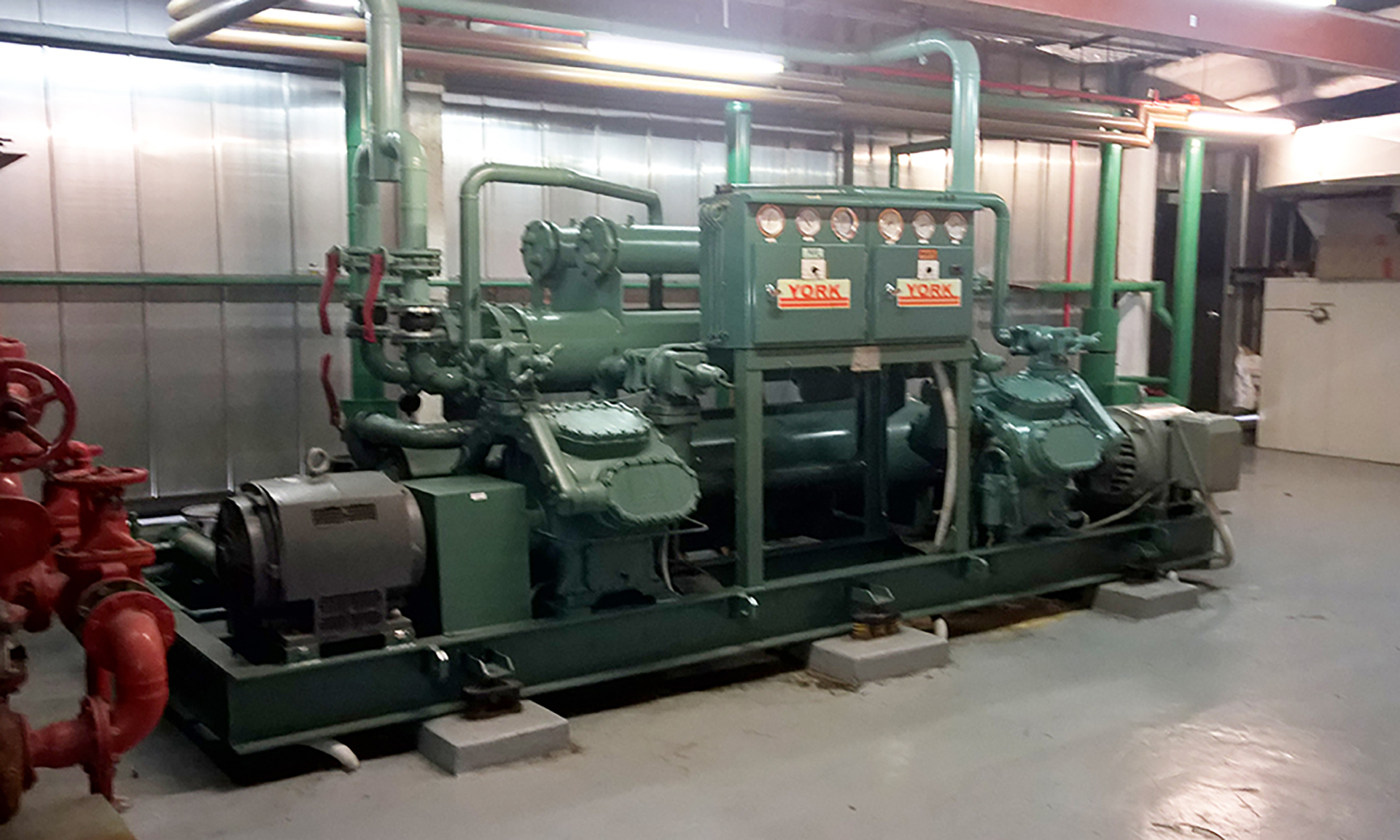
WR8Tech has experience integrating a wide range of chiller manufacturers and plant configurations, including:
- Carrier chillers
- York chillers
- Smardt chillers
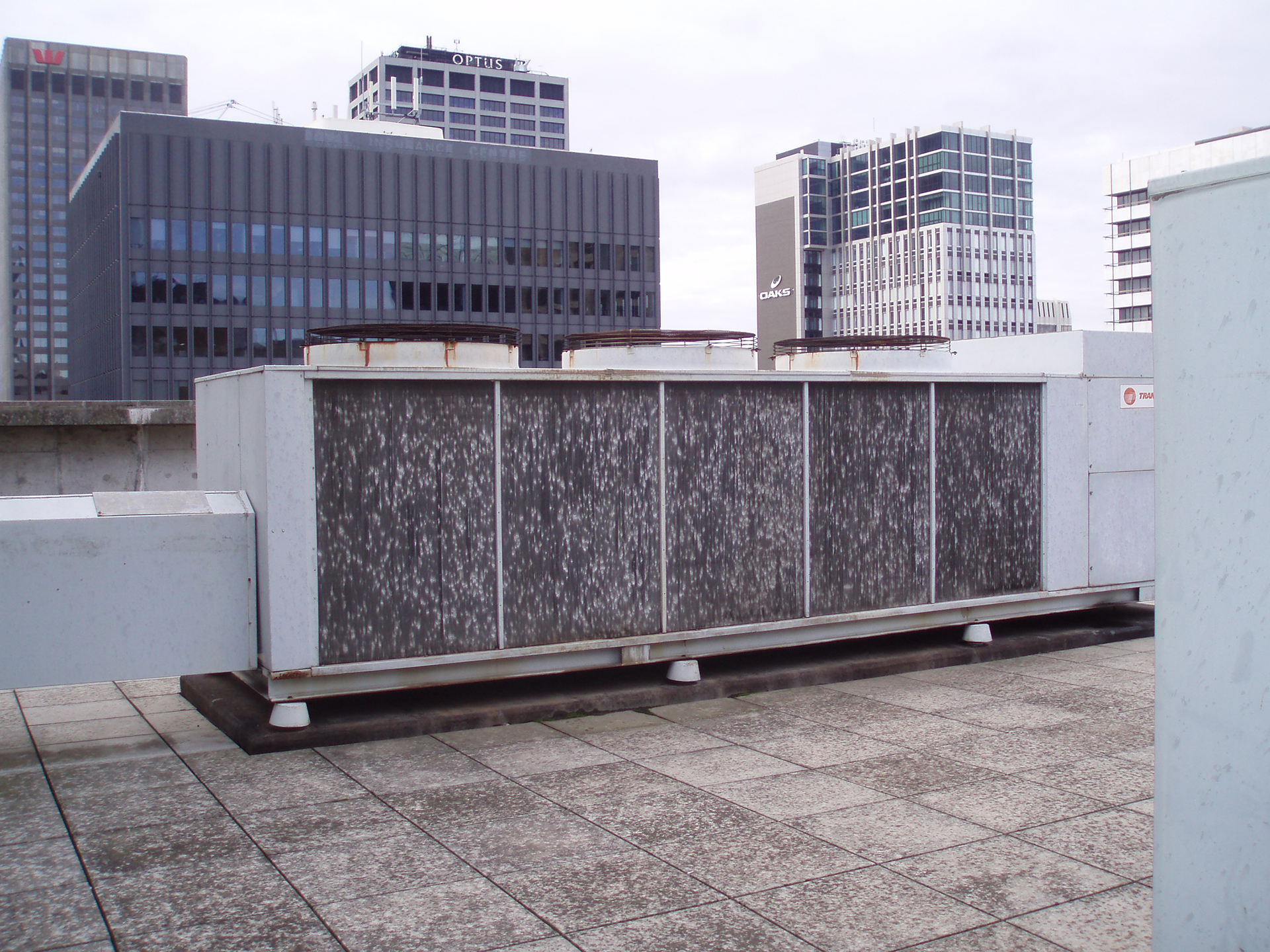
- Air-cooled chillers
- Water-cooled chillers
- Modular chiller plants
Each manufacturer offers different interface capabilities, and WR8Tech works with both existing systems and new installations to achieve practical and reliable integration.
In many cases, older chiller installations can be upgraded with high-level interfaces, improving visibility without requiring full plant replacement.
Alarm Management and Fault Detection
Effective alarm management is critical in unsupervised buildings. Chiller faults must be detected and communicated early to avoid tenant impact.
Typical alarm strategies include:
- Chiller trip alarms
- High temperature alarms
- Low flow alarms
- Pump failure alarms
- Cooling tower fault alarms
- Communication failures
- Plant capacity alarms
These alarms can be routed via:
- Email alerts
- SMS notifications
- Remote dashboards
- Escalation procedures
- 24/7 monitoring (where required)
This ensures faults are addressed quickly, even without on-site personnel.
Example — Chiller Failure in an Unsupervised Building
Consider a commercial office building operating overnight without on-site staff.
At 1:30 AM, the primary chiller trips due to a condenser water issue. Without BMS monitoring, the building temperature slowly rises overnight. By the time occupants arrive in the morning, tenant complaints begin immediately.
With BMS monitoring and control in place:
- Chiller fault detected immediately
- Secondary chiller automatically enabled
- Alarm notification sent to WR8Tech and facility management
- Contractor dispatched if required
- Building temperature maintained
By the time occupants arrive, the building remains comfortable, and disruption is avoided.
This scenario highlights the value of intelligent chiller monitoring and control for unsupervised buildings.
Supporting Unsupervised Building Operation
Chiller Monitoring and Control via BMS supports:
- Reliable building operation
- Improved tenant comfort
- Reduced operational risk
- Improved energy efficiency
- Early fault detection
- Improved asset performance
For unsupervised buildings, these benefits are essential.
Part of the Unsupervised Buildings BMS Strategy
Chiller Monitoring & Control forms part of a broader unsupervised building strategy, which may also include:
- Generator Monitoring & Control
- HVAC Monitoring & Control
- Fire System Monitoring
- Lift & Escalator Monitoring
- Electrical Infrastructure Monitoring
- Water System Monitoring
- Alarm Management & Remote Response
Together, these systems support safe and reliable unsupervised building operation.