Estimated reading time: 6 minutes
WR8Tech War Story
Based on a real commercial building. Client details have been changed to protect confidentiality.
When Four Air Conditioning Systems Fail at Once… Don’t Blame the Air Conditioners
Sometimes the fault code is only telling you the symptom—not the cause.
The Call
One Sunday morning we were called to a five-level commercial office building.
The report sounded straightforward.
“The entire air-conditioning system has failed. Every outdoor unit is showing an LG CH-05 communication fault.”
On arrival we found four LG VRV outdoor units all displaying exactly the same alarm.
At first glance it looked serious.
Four systems.
One common fault.
No cooling.
Many contractors would immediately begin replacing communication boards or looking for damaged communications cabling.
But something didn’t feel right.
The Building
The building consisted of:
- Ground floor parking
- Four office levels
- Roof-mounted LG VRV equipment
- Central fire system
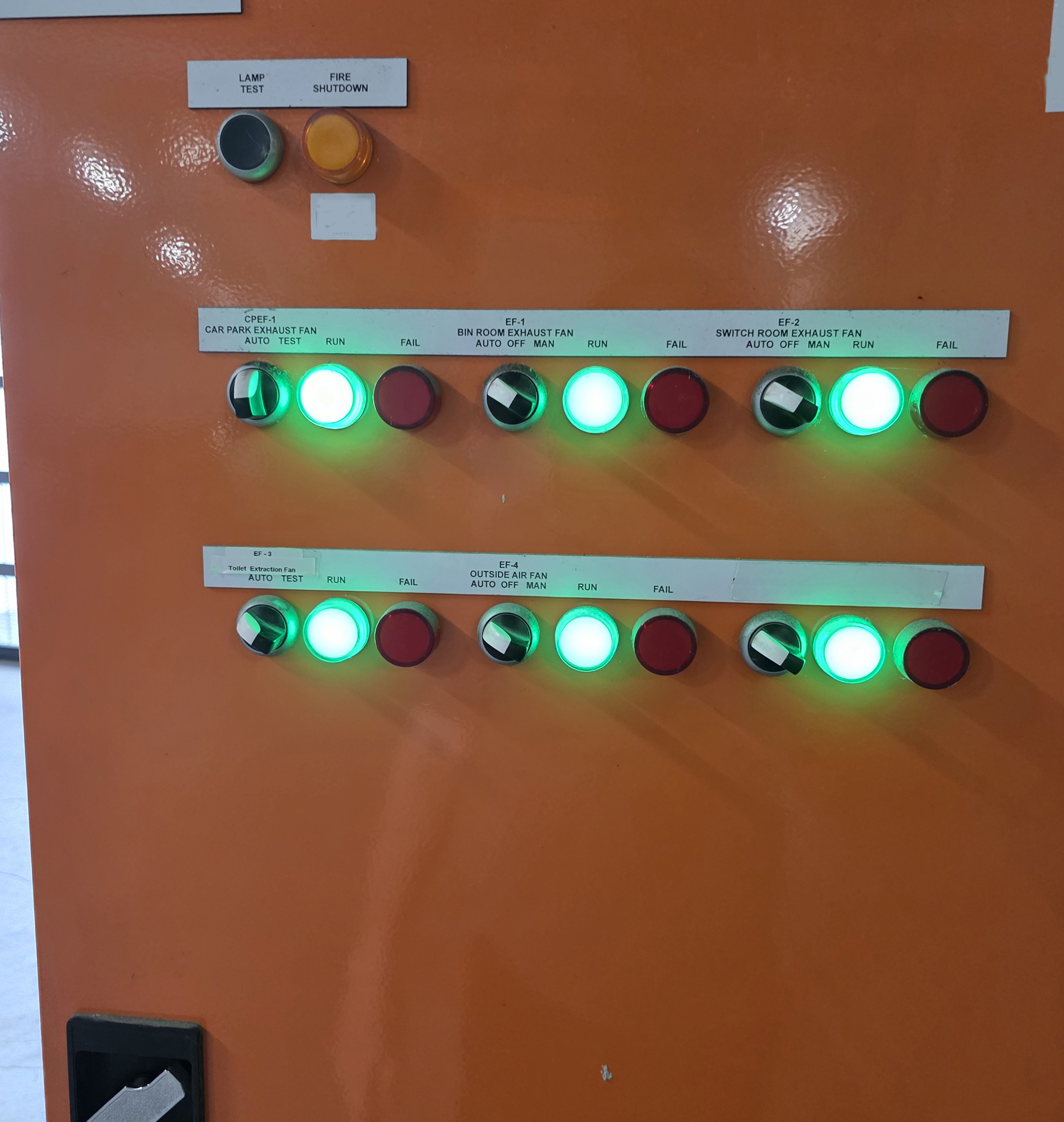
- Mechanical exhaust systems
- Energy management controls
All four VRV systems had apparently failed simultaneously.
That immediately raises an important question.
What could realistically cause four independent systems to fail at exactly the same moment?
Usually…
Very little.

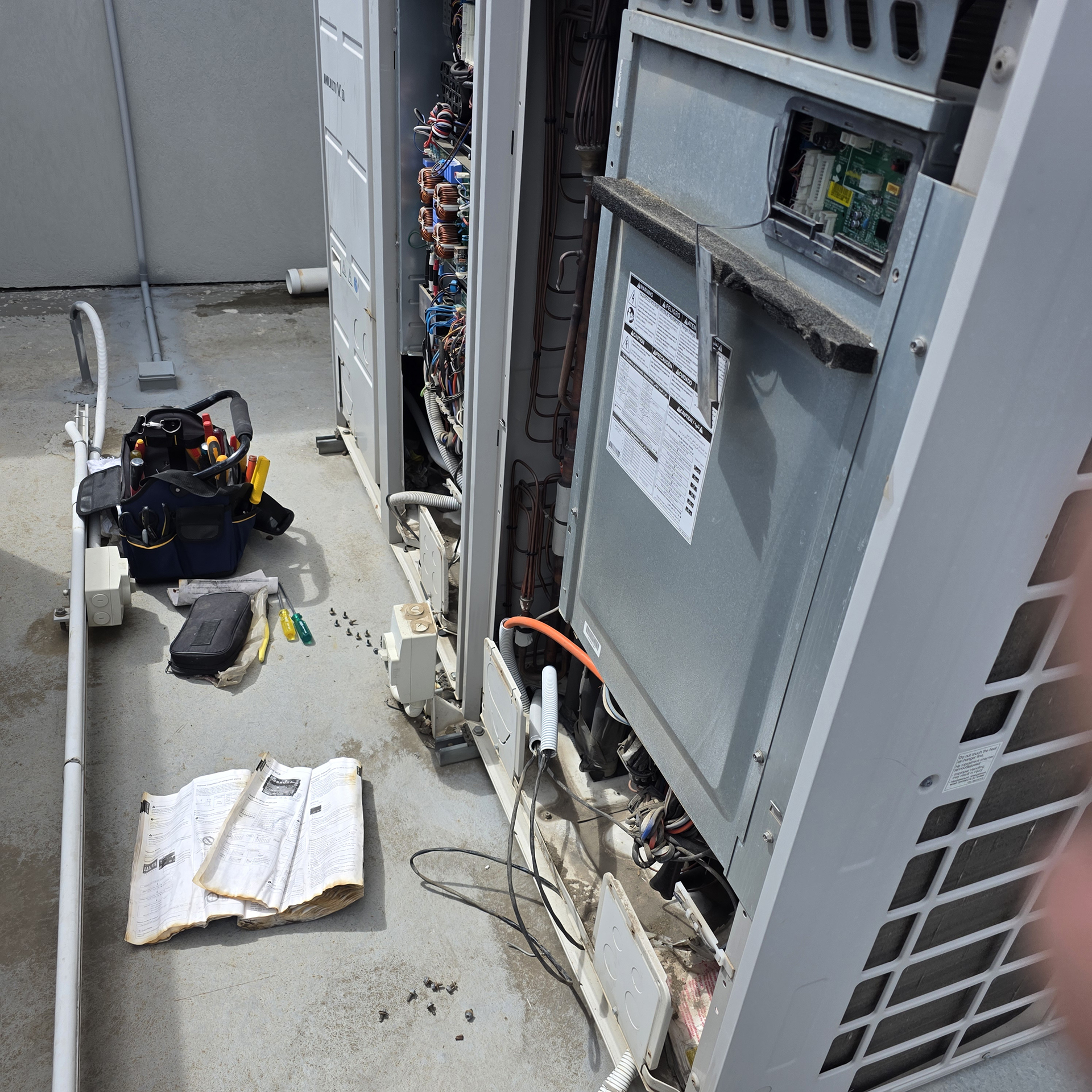
Starting With the Obvious
The manufacturer’s documentation confirmed that CH-05 indicates a communication fault between system components.
So naturally we started there.
We:
- Reset individual VRV units
- Reset the mechanical switchboard
- Opened two outdoor units
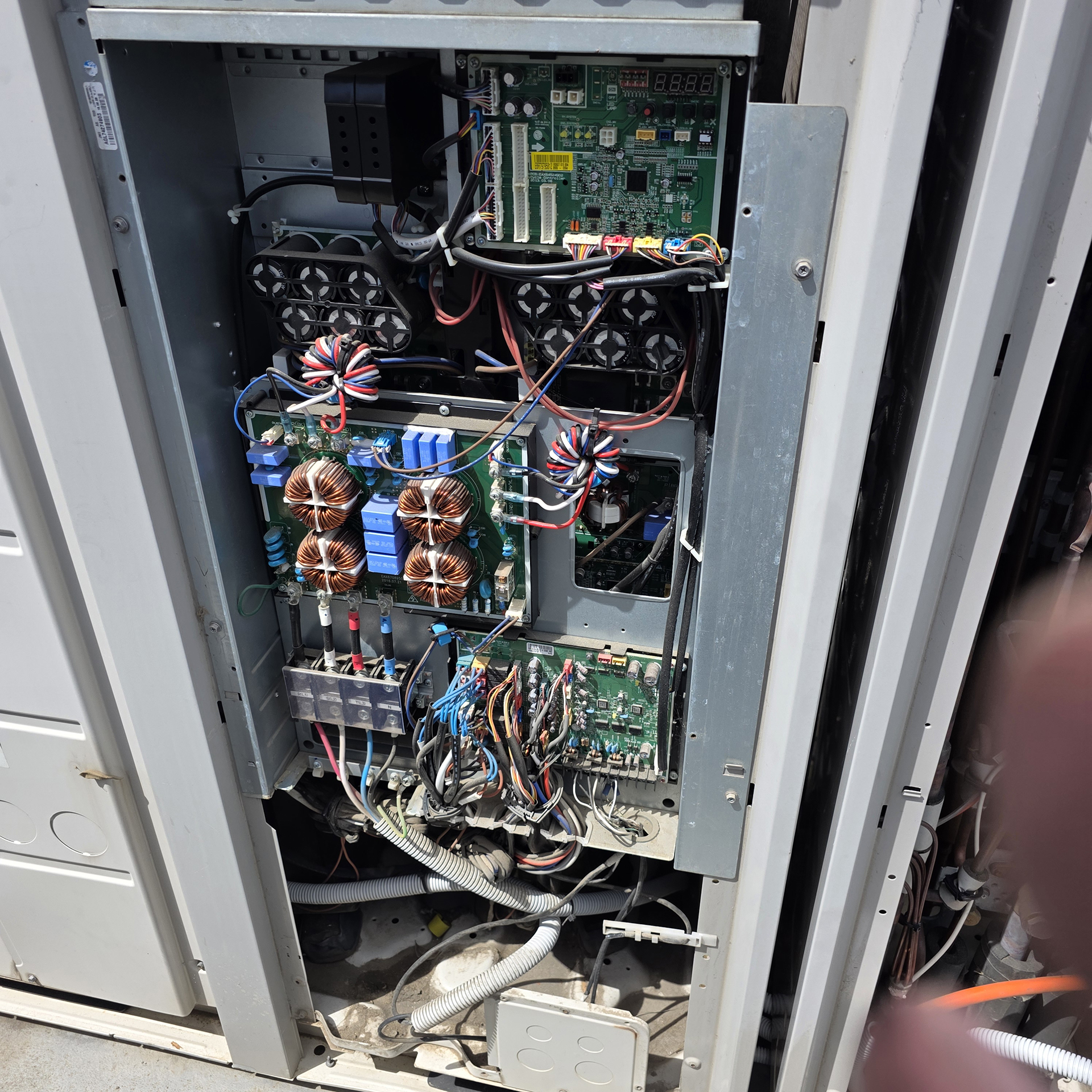
- Inspected communication cards
- Checked communications wiring
- Checked cable terminations
- Looked for water ingress
- Looked for lightning damage
- Looked for burnt electronics
Nothing!
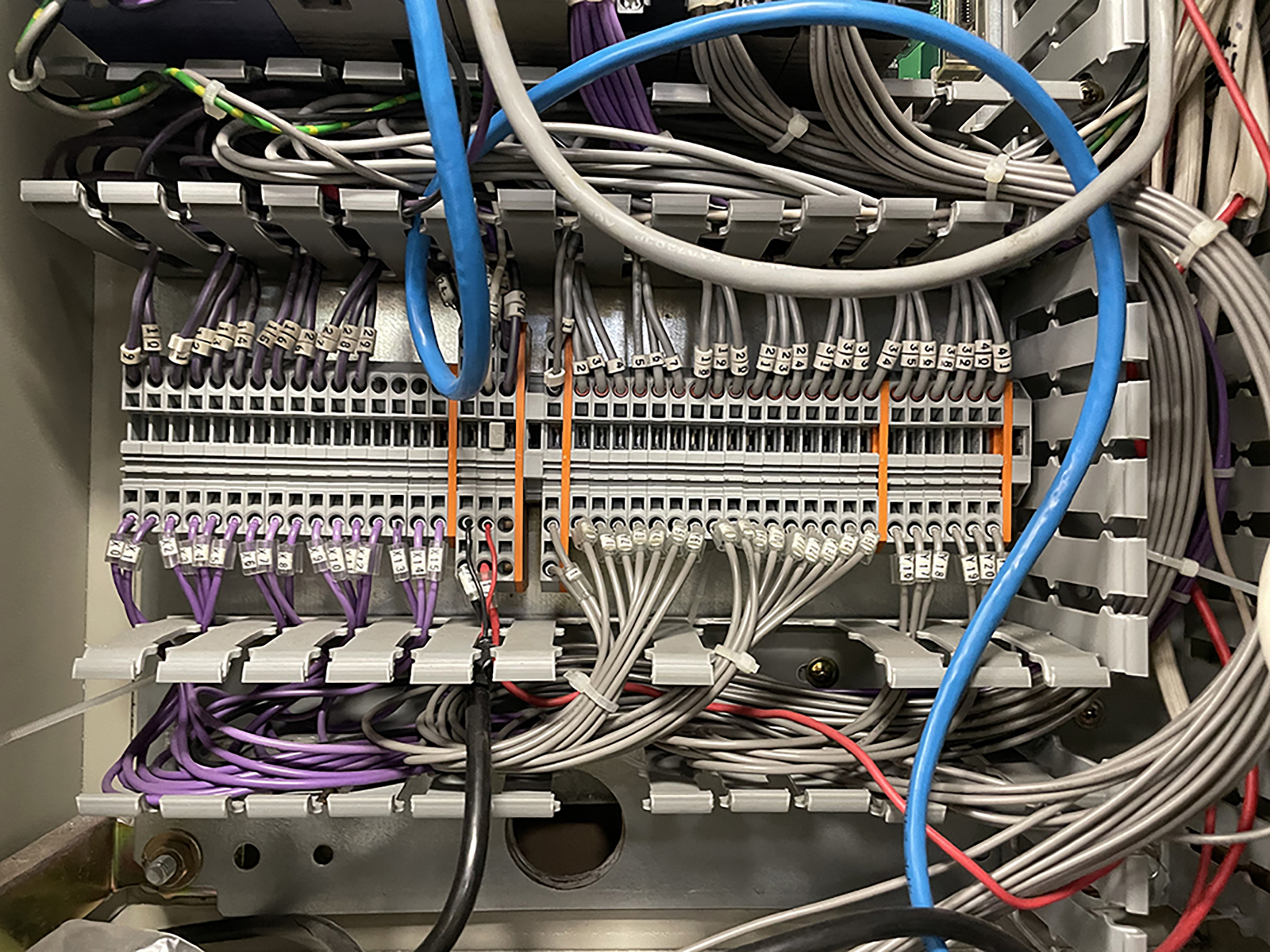
Everything appeared healthy. The communications cabling was intact. No signs of damage, No obvious failures.
Looking Beyond the Air Conditioning
Experienced fault finding often means asking a different question.
Instead of asking:
“What’s wrong with the air conditioner?”
Ask:
“What else could make the air conditioner believe something is wrong?”
We expanded the investigation. The building had an energy management interface. It also had fire interfaces. Mechanical services, Switchboards, Control panels. All of these could potentially influence the operation of the VRV systems.
An Interesting Discovery
The Fire Indicator Panel had been isolated.
That immediately caught our attention.
If the building were in Fire Mode, the air conditioning would normally be shut down automatically.
Could this explain everything?
Not quite. Further investigation continued.
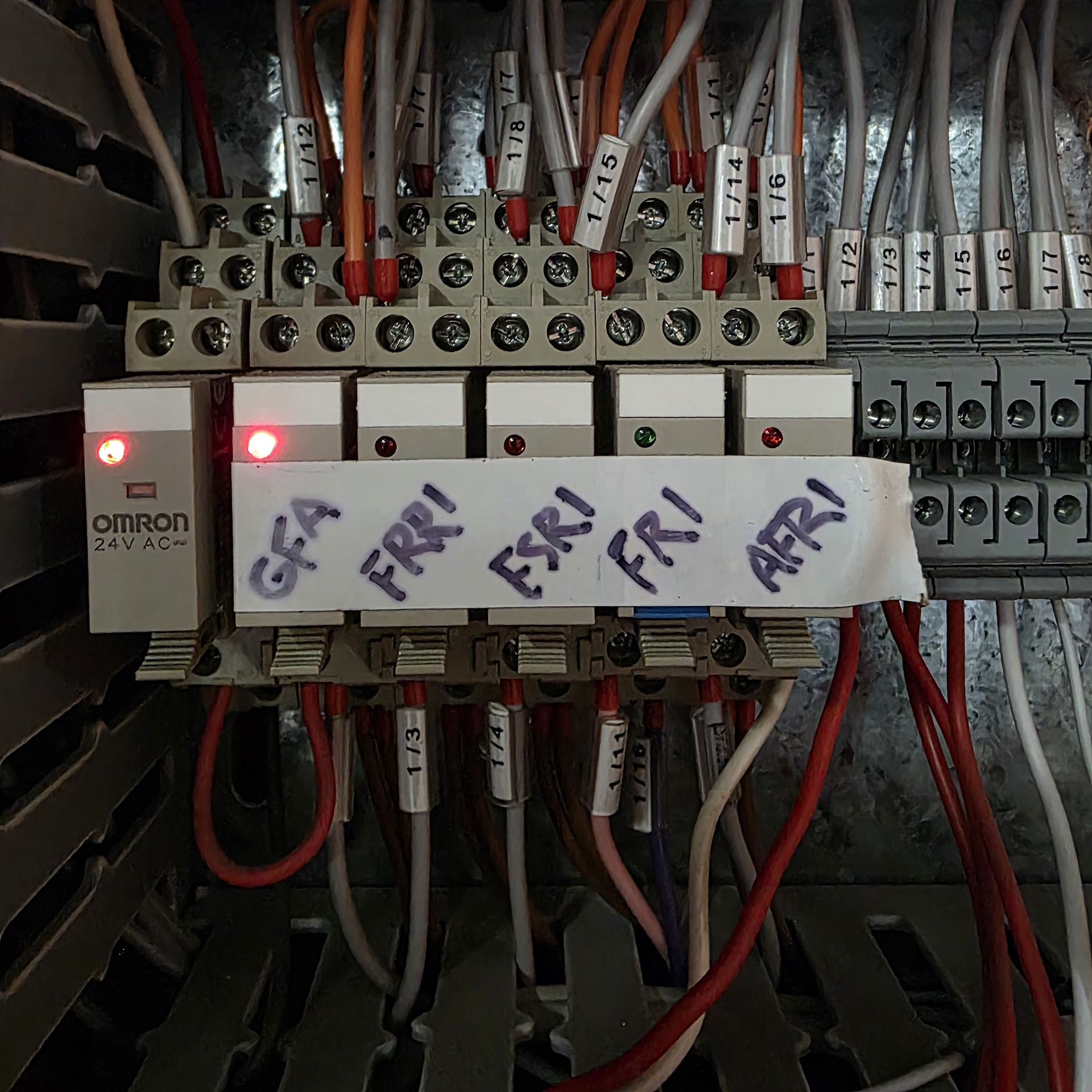
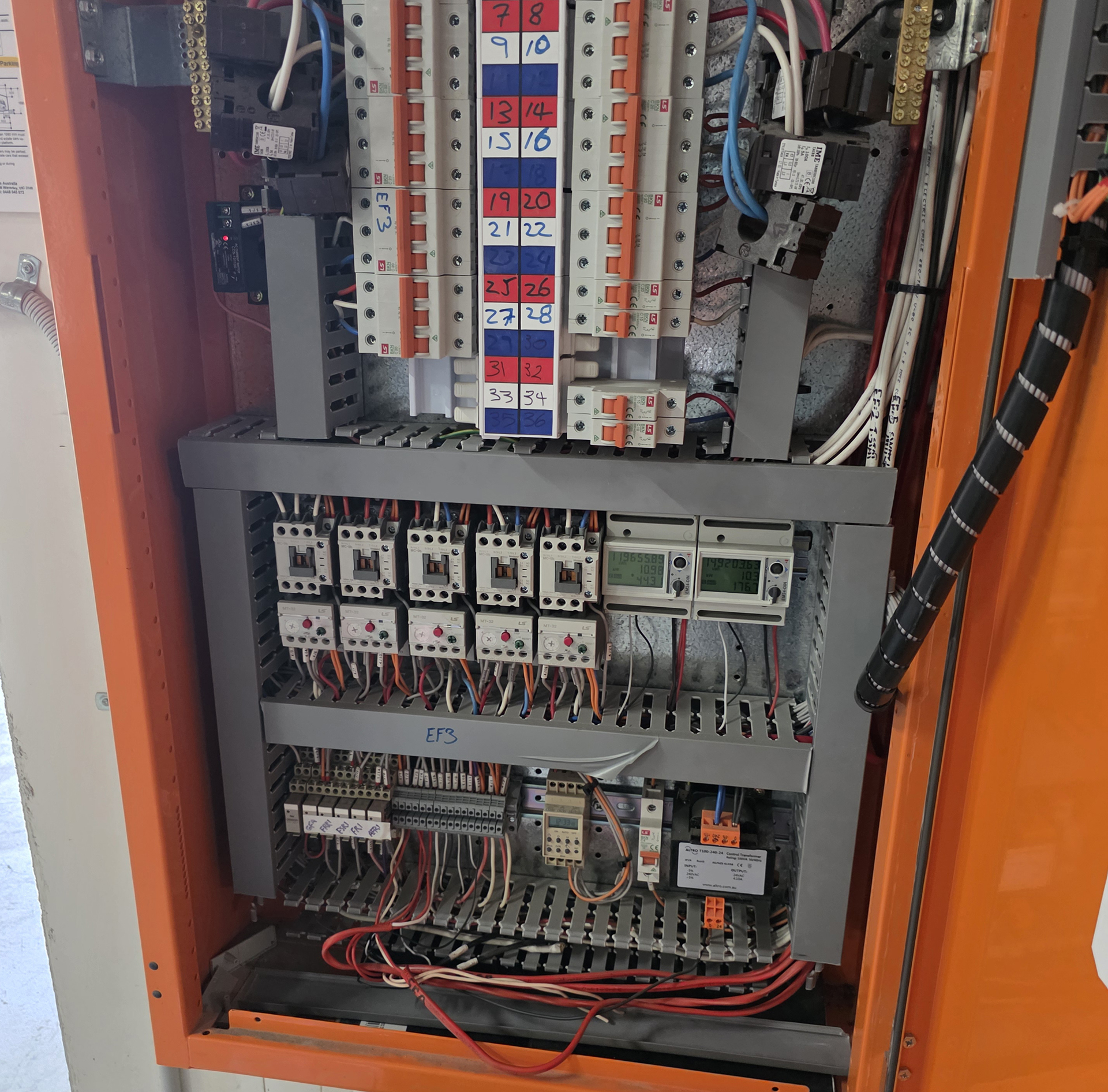
Then We Found It
Inside the main electrical switchboard…
The main breaker had tripped, That wasn’t expected. After safely isolating loads, we reset the breaker.
Instead of simply turning everything back on at once, each load was reinstated progressively.
Lighting, Controls, Mechanical services.
Finally…
The larger exhaust fans. Everything started normally. No trips, No communication faults, No failed VRV units. The CH-05 alarms disappeared. The entire building returned to normal operation.
So What Actually Happened?
The honest answer is…
We don’t know with absolute certainty.
Several possibilities remained:
- transient electrical disturbance
- nuisance breaker trip
- high ambient temperatures
- momentary overload
- lightning activity
Sometimes engineering isn’t about pretending to know the exact answer.
It’s about eliminating every possibility until only the most likely explanations remain.
That’s professional troubleshooting.
The Bigger Lesson
This job could easily have become expensive.
Replacing:
- communication boards
- outdoor controllers
- interface modules
- communications cabling
…would likely have cost thousands of dollars.
None of it would have fixed the problem.
Because none of it had actually failed.
The real issue was an upstream electrical condition affecting the entire mechanical system.
What We Also Found
As often happens, the original fault led us to several other issues worth addressing.
These included:
- Fire panel interfaces requiring review
- Air conditioning servicing
- Coil cleaning
- Filter maintenance
- Functional fire testing
- Review of mechanical system compliance
- Review of AS 1851 and AS 1668.2 interfaces
- Car park ventilation testing
Many service visits reveal opportunities to improve building reliability beyond the original fault.
WR8Tech Insight
Modern commercial buildings are no longer made up of isolated systems.
Your air conditioning…
talks to your fire system. Your fire system…
talks to your building controls. Your electrical infrastructure…
supports all of them.
A fault appearing in one system may actually originate somewhere completely different.
That’s why experienced building diagnostics require understanding the whole building—not just the equipment displaying the alarm.
Could This Have Been Avoided?
Possibly. Many buildings only discover these hidden relationships after something fails.
Regular technical inspections, functional testing and understanding how building systems interact can often identify weaknesses before they become emergency call-outs.

War Stories