
Commercial Office Lighting Upgrades
Reduce Energy Costs. Improve Workplace Comfort. Upgrade with Confidence.
Outdated fluorescent lighting systems are one of the largest hidden operating costs in commercial office buildings. They consume excessive power, require frequent maintenance, and often fall below modern lighting performance standards.
WR8TECH delivers professional commercial office lighting upgrades that reduce energy consumption, lower maintenance costs, and improve lighting quality, with minimal disruption to tenants.
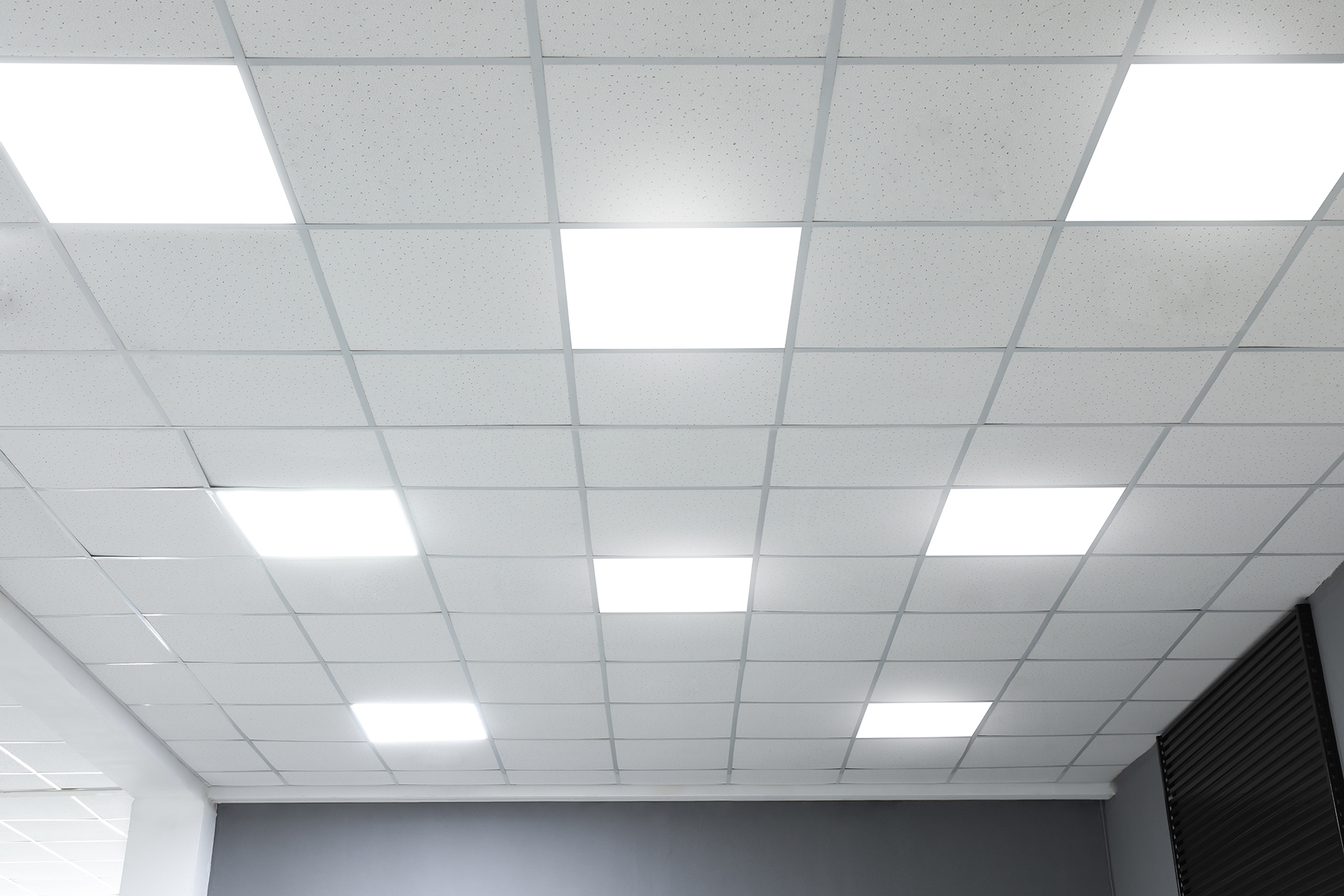
Why Upgrade Your Office Lighting?
Lower Energy Costs
Most office lighting upgrades reduce lighting-related energy consumption by 40–60%, delivering immediate power savings.
Reduce Maintenance
Eliminate constant tube and ballast replacements. Modern LED systems operate for years with minimal servicing.
Improve Workplace Comfort
Consistent brightness, reduced glare, and no flicker create a more comfortable and productive environment.
Meet Current Standards
Older fittings often fall below current lighting level requirements. We assess and design systems aligned with Australian workplace lighting standards.
Increase Asset Value
Energy-efficient lighting enhances NABERS performance and overall building appeal.

Smarter Office Lighting Zones & Occupancy Control
Divide Lighting into Practical Zones
Many commercial offices were originally designed with large lighting circuits — meaning entire floors or big sections switch on together.
With today’s flexible work patterns and hybrid rosters, that no longer makes sense.
By dividing your office into smaller lighting zones, you gain the ability to:
• Switch off unused departments
• Isolate meeting rooms and boardrooms
• Separate window-side lighting from internal areas
• Control tenancy sections independently
• Reduce unnecessary runtime hours
This gives office managers practical, day-to-day control over energy use..
Addressing the Work From Home (WFH) Reality
Since hybrid work has become common, many offices operate at reduced capacity — particularly on Mondays and Fridays.
Yet we often see:
- Entire lighting systems activated
- Large open-plan areas illuminated
- Empty workstations fully lit
By creating switchable zones or adding occupancy sensors, lighting can automatically reduce when areas are unused.
For example:
- Only active desks remain lit
- Empty collaboration spaces switch off
- Boardrooms deactivate when vacant
- Entire sections can be manually switched off on low-attendance days
This is particularly effective where occupancy fluctuates throughout the week.
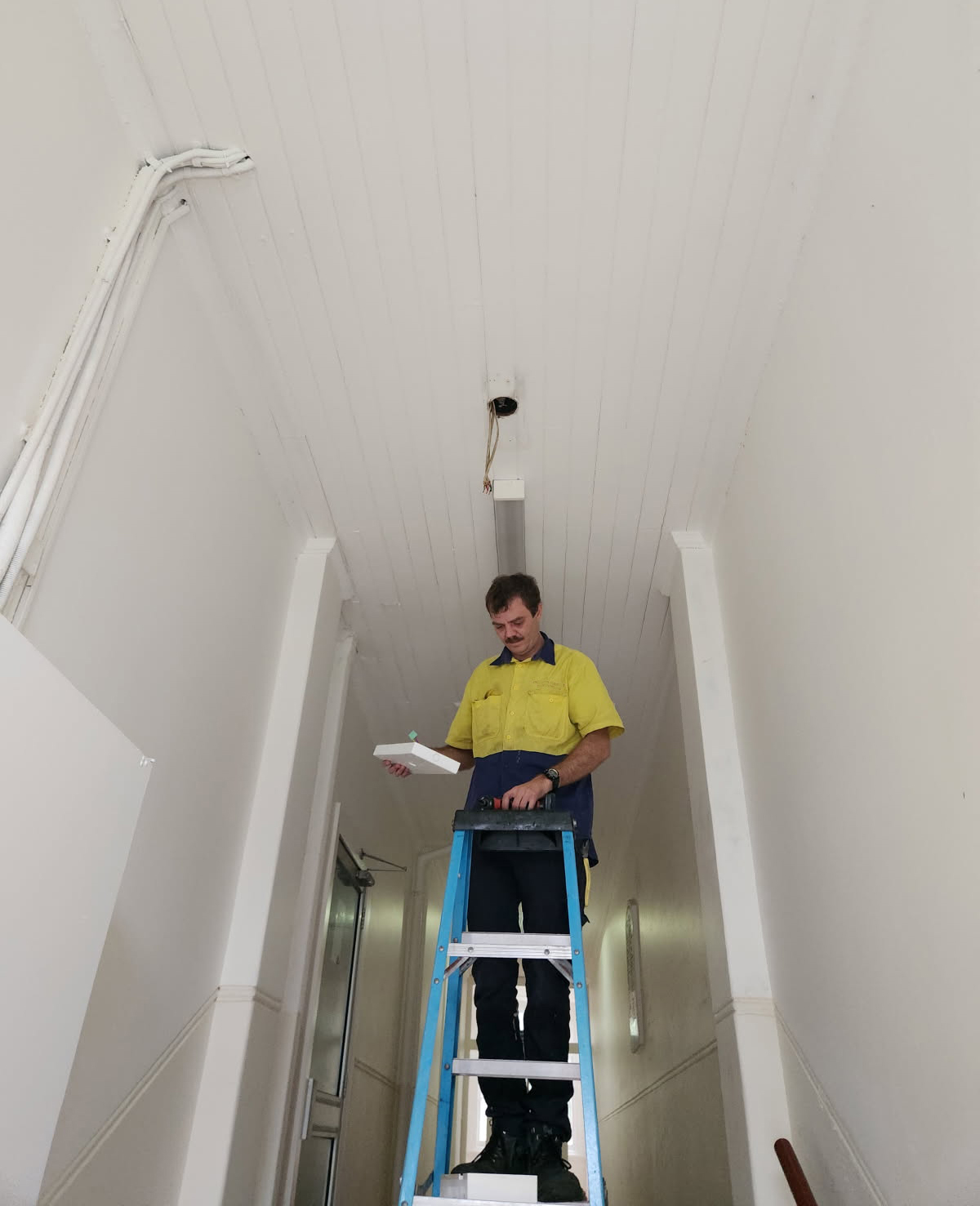
Implement Additional Occupancy Controls
Motion & Presence Sensors
Install ceiling-mounted sensors that automatically switch lights off after a set period of inactivity.
Partial Dimming
Rather than full on/off, systems can dim to a low background level until movement is detected.
Zoned Switching
Create clearly labelled wall switches or control panels so office managers can manually isolate sections.
Programmable Schedules
Adjust lighting based on expected attendance patterns across the week. Let’s take this a little further and talk about the bigger picture and generate some real savings via the BMS, see further below
Maximise Savings After LED Upgrades
If you’ve already upgraded from:
- Old fluorescent ballast fittings
- T8 or T5 systems
- Early-generation LED panels
You’ve made a strong first step.
However, zoning and occupancy control unlock the next layer of savings.
Even efficient lighting wastes energy if it runs unnecessarily.
By combining:
✔ Modern high-efficiency LED fittings
✔ Intelligent zoning
✔ Occupancy control
✔ Manual override capability
You significantly reduce operating overheads particularly in underutilised areas.

Intelligent Lighting Schedules Integrated Into Your BMS
Modern offices no longer operate on a simple 9–5, five-day schedule.
Hybrid work means occupancy now fluctuates across the week — and your lighting should respond intelligently.
By programming lighting schedules directly into your Building Management System (BMS), we align energy use with real attendance patterns, automatically.
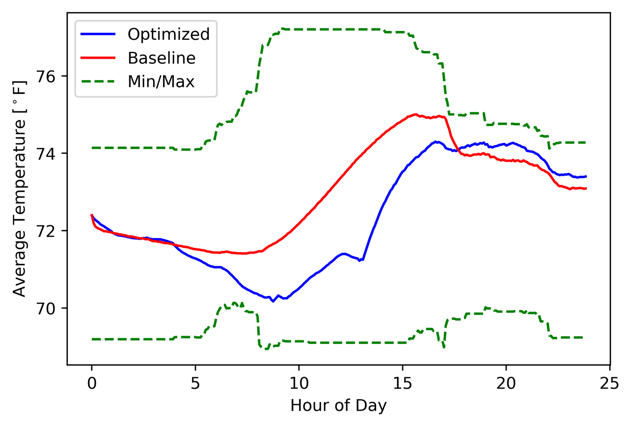
Adjust Lighting Based on Weekly Occupancy Patterns
Most commercial buildings now see:
• Higher attendance Tuesday to Thursday
• Reduced occupancy Mondays and Fridays
• Variable use of meeting rooms and collaboration areas
• Entire zones sitting empty for long periods
Instead of running lighting at full capacity every day, we configure your system to:
✅ Power down low-occupancy zones on quieter days
✅ Ramp lighting up only where staff are present
✅ Maintain safety and compliance levels
✅ Automatically adapt without daily manual intervention
Your lighting now works around how your building is actually used.
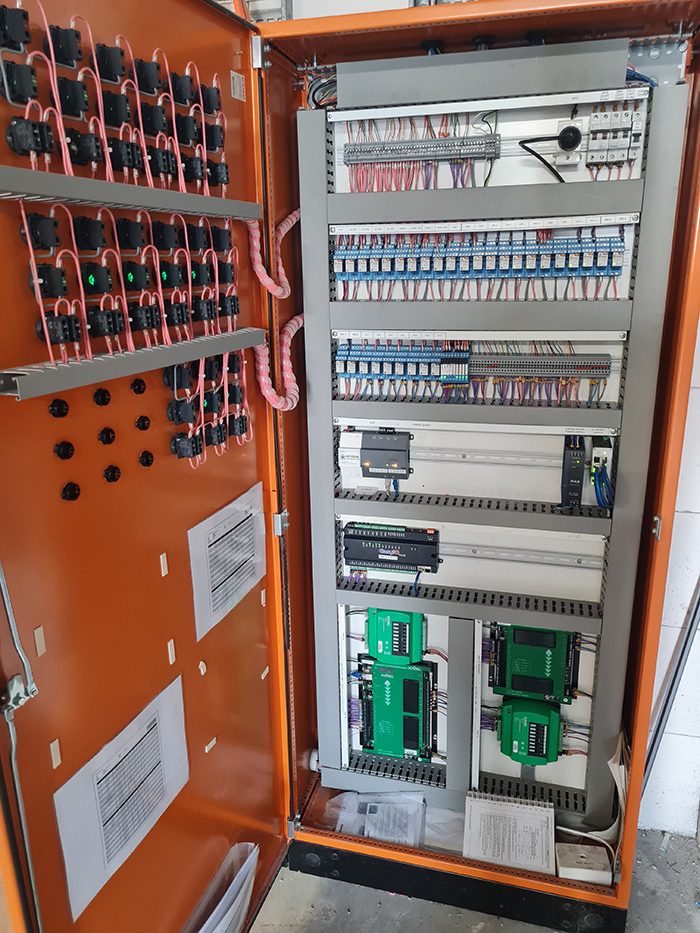
Dedicated BMS Lighting Control Page With Separate IP Access
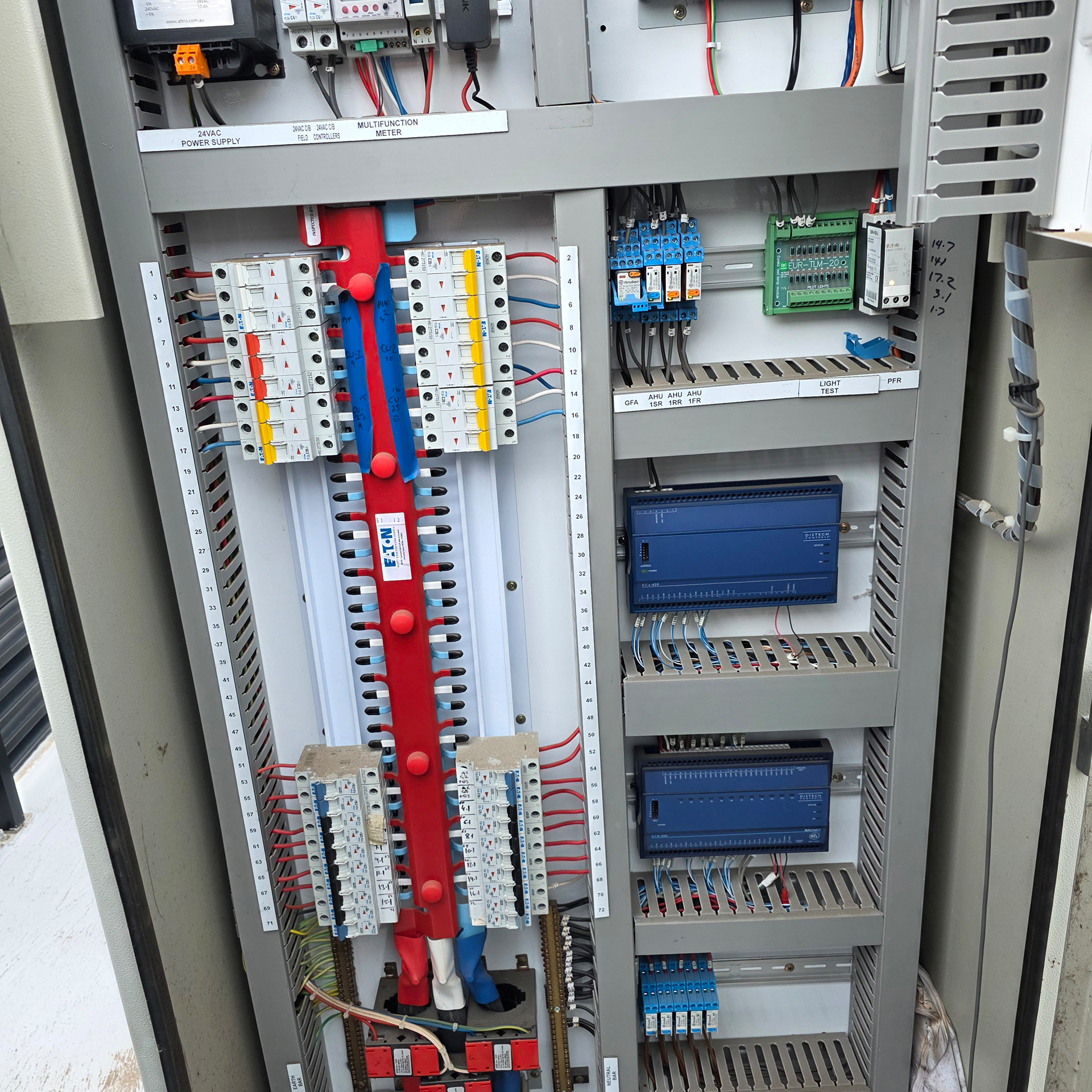
We implement a dedicated lighting control page within your BMS, designed specifically for lighting performance and scheduling.
Key Features:
✔ Separate IP address for secure, authorised access only
✔ Clear zone-by-zone control layout
✔ Weekly scheduling and overrides
✔ Real-time lighting status
✔ Occupancy sensor integration
✔ Simple facility manager interface
This gives you:
👉 Full visibility
👉 Centralised control
👉 Smarter energy management
👉 No interference with other building systems
Lighting becomes a controlled asset, not a fixed overhead.
Enhancing Whole-Building Performance & NABERS Outcomes
When lighting is automated, zoned, and optimised through the BMS, as part of your Commercial Office Lighting Upgrades, it directly contributes to:
• Reduced energy consumption
• Lower peak demand
• Improved operational efficiency
• Better performance reporting
This structured control approach can strongly support improved outcomes under National Australian Built Environment Rating System (NABERS) by demonstrating:
✔ Efficient services operation
✔ Smart energy management
✔ Reduced waste
✔ Data-backed performance improvements
Smarter lighting isn’t just about cost, it’s about building value.
The Combined Impact
When you integrate:
✅ High-efficiency LED upgrades
✅ Zoned lighting layouts
✅ Occupancy sensors
✅ Weekly attendance scheduling
✅ Central BMS control
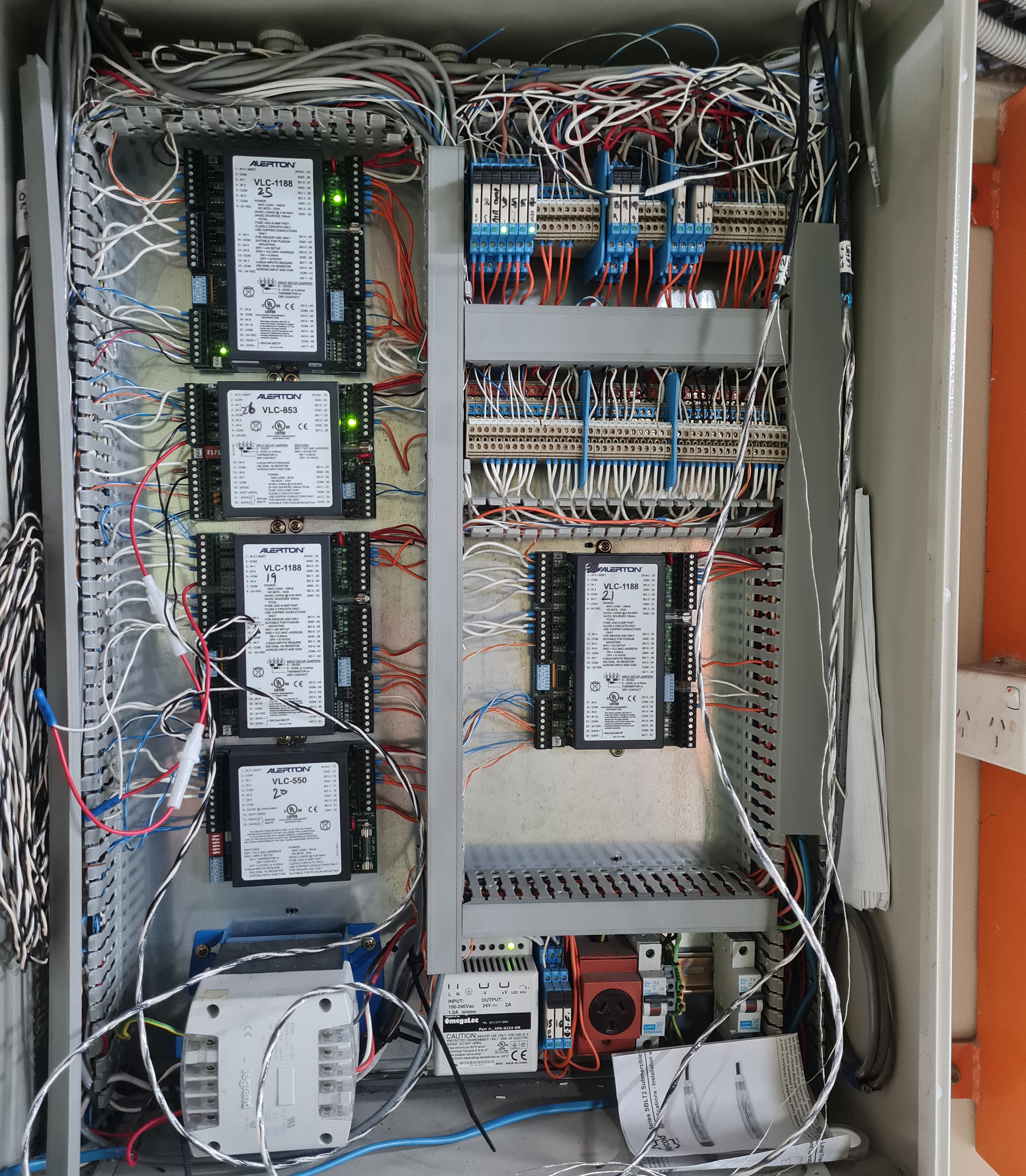
Include trend logging lighting energy usage with seperate energy meters that network directly into your BMS. This makes for an excellent review of the energy bills and where energy could be saved.
You achieve:
📉 Maximum energy savings
🏢 Greater building operational control
🔧 Reduced maintenance
📊 Measurable performance improvements
🌍 Strong sustainability outcomes
Ready to Optimise Your Lighting Through the BMS?
In a Commercial Office Lighting Upgrades, we can deliver:
✔ Custom BMS lighting pages
✔ Secure IP-based access
✔ Occupancy scheduling strategies
✔ Full integration with existing systems
✔ Clear ROI and performance benefits