
Estimated reading time: 8 minutes
Variable Speed Drives: Where They Save Energy—and Where They Don’t
Not every motor needs a Variable Speed Drive. Understanding when they deliver genuine value is the key to making informed engineering decisions.
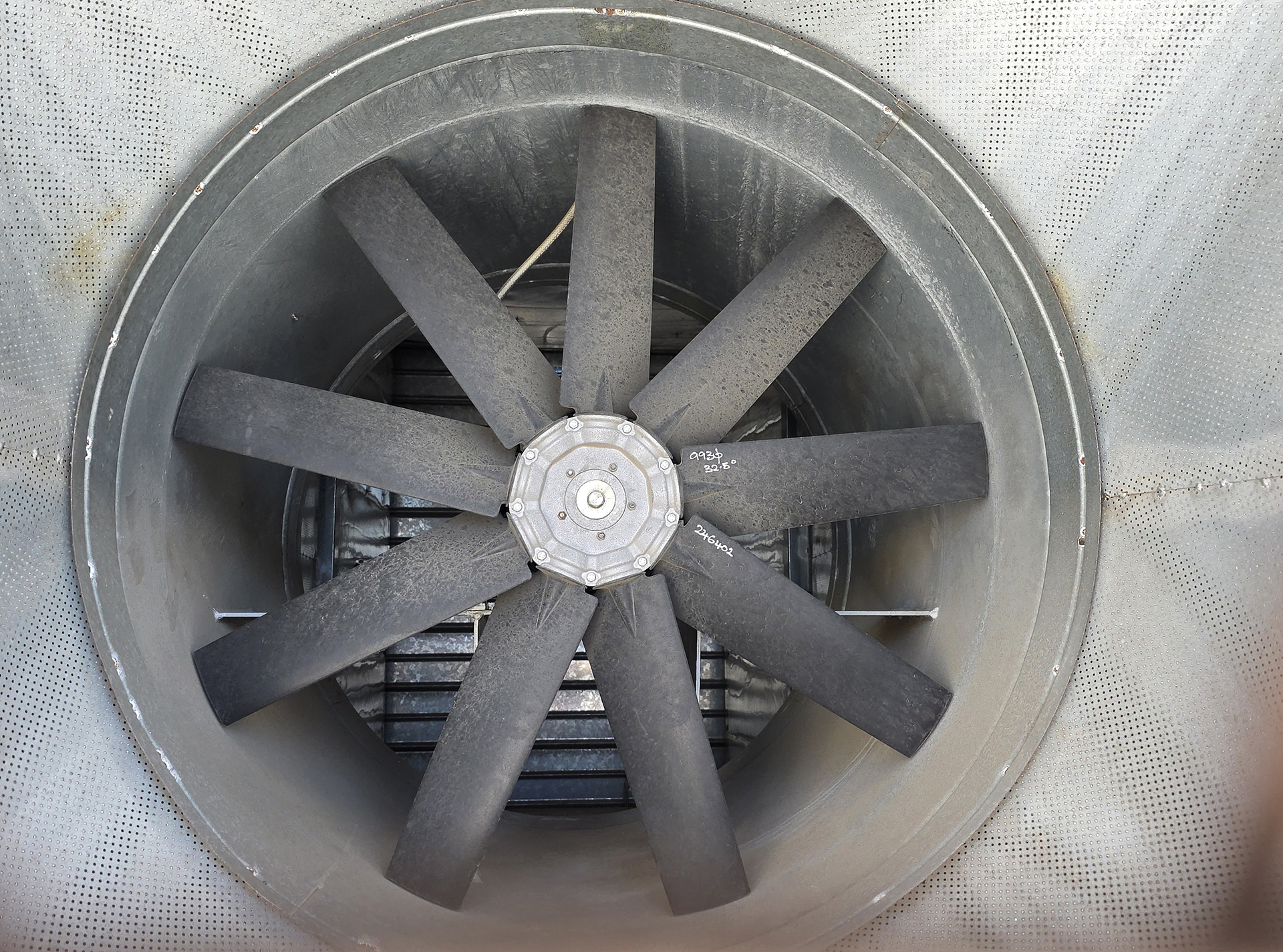
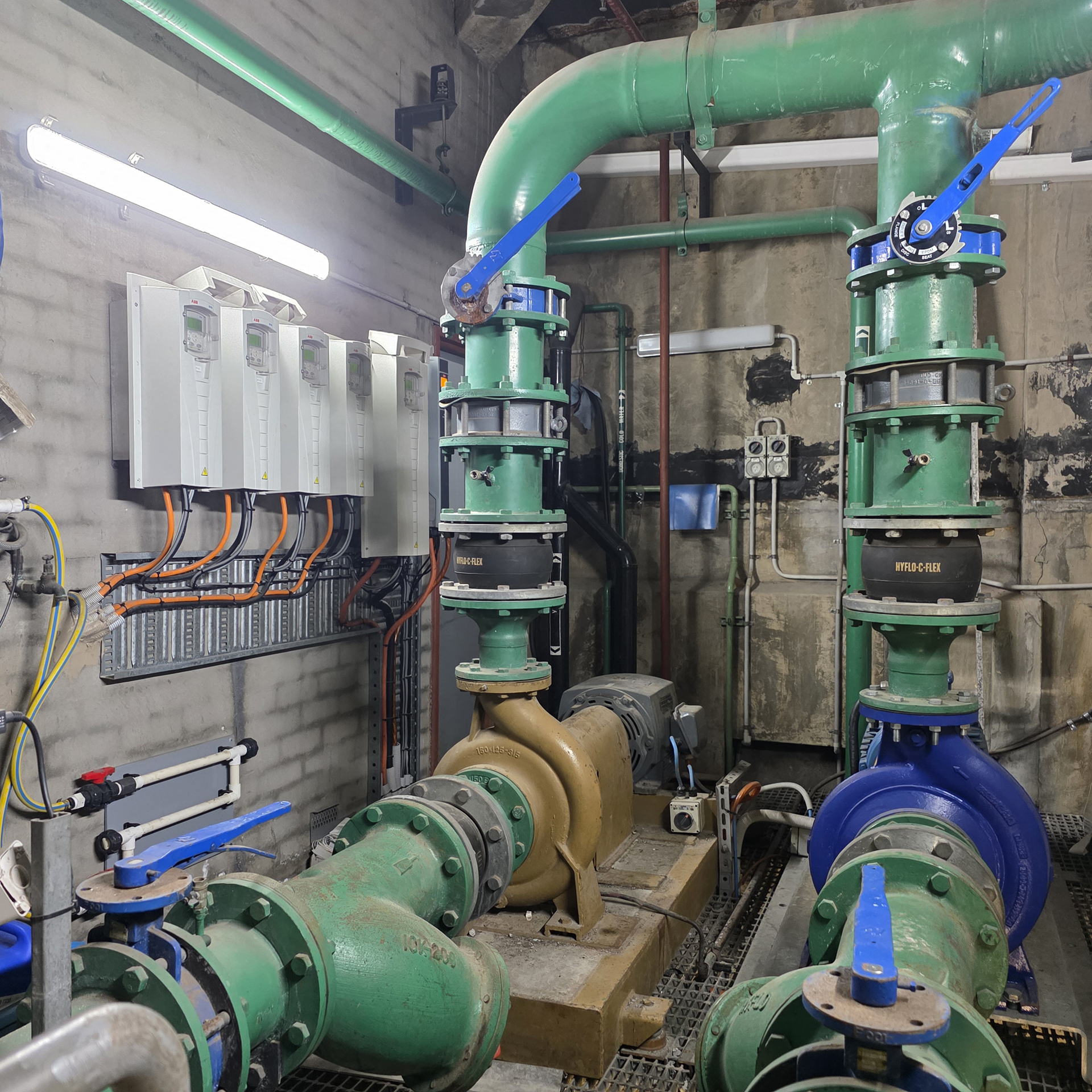
Walk through almost any commercial building and you’ll find pumps and fans quietly doing their job behind the scenes. They circulate chilled water, move conditioned air through office floors, exhaust car parks, operate cooling towers and maintain comfortable indoor environments. Many of these motors now operate through Variable Speed Drives (VSDs), but not every installation delivers the energy savings that building owners expect.
At WR8Tech we are often asked a simple question:
“Should we install Variable Speed Drives throughout our building?”
The answer is rarely a simple yes or no. Like most engineering decisions, it depends on how the equipment operates, how the building is controlled and whether there is a sound business case.
What is a Variable Speed Drive?
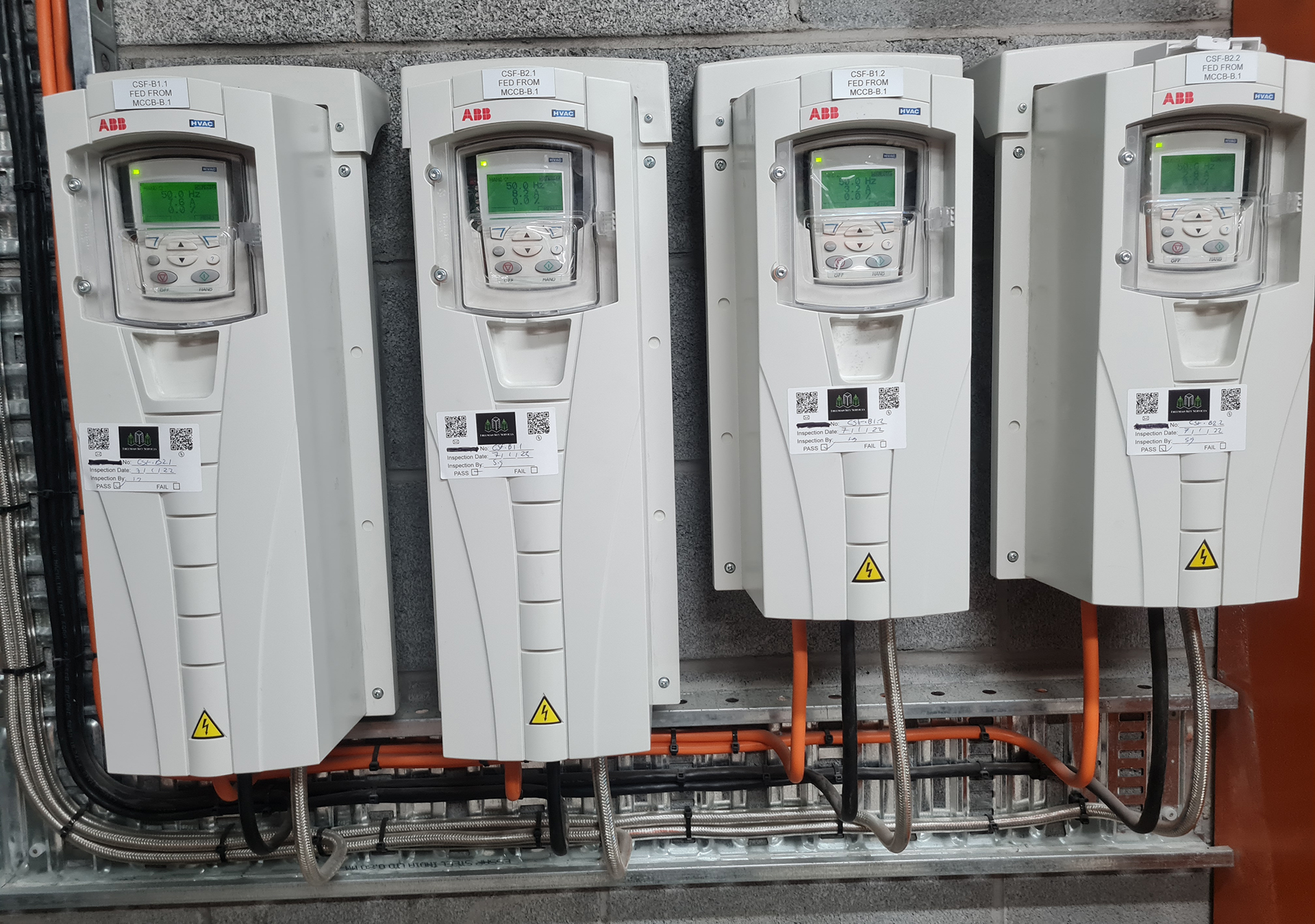
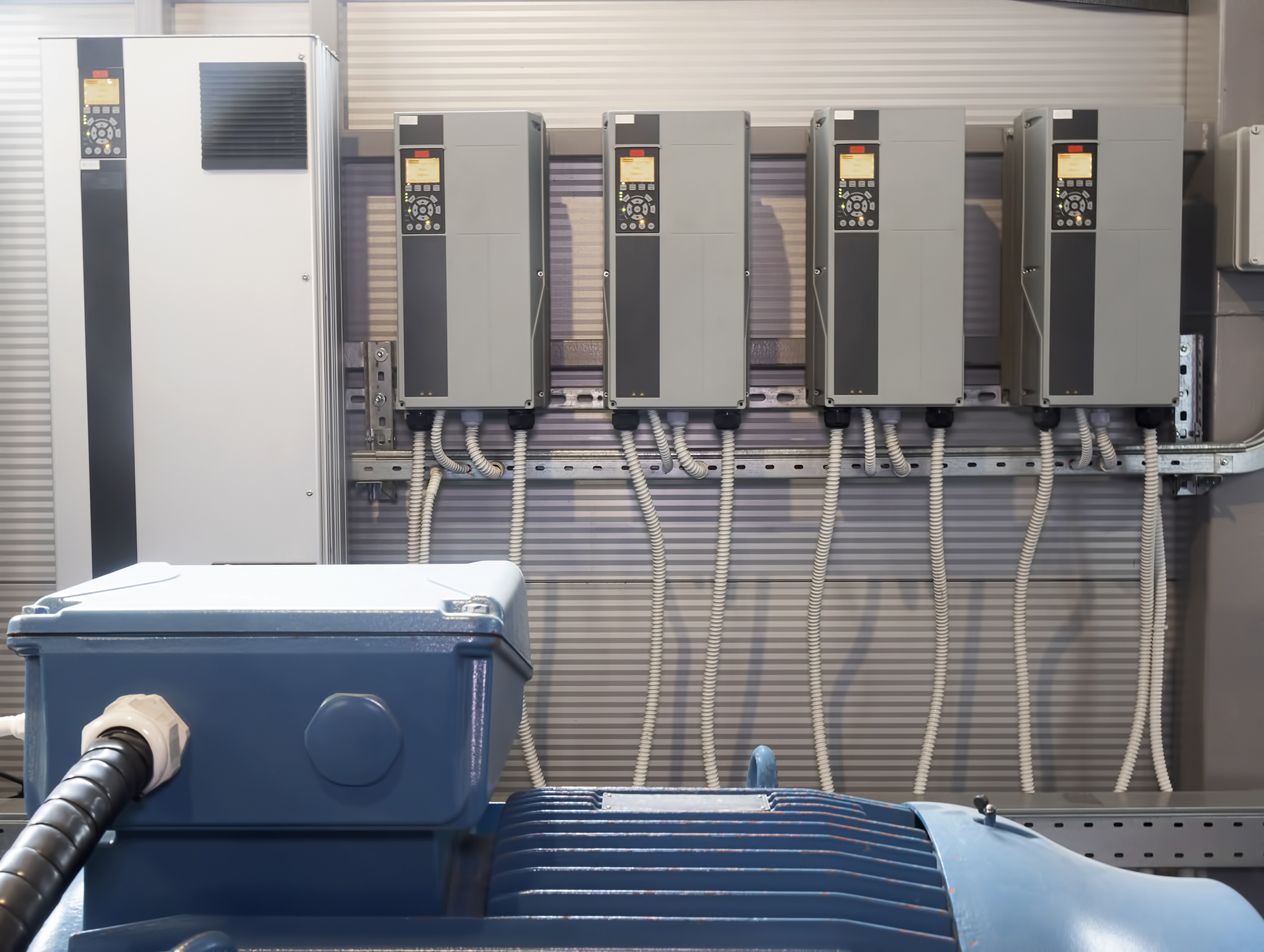
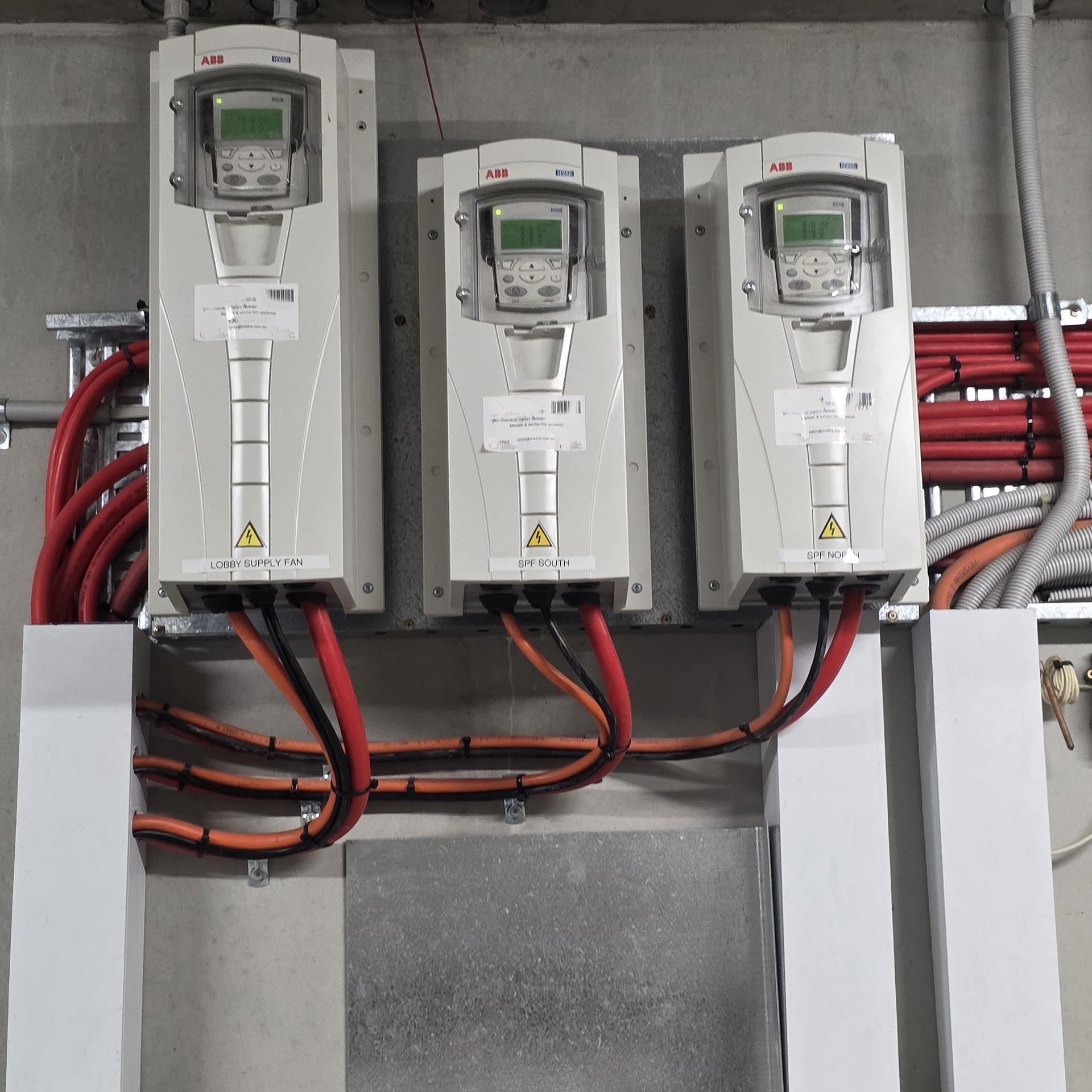
A Variable Speed Drive (VSD), sometimes called a Variable Frequency Drive (VFD), is an electronic controller installed between the electrical supply and an electric motor.
Rather than simply switching a motor fully on or fully off, the drive controls the voltage and frequency supplied to the motor, allowing its speed to increase or decrease as demand changes.
Instead of operating at full speed all day, a pump or fan can operate only as fast as required to meet the building’s actual load.
This ability to continuously adjust motor speed is where most of the energy savings are achieved.
Where Do VSDs Save Energy?
One of the most common misconceptions is that Variable Speed Drives save energy because they provide a “soft start.”
While soft starting certainly reduces electrical and mechanical stress during motor startup, this is not where the greatest energy savings occur.
The real savings come from reducing motor speed.
For centrifugal pumps and fans, the relationship between speed and power follows the Affinity Laws. A relatively small reduction in speed produces a much larger reduction in power consumption.
For example:
- Reduce motor speed by approximately 20%.
- Airflow or water flow reduces by around 20%.
- Electrical power consumption can reduce by nearly 50%.
This is why Variable Speed Drives have become such an important component of modern commercial HVAC systems.
Benefits Beyond Energy Savings
Energy efficiency is only one advantage of a properly engineered VSD installation.
Other benefits may include:
- Reduced electrical demand during motor starting
- Smoother motor acceleration and deceleration
- Less mechanical stress on shafts, bearings and couplings
- Reduced belt wear
- Lower maintenance costs
- Reduced water hammer within hydraulic systems
- Improved pressure and flow control
- More stable room temperatures
- Reduced plant noise
- Extended equipment life
When properly commissioned, these improvements often provide value well beyond reductions in electricity consumption.
Where Variable Speed Drives Work Best
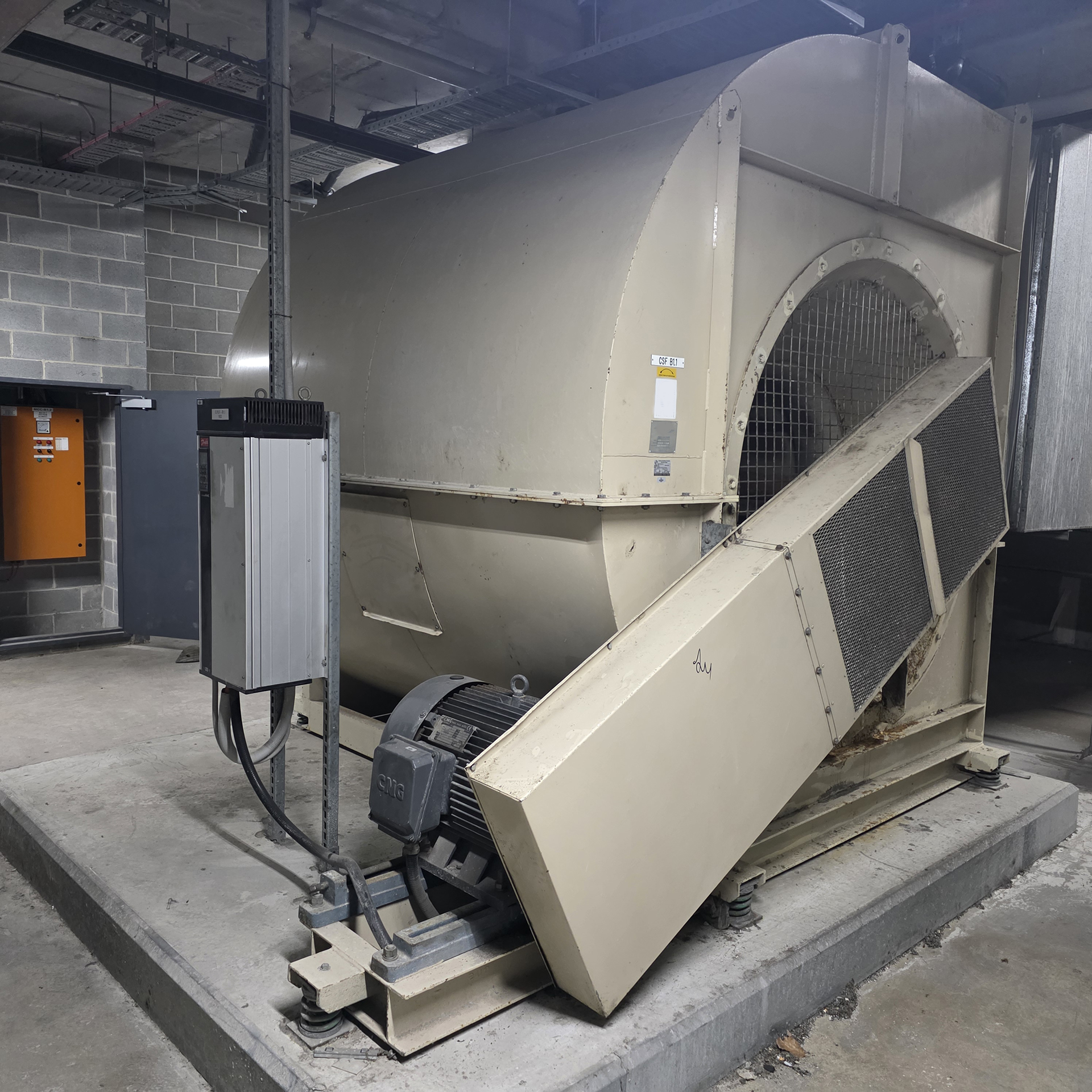
Variable Speed Drives are particularly effective where system demand changes throughout the day.
Typical applications include:
- Chilled water pumps
- Condenser water pumps
- Heating hot water pumps
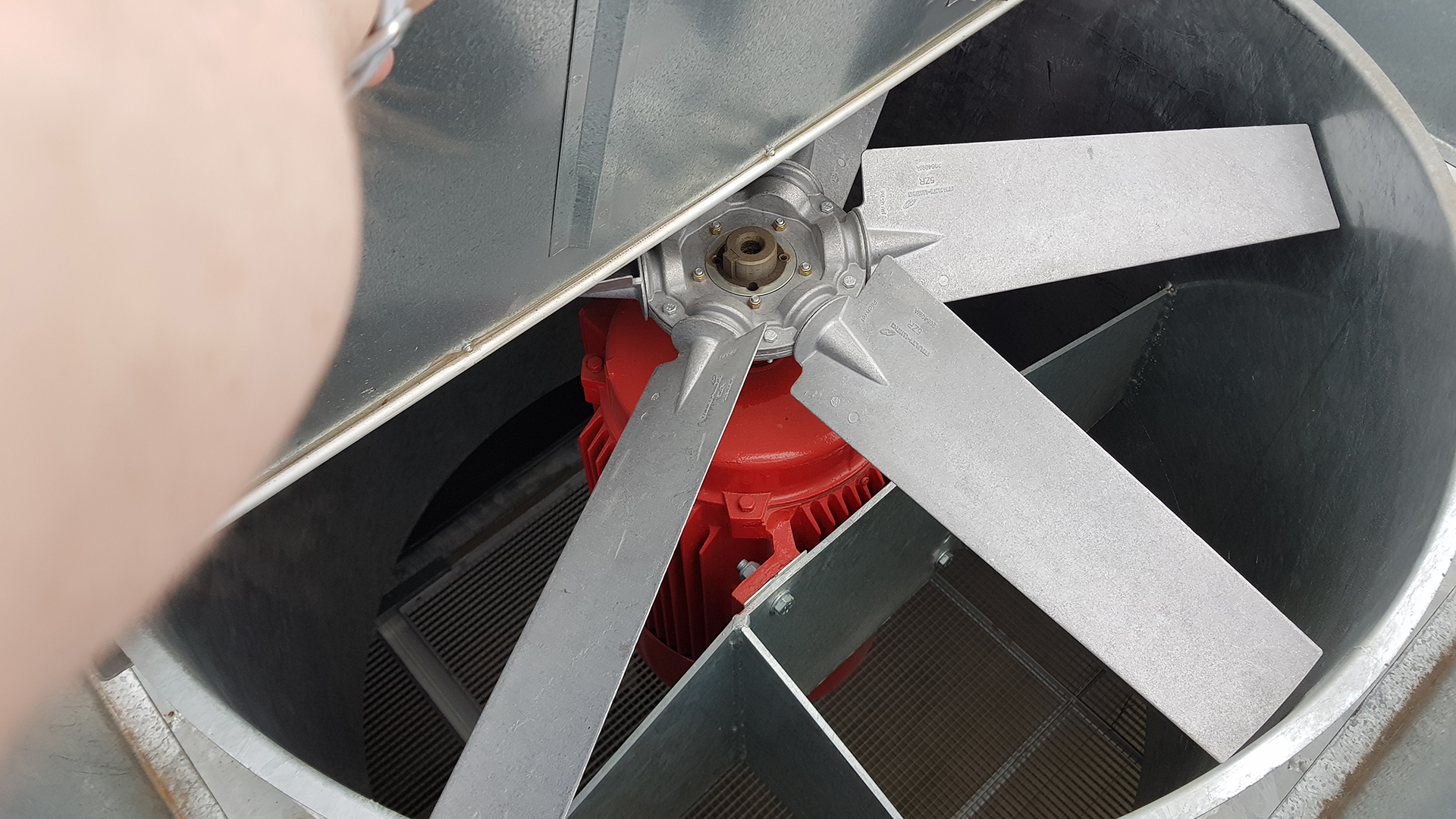
- Supply air fans
- Return air fans
- Cooling tower fans
- Car park exhaust fans
- Basement ventilation systems
- Booster pump systems
- Variable air volume (VAV) air handling systems
These systems rarely require 100% capacity all day. Matching motor speed to actual building demand is where significant operational savings can be achieved.
Where They May Not Be Appropriate
Not every motor will benefit from a Variable Speed Drive.
Examples where the return on investment may be limited include:
- Equipment designed to operate continuously at full capacity
- Emergency smoke exhaust systems that only operate during emergency conditions
- Certain process equipment requiring constant speed
- Very small motors with limited operating hours
- Equipment where system design prevents meaningful speed variation
Each application should be assessed individually rather than assuming every motor requires a VSD.
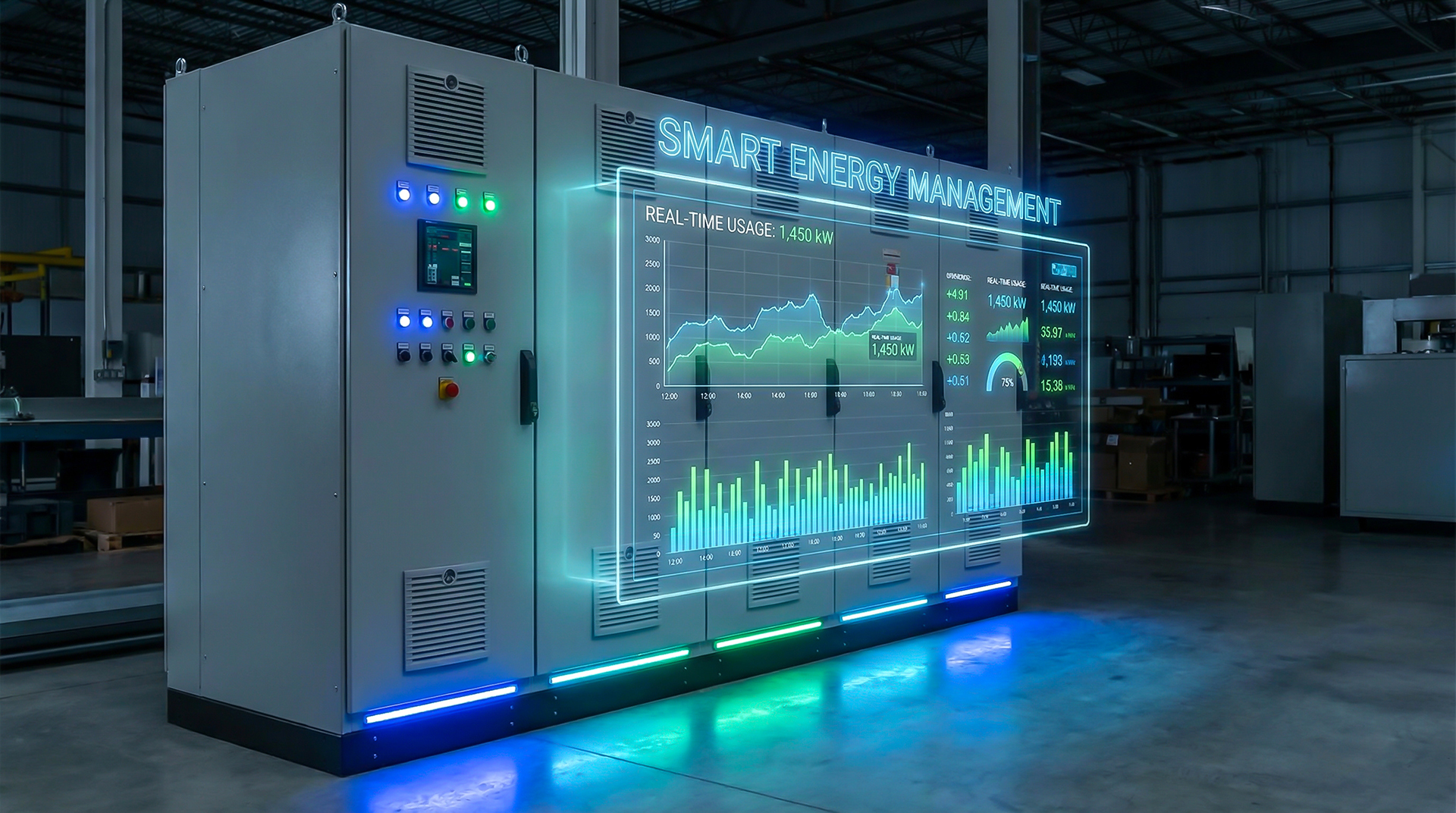
Why the Building Management System Matters
Installing a Variable Speed Drive does not automatically reduce energy consumption.
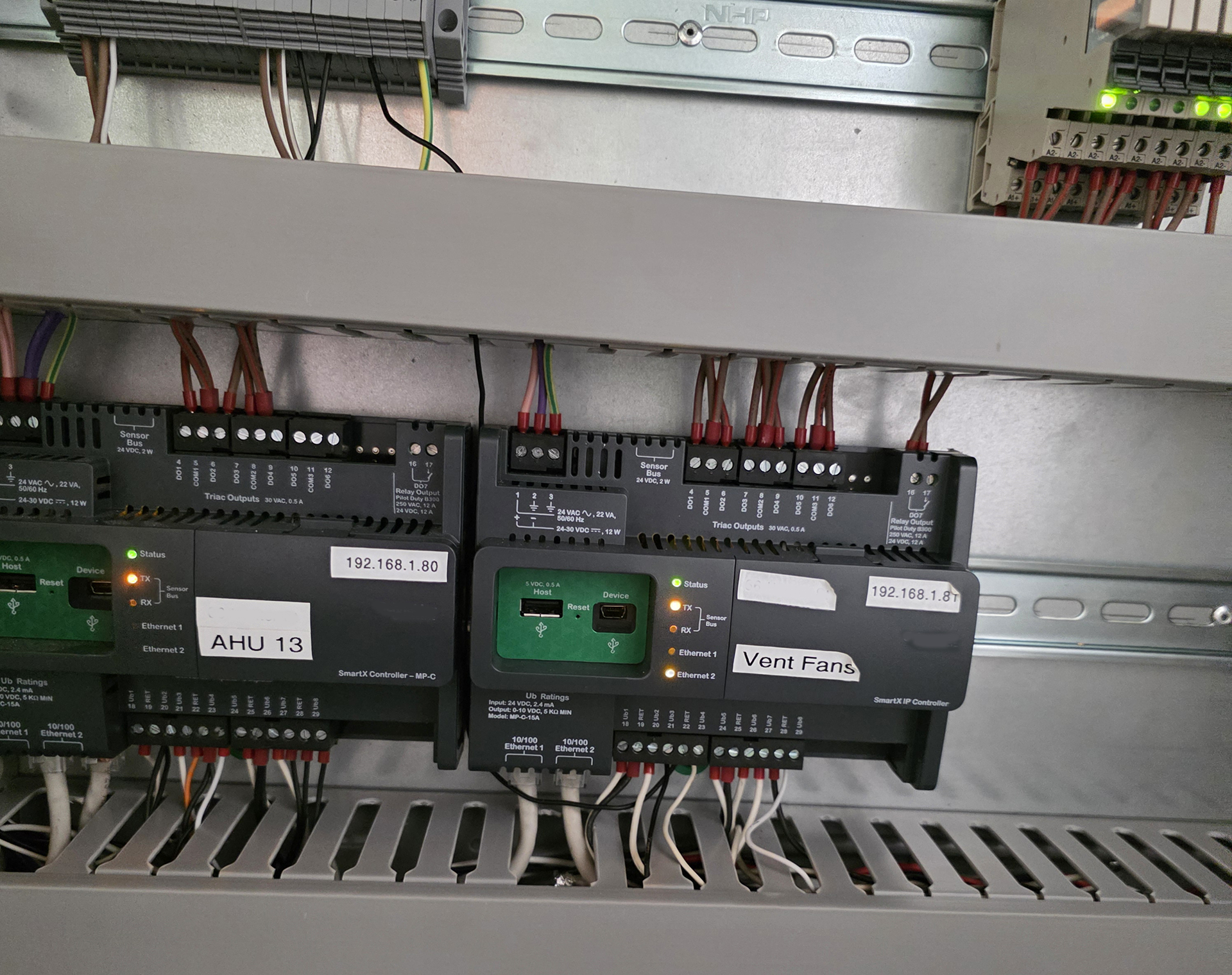
The Building Management System (BMS) is responsible for determining how the drive operates.
We regularly encounter buildings where Variable Speed Drives have been installed, yet the equipment still operates at or near full speed because:
- Minimum speed settings are too high.
- Pressure setpoints have never been optimised.
- PID control loops are poorly tuned.
- Sensors are inaccurate or have drifted over time.
- Drives have been left permanently in Manual mode.
- Bypass valves remain fully open, defeating the purpose of variable flow.
In these situations, the building technically has Variable Speed Drives installed, but achieves little of the expected benefit.
Correct BMS programming, commissioning and ongoing optimisation are often more important than the drive itself.
Installation Is Only Half the Job
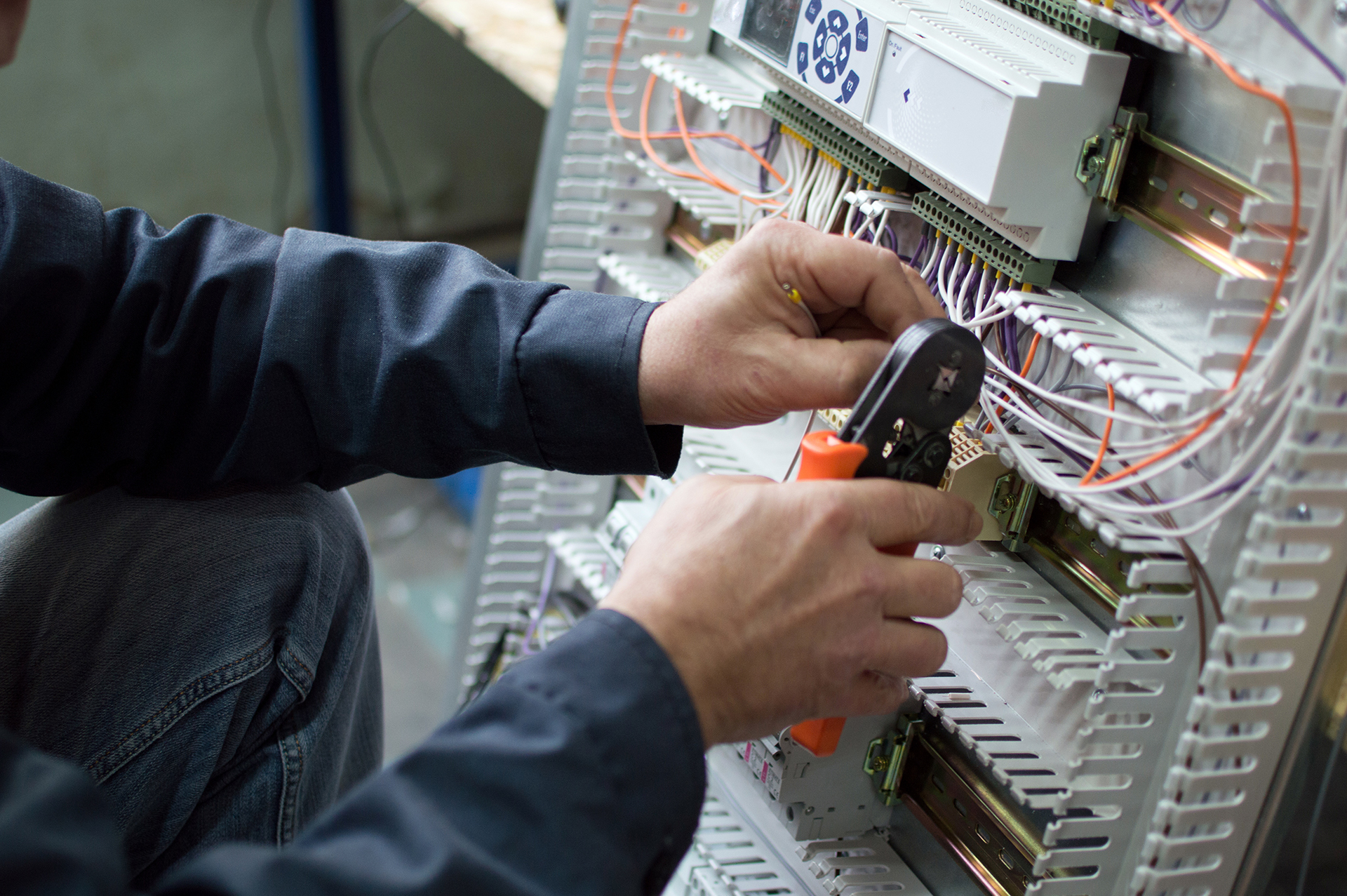
A successful Variable Speed Drive project extends well beyond installation.
Proper commissioning should include:
- Verification of motor protection settings
- Rotation and operational testing
- Control sequence verification
- Building Management System integration
- Sensor calibration
- PID tuning
- Operational trend logging
- Functional performance testing
- Operator training
Without commissioning, many VSD installations never achieve their intended performance.
Measuring Success
One of the most overlooked aspects of any energy efficiency project is measurement.
Before investing in Variable Speed Drives, building owners should establish a baseline wherever practical.
Useful measurements include:
- Electrical energy consumption (kWh)
- Maximum demand (kW)
- Motor running hours
- System pressure
- Flow rates
- Fan speeds
- Drive operating frequency
- Equipment fault history
- Occupant comfort
- Maintenance costs
Collecting data before and after installation allows owners to verify the effectiveness of the project and provides valuable information when assessing future upgrades elsewhere within the building.
What About Return on Investment?
Every building is different.
The financial return from installing Variable Speed Drives depends on several factors, including:
- Motor size
- Annual operating hours
- Existing control strategy
- Building occupancy
- Utility tariffs
- Mechanical system design
- Building Management System performance
Many well-designed commercial installations achieve an attractive return on investment, often within two to five years. In some buildings the payback may be considerably shorter, while in others a Variable Speed Drive may not be justified at all.
This is why every application should be evaluated on its own technical and financial merits.

The WR8Tech Perspective
Variable Speed Drives are powerful engineering tools—but they are not a universal solution.
The greatest value comes from understanding the entire building system rather than focusing on a single component. Pumps, fans, sensors, valves, control strategies and Building Management Systems all work together, and improvements in one area often depend on the performance of another.
At WR8Tech, we assess the complete system before recommending upgrades. Our objective is not simply to install new equipment, but to improve building performance, reduce operating costs and ensure that every upgrade delivers measurable value over the life of the asset.
A correctly selected, correctly installed and correctly commissioned Variable Speed Drive, integrated with a properly configured Building Management System, can significantly reduce energy consumption, improve equipment reliability and extend the life of mechanical plant. Understanding where these technologies are appropriate—and where they are not—is the foundation of good engineering and better building management.
A Variable Speed Drive is only one part of the solution. The real energy savings come from good engineering, proper control strategies, correctly located sensors, and intelligent Building Management System integration.