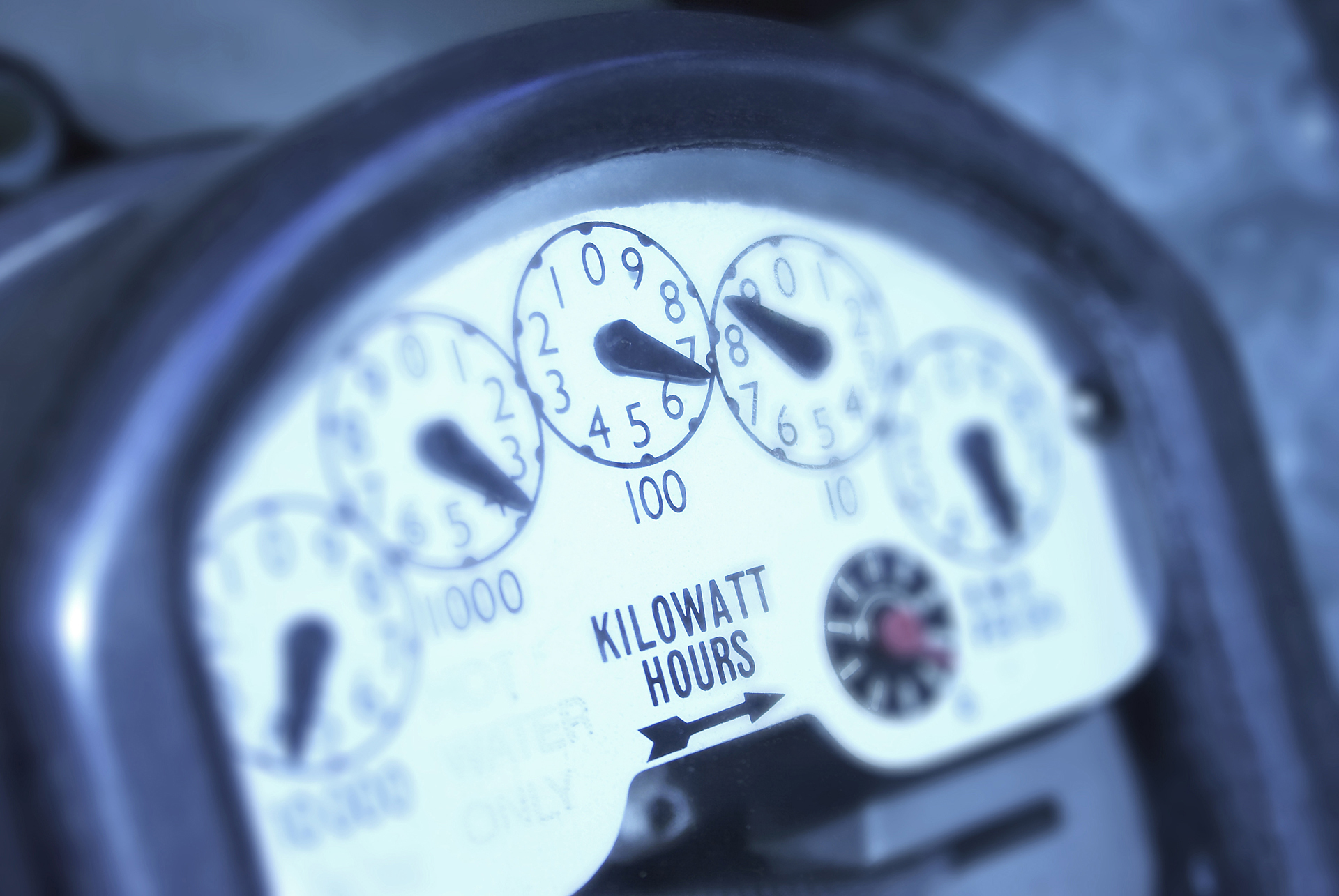
Energy Management Systems (EMS) Integration
Energy Data Is Only Valuable If You Can Use It
Most commercial buildings consume significant amounts of electricity, gas, water and other utilities every day, yet many owners have little visibility into where the energy is actually being used.
An Energy Management System (EMS) provides the intelligence layer between your building services and your operational decisions. By collecting, analysing and presenting energy data from across the facility, an EMS allows owners, facility managers and building operators to identify inefficiencies, verify savings initiatives and make informed decisions.
At WR8Tech, we design and integrate Energy Management Systems for commercial buildings, industrial facilities, shopping centres, healthcare facilities, educational campuses, strata properties and other complex assets throughout Australia.
Whether you require a completely standalone EMS platform or an EMS integrated into your existing Building Management System (BMS), we can provide a solution tailored to your building and operational requirements.
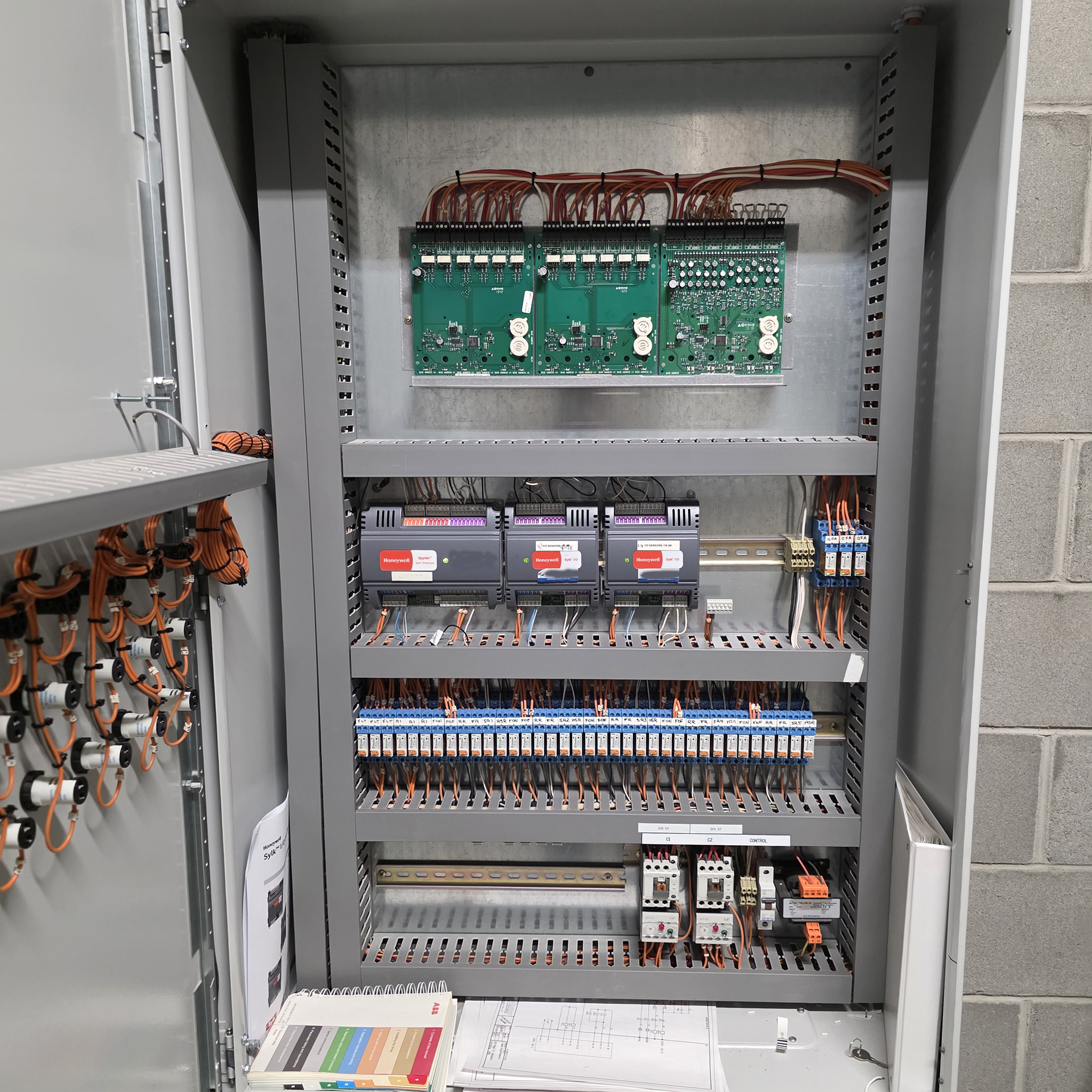
Standalone EMS or Integrated EMS?
Every building is different.
Some clients already have a Building Management System and simply require additional energy monitoring capabilities. Others have no BMS at all and need a dedicated energy platform.
WR8Tech can provide either approach.
Standalone Energy Management System
A standalone EMS provides an independent monitoring platform that operates separately from the building’s existing control systems.
This approach offers several advantages:
- Independent verification of building performance
- Reduced reliance on incumbent BMS providers
- Simplified energy reporting
- Lower implementation costs
- Easier expansion across multiple sites
- Portfolio-wide energy dashboards
A standalone EMS is often ideal where an existing BMS is ageing, proprietary, difficult to access or no longer supported.
Integrated Energy Management System
Where a modern BMS already exists, the EMS can be integrated directly into the existing building platform.
This allows operators to view:
- HVAC performance
- Electrical demand
- Water consumption
- Gas consumption
- Renewable energy generation
- Carbon reporting
- Utility costs
from a single operator interface.
Monitoring Essential and Non-Essential Services
Commercial buildings typically contain multiple electrical distribution systems.
A well-designed EMS can monitor both Essential and Non-Essential services to provide a complete picture of building energy performance.
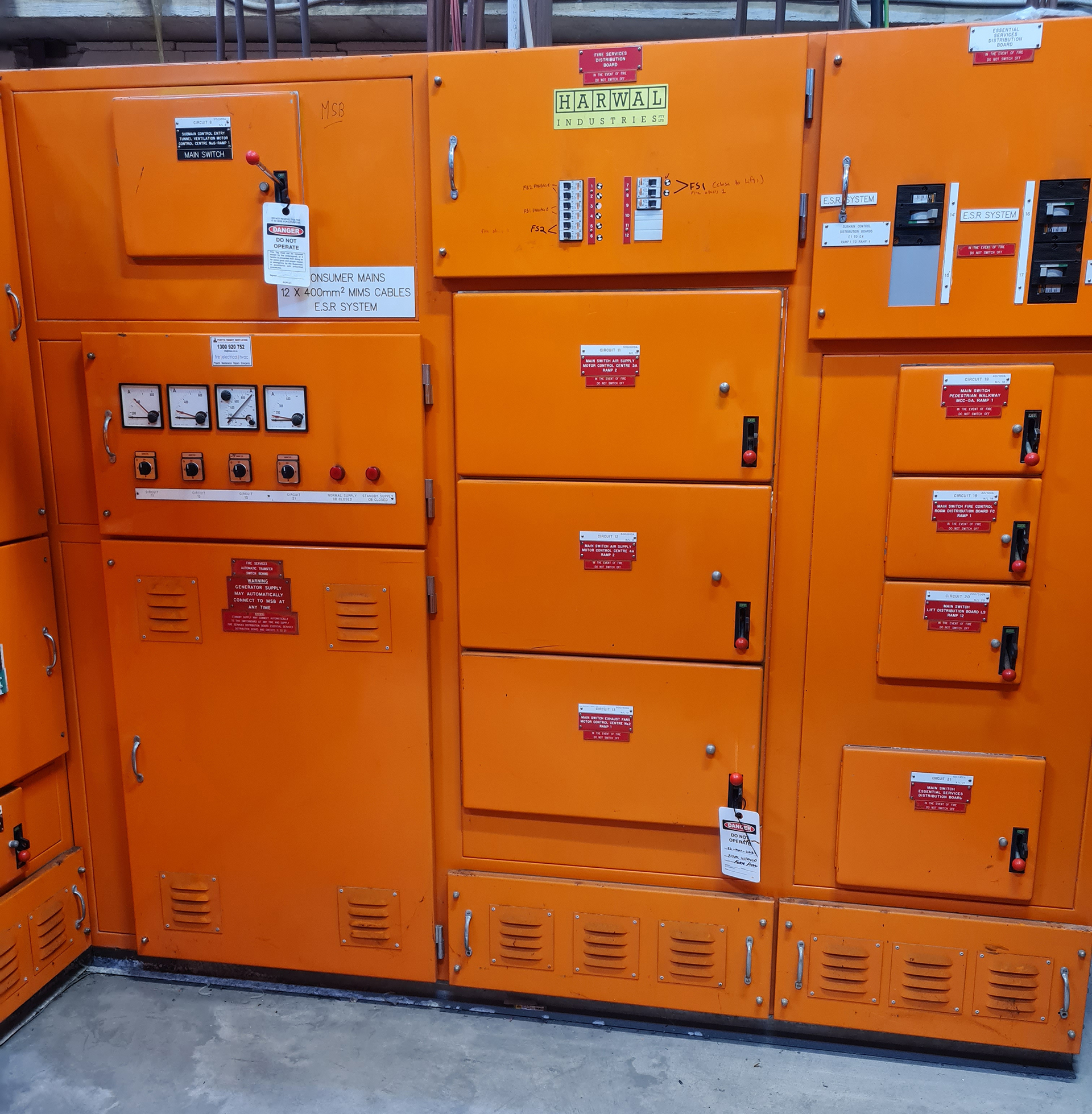
Main Switchboards (MSB)
The Main Switchboard is often the ideal location for:
- Incoming utility monitoring
- Demand monitoring
- Power quality monitoring
- Maximum demand analysis
- Tenant allocation
- Carbon reporting
Monitoring at the Main Switchboard allows facility managers to understand overall building consumption and identify trends before utility costs become a problem.
Non-Essential Mechanical Services Switchboards
Mechanical Services Switchboards often supply:
- Chillers
- Cooling towers
- Air handling units
- Pumps
- Exhaust systems
- Variable speed drives
Because HVAC systems frequently account for the majority of building energy consumption, monitoring these systems often provides the greatest opportunity for savings.
Essential Mechanical Services Switchboards
Essential services switchboards support life-safety and critical building functions such as:
- Smoke exhaust systems
- Stair pressurisation systems
- Fire mode mechanical systems
- Emergency ventilation systems
- Critical plant
Monitoring these systems can assist in understanding operational performance, identifying abnormal conditions and supporting compliance strategies.
Beyond Electricity – Monitoring Utilities and Energy Sources
Energy management is no longer limited to electrical consumption.
Modern EMS platforms can monitor a wide range of energy and utility sources.
Electrical Energy
- kWh consumption
- Demand (kW)
- Power factor
- Voltage
- Current
- Harmonics
- Power quality
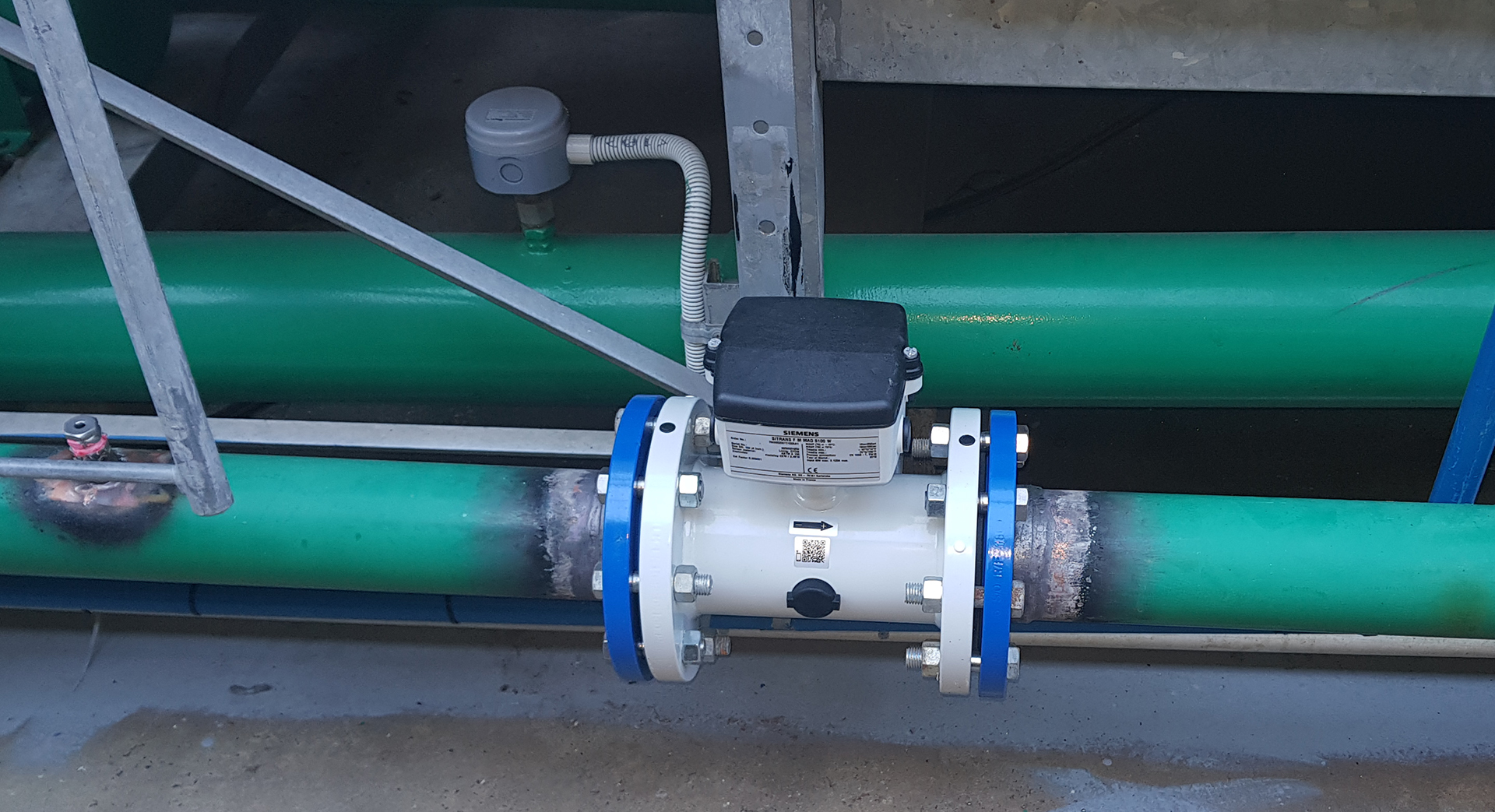
Fluid Energy
Fluid energy monitoring can provide visibility into:
- Chilled water systems
- Heating hot water systems
- Condenser water systems
- Thermal energy transfer
- District energy systems
Using flow meters and temperature sensors, facility managers can understand how efficiently plant is operating and identify hidden losses.
Fossil Fuels
Many facilities continue to utilise:
- Natural gas
- LPG
- Diesel
- Fuel oil
An EMS can collect and trend fuel consumption data, helping owners understand operating costs and identify opportunities for efficiency improvements or electrification strategies.
Water Monitoring
Monitoring water consumption can reveal:
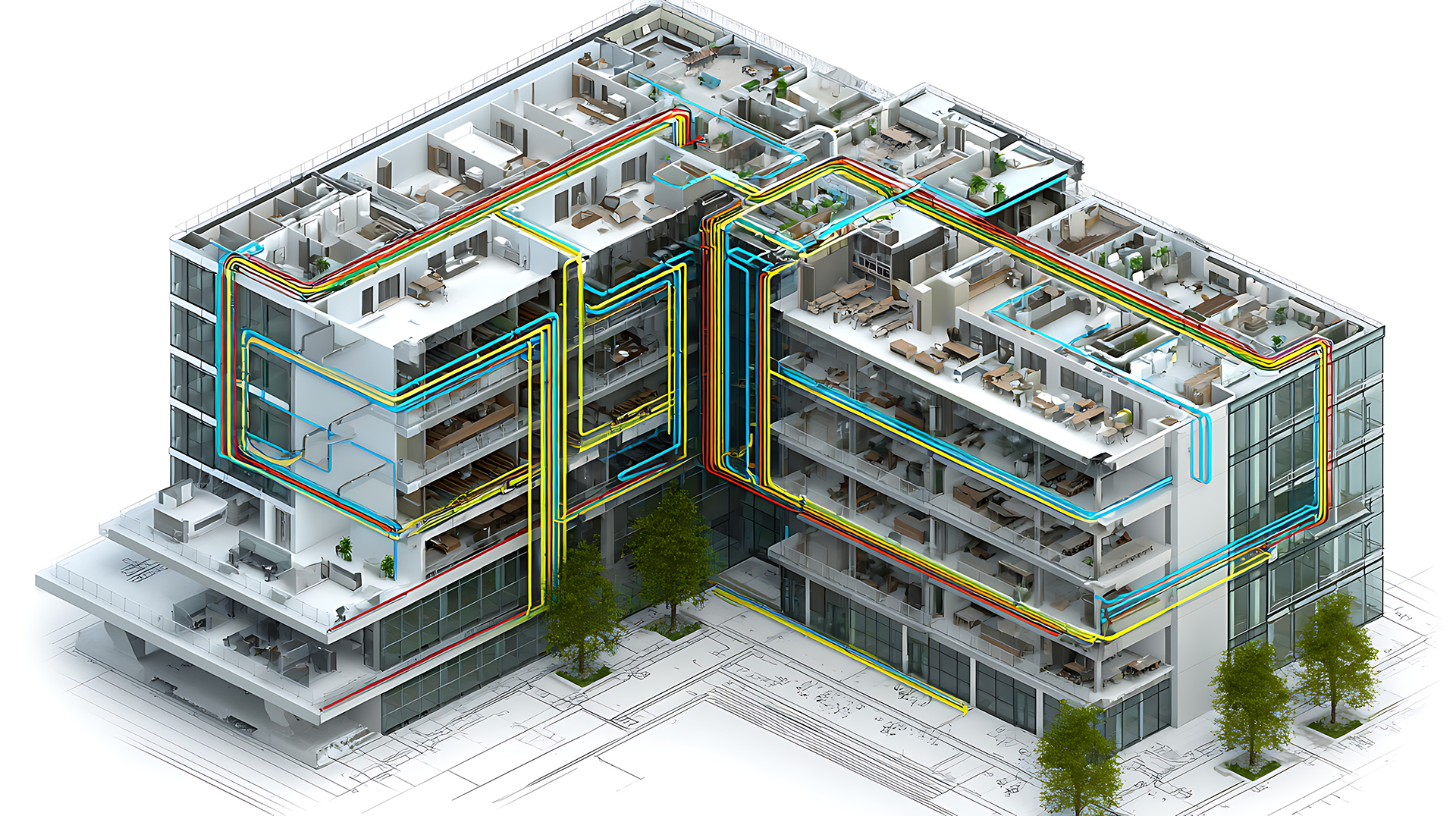
Open Protocol Integration
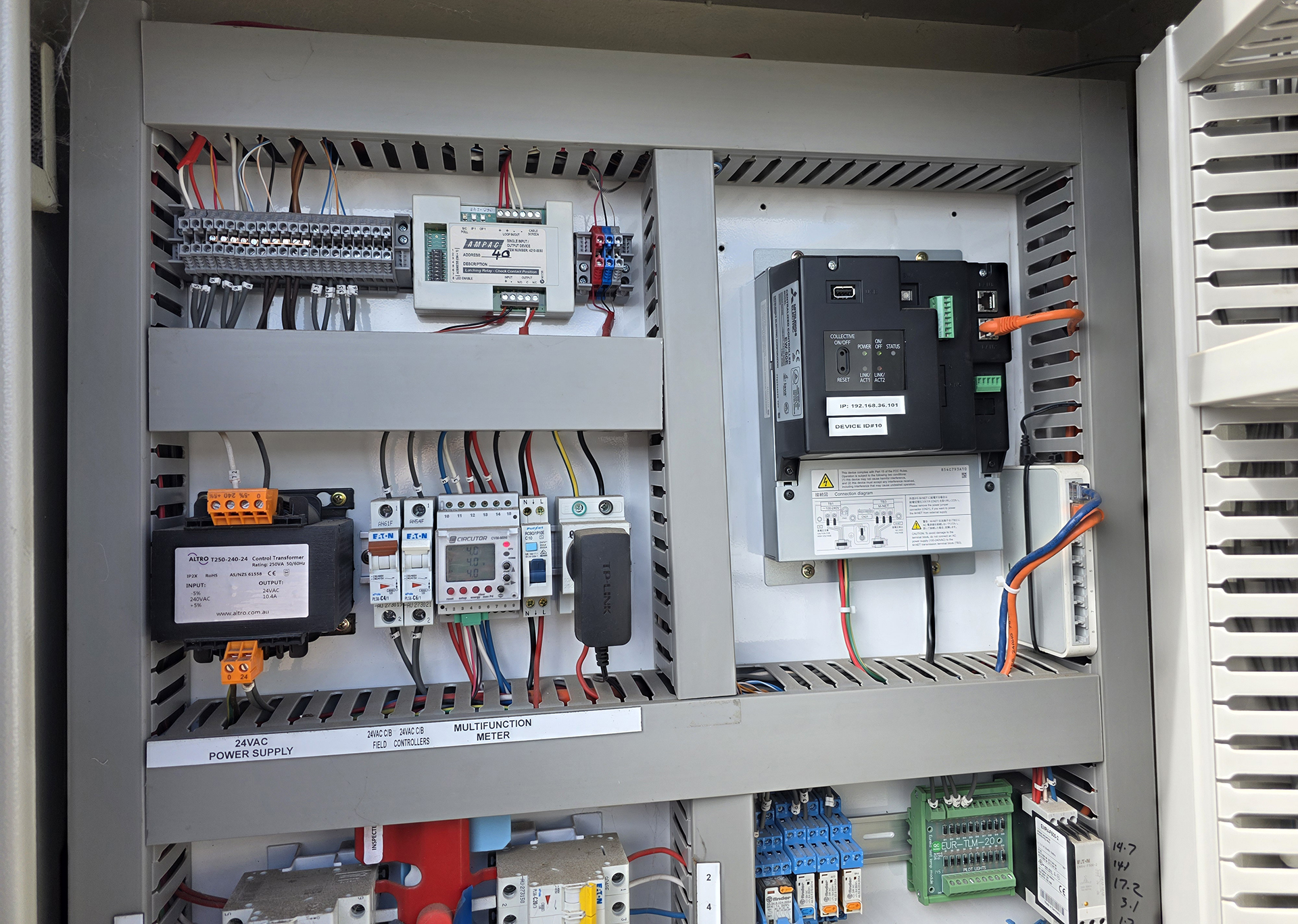
One of WR8Tech’s strengths is our ability to integrate across multiple building technologies.
We are not tied to a single manufacturer.
Typical EMS integrations include:
- BACnet IP
- BACnet MS/TP
- Modbus TCP
- Modbus RTU (RS-485)
- MQTT
- OPC
- SNMP
- M-Bus
- LonWorks
- Proprietary gateways
- API integrations
This flexibility allows us to extract valuable data from both modern and legacy building systems.
Supporting Existing BMS Platforms
Many building owners become heavily dependent on a single BMS provider.
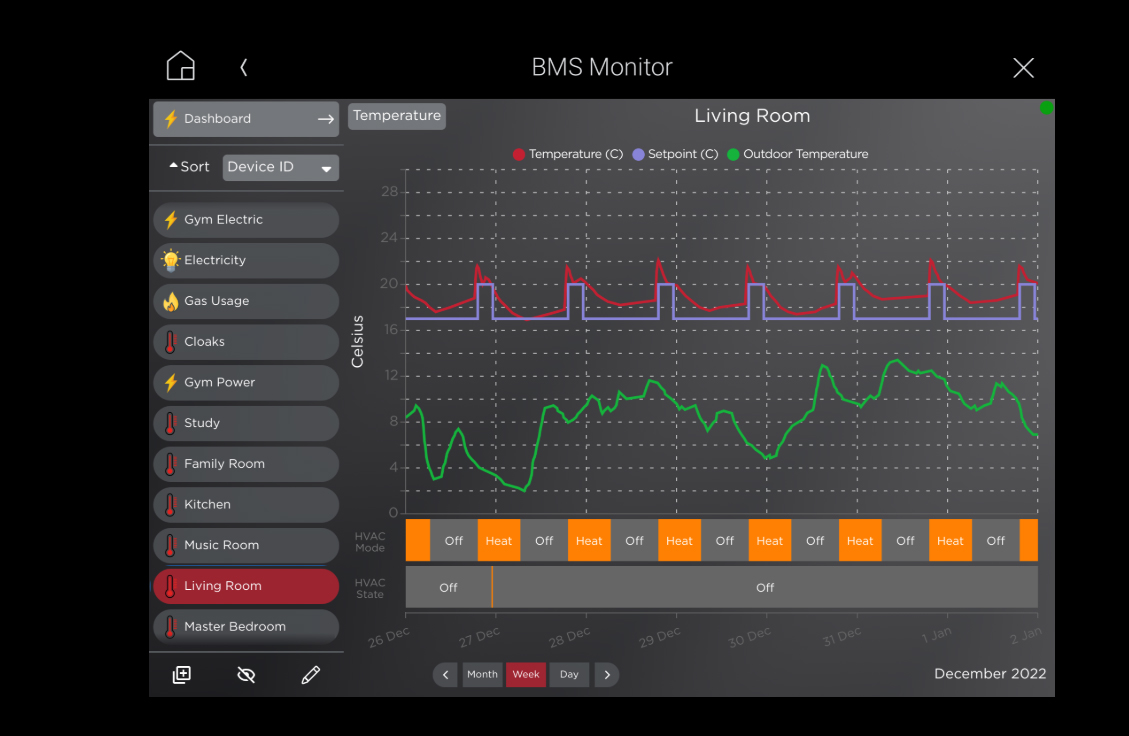
An independent EMS can act as a second layer of intelligence and verification.
Benefits include:
- Independent performance monitoring
- Verification of BMS operation
- Verification of energy savings claims
- Portfolio reporting across multiple sites
- Historical data retention
- Reduced vendor dependence
- Simplified benchmarking
Rather than replacing an existing BMS, an EMS can complement and support it.
This approach is particularly valuable in older commercial buildings where the existing BMS may still control the building adequately but lacks modern reporting and analytics capabilities.
Typical EMS Applications
WR8Tech Energy Management Systems are commonly deployed in:
- Commercial office buildings
- Shopping centres
- Hospitals
- Schools and universities
- Data centres
- Industrial facilities
- Warehouses
- Residential towers
- Strata properties
- Unsupervised buildings
Whether your objective is reducing energy costs, supporting NABERS performance, improving ESG reporting, monitoring utility consumption or simply gaining greater visibility into building operations, we can develop an EMS solution tailored to your requirements.
Why WR8Tech?
Our background combines electrical engineering, mechanical services, HVAC controls, BMS integration and facility management.
Unlike traditional energy consultants, we understand where the data originates, how it is collected and how it interacts with the physical building systems.
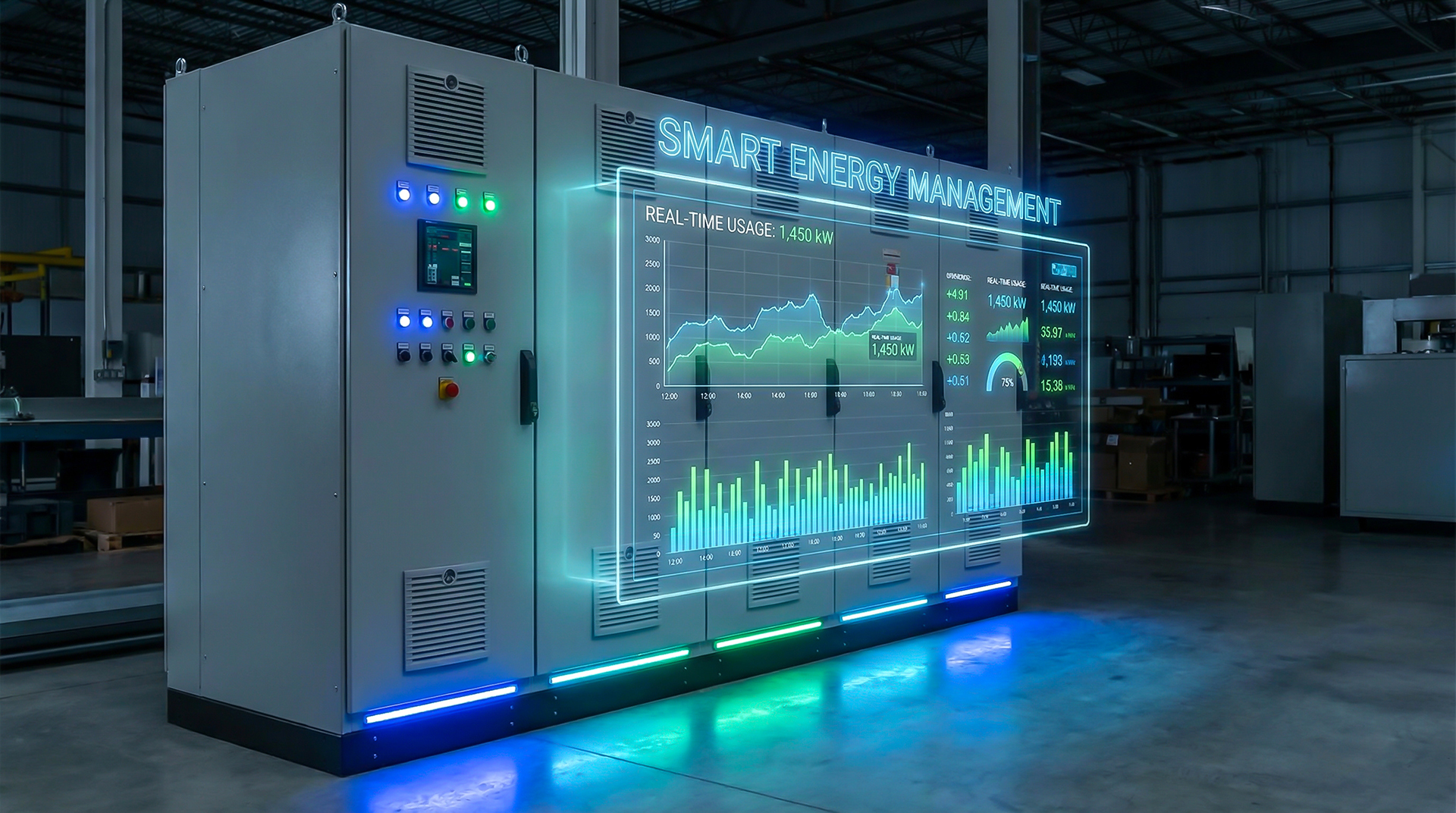
We design practical Energy Management Systems that provide meaningful operational intelligence rather than simply generating reports.
From energy meters and thermal meters through to switchboards, plant rooms, BACnet networks and cloud dashboards, WR8Tech delivers complete Energy Management System solutions that support better building performance.
Speak With WR8Tech
Looking to install a standalone Energy Management System, expand your existing BMS, or gain independent visibility of building performance?
Contact WR8Tech to discuss EMS integration, energy metering, utility monitoring and building analytics solutions for your facility.
A few more Links
- Commercial Building Energy Audits
- Energy Management for Commercial Buildings
- Energy Management Services
- Energy Management Systems (EMS) Integration
- Energy Metering
- ESG Performance and Reporting
- Seven Things We Look For During Every Energy Audit
- Variable Speed Drives: Where They Save Energy