Energy Solutions for Commercial Buildings
Understanding Where Energy Is Used Is the First Step Towards Reducing Waste
Commercial buildings consume energy in many forms. Electricity powers lighting, lifts, HVAC systems, pumps, fans and tenant equipment. Gas and other fossil fuels may support boilers, hot water systems and industrial processes. Water and fluid-based systems transfer thermal energy throughout a building, often representing some of the largest operating costs within the facility.
The challenge for many building owners is not simply reducing energy consumption. The challenge is understanding where energy is being used, whether systems are operating efficiently, and identifying opportunities for improvement.
WR8Tech helps building owners, facility managers, strata managers and property professionals gain visibility and control over building energy performance through metering, monitoring, integration, analytics and intelligent building technologies.
Whether you operate a single commercial property or an entire portfolio, we provide practical solutions that convert building data into actionable information.
Energy Is More Than Electricity
Many energy initiatives focus solely on electrical consumption. In reality, energy exists throughout the entire building ecosystem.
Mechanical services consume energy through:
- Chillers
- Boilers
- Cooling towers
- Pumps
- Air handling units
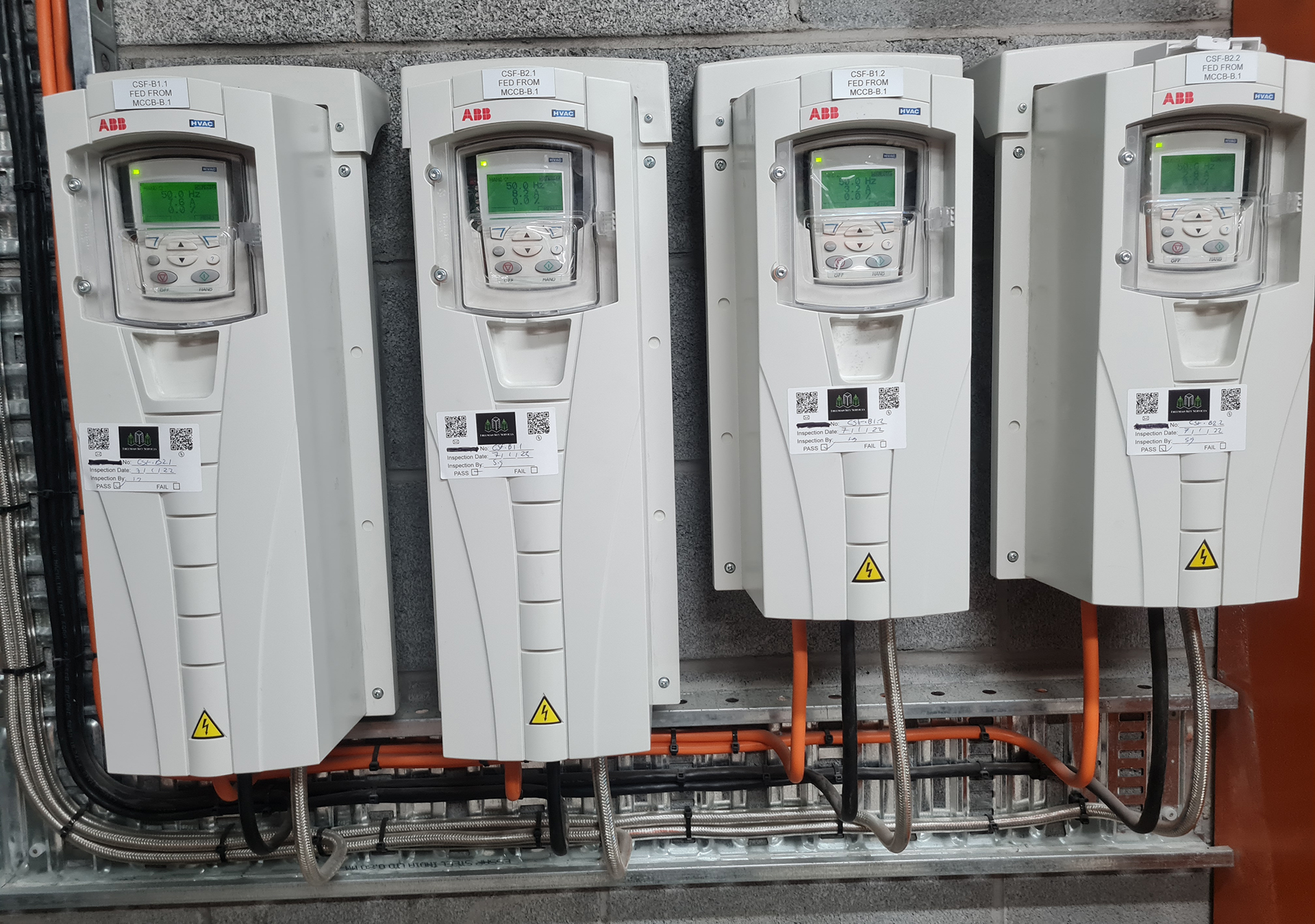
- Variable speed drives
- Exhaust systems
- Ventilation systems
Buildings may also consume:
- Natural Gas
- LPG
- Diesel
- Water
- Thermal Energy
- Renewable Energy
Without proper measurement and visibility, significant inefficiencies can remain hidden for years.
Our approach considers the complete building rather than individual systems in isolation.
Electrical Energy Monitoring
Most commercial buildings receive power through a Main Switchboard before distributing energy throughout the facility.
By monitoring electrical infrastructure, building owners can understand:
- Building demand profiles
- Peak demand events
- Power quality issues
- Power factor performance
- Tenant consumption
- Equipment energy use
- Utility costs
Electrical monitoring may be installed at:
Main Switchboards
Providing whole-building visibility and utility monitoring.
Distribution Boards
Providing tenancy, floor or equipment-level monitoring.
Mechanical Services Switchboards
Providing visibility of HVAC and plant energy consumption.
The result is a clearer understanding of where energy is being consumed and where savings opportunities exist.
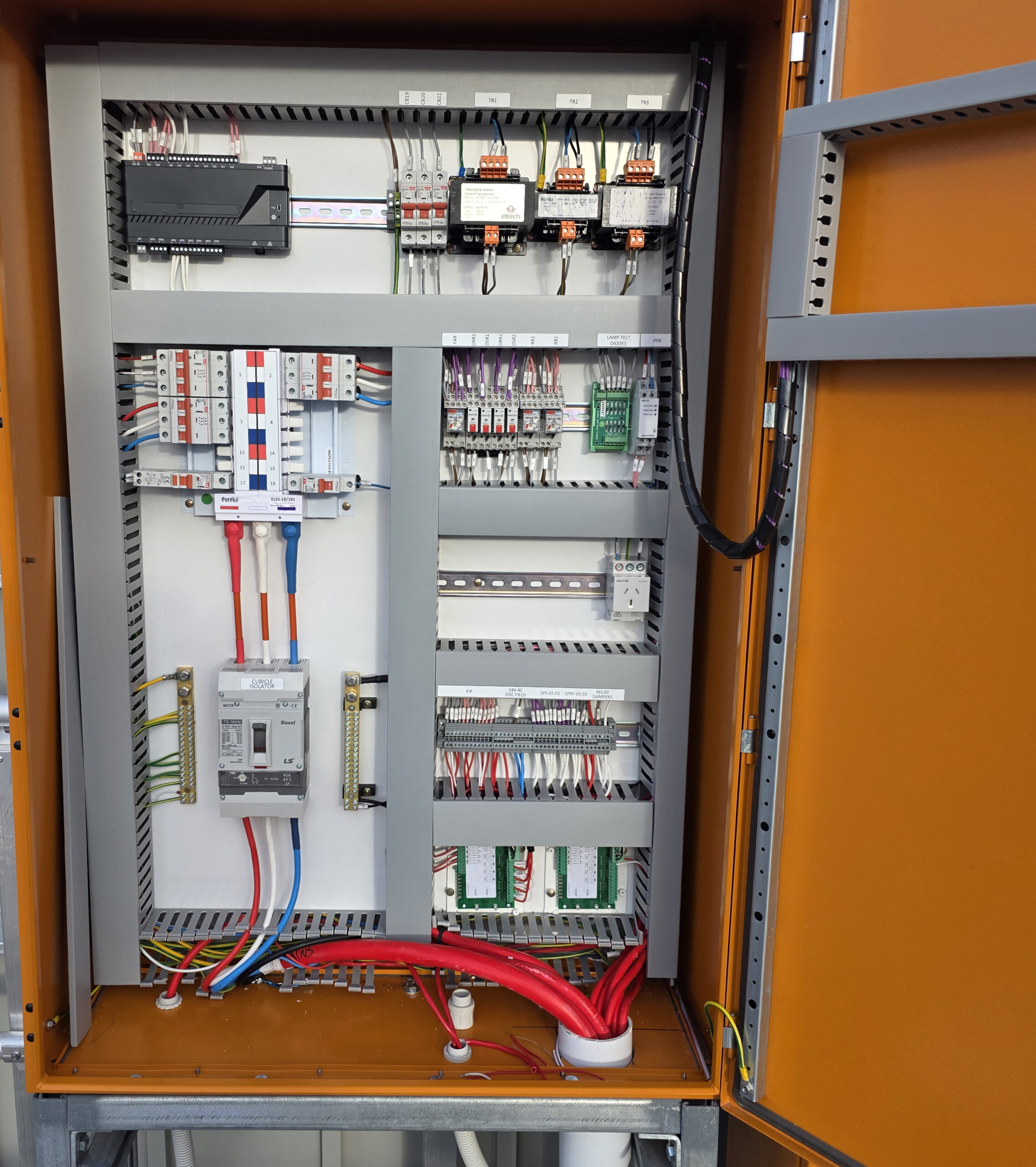
Essential and Non-Essential Mechanical Services
Many commercial buildings contain separate switchboards serving essential and non-essential systems.
Non-Essential Mechanical Services
These systems typically include:
- Chillers
- Cooling towers
- Air handling units
- Variable Refrigerant Volume systems
- Pumps
- Comfort ventilation
In many commercial buildings, HVAC systems account for the largest single energy consumer.
Monitoring these assets often delivers the greatest opportunity for operational savings.
Essential Mechanical Services
Essential systems support life safety and critical building functions.
These may include:
- Smoke exhaust systems
- Stair pressurisation systems
- Car park ventilation systems
- Fire mode mechanical services
- Critical plant
Monitoring essential systems can provide valuable operational insight while supporting compliance, maintenance and performance objectives.
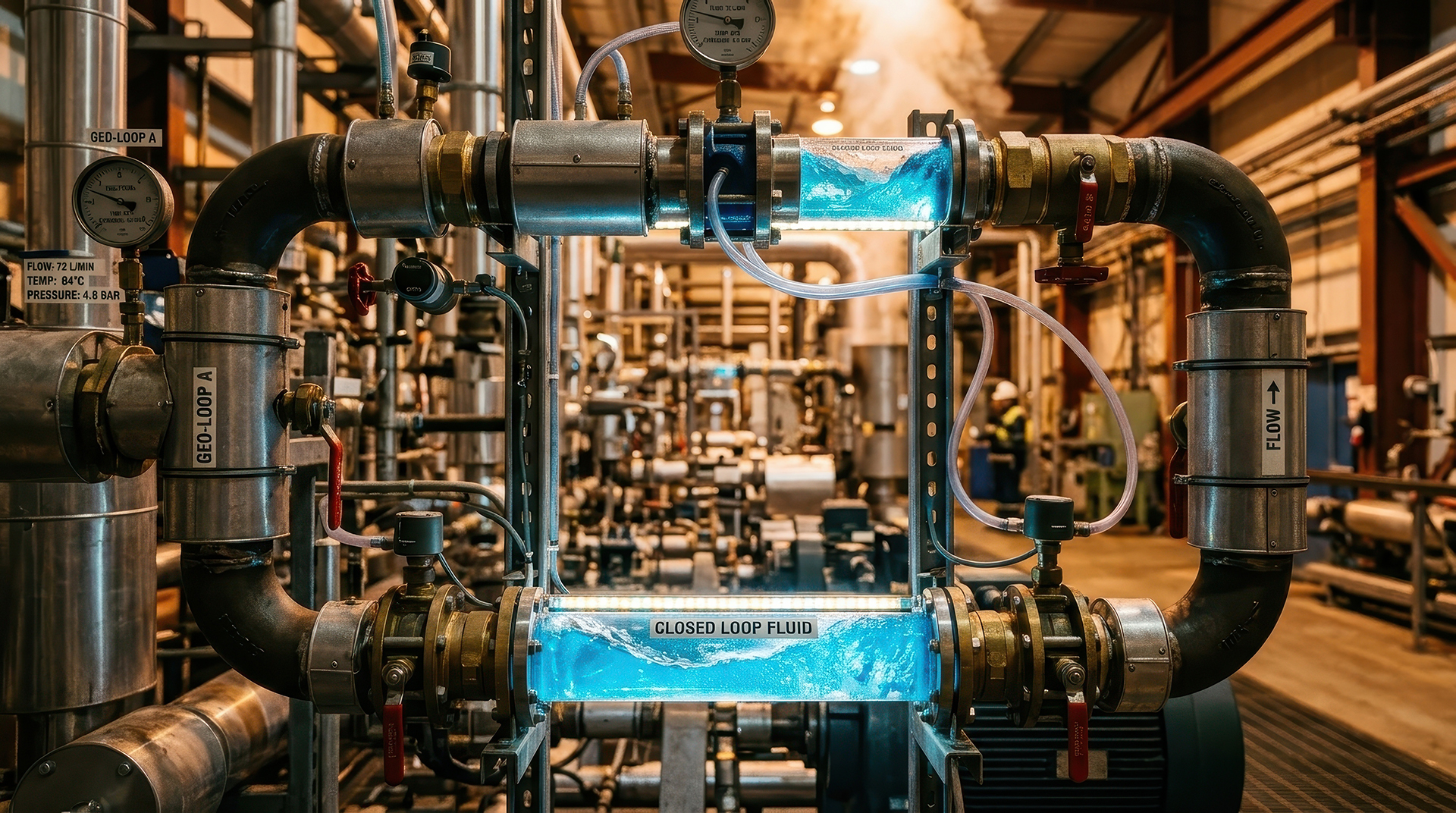
Fluid Energy and Thermal Energy Monitoring
One of the most overlooked areas of building performance is fluid energy.
Water is frequently used as the medium for transporting thermal energy throughout commercial buildings.
Examples include:
- Chilled water systems
- Heating hot water systems
- Condenser water systems
- Thermal storage systems
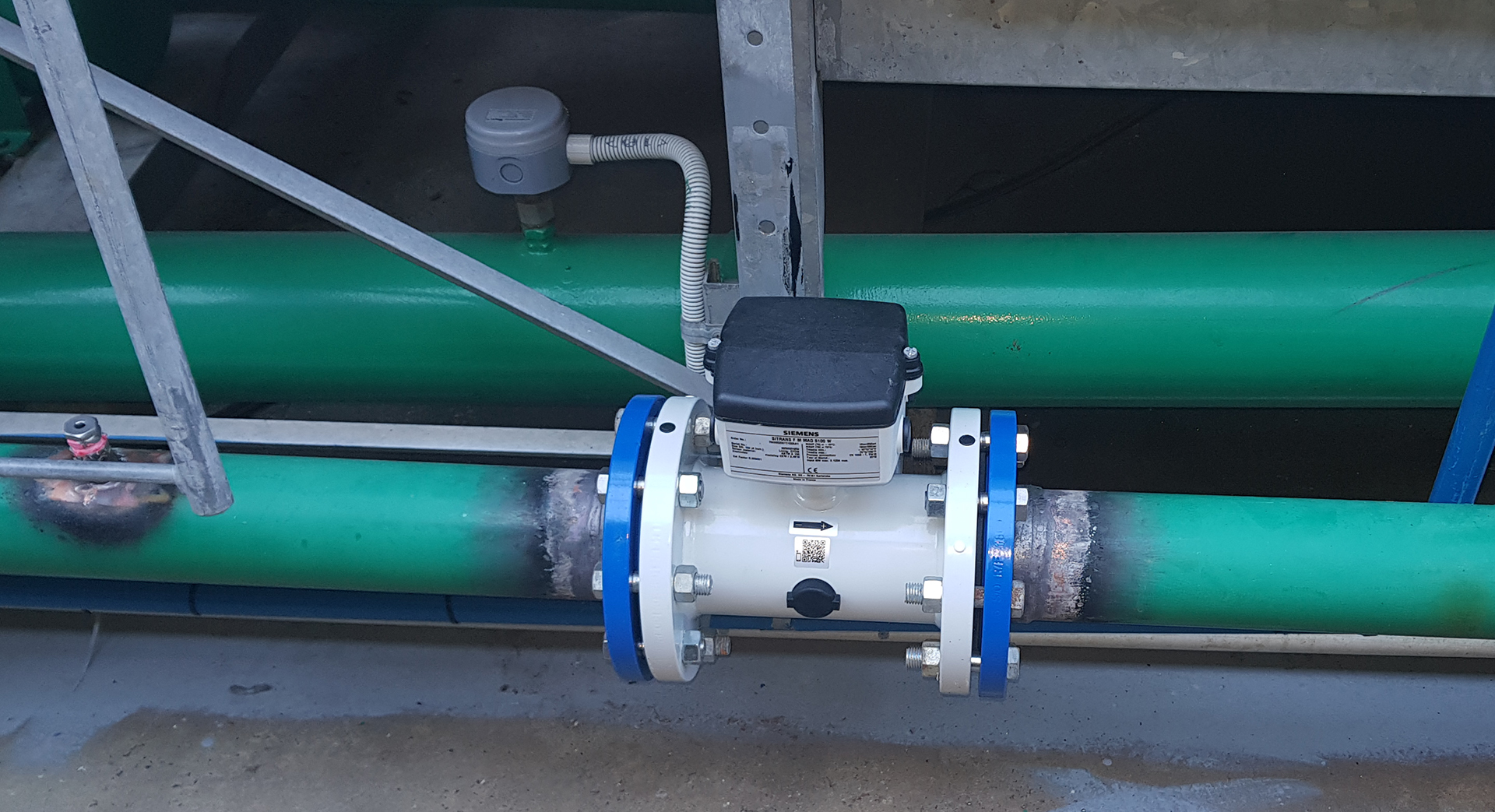
By measuring flow rates and temperatures, thermal energy meters can determine how much heating or cooling energy is being transferred throughout a system.
This information can reveal:
- Inefficient plant operation
- Poor control strategies
- Failing valves
- Pumping inefficiencies
- Excessive energy consumption
In many facilities, fluid energy monitoring provides insights that traditional electrical metering alone cannot identify.
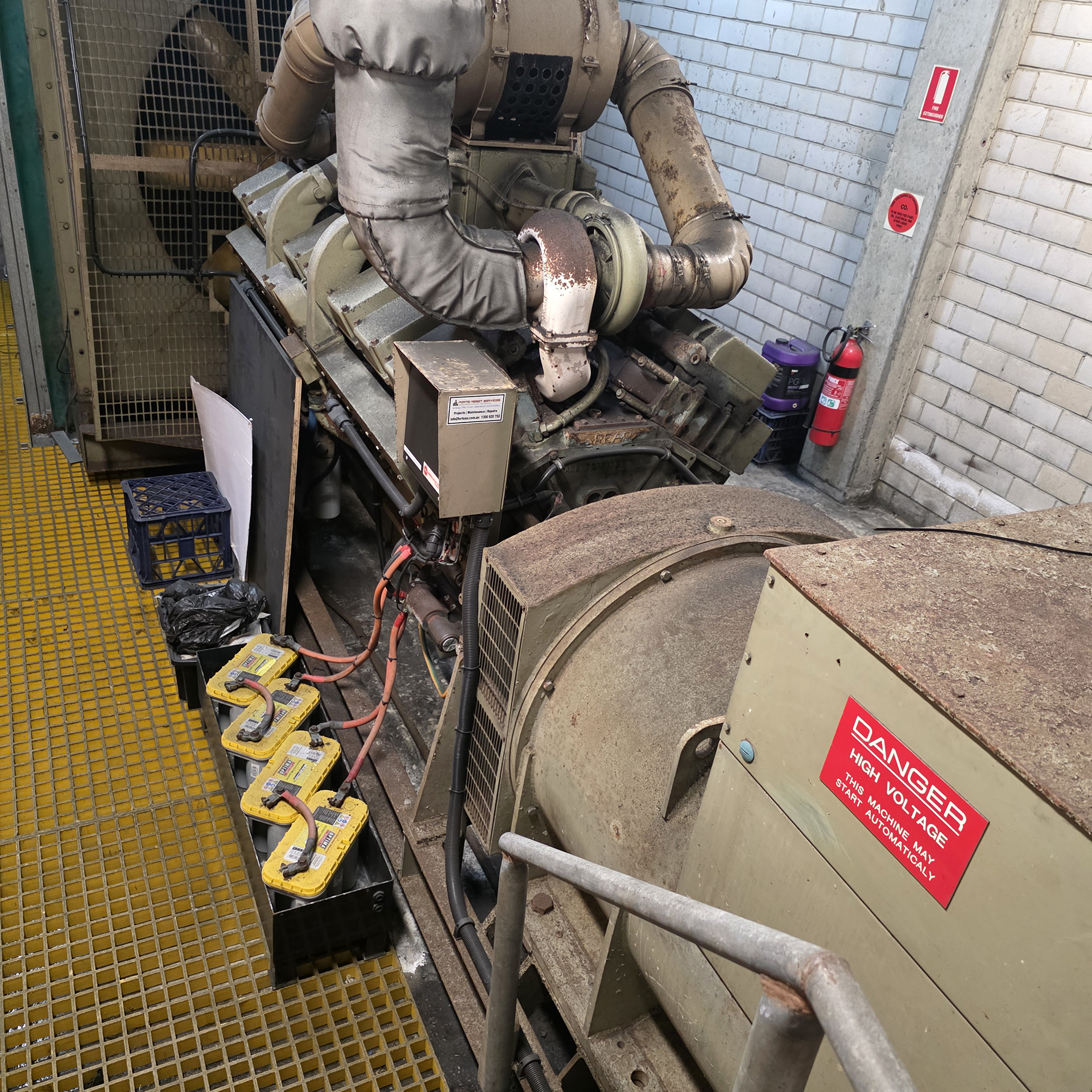
Fossil Fuel Monitoring
Many buildings continue to rely on fossil fuels to support their operations.
Common examples include:
- Natural gas boilers
- LPG systems
- Diesel generators
- Fuel storage systems
Monitoring fuel consumption enables building owners to:
- Track operating costs
- Identify abnormal consumption
- Support sustainability reporting
- Develop electrification strategies
- Improve operational efficiency
Understanding fuel consumption is becoming increasingly important as organisations seek to reduce carbon emissions and improve environmental performance.
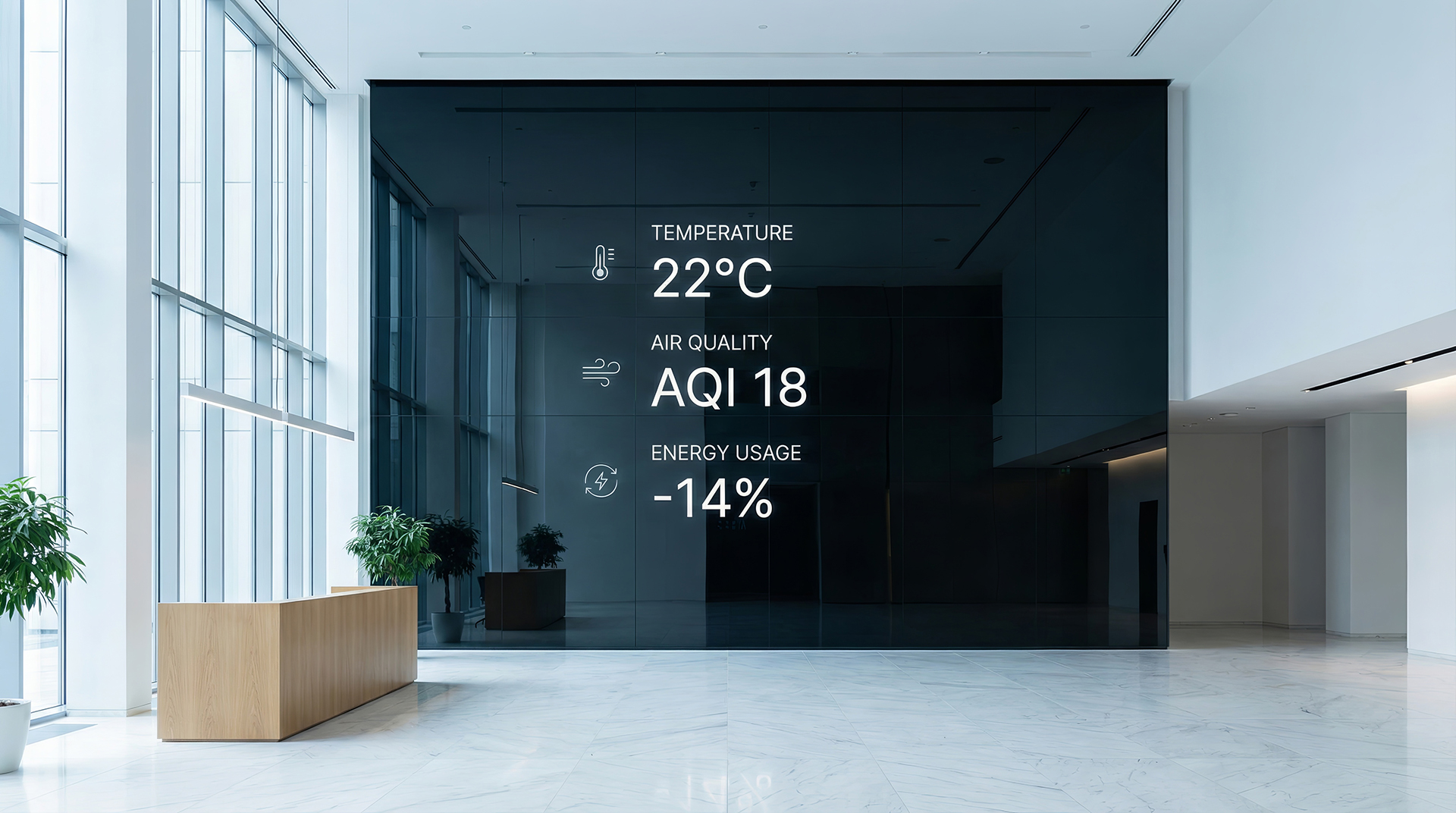
Building Management Systems and Energy
Building Management Systems (BMS) play a critical role in building performance.
A BMS controls and monitors HVAC, electrical and mechanical systems throughout a facility.
However, many older buildings operate BMS platforms that were designed primarily for control rather than energy analytics.
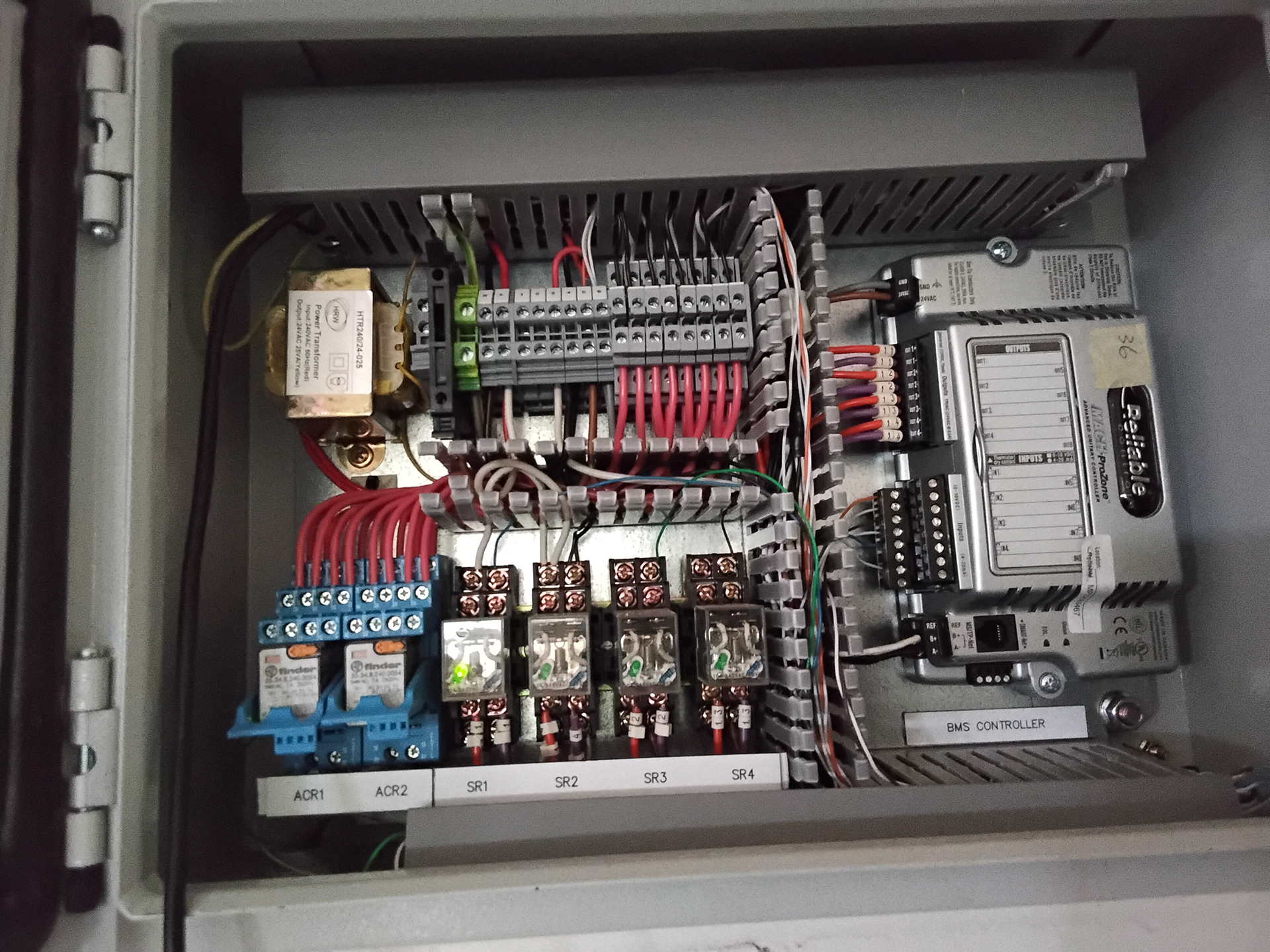
WR8Tech can integrate energy monitoring directly into an existing BMS or implement an independent Energy Management System (EMS).
This allows owners to retain their existing BMS while gaining modern energy reporting and analytics capabilities.

Independent Energy Management Systems (EMS)
Not every building requires a new BMS.
A dedicated Energy Management System can operate independently while collecting information from:
- Energy meters
- Building Management Systems
- HVAC systems
- Utility services
- Environmental sensors
- Renewable energy systems
This independent approach offers several benefits.
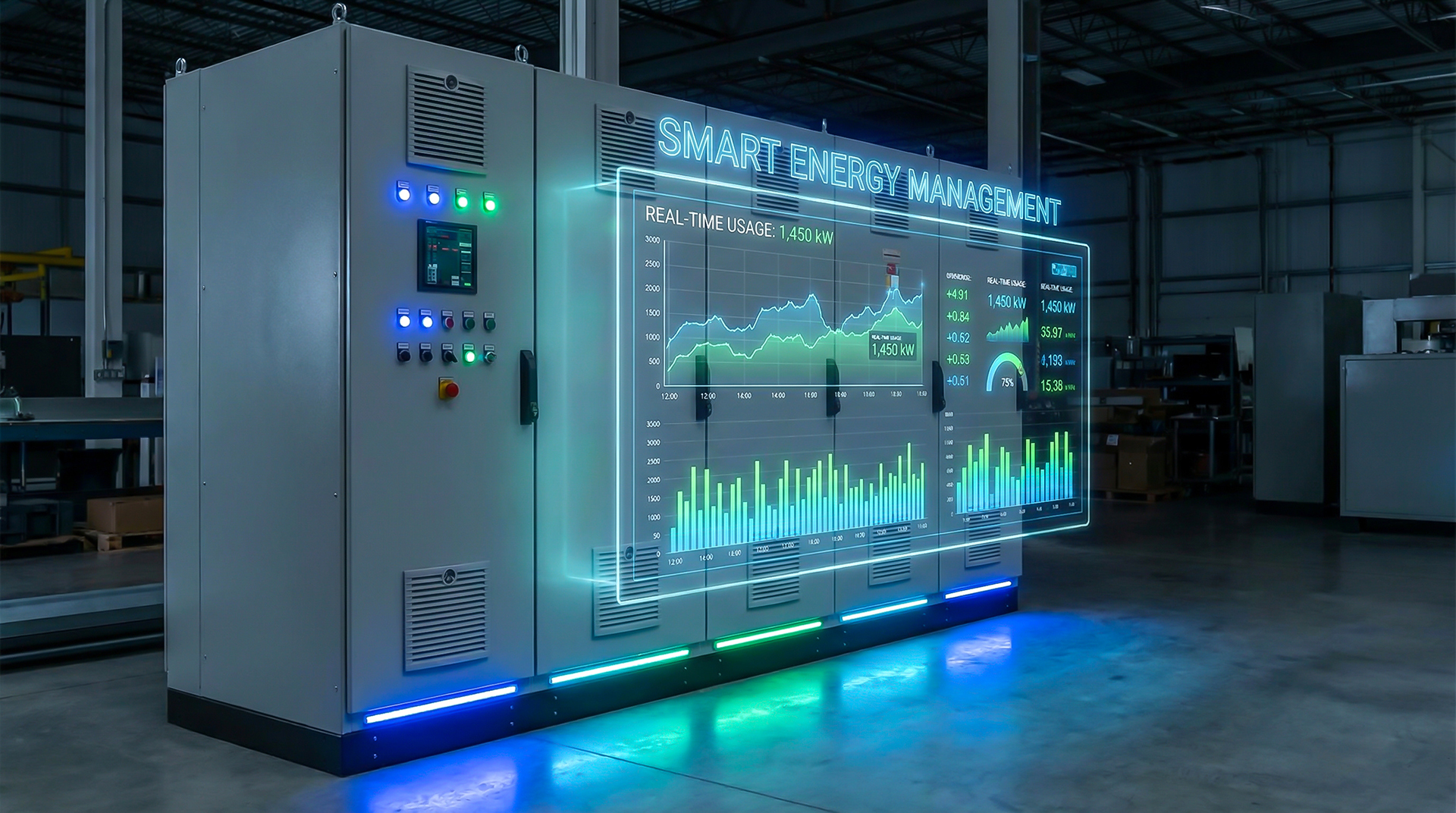
The EMS can provide an additional layer of visibility over incumbent BMS platforms, verify system performance, support reporting requirements and reduce dependence on a single controls vendor.
For many older buildings, an EMS provides a practical pathway to improved visibility without requiring wholesale replacement of existing control systems.
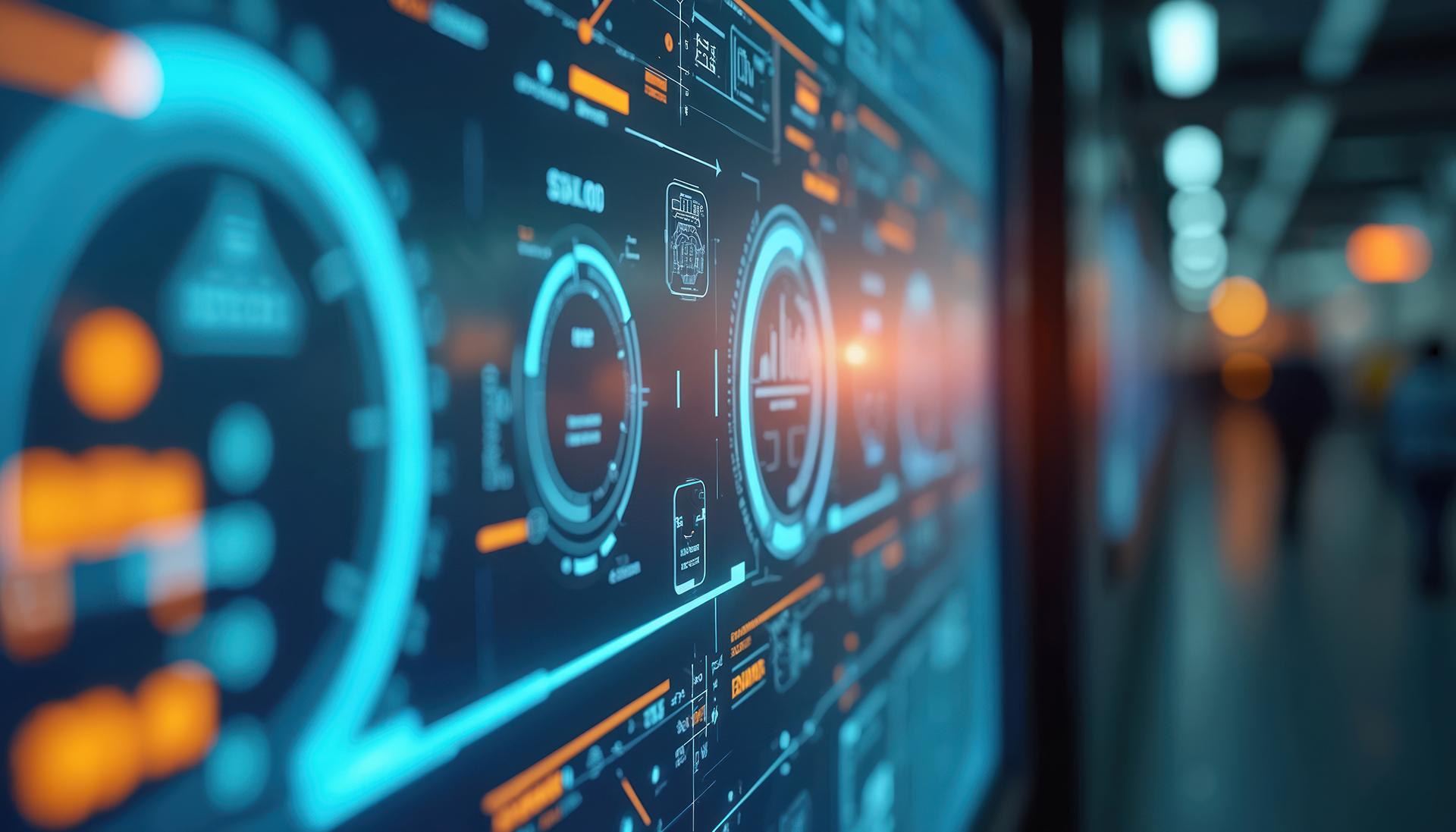
Energy Analytics and Building Intelligence
Collecting data is only the first step.
The real value comes from understanding what the data means.
By combining energy data with operational data from HVAC systems, electrical infrastructure and building automation platforms, owners can identify:
- Equipment operating outside schedules
- Excessive demand charges
- Plant inefficiencies
- Energy waste
- Tenant billing opportunities
- Asset performance issues
This information supports better maintenance decisions, improved capital planning and reduced operating costs.
Why WR8Tech?
Our background combines electrical engineering, mechanical services, HVAC controls, building automation and facility management.
We understand how energy flows through a building because we understand the systems that consume it.
From switchboards and energy meters to BACnet networks, chillers, pumps, boilers and Building Management Systems, WR8Tech provides practical energy solutions designed for real commercial buildings.
Our objective is simple: provide building owners with the information they need to reduce waste, improve performance and make better decisions.
Talk to WR8Tech
Whether you are looking to implement energy metering, install an Energy Management System, improve BMS visibility, monitor fluid energy systems or understand where your building is consuming energy, WR8Tech can help.
Contact us to discuss a tailored energy solution for your building.
A few more Links
- Commercial Building Energy Audits
- Energy Management for Commercial Buildings
- Energy Management Services
- Energy Management Systems (EMS) Integration
- Energy Metering
- ESG Performance and Reporting
- Seven Things We Look For During Every Energy Audit
- Variable Speed Drives: Where They Save Energy
Car park ventilation can represent a substantial electrical load when fans operate continuously or respond to inaccurate sensors. The Australian Government identifies car park lighting and ventilation as areas where improved controls can reduce energy consumption in commercial buildings.