
Converting Supervised Buildings into Unsupervised Buildings

Converting Supervised Buildings into Unsupervised Buildings

How Modern Building Technology Enables Safe, Efficient and Cost-Effective Unsupervised Buildings

Converting Supervised Buildings into Unsupervised Buildings

Reducing Operating Costs Through Smart Building Technology

Many commercial office buildings, shopping centres, industrial facilities and mixed-use developments continue to rely on onsite personnel to supervise building operations, coordinate contractors, monitor alarms and respond to routine issues.

For decades this has been considered normal practice.

However, advances in Building Management Systems (BMS), cloud-based monitoring, intelligent alarm management, remote reporting and integrated building technologies now allow many facilities to operate safely and efficiently with significantly reduced onsite supervision.

The question many landlords and property managers are now asking is not:

“Can we make our building smarter?”

The question is:

“Can we reduce our dependence on onsite building management while maintaining safety, compliance and building performance?”

In many cases, the answer is yes.
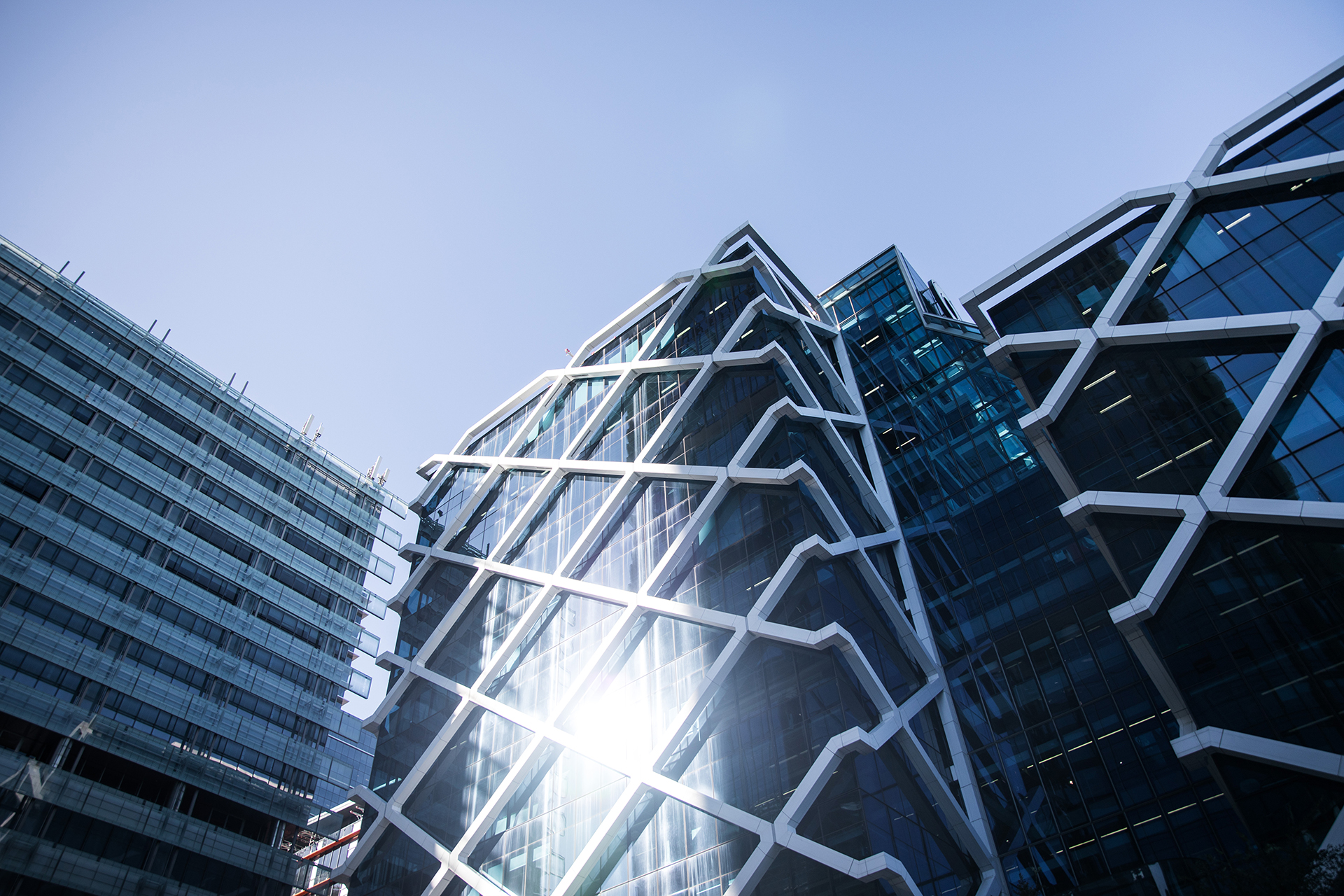
Unsupervised Commercial Building – Melbourne Docklands

A modern commercial office tower overlooking Melbourne Docklands, operating efficiently without a permanent on-site building manager. The image showcases a contemporary high-rise building surrounded by the Docklands skyline, waterfront precincts, and commercial developments. Behind the scenes, critical building systems including HVAC, electrical infrastructure, fire services, lifts, security systems, energy metering, and Building Management Systems (BMS) are remotely monitored and controlled from a central operations centre. The image represents the evolution of commercial building operations, where advanced automation, real-time analytics, fault detection, and remote asset monitoring provide visibility and control across the property portfolio. Ideal for office buildings, mixed-use developments, retail precincts, and investment assets throughout Melbourne Docklands, the image reflects smart building technology, operational efficiency, reduced staffing costs, and improved building performance through integrated remote management.

What Is An Unsupervised Building?

An unsupervised building is a facility that operates with minimal or no permanent onsite building or facility management presence.

Rather than relying on a building manager to physically inspect plant rooms, monitor equipment, coordinate contractors and respond to every operational issue, these functions are supported through a combination of technology, automation and remote management processes.

This may include:

  • Building Management Systems (BMS)
  • HVAC monitoring and control
  • Electrical infrastructure monitoring
  • Energy metering
  • Water leak detection
  • Generator monitoring
  • Lift and escalator monitoring
  • Fire system interfaces
  • Security system integration
  • Cloud-based alarm management
  • Remote reporting dashboards
  • Contractor management platforms
  • Automated notifications and escalation procedures

The result is a building that remains visible, controlled and accountable without requiring a full-time onsite supervisor.

The Business Case

For many commercial properties, labour is one of the largest operating expenses.

A building manager, caretaker or operations coordinator may spend a significant amount of time:

  • Monitoring equipment
  • Coordinating contractors
  • Responding to alarms
  • Providing site access
  • Completing inspections
  • Managing tenant requests
  • Recording maintenance activities

While these functions remain important, many can now be supported through remote technologies and structured operating procedures.

By implementing a comprehensive monitoring and automation strategy, landlords may be able to significantly reduce onsite supervision requirements while maintaining operational control.

In many cases, the capital investment required for BMS upgrades, monitoring infrastructure, field devices and reporting platforms can be recovered through labour savings alone.

Depending on the size of the asset, existing staffing arrangements and the depth of monitoring implemented, return on investment may be achieved within 12 to 24 months.

There may also be opportunities to recover portions of the implementation costs through operational expenditure and building outgoings, subject to lease structures and the nature of the works being undertaken.


Unsupervised Building Monitoring – Melbourne

A magnifying glass is positioned over a rising performance graph, symbolising the continuous monitoring and optimisation of an unsupervised commercial building in Melbourne. The upward trend line represents improved operational performance, reduced maintenance costs, enhanced energy efficiency, and proactive asset management achieved through remote monitoring technologies. The image reflects the role of Building Management Systems (BMS), energy metering, fault detection, and integrated building controls in providing real-time visibility of critical building services without the need for a permanent on-site presence. Ideal for commercial office buildings, retail centres, industrial facilities, car parks, and mixed-use developments throughout Melbourne, this image conveys data-driven building performance, operational transparency, and smarter facility management.
Unsupervised Buildings Technology Platform – Melbourne

A futuristic microchip with gold-plated connection pins sits at the centre of a complex network of digital pathways, data streams, and intelligent building systems. Multiple lines flow into and out of the processor, symbolising the constant exchange of information between building assets, sensors, controllers, cloud platforms, and operational dashboards. The image represents the technological backbone of modern unsupervised commercial buildings, where advanced Building Management Systems (BMS), Artificial Intelligence (AI), automation platforms, and smart building technologies work together to provide real-time visibility and control.

The microchip acts as the central intelligence hub, collecting data from HVAC systems, electrical infrastructure, energy meters, fire systems, security systems, lifts, water services, and contractor management platforms. AI-powered analytics continuously assess building performance, identify faults, predict maintenance requirements, and optimise energy consumption without the need for permanent on-site supervision.

This image reflects the future of commercial building operations in Melbourne, where technology-driven facility management enables office buildings, retail centres, industrial facilities, hotels, and mixed-use developments to operate more efficiently, reduce operational costs, improve sustainability outcomes, and enhance asset performance. The gold connections symbolise reliability, precision, and the seamless integration of critical building systems through intelligent automation and data-driven decision making.

Technology Required

The transition from a supervised building to an unsupervised building requires considerably more than simply installing a Building Management System.

A successful strategy typically includes:

  • Comprehensive BMS coverage
  • Additional field sensors and monitoring points
  • Intelligent alarm prioritisation
  • Remote access infrastructure
  • Energy monitoring
  • Mechanical services monitoring
  • Electrical switchboard monitoring
  • Water leak detection
  • Security integration
  • Lift and escalator monitoring
  • Fire systems integration
  • Car park ventilation monitoring
  • Auto door and gate monitoring
  • Lighting control and light harvesting strategies
  • Automated reporting
  • Escalation procedures for critical alarms

The objective is not simply to generate alarms.

The objective is to create operational intelligence.

Building owners need meaningful information that allows issues to be identified and addressed before they become major failures, tenant complaints or costly repairs.

Unsupervised Buildings – The Future of Commercial Building Operations

A professional executive in a business suit stands before a futuristic holographic cityscape, surrounded by glowing digital buildings, interconnected data networks, and advanced building technology interfaces. The sci-fi inspired image symbolises the evolution of unsupervised commercial buildings, where critical assets and building services are monitored remotely through intelligent Building Management Systems (BMS), cloud-based analytics, and real-time operational dashboards.

The holographic city represents a portfolio of commercial office buildings, retail centres, mixed-use developments, hotels, and industrial facilities operating efficiently without the need for permanent on-site supervision. Digital overlays display live building performance data, energy consumption trends, HVAC operation, security monitoring, contractor activity, fire system status, lift performance, and asset condition monitoring. The executive oversees the entire portfolio from a centralised platform, demonstrating how modern technology provides complete visibility and control across multiple sites.

This image reflects the future of commercial building management in Melbourne and across Australia, where smart building technologies, automation, fault detection diagnostics, predictive maintenance, and remote facility management reduce operating costs, improve asset performance, and enhance building reliability. It showcases the transition from traditional building supervision to technology-enabled operations driven by data, connectivity, and intelligent building controls.

Alarm Management Is Everything

One of the most common failures of building monitoring systems is alarm overload.

If every fault generates the same response, operators quickly become overwhelmed and important alarms are missed.

Successful unsupervised buildings rely on a structured alarm hierarchy.

For example:

Priority 1

  • Lift entrapment
  • Fire system faults
  • Critical electrical failures
  • Generator failures

Priority 2

  • Chiller failures
  • Major HVAC plant failures
  • Water leaks
  • Security incidents

Priority 3

  • Tenant comfort issues
  • Minor equipment faults
  • Routine maintenance alerts

Priority 4

  • Cleaning requests
  • Consumable replacements
  • Non-critical notifications

This approach ensures the right response is taken at the right time, helping maintain service levels while keeping repair and maintenance budgets under control.
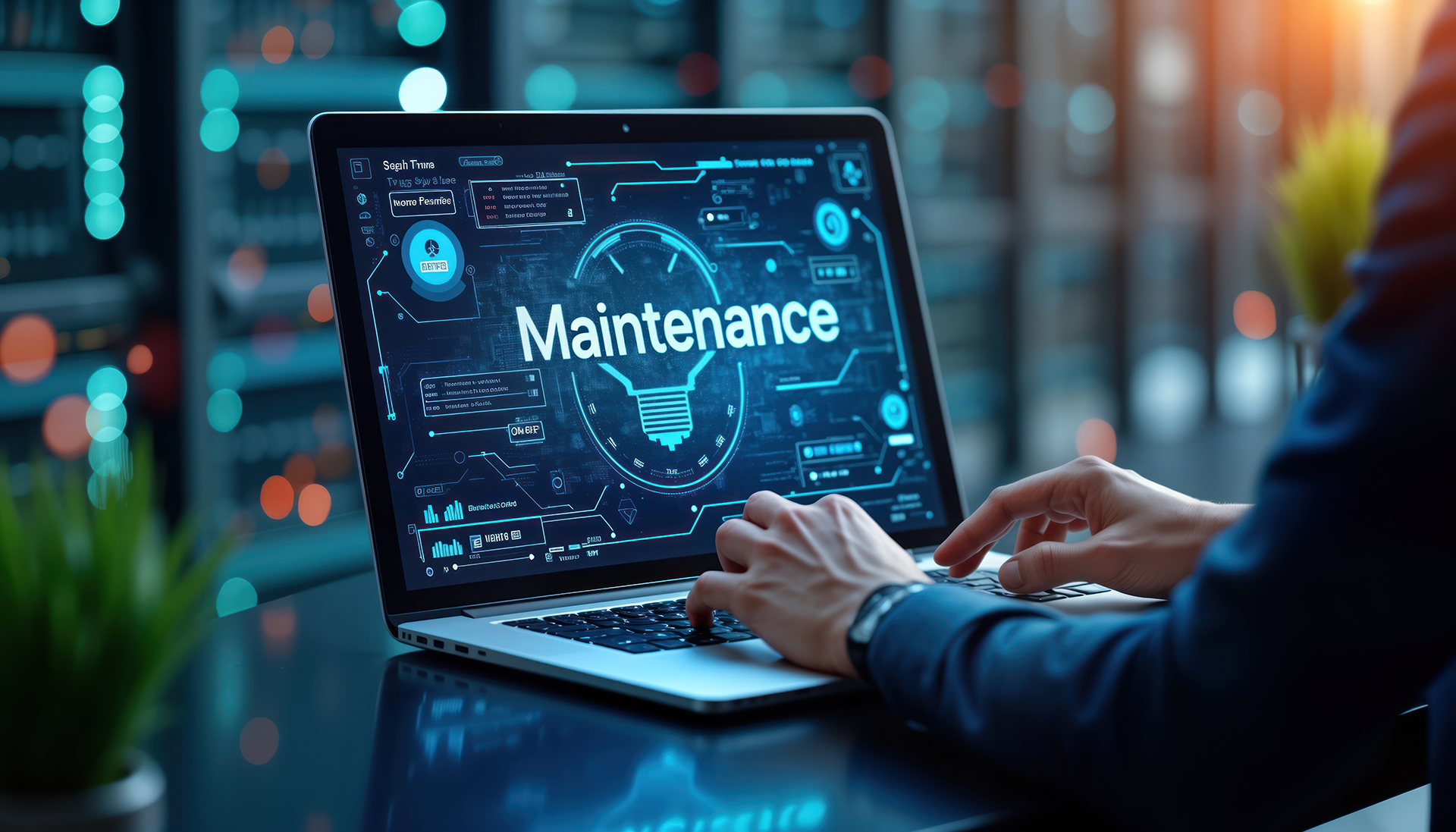
Unsupervised Buildings – Human Tasks Still Required

A facilities professional works from a modern laptop displaying the word "Maintenance", surrounded by advanced technology interfaces, digital lighting effects, and real-time building performance data. The image represents the balance between automation and human expertise within an unsupervised commercial building environment. While Building Management Systems (BMS), energy management platforms, smart sensors, and automated controls provide continuous monitoring and operational oversight, skilled personnel remain essential for planning maintenance, coordinating contractors, reviewing asset performance, managing compliance requirements, and making critical operational decisions.

The futuristic setting symbolises how modern commercial buildings in Sydney leverage technology to reduce the need for permanent on-site supervision while still relying on experienced facility managers, building managers, engineers, and service contractors to maintain building performance. Digital dashboards display information from HVAC systems, electrical infrastructure, energy consumption, security systems, fire services, lifts, and other critical assets, enabling informed decision-making and proactive maintenance planning.

This image highlights the role of human expertise in technology-enabled building operations, where remote monitoring, BMS analytics, energy management systems, predictive maintenance tools, and contractor management platforms support efficient building management while ensuring essential tasks continue to be performed by qualified personnel

What Tasks Still Require Human Attendance?

A common misconception is that an unsupervised building operates without people.

This is rarely the case.

Even highly automated facilities still require:

  • Visual inspections
  • Tenant engagement
  • Contractor supervision
  • Cleaning audits
  • Compliance inspections
  • Safety checks
  • Presentation reviews

The goal is not to eliminate human attendance.

The goal is to ensure that skilled personnel attend site only when their presence adds value.

A building that currently requires five days per week of onsite supervision may only require one day per week once appropriate monitoring systems, alarm strategies and operational procedures have been implemented.

Suitable Building Types for Unsupervised Building Management

A larger-than-life executive stands overlooking a modern skyline of commercial office towers, thoughtfully assessing the future of building operations. The image conveys strategic decision-making and long-term asset management, with Melbourne Docklands' contemporary high-rise environment representing the type of commercial properties that can benefit from technology-enabled, unsupervised building management. Subtle digital overlays and technology-inspired lighting effects suggest the presence of Building Management Systems (BMS), remote monitoring platforms, energy management systems, and smart building analytics operating behind the scenes.

The image reflects the suitability of certain building types for remote operation and reduced on-site supervision, including commercial office buildings, mixed-use developments, retail centres, industrial facilities, hotels, car parks, and large strata complexes. Through the implementation of modern building technologies, cloud-based monitoring, automated fault detection, energy optimisation, contractor management systems, and integrated asset controls, these properties can maintain operational performance while reducing the need for full-time on-site building management.

Set against the backdrop of Melbourne Docklands, the image highlights how property owners, facility managers, landlords, and asset managers are increasingly evaluating technology-driven building operations to improve efficiency, reduce operating costs, enhance asset performance, and gain greater visibility across their property portfolios. It represents the strategic shift towards smarter, data-driven commercial building management supported by automation, connectivity, and intelligent building systems.

Suitable Building Types

Buildings that may benefit from an unsupervised operating model include:

  • Commercial office buildings
  • Shopping centres
  • Retail precincts
  • Industrial estates
  • Warehouses
  • Mixed-use developments
  • Community facilities
  • Educational facilities
  • Car parks
  • Regional assets
  • Multi-site property portfolios

Many older buildings can be upgraded to support remote operations without replacing major plant and equipment.

Advanced smart building interface displaying integrated HVAC electrical systems, Building Management System (BMS) controls, energy analytics, and real-time climate monitoring for a large commercial facility. The futuristic automation dashboard features live operational data, temperature control graphs, energy performance metrics, and intelligent building controls designed to optimise HVAC efficiency, occupant comfort, and building performance. WR8TECH specialises in smart building technology, integrated HVAC automation, electrical infrastructure, and energy-efficient Building Management Systems for commercial properties across Melbourne, Sydney, and Canberra.

Avoiding The Captive Client Problem

One of the most common concerns raised by building owners is the risk of becoming dependent on a single technology provider.

This concern is valid.

Many proprietary systems can create a situation where the building owner becomes reliant on one contractor for future upgrades, maintenance and support.

At WR8TECH, we believe building owners should maintain visibility and control over their assets.

When designing monitoring and automation strategies, consideration should be given to open protocols, system documentation, integration flexibility and long-term supportability.

The objective is to create a building that is easier to manage, not a building that becomes captive to a single vendor.
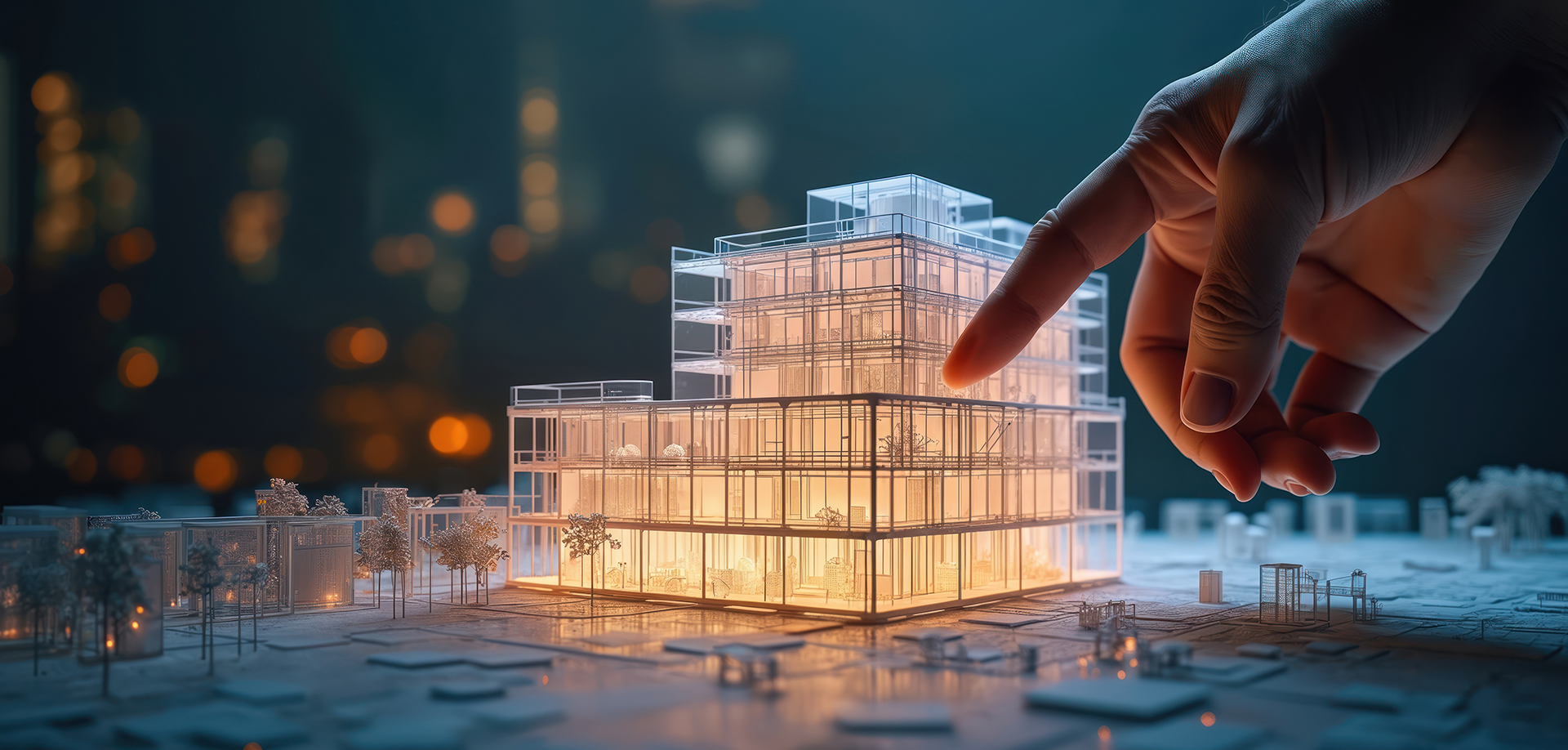

Unsupervised Building Technology Platform – Melbourne

A futuristic transparent commercial building is displayed within a digital landscape of interconnected technology, data streams, and intelligent building systems. The semi-transparent structure reveals the inner workings of critical building services, including HVAC equipment, electrical infrastructure, fire systems, energy meters, lifts, security systems, and Building Management System (BMS) controls. Surrounding the building are glowing network connections, real-time analytics dashboards, cloud-based monitoring platforms, and digital communication pathways, symbolising continuous remote supervision and operational visibility.

The image represents the modern evolution of unsupervised commercial buildings in Melbourne, where advanced automation, smart sensors, Internet of Things (IoT) devices, energy management systems, and integrated BMS technology work together to monitor and control building performance without the need for permanent on-site staff. Real-time alarms, fault detection diagnostics, predictive maintenance, contractor management, and asset performance analytics enable building owners and facility managers to maintain operational efficiency, reduce costs, improve tenant comfort, and minimise risk across commercial office buildings, retail centres, mixed-use developments, and industrial facilities.

The transparent design highlights complete visibility into building operations, demonstrating how technology-driven facility management can transform traditional buildings into intelligent, remotely managed assets throughout Melbourne and beyond.

A Staged Approach

Not every building should become fully unsupervised immediately.

Many successful projects begin by reducing onsite attendance hours while progressively increasing monitoring capabilities.

This staged approach allows alarm management strategies, contractor workflows and operational procedures to mature over time.

The result is a smarter building with greater visibility, lower operating costs and improved operational control.

Speak With WR8TECH

WR8TECH helps building owners, landlords and property managers assess whether a building can transition to an unsupervised operating model.

We review existing building systems, identify monitoring gaps, assess operational risks and develop practical strategies that reduce onsite supervision requirements while maintaining safety, compliance and building performance.

Not every building is suitable for a fully unsupervised model.

However, many buildings can significantly reduce onsite attendance requirements through the strategic implementation of building automation, monitoring and operational technologies.

Customer Details

Name

G-Q8ZWYZD3WQ