Shopping Centre HVAC & BMS Optimisation Audit
Engineering-Led Building Performance Improvements Through HVAC Controls, BACnet Diagnostics & Electrical Infrastructure Review
A regional Victorian shopping centre engaged WR8TECH to undertake a detailed engineering audit of its HVAC systems, Building Management System (BMS), mechanical infrastructure, and associated electrical services. The objective was not simply to identify faults, but to understand why operational inefficiencies, communication instability, and control inconsistencies were occurring across the site.
The site consisted of multiple packaged air conditioning units integrated into a BACnet-based Building Management System. While the mechanical plant itself was generally found to be in sound operational condition, WR8TECH identified several opportunities to significantly improve operational reliability, airflow management, controls performance, energy efficiency, fault visibility, and long-term asset protection.
Rather than approaching the building as separate disciplines, WR8TECH reviewed the site holistically — analysing the interaction between the HVAC systems, BMS logic, electrical infrastructure, damper control strategies, compressor sequencing, communications networks, and operational maintenance practices.
The Challenge
The shopping centre had experienced ongoing operational concerns relating to HVAC performance, inconsistent BMS feedback, and slow system responsiveness. While the site was functioning, several underlying issues had developed over time which reduced visibility into plant performance and increased operational risk.
The building’s BACnet communications network was unstable, remote graphics were slow to update, and several critical mechanical operating parameters were either missing entirely or not being reliably monitored. Existing control strategies lacked sufficient delays and interlocks, causing excessive compressor cycling and inefficient equipment operation.
The site also relied heavily on current-switch fan proving, meaning the BMS could not accurately determine whether airflow was physically present. In several scenarios, motors could continue running even if drive belts failed, resulting in loss of airflow without any meaningful alarm condition.
At the same time, damper operation was found to be poorly commissioned in certain operating modes, reducing available airflow during economy cycles and increasing mechanical stress during startup conditions.
WR8TECH was engaged to investigate these operational concerns and provide a practical engineering roadmap to improve overall building performance.
The WR8TECH Approach
WR8TECH conducted a full engineering assessment across the site’s:
- HVAC package units
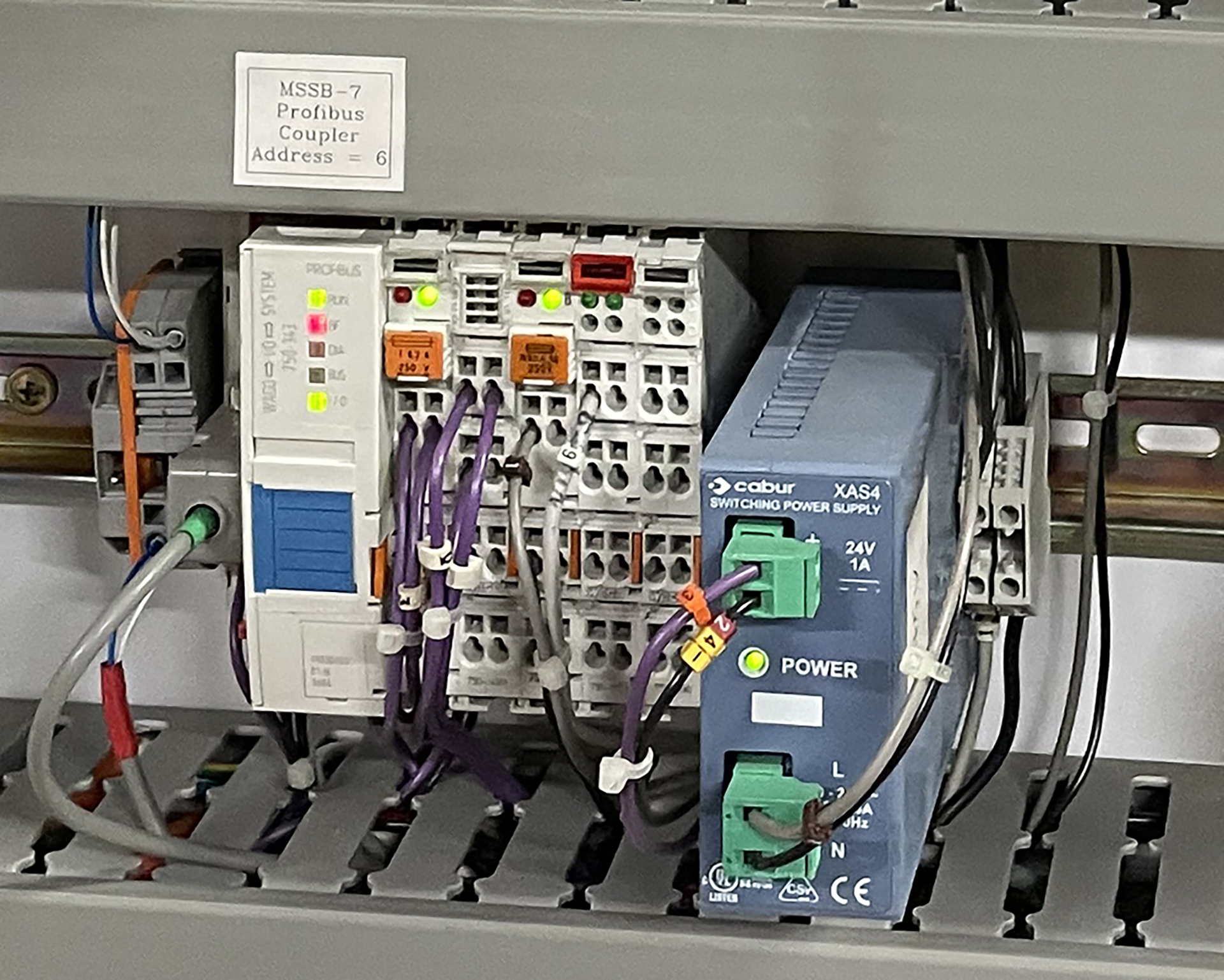
- Building Management System
- BACnet communications network
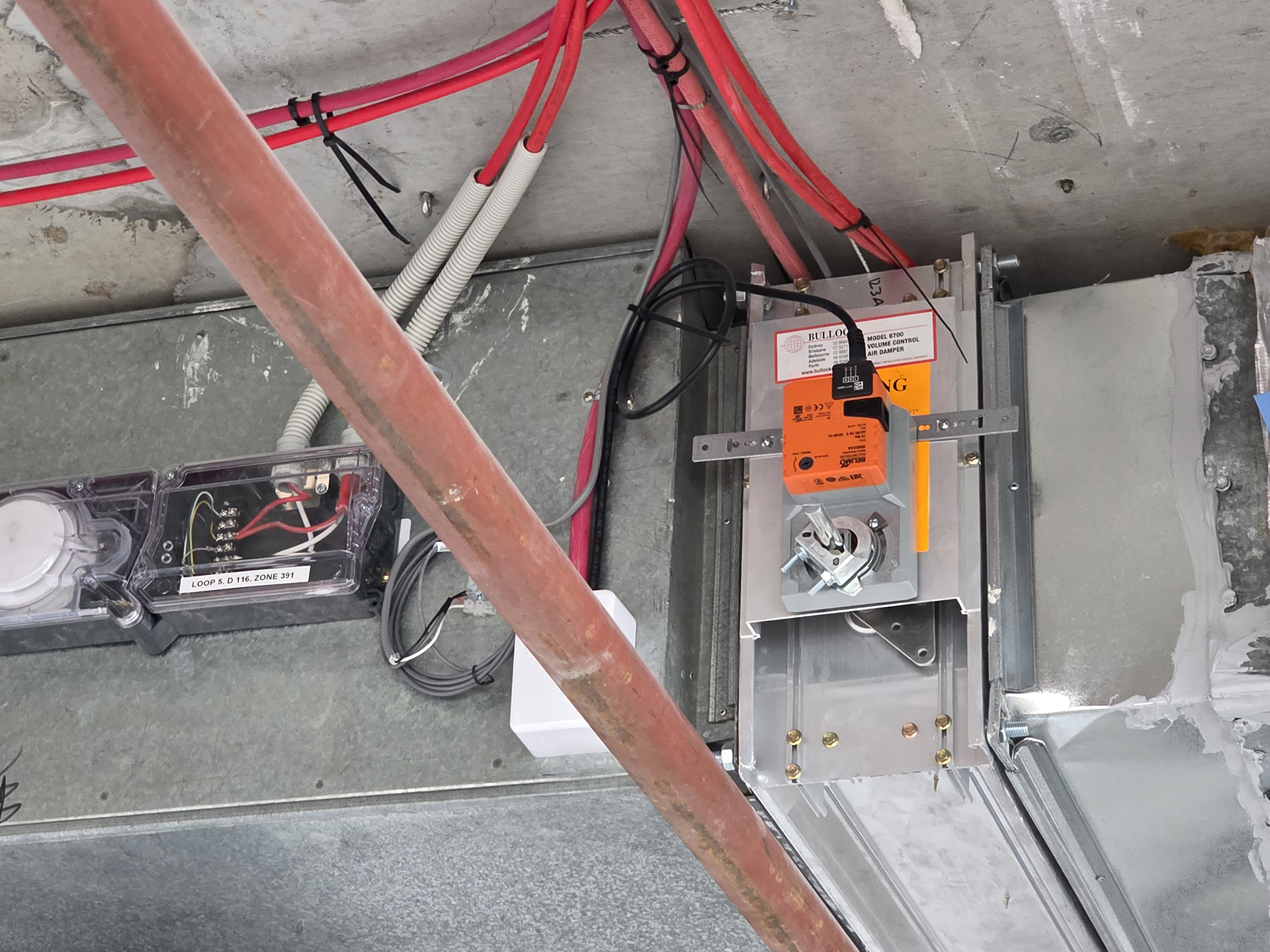
- Damper operation and economy cycles
- Compressor sequencing
- Electrical mechanical switchboards
- Mechanical services infrastructure
- Preventative maintenance condition
- Asset lifecycle considerations
The audit combined:
- physical plant inspections,
- controls analysis,
- trend review,
- BMS graphics analysis,
- operational observations,
- and electrical infrastructure assessment.
This engineering-led methodology allowed WR8TECH to identify not onl
Key Findings
HVAC Airflow Verification & Fan Proving
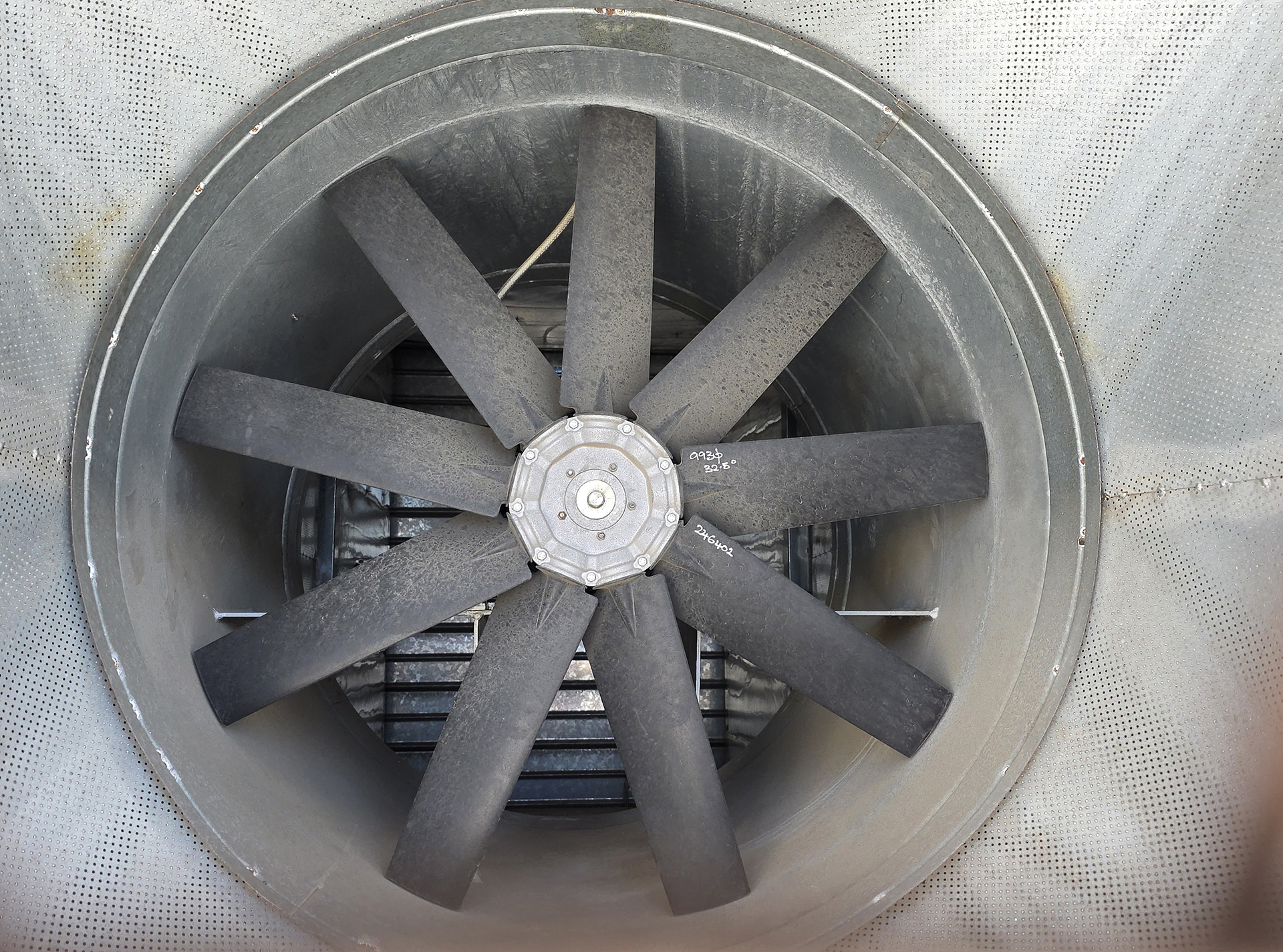
The existing fan status strategy relied on current switches only. While the BMS could confirm motor current draw, it could not verify actual airflow.
WR8TECH identified a significant operational risk whereby failed fan belts could result in loss of airflow while the BMS continued to indicate normal fan operation.
To address this, WR8TECH recommended installation of airflow proving switches across the package units, integrated directly into the existing BMS control logic. This would allow:
- and improved protection of compressors and coils.
- true airflow verification,
- improved alarm reliability,
- reduced risk of unnoticed equipment failure,
Damper Recommissioning & Economy Cycle Optimisation
WR8TECH identified several operational deficiencies within the outside air and return air damper strategies.
During economy mode operation, certain dampers were found to be positioned in a manner that restricted available airflow, effectively starving package units of air during cooling operation. Startup sequencing also allowed supply air fans to energise before dampers had fully positioned, placing unnecessary load on fan systems and damper actuators.
WR8TECH recommended:
- recommissioning damper stroke positions,
- revised economy cycle strategies,
- startup delays,
- staged fan enable logic,
- and improved sequencing between dampers and supply air fans.
These improvements were designed to:
- and improve operational reliability.
- stabilise airflow,
- reduce mechanical stress,
- improve indoor comfort,
- reduce unnecessary energy consumption,
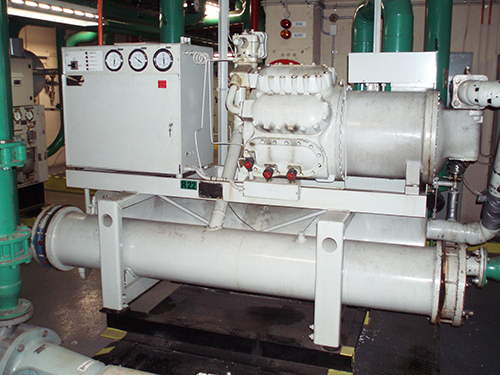
Compressor Short Cycling & Control Strategy Improvements
Trend analysis revealed frequent compressor cycling during temperate operating conditions. Compressors were restarting too quickly, increasing wear on plant equipment and creating unnecessary energy demand spikes.
WR8TECH developed revised control recommendations including:
- staged compressor delays,
- longer minimum off-times,
- airflow verification prior to compressor enable,
- and revised startup diversity logic.
The recommended changes would improve:
- and overall HVAC operational efficiency.
- equipment lifespan,
- energy performance,
- compressor stability,
BACnet Communications & BMS Stability
The BACnet network was experiencing communication instability and slow GUI responsiveness across the site.
Although the network size itself was relatively modest, WR8TECH identified frequent communication timeouts and unstable remote access performance. This reduced operator usability and limited the effectiveness of the BMS as a proactive management tool.
WR8TECH recommended:
- investigation of BACnet network performance,
- review of network topology,
- possible routing improvements,
- and further diagnostics relating to electrical interference and communication integrity.
The recommendations focused on improving:
- and remote engineering access.
- operator usability,
- alarm visibility,
- trend reliability,
BMS Controller Power Resilience
A key engineering observation was that several BMS controllers were powered directly from the package units themselves. This created multiple operational concerns whenever a unit lost power.
If a package unit tripped or lost supply:
- the controller would also shut down,
- alarms would not be generated correctly,
- trend logs would be interrupted,
- and operators would lose visibility into plant status.
WR8TECH recommended implementation of a central UPS-backed controller strategy to improve resilience, maintain alarms during failures, and allow for controlled system restart sequencing after power restoration events.
This approach significantly improves operational visibility in unattended or remotely managed facilities.
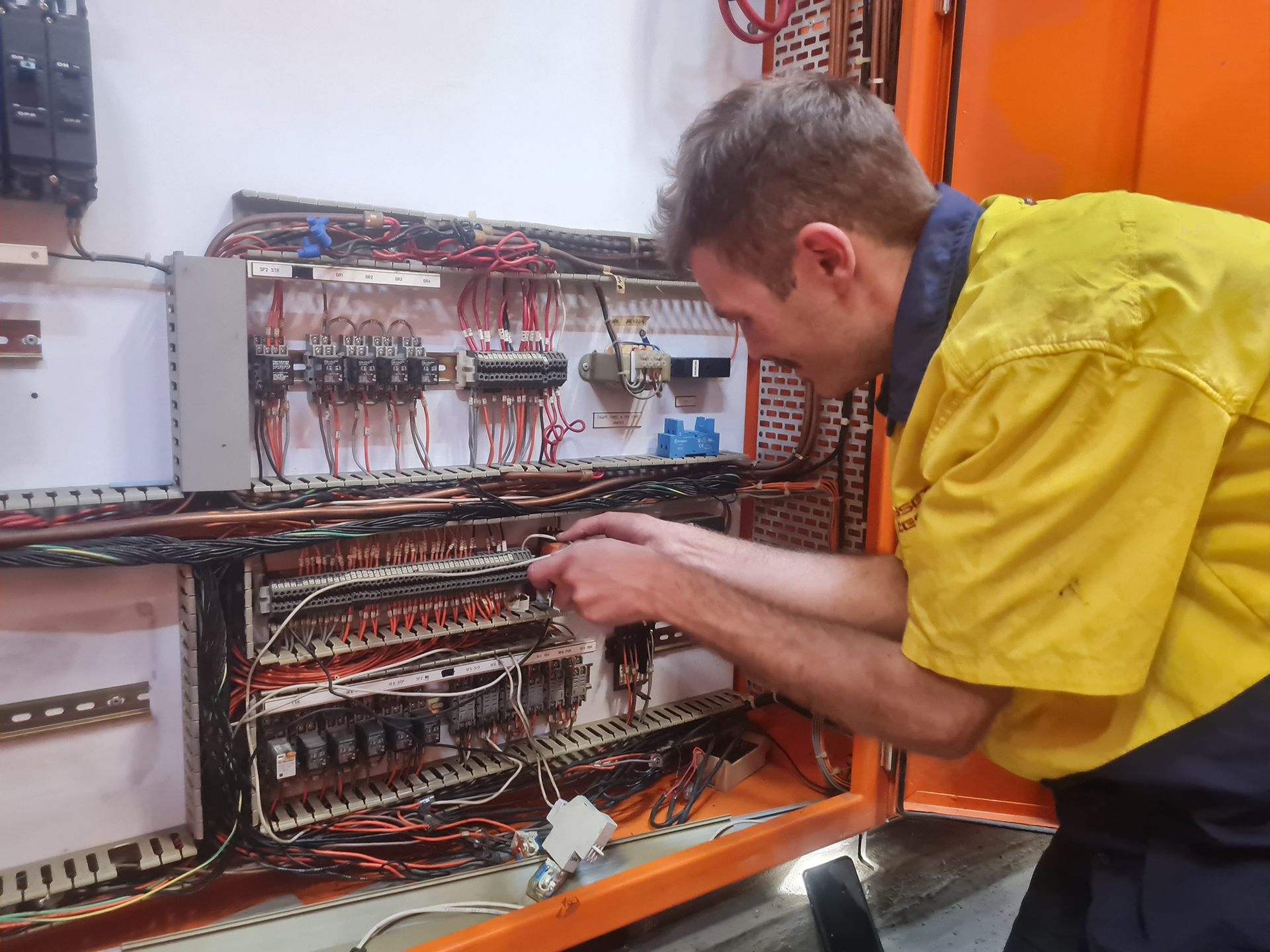
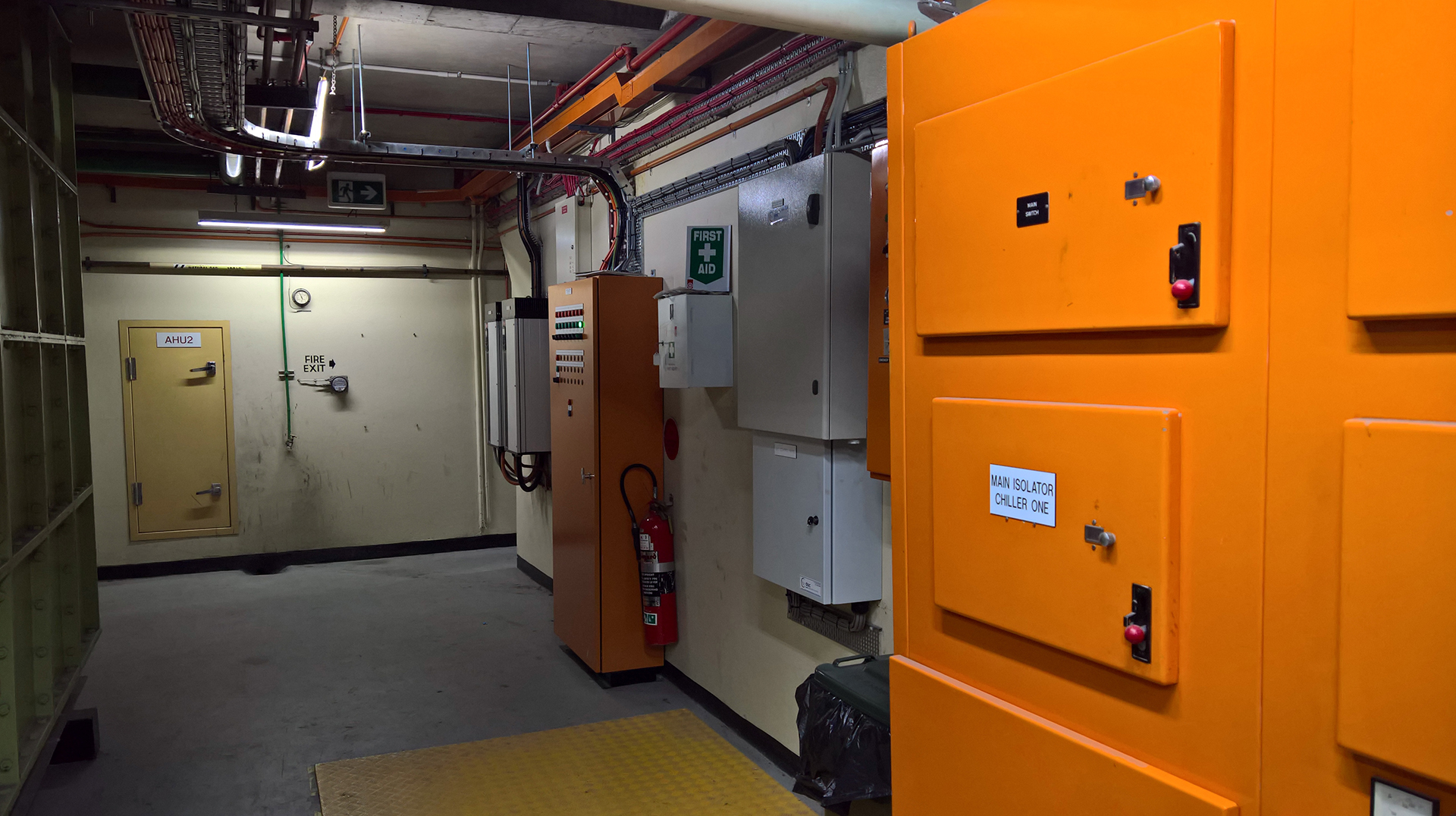
Electrical Infrastructure & Mechanical Switchboard Review
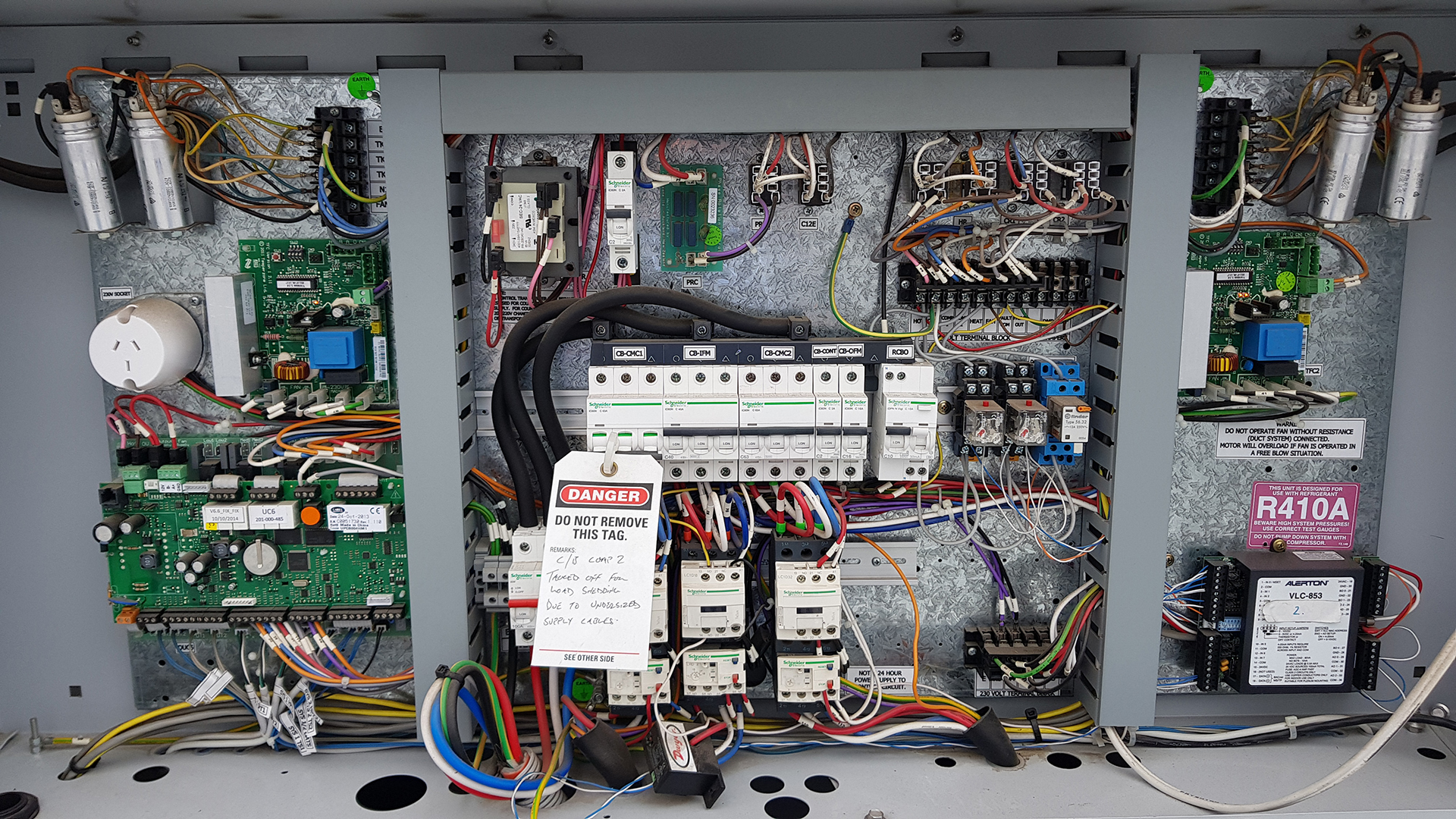
As part of the audit, WR8TECH also reviewed the mechanical services switchboards and associated power infrastructure.
The audit identified:
- evidence of thermal fatigue,
- questionable chassis modifications,
- undersized supply cabling considerations,
- and operational concerns relating to package unit power supply arrangements.
WR8TECH provided recommendations for:
- switchboard improvements,
- cable sizing review,
- essential services integration,
- and staged infrastructure upgrades aligned with long-term operational reliability.
This demonstrated WR8TECH’s ability to bridge the gap between:
- and electrical infrastructure.
- HVAC systems,
- controls engineering,
The Outcome
The audit provided the client with:
- a practical engineering roadmap,
- prioritised operational improvements,
- lifecycle planning recommendations,
- and clearer visibility into building performance risks.
Importantly, the project demonstrated that meaningful building performance improvements do not always require complete plant replacement. Through better controls engineering, recommissioning, sequencing, and operational strategy, significant gains can often be achieved using existing infrastructure.
The site’s HVAC systems were generally in sound condition. The greatest opportunities for improvement were found within:
- and proactive monitoring.
- controls strategy,
- airflow management,
- communications stability,
- operational sequencing,

Why WR8TECH
WR8TECH specialises in the integration of:
- Mechanical Services
- Electrical Infrastructure
- Building Management Systems
- HVAC Digital Controls
- BACnet & Niagara Platforms
- Energy Optimisation
- Operational Diagnostics
Unlike traditional maintenance contractors, WR8TECH approaches commercial buildings as integrated operational systems — combining hands-on electrical and HVAC capability with advanced controls engineering expertise.
This allows us to identify not only equipment faults, but also the hidden operational inefficiencies that affect:
- and long-term building performance.
- energy consumption,
- asset lifespan,
- tenant comfort,
Case Study links