
End-of-Life Controllers and Ageing Building Management Infrastructure
Across Sydney and Melbourne, many commercial buildings are still operating legacy Building Management Systems installed during the late 1990s and early 2000s.
While these systems were reliable when first installed, many of the controllers, communication modules, and software platforms are now reaching end-of-life. Manufacturers have discontinued many of these components, making maintenance and expansion increasingly difficult.
For commercial property owners and facility managers, this can create significant operational risk.
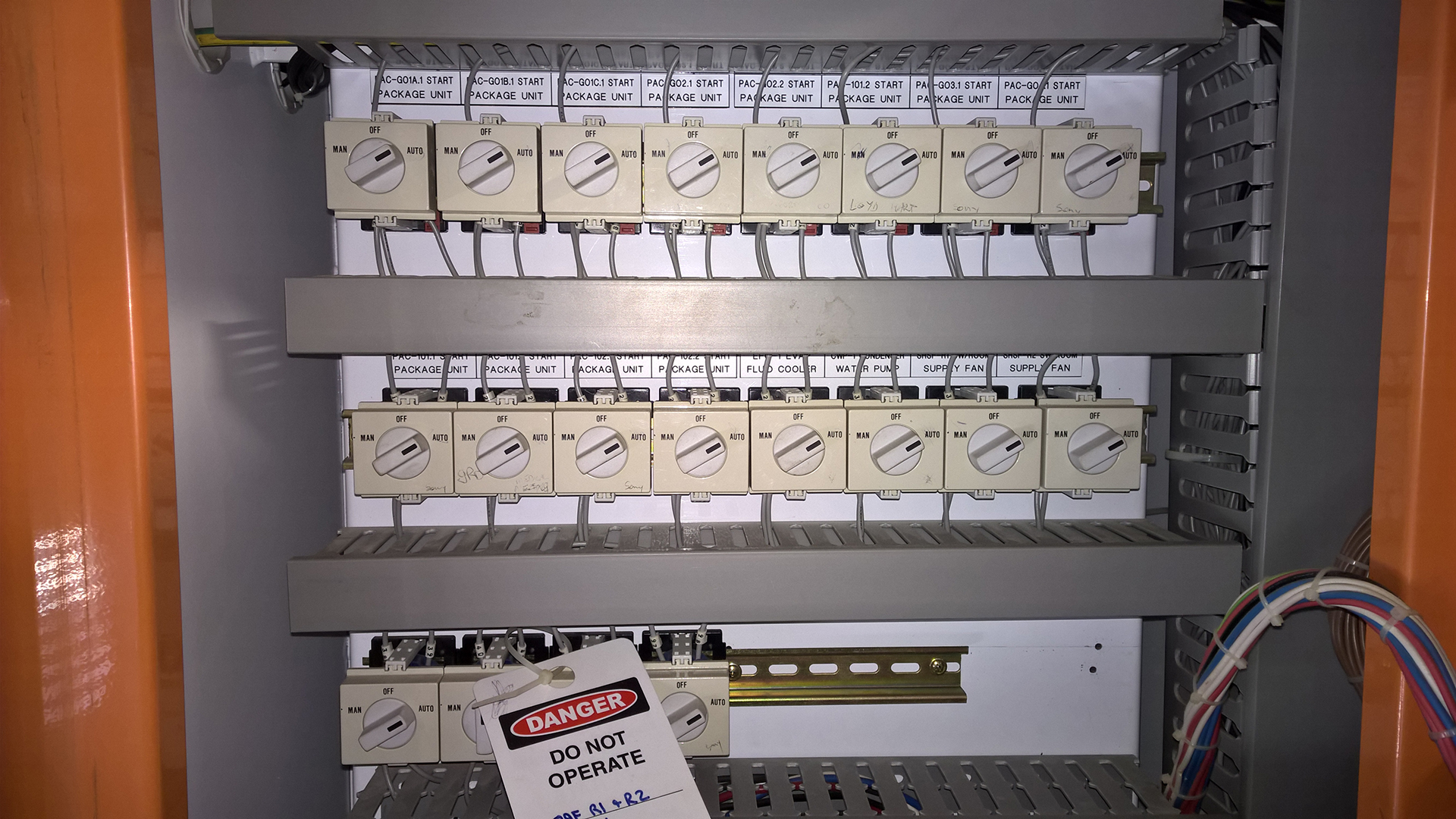
Common Problems with Legacy BMS Controllers
As systems age, a number of issues begin to appear:
- End-of-life controllers that can no longer be replaced with identical hardware
- Communication networks that become unreliable over time
- Ageing power supplies and I/O modules
- Software that is incompatible with modern operating systems
- Limited visibility of system faults due to outdated graphics
- Difficulty integrating new HVAC equipment into the existing system
When one controller fails in a legacy system, it can sometimes affect multiple plant items, including air-handling units, chilled water systems, boilers, or ventilation systems.
This can quickly become a major disruption for building tenants and facility managers.
Replace the Right Components — Not the Entire System
A full BMS replacement is often presented as the only option when systems become obsolete. However, this approach can be expensive and highly disruptive, particularly in occupied commercial buildings.
In many cases, it is possible to replace only the critical components, allowing the system to continue operating while modernising key parts of the infrastructure.
WR8TECH specialises in strategic upgrades of legacy BMS systems, including:
- Replacement of end-of-life controllers
- Integration of modern controllers into existing networks
- Migration of legacy systems to newer platforms
- Upgrading operator interfaces and graphics
- Improving alarm monitoring and trend logging
- Stabilising ageing networks and field devices
This approach allows building owners to extend the operational life of their system while planning long-term modernisation.
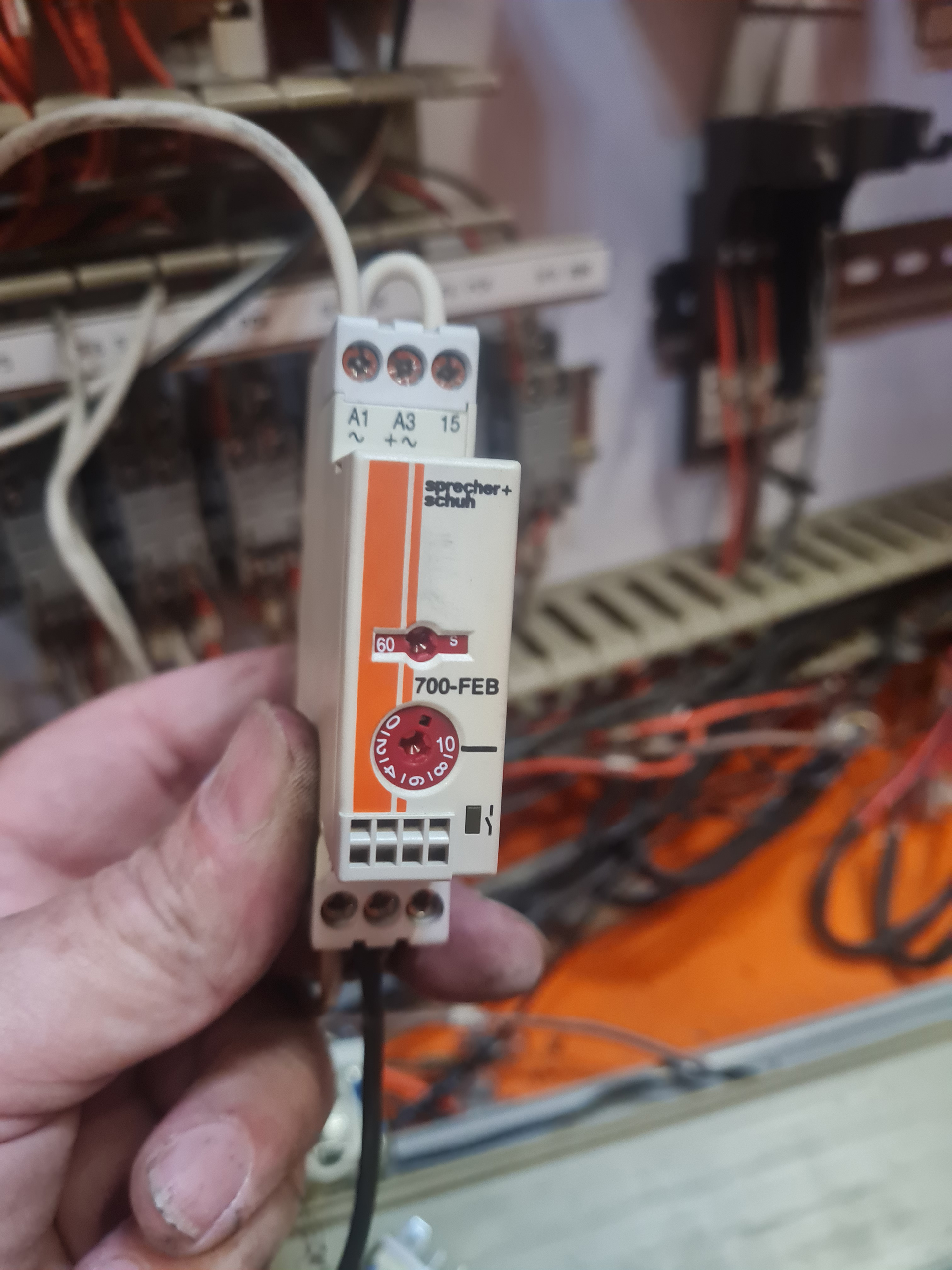

Protecting Commercial Assets
For commercial property owners, the BMS is a critical part of the building’s operational infrastructure. It directly affects:
- Tenant comfort and satisfaction
- Energy consumption and efficiency
- Maintenance costs
- Asset value and building performance
Proactively addressing legacy BMS controllers and ageing infrastructure helps prevent unexpected failures and costly emergency replacements.