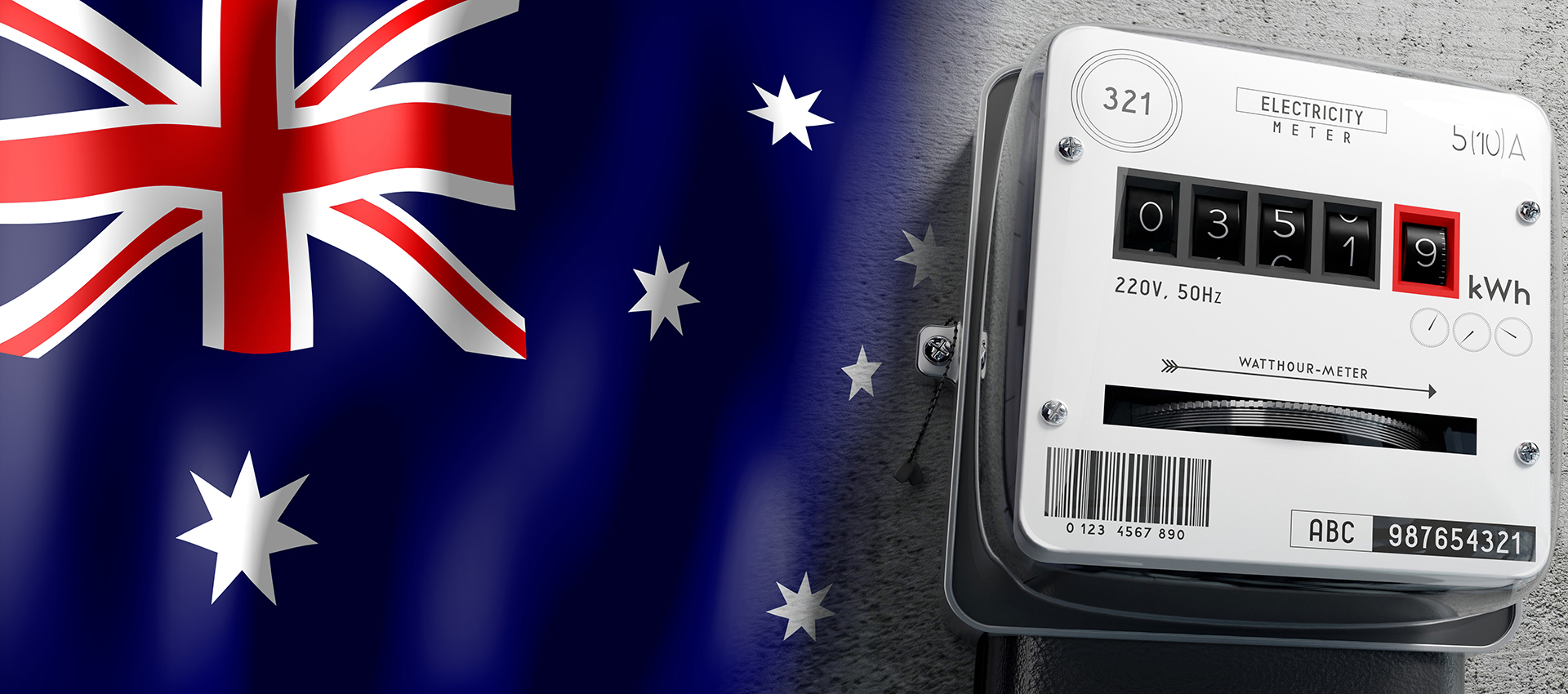
Electrical Energy Metering
Energy metering delivers a clear return on investment for commercial and strata buildings by turning energy consumption into actionable financial insight.
Through a secure, web-based interface, owners and managers can quickly identify waste, verify savings initiatives, and reduce operating costs—often achieving payback within a short period.
Ongoing trend data enables continuous optimisation, ensuring savings are sustained and improved year after year. The strongest ROI is achieved through strategically designed metering that targets high-energy plant, tenant loads, and critical services.
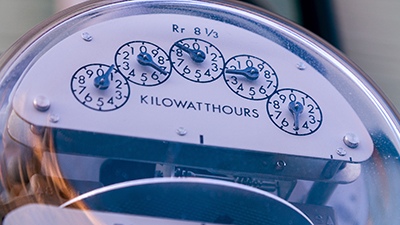
Electrical Energy Metering
On-site power metering, when strategically implemented, provides comprehensive insight into energy use across a facility.
Monitoring individual switchboards for HVAC, lighting, general power, or other critical systems delivers visibility into how effectively energy conservation strategies are performing.
Meters can also target specific equipment or spaces—such as server rooms, security areas, or tenant-controlled spaces—helping managers allocate costs, optimise usage, and comply with NABERS requirements. Understanding energy use in both tenant and base building areas is key to reducing costs and improving operational efficiency.
Commercial energy management extends beyond utility meters. On-site generation, co-generation, subtenant use, and non-utility meters are all considered under frameworks such as NABERS Energy & Water for Offices (v2.0). For example, Rule 6.2.8 addresses car parks and provides exclusions based on metering. Unmetered zones, however, cannot be accounted for, potentially impacting NABERS ratings and masking opportunities for energy savings.
Strategic metering ensures all energy flows are visible, optimising cost management, improving efficiency, and protecting your NABERS rating.