
Why Do You Need an Electrical Audit in Your Commercial Building?
A proper electrical audit — including the development of a current and accurate single line diagram — is no longer just best practice. In Sydney and Melbourne, it is increasingly essential for compliance, risk mitigation, and financial control.
Across the many commercial electrical audits we’ve conducted, one issue consistently appears: undocumented modifications and shortcut connections carried out over years of minor works. While often done for convenience, these changes quietly:
• Shift energy costs onto landlords
• Breach compliance documentation requirements
• Increase fire and electrical risk
• Distort outgoings and recovery costs
The Hidden Cost of “Quick Fix” Electrical Work
A common scenario involves tenant modifications.
A tenant requests an additional power point near a printer or workstation. On the other side of the wall sits an existing outlet — so a contractor installs a simple back-to-back connection. It’s fast, inexpensive, and appears efficient.
But what’s rarely checked is where that circuit originates.
In many cases, it’s connected to the house switchboard, not the tenant’s distribution board.
The result? The landlord now pays for tenant equipment — continuously.
Multiply this across multiple floors, tenancies, and years — and the financial impact becomes substantial.
Lighting Circuits: Another Silent Compliance & Cost Issue
Lighting modifications are frequently tied into house lighting circuits — particularly in:
• Lift lobbies
• Corridors
• Amenities
• Plant rooms
These circuits often operate 24/7 for safety and egress compliance.
Rather than installing compliant tenant sub-circuits, contractors connect into what’s closest.
Tenants see new lighting and are satisfied.
The building absorbs the energy cost — indefinitely.
Electrica Audit will uncover non-compliance
Sydney & Melbourne Compliance Drivers You Can’t Ignore
In NSW and Victoria, commercial building owners are increasingly exposed to risk where electrical documentation is outdated or inaccurate.
An electrical audit directly supports compliance with:
🔹 Work Health & Safety (WHS) Obligations
Landlords have a duty to provide safe electrical infrastructure and eliminate undocumented hazards.
Unmapped circuits, overloaded boards, and unknown connections increase:
• Fire risk
• Electrical failure risk
• Liability exposure
🔹 Australian Standards & Electrical Safety Regulations
Up-to-date electrical documentation (including single line diagrams) is expected for:
• Switchboard safety
• Load management
• Maintenance planning
• Future works approvals
Auditors, insurers, and regulators now routinely request this information.
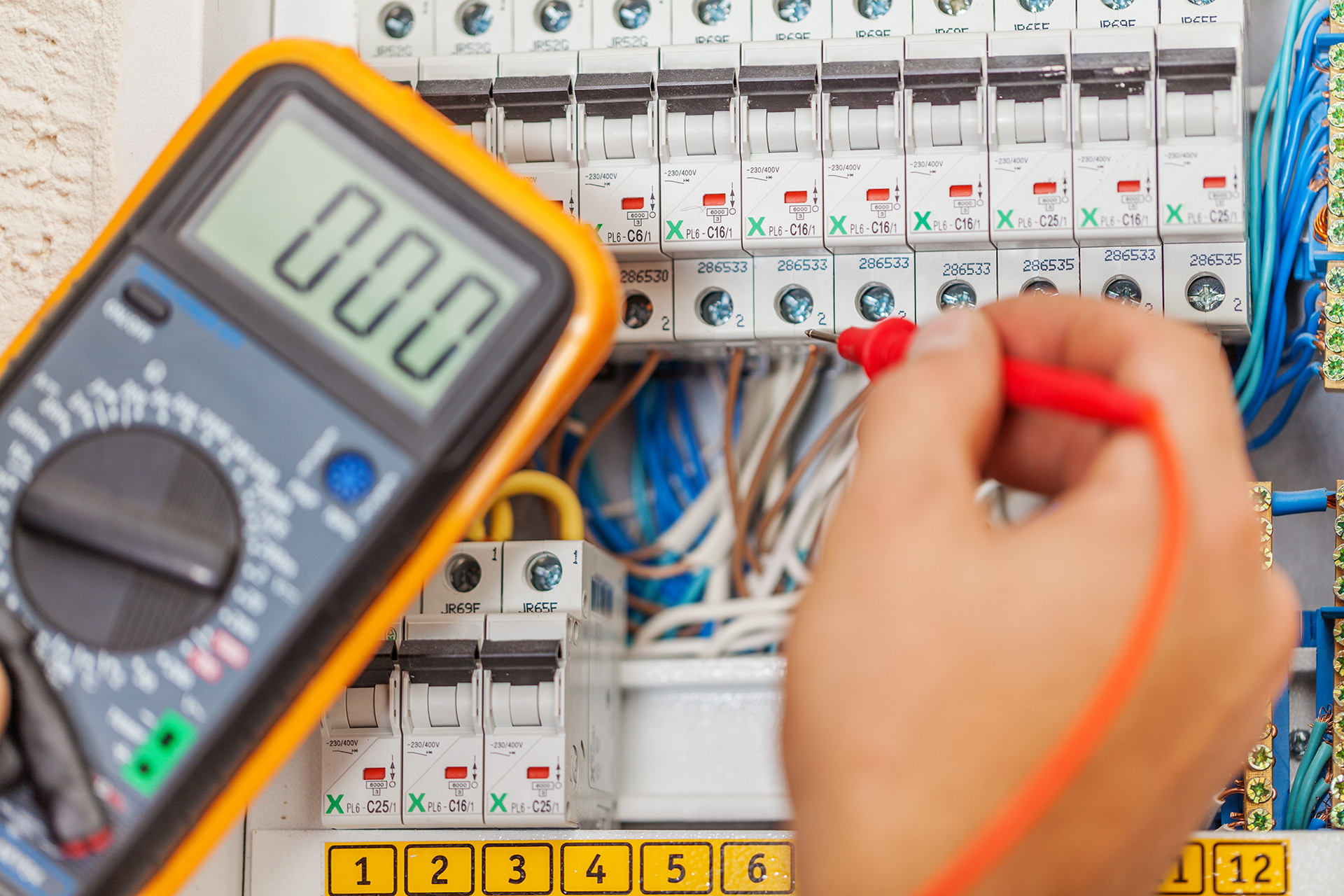
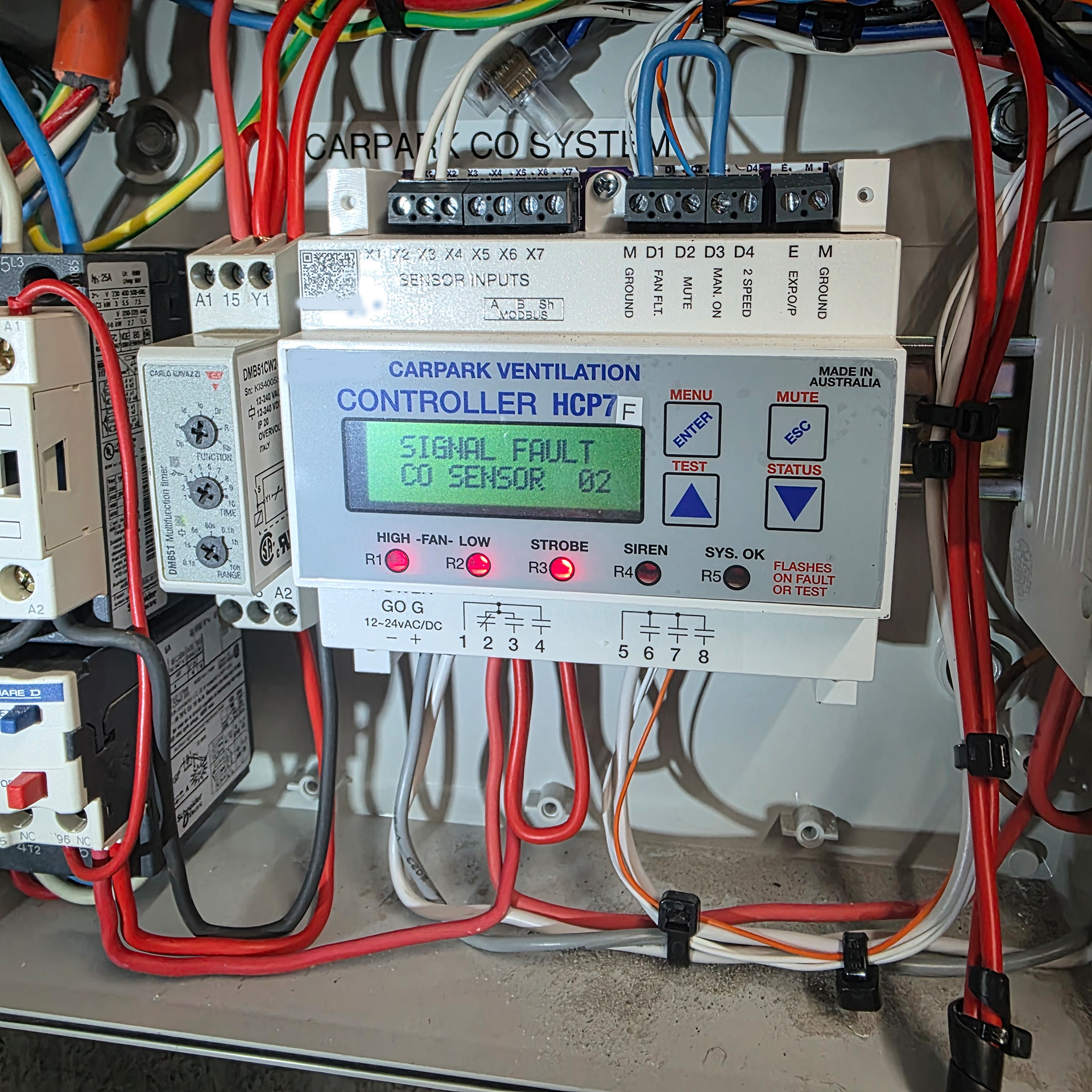
Essential Services
🔹 Fire Safety & Essential Services Compliance
Electrical supply integrity directly impacts:
• Emergency lighting
• Fire systems
• Mechanical services
• Evacuation systems
Incorrect connections can compromise compliance reporting and annual safety statements in both NSW and Victoria.
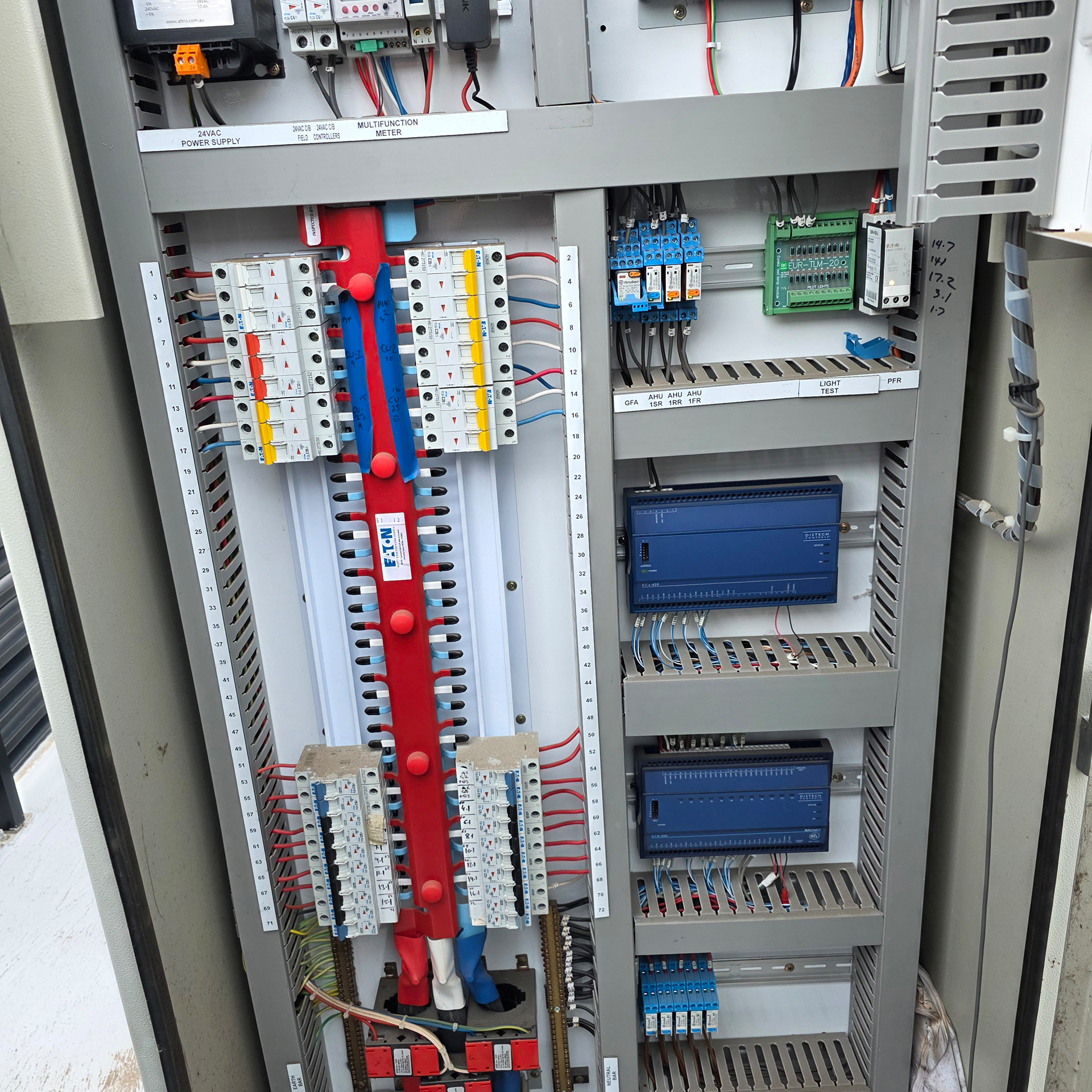
Database for Asset Register
Insurance & Risk Management
More insurers are requesting:
✔ Verified electrical diagrams
✔ Load assessments
✔ Maintenance documentation
Buildings without them are increasingly exposed to:
• Premium increases
• Claim disputes
• Coverage limitations
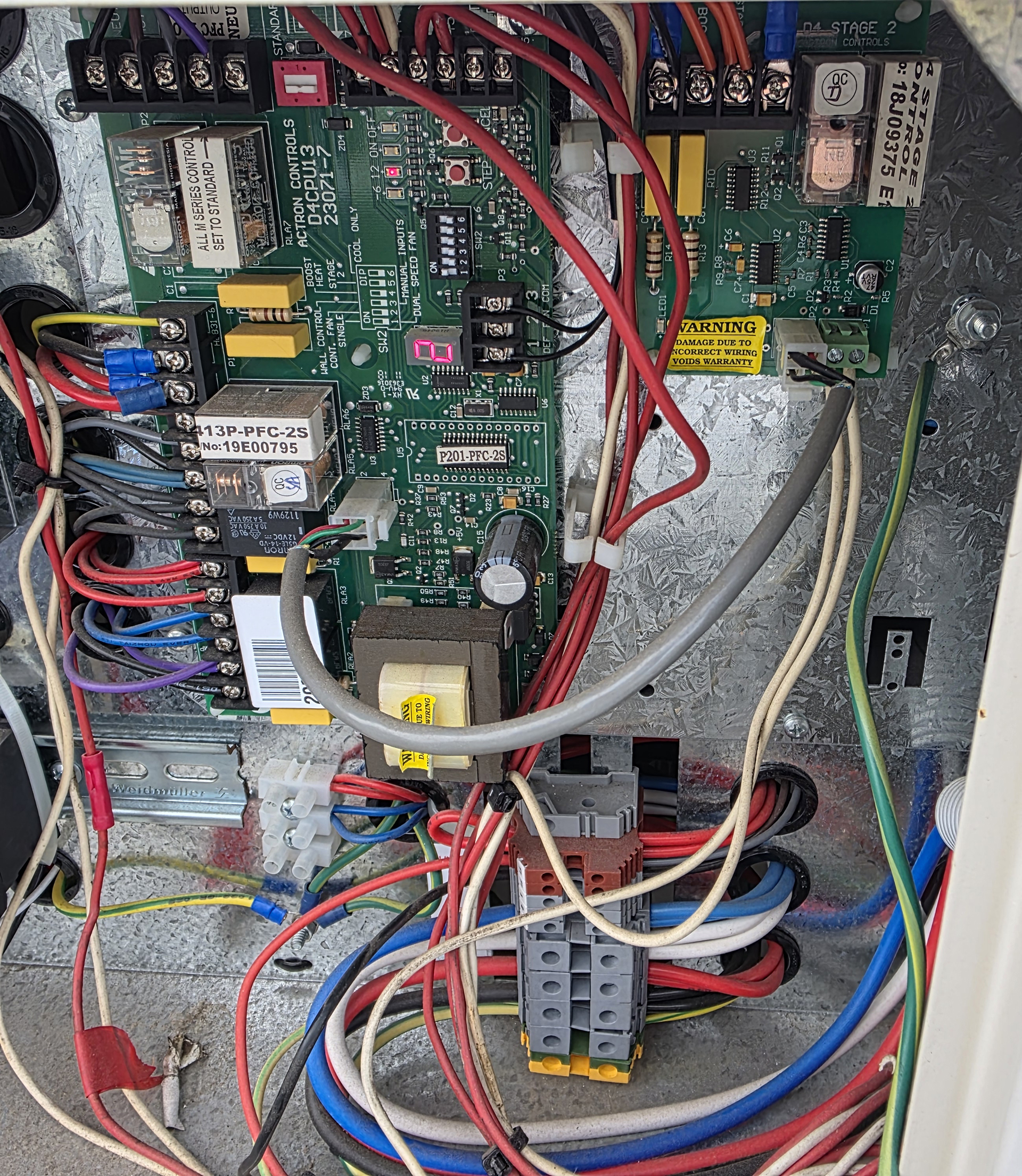
Single line Diagram
Why a Proper Electrical Audit Matters
✔ Identifies undocumented and incorrect circuit connections
✔ Prevents landlords subsidising tenant power usage
✔ Reduces operating and outgoings costs
✔ Improves safety and compliance posture
✔ Supports fire safety certification
✔ Provides a verified single line diagram for future works
✔ Strengthens insurance and risk protection
The Bottom Line for Sydney & Melbourne Buildings
If your electrical documentation is outdated — or doesn’t exist — you are:
❌ Paying for power you shouldn’t be
❌ Carrying unnecessary compliance risk
❌ Exposing your building to safety issues
❌ Weakening your outgoings recovery
Why you Need an Electrcial Audit
An electrical audit is no longer optional — it’s a financial and compliance safeguard.
It protects your asset, your tenants, and your operating budget.
Ready to Get Control of Your Building’s Electrical Infrastructure?
If you manage or own a commercial building in Sydney or Melbourne, a professional electrical audit can quickly uncover:
✔ Hidden costs
✔ Compliance gaps
✔ Safety risks