
Car Park Fan Control via the Fire Indicator Panel (FIP)
Car park ventilation fans are normally controlled by carbon monoxide (CO) monitoring systems to manage air quality during day-to-day operation. However, when interfaced with the Fire Indicator Panel (FIP), the control strategy must change to prioritise life safety and smoke management.
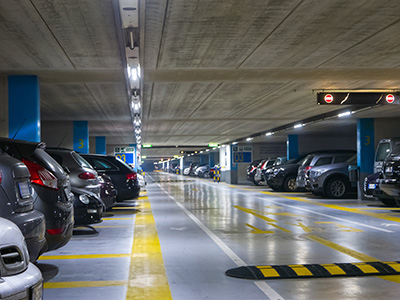
Normal Mode (Non-Fire Operation)
Normal Mode (Non-Fire Operation)
- Fans operate automatically based on CO sensor readings.
- Variable speed or staged control reduces energy use.
- Operation is independent of the fire system.
- Designed to meet indoor air quality and energy efficiency requirements.
Fire Mode (FIP Override)
When the FIP enters alarm condition:
- CO control is overridden.
- Car park exhaust fans are forced to operate in fire mode.
- Fans typically run at full speed (or predefined fire duty).
- Operation continues regardless of CO levels.
- Control relays are driven directly or indirectly by the FIP.
This ensures:
- Fire brigade smoke management strategies are supported.
- Smoke is exhausted from the car park.
- Evacuation paths remain as clear as possible
.
.
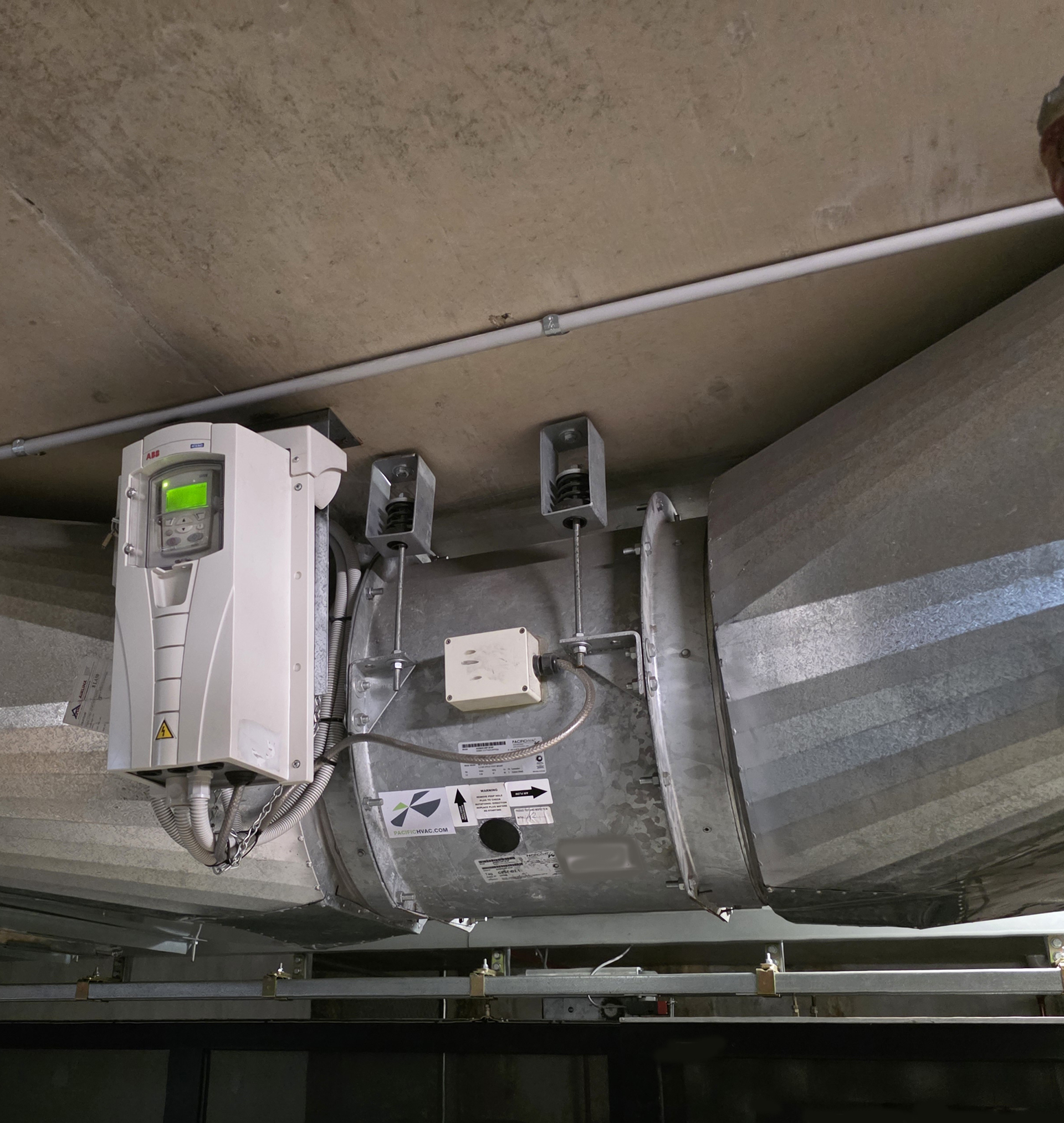
Typical Control Architecture
1. Fire Alarm Interface
- The FIP provides volt-free contacts (fire mode signal).
- These contacts interface with:
- Fan control panels
- BMS (if integrated)
- VSDs via fire input terminals
2. Fail-Safe Design
- Loss of fire signal wiring defaults fans to run or fail safe, depending on design.
- Fire mode always has priority over:
- CO sensors
- BMS logic
- Time schedules
3. Manual Overrides
- Local isolators must not defeat fire mode operation.
- Fire brigade override switches (where required)
.
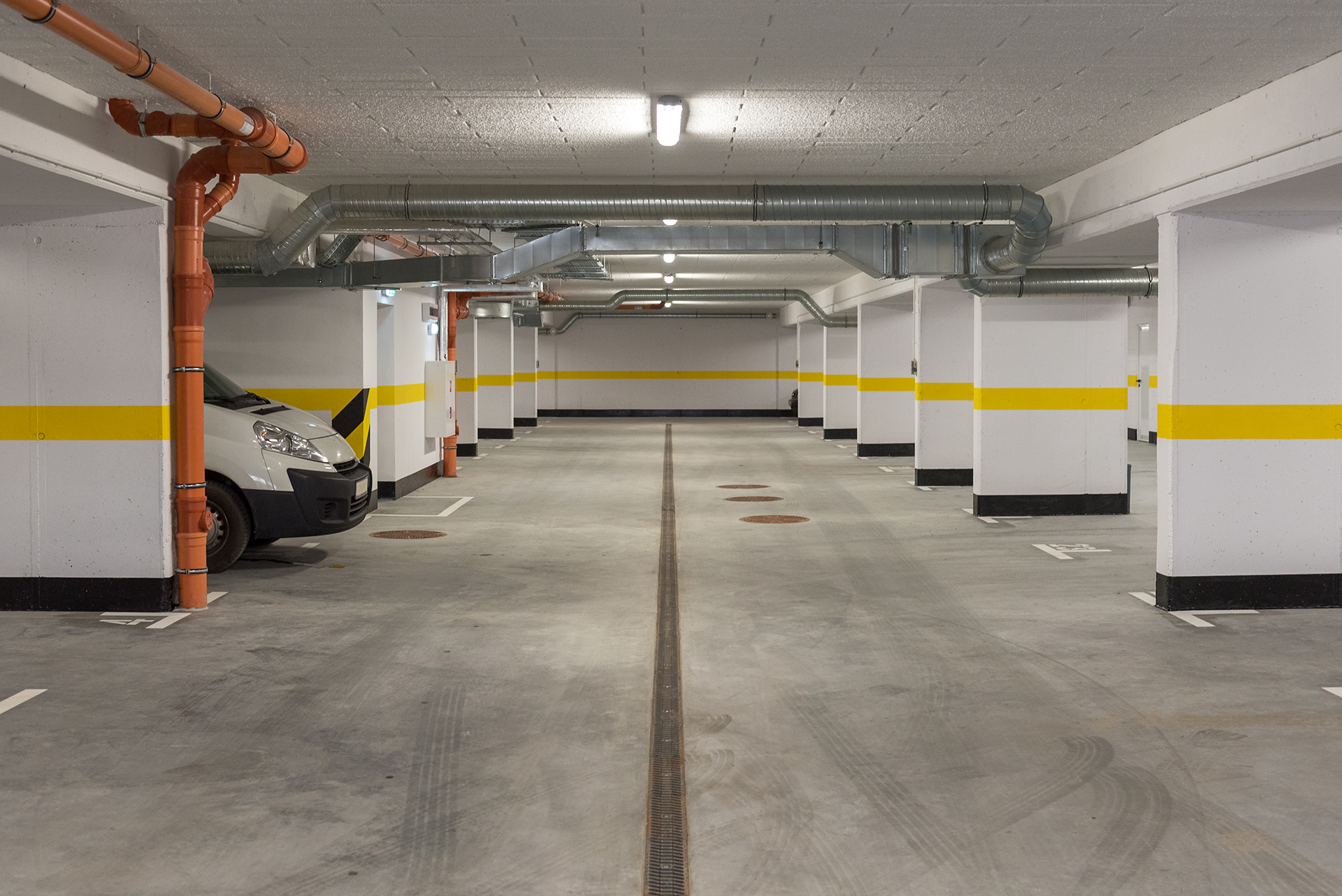
Compliance & Risk Considerations
Fans required for smoke management must not be disabled by energy-saving logic.
- Incorrect sequencing between CO systems, BMS, and FIP is a common non-compliance.
- AS 1851 maintenance now increases scrutiny on:
- Fire mode operation
- Signal integrity
- Interface testing and documentation
Poorly integrated systems can:
- Leave owners exposed to compliance risk
- Pass CO tests but fail fire mode
- Create conflicting commands
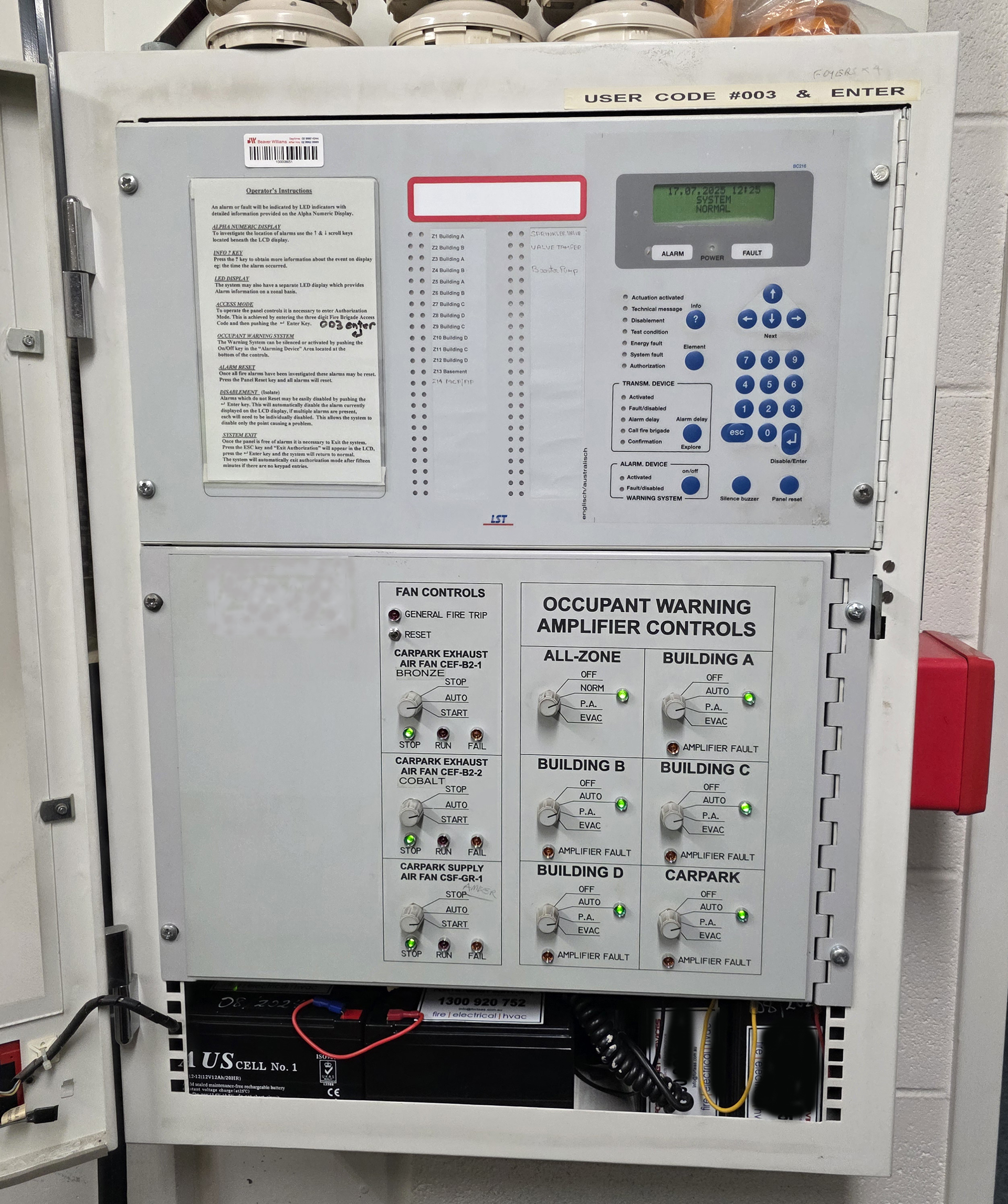
Why Integration Matters (Especially in Existing Buildings)
In many existing car parks:
- CO systems, fan controls, and fire panels were installed years apart
- Documentation is incomplete or inconsistent
- Fire mode intent has been lost through upgrades
Correct FIP integration:
- Provides confidence to certifiers and insurers
- Restores compliant fire mode behaviour
- Avoids unnecessary fan replacements
- Reduces risk during AFSS sign-off