

Integrated Building Systems & Technology Coordination
Commercial Building Systems Integration
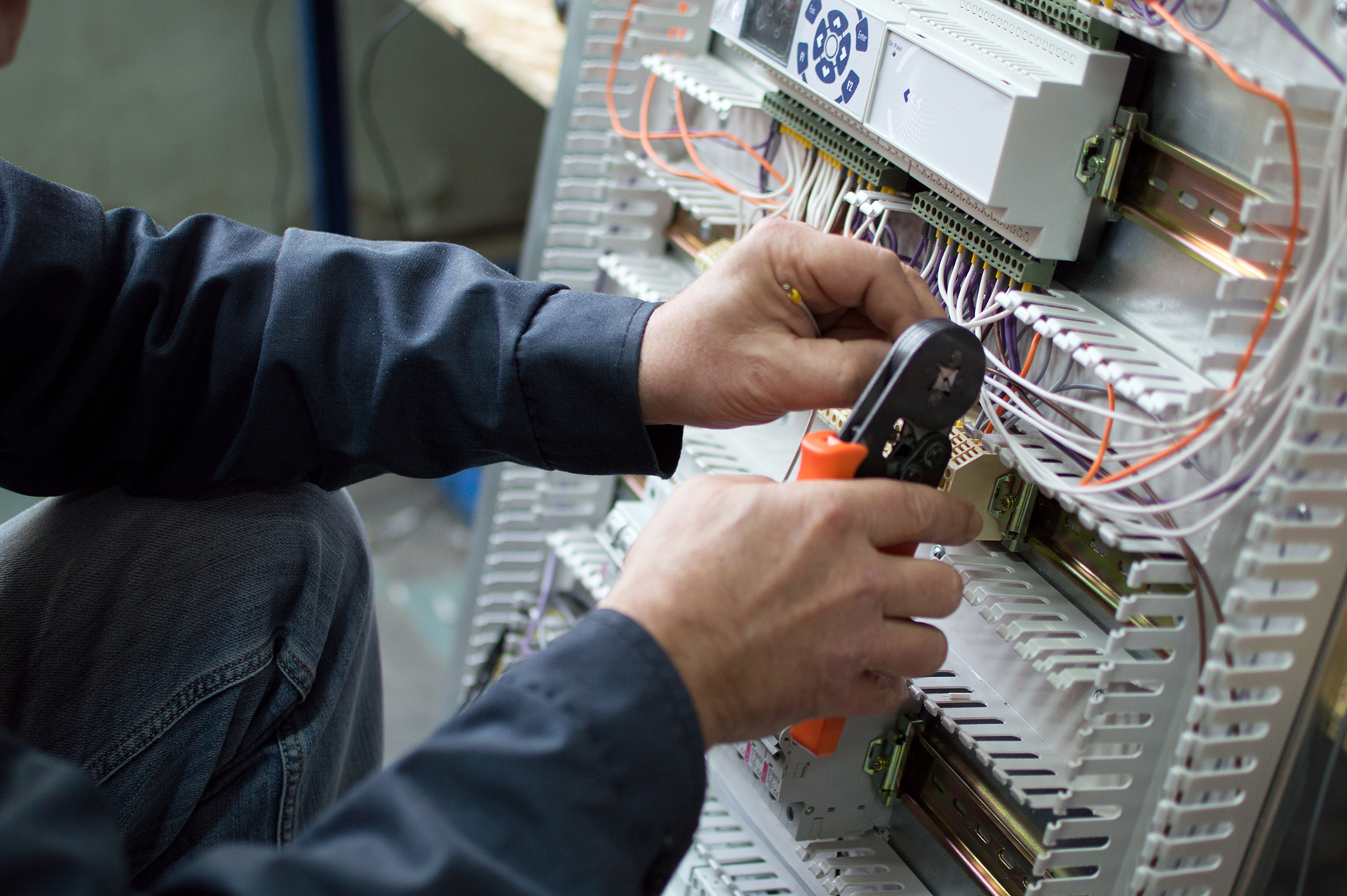
Smart Buildings | Building Systems Integration and coordination optimising the synergies
We connect and coordinate all critical building subsystems into a single, intelligent operating environment.
By interfacing your most fundamental systems, we transform isolated services into a seamless, building-wide, holistic platform—designed to improve performance, visibility, compliance, and control.
Smart Buildings Integrated systems may include:
- HVAC & Mechanical Plant
- Lighting Control & Emergency Lighting
- Access Control & Security Systems
- Fire Detection, Monitoring & Life Safety Interfaces
- Energy Monitoring & Management Systems
- Data Centres & Critical Infrastructure
- Car Park Ventilation, CO Monitoring & Gas Control
- Automatic Doors & Occupant Interfaces
- Building Management & Analytics Platforms
The result is a centralised, streamlined system that enables:
- Smarter operational decision-making
- Improved energy efficiency and asset performance
- Faster fault detection and response
- Stronger compliance and life-safety oversight
- Reduced operational risk and running costs
Rather than managing systems in isolation, we create a unified building ecosystem—one that works cohesively, transparently, and efficiently across the entire asset.
Core Building Systems We Integrate
Our Melbourne-based team integrates a wide range of commercial building systems, including:
- HVAC Integration – Heating, ventilation, and air conditioning
- Lighting Control Systems – Including emergency and compliance lighting
- Shading & Façade Controls – Blinds, louvers, and solar control
- Fire Detection & Alarm Interfaces
- Access Control & Electronic Security Systems
- CCTV & Surveillance Integration
- Energy & Water Metering Systems
- Vertical Transport Interfaces – Lifts, elevators, escalators
- Car Park Ventilation, CO Monitoring & Gas Control
- Irrigation & Landscaping Controls
All systems are connected through a centralised Building Management System (BMS) or smart building platform for real-time monitoring and control.
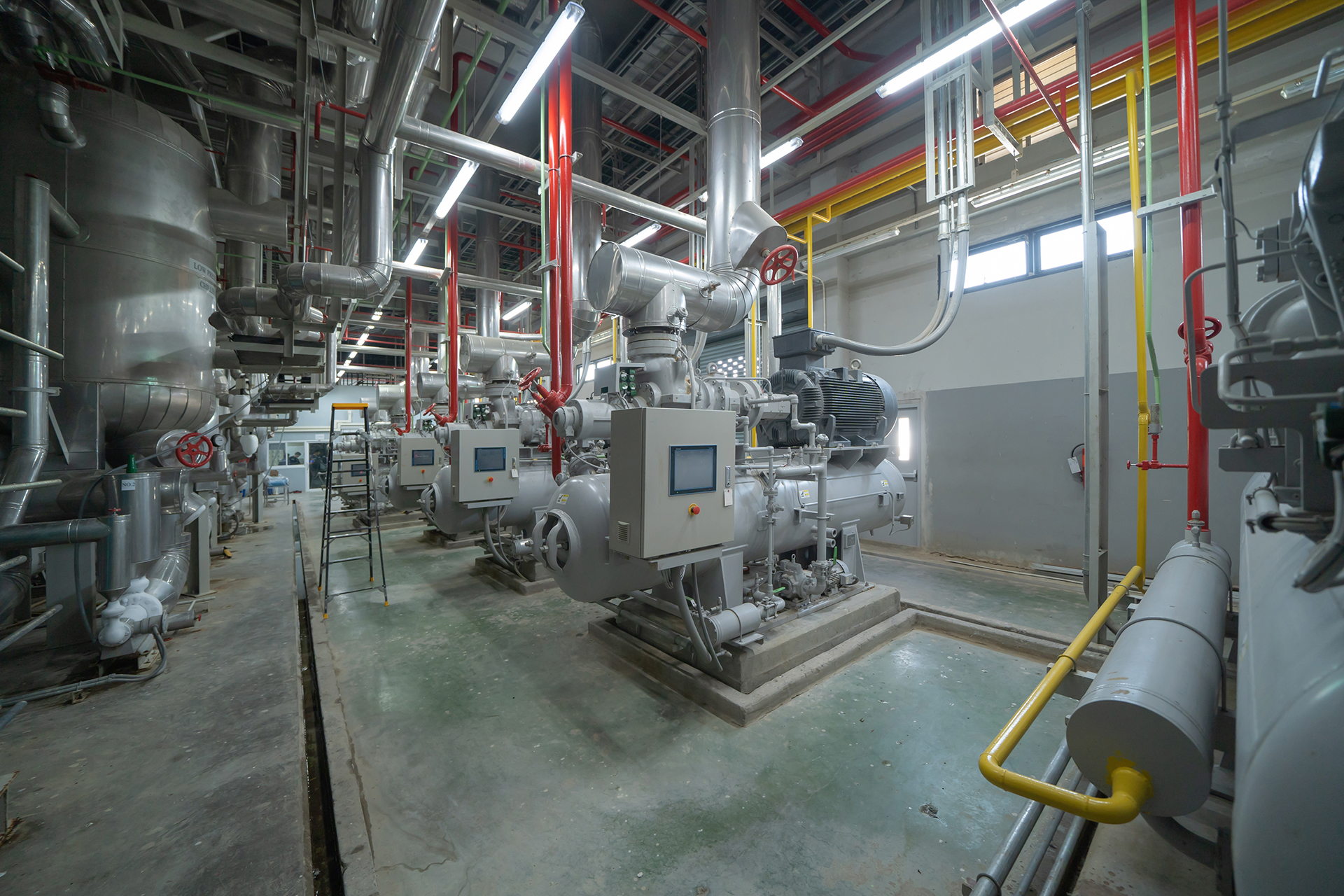
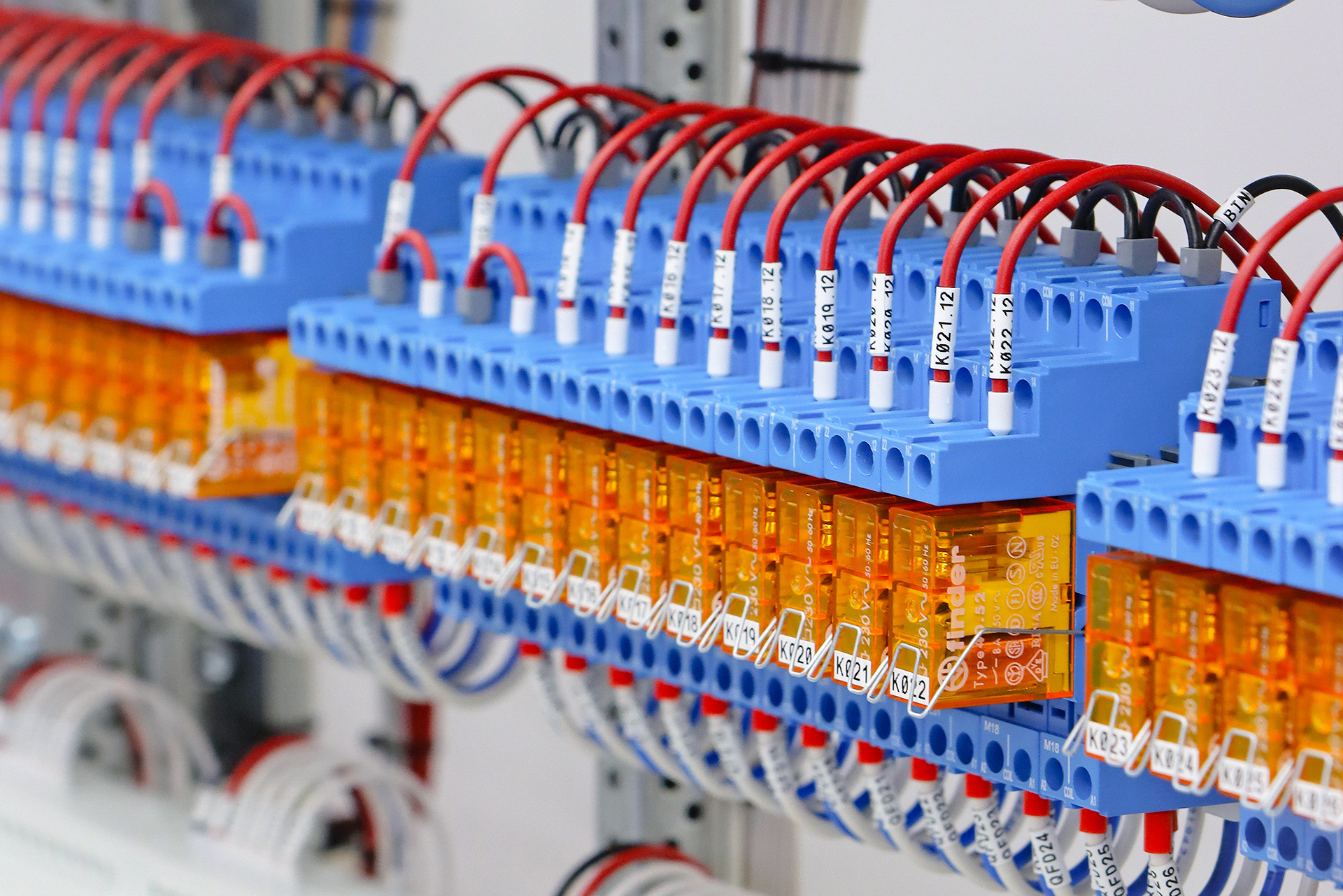
Benefits of Integrated Building Systems
Regulatory Compliance & Reporting
Simplify environmental, safety, and statutory reporting for commercial buildings in Melbourne. Centralised systems support audits, compliance checks, and regulatory obligations.
Energy Efficiency & Cost Reduction
Coordinate HVAC, lighting, and shading based on occupancy, operating hours, and environmental conditions to reduce energy consumption and operational costs. A Huge “plus” for your NABERS rating and assessments.
Improved Occupant Comfort
Deliver consistent indoor environmental quality across office spaces, common areas, and critical facilities.
Operational Efficiency
Reduce system duplication, streamline contractor management, and simplify training through a single operational interface.
Predictive Maintenance & Asset Protection
Use real-time data and analytics to detect faults early, minimise downtime, and extend the life of building assets.
Integration of Third-Party Equipment
Many building owners are surprised by how simple and affordable third-party system integration can be.
In most cases, integration requires:
- A single two-wire communications cable or Ethernet connection
- Minor firmware configuration
- Programming into an existing BMS or a modern HTML5-based control platform
Leading HVAC brands such as Daikin, Mitsubishi, and other DX, VRV, and split systems can be seamlessly integrated, allowing previously “stand-alone” plant to become part of a single, intelligent building ecosystem.
Once connected, equipment can:
- Participate in load-shedding and energy reduction strategies
- Be centrally switched, scheduled, or disabled during peak demand events
- Provide real-time fault alerts and performance data
- Support proactive maintenance and compliance reporting
The result is lower energy costs, improved system reliability, and greater control—without the expense of replacing existing equipment.
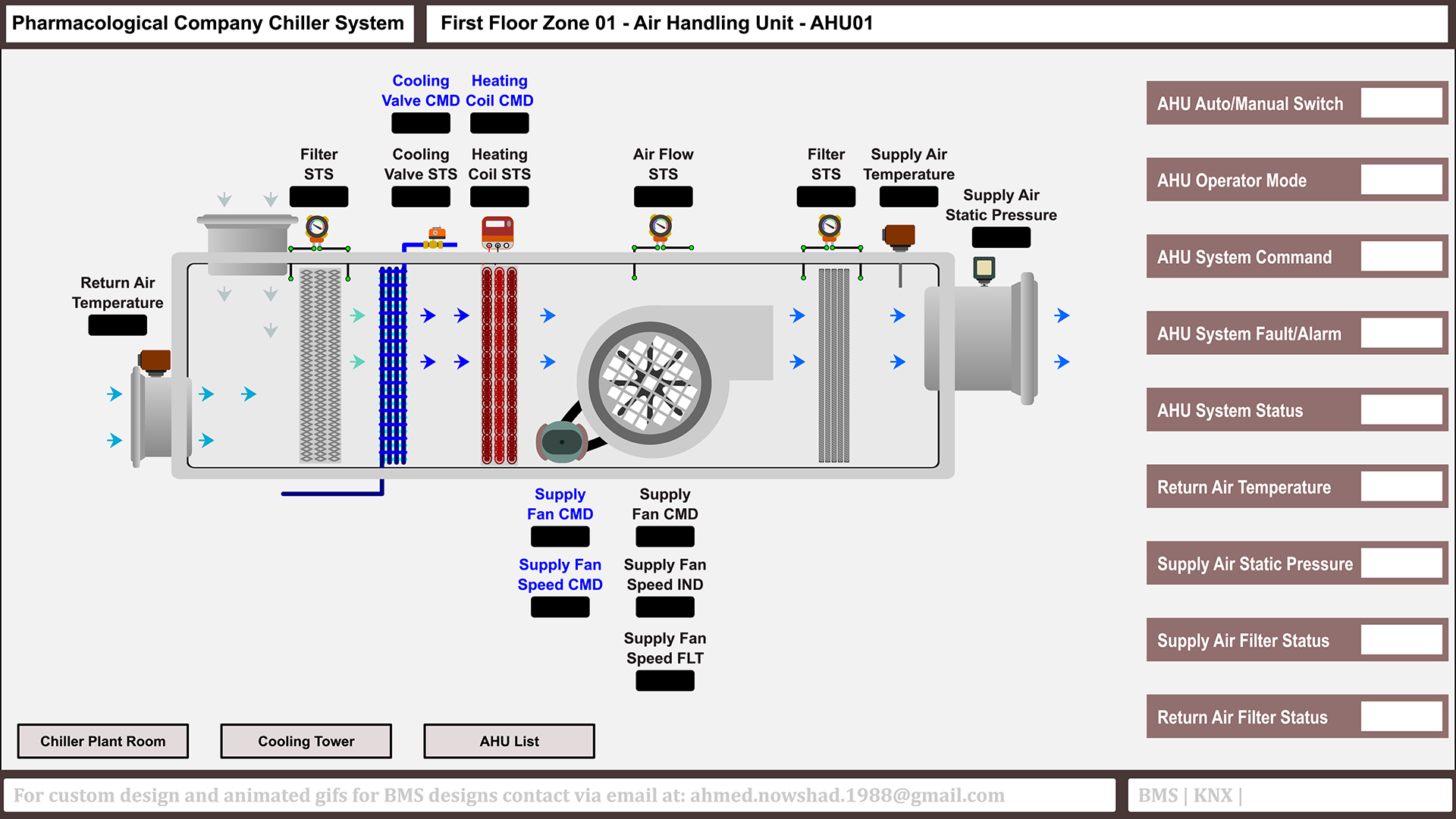

What Integration Delivers
Once integrated, systems can be intelligently controlled and optimised at a whole-of-building level:
- Load shedding & peak demand control
Equipment can be staged, limited, or shut down automatically during peak demand periods to reduce energy costs and network charges. - Centralised visibility & control
All major plant and systems are monitored from one interface, eliminating blind spots and reliance on disparate controllers. - Fault detection & performance monitoring
Early identification of faults, inefficiencies, and abnormal operation—reducing downtime, tenant complaints, and reactive maintenance. - Operational consistency
Enforced schedules, temperature limits, and operational rules prevent system drift and unauthorised overrides. - Asset protection & lifecycle extension
Smarter control reduces unnecessary run hours, excessive cycling, and operational stress on equipment.
Compliance, Risk & Reporting
Integrated systems also support stronger governance and compliance outcomes:
- Improved documentation for energy audits, NABERS tracking, and ESG reporting
- Clear operational evidence for insurance, safety, and maintenance compliance
- Reduced risk of undetected failures in stand-alone or ageing systems
The Bottom Line
Integration allows you to maximise the value of existing equipment rather than replacing it. With relatively low upfront cost, building owners gain measurable reductions in energy consumption, improved system reliability, and stronger operational control—delivering better returns with less risk.