Why Building Management Systems Fail in Older Commercial Buildings
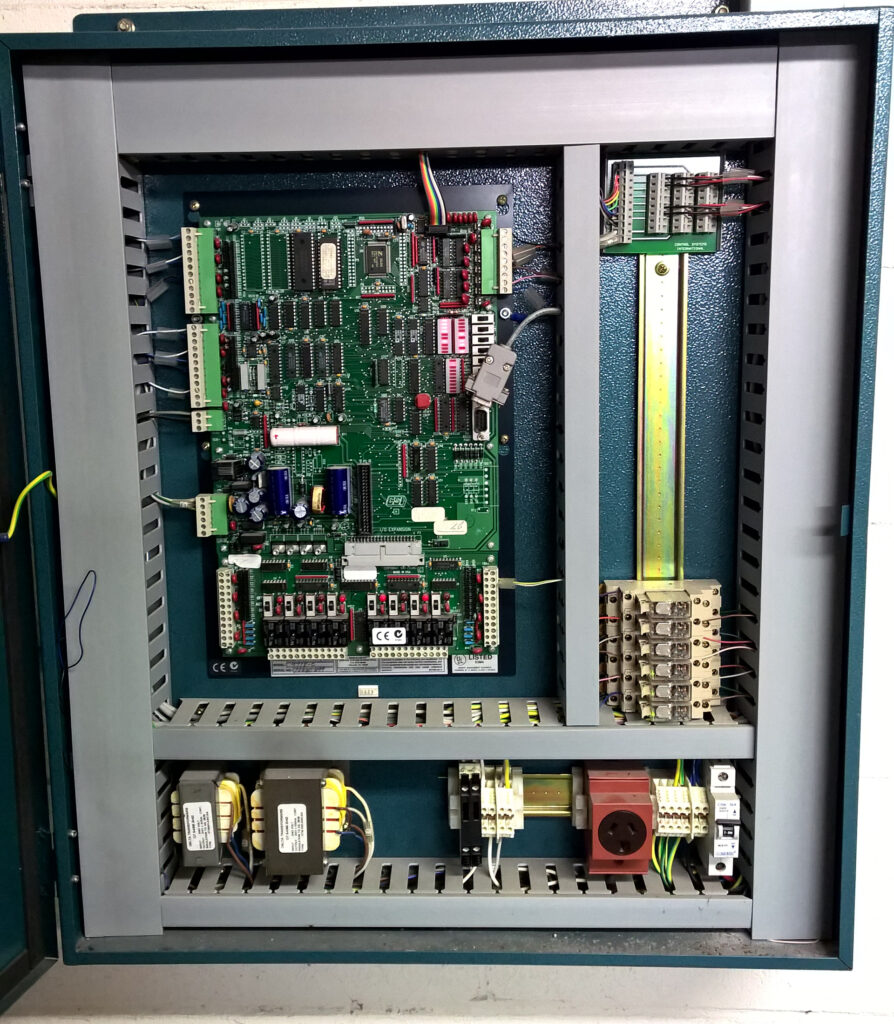
Many commercial buildings installed their Building Management Systems (BMS) between the mid-1990s and early 2000s. While these systems were reliable when first commissioned, ageing electronics, outdated software, and legacy communication networks can eventually cause reliability problems.
Facility managers and building managers often begin noticing issues such as persistent faults, systems going offline, or inconsistent HVAC control as these systems age.
Understanding why these failures occur can help building operators make better maintenance and upgrade decisions.
Ageing Electronics and Controller Failure
At the heart of every Building Management System are microprocessor-based controllers that manage HVAC equipment, plant systems, and field devices.
Like all electronic equipment, these controllers contain semiconductor components that slowly degrade over time due to:
• thermal cycling
• electrical stress
• ageing of semiconductor materials
• component fatigue
As electronic components age, signal stability can deteriorate. This can eventually lead to communication errors, intermittent faults, or complete controller failure.
In many commercial buildings today, the original controllers are 15–25 years old, which is well beyond their typical design life.
Sensor Drift and Field Device Problems
Building Management Systems rely heavily on field devices such as:
• temperature sensors
• pressure sensors
• humidity sensors
• actuators and valves
Over time, sensors can drift away from their original calibration. Even small inaccuracies can cause HVAC systems to behave incorrectly as the error compounds through the control strategy.
Examples include:
• temperature sensors reading incorrectly
• control valves not modulating properly
• dampers failing to respond to control signals
A common example seen in older systems is fan or air-handling unit status switches beginning to flutter as the diaphragm wears out.
Control valves, dampers, and VAV boxes often rely on this status point as a condition of operation. If the supply air fan status signal becomes unstable, the control algorithms repeatedly restart. Each time the status is lost, the downstream control devices—such as VAV boxes, valves, or dampers—reset and wind back to zero.
This behaviour can cause the HVAC system to constantly restart its control sequence.
Another example is economy damper control failure. In these situations we may find:
• all dampers closed, starving the system of air
• all dampers fully open, introducing excessive outside air
In the second case, the chiller or boiler must work significantly harder to compensate for the outside air load entering the air-handling unit plenum.
These problems often result in unstable temperature control and repeated tenant comfort complaints.
Legacy Communication Networks
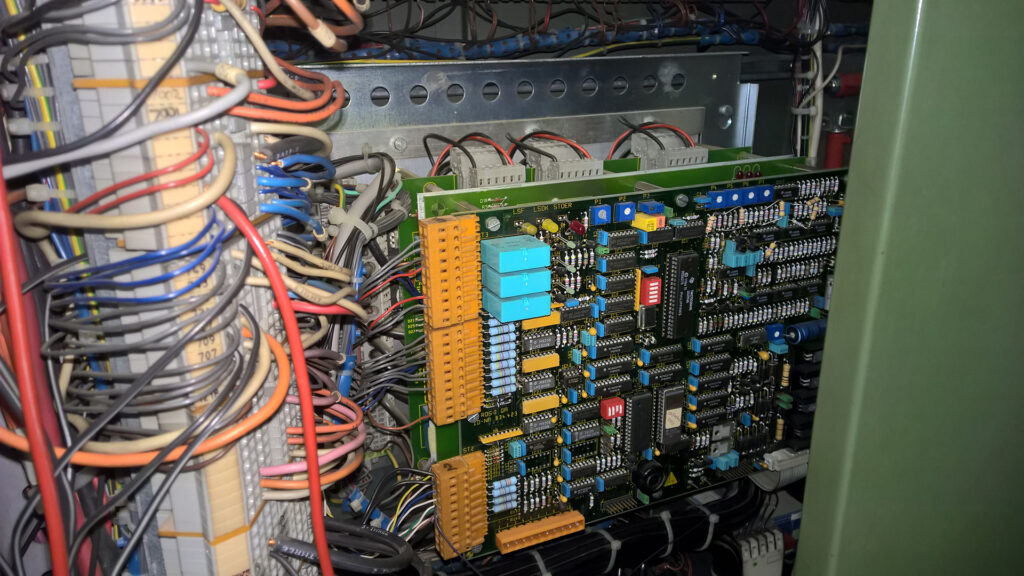
Older BMS platforms often use proprietary communication protocols developed by manufacturers in the 1990s and early 2000s.
These networks can become increasingly difficult to maintain because:
• replacement components may no longer be manufactured
• technical support for the protocol may no longer exist
• integration with modern systems becomes difficult
Early communication networks were also often extremely slow by modern standards.
In addition, radio frequency interference from equipment such as Variable Speed Drives (VSDs) can introduce communication errors on poorly shielded networks.
When communication networks begin to fail, entire areas of the building may lose monitoring or control capability.
Outdated Graphics and User Interfaces
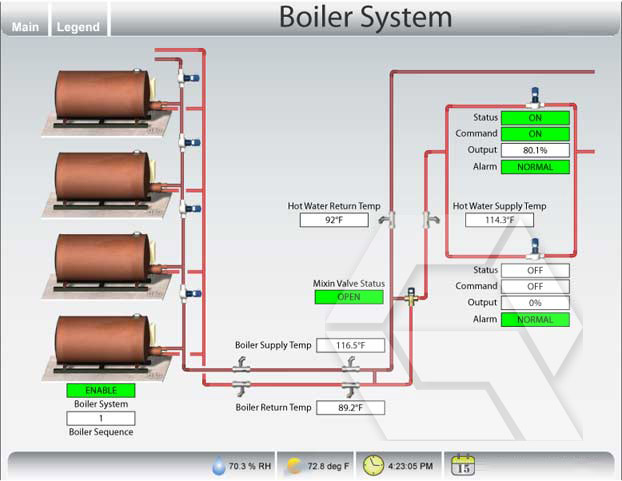
Early BMS systems often used very basic graphical interfaces.
Common issues include:
• confusing navigation structures
• limited alarm visibility
• poor fault diagnostics
• outdated workstation software
Many older systems also lack proper energy management capability.
In some buildings, modern energy meters cannot be integrated because the communication protocols used by the original system are now obsolete—particularly in older proprietary BMS platforms.
These limitations make it difficult for facility managers to quickly identify faults or analyse system performance.
Modern graphical interfaces provide significantly improved fault visibility, trend analysis, and system diagnostics, allowing building operators to manage systems much more effectively.
Increasing Maintenance Complexity
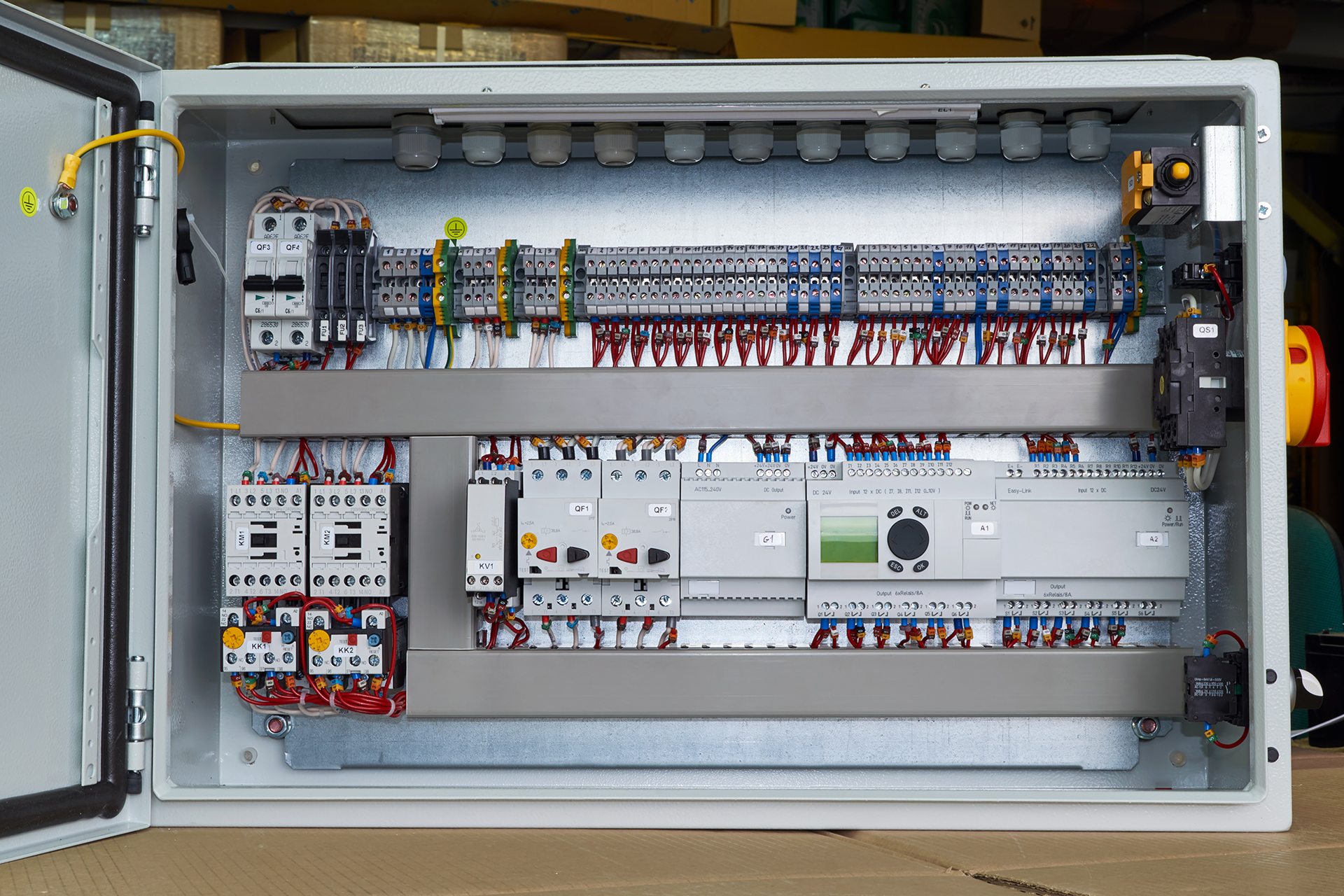
As Building Management Systems age, facility managers often experience increasing maintenance challenges such as:
• difficulty sourcing replacement controllers
• limited technical documentation
• fewer technicians familiar with older systems
• longer fault diagnosis times
• component fatigue across field devices and control equipment
Without proactive engineering support, these challenges can gradually increase operational risk for building owners and managers.
Maintaining Reliability in Older Systems
While ageing Building Management Systems will eventually require replacement or modernisation, many systems can continue operating reliably with the right engineering support.
Specialist BMS engineers can often:
• diagnose communication faults
• repair control network problems
• replace failing field devices
• optimise control strategies
• improve system graphics and usability
These improvements can significantly extend the operational life of older building control systems.