Carbon Monoxide, Co Systems for Commercial property and residential property.
This includes:
- Strata Aparment Blocks with or wirth out Comemrcial mixed Use
- Retail shopping Centre Car parks
- Hospital Car Parks
- Council Car Parks
- Function Centre Car Parks
- Club and hospitaltiy Car Parks
- Sporting Venuse Car Parks
- Transport Car parks
What the law & standards say (short)
- Car-park ventilation and CO monitoring is covered by Australian Standard AS 1668.2-2012 (ventilation for acceptable indoor air quality) and the National Construction Code (NCC) verification methods (Part J6 referencing car-park exhaust and monitoring). These require mechanical ventilation where natural ventilation is insufficient and often require CO sensors to control fans. .
- Work Health & Safety obligations mean owners must prevent hazardous CO exposures in common areas, short-term exposures have strict limits.
- AS 1851-2012 is now Law as of the 13th February 2026. Many Annual Fire Safety Statements in the safety measures section refer to the fire safety measures for Mechanical Services and a standard of Performance to AS 1668.2. This Safety measure ensures the necessary compliance of your Car Park Carbon Monoxide System to work effectively. These reports from the Testing and Calibration of your Co System are a part of the BASELINE Data for the site for continued compliance with AS 1851 – 2012.
Typical system components
- Fixed CO sensors (electrochemical sensors) distributed through the car park at designed locations.
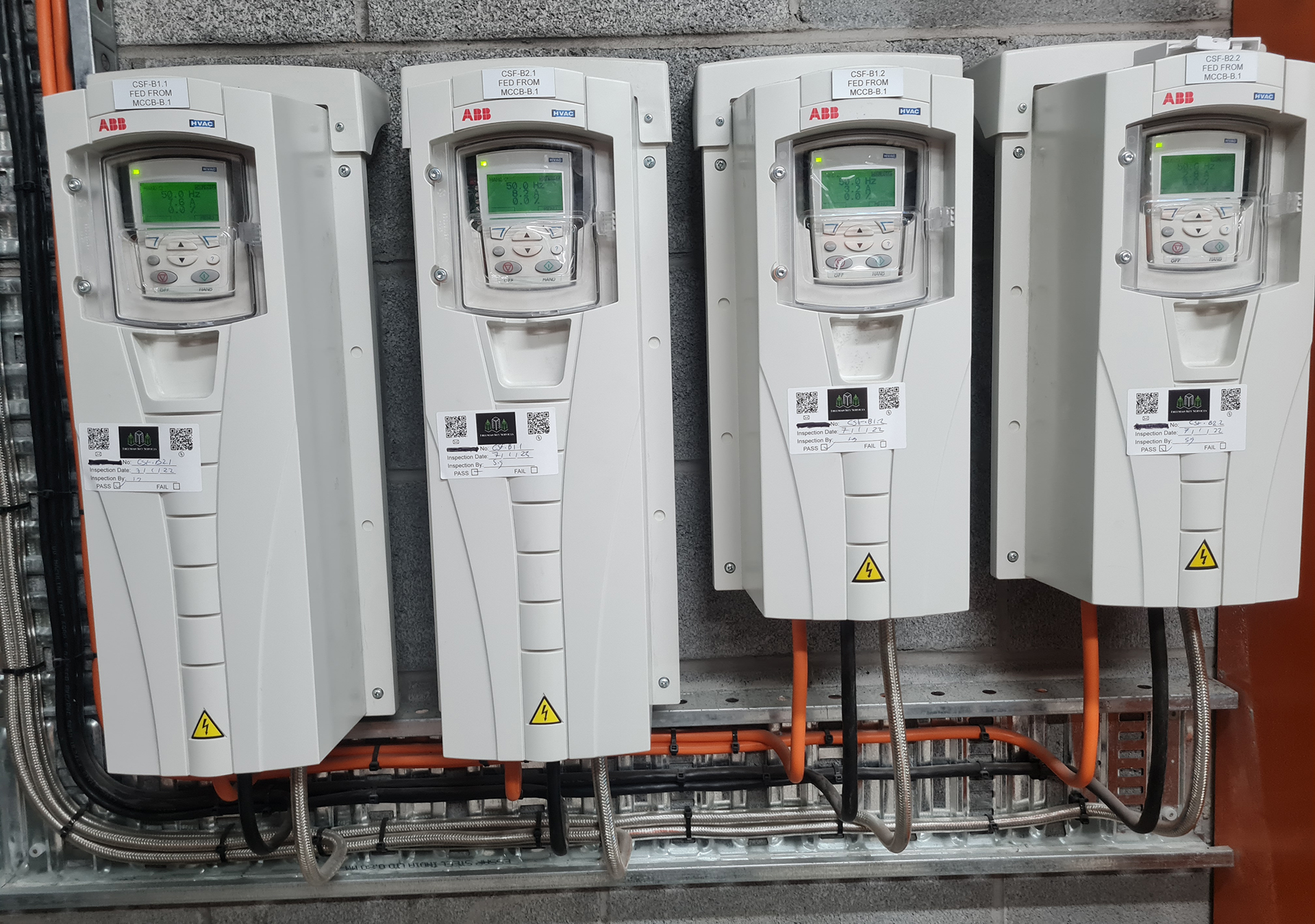
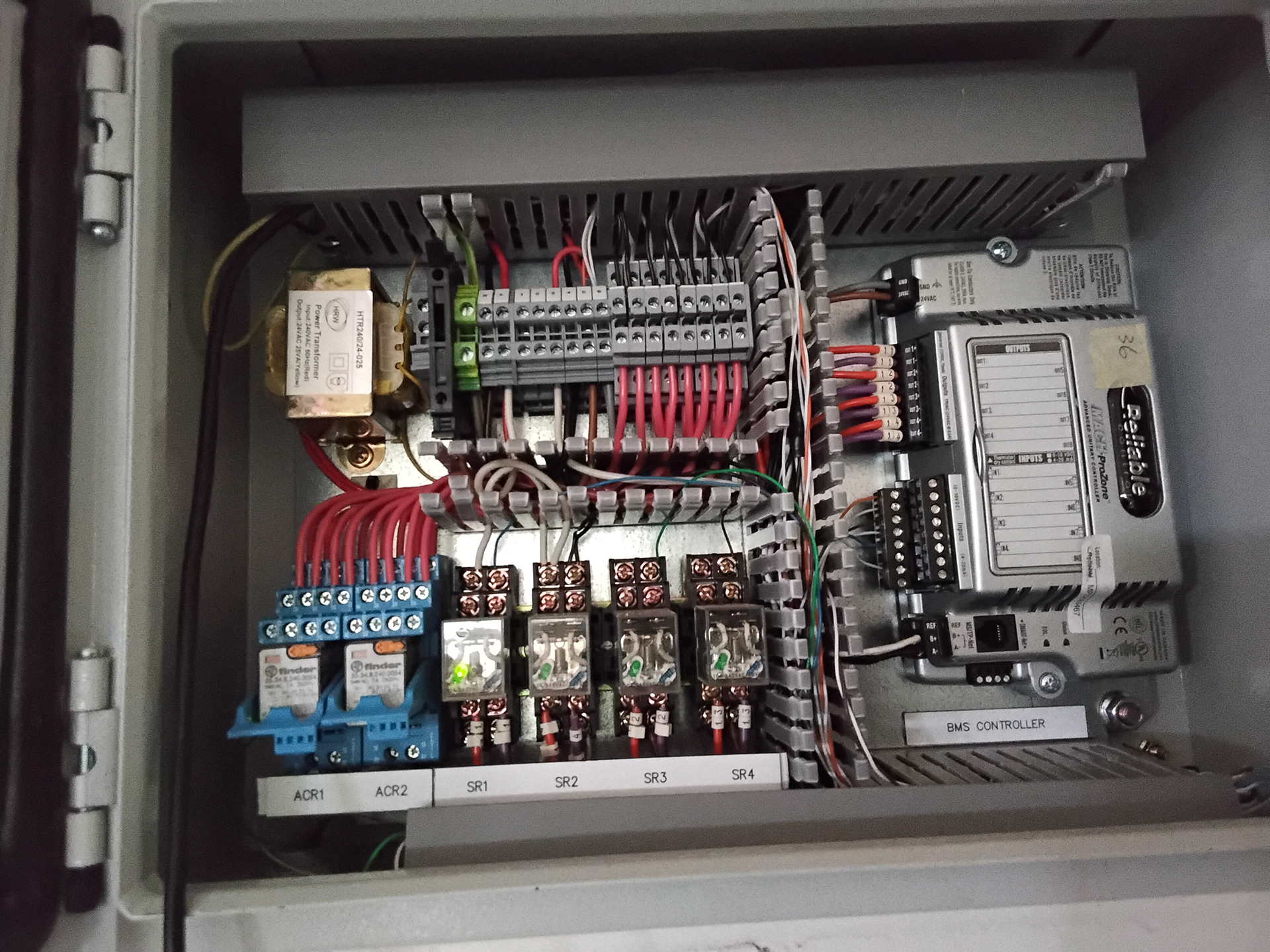
- Controller / logic (dedicated CO controller or BMS integration) that drives exhaust fans or jet fans via VSDs (variable speed drives) and provides alarms/status.
- Fans / jet fans sized per AS1668.2 and the building’s design ventilation rate.
- BMS / alarms / override — integration with the building management system, and independent fire-system overrides where required.
- The System must be wired for the Fire System authority, that is, the FDCIE has control over the car park fans BEFORE the Co System. For example, if the Fire Fighter chooses to turn on or turn off a car park Fan via the FDCIE (FIP) than this must work over any other Fan Control, including the Co system.
Design & placement, practical rules.
For Co Systems in Commercial and Residential Property
- Sensor spacing: design practice (and many suppliers/projects) use maximum spacing ~25 metres between sensors (but follow the engineering design requirements for the specific layout). If in doubt, use a formal AS1668.2 design.
- Typical control behaviour per AS1668.2: fans step up when CO threshold reached; fans may only be stopped once CO has fallen below the low threshold for a sustained period (examples in industry guidance use ~9 ppm hold and 4 minutes, verify for each design). Systems must default to full ventilation if a sensor fault occurs.
- Large or diesel-truck access car parks may also require NOx monitoring in addition to CO.
Maintenance, testing & calibration
- Routine inspection and sensor calibration / service every 6 months is common good practice and often required by owners/engineers, replace sensors as the manufacturer suggests. Systems should be function-tested and recorded.
- Log alarms, perform periodic full-system functional tests (fans, VSD response, BMS alarms), and keep service records for the owners corporation / AFSS or safety audits.
Benefits; safety and cost
- Primary: prevent hazardous CO build-up and fulfil WHS obligations.
- Secondary: energy savings; CO-based demand control reduces fan runtime vs 24/7 full-speed ventilation, lowering power/maintenance costs and carbon footprint. Many case studies show significant running cost reductions.
Quick owner/strata checklist (for Sydney & Melbourne sites)
- Do you have a documented ventilation design that references AS1668.2 / NCC J6?
- Are CO sensors installed and suitably sited?
- Is the system integrated to the BMS and does it default to full ventilation on sensor failure?
- Are service/calibration records available and current (every 6 months recommended)?
- Does Your Fire Safety Schedule have “Mechanical Services” as a measure of Performance?
How we can help (if you want a practical next step)
If you’d like, WR8TECH can:
- Inspect & report (compliance gap analysis vs AS1668.2 & NCC J6).
- Provide a fixed-price proposal for sensor layout, CO controller, VSD fan controls and BMS integration.
- Service & calibrate sensors on a 6-monthly schedule and provide compliance paperwork for owners corporations.
- Coordinate with the Fire Services Contractor to ensure compliance
A few more Links
- Car Fan Control – Are You Exposed?
- Car Park Carbon Monoxide Control & Compliance
- Car Park CO Monitoring System Upgrades & Installations
- Car Park Co Sensor Calibration
- Car Park Fan Control via the Fire Indicator Panel (FIP)
- Car Park Fan Control, AS 1668 & AS 1851
- Co Systems for Commercial & Residential Property
- Six-Monthly Car Park Ventilation System Testing