Car Fan Control – Are You Exposed?
Car Park Ventilation Compliance Diagnostic Checklist
Use this checklist to quickly assess whether your car park CO and NO₂ ventilation system may be non-compliant, underperforming, or legally exposed under AS 1668, AS 1851, and state regulations.
If you answer “No” or “Not sure” to any of the questions below, your asset may be at risk.
1. AS 1668 – System Design & Performance
☐ Are CO (petrol) and NO₂ (diesel) sensors installed in locations based on gas behaviour and toxicity?
☐ Are sensor set points and time delays configured to meet AS 1668 minimum requirements?
☐ Does the system activate ventilation only when gas levels exceed thresholds, not continuously?
☐ Can the system demonstrate automatic response to elevated gas levels during testing?
☐ Have control settings remained unchanged since commissioning, or been formally revalidated after changes?
2. AS 1851 – Inspection, Testing & Documentation
☐ Is the car park ventilation system included in the building’s AS 1851 inspection and test schedule?
☐ Are functional tests of fan operation and control logic performed and recorded at required intervals?
☐ Are fire interfaces (fan trips, run-on, or shutdown) tested and documented?
☐ Are inspection records current, complete, and readily available for auditors or regulators?
☐ Are test results reviewed — not just filed — to confirm actual system performance?
3. Fire & Life Safety Integration
☐ Is the ventilation system correctly interfaced with the base building fire control system?
☐ Have interfaces been re-tested following any control, BMS, or electrical upgrades?
☐ Can the system demonstrate compliant behaviour during a fire event or simulated fire condition?
☐ Is responsibility for fire interface testing clearly assigned and documented?
4. WHS & Occupant Safety
☐ Has the risk of noxious fume exposure been formally identified and controlled?
☐ Can you demonstrate that ventilation activates before gas levels become unsafe?
☐ Are contractors and car park users protected during peak traffic periods?
☐ Would you be confident explaining your controls to a WHS inspector?
5. Energy & Asset Performance
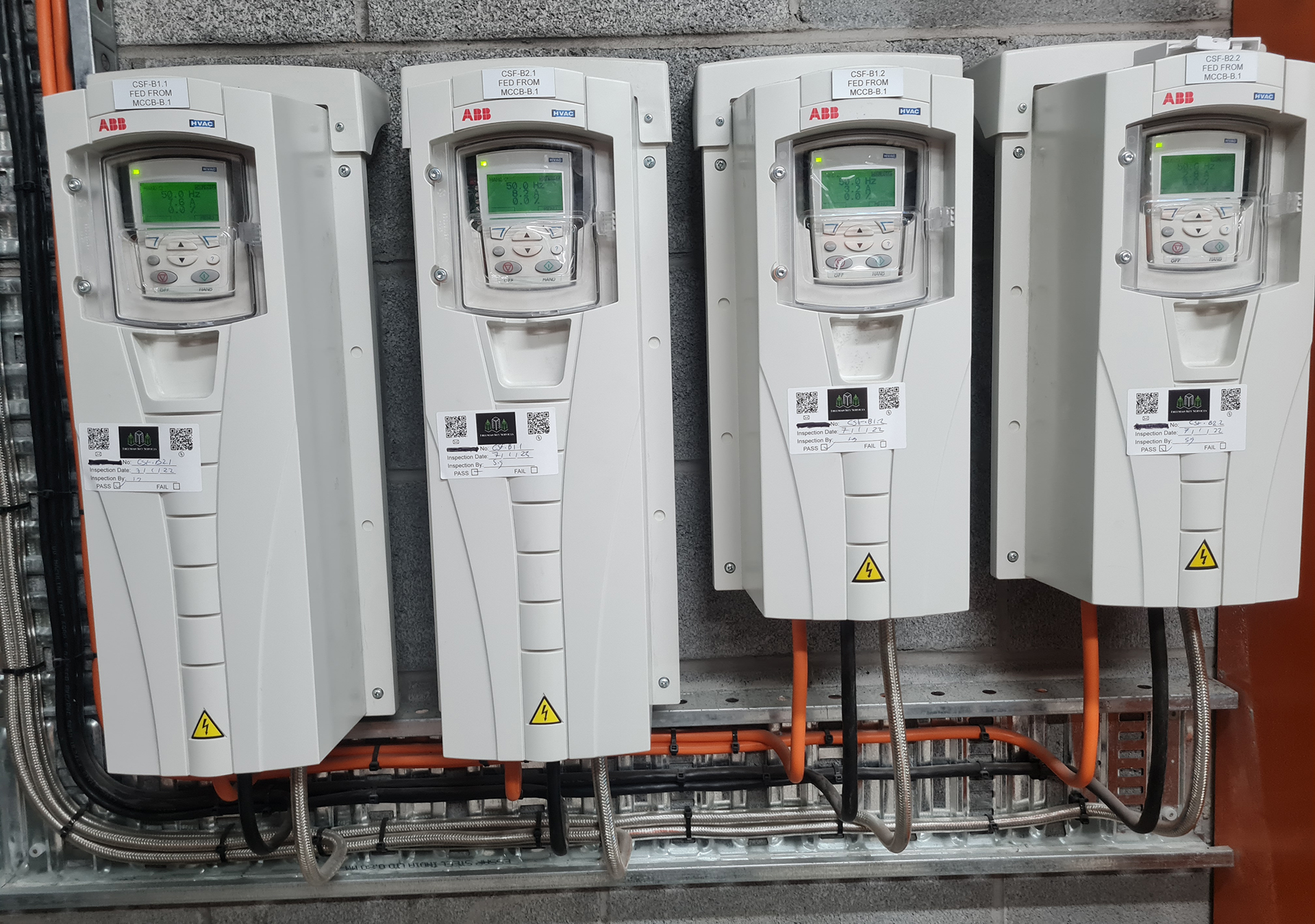
☐ Are fans controlled via Variable Speed Drives (VSDs)?
☐ Is ventilation demand-based rather than fixed-time or manual?
☐ Have energy consumption and run hours been reviewed for efficiency?
☐ Is excessive fan runtime causing avoidable wear and maintenance costs?
6. Governance, Risk & Insurance
☐ Is there clear evidence of compliance for insurers, auditors, and fire authorities?
☐ Are roles and responsibilities clearly defined (Owner, Agent, Contractor)?
☐ Would your current documentation support an insurance claim following an incident?
☐ Are directors or committee members confident their duty of care obligations are met?
What Your Answers Mean
- All “Yes” → Your asset is likely compliant and well governed
- Some “Not sure” → You may have undocumented or hidden exposure
- Any “No” → Immediate compliance and risk review is recommended
Most compliance failures in Sydney and Melbourne car parks are configuration, testing, or documentation issues — not equipment failures.
Next Step
A performance-based compliance review can:
- Verify AS 1668 operational settings
- Validate AS 1851 testing and documentation
- Identify WHS and insurance exposure
- Reduce unnecessary energy and maintenance costs
A compliant car park isn’t just ventilated — it’s provable, defensible, and optimised.
A few more Links
- Car Fan Control – Are You Exposed?
- Car Park Carbon Monoxide Control & Compliance
- Car Park CO Monitoring System Upgrades & Installations
- Car Park Co Sensor Calibration
- Car Park Fan Control via the Fire Indicator Panel (FIP)
- Car Park Fan Control, AS 1668 & AS 1851
- Co Systems for Commercial & Residential Property
- Six-Monthly Car Park Ventilation System Testing