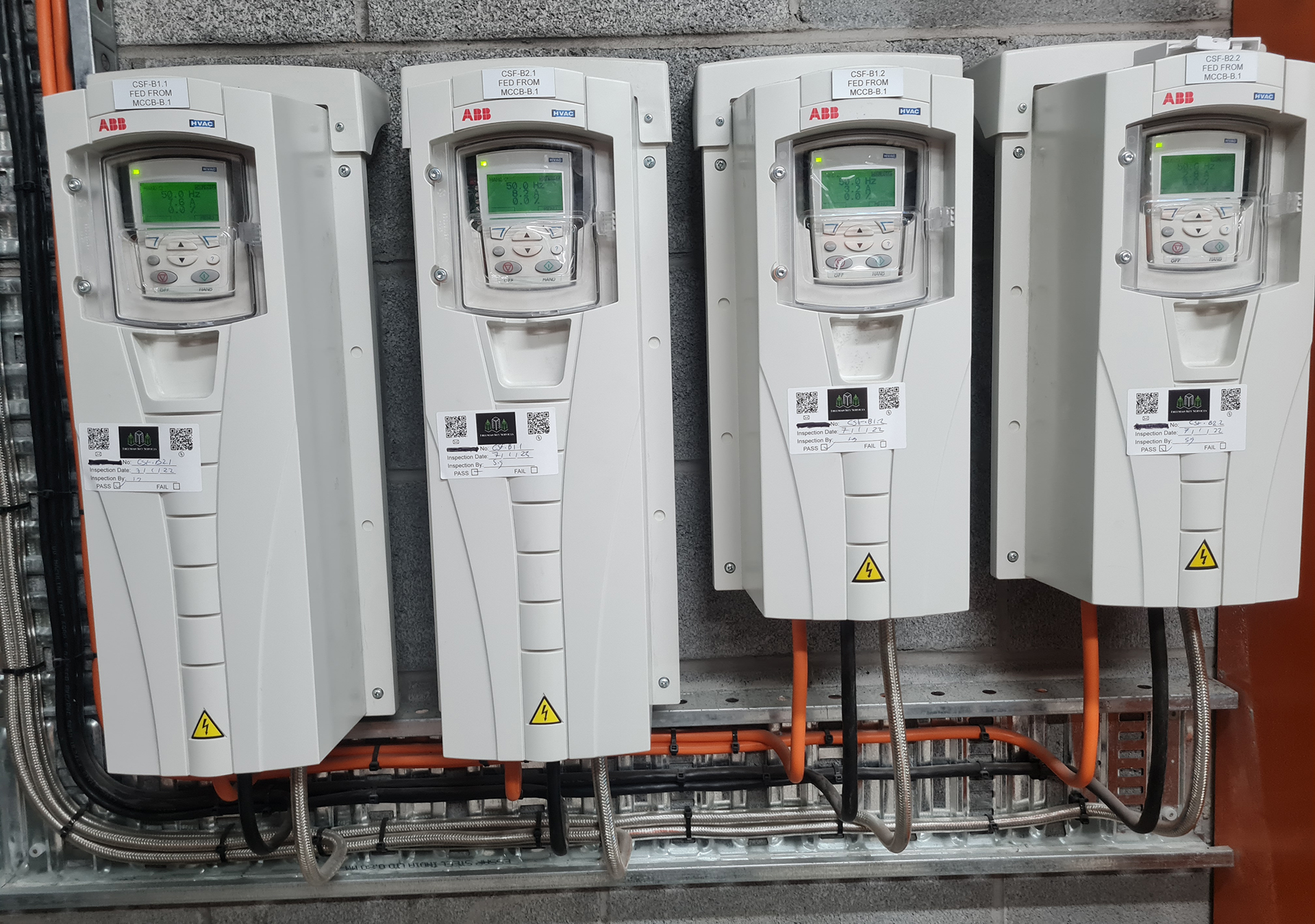
Car Parks, AS 1668 & AS 1851
How the Standards Interact — and Why They Are Enforceable by Law
In commercial and residential buildings across Sydney and Melbourne, enclosed and semi-enclosed car parks are governed by two key Australian Standards: AS 1668 and AS 1851. While they serve different purposes, together they define both how car park ventilation systems must operate and how they must be maintained over time.
Understanding their relationship is critical to legal compliance, insurance protection, and duty-of-care obligations.
AS 1668 — Design, Operation & Performance
AS 1668 governs the design, installation, and operational performance of ventilation systems used to control smoke and noxious fumes.
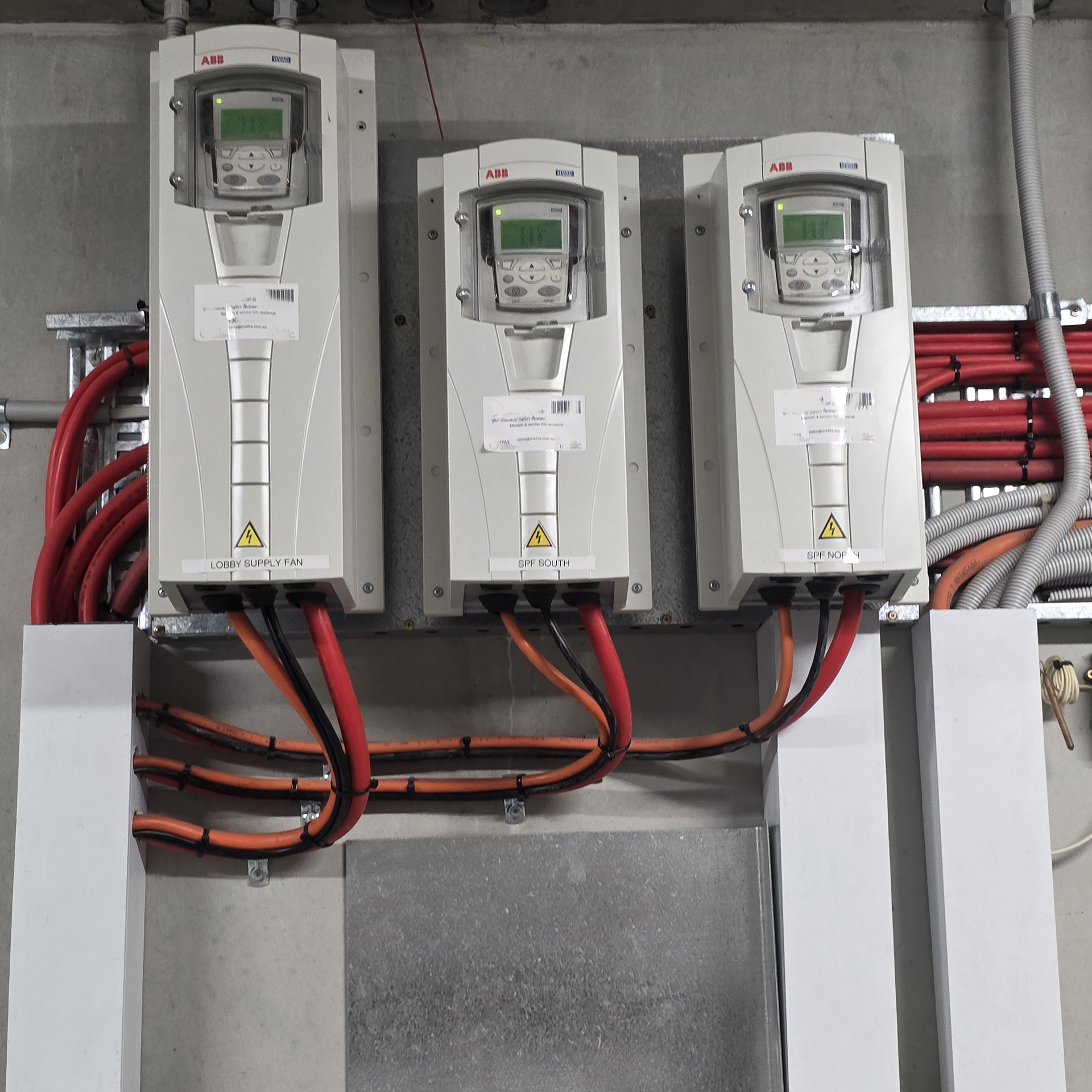
In car parks, AS 1668 sets requirements for:
- Control of carbon monoxide (CO) and nitrogen dioxide (NO₂)
- Ventilation rates and system response times
- Sensor-based demand control
- Fan operation logic and run times
- Integration with fire and smoke control systems
In simple terms, AS 1668 defines what the system must do to protect occupant health and life safety.
A car park ventilation system that:
- Has incorrect set points
- Uses disabled or bypassed sensors
- Runs outside prescribed parameters
may be operationally non-compliant, even if all equipment is physically present.
AS 1851 — Inspection, Testing & Maintenance
AS 1851 governs the ongoing inspection, testing, and maintenance of fire and life-safety systems.
Where car park ventilation systems interface with fire systems (which they do in most buildings), AS 1851 applies to:
- Fan shutdown or run-on during fire events
- Fire trip relays and control interfaces
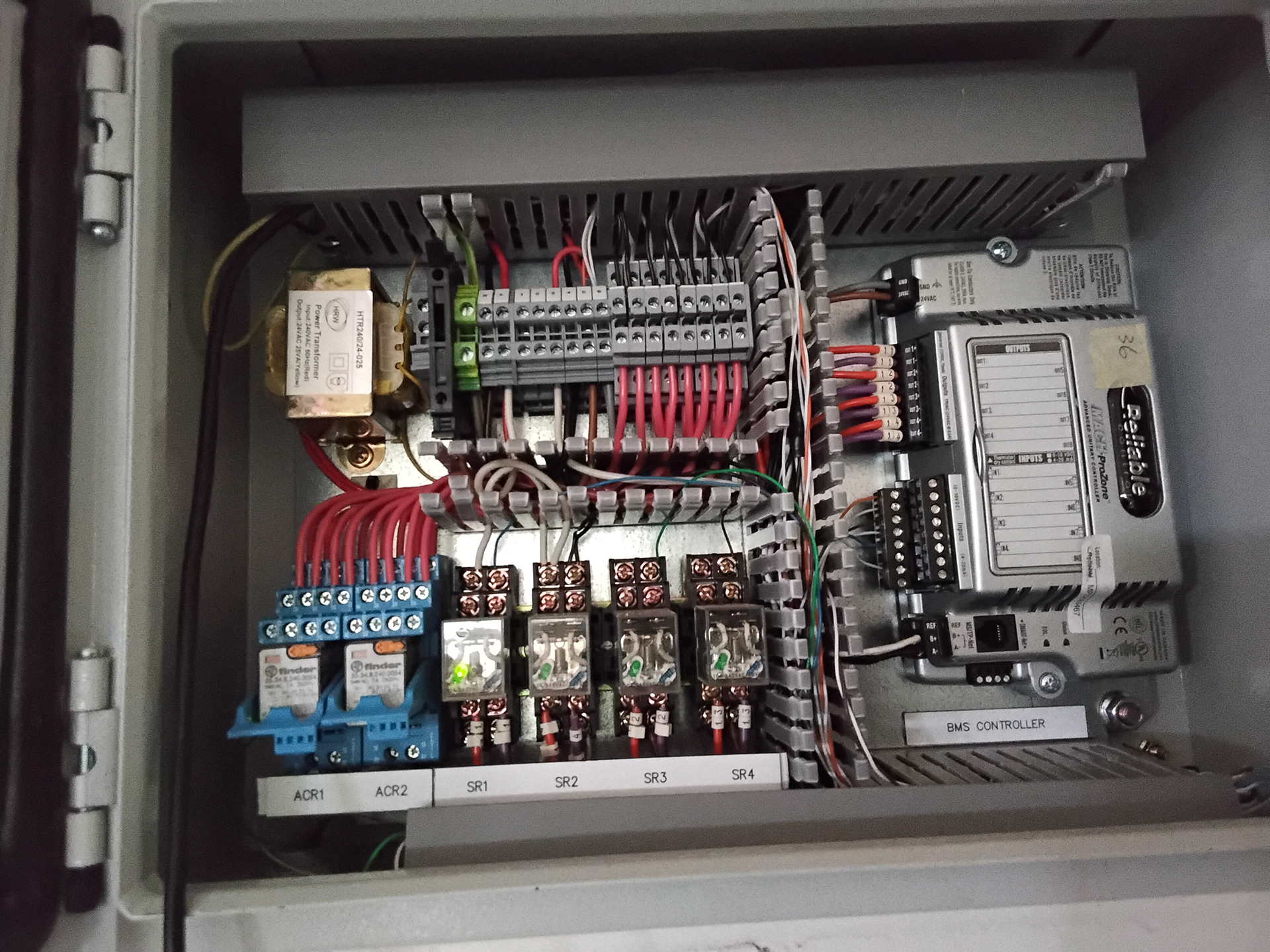
- Control panels associated with smoke or exhaust functions
- Verification that systems operate as designed under fault or fire conditions
In short, AS 1851 defines how often systems must be tested and proven to work.
A system may comply with AS 1668 at installation, but if it is not inspected, tested, or documented in accordance with AS 1851, it becomes legally vulnerable.
How These Standards Become Law
Australian Standards are not laws by themselves — but they become legally enforceable when referenced by legislation or regulation.
In NSW and Victoria:
- The National Construction Code (NCC) references AS 1668 for ventilation
- State building regulations require essential safety measures to be maintained in accordance with relevant standards
- Fire Safety Statements (NSW) and Essential Safety Measures (VIC) rely on AS 1851 testing regimes
This means:
- AS 1668 defines compliance at performance level
- AS 1851 defines compliance over the life of the building
Failure to meet either can constitute a breach of statutory obligations.
Practical Legal Implications for Owners & Committees
If a noxious fume incident, WHS complaint, or fire event occurs, regulators and insurers will typically ask:
- Was the system designed and configured to AS 1668?
- Was it maintained, tested, and documented to AS 1851?
- Can the owner demonstrate ongoing compliance?
If the answer to any of these is “no”:
- Liability may shift directly to the owner or Owners Corporation
- Insurance cover may be reduced or denied
- WHS and building regulators may issue notices or penalties
Importantly, “the fans were running” is not evidence of compliance. Documentation, configuration, and test records matter.
The Common Compliance Gap
The most common failure point in Sydney and Melbourne assets is not equipment — it is the gap between AS 1668 performance requirements and AS 1851 maintenance regimes.
Examples include:
- Sensors installed but never calibrated
- Set points altered to reduce nuisance alarms
- Fire interfaces not tested after control upgrades
- No evidence that ventilation responds correctly to elevated gas levels
This gap creates a false sense of compliance while exposing owners to real legal and financial risk.
The Bottom Line
- AS 1668 governs how car park ventilation systems must perform
- AS 1851 governs how that performance must be proven and maintained
- Together, they form a legally enforceable compliance framework under NSW and Victorian law
A compliant car park is not just ventilated — it is documented, tested, and defensible
A few more Links
- Car Fan Control – Are You Exposed?
- Car Park Carbon Monoxide Control & Compliance
- Car Park CO Monitoring System Upgrades & Installations
- Car Park Co Sensor Calibration
- Car Park Fan Control via the Fire Indicator Panel (FIP)
- Car Park Fan Control, AS 1668 & AS 1851
- Co Systems for Commercial & Residential Property
- Six-Monthly Car Park Ventilation System Testing