
Obsolete Building Management Systems
What Commercial Property Managers Need to Know
Across Sydney and Melbourne many commercial buildings are still operating Building Management Systems that were installed 15–25 years ago. At the time these systems were state-of-the-art and provided reliable control of HVAC plant, lighting and energy management.
However, like all electronic systems, Building Management Systems eventually reach the end of their practical life.
Many property managers today are discovering that their BMS is becoming increasingly unreliable, difficult to maintain, and expensive to repair.
WR8TECH specialises in diagnosing, maintaining and upgrading obsolete Building Management Systems in commercial buildings.
Why BMS Systems Become Obsolete
A Building Management System is a combination of software, network communications and electronic controllers. Over time all three components become outdated.
Common causes of BMS obsolescence include:
1. End of Manufacturer Support
Many legacy BMS platforms are no longer supported by the original manufacturer. Software updates stop, replacement controllers are no longer produced, and technical support becomes unavailable.
When a critical controller fails, building operators may find that spare parts simply cannot be sourced.
2. Ageing Control Hardware
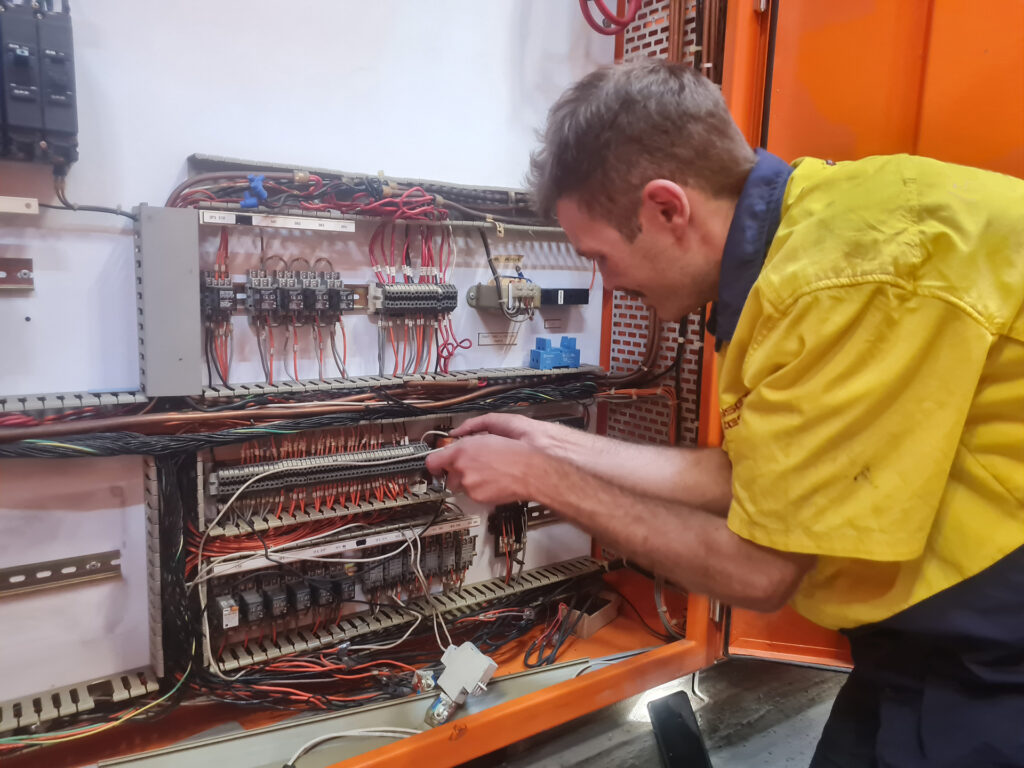
Field controllers installed in plant rooms operate continuously for many years. Electronic components such as microprocessors, capacitors and voltage regulators gradually degrade over time.
This can lead to problems such as:
- Intermittent controller failures
- Loss of network communications
- Controllers randomly resetting
- Unstable control signals
These faults often appear gradually and can be difficult to diagnose.
3. Sensor Drift and Field Device Failures
Sensors used throughout a building – including temperature, pressure and air quality sensors – slowly drift out of calibration.
As sensors age they can provide inaccurate readings to the BMS, resulting in poor plant performance and energy inefficiency.
Typical symptoms include:
- Heating and cooling operating at the same time
- Air handling units running longer than necessary
- Incorrect room temperatures
- Increased energy consumption
4. Obsolete Communication Networks
Older BMS installations may rely on communication protocols that are no longer common or supported by modern equipment.
Legacy systems may struggle to integrate with:
- New HVAC plant
- Modern energy meters
- VSD drives
- Remote monitoring platforms
This limits the building’s ability to modernise and improve efficiency.
5. Software Compatibility Problems
Many older BMS systems require outdated operating systems or proprietary software that no longer runs reliably on modern computers.
This can make simple tasks such as:
- accessing graphics
- modifying control logic
- adjusting schedules
much more difficult than they should be.
Signs Your Building’s BMS May Be Reaching End of Life
Property managers often notice warning signs before a system fails completely.
Common indicators include:
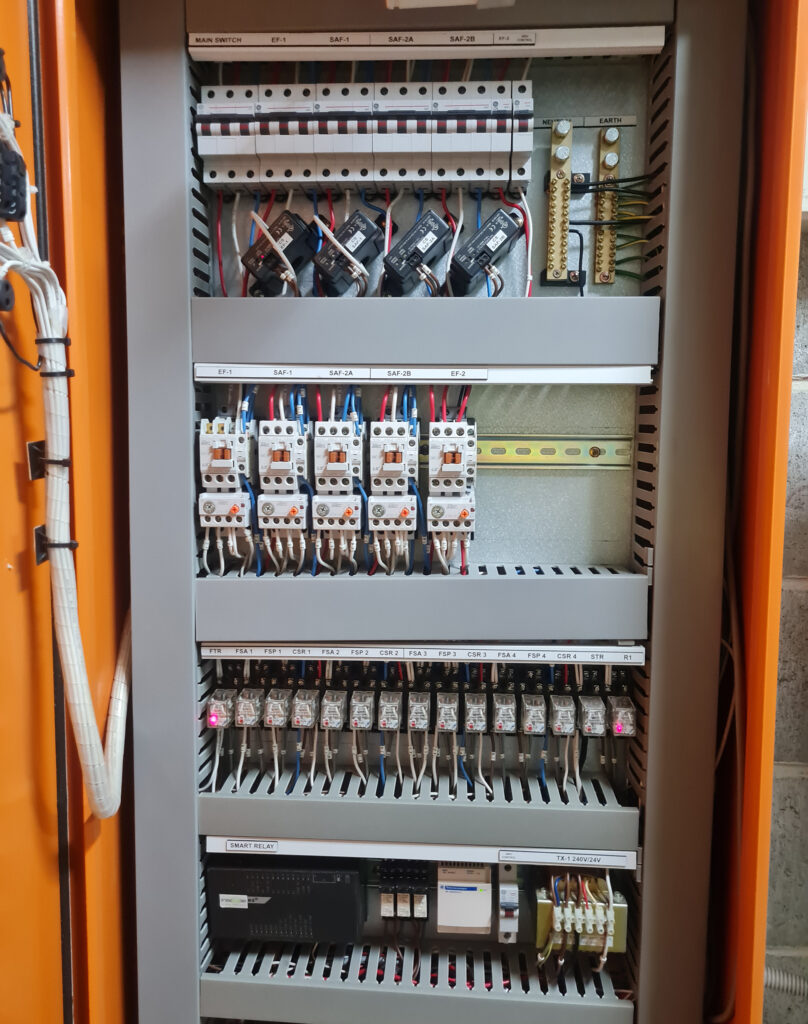
- Increasing number of alarms or faults
- Controllers dropping offline
- Graphics becoming slow or unresponsive
- Difficulty obtaining spare parts
- Contractors advising that components are “no longer available”
- Rising maintenance costs
If several of these symptoms are present, the BMS may be approaching the end of its useful service life.
The Risk of Ignoring an Ageing BMS
When a BMS becomes unreliable it can affect more than just comfort conditions within the building.
Potential risks include:
- HVAC plant running inefficiently
- Increased energy consumption
- Failure of critical ventilation systems
- Difficulty responding to faults or alarms
- Loss of control over essential building services
In some cases, a single failed controller can prevent large sections of plant from operating correctly.
For commercial buildings this can quickly become a major operational problem.
Upgrade vs Replacement – What Are the Options?
A full BMS replacement is not always necessary.
In many cases a staged upgrade strategy can extend the life of a system while improving reliability.
Possible solutions include:
Partial Controller Upgrades
Replacing critical plant controllers while retaining existing field wiring and sensors.
Integration Gateways
Allowing modern systems to communicate with legacy BMS networks.
Front-End Software Upgrades
Modernising graphics and monitoring platforms while leaving field controllers in place.
Staged System Replacement
Upgrading plant areas progressively to spread capital cost over time.
A properly planned upgrade strategy allows buildings to modernise their control systems without unnecessary disruption.
[…] many years of operation, these microscopic semiconductor structures begin to degrade due […]
[…] controller failures become more common with age, a complete BMS replacement is not always […]